

Hog Barn, Barn Chicken, Hog Raising & Calf Barn Trends in 2025: Sustainable Agricultural Barn Solutions for Efficient and Ethical Farming
“Modern hog barns can reduce water usage by up to 30% compared to traditional designs.”
In the rapidly evolving landscape of agriculture, the use of specialized barns such as the hog barn, barn chicken houses, hog raising facilities, calf barn setups, farm pole barn structures, and corn crib barn designs remains pivotal. As we move into 2025 and beyond, these modern agricultural structures are not only reshaping the approach to animal welfare, resource management, and sustainability, but also enhancing operational efficiency and productivity within farming systems worldwide.
From automated systems that reduce manual labor and energy consumption to technologies that enrich animal environments and preserve crop quality, farmers are leveraging advanced barn designs to foster resilient, future-ready farms. This comprehensive guide explores the latest trends, enhancements, and ecological features in hog barn, barn chicken, hog raising, calf barn, farm pole barn, and corn crib barn use for 2025—shedding light on how these specialized structures contribute significantly to modern sustainable agriculture.

Hog Barns and Hog Raising in 2025: Optimizing Livestock Health & Efficiency
The hog barn is specifically designed to optimize via controlled environments for hog raising. These barns are tailored to ensure the health and growth of pigs while minimizing the environmental impact of operations. Let’s dive into the latest features and benefits:
Key Technological Advances in Hog Barns
- ✅ Advanced Ventilation Systems: Efficient air exchange reduces heat stress and maintains air quality, directly improving animal health.
- ✅ Automated Feeding & Watering: Precision-controlled feeding schedules reduce labor and manage feed costs, while automated waterers significantly lower water use (see trivia above).
- ✅ Temperature Control: Integrated heating and cooling for optimum growth rates year-round, regardless of external weather variability.
- ✅ Waste Management Innovations: Systems for manure handling and odor reduction minimize environmental risks and help align with stringent regulations.

Environmental & Sustainability Focus in Hog Barns
Modern hog barns in 2025 are aligned with sustainability objectives:
- 🌱 Reducing greenhouse gas emissions via methane capture from manure and utilization in on-farm energy systems.
- 🌱 Water conservation strategies, including recycling systems for cleaning and cooling.
- 🌱 Using eco-friendly building materials that offer better insulation and reduce overall energy consumption.
Adopting these sustainable practices not only minimizes environmental impact but also helps farmers comply with increasingly stringent regulations.

For real-time environmental impact tracking and carbon accounting on your hog raising operations, Farmonaut’s Carbon Footprinting tool offers advanced monitoring and actionable sustainability data.

Barn Chicken Trends: Poultry Production and Animal Welfare in 2025
Barn chicken housing continues to evolve, especially in response to animal welfare concerns and market demand for ethically produced food. Key trends driving poultry production include:
Design Enhancements & Welfare Features
- ✔ Natural lighting integration – Simulated daylight cycles reduce stress and mirror natural chicken behaviors.
- ✔ Enriched environments – Perches, nesting areas, foraging zones and dust bathing platforms foster healthier, less stressed flocks.
- ✔ Improved ventilation systems – Helps control humidity, reduces heat load, and minimizes airborne disease pathogens among birds.
- ✔ Precision monitoring technology – Flock behavior, temperature, feeding rates, and health are tracked digitally for early interventions.
Sustainability in Poultry Barn Chicken Housing
- 🌱 Use of recyclable or low-impact materials in barn construction.
- 🌱 Energy-efficient insulation and LED lighting to reduce power usage and heat stress.
- 🌱 Water-saving systems for optimal waste management and hygiene.
These improvements deliver better product quality (e.g. stronger eggshells, healthier meat) and increase market competitiveness for ethically produced poultry.

Calf Barn Innovations for Young Livestock Welfare
The calf barn plays a crucial role in the early stages of cattle production. Providing a safe, sanitary environment for calves helps minimize disease risk and sets the stage for optimal growth.
Modern Calf Barn Features
- 🔍 Biosecurity Protocols: Controlled access and foot baths to reduce disease transmission.
- 🔍 Climate Control: Automated temperature and humidity control for protection against increasing weather variation.
- 🔍 Individual and Group Housing Options: Depending on farm goals, calves can be raised singly to reduce disease or grouped for better socialization and growth rates.
- 🔍 Integrated Digital Monitoring: Track every calf’s feeding, activity, and growth to enable timely health interventions.
Did you know? Individual pen systems in calf barns with integrated climate controls can help reduce pre-weaning mortality by up to 25%, dramatically improving productivity.
Access the Farmonaut API for custom integrations
View API Developer Documentation for technical details.




Farm Pole Barns: Versatile, Sustainable Structures for Storage & Shelter
The farm pole barn stands out for its versatility and cost-effectiveness. Farmers rely on these multipurpose structures for equipment storage, hay preservation, shelter, and easy expansion options.
- 🔹 Modern materials – Prefabricated steel frames, insulated wall panels, and reflective roof coatings for energy efficiency.
- 🔹 Rapid assembly – Post-frame construction minimizes setup time and investment.
- 🔹 All-weather durability – Enhanced insulation and drainage features preserve crops and protect livestock.
- 🔹 Modular design – Allows farmers to adjust layout as operations evolve in 2025 and beyond.
These advances not only reduce maintenance costs but also help improve operational efficiency.
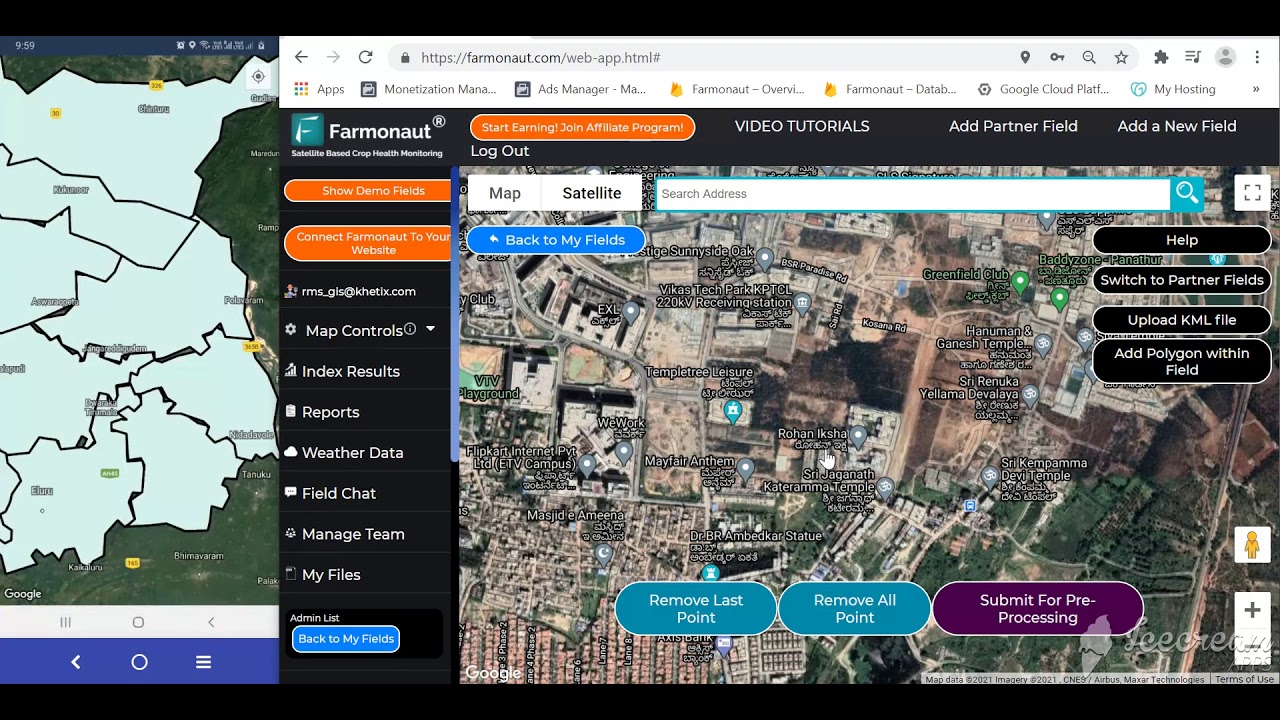
For large-scale farm management, Farmonaut enables you to monitor every field, barn, and pasture with real-time satellite insights. Discover our Large Scale Farm Management Tools.
Corn Crib Barn Design: Modernized Storage Solutions
Corn crib barns are essential for the safe, long-term storage of corn and other grains. Preserving crop quality via controlled ventilation and moisture management ensures supply consistency—crucial in 2025 agricultural systems.
Corn Crib Barn Features in 2025
- 📦 Smart sensors – Continuously monitor moisture and temperature, sending alerts to farmers for remote management.
- 📦 Automated ventilation – Fans and adjustable vents optimize grain aeration and reduce spoilage risks.
- 📦 Flexible design – Can be adapted for alternative crop or biomass storage—great for diversified farming systems.
- 📦 Eco-friendly construction – Renewable insulation, recycled panels, and low-impact framing techniques.
Reducing post-harvest losses in corn crib barns directly improves feed quality for livestock and supports regional food security objectives.
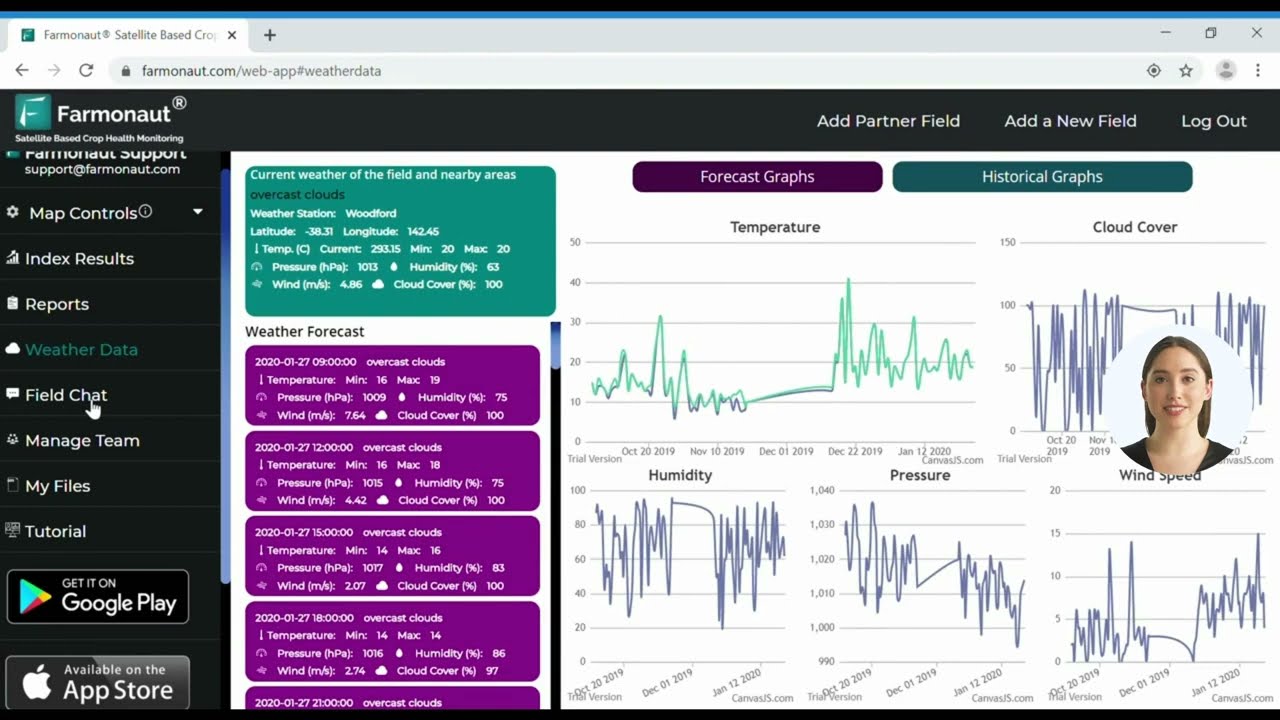
Farmonaut’s blockchain traceability solution (learn more here) can be integrated to certify grain origin and storage history, bolstering value and food safety in modern barns.
Comparative Trends Table: Modern Barn Advancements in 2025
| Barn Type | Sustainability Features | Animal Welfare Enhancements | Estimated Resource Savings (%) | Eco-Friendly Materials Used |
|---|---|---|---|---|
| Hog Barn | High insulation, advanced waste management, energy-efficient systems | Automated ventilation, optimized spacing, thermal comfort zoning | 30% water savings, 20% energy savings | Recycled steel, sustainable insulation foam, low-VOC coatings |
| Calf Barn | Solar integration, insulated panels, efficient water systems | Smart air flow, space-tailored group/individual pens, anti-stress lighting | 25% mortality reduction, up to 40% lower heating costs | Bamboo partitions, recycled plastics, solar roof tiles |
| Barn Chicken | LED lighting, natural airflow, composting litter systems | Perches, enriched nesting, variable density design | 18% energy, 40% less disease outbreaks | Laminated timber, high-recycled-content steel, recycled fiber panels |
| Corn Crib Barn | Smart ventilation, modular insulation, solar-powered aerators | Ambient temp monitoring, grain-safe airflow, ergonomic access | Up to 25% post-harvest loss reduction | Reused wood slats, recycled metal mesh, sustainable paints |
Advancing Sustainable Agriculture: Satellite Insights & Farmonaut
At Farmonaut, we understand that for farmers and agri-businesses, the path towards a resilient, efficient, and sustainable operation is lined with data-driven decisions. Leveraging our cutting-edge satellite & AI platform, farms can:
- ✔ Monitor crop and barn conditions remotely via satellite imagery on Android, iOS, or web.
- ✔ Automate resource usage tracking for water, energy, fertilizer, and livestock movement.
- ✔ Comply with environmental regulations using our carbon footprint monitoring tools.
- ✔ Ensure transparency in supply chains with blockchain-based traceability.
- ✔ Reduce operational costs with fleet & resource management modules.
Our satellite-based verification also reduces risks for crop loans and insurance, unlocking access to critical financing for growth and innovation.
“In 2025, over 60% of calf barns are expected to integrate renewable energy for daily operations.”
Key Insights, Pro Tips, and Highlight Boxes for Future-Ready Barns
Benefits & Data Insights: Visual Lists for Barn Advancements
Top 5 Advantages of Modern Agricultural Barns (2025)
- ✔ Boosted Animal Welfare: Controlled environments reduce disease and stress for higher growth rates.
- 📊 Significant Resource Savings: Efficient systems save up to 30% water and 20% energy.
- ⚠ Reduced Environmental Impact: Innovative waste management and renewable energy decrease carbon footprint in all barn types.
- ✔ Enhanced Productivity: Year-round climate control supports higher output and quality.
- 📊 Supply Chain Transparency: Blockchain-based traceability ensures your produce meets consumer and regulatory expectations.
Barn Integration Features: Visual List
- 🌐 Real-time AI Monitoring
- 🌱 Sustainable Materials & Renewable Energy
- 📲 Remote App Control (Android, iOS, Web)
- 🔒 Blockchain Traceability
- 🚚 Fleet & Resource Optimization
Barn Types & Sustainable Practices (2025+):
- 🏠 Hog Barn: Automated feeding, smart waste management
- 🐔 Barn Chicken: Ventilated, enriched housing with LED lighting
- 🐄 Calf Barn: Individual climate-controlled pens, solar energy
- 🌽 Corn Crib Barn: Sensor-driven aeration, modular insulation
- 🏗 Farm Pole Barn: Prefab, eco-friendly, modular for all storage & shelter needs
FAQ: Hog Barn, Barn Chicken, Hog Raising & Calf Barn Trends in 2025
- What makes a hog barn in 2025 different from earlier designs?
- Modern hog barns emphasize controlled environments, advanced ventilation, automated feeding/watering, and high-efficiency waste management that collectively reduce water and energy use by up to 30% and 20% respectively, while also lowering odors and emissions.
- How do barn chicken facilities support animal welfare today?
- Barn chicken barns in 2025 integrate natural lighting, enriched foraging/nesting, and smart environmental controls, allowing chickens to express natural behaviors, which reduces stress and improves growth rates and product quality.
- Are calf barns eco-friendly, and how do they safeguard calves?
- Yes, most new calf barns now use renewable energy, insulated panels, and humidity/temp monitoring to ensure a safe, disease-minimized space. Biosecurity and climate control are prioritized for better early growth and lower mortality.
- What’s the key benefit of modern farm pole barns?
- Farm pole barns are highly versatile and modular. Equipped with prefab eco-friendly materials and high insulation, they reduce maintenance costs, protect assets in any weather, and can be expanded as farm operations grow.
- How do corn crib barns reduce post-harvest losses?
- By using smart sensors and automated ventilation, corn crib barns ensure precise humidity and temperature, minimizing mold and spoilage, and enabling remote management of storage conditions.
- Can modern barn systems integrate with satellite or digital advisory platforms?
- Absolutely! Solutions like Farmonaut provide field, barn, and crop condition insights via satellite apps and APIs, while also offering modules for environmental compliance, traceability, and resource management.
Conclusion: Navigating the Future of Agricultural Structures
As the demands on food systems and environmental stewardship increase in 2025 and beyond, specialized barns—the hog barn, barn chicken house, hog raising facility, calf barn, farm pole barn, and corn crib barn—are set to remain at the forefront of modern agriculture. Their evolution is tightly linked to the adoption of eco-friendly, efficient farming structures that deliver animal welfare, resource conservation, productivity, and compliance with global sustainability targets.
From renewable energy integrations and precision-wellness environments to blockchain traceability and real-time satellite insights offered by platforms like Farmonaut, embracing the best modern barn trends is essential for resilient, productive, and future-ready farms.
Stay ahead of farming innovation: Adopt advanced barn systems, harness satellite and AI monitoring, and commit to sustainable, humane practices. The barns we build today are the foundation for tomorrow’s secure, efficient, and ethical agriculture.
Empowering growers, managers, and agricultural leaders with the data they need—today, and for the sustainable future ahead.

 ITC
ITC Dirks Bros Farms
 Red August Group
 Farm Inc
 WeMe Global
 Agrotoken
 Blue BearX
 Insignito
 Croptimum
 DnCubed
 Field Capacity
 Indosistim Teknologi
 Liquify Digital
 CU Foods
 BeyondTech Global
 Rouge VC
 AgroGreen Dynamics
