

Hugh Hammond Bennett: 7 Soil Lessons for 2026
Summary: Hugh Hammond Bennett: Pioneer of Soil Conservation and Its Enduring Impact on Agriculture and Environmental Stewardship in 2025
Bennett’s Legacy: The Foundation of Soil Conservation
Hugh Hammond Bennett stands as an iconic figure in the global history of agriculture and environmental stewardship. Often called the “father of soil conservation”, Bennett’s passion and expertise in soil management profoundly changed how we view land resources in the United States and worldwide. Even as we enter 2026, Bennett’s vision and pioneering techniques remain deeply relevant—especially with rising climate change challenges, population pressures, and the urgent need for sustainable farming and resource management.
Early Life and Career of Hugh Hammond Bennett
Hugh Hammond Bennett, born in 1881, began his journey as a soil scientist in the early 20th century with the United States Department of Agriculture (USDA). His work as a pioneering researcher was propelled by concern for rampant soil erosion and the mismanagement he witnessed across American farms, especially during the catastrophic Dust Bowl era of the 1930s. These storms, fueled by improper tillage and poor land use, destroyed topsoil, led to declining fertility, and threatened both productivity and rural communities.
- ✔ Pioneer in soil science and sustainability
- 📊 Data insight: Witnessed catastrophic land loss due to mismanagement in the Dust Bowl
- ⚠ Risk: Ignoring proper soil practices leads to long-term degradation and reduced yield
Bennett’s Epiphany: From Scientist to National Advocate
Bennett’s studies revealed how improper tillage and land misuse allowed wind and water to strip away topsoil, pushing land to the brink of permanent degradation. He became a vocal proponent of integrating conservation at the heart of agricultural practices—a legacy that has shaped policy, education, and land management worldwide for over a century.

Core Contributions: Innovations That Changed the Land
Hugh Hammond Bennett’s advocacy ushered in the birth of the Soil Conservation Service (SCS)—now the Natural Resources Conservation Service (NRCS)—within the USDA in 1935. What set his work apart was a commitment to making conservation a practical reality for everyday farmers, land stewards, and policy-makers alike.
- ✔ Contour plowing to reduce runoff and wind damage
- ✔ Strip cropping to break up erosion paths organically
- ✔ Terracing for sloped lands
- ✔ Crop rotation to restore soil nutrients
- ✔ Cover crops and windbreaks for protection and enriched biodiversity
These enduring soil conservation techniques preserved water, restored damaged lands, elevated productivity, and provided the bedrock for today’s sustainable agriculture and land stewardship.
Hugh Hammond Bennett: 7 Soil Lessons for 2026
As the global population nears 8.5 billion and the need for environmental stewardship intensifies, Bennett’s seven foundational soil lessons are even more valuable—informing not just American agriculture, but inspiring worldwide resilience and sustainability.
Lesson 1: Contour Plowing
Plowing along land contours reduces water runoff and soil erosion, especially on slopes. Adopted globally, this method not only protects soil health but boosts yields by retaining nutrients and moisture where crops need them most.
Lesson 2: Strip Cropping
Alternating crop strips of different species breaks up erosive wind and water paths. This improves soil productivity and increases biodiversity—major allies in the battle against degradation.
- ✔ Key benefit: Less bare soil exposed
- ✔ Greater resilience: Diverse root systems increase natural resource use efficiency
Lesson 3: Terracing
Building terraces on hilly ground preserves topsoil by slowing water movement and creating level planting areas. Terracing, particularly in Asia and developing regions, remains vital for conserving agricultural land.
Lesson 4: Crop Rotation
Rotating crops seasonally prevents nutrient depletion, disrupts pest cycles, and promotes soil health. Bennett advocated this practice to replace the exhaustion caused by monoculture, underlining its critical role in sustainable farming.
- ✔ Increased productivity and biodiversity
- ✔ Reduced reliance on fertilizers and pesticides
Lesson 5: Planting Cover Crops
Cover crops (like clover or vetch) prevent winter erosion and return organic matter to the soil. This technique restores fertility between cash crop seasons, supporting robust soil microbial life.

Adopting cover cropping enhances water retention, soil structure, and provides natural weed suppression—minimizing costly chemical interventions.
Lesson 6: Establishing Windbreaks
Rows of trees or shrubs act as windbreaks, shielding soil from wind erosion and buffering crops from weather extremes. As climate volatility increases in 2026 and beyond, windbreaks continue to be essential for maintaining productive farmland.
- ✔ Reduces drying and topsoil loss
- ✔ Provides wildlife habitat
Lesson 7: Integrated Water Management
Bennett always stressed the bond between soil and water resources. Techniques like maintaining stream buffers, precise irrigation, and wetland restoration help preserve freshwater while bolstering soil’s resilience to drought and flood—an ever-critical concern moving forward.
- 🌱 Restores topsoil & fertility
- 💧 Improves water retention
- 🌲 Bolsters biodiversity
- 🔄 Breaks pest and disease cycles
- 🌎 Reduces erosion and environmental impact

Comparative Impact Table: Bennett’s Soil Lessons for Modern Management
Explore the real-world impacts of Bennett’s lessons for soil conservation, sustainable agriculture, and environmental stewardship—backed by expert estimates for 2025 and 2026.
| Soil Lesson | Conservation Practice | Estimated Climate Resilience Increase (%) | Estimated Yield Improvement (%) | Environmental Impact (Estimated Reduction in Soil Erosion %) |
|---|---|---|---|---|
| 1. Contour Plowing | Plowing along natural land contours | +20 | +10 | Up to 35 |
| 2. Strip Cropping | Alternating strips of crops with grass or legumes | +18 | +7 | 30 |
| 3. Terracing | Creating stepped fields | +30 | +12 | 40 |
| 4. Crop Rotation | Planned rotation of different crops | +15 | +15 | 25 |
| 5. Cover Cropping | Planting cover crops (non-cash) off-season | +22 | +9 | 28 |
| 6. Windbreaks | Planting tree/shrub rows | +14 | +5 | 18 |
| 7. Integrated Water Management | Stream buffers, wetland restoration, irrigation management | +40 | +13 | 50 |
Modern Relevance: Applying Bennett’s Lessons Across Sectors
Bennett’s techniques are not relics of the past—they are profoundly relevant for all sectors in 2026 as climate risks, population growth, food security, and land scarcity reshape how we manage natural resources:
🏡 Agriculture
- Soil productivity hinges on healthy topsoil and biodiversity.
- Conservation practices safeguard yields, especially as droughts and pests increase.
🌲 Forestry
- Restoration and erosion control sustain biodiversity and water cycles.
- Strategic replanting secures wildlife habitats and carbon sequestration.
⛏ Mining
- Land rehabilitation: Mitigates post-extraction erosion and pollution.
- Restored landscapes reduce environmental liability.
🏗 Infrastructure
- Erosion control is vital before, during, and after development.
- Prevents long-term damage and costly restoration.
Combining soil conservation with modern satellite monitoring (see below) yields earlier warnings, targeted interventions, and higher ROI on sustainability efforts—becoming a “smart” best practice for all land managers in 2026.
Technology, Satellite Insights & Farmonaut in Sustainable Land Stewardship
While Bennett’s legacy provided the foundation, modern soil conservation is supercharged by real-time technology. We at Farmonaut believe that democratizing satellite data and AI-driven insights is the next great leap in sustainable agriculture, mining, forestry, and infrastructure planning.
- ✔ Satellites provide instant, wide-area monitoring for soil health, erosion, moisture, and land degradation
- 📊 AI unlocks practical decision support, trend analysis, and early warnings
- ⚠ Risk: Over-reliance on raw data without strategic interpretation can lead to missed field-level nuances
How Farmonaut Empowers Modern Resource Management
Farmonaut’s platform combines satellite imagery, machine learning, and blockchain to address 21st-century conservation challenges:
-
Satellite-Based Monitoring:
Our tech delivers near real-time NDVI vegetation health, soil moisture, and field variability data—critical for farmers, mining operations, and infrastructure managers.
Discover Large Scale Farm Management Solutions: Streamline monitoring of vast agribusinesses with integrated satellite data, alerts, and field diagnostics. -
AI Advisory Systems:
Jeevn AI provides actionable recommendations—be it weather forecasting for planting or pest risk predictions—helping users make smarter, faster decisions. -
Blockchain Traceability:
Enable transparent, tamper-proof traceability solutions—critical in modern supply chains for agriculture, mining, and forestry. -
Fleet & Resource Management:
Fleet management tools optimize agricultural and mining logistics via live vehicle and asset tracking for lower costs and higher ROI. -
Environmental Impact Monitoring:
Track carbon footprints, soil degradation trends, and biodiversity impacts via automated metrics that support compliance and certification. -
Financial Verification:
Sat-based crop loan and insurance verification tools improve farmer access to credit and insurance, reducing fraud risk while supporting livelihoods.
- 🔭 Affordable, scalable monitoring—no hardware installation required
- 🔒 Blockchain traceability—builds trust in resource origin & supply chains
- 🌱 Promotes environmental stewardship—with real-time carbon, soil, and water impact tracking
- 📱 Cross-platform access: Android, iOS, web
- 🔌 Powers integration for developers & enterprises: API Access and Developer Docs




As mining and infrastructure projects face stricter environmental scrutiny in 2026, satellite-verified land reclamation and carbon tracking will be essential for compliance and social license to operate.

Overlooking the link between organic matter and climate resilience can cause expensive remediation. Prioritize soil organic carbon as part of your conservation strategy.
Bennett’s principles are adaptable—combine foundational techniques with remote sensing and AI for maximum eco- and economic impact.
FAQ: Soil Conservation, Bennett, and Today’s Challenges
What is Hugh Hammond Bennett’s greatest legacy in soil conservation?
Bennett pioneered practical soil conservation strategies like contour plowing, strip cropping, and crop rotation, transforming erosion control into core policy and educational pillars in U.S. and global agriculture.
Why are Bennett’s lessons still relevant for 2026?
Bennett’s principles address today’s urgent needs: climate change adaptation, soil health restoration, biodiversity preservation, and environmental stewardship. Combined with modern technologies, his vision is vital for sustainable land management.
How does satellite technology improve soil conservation?
Satellite platforms like those from Farmonaut enable wide-area, frequent, and actionable monitoring for early warning, targeted advice, and streamlined resource management, reducing cost and expanding access for all users.
Can Bennett’s principles be applied in forestry and mining?
Absolutely. Techniques like terracing, windbreaks, and integrated water management are adapted for forestry restoration and post-mining land rehabilitation, reducing erosion and enhancing long-term land value.
How do I get started with Farmonaut’s solutions?
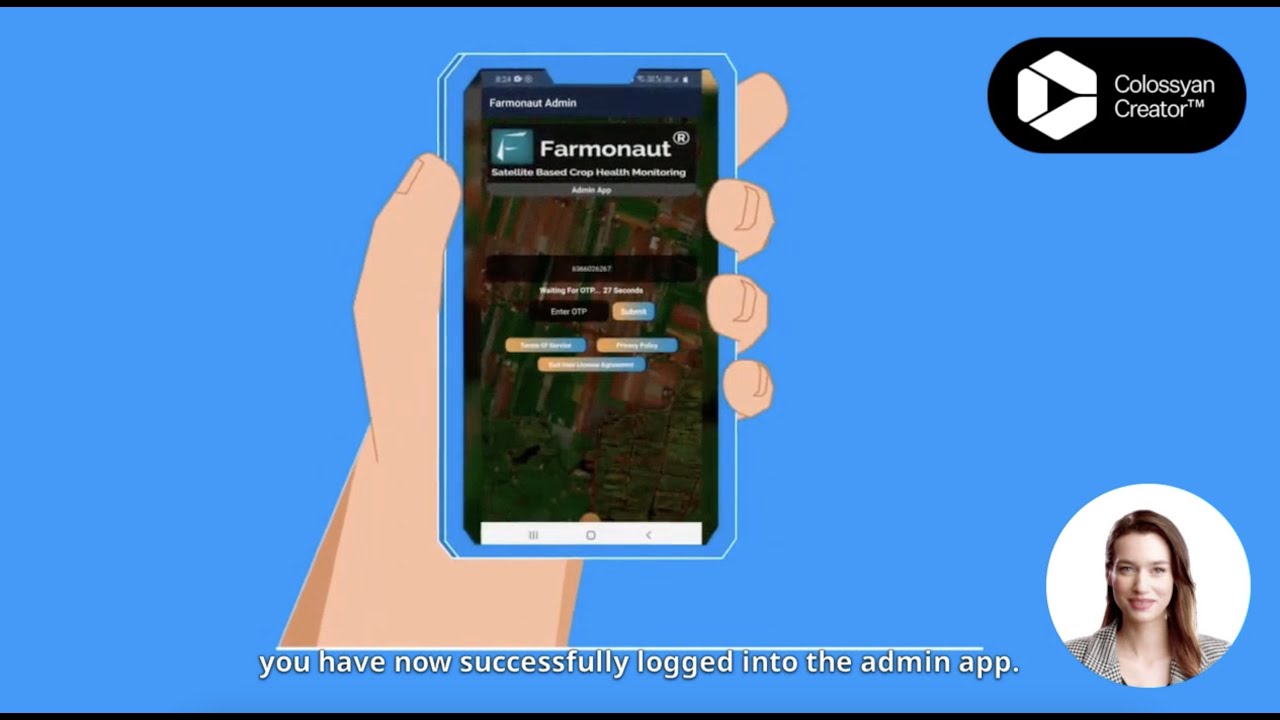
Download our app for satellite-based insights or access our platform for monitoring, fleet management, traceability, and AI-powered advice. Visit Farmonaut for Farmers & Businesses to explore solutions tailored to your sector.
5 Takeaway Bullet Points: Bennett’s Enduring Soil Wisdom
- ✔ Soil Conservation is Foundational: Modern agriculture, mining, and forestry depend on effective erosion control and sustainable practices.
- 📊 Quantified Gains: Soil conservation can drive up to 50% reduction in erosion and 15% yield improvement in key contexts.
- 🌱 Integrated Approaches Are Superior: Combining Bennett’s lessons with AI and satellite tech multiplies climate resilience.
- ⚠ Do Not Neglect Soil Organic Matter: It is central for both climate change mitigation and soil fertility.
- 🔑 Adapt Bennett’s Techniques to Your Context: Choose and tailor strategies based on your land, crops, and local climate—then monitor with smart digital tools.
- 🌍 Monitor fields with satellite imagery
- 🤖 Leverage AI-based insights for precision action
- 🔄 Implement diverse conservation techniques
- 🔗 Incorporate blockchain traceability for transparency
- 🧑🎓 Continue learning—soil science is dynamic!
Conclusion: The Enduring Future of Bennett’s Vision
Hugh Hammond Bennett’s impact on soil conservation stands undiminished as we move into 2026 and beyond. His principles, forged from the dust storms of the 1930s and refined through decades of advocacy, continue to shape sustainable agriculture, forestry, mining, and infrastructure management across the United States and worldwide.
The integration of technology and Bennett’s time-tested wisdom is not just a best practice—it’s an urgent necessity. Soil remains the foundation of terrestrial life, and only through steadfast stewardship, ongoing education, and forward-looking adaptation of Bennett’s lessons can we build resilient, productive, and sustainable landscapes—ensuring food security, ecosystem services, and climate stability in an era marked by rapid change.
Let us collectively honor Bennett’s pioneering journey—by adopting robust, science-based soil management, leveraging the power of digital monitoring and AI, and fostering a culture of environmental stewardship that benefits both present and future generations.
#SoilConservation #Bennett #SustainableAgriculture #ClimateResilience #EnvironmentalStewardship #Farmonaut
Discussion
Questions, corrections or field experience? Share them below. First-time comments are reviewed before they appear, and your email is never published.
No comments yet. Be the first to add a question or your experience.

 Red August Group
 Farm Inc
 JJM Farms
 WeMe Global
 Pixxel
 Agrotoken
 Blue BearX
 Insignito
 Croptimum
 DnCubed
 Field Capacity
 Indosistim Teknologi
 Liquify Digital
 CU Foods
 BeyondTech Global
 Rouge VC
 AgroGreen Dynamics
 AgroRisk
 Oath Inc
 Reddane Farming
 Licence holder · Niger · Gold










