

Table of Contents
- Introduction: Why Hydroponic Farming Matters in 2025-2026
- Key Concepts & System Types in Hydroponic System Farming
- Crop Suitability: What Grows Best in Hydroponics?
- Hydroponic Farming Training and Education Programs (2026+)
- 7 Grants for Hydroponic Farming in 2025-2026
- Comparative Grants Overview Table
- Policy, Infrastructure Integration & Synergies with Hydroponics Urban Farming
- Operational Best Practices for Hydroponic System Farming in 2025
- Farmonaut: Satellite & AI-Driven Innovations for Hydro Farming
- Frequently Asked Questions (FAQ)
“India’s hydroponic market is projected to reach $500 million by 2025, driven by urban farming and advanced system adoption.”
“Hydroponic systems use up to 90% less water than traditional farming, significantly boosting urban crop yields.”
Hydroponic Farming: 7 Grants for Urban & System Farming
As we step into the transformative years of 2025 and beyond, hydroponic farming is no longer just an urban hobby—it has evolved into a mainstream agricultural force. Its broad implications for food security, rural livelihoods, and sustainable resource use position hydroponics at the intersection of technology, environmental stewardship, and scalable food production. In this comprehensive guide, we explore hydro farming in depth: from hydroponic farming training and system design, to grants and policies fueling growth, and operational strategies to ensure resilience in diverse climates. Whether you’re an urban grower, rural entrepreneur, or infrastructure developer, discovering the world of hydroponics urban farming could set your agricultural venture on the path to scalable, sustainable success.
Modern hydroponic system farming empowers us to decouple crop production from soil quality. By delivering nutrients directly to plant roots, we can boost yields and conserve up to 90% more water—a necessity for urban expansions and drought-prone rural regions.
Key Concepts & System Types in Hydroponic System Farming
The backbone of hydroponic farming is its ability to circulate nutrient-rich solutions directly to plant roots, enabling precise control of pH, EC (electrical conductivity), and nutrient balance. This approach reduces fertilizer waste and environmental runoff, key for sustainable agriculture and for meeting the growing demands of cities and industrial regions.
Hydroponics offers a variety of system designs, scalable from individual urban rooftops to large-scale commercial greenhouses. Below, we’ll review the most common configurations powering global food security and urban resilience in 2026:
- ✔ Nutrient Film Technique (NFT): Thin films of nutrient solution flow continuously along sloped channels where roots absorb nutrients efficiently.
- ✔ Vertical Farming Towers: Space-saving vertical units for high-density production—widely adopted in hydroponics urban farming for maximizing yields in population centers.
- ✔ Deep-Water Culture (DWC): Plants are suspended in aerated, oxygenated water, allowing roots direct access to nutrients and dissolved oxygen for optimal growth rates.
- ✔ Ebb-and-Flow Systems: Controlled flooding and draining cycles enhance oxygenation and nutrient delivery, suiting a wide range of crops and climates.
- ✔ Hybrid and Modular Setups: Integrate climate-controlled greenhouses, solar panels, and modular shipping-container units to adapt to specific regions, off-grid needs, or rapid deployment in forestry/nursery contexts.

📊 Data Insight:
- pH & EC Sensors play a vital role in delivering balanced nutrients, maximizing quality and yields.
- Closed-Loop Irrigation in hydro systems preserves water and reduces environmental costs.
- Climate automation minimizes disease risks and enhances energy efficiency.
⚠ Risk or Limitation:
- Energy dependency in indoor/controlled setups can increase operational costs. Solar and hybrid energy reduce this impact.
- Pest/disease outbreaks may escalate rapidly in high-density environments; strict protocols are essential.
- Nutrient management requires technical skill for optimal hydroponic system farming.
For long-term savings and carbon credits, consider integrating your hydro system with solar PV or heat-exchange technologies. Farmonaut’s carbon footprinting solution can provide transparent tracking and sustainability reports for compliance or investors.
Crop Suitability: What Grows Best in Hydroponics?
The suitability of various crops in hydroponics is determined by nutrient uptake rates, root system architecture, and environmental tolerances. Some crops are particularly well suited for these systems—a crucial consideration for urban farming and forestry-adjacent nurseries.
Common Hydroponic Crops & Their Applications
- Leafy Greens: Lettuce, spinach, kale—Quick-growing, premium market crops that thrive in all hydro system types.
- Herbs: Basil, cilantro, mint—High-value, fast turnover, ideal for rapid cycle production and culinary markets.
- Berries: Strawberries—Vertical systems and hybrid greenhouses support efficient berry production with superior control over pests and pollination.
- Fruiting Crops: Tomatoes, peppers—Often grown in DWC or hybrid climate-controlled facilities for high yields.
- Nurseries/Forestry: Seedlings, propagation material—Hydroponics excels at producing high-quality seedlings for forestry and agroforestry, particularly in undercover nurseries.
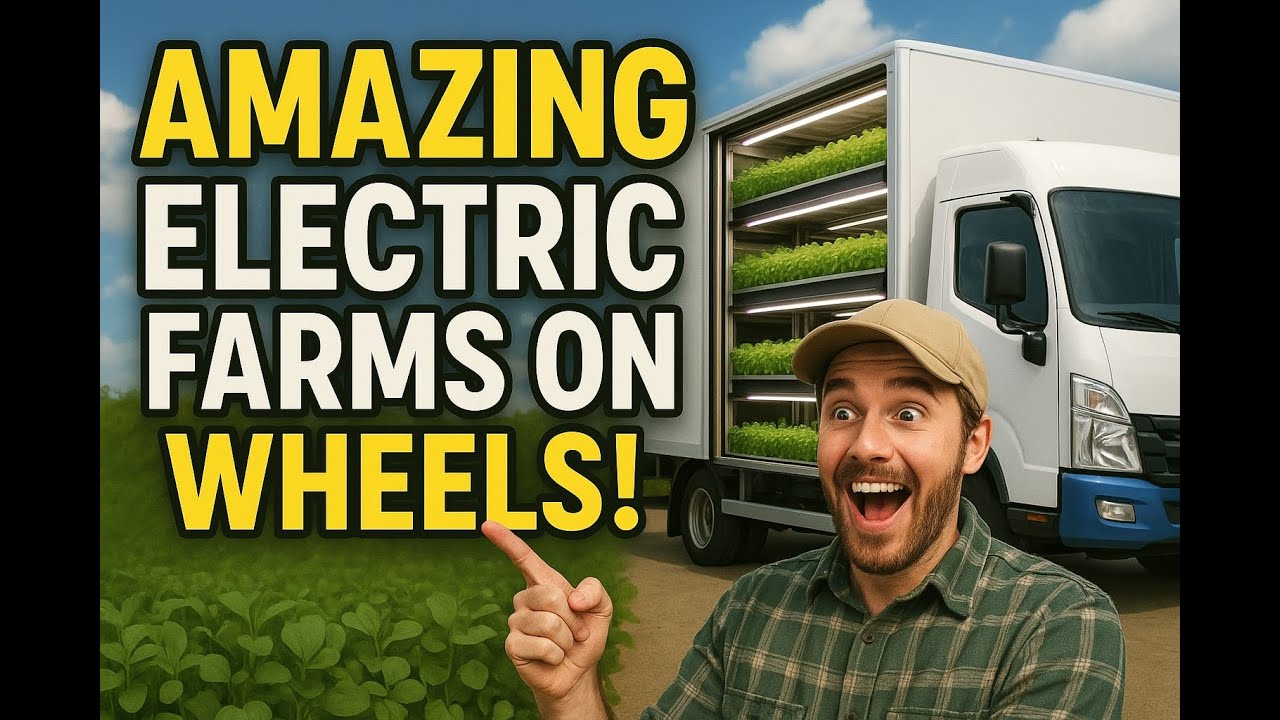
Market-ready crops in hydroponics fetch premium prices in urban supermarkets. Investing in climate-controlled, modular units or expanding nursery propagation can tap into high-margins and year-round demand.
Hydroponic Farming Training and Education Programs (2026+)
Advanced hydroponic farming training is essential for scaling hydroponics system farming in both urban and rural settings. The educational focus is increasingly on:
- System design and setup: Covers infrastructure, energy source integration, automation, and modularity for scalability.
- Crop management: Emphasizes nutrient formulation, water quality, pH and EC control, and root-zone dynamics.
- Pest and disease control: Training in integrated pest management (IPM), biosecurity standards, and routine monitoring for compliance with global safety standards.
- Post-harvest handling and food safety: For optimal shelf-life, reduced waste, and market compliance.
- Hands-on clinics and hybrid curriculums: Combine online modules with on-site experience, ideal for scalable adoption and community upskilling.
Farmonaut’s large-scale farm management tools are designed to integrate smoothly with system automation and compliance tracking, facilitating education, monitoring, and workflow management for hydroponic farming teams, regardless of region or scale.
Hydroponic farming training in 2026 will increasingly leverage satellite-based and AI-powered monitoring to inform crop management, predictive maintenance, and environmental compliance.
7 Grants for Hydroponic Farming in 2025-2026
Expanding hydro farming hinges on access to grants, financing, and innovative funds supporting technology adoption and climate resilience. Here are seven key grant sources relevant for hydroponic system farming, especially in urban and systemically underserved regions:
-
National Agriculture Innovation Grants
- Provider: National Agriculture Ministry
- Coverage: Greenhouses, climate control, training, feasibility studies
-
Climate Resilience Farming Funds
- Provider: Regional or State Climate Agencies
- Coverage: Water treatment, modular units, solar integration, nursery setup
-
Urban Agriculture Start-Up Grants
- Provider: City Development Authorities
- Coverage: Training subsidies, system setup, market feasibility
-
Green Transition & Sustainability Grants
- Provider: Green transition funds, often co-funded by public-private entities
- Coverage: Automation, food-safety systems, energy-efficiency upgrades
-
Rural Agriculture Transformation Programs
- Provider: Rural development agencies
- Coverage: Entry-level hydroponic kits for smallholders, microfinance access
-
Forestry and Agroforestry Adjacent Grants
- Provider: National forestry and environmental boards
- Coverage: Undercover nurseries, propagation facilities, energy solutions
-
International Agricultural Innovation Grants
- Provider: FAO, Global Development Bank, and allied donors
- Coverage: Modular/hybrid setups, capacity building, market linkage facilitation
Comparative Grants Overview Table
| Grant Name | Grant Provider | Estimated Funding Range (USD) | Application Deadline (2025) | Eligible Hydroponic System Types | Target Region/Country | Estimated Application Success Rate (%) |
|---|---|---|---|---|---|---|
| National Agriculture Innovation Grant | National Agriculture Ministry | $10,000 – $100,000 | July 30, 2025 | NFT, DWC, Vertical, Hybrid Greenhouses | India, US, Europe | 28% |
| Climate Resilience Farming Fund | State Climate Agency | $5,000 – $75,000 | September 15, 2025 | All Modular, Solar-hybrid, Nurseries | USA, Canada, Australia | 22% |
| Urban Ag Startup Grant | City Development Authority | $2,000 – $25,000 | May 1, 2025 | NFT, DWC, Vertical Towers | Global Urban Centers | 35% |
| Green Transition & Sustainability Grant | Green Funds/PPP | $20,000 – $150,000 | October 10, 2025 | Automated, Modular, Climate-controlled | EU, UK, Asia-Pacific | 19% |
| Rural Agriculture Transformation Grant | Rural Dev Agencies | $1,000 – $12,000 | April 20, 2025 | Entry-level Kits | India, Africa, Brazil | 33% |
| Forestry/Agro-Nursery Grant | National Forestry Board | $8,000 – $70,000 | August 18, 2025 | Nurseries, Undercover Hybrid | Asia, Africa | 26% |
| International Innovation Grant | FAO/Global Dev Bank | $15,000 – $120,000 | June 29, 2025 | All scalable, Modular, Hybrid | Global Emerging Economies | 17% |
Missing critical deadlines and incomplete grant documentation are among the top reasons for hydroponic grant rejections. Always prepare a robust business plan, include detailed cost breakdowns, and review eligibility before submission.
💡 Key Features for Grant Success
- Precise pH and EC Control for quality compliance
- Modular and Scalable Systems to allow phased expansions
- Water Recycling systems for environmental resilience
- Energy Efficiency Integrations (e.g., solar panels)
- Market Linkage Strategies built into grant proposals
🔗 Essential Farmonaut Resources:
 Farmonaut Web App: Real-time Satellite & Hydroponic Farm Monitoring
- Farmonaut Satellite Data API: Seamless integration of hydro farm data into your business systems
- API Developer Documentation: Build custom solutions for nutrient, irrigation, & resource management
- Fleet Management: Optimize delivery, greenhouse logistics & onsite energy/resource use
 Farmonaut Android App
/
 Farmonaut iOS App

Funding is rapidly shifting toward scalable, modular, and climate-aligned hydroponic solutions. Emphasize adaptability to both urban and rural applications in your grant proposals and business plans.
Policy, Infrastructure Integration & Synergies with Hydroponics Urban Farming
Progressive governments and development authorities increasingly recognize hydroponic farming as a potent water-saving, land-efficient technology aligned with climate resilience and food security targets for 2026+. Relevant policy focus areas include:
- Food safety compliance: Meeting rigorous international GAP/GRFP standards via automation and routine electronic traceability.
- Water recycling and closed-loop irrigation: Ensuring that new projects reduce overall consumption, particularly for large-scale or drought-prone regions.
- Nutrient management: Preventing runoff and optimizing input use for environmental compliance.
- Energy use efficiency: Incentivizing integration with renewable grid sources or microgrid solar and storage.
Infrastructure-forward hydroponic operations colocate with food processing facilities, reducing transportation and spoilage while strengthening local value chains. In mining-affected or post-disaster regions, containerized hydro units support community food security and rapid resilience.
Our modular approach at Farmonaut allows for blockchain-enabled product traceability throughout the hydroponic value chain, fostering trust and compliance in regulated markets and ensuring full product transparency for end consumers and regulatory agencies.
Farmonaut’s plantation and forestry advisory supports integrated hydroponic nursery management, resource allocation, and species selection for maximum yield and environmental compatibility—crucial for agroforestry-scale production and rural regeneration projects.

Robust infrastructure integration—combining hydroponics with renewable energy and local processing—maximizes ROI and sustainability, essential for grants, investors, and climate-adaptation initiatives.
Operational Best Practices for Hydroponic System Farming in 2025
Building a sustainable hydroponics urban farming venture in 2026 and beyond requires planning, automation, and market alignment. Here’s how to fortify your project in competitive urban or rural environments:
- ✔ Develop a robust business plan: Conduct a thorough site assessment, select high-value crops, estimate water and energy needs, and map local market channels.
- ✔ Prioritize automation and precision controls: Invest in IoT sensors for pH, EC, temperature, and dissolved oxygen. Automated dosing reduces labor and ensures consistency.
- ✔ Implement strict biosecurity and food safety measures: Use sterilized growing media, follow clean-room protocols, and regularly test for pathogens to meet compliance and export standards.
- ✔ Build and diversify local value chains: Connect with schools, hospitals, local markets, and e-grocery networks to assure sales and diversify revenue streams.
- ✔ Plan for scalability and modular expansion: Invest in stackable units and scalable nutrient systems so you can incrementally increase your operation as demand grows.

Neglecting risk management—such as backup energy sources, disease monitoring, and redundancy in crop selection—can undermine hydroponic system investments. Prepare contingency plans for power outages or supply disruptions.

Farmonaut: Satellite & AI-Driven Innovations for Hydro Farming
At Farmonaut, we understand that data-driven hydroponic system farming is central to success in emerging agri-markets. Our platform leverages real-time satellite data, AI-based advisory, and blockchain-based traceability for secure, transparent platform experiences for users worldwide.
Some ways our technology and resources directly facilitate hydroponics urban farming, forestry nurseries, and larger-scale farm management:
- ✔ Satellite-based Vegetation Health Monitoring (NDVI): Optimize nutrient management by tracking plant growth, stress, and response to water or climate variations—from rooftops to expansive greenhouses.
- ✔ Real-time Advisory with Jeevn AI: Get predictive insights on water and nutrient cycles, pest risks, microclimate shifts, and market trends.
- ✔ Transparent Blockchain Traceability: Build trust in your local and export supply chains—track every seed, crop, and input from propagation to sale. Read more about Farmonaut’s blockchain-enabled traceability.
- ✔ Fleet and Resource Management: Streamline energy use, logistics and post-harvest transport—all in one integrated dashboard.
- ✔ Sustainability and Carbon-Footprinting Solutions: Monitor, document, and report on greenhouse gas emissions and environmental impact, enhancing your eligibility for climate-aligned grants.
Our modular approach empowers every enterprise—from individual businesses to government agencies—to access scalable, subscription-based insights. Instead of relying on expensive hardware, a Farmonaut Web or Mobile App subscription delivers advanced monitoring for rural, urban, forestry, or hydroponic projects globally.
For developers and tech-forward agribusinesses, our Farmonaut Satellite Data API and API Developer Docs facilitate seamless integration, so you’re always a step ahead with accurate insights for hydroponic farm management, irrigation, carbon reporting, and geo-aware resource allocation.

- 🌱 Boosts productivity and resource management for hydro farming, forestry nurseries, mining, and infrastructure projects
- 🔍 Improves transparency with blockchain-supported traceability and real-time monitoring
- 💧 Reduces water and energy costs via closed-loop control and sustainable advisory
- 🚀 Scales from rural to urban, and from single units to large facilities, adapting to multiple industries
- 📈 Puts actionable insights in the hands of users – strengthening operational resilience for 2026 and beyond
Focus on modular design—this enhances eligibility for more grant programs, simplifies expansion, and ensures you can upgrade tech as policies and climate needs evolve.
Frequently Asked Questions (FAQ)
Q: Is hydroponic system farming suitable for every climate?
Yes, with proper system design and automation, hydroponic farming can be adapted to virtually any climate—from arid deserts (using greenhouses and water recapture) to cold regions where indoor production extends the growing season.
Q: What are the main challenges in hydroponics urban farming?
Challenges include energy reliability, technical training, up-front setup costs, and strict nutrient/water management. Grants and modern automation are helping to mitigate these issues rapidly.
Q: How do I maximize my chances of winning a hydroponic farming grant?
Prepare a detailed business plan with clear sustainability, scalability, and compliance strategies. Demonstrating modular expansion, market integration, water savings, and automation will strengthen your grant application.
Q: Can hydroponics be integrated with forestry and mining service areas?
Absolutely. Hydroponic units are particularly valuable for rapid ‘green re-entry,’ supporting food security and reforestation in disrupted regions, post-disaster zones, or mining reclamation projects.
Q: How is Farmonaut different from other providers?
We provide affordable, advanced satellite-based monitoring, real-time advisory, blockchain traceability, and climate compliance tools—not as an input seller or regulatory body, but as a technology-driven insight provider for agriculture, mining, and infrastructure.
Summary: The Future of Hydroponic Farming for 2026 and Beyond
Hydroponic farming is poised to accelerate sustainable food production, water savings, and market resilience for both urban and rural landscapes. With advances in automation, grant-backed infrastructure, tight compliance frameworks, and data-driven management, hydroponics stands as a pillar for diversified local supply chains, forestry-adjacent nurseries, and rapid deployment in industrial or post-disaster contexts.
Data, traceability, and modular system design will define competitive advantage—fueling investments, grant access, and community impact. Farmonaut’s satellite-backed platform delivers the insight-rich ecosystem modern hydroponic operations need—empowering projects from seed to sale, and from concept to local and global scale, as we move confidently into an era of sustainable, resilient farming.

 KJBN Labs
 SFX
SFX BACF Africa
 Doodlakine
 Exurbia Geospatial
 FieldZero
 Indico Company
 Kubota
 FFBS
FFBS Jontra
 Tucor
Tucor
