

Hydroponic Tower System: Urban Farming 2026 Guide—Maximizing Sustainable Yields in Modern Cities
“Hydroponic tower systems can use up to 90% less water than traditional soil farming methods in urban environments.“
Introduction: Revolutionizing Urban Food Production
As the global population continues to rise well into 2026 and urbanization accelerates, cities worldwide face mounting challenges to meet growing food demand sustainably. With arable land becoming scarce and traditional agricultural practices constrained by limited urban spaces, innovative solutions are essential—ones that not only maximize yields but also optimize resource use, lower environmental impact, and support local food systems.
Among the transformative innovations reshaping how we feed our cities, the hydroponic tower system has emerged as a leading technology in sustainable farming. By growing plants vertically, without soil, and with precise nutrient and water management, hydroponic towers are revolutionizing urban agriculture in 2025 and beyond.
This comprehensive 2026 guide explores everything you need to know about hydroponic tower farming: from understanding how these systems work, key benefits, and urban infrastructure integration, to applications in mining and forestry, technical advancements, and sustainable future prospects.
Let’s dig deep into why hydroponic plant towers are touted as the future of urban food production—and how data-driven solutions like those offered by Farmonaut further strengthen these systems.

Understanding Hydroponic Tower Systems: The Foundation of Urban Vertical Farming
What Is a Hydroponic Tower and How Does It Work?
A hydroponic tower (or hydroponic grow tower) is a vertical, space-efficient farming structure designed to grow plants without soil. Instead of traditional field farming, these towers rely on circulated, nutrient-rich water solutions to feed and sustain crops.
- Vertical Design: Plants are rooted in slots or pods aligned vertically—sometimes several meters high—maximizing production per square foot compared to horizontal beds or ground-level gardens.
- Soilless Cultivation: The tower eliminates soil and instead supports roots within inert growing mediums (like coco coir or rockwool) through which nutrient solutions continuously circulate—an essential aspect of hydroponic systems.
- Controlled Environment: Lighting, humidity, temperature, and water chemistry are precisely managed to ensure optimal plant growth and minimize exposure to pests, diseases, and environmental contamination.
- Scalable Systems: Towers can be modular—stacking multiple plant sites—and tailored for small urban balconies or vast commercial operations.
Hydroponic tower systems are particularly well-suited for growing leafy greens, herbs, strawberries, and high-value crops that benefit from rapid, disease-free, efficient urban cultivation.
How Do Hydroponic Garden Towers Differ from Other Vertical Farming Systems?
- Tower Structure: Hydroponic towers utilize vertical stacking—in contrast with vertical walls or horizontal hydroponic beds—resulting in denser plant sites per square meter.
- Water Circulation: Water moves up the tower via pumps and gravity assists its return—enabling effective nutrient delivery, superior water recirculation, and minimum waste.
- Space Usage: Especially designed for limited urban spaces (rooftops, balconies, building interiors), making them accessible to urban growers constrained by land availability.
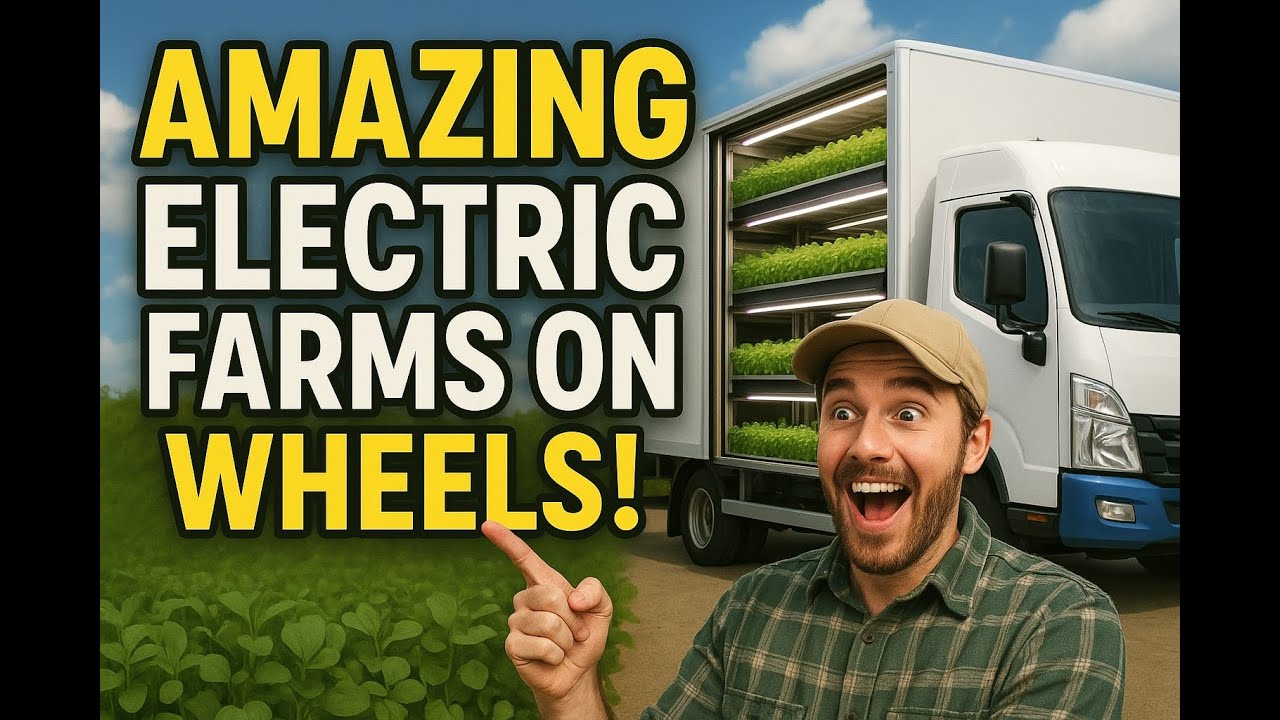
In summary, hydroponic plant towers represent the next evolution of urban farming: combining precision, scalability, and sustainability in a compact structure optimized for modern environments.
Key Advantages of Hydroponic Tower Farming in 2026
The hydroponic tower system offers a suite of benefits spanning efficiency, environmental impact, food production, and operational costs. Here’s why urban growers and sustainability advocates are so enthusiastic about these systems:
- Exceptional Land-Use Efficiency: By growing vertically rather than horizontally, you maximize crop yields per square foot. This is transformative for urban agriculture, where land is both limited and expensive.
- Dramatic Water Savings: Hydroponic towers use up to 90% less water than traditional soil farming techniques. Water is recirculated within the system; any excess is collected and reused, reducing waste and ensuring efficiency, especially valuable in water-scarce regions.
- Optimal Nutrient Delivery: Plants receive precisely balanced nutrients for every stage of growth, supporting healthier crops and higher yields. The absence of soil means there’s no risk of soil-borne diseases or contaminants.
- Fewer Pests, Less Pesticide Use: The enclosed, clean design of hydroponic towers limits pest exposure. Combined with controlled environments, this reduces or eliminates the need for chemical pesticides, supporting healthier food and lower environmental contamination.
- Faster Growth Cycles: Plants can grow 25%–50% faster than in soil-based systems, thanks to constant access to water and nutrients in a regulated setting.
- Sustainable Farming Practices: Hydroponic farming minimizes soil degradation, erosion, and contamination, actively promoting sustainable, resilient agriculture even as global population continues to rise.
- Year-Round Production: Indoor or rooftop towers are not dependent on seasonal cycles, helping meet local food demand with fresh produce every month.
- Urban Integration: Towers fit into small urban plots, rooftops, and balconies, enabling cities to produce food locally and reduce transport emissions.
“In 2025, hydroponic towers can yield up to 30% more produce per square foot compared to conventional farming.“
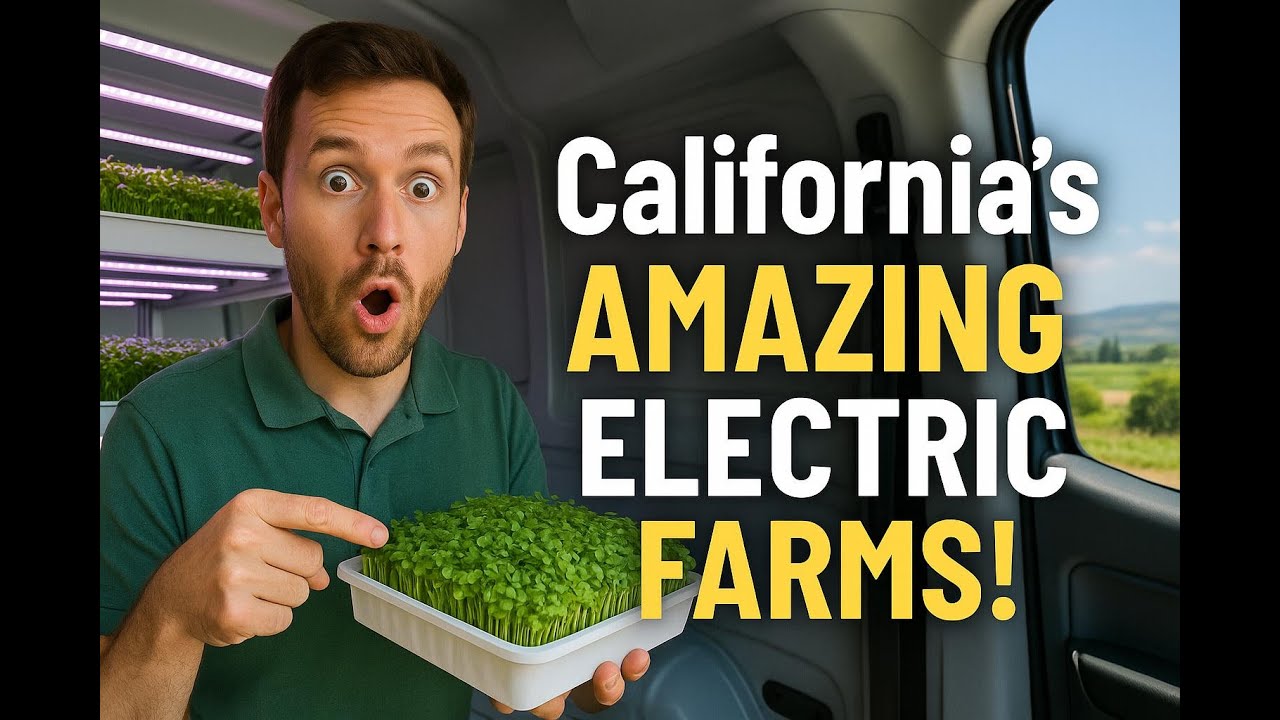
Hydroponic Tower System vs. Traditional Farming: Sustainability & Yield Comparison
| Method | Estimated Water Usage (liters/kg of produce) |
Estimated Yield per Sq. Meter (kg/year) |
Space Requirement (sq. m.) |
Chemical Usage | Sustainability Rating |
|---|---|---|---|---|---|
| Hydroponic Tower | 15–45 (up to 90% less vs. soil) | 40–65 | 1 (minimal, due to vertical stacking) | Low | High |
| Traditional Soil | 200–400 | 25–40 | 2–3 (horizontal spread) | Medium to High | Medium to Low |
(Data: Industry averages for urban leafy green and herb production, subject to crop and local variables. Towers demonstrate superior water savings, space efficiency, reduced chemical use, and sustainability.)
Hydroponic Garden Towers and Urban Infrastructure Integration
In 2025 and 2026, hydroponic garden towers are increasingly seen as cornerstones of green infrastructure—driving a paradigm shift in sustainable urban agriculture. Cities around the globe are integrating hydroponic plant towers within:
- High-rise Rooftops—transforming previously unused surfaces into productive food gardens.
- Balconies and Terraces—bringing hyper-local, fresh produce to apartment dwellers.
- Walls and Vertical Building Facades—improving urban air quality and urban biodiversity.
- Community Centers, Offices & Institutions—supporting food security and promoting healthy eating at the source.
These systems shorten the supply chain, cutting transportation costs and carbon emissions—while ensuring food is fresher, safer, and often more nutritious than imported, long-distance produce.
Hydroponic tower system integration isn’t limited to private and commercial buildings. Cities are weaving vertical farming into new developments, public social projects, and even disaster-relief infrastructure—demonstrating how urban environments adapt to the needs of the future.
For those looking to monitor, plan, and optimize green infrastructure or vertical farm expansion, spatial intelligence is key. Our large scale farm management tools deliver satellite-driven spatial data for urban agriculture project managers, real estate developers, and city planners.

Hydroponic Tower Applications in Forestry & Mining Environments
Beyond urban farming, hydroponic tower systems are revolutionizing agriculture in forestry and mining regions—areas where traditional cultivation is either impractical or environmentally unsustainable.
- Mining Operations: Mining often leaves land degraded and unsuitable for agriculture. Hydroponic towers require no soil, so they can be deployed on-site, providing fresh, nutritious food for mining communities and reducing transport dependency. Using satellite-based crop verification tools from us helps mining companies prove food production for sustainability compliance and access green financing.
- Forestry & Ecological Restoration: In reforestation projects, hydroponic propagation towers can rapidly grow tree seedlings before transplantation, improving survival rates and restoration success. Using carbon foot-printing tools from us allows these projects to monitor environmental impact and report sustainability metrics for government and global certification.
These integrations highlight how hydroponic systems are increasingly used in non-traditional agriculture settings, meeting food, restoration, and compliance needs across diverse industries and challenging environments.
Technological Innovations Powering Hydroponic Tower Farming in 2026
IoT, AI, and Automation: The Digital Backbone of Modern Hydroponic Towers
Rapid advancements are raising the bar for efficiency, productivity, and sustainability in hydroponic tower system operations. Today, commercial—and even hobbyist—growers can leverage the latest tech innovations:
- IoT Sensors: Real-time monitoring of pH, EC (electrical conductivity), water temperature, nutrient concentration, and humidity is critical. Integrated sensors detect and adjust conditions automatically for healthy, high-yield growth.
- AI-Based Nutrient Management: AI-driven advisory engines (like our satellite-integrated Jeevn AI) analyze plant needs, environmental factors, and real-time imaging to recommend precise adjustments in fertilization, irrigation, and climate control.
- Automated Pumps and Lighting: Timed or sensor-triggered nutrient and water delivery, plus LED grow lights programmed for different growth stages, reduce labor costs and human error.
- Renewable Energy Integration: Solar-powered hydroponic towers enable off-grid operations, making sustainable food production possible in remote, resource-constrained settings, as seen in the rapid expansion of mobile urban farms.
- Blockchain Traceability: Solutions like those on our blockchain advisory platform provide food traceability—from tower to table—building transparency and consumer trust.
These technological advances are not only increasing yield and reducing operational costs, but also establishing hydroponic towers as a core pillar of smart, resilient cities.

How Satellite Technology and Data from Farmonaut Enhance Hydroponic and Urban Farming
We at Farmonaut believe that the future of agriculture extends far beyond the soil—and into the data-driven world of urban vertical farming. As a leading satellite technology company, we provide actionable intelligence to optimize productivity, transparency, and sustainability for hydroponic operations globally:
- Crop Health & Resource Monitoring: Using our satellite-based monitoring tools, growers can monitor vegetation health (NDVI), analyze canopy density, and optimize resource allocation—even for vertically stacked towers in dense city landscapes.
- AI-Powered Advisory: Our Jeevn AI System delivers tailored recommendations based on satellite and IoT data, improving yield, resource efficiency, and operational planning for hydroponic towers and other controlled environments.
- Carbon Footprinting & Compliance: With rising environmental regulations, carbon footprinting from us lets you measure, manage, and report sustainability in your hydroponic farming or reforestation projects—supporting compliance, grants, and green financing.
- Traceability & Quality Assurance: Our blockchain-based advisory solutions verify the integrity and safety of produce grown in hydroponic towers, enabling direct-to-consumer transparency and contract farming with confidence.
- Fleet Management: Fleet management tools optimize vehicle usage for nutrient delivery and urban farm logistics, reducing operational costs and improving supply chain reliability for distributed hydroponic systems.
- API and Developer Access: Expand your hydroponic operation’s analytics by integrating our satellite and weather data into your platform with the Farmonaut API. See API Documentation for integration details.
Our solutions, available on Android, iOS, Web apps, and API, are affordable, scalable, and purpose-built for the next generation of sustainable farming—including cutting-edge hydroponic tower system users worldwide.
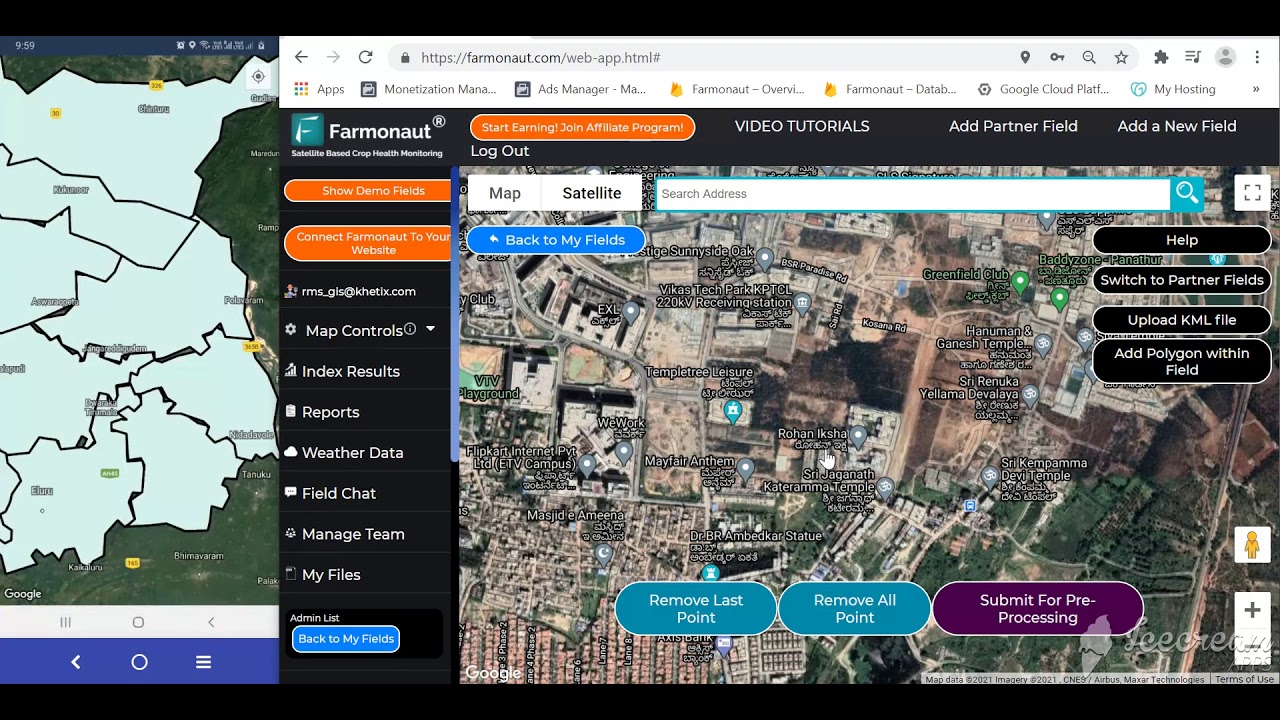



Explore the Farmonaut Satellite API | API Docs
Hydroponic Tower System: Installation, Workflow & Crop Selection in 2026
How to Get Started with a Hydroponic Plant Tower
-
Planning & Site Selection:
- Assess available space—rooftops, balconies, or indoor gardens—for sunlight and access to power/water.
- Consider local climate if partially outdoors, or available ventilation for indoor towers.
-
Tower Selection & Assembly:
- Choose a system—DIY, modular, or commercial—based on scale, automation, and budget.
- Construct the vertical stack: each site houses one plant pod; towers can be several feet to meters high.
-
Water & Nutrient Management:
- Connect reservoir with water and hydroponic nutrient solution beneath the tower.
- Pump circulates solution upward; gravity returns it, completing the loop. Use sensors to automate flow rates, refill reminders, and nutrient dosing.
-
Lighting & Environmental Control:
- Install full-spectrum LED grow lights for indoor or shaded applications. Set timers or smart controls for day/night cycles.
- Monitor humidity, temperature, and CO₂ for optimal plant growth—especially for herbs, leafy greens, and fruiting crops.
-
Seeding & Crop Management:
- Germinate seeds in rockwool/coco coir, then transfer seedlings to their slots.
- Opt for crops ideal for hydroponics: lettuce, basil, mint, spinach, kale, strawberries, chives, bok choy, etc.
- Stagger plantings for continuous harvests and balanced system load.
-
Monitoring & Harvest:
- Use integrated sensors or satellite monitoring apps for plant health, nutrition, and growth tracking.
- Harvest as crops mature—leafy greens can often be cut-and-come-again, maximizing productivity.
Modern hydroponic garden towers are designed for simplicity, low maintenance, and modular expandability. Whether decentralized (home use) or centralized (commercial, institutional), the system workflow is data-driven and user-friendly—perfectly matching the rapid pace of urban life in 2026.
Challenges Facing Hydroponic Tower Farming—and Solutions for the Future
- Initial Capital Costs: High-quality hydroponic towers require a larger upfront investment compared to DIY soil gardens or traditional small-scale farming. However, subsidies and falling technology prices are making entry easier. Financial institutions can use our satellite-based loan and insurance verification tools for streamlined approvals and fraud reduction.
- Technical Expertise: Hydroponic farming demands knowledge of plant nutrition, automation, and system maintenance. Education, training programs, and AI-powered advisory systems (like our Jeevn AI) are closing the skills gap.
- Energy Consumption: LED lighting, water pumps, and climate controls increase electricity bills. The solution? Solar integration, energy-efficient components, and smart scheduling reduce operational costs and carbon impact.
- Disease Spread in Closed Systems: Although pest incidences drop, waterborne pathogens can spread rapidly if not managed. Advanced filters, sterilization, and regular monitoring are essential.
Despite these challenges, ongoing innovation, research, and policy support are lowering barriers, making hydroponic tower farming more accessible. Upgrades in system design, smart controls, and remote monitoring ensure greater resilience, scalability, and sustainability in the years ahead.
FAQs: Hydroponic Tower Farming in 2026
Q1: What crops are best suited for hydroponic tower systems?
Leafy greens, microgreens, herbs, strawberries, and small fruiting plants perform exceptionally well in hydroponic tower setups. Fast-growing crops with shallow root systems thrive due to constant access to nutrients and water.
Q2: How much water does a hydroponic tower system save compared to soil farming?
By recirculating water solutions, hydroponic towers can use up to 90% less water than traditional soil farming (see our comparison table above), making them ideal for water-scarce urban environments.
Q3: Is hydroponic tower farming profitable for small urban growers?
Yes. While initial setup costs are higher, yield per square meter is much greater, pesticide/fertilizer costs are lower, and fresh produce can be sold at a premium—making hydroponic tower farming economically attractive for urban gardeners and small businesses.
Q4: Is special training required to operate hydroponic towers?
Modern hydroponic systems are increasingly user-friendly, but a basic understanding of plant nutrition, nutrient solution mixing, and equipment maintenance is recommended. Many systems now offer digital monitoring to guide users through daily operations.
Q5: How does a hydroponic tower support sustainability in cities?
By reducing water use, pesticide/chemical inputs, and food miles, hydroponic towers dramatically lower the environmental footprint of food production, while efficiently utilizing urban infrastructure for green, productive purposes.
Conclusion: The Future of Sustainable Urban Agriculture—Hydroponic Tower Systems in 2026 and Beyond
Hydroponic tower farming stands at the forefront of the urban agricultural revolution—offering a scalable, sustainable way to meet the growing food needs of global populations as land, water, and resources become scarce. Through vertical growing, precise system controls, and integration with city infrastructure, these systems outperform traditional farming in yield, water use, and sustainability.
Further, with real-time monitoring, blockchain traceability, renewable energy use, and satellite data analytics from us at Farmonaut, urban farmers and commercial growers now have access to actionable intelligence for productivity, compliance, and sustainability reporting.
Key Takeaways:
- Hydroponic towers are revolutionizing food production in space-constrained urban environments.
- Up to 90% water savings and higher yield per square foot deliver both environmental and economic payoffs.
- Integrated with urban buildings, rooftops, and infrastructure, towers offer local, fresh food year-round.
- New technologies—sensors, AI, blockchain, solar energy—continue to make these systems smarter, more sustainable, and accessible.
- Farmonaut’s platform delivers real-time crop health, environmental impact, traceability, and logistics insights—supporting precision farming from satellites to hydroponic towers.
As we move into 2026 and beyond, adopting innovative solutions like hydroponic tower systems is essential to redefining agricultural productivity and sustainability for urban populations worldwide.
Whether you’re an individual grower, an urban planner, or a large-scale agricultural business, consider the power of hydroponic tower systems—and tap into advanced data-driven solutions with Farmonaut—to engage with the future of food.
Get started with smart, sustainable agriculture—try Farmonaut apps today.

 Delicio
 Payagri
 WB Dev
 Sama Premium
 Prochecker
 Tres Valles
 LACOS Geoinformation
 Pulsar Supernova
 Magrifly
 LatConnect 60
 WebsEdge
 Blickwinkel
 Agricultural Credit Policy Council
 MCSOD
MCSOD Marei Nursery
 eKGIS
eKGIS Mostas Tech
 Andex
Andex FCF India
 Unifrutti Gulf
 Deluxe Conseil
