

Hydroponics, Agriculture Hydroponics: 7 AI Innovations Revolutionizing Food Security and Sustainable Farming for 2025
“AI hydroponics systems can save up to 90% more water compared to traditional soil farming methods.”
Table of Contents
- Introduction: The New Era of Hydroponics in 2025
- Understanding Hydroponics, Agriculture Hydroponics, and AI Integration
- Key Challenges in Modern Farming and Hydroponics: How AI Offers Solutions
- The 7 Groundbreaking AI Innovations in Hydroponics
- Feature Comparison Table: 7 AI Innovations in Hydroponics
- Environmental, Economic & Social Impacts of AI in Hydroponic Systems
- How Farmonaut Empowers Sustainable Agriculture Hydroponics
- Harnessing AI in Hydroponics: Urban vs. Rural Adoption
- Getting Started: Accessible Tools and Platforms for Hydroponics in 2025 & Beyond
- FAQ: Artificial Intelligence in Hydroponic Agriculture
- Conclusion: Shaping the Future of Food Security and Sustainable Farming with AI-Driven Hydroponics
Introduction: The New Era of Hydroponics, Agriculture Hydroponics & AI for 2025
In the heart of 2025, the convergence of artificial intelligence and hydroponics is not just a technological fad—it’s a revolution in agriculture hydroponics that is fundamentally reshaping how we address global food security challenges.
Hydroponics, the method of growing plants without soil via nutrient-rich water solutions, is renowned for its efficient use of space, water, and resources. The infusion of AI now makes these smart hydroponic systems even more precise, autonomous, and accessible, promising to reshape the future of food production worldwide.
As climate change, soil degradation, and water scarcity intensify, hydroponic agriculture—especially with AI integration—offers sustainable solutions for farmers, urban innovators, and policy makers seeking to build resilient farms and assure food security in both urban and rural environments.
This comprehensive guide explores 7 AI innovations in hydroponics and the profound impact these technologies are having on yield, water savings, labor, and climate resilience—offering a clear look at why 2025 is the dawn of smarter, sustainable farming. Whether you’re an agricultural enthusiast, a farmer seeking future-proof methods, an urban tech startup, or a policymaker, this is the indispensable resource for all things AI-powered hydroponics.
Understanding Hydroponics, Agriculture Hydroponics, and AI Integration
What is Hydroponics?
Hydroponics is a soilless method of growing plants that utilizes a nutrient-rich water solution to deliver essential minerals directly to plant roots. Unlike conventional agriculture, hydroponics allows for growing plants without soil, facilitating cultivation in diverse settings—greenhouses, urban rooftops, warehouses, even shipping containers.
- Enables year-round production regardless of weather fluctuations
- Requires up to 90% less water compared to traditional soil farming
- Minimizes dependency on favorable weather and arable land
Defining Agriculture Hydroponics
Agriculture hydroponics specifically refers to the application of hydroponic methods at farm and commercial scales to address modern challenges in food production, maximize resource use, and enhance crop yield.
The Role of Artificial Intelligence (AI) in Hydroponics
In 2025 and beyond, AI in hydroponics introduces powerful capabilities:
- Continuous monitoring of all growth conditions (nutrient concentrations, pH, temperature, humidity, light exposure)
- Machine learning algorithms automate data analysis for optimized plant growth
- Autonomous control of systems for watering, lighting, nutrient mixing, and even robotic planting and harvesting
- Detection of early signs of disease and pest infestations;
- Advanced resource management—ensuring sustainable use of water, energy, and nutrients
Key Challenges in Modern Farming and Hydroponics: How AI Offers Sustainable Solutions
The Pressing Problems with Traditional and Modern Farming Methods
- Soil Degradation: Intensive agriculture leads to reduced fertility and polluted soils.
- Water Scarcity: Global water resources are dwindling, making traditional irrigation unsustainable in many regions.
- Resource Waste: Manual monitoring often results in wasteful over- or under-supply of water, nutrients, and energy.
- Climate Instability: Weather unpredictability disrupts growing seasons and yields.
- Labor Shortages and Human Error: Precision required for hydroponic farming can be labor-intensive and prone to inconsistencies without automation.
How AI in Hydroponics Transforms Farming
- Optimizes Resource Use: Sensors and AI algorithms dynamically adjust water, nutrient, and light parameters, reducing waste.
- Drives Productivity: Automated controls ensure optimal conditions for plant growth 24/7, no matter the external climate.
- Enables Climate-Resilient Agriculture: Hydroponic systems shield crops from adverse weather events.
- Enhances Data-Driven Precision: Machine learning detects patterns, predicts outcomes, and adapts strategies to maximize yield.

The 7 Groundbreaking AI Innovations in Hydroponics for 2025
Let’s explore the most transformative AI advancements powering modern hydroponic agriculture and how each innovation is revolutionizing farming systems for higher yield, resource efficiency, and sustainability.
-
1. Real-Time Sensor Networks & Predictive Data Analytics
AI-powered sensor arrays (IoT and wireless networks) gather vast data on variables such as nutrient concentrations, pH, temperature, humidity, CO2, and light at every point in a hydroponic system.
How it works: Machine learning algorithms analyze this data, identify patterns for optimal growth, and predict outcomes based on historical and real-time inputs.- Immediate alerts for imbalance in nutrient or pH curves
- Recommendations or automated actions for ongoing optimization
Explore how real-time monitoring empowers sustainable, low-carbon farming
-
2. AI-Driven Automated Nutrient Blending & Water Management
These AI platforms manage the precise mixture of nutrients and water based not just on plant type or growth stage, but on minute environmental fluctuations/needs.
Impact: Consistently maximizes yield by enabling optimal resource use, minimizing error and resource input.- Automatic recalibration for nutrient solutions during different phases of plant life
- Water savings of up to 25% beyond traditional hydroponics by using only what’s necessary
See Fleet Management insights for efficient energy and water usage
-
3. Autonomous Robotic Farming (Planting to Packing)
AI-equipped robots handle seeding, watering, pruning, crop inspection, and harvesting in autonomous hydroponic farms.
- Reduces manual labor and human error in high-value, high-intensity urban and rural farms
- 24/7 precision farming without fatigue or inconsistency
Learn how Large Scale Farm Management enables automation and smart agriculture
-
4. AI-Integrated Adaptive Lighting & Climate Control Systems
Using data analytics and machine learning, these systems adjust light exposure, spectrum, photoperiods, temperature, and humidity in real-time, tailored for each growth stage and crop variety.
Impact: Cuts energy costs, accelerates growth, and increases productivity by up to 30%.
Explore Crop Plantation & Forest Advisory for smart climate control
-
5. AI-Based Early Disease and Pest Detection Platforms
Through computer vision and machine learning, AI platforms can detect early signs of disease or pest infestations on plant leaves, stems, or roots—often before they are visible to the human eye.
Result: Targeted intervention and treatment prevent loss, maximize yield, and avoid unnecessary chemical use.- Automated quarantine/sanitation protocols for affected zones
- Peace of mind for agricultural systems managers and farmers
-
6. AI-Driven Phenotyping and Crop Breeding for Hydroponics
AI analyzes data from thousands of plant samples, identifying genetic traits for faster growth, higher nutrient uptake, and disease resilience—unlocking new, hydroponics-optimized crops.
- Expands the range of hydroponically suitable crops beyond leafy greens and herbs
- Promotes diverse production and marketable varieties
See how Traceability Tools can secure new crop supply chains using blockchain
-
7. AI-Powered Supply Chain Optimization & Blockchain Traceability
AI platforms plan harvests, schedule deliveries, and align hydroponic production with real-time demand while integrating blockchain-powered traceability to guarantee food safety and transparency.
- Reduces spoilage during storage/transport, saves costs, and instills trust
- Meets growing regulatory and consumer security demands for verifiable, safe food
Discover how Crop Loan & Insurance verification works for secure farm finance

“By 2025, AI-driven hydroponics is projected to increase crop yields by up to 30% in sustainable agriculture.”
Feature Comparison Table: 7 AI Innovations in Hydroponics Agriculture
The following table summarizes the key AI-driven advancements in hydroponics, linking each innovation with measurable improvements in yield, water savings, and sustainability for agricultural systems in 2025 and beyond.
| AI Innovation | Description | Est. Yield Increase (%) | Estimated Water Savings (%) | Sustainability Rating (1-5) | Projected Adoption by 2025 |
|---|---|---|---|---|---|
| Sensor Networks & Predictive Analytics | Real-time monitoring of all plant conditions, predictive algorithms optimize environmental control and resource application | Up to 20% | Up to 15% | 5 | High (Urban & Commercial farms) |
| Automated Nutrient & Water Management | AI precisely blends and delivers nutrients and water per plant/resource need, minimizes waste | Up to 18% | Up to 25% | 5 | Medium-High |
| Autonomous Robotics (Plant-to-Pack) | Robots powered by AI manage every crop stage—planting, pruning, watering, harvesting | Up to 25% | 10% | 4 | Medium (large-scale/urban farms) |
| Adaptive Lighting & Climate Control | AI-driven systems adjust light and climate for optimal plant growth 24/7 | Up to 30% | Up to 12% | 5 | High |
| AI Early Disease & Pest Detection | Machine vision identifies early symptoms, enabling rapid, precise response | Up to 15% | 5% | 5 | Medium-High |
| AI Crop Breeding & Phenotyping | AI analyzes plant phenotypes to breed varieties optimized for hydroponics (yield, uptake, resilience) | Up to 18% | Up to 8% | 4 | Growing (by 2026+) |
| AI Supply Chain Optimization & Traceability | Production, harvest and logistics decisions optimized; blockchain ensures secure, transparent supply chains | Up to 12% | 5% | 5 | Medium-High |

Environmental, Economic & Social Impacts of AI in Hydroponic Systems
Environmental Advantages
- Water Conservation: AI-enabled hydroponics systems save up to 90% water compared to soil-based farming (key in drought-prone regions).
- Low Carbon Footprint: Integrating renewable energy (solar, wind) with hydroponic operations further reduces environmental impact.
- Controlled, Sealed Environments: Mitigates the spread of disease and pest infestations, reduces need for chemical pesticides.
- Year-Round Production: Reduces pressure on wildlands and lessens deforestation by maximizing vertical/indoor space.
Measure Hydroponics’ Carbon Footprint Impact with Farmonaut
Economic and Operational Benefits
- High Yields on Minimal Space: AI maximizes every square meter, ideal for dense urban agriculture and peri-urban food production.
- Lower Labor Costs: Autonomous robotics reduce human workload, addressing labor shortages and raising consistency.
- Greater Market Responsiveness: Blockchain traceability and supply intelligence allow for faster adaptation to consumer demand or regulatory needs.
Discover Secure, Transparent Traceability for Hydroponics Supply Chains
Social & Food Security Gains
- Resilient Food Production: Protects communities against food shortages from drought, weather extremes, or disrupted supply chains.
- Empowerment through Tech: Data-driven advice and automation broaden farming accessibility beyond traditional expertise.
- Urban Food Deserts: Bringing fresh, nutritious produce closer to city centers, enhancing food access and health.

How Farmonaut Empowers Sustainable Agriculture Hydroponics
At Farmonaut, we are dedicated to making advanced, AI-driven hydroponics monitoring and advisory systems not only accessible but also affordable for individual users, agri-businesses, and government projects.
Our platform leverages satellite imagery, AI analytics, and blockchain technology to provide:
- Real-time crop health assessment and environmental monitoring
- AI-based, personalized guidance for optimal management of hydroponic and soil-based crops
- Traceable supply chains for safe, secure, and sustainable food production
- Tools for precise energy, fleet, and resource management that cut operational costs
- Environmental impact analysis (carbon footprint, water use) to support regulatory and sustainability goals



Unlock Farmonaut’s Satellite & AI API for Custom Automation
Explore API Docs for Developer Integration into Hydroponics Apps
Harnessing AI in Hydroponics: Urban vs. Rural Adoption for 2026 and Beyond
Urban Applications: Vertical Farming & Smart Cities
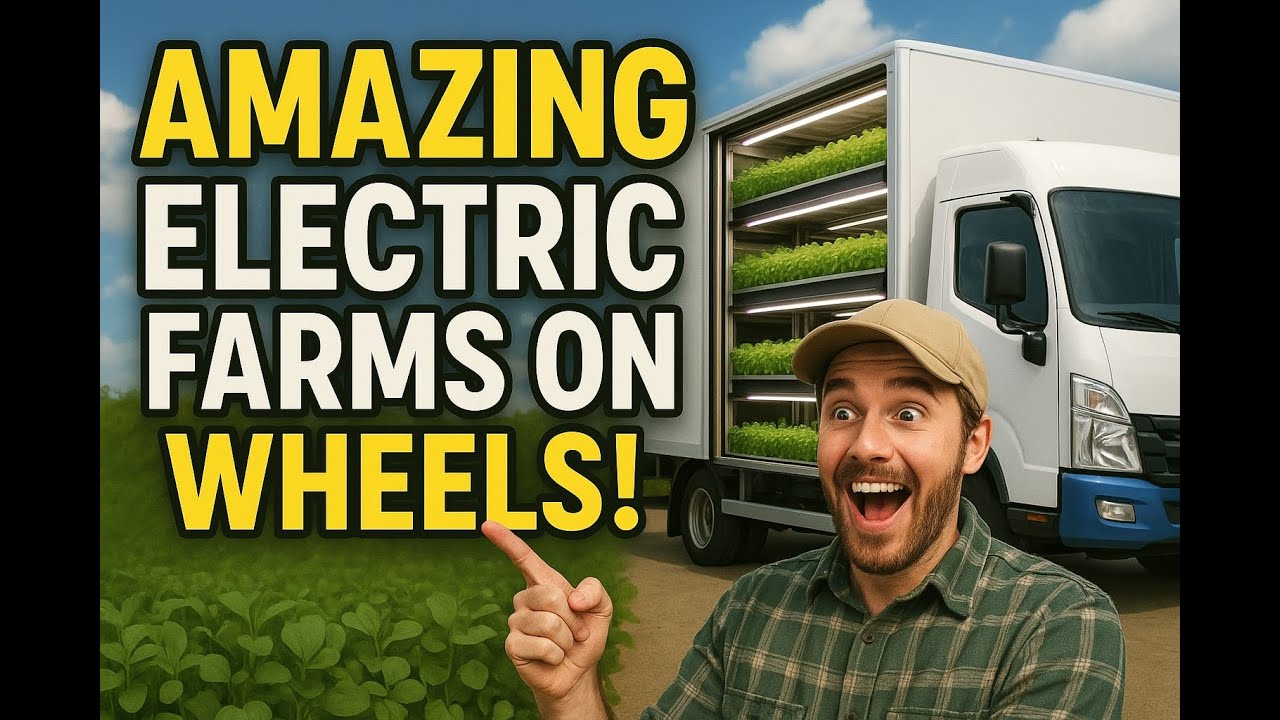
- Vertical Hydroponics: AI drives climate control, automated watering, and lighting in vertical farms within shipping containers, rooftops, or basements of urban centers.
- Sustainability: Reduces logistics and carbon footprint by bringing fresh produce directly to cities, minimizing food miles.
- Space Maximization: Smart stacking and monitoring systems maximize output per square meter, a boon for land-scarce megacities.
Optimize Large Scale Urban Farming Management with Smart Tools
Rural and Peri-Urban Applications: Addressing Scarcity and Resilience
- Climate-Resilient Infrastructure: Hydroponic farms insulated from drought, salinity, or poor soil guarantee stable food supply even as external weather patterns shift.
- AI-Enabled Resource Conservation: Precise nutrient and water management delivers yields with minimal input—ideal for regions with resource constraints.
- Job Creation & Tech Uplift: The spread of AI in hydroponics catalyzes new jobs in tech management, maintenance, and data science in agricultural communities.
Track Environmental Benefits of Rural Hydroponic Systems Here

Getting Started: Accessible Tools & Platforms for AI in Hydroponics (2025 & Beyond)
Moving into 2026 and the future, more tools are available for newcomers, established farms, innovators, and policymakers to join the AI in hydroponics revolution:
- Farmonaut satellite-based advisory and monitoring platform: Real-time insights on crop health, resource use, and recommended actions for optimizing hydroponic/soil-based farming
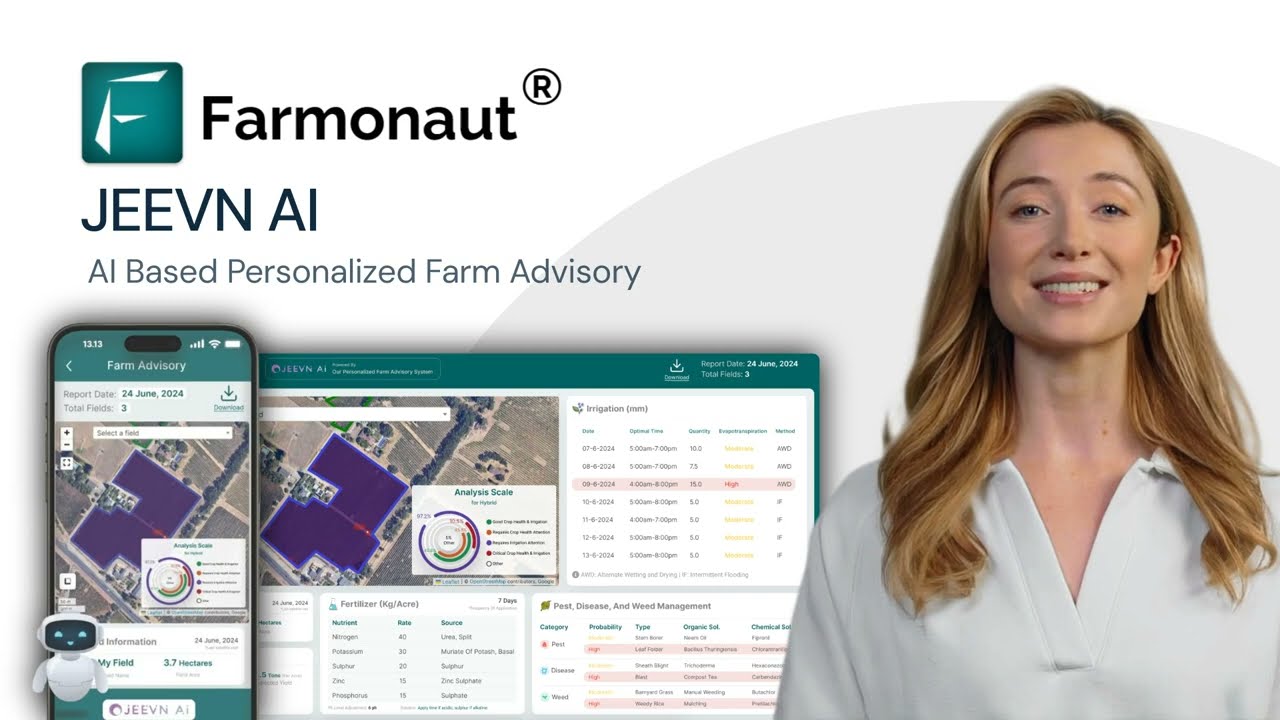
- JEEVN AI Advisory System: Personalized, AI-powered analysis of satellite, weather, and environmental data, available via apps and APIs
- Fleet/resource management tools: Manage energy, logistics, and environmental impact with integrated dashboards
- Blockchain traceability: Secure, verifiable tracking for crops and agricultural products
- Subscription-based systems: Affordable access without the need for massive capital investment
- Remote control: All features accessible via desktop, Android, and iOS apps

Affordable Access: Farmonaut Pricing Table
Explore our flexible, scalable subscription model for individuals, agri-business, and organizations (below).
FAQ: Artificial Intelligence in Hydroponic Agriculture
What is hydroponics and how does artificial intelligence enhance it?
Hydroponics is a method for growing crops without soil, using nutrient-rich water. AI in hydroponics enables real-time monitoring, predictive analytics, autonomous control of environmental parameters, and early detection of disease or pests—resulting in higher yields, lower resource use, and sustainable agriculture practices.
Why is AI-powered hydroponic farming seen as the future of agriculture?
AI brings unprecedented precision, automation, and resource efficiency to hydroponics, addressing the most pressing challenges of conventional farming: water scarcity, soil degradation, climate instability, and labor shortages. This approach makes agriculture climate-resilient, adaptive, and productive—key for feeding the world in 2026 and beyond.
Can small-scale or urban farmers access affordable AI hydroponic solutions?
Yes! Platforms like Farmonaut make AI-driven advisory and monitoring tools available via mobile/web apps and APIs on a subscription basis, eliminating the need for large upfront investment. This enables urban microfarms, home growers, and small communities to adopt cutting-edge techniques.
Is AI in hydroponics suitable for all types of crops?
While hydroponics has traditionally focused on leafy greens and herbs, AI-powered crop breeding and phenotyping are rapidly expanding viable crop varieties. Tomatoes, peppers, berries, and even root vegetables are increasingly being grown in AI-optimized hydroponic systems.
How does AI-driven hydroponics contribute to environmental goals?
These systems conserve water, slash energy usage, reduce demand for chemicals, and enable year-round controlled production. Coupled with carbon footprint tracking and blockchain traceability, AI hydroponics drives sustainable, transparent, and responsible agriculture practices globally.
Conclusion: Shaping the Future of Food Security and Resilient Farming with AI-Driven Hydroponics
Hydroponics, agriculture hydroponics, and AI in hydroponics together are redefining the boundaries of what modern farming can achieve. By harnessing the collective power of artificial intelligence, machine learning, robotics, and advanced data analytics, these smart systems:
- Maximize yield per square meter of growing space
- Conserve water and energy, minimizing environmental impact
- Ensure food safety and traceability, bolstering security and consumer trust
- Empower all farmers—from urban micro-growers to large agricultural enterprises
- Advance climate-resilient, sustainable practices needed for an unpredictable future
As we head towards 2026 and beyond, investing in AI-enhanced hydroponics is not optional—it’s essential for everyone involved in global food systems and environmental stewardship.
Stay ahead: Embrace the future with next-generation hydroponics technologies now available through Farmonaut’s suite of satellite, AI, and blockchain-driven solutions. Let’s build a greener, healthier, and more secure food future—together.

 ITC
ITC Dirks Bros Farms
 Red August Group
 Farm Inc
 WeMe Global
 Agrotoken
 Blue BearX
 Insignito
 Croptimum
 DnCubed
 Field Capacity
 Indosistim Teknologi
 Liquify Digital
 CU Foods
 BeyondTech Global
 Rouge VC
 AgroGreen Dynamics
