

Aeroponics System: Transforming Sustainable Farming in 2025
Aeroponics Agriculture: Revolutionizing Sustainable Farming in 2025
As our global population intensifies and available arable land dwindles, we stand at a crossroads in agriculture. Meeting food security demands without exhausting natural resources has become an imperative. To pave the way for a resilient, resource-efficient, and sustainable agricultural future, aeroponics—particularly through aeroponic tower systems—is taking center stage in 2025 and beyond.
This comprehensive guide will delve into how the aeroponics system is redefining sustainable farming on a global scale, from maximizing yields and minimizing water usage to transforming urban and controlled-environment agriculture, forestry, defense, and much more.
“Aeroponics systems can use up to 95% less water than traditional soil farming methods in 2025.”
What is an Aeroponics System?
Aeroponics is an advanced method of soilless cultivation where plants are suspended in air and their roots are periodically misted with a fine, nutrient-rich solution. Unlike hydroponics, which immerses roots in water, or traditional soil-based farming, aeroponics relies on delivering nutrients directly to the root zone via fine droplets in an enclosed environment.
This groundbreaking technology is redefining how crops are cultivated, enabling higher growth rates, better nutrient uptake, and significantly reducing the need for water and fertilizers. The result is a method that boosts yields, reduces risk of pest infestation, and enables cultivation in regions where traditional methods would fail.

How Aeroponics Systems Work: Principles & Technology
The aeroponics system operates through a few key components:
- Plant Support Structures: Plants are secured in holders at the top of an enclosure (vertical towers, stacked bins, etc.), their roots suspended in air.
- Root Chamber: An enclosed, climate-controlled space shields roots while allowing optimal air flow and humidity, preventing pest invasion and reducing risk of disease.
- Nutrient Mist Delivery System: Automated sprayers deliver an atomized nutrient solution directly to the exposed root systems. Mist frequency and duration can be precisely managed and adapted to individual crop needs, seasons, and growth stages.
- Water Recirculation & Conservation: Excess solution drips back to a reservoir, filtered and reused, drastically reducing water consumption and ensuring only minimal nutrients are required.
- Monitoring & Automation: Integrated with IoT sensors, modern aeroponic systems can monitor humidity, temperature, nutrient concentrations, and root health in real time, automating adjustments for optimal conditions.
Aeroponics Agriculture in 2025: Key Advances Leading the Revolution
In 2025, aeroponics agriculture has moved far beyond laboratory curiosity. Its adoption is now widespread, particularly in urban environments and arid regions. Key technological advances are transforming farming in notable ways:
- Vertical Aeroponic Tower Systems enabling efficient, scalable produce production in spaces as small as an apartment balcony or as large as a high-rise building.
- Highly Automated and Monitored Environments that use minimal labor. IoT and AI integration ensures constant optimization of growth parameters.
- Enhanced Crop Health due to root access to ample oxygen and the elimination of soil-borne pests and diseases.
- Climate Independence: Production can occur year-round, regardless of external weather or climate conditions.
- Water & Nutrient Efficiency: Misting and recapture cut water usage by up to 95%, and nutrients are used far more efficiently than in any other system.
- Reduction in Chemicals: Closed systems mean no need for pesticides or herbicides.

Aeroponics vs. Traditional Farming: Comparative System Benefits (2025)
| Feature/Metric | Aeroponics System Estimated 2025 |
Traditional Soil-Based Farming Estimated 2025 |
% Improvement (Aeroponics vs. Traditional) |
|---|---|---|---|
| Water Usage (per kg crop) | ~5-10 liters | ~100-200 liters | 90-95% less water |
| Space Requirement (per plant) | 0.01 – 0.03 sq. m | 0.1 – 0.25 sq. m | Up to 90% less space |
| Average Yield (per sq. meter) | ~40-70 kg | ~10-20 kg | 300% higher |
| Nutrient Use Efficiency | >95% | ~45-65% | Up to 100% more efficient |
| Crop Growth Time (Days) | ~20-30 days | ~40-60 days | About 50% faster |
“Aeroponic towers can increase crop yield density by up to 30% compared to conventional vertical farming.”
Unveiling Aeroponic Tower Systems: The Backbone of Urban Vertical Farming
Among the most innovative advances is the aeroponic tower system. These vertical structures are revolutionizing how urban agriculture and controlled-environment farming are carried out in 2025.
- Verticality maximizes space by supporting crops on multiple tiers, stacked vertically. Aeroponic towers can be installed on rooftops, balconies, or even inside shipping containers, enabling year-round cultivation independent of season or external weather.
- High-Density Yields: Compared to conventional farming, towers dramatically increase the yield per square meter, optimizing space in urban environments and minimizing the carbon footprint associated with rural transport.
- Flexibility and Modular Design allow for easy scaling, repairs, and crop rotation, adapting to rapid changes in food demand or climate conditions.





Maximizing Resources: Water, Space & Nutrient Efficiency with Aeroponic System
The aeroponic tower system offers significant savings in the use of the world’s most precious resources.
- Water Savings: Aeroponics cuts water use by up to 95% (compared to traditional farming). Due to the misting-recirculation process, hardly any water is lost to the environment.
- Space Efficiency: Vertical design means up to 90% less space required per plant—a game-changer for urban and arid regions where arable land dwindles.
- Nutrient Efficiency: By delivering nutrients directly to the root zone in fine droplets, nutrient use efficiency can reach above 95%, slashing fertilizer costs and runoff pollution.
- Labor and Chemical Reductions: Automation, closed environment, and the absence of soil eliminate much of the manual labor and the need for pesticides or herbicides—making aeroponics agriculture a truly sustainable solution for the future.
Aeroponics Plants: Explosive Growth, Faster Rates, & Healthier Crops
- Accelerated Growth Rates: Roots have constant access to dissolved oxygen and fine-tuned nutrients, allowing them to grow up to 50% faster than in soil-based methods. This leads to more harvest cycles per year—critical for food security in 2025.
- Cleaner, Healthier Produce: The absence of soil and reduced risk of disease or infestation means crops are cleaner, with lower post-harvest loss, and require no pesticide application.
- Consistent Quality: The controlled microclimate ensures each plant gets what it needs, every day, leading to uniformity in taste, color, and nutrient content.
- Multiple Crop Types: From leafy greens to small-rooted fruits, herbs, and nursery seedlings, a range of crops are suitable for aeroponics. Some systems are even exploring grains and tubers as technology matures towards 2025 and beyond.

Automation & IoT: Next-Gen Monitoring for Aeroponic Systems
Modern aeroponic tower systems in 2025 are deeply integrated with automation and IoT sensors—reducing labor and optimizing yield production:
- Environmental Sensors track humidity, nutrient concentration, root health, temperature, and mist frequency.
- AI Analytics process real-time data to optimize growth cycles, automate misting, and send alerts for rapid intervention.
- Remote Monitoring allows farm managers—even in large commercial or multiple-site operations—to control their systems from anywhere—a boon for urban and controlled-environment agriculture.
- Resource Tracking identifies inefficiencies and enables instant adjustment—helping reduce costs and conserving natural resources.
This digital transformation in aeroponics aligns perfectly with solutions such as Farmonaut Fleet Management—empowering large and distributed farm operators to maximize productivity by managing equipment, transportation, and operations using satellite and IoT-driven insights.

Urban Agriculture & Aeroponics System: Greening Our Cities, Securing Our Food
The promise of aeroponics tower systems is particularly potent in urban environments:
- Rooftop and Balcony Cultivation: By making use of underutilized rooftop space, cities like Singapore and Tokyo are transforming their food systems, increasing urban food resilience and reducing food miles.
- Community Farms and School Gardens: Aeroponics towers are used for education, nutrition, and community engagement in dense city environments.
- Resilience against Supply Disruptions: With climate events, pandemics, and transport bottlenecks threatening the security of city food supplies, aeroponics offers a local, reliable backup.
Farmonaut’s Large Scale Farm Management platform strengthens this movement, equipping city managers and urban farm owners with real-time data for efficient food production, harvest logistics, and urban sustainability targets.
Defense & Remote Operations: Aeroponics for Food Security in Extreme Environments
Aeroponics towers are proving essential to defense operations and remote deployments in arid or inhospitable environments:
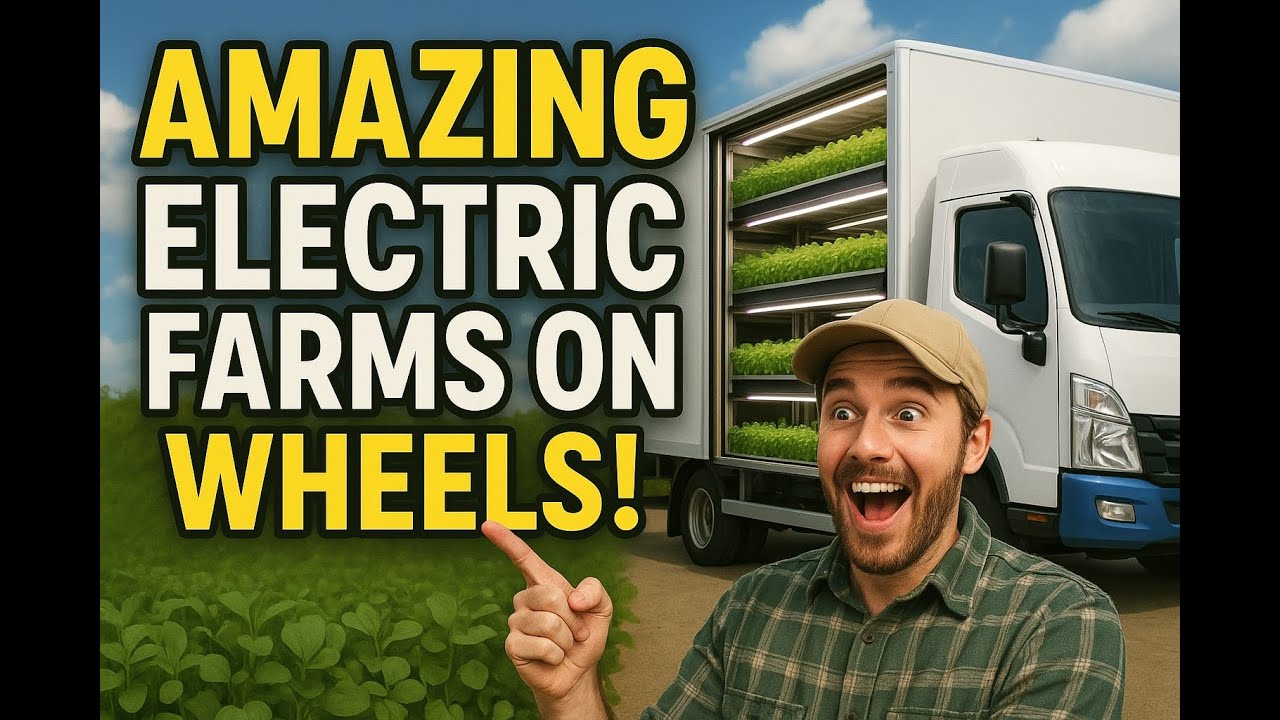
- Compact Deployable Units: Aeroponics systems can be packed in mobile containers, quickly set up at remote outposts or in disaster response scenarios—providing fresh food at the point of need.
- Water-Saving Benefit: In desert or arid regions, the minimal water requirements of aeroponics systems are unmatched and life-sustaining.
- Reduced Logistical Vulnerability: Reliance on external food resupply is drastically reduced, boosting security for isolated groups in 2025.
Forestry, Tree Propagation, and Environmental Restoration via Aeroponics
Beyond food crops, forestry operations are leveraging aeroponics for propagating tree seedlings at scale:
- Accelerated Seedling Growth: Controlled environments deliver higher survival rates and more vigorous seedling development than soil-based nurseries.
- Minimal Resource Footprint: Reforestation and afforestation projects critically benefit from water and fertilizer reductions, supporting restoration in arid or degraded lands.
- Climate Action: Quality, survival, and volume of tree propagation are critical for combating deforestation and mitigating climate change.
For those managing vast plantations or implementing government mandated tree-planting programs, integrated monitoring like Farmonaut’s Crop Plantation & Forest Advisory (powered by satellite insights and AI) ensures resource optimization, early disease identification, and robust reporting—all vital to large scale forestry and environmental impact.
Sustainability and Climate Change Resilience with Aeroponic Systems
Sustainable agriculture is at the core of aeroponics adoption:
- Water Conservation: Saving up to 95% water is transformative for regions facing drought and water stress.
- Elimination of Agricultural Runoff: Soil-less methods significantly reduce fertilizer and pesticide pollution in waterways.
- Smaller Land Footprint: Stacking crops vertically reduces the pressure to convert wildlands to agriculture.
- Reduced Carbon Emissions: Locally grown, urban produce means less transport and storage—and far fewer greenhouse gas emissions overall.
- Climate Resilient Production: Controlled, enclosed environments mean crops are protected from erratic weather, floods, droughts, or other climate shocks.
For organizations aiming to track and optimize their environmental impact, Farmonaut’s Carbon Footprinting platform helps quantify and manage emissions, ensuring that both agricultural and reforestation operations stay sustainable and compliant as new climate regulations unfold in 2025 and beyond.
Harnessing Farmonaut Technologies for Next-Gen Aeroponics Agriculture
As the frontiers of aeroponics agriculture are pushed forward by AI, satellite technology, and blockchain, tools like ours at Farmonaut are making data-driven, sustainable growth accessible to all. Here’s how we support the aeroponics system revolution:
- Satellite-Based Crop Monitoring: Via multispectral imagery, we offer real-time monitoring of crop health, enabling aeroponics operators to optimize nutrient delivery, manage energy and water use, and maximize yield—even over large-scale urban or remote setups.
- AI-Powered Environmental Optimization: Jeevn AI Advisory analyzes conditions and automates alerts and guidance for better resource efficiency, pest mitigation, and climate-resilient operations.
- Blockchain Traceability: For those growing high-value or specialty crops, Farmonaut Traceability ensures transparent, tamper-proof supply chain records—critical for food safety, organic certification, and global market access.
- Fleet & Resource Management: Our fleet management system boosts logistic and machinery efficiency for large commercial vertical farms and aeroponic growers worldwide.
- Environmental Impact Tracking: Our real-time environmental impact tools empower growers to monitor carbon footprints, water use, and sustainability metrics, aligning with today’s regulations and tomorrow’s market demands.
Accessing these services is simple and cross-platform—web, Android, iOS, and via API for seamless integration.
Farmonaut Mobile & Web Apps: Real-Time Insights for Smart Aeroponic Farming
With the Farmonaut web and mobile apps, organizations and individual users can leverage satellite-driven insights for their aeroponic, hydroponic, or traditional farms. Our platform provides:
- Real-Time Crop & Environmental Monitoring: Instantly assess vegetation health (via NDVI and spectral indices), soil conditions, and structural variables relevant to tower and vertical environments.
- Actionable Intelligence: Combine field scouting, historical analytics, and live weather for precision agriculture planning—cutting resource usage while boosting productivity.
- Scalability: Manage everything from a single smallholder tower to entire commercial urban farming networks from one platform.
- Affordability: By democratizing access to data-driven agriculture, we make sustainability possible for any scale of farming.
For those seeking financial support or insured risk for innovative aeroponics and traditional cropping systems, our Crop Loan and Insurance Verification service enables quick, transparent eligibility checks powered by satellite verification—reducing fraud and making financing more accessible.
Farmonaut’s Advanced Offerings for Sustainable Growth
At Farmonaut, we enable:
- Cost-effective access to satellite-based data and analytics, so both new and established aeroponic growers can manage resources for maximal efficiency and environmental stewardship.
- Enhanced productivity, as AI recommendations and dashboard insights optimize inputs for the fastest, healthiest growth cycles possible via real data—not guesswork.
- Actionable sustainability metrics, including carbon emission tracking, water savings analytics, and real-time environmental impact updates.
- Transparent supply chains, for food safety, organic certification, and effective global market access—as offered by our blockchain-powered product traceability tools.
- Financing and insurance facilitation, thanks to remote sensing-based verification for lenders and insurers, and our crop loan and insurance solutions.
For more details on plans, features, and pricing tailored for any size of operation:
FAQ: Aeroponics System and Aeroponic Tower Agriculture in 2025
What is the main difference between aeroponics and hydroponics?
While both are soil-less cultivation methods, aeroponics suspends plant roots in air and delivers nutrients as a fine mist, whereas hydroponics grows roots in a nutrient solution bath. Aeroponics offers better oxygenation, potentially higher growth rates, and much lower water and nutrient usage.
How much water can I save with an aeroponic system?
Aeroponics systems can reduce water usage by up to 95% compared to traditional soil farming, making them ideal for arid regions and water-scarce environments worldwide.
Are aeroponics tower systems suitable for homes or only for commercial farms?
Both! Aeroponics towers scale from small, countertop models for home use to large, climate-controlled racks for commercial farming, urban rooftops, and container installations.
What crops can be grown using aeroponic systems?
Most commonly: leafy greens (lettuce, spinach, kale), herbs, strawberries, tomatoes, peppers, and seedlings for tree nurseries. As technology matures, more crop varieties are being added each year.
Are there risks of disease or pest infestation in aeroponics?
Risks are significantly reduced due to soil-less, enclosed root environments. Some pathogen risks remain (especially from shared water), but robust disinfection and filtration typically keep system health high.
Do I need advanced technical skills to run an aeroponic tower system?
Early systems required expertise, but 2025 models are highly automated with user-friendly interfaces, IoT integration, and remote monitoring—enabling anyone from hobbyists to enterprise managers to operate with ease.
How does Farmonaut support aeroponic and vertical farming?
We provide real-time satellite imagery, AI-based advisory systems, and resource management tools to maximize efficiency. Our platform enables users to monitor health, manage water and nutrients, and plan for optimal yield, sustainability, and commercial decision-making.
Where can I access Farmonaut’s technology for my aeroponic venture?
Via our web and mobile apps, API, and integrated dashboards. We offer comprehensive oversight for all operators—urban, rural, commercial, or governmental—in 2025 and beyond.
Conclusion: The Future of Food Security and Sustainability with Aeroponics System
As agricultural challenges compound—from growing populations and climate disruption to land scarcity and water stress—the aeroponics system is revolutionizing how societies grow food. Its synergy of vertical space optimization, minimal resource input, automation, and resilient, high-density production marks an inflection point for sustainable agriculture in 2025 and beyond.
By leveraging advanced platforms like Farmonaut—which fuse satellite analytics, AI, blockchain traceability, and resource monitoring—we enable growers, cities, governments, and businesses to harness these advances for a greener, more efficient, and more secure future. In doing so, we empower society to conserve natural resources, increase food security, and produce more—on less land, using less water, and with dramatically less waste.
Embrace the aeroponics system revolution—the next chapter in sustainable farming is already sprouting, and with the right technology, every square meter has the power to feed the future.

 Rashail Infotech
 Unifrutti Gulf
 Deluxe Conseil
 TVS Electronics
 BW Pipelines
 WICO
WICO Gen Chayat
 Chimera Innovation
 SkyHarvest
 Polaris Digitech
 Teledarbas
 Wild Oak Farm
 SFX
SFX Doodlakine
 Exurbia Geospatial
