

Large Tractor, Farm Sheds & More: Top 2026 Farming Tools
Table of Contents
- Advancements in Large-Scale Farming: Embracing Size & Efficiency in 2025-2026
- Trivia: Efficiency of Large Tractors
- Farming Tools Revolutionizing Agriculture in 2026
- Large Tractors: Powering Modern Farming
- Large Combine Harvesters: Accelerating Grain Harvest
- Large Farm Sheds: Infrastructure for Efficiency
- Large Scale Compost Bags: The Sustainable Solution
- Large Hydroponic Gardens: The Future of Food
- Comparison Table: Top 2026 Farming Tools
- Satellite Technology & Data-Driven Farming Insights
- Trivia: Water-saving Hydroponics
- Farmonaut Platform: App & API Quick Links
- F.A.Q.: Farming Innovations 2026
- Conclusion: Embracing Innovation for Global Food Security
Advancements in Large-Scale Farming: Embracing Size & Efficiency in 2025-2026
As global populations continue to rise and climate challenges intensify, agriculture in 2025–2026 increasingly leans on large-scale farming innovations to meet food security demands while maintaining sustainability. Central to this evolution are the expansive tools, robust infrastructures, and precision techniques that enable farmers and agribusinesses to cultivate vast areas efficiently, making smart use of large tractors, farm sheds, compost bags, and hydroponic gardens. Below, we explore 2026’s top farming tools transforming the sector.
“By 2025, large tractors can boost farm efficiency by up to 40%, transforming large-scale agriculture operations.”
Large scale farming doesn’t just rely on bigger machines, but on integrated ecosystems—from GPS-guided tractors to controlled hydroponic environments. Embracing interconnected technology is vital for future-proof agriculture in 2026!
Farming Tools Revolutionizing Agriculture in 2026
Innovative tools and systems have become the pillars for modern large-scale farming as we approach 2026. As the landscape evolves, key advancements such as large tractors, large farm sheds, large compost bags, large combine harvesters, and large hydroponic gardens are at the forefront of transforming how agriculture meets the demands of increasing land areas, rising climate resilience needs, and the pursuit of food security.

To fully maximize the value of large machinery and infrastructure, integrate them with data-driven satellite monitoring platforms like Farmonaut for real-time insights into crop health, soil status, and resource usage.
Large Tractors: Powering Modern Farming
Large tractors are spearheading the evolution of agriculture in 2026, ushering in an era of precision, efficiency, and scale. These vehicles surpass traditional models in both size and technological sophistication. Here’s how:
- 🚜 Enhanced Power: Large tractors deliver higher horsepower and torque, enabling rapid work across vast farmland.
- 📡 Integrated Technologies: Equipped with GPS guidance, automated steering, and machine learning for route optimization and fuel consumption control.
- 💡 Real-Time Data: Embedded sensors collect live data on soil conditions, crop health, and machinery performance, allowing farmers to make informed decisions.
- ⚡ Automated Operations: Precision fieldwork (preparation, planting, nutrient application) with reduced overlap and labor costs.
- 🌍 Scalable Use: Ideal for large scale farms, these machines help maximize yield potential while meeting environmental compliance.

In 2026, large tractors are no longer just bigger versions of traditional workhorses—they are highly sophisticated machines fully integrated with digital precision agriculture ecosystems. This allows farmers and agribusinesses to cover extensive areas efficiently, reducing environmental footprints and improving yield.
- 📈 ROI Acceleration: Investing in large tractors can significantly reduce labor costs and boost production efficiency, offering strong returns for large-scale agri-businesses.
- 🌱 Eco Focus: With fieldwork optimization and fuel reduction, these machines align with sustainability goals and future regulatory requirements.
✔ Key Benefits of Large Tractors 2026
- ✔ Bigger capacity, fewer passes, faster season completion
- ✔ Minimized crop loss, better soil structure
- ✔ Real-time monitoring, higher operational control
- ✔ Automated safety features, reduced downtime
- ✔ Sustainable technology, compliance ready
For advanced fleet and resource monitoring, explore Farmonaut’s Fleet Management Tools—designed to enable agricultural businesses to optimize machine use, logistics, and operational efficiency.
Large Combine Harvesters: Accelerating Grain Harvest
Large combine harvesters are essential for grain production on large scale farms. Incorporating advanced analytics and sensors, these machines are revolutionizing harvest by:
- 🌾 Faster Harvests: Larger headers and threshers reduce trips and time spent in fields.
- 📈 Analytics-Integrated: AI-driven systems analyze moisture, yield, and grain loss in real time, supporting informed decisions.
- 🛰️ Remote Data Collection: Sensors sync with satellite and farm management platforms for instant reporting.
- 👨🌾 Labor Savings: Multiple functions in one pass lower labor requirements and operational costs.
- 🚚 Logistics Synchronization: Connected to fleet platforms for real-time tracking and post-harvest handling.

📊 Top Large Harvester Features
- 📊 Moisture Sensing for perfect harvest timing
- 📊 Auto-Calibration for crop variation adaptation
- 📊 Yield Mapping for complete field analytics
- 📊 Remote Diagnostics and predictive maintenance alerts
- 📊 Integrated storage data for quick post-harvest processing
Large combine harvesters, along with Farmonaut’s Large-Scale Farm Management App, provide the digital backbone for grain production—helping farmers track yield, optimize harvest logistics, and analyze trends over time.
Failing to calibrate combine harvesters for shifting grain moisture levels can increase post-harvest loss. Use integrated sensors and analytics to make data-backed adjustments in real time.
- ✔ Large tractors and harvesters: Boost farm output and reduce manual work
- 📊 Data-driven harvesting: Improves timing and minimizes crop waste
- ⚡ Smart logistics syncing: Ensures efficient post-harvest operations
- 🌱 Sustainable operations: Reduces fuel and resource wastage
- 🛰️ Satellite insight integration: Enables remote monitoring and predictive planning
Large Farm Sheds: Infrastructure for Efficiency
The rise of large scale farming demands resilient and expansive infrastructure—enter the era of large farm sheds. These robust structures serve a spectrum of essential purposes:
- 🏗️ Machinery Storage: Large tractors, harvesters, and equipment sheltered for longevity and efficiency.
- 🐄 Livestock Shelter: Controlled spaces for livestock—improved welfare and biosecurity.
- 🍎 Crop Processing & Storage: Post-harvest environments designed to minimize loss and maintain quality.
- 🌡️ Environmental Control: Modern sheds use temperature and humidity management plus pest reduction tech to protect produce.
- 🛠️ Logistics Hubs: Enable streamlined handling and dispatch for vast agricultural areas.

Innovations in shed materials and design mean:
- ✔ Quicker, modular assembly for rapid scaling
- ✔ Rising use of climate-resistant, sustainable materials
- ✔ Integrated smart monitoring for animal health, storage environment, and equipment usage
- ✔ Enhanced protection against climate-induced threats
Farm sheds have become central to the logistics, safety, and success of farms embracing scale and sustainability in 2026. Using smart shed management solutions can amplify these benefits.
Large farm sheds are increasingly automated, featuring real-time climate control, pest monitoring, and robotics to streamline storage and livestock operations. Look for smart shed integrations with farm management platforms for seamless environmental reporting.
Large Scale Compost Bags: The Sustainable Solution
Large compost bags are advancing nutrient management and sustainability in large scale farming. Their impact is significant:
- 🍂 High-Volume Composting: Handle massive organic waste—from crop residues to livestock manure—efficiently.
- 🛡️ Durable Materials: New biodegradable, breathable fabrics speed up composting and reduce environmental harm.
- 🔄 Enhanced Logistics: Larger bags mean fewer units to transport and store, decreasing overall farm footprint.
- 🌎 Sustainable Output: Converts waste into natural fertilizers, reducing reliance on synthetics and boosting soil resilience.
♻️ Large Compost Bag Benefits
- ♻️ Reduces landfill waste on farms
- ♻️ Improves nutrient cycling for healthier soil
- ♻️ Supports carbon sequestration and climate goals
- ♻️ Minimizes transport and storage costs through fewer, bigger bags
- ♻️ Accelerates composting process for quick field application
Pairing composting operations with Farmonaut’s Carbon Footprinting Solutions provides actionable data to manage carbon reduction strategies and demonstrate environmental compliance to stakeholders.
Large Hydroponic Gardens: The Future of Food
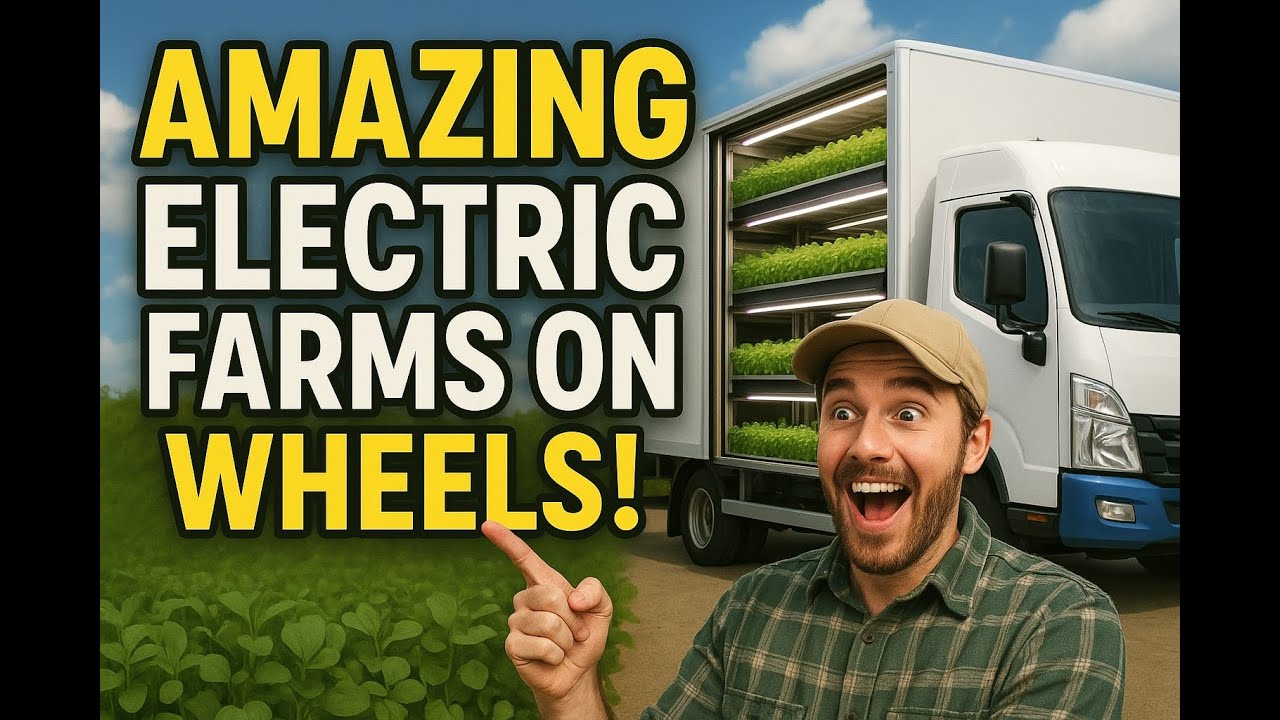
Large hydroponic gardens have stepped into the spotlight as game-changers for controlled environment agriculture in 2026. Their fast-rising popularity in both peri-urban and rural farming communities comes from key features:
- 🌱 Minimal Water, Maximum Yield: Uses up to 90% less water than traditional soil farming while growing more—crucial in climate-challenged regions.
- 🏙️ Year-Round Production: Automated nutrient and light systems enable continuous cropping regardless of outdoor conditions.
- 💧 Optimized Nutrient Delivery: Controlled dosing based on AI and IoT sensor insights maximizes crop growth and resource use.
- 📦 Space Efficiency: Vertical farming exploits vertical height—ideal for tight urban spaces or expansive rural operations.
- 📲 Smart Monitoring: Real-time data on plant growth, health, pest detection, and nutrient levels for instant adjustments.
“Hydroponic gardens use 90% less water than traditional soil farming, making them a leading innovation for 2026.”
Large hydroponic gardens not only produce leafy greens, herbs, and fruits close to urban consumers but also support diet diversification, food security, and sustainability on a global scale. With modular design and digital management, they minimize environmental impacts while enabling scalability.
Our platform leverages satellite-driven insights and AI-powered advisory systems to help farms monitor hydroponic operations, optimize nutrient and water cycles, and ensure sustainable food production at any scale. Discover more in our Crop Plantation & Forest Advisory suite.
Comparison Table: Top 2026 Farming Tools
| Tool Name | Primary Function | Estimated Cost (USD) | Predicted Efficiency Gain (%) | Sustainability Impact (out of 5) | Notable Technology Features |
|---|---|---|---|---|---|
| Large Tractor | Fieldwork (tillage, planting, cultivation, data collection) | $180,000–$550,000 | Up to 40% | 4.2 | GPS guidance, Automated steering, IoT sensors, Data analytics |
| Large Farm Shed | Machinery, crop, and livestock storage; climate control | $50,000–$350,000 | 30% | 4.7 | Smart climate & pest control, Remote monitoring, Automation |
| Large Combine Harvester | Grain harvesting, yield analysis, real-time crop status | $250,000–$550,000 | 35% | 4.3 | AI analytics, Moisture/yield sensors, Automated calibration |
| Large Compost Bag | Bulk composting, waste reduction, nutrient recycling | $500–$3000 (per unit) | 25% | 4.9 | Biodegradable, Aeration tech, Logistics optimized |
| Large Hydroponic Garden | Controlled-environment crop production, water efficiency | $50,000–$2,000,000* | 60% | 5.0 | AI/IoT sensors, Vertical growing, Automated nutrient delivery |
*Scalable costs based on vertical height/area and automation levels.
Satellite Technology & Data-Driven Farming Insights
At Farmonaut, we provide innovative satellite-based solutions tailored for large scale farming, resource management, and real-time crop health analysis, helping farmers, agribusinesses, and government agencies escalate efficiency and sustainability in 2026. Our approach combines:
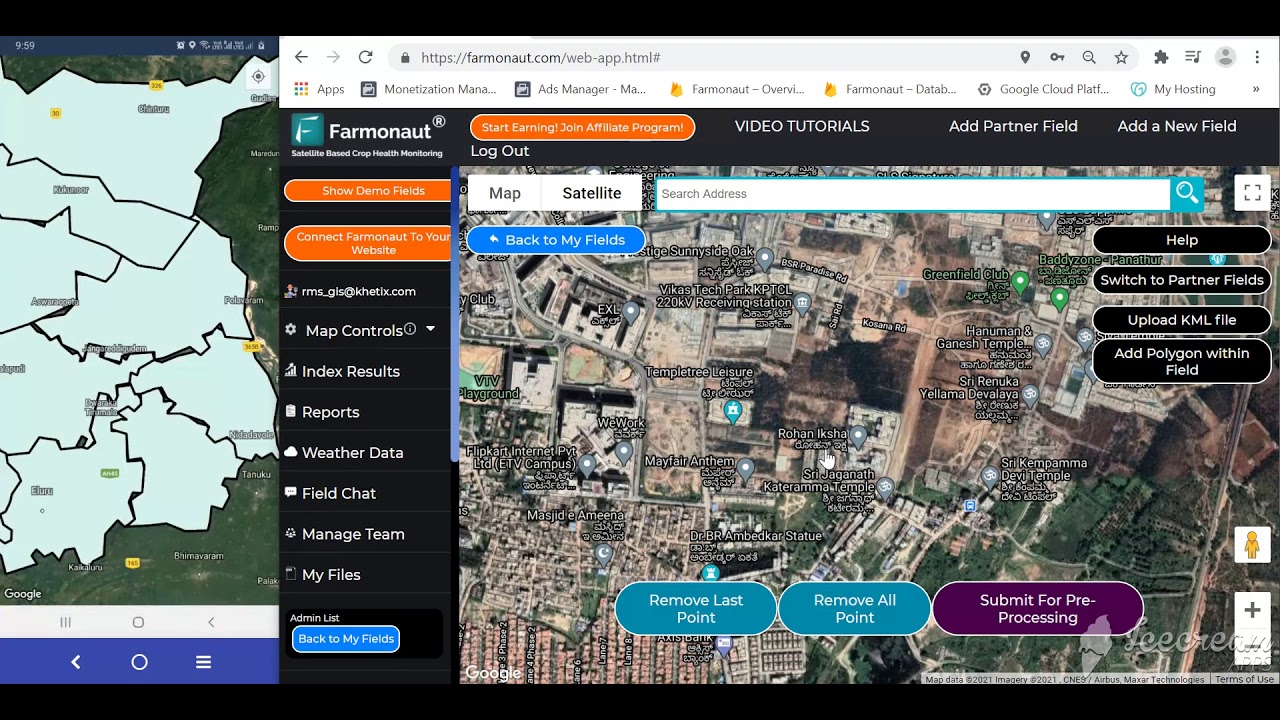
- 🛰️ Multispectral Satellite Monitoring: Track vegetation health (NDVI), soil conditions, and environmental changes for informed resource management.
- 🧠 Jeevn AI Advisory: AI-driven insights into crop, soil, and climate systems to support increased productivity and sustainable practices.
- 🔗 Blockchain Traceability: Ensure product integrity and transparency in agricultural supply chains. Explore our Traceability Platform.
- 💼 Fleet Management: For monitoring farm machinery usage, optimizing logistics, and enabling cross-field efficiency. Details at our Fleet Management page.
- 🌿 Environmental Impact: Track carbon footprint and support climate-smart agriculture. Learn more about Carbon Footprinting Tools.
Farmonaut enables all users—from smallholders to large agribusinesses—to thrive using affordable, scalable, and actionable data solutions for proactive farm management.

🛰️ Our Satellite Agriculture Solutions Deliver:
- 🛰️ Automatic field and soil health tracking (including NDVI, moisture, stress)
- 🛰️ Yield potential mapping for large and variable fields
- 🛰️ Historical imagery analysis for better decision-making
- 🛰️ Alerts for changes & anomalies detected in real time
- 🛰️ AI-based advisory on nutrient and input management

Get the Android App

Get the iOS App
For developers and businesses, utilize our Farmonaut API for custom integrations and our API Developer Docs for smooth onboarding.

Platforms like Farmonaut, combining satellite data, AI, and blockchain, have created fertile ground for agri-tech investment with massive potential for scalable, sustainable food systems.
Farmonaut Platform: App & API Quick Links
 Farmonaut Web Platform: For real-time field monitoring & analytics
- Android App: Monitor, manage & receive satellite insights on the go
- iOS App: Advanced satellite tools, anytime-anywhere
- 🛠️ Farmonaut API: Seamlessly integrate monitoring features into your business
- 📃 API Developer Docs: Comprehensive setup guide for developers
Relying solely on conventional visual inspection can lead to missed signs of stress or disease in large scale fields. Satellite-driven monitoring and AI advisory like those offered on our Farmonaut platform help detect even subtle changes in crop health for timely intervention.
Frequently Asked Questions About 2026 Farming Tools & Innovations
Q1. What makes large tractors essential for large scale farming in 2026?
A: Large tractors combine high horsepower, precision technology, and automated field operations, enabling farmers to cover more ground efficiently, reduce labor, and improve yield and sustainability outcomes.
Q2. How do large farm sheds support modern agriculture demands?
A: Large farm sheds provide secure storage for machinery, shelter for livestock, and controlled environments for crops. Innovations in materials and climate tech make them key in maintaining product quality, enhancing logistics, and improving farm resilience.
Q3. Are large compost bags really sustainable?
A: Yes. Large compost bags are made from biodegradable materials and are designed to handle bulk organic waste. This minimizes reliance on synthetic fertilizers, closes the nutrient loop, and directly supports climate-friendly agriculture goals.
Q4. Do large hydroponic gardens require specialist training?
A: While setup can be technical, most large hydroponic systems are increasingly user-friendly, with platforms that automate environmental monitoring, nutrient dosing, and lighting—often supported by mobile/web apps and satellite advisory systems.
Q5. How do I integrate satellite technology with my farm equipment?
A: Many modern large tractors, harvesters, and farm sheds are built with compatibility for remote monitoring. Farmonaut enables seamless integration by providing APIs, mobile/web platforms, and advisory tools to turn data insights into on-field action.
- ✔ Use predictive analytics from satellite data to schedule tractor and harvester operations for best crop outcomes.
- ✔ Climate-controlled farm sheds can double as smart logistics hubs for exports.
- ✔ Compost bag and hydroponic system sensors can be integrated into farm management dashboards for continuous oversight.
- ✔ Leverage Farmonaut’s digital tools for blockchain-based traceability to earn premium pricing and consumer trust.
Conclusion: Embracing Innovation for Global Food Security
The agricultural landscape of 2026 is shaped by advancements in large tractor deployment, robust farm sheds, smart composting systems, powerful combine harvesters, and innovative hydroponic gardens. These tools and systems do more than boost efficiency—they enable farmers to meet global food demands sustainably, secure the future of agriculture, and reinforce resilient food systems in a changing climate.
As satellite and AI technology—like those provided by Farmonaut—become central to decision-making and resource management, large scale farming will continue to evolve: larger, smarter, and more sustainable than ever before.

 Dalmia Bharat Sugar
 DnCubed
 Pistachio ST
 Field Capacity
 Indosistim Teknologi
 Liquify Digital
 CU Foods
 BeyondTech Global
 Rouge VC
 AgroGreen Dynamics
 AgroRisk
 Oath Inc
 Reddane Farming
 Esri North East Africa
 Cresol
 MDCV UK
 Etech Consulting Madagascar
 Vestlandsforsking
