

Leaf Rust, Stem Rust, Stripe Rust & Smut in Wheat: 2026 Solutions for Superior Disease Management
“Genetic resistance has reduced wheat rust losses by up to 50% in some regions with modern breeding techniques.”
Introduction: Wheat’s Global Challenge
Wheat remains a staple food for billions globally and is a cornerstone crop for economic stability among agricultural communities. Yet, leaf rust in wheat, stem rust in wheat, stripe rust of wheat, and smut in wheat continually threaten food security worldwide. These persistent fungal diseases inflict significant yield losses, undermine farmer incomes, and challenge policymakers, especially as climate change introduces new variables and pathogen races. Understanding, managing, and innovating against these threats is critical as we enter 2025 and beyond.
This comprehensive blog explores leaf rust, stem rust, stripe rust, and smut in wheat—unveiling their biology, economic toll, and the state-of-the-art solutions emerging for disease prevention, resistance, and yield-loss reduction. We’ll examine advances in breeding, precision agriculture, AI-driven monitoring, and satellite technology, ensuring this guide is your one-stop expert resource for 2026.



A Closer Look: Leaf Rust, Stem Rust, Stripe Rust & Smut in Wheat
Let’s break down the four major fungal diseases affecting wheat crops worldwide—leaf rust in wheat (Puccinia triticina), stem rust in wheat (Puccinia graminis f. sp. tritici), stripe rust of wheat (Puccinia striiformis f. sp. tritici), and smut in wheat (Ustilago spp.). These pathogens are responsible for ongoing yield losses, grain quality reduction, and unprecedented challenges among farmers and researchers targeting global food security.
Focus Keyword: Disease in Wheat Crop
- Major disease in wheat crop—pivotal threats to food security
- Rapidly evolving pathogen races and climate-driven adaptations
- Impact on yield, grain, and economic returns in wheat-growing regions
- Emergence of resistant genes through robust breeding efforts
- Integrating modern solutions like satellite monitoring and AI disease prediction
“Precision agriculture detects wheat smut hotspots 40% faster than traditional scouting, improving targeted disease management.”
Economic Impact, Yield Losses, and Global Food Security
Disease in wheat crop inflicts both visible and hidden costs. Yield losses from rusts and smut can range from 10% to 70%, depending on factors such as disease severity, climate conditions, region, and the timing of infection. For instance, stripe rust of wheat can devastate unsuspecting farmers in new, cooler territories, while an outbreak of stem rust in wheat (e.g., the infamous Ug99 race) can destroy entire crops within weeks.
- 💰 Estimated global economic toll: Billions lost annually due to decreased grain quality, shriveled grains, and eradication costs.
- 🌍 Security threat: Persistent wheat disease undermines food security among susceptible communities and entire regions.
- 🔬 Persistent evolution: Fungal pathogens constantly evolve to overcome host resistance genes, complicating the development of durable solutions.
- 🌡️ Climate-driven risks: Warmer, more humid conditions expand the range and season for rusts in wheat and related cereals like maize (corn rust).
- 🧬 Biology’s role: Management, breeding, and innovative technology—especially in 2025 and 2026—are more essential than ever.
Comparative Solutions Table: 2026 Overview
Get a snapshot view of all four major wheat diseases, including actionable management insights, yield loss estimations, and top tech innovations driving the battle for secure harvests.
| Disease Name | Causal Agent | Symptoms | Estimated Yield Loss (%) | Traditional Management | Modern Solutions (2026) | Tech Innovations |
|---|---|---|---|---|---|---|
| Leaf Rust | Puccinia triticina | Small orange-brown pustules on leaves, coalescing into larger necrotic patches | 10–20% (up to 50% or higher in severe epidemics) | Resistant varieties, fungicide sprays, crop rotation | Gene editing for resistance, AI-based forecasting, targeted fungicide, remote sensing detection | CRISPR, marker-assisted selection, satellite crop monitoring, AI-advisory systems |
| Stem Rust | Puccinia graminis f. sp. tritici | Elongated reddish-brown pustules on stems and leaves; premature ripening, shriveled grains | 20–100% (can destroy entire crops) | R-gene deployment, fungicides, crop barrier zones | Stacked resistance genes, advisory tools, predictive satellite analytics, robust seed systems | Gene stacking, drone and satellite surveillance, global race-tracking networks |
| Stripe Rust | Puccinia striiformis f. sp. tritici | Yellowish stripes of pustules along leaf veins, can extend to heads and awns | 10–70% (depending on region and earliness of infection) | Resistant cultivars, timed fungicide, destruction of volunteer cereals | AI-powered field scouting, resistant gene combinations, microclimate monitoring | Field drones, system integration with weather, precision agritech |
| Smut | Ustilago tritici (covered/loose smut) | Black, powdery spore masses replacing grain; grain disintegration at harvest | Up to 20% (can reach 80% in untreated seed lots) | Seed treatment (chemical or heat), crop rotation | DNA diagnostic seed tests, AI hotspot mapping, seed blockchain for traceability | High-speed precision seed screening, satellite disease mapping, blockchain traceability |
In-depth: Disease Manifestation, Life Cycle, and Spread
Here, we unpack the host-pathogen interactions, disease development cycle, and regional risk factors for each wheat disease. Understanding the life cycle underpins precision disease management strategies—especially in our rapidly shifting climate.
Focus Keyword: Leaf Rust in Wheat
Leaf Rust (Puccinia triticina)
- Manifests as small, orange-brown pustules mainly on the leaves, which can coalesce and cover large tissue areas.
- Reduces photosynthetic efficiency, directly impacting grain filling and overall yield.
- Typically thrives in moderate temperature, high humidity—common in temperate wheat regions.
- Rapid pathogen evolution enables new pathogen races to overcome deployed resistance genes.
- Lives in alternate hosts or survives off-season on crop debris, making integrated management essential.

Focus Keyword: Stem Rust in Wheat
Stem Rust (Puccinia graminis f. sp. tritici)
- Characterized by elongated reddish-brown pustules on stems and leaves; severe cases result in premature ripening, shriveled grains, or crop destruction.
- Damages the vascular system, impairing nutrient and water transport within the plant.
- Survival during off-season relies on alternate hosts like wild grasses.
- Infamous Ug99 strain outpaces many breeding efforts, having already spread alarmingly in recent decades.

Focus Keyword: Stripe Rust of Wheat
Stripe Rust (Puccinia striiformis f. sp. tritici)
- Also known as yellow rust; manifests as yellowish, linear stripes of pustules along the leaf blade—may reach spikes under severe conditions.
- Often emerges earlier in the growing season—favored by cooler, moist conditions (now expanding into new regions due to climate change).
- Early and severe infections can lead to yield losses of 10–70%.
- Quick spread demands timely scouting, microclimate monitoring, and robust resistant cultivars.

Focus Keyword: Smut in Wheat
Smut (Covered and Loose Smut – Ustilago tritici)
- Symptoms: Black, powdery spore masses replace normal grains, dispersing at harvest and contaminating seed, soil, and subsequent crops.
- Life Cycle: Spores persist from season to season and are introduced during planting via infected seed or soil.
- Management: Relies heavily on seed treatment, seed testing, and crop rotation—precision agricultural tech enhances detection and targeted control.

Latest Disease Management & Resistance Strategies for 2026
2026’s wheat disease management game plan is rooted in integration and foresight. By combining the wisdom of traditional methods with the power of genetic innovation, precision farming, remote sensing, and AI, we’re seeing greater yield protection, resistance durability, and environmental sustainability.
Integrated Disease Management (IDM) Best Practices
- ✔ Resistant Varieties: Deploying multi-gene and gene-stacking approaches for durable resistance to evolving pathogen races.
- ✔ Precision Scouting: Using satellite-based and AI-driven systems (such as those offered by Farmonaut) to detect disease hotspots early, reducing chemical usage and labor costs. Learn how large scale farm management tools can enhance in-field intelligence.
- ✔ Smart Fungicide Application: Targeted sprays based on real-time monitoring, climate risk forecasts, and resistance management principles.
- ✔ Blockchain Traceability: Adopting blockchain solutions for transparency in certified seed production and food supply chain authenticity.
- ✔ Crop Diversification & Rotation: Reducing rust and smut inoculum loads by alternating wheat with non-host crops, and careful field hygiene.
Breeding Innovations & Durable Resistance
- 📌 Marker-Assisted & Genomic Selection: Accelerates breeding cycles by precisely tracking resistance genes in diverse wheat backgrounds.
- 📌 CRISPR-Gene Editing: Introducing tailored, durable resistance for multiple rust and smut pathogens simultaneously.
- 📌 High-Throughput Phenotyping: Leveraging remote and AI-powered imagery to screen thousands of lines for rust, smut, and resistance efficacy under real-world conditions.
- 📌 Integration of Wild Gene Pools: Tapping into genes from wild relatives to break the rapid evolution cycle among Puccinia and Ustilago pathogens.

Tech Innovations: Precision Agriculture, Satellite Monitoring & AI
The future of wheat disease management rests on real-time, actionable insights— and nowhere is this more apparent than with the surge of precision agriculture tools, satellite remote sensing, and AI-powered advisory solutions. Here are the game-changers for 2026 and beyond:
- 🚀 Satellite Crop Monitoring: Platforms like Farmonaut offer scalable, cost-effective NDVI and multispectral imaging for vegetation health, identifying early disease stress (leaf rust, stripe rust, smut) before visible symptoms.
- 🤖 AI Advisory Systems: Advanced tools such as Farmonaut’s Jeevn AI combine real-time weather, disease prediction, and tailored grower recommendations.
- 📊 Blockchain Traceability: Provides end-to-end supply chain transparency, from seed production to table. Farmonaut traceability services enhance food safety and reduce fraud among wheat and cereal growers.
- 🌱 Environmental Monitoring: Satellite-based carbon footprint tracking supports sustainable, regulatory-compliant farming—ensuring wheat crops remain resilient without environmental trade-offs.
- 🛰️ Global Race Surveillance: AI and interconnected databases provide policy-makers and farmers timely alerts on new rust races or aggressive smut outbreaks in all major cereal-growing regions.
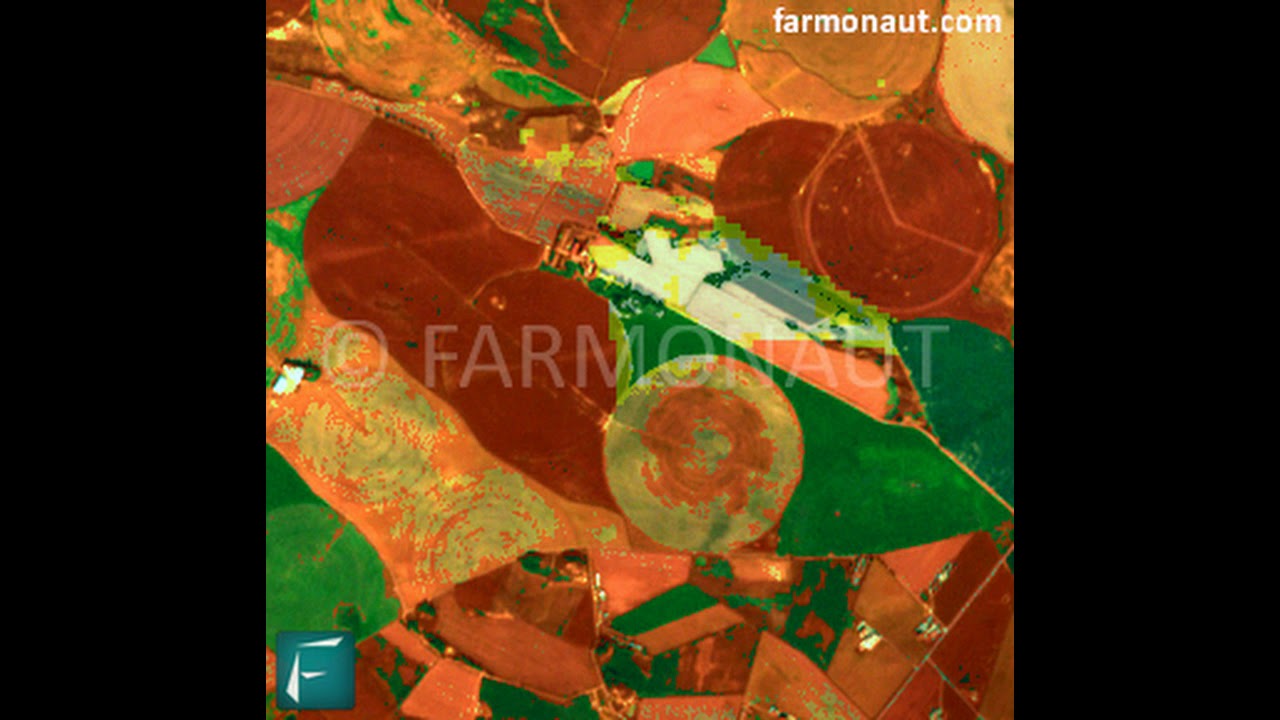
How Satellite-Based Tools Like Farmonaut Transform Wheat Disease Monitoring
At Farmonaut, we champion making satellite-driven insights affordable and actionable for all users—from smallholder farmers to large agribusinesses and governments. Our real-time monitoring detects biotic stresses, magnitude of leaf rust in wheat, stem/stripe rust, and smut in wheat by analyzing NDVI, multispectral, and thermal imagery, rapidly identifying hotspots before significant yield losses occur.
- 🎯 Pinpoint Areas of Risk: Identify and map potential trouble spots across thousands of hectares—reducing unnecessary fungicide use and maximizing resource efficiency.
- 🕒 Accelerated Decision-Making: AI-based tools deliver tailored advisories, spraying windows, and crop rotation tips in real-time.
- 🌍 Accessible and Wearable Data: Our data can be accessed through Android, iOS, or web—download now.
- ☁️ Seamless Integration with APIs: Developers, agricultural service providers, and agtech innovators can harness our API for disease management at scale. Comprehensive API developer docs here.
- 🛠️ Support for Financial Decisions: Banks and insurers use Farmonaut’s satellite-based verification (see crop loan and insurance products here) to manage risks associated with disease in wheat crops worldwide.

We understand the value of integrated, technology-first management—delivering critical disease information for wheat, cereals, and maize to farmers, businesses, and communities worldwide.
🔑 Key Benefits of Tech-Driven Wheat Disease Management
- 🌱 Early Detection: Remote sensing identifies disease stress before visible symptoms, limiting losses.
- 💧 Resource Optimization: Directs fungicide and fertilizer only where needed—reducing costs and pollution.
- 📈 Yield Maximization: Accurate, timely intervention preserves grain quality and market returns.
- 🚜 Scalability: Solutions suitable for smallholders to large enterprises with API-based integration.
- 👨💻 Real-Time Decisions: AI and analytics deliver adaptive management, even as conditions shift.
📊 Actionable Data Insights for Wheat Farmers
- NDVI & Spectral Indices: Highlight in-field variation, diagnosing fungal disease stress before yield decline.
- Spatial Mapping: Produce risk heatmaps for leaf rust, stem rust, and smut in wheat for targeted action.
- Predictive Analytics: Alert to wheat rust epidemics during critical crop development stages.
- Season-long Trends: Quantify effects of climate, management, and intervention on grain quality.
- Cross-crop Applications: Extend technology to manage corn rust & other cereal diseases in rotation systems.
Critical Insights: 2026 Pro Tips, Common Mistakes, and Investor Notes
Durable, multi-gene resistance remains the most sustainable line of defense against rapidly evolving wheat rust and smut pathogens, especially as climate and pathogenic races shift geographically.
- For best protection, combine satellite-based scouting (Farmonaut) with local field inspections and DNA-based seed testing to catch outbreaks early.
- Applying fungicides without hotspot mapping wastes chemicals, drives resistance, and increases producer costs. Use spatial risk data for efficient applications.
- The intersection of AI, remote sensing, and blockchain in agri-food and mining is a high-growth investment arena as governments and corporates seek scalable solutions for food security and authenticity.
- For export markets, farm-to-silo traceability and carbon footprint compliance are now as critical as grain quality. Adopt tech platforms supporting digital reporting.
Farmonaut Subscriptions & Remote Monitoring Solutions
Subscribe to Farmonaut’s comprehensive monitoring, management, and advisory tools for superior disease in wheat crop detection, risk assessment, and operational support—whether you’re a farmer, business, or institution:
FAQ: Your Key Wheat Disease Management Questions Answered
1. What are the main symptoms of leaf rust in wheat?
Leaf rust in wheat typically presents as small, orange to brown pustules on leaves. Over time, these can coalesce to form larger necrotic areas, leading to reduced photosynthetic activity and potential yield losses of 10–20% or more under favorable conditions.
2. Why do new rust races keep emerging?
The Puccinia species have a remarkable capacity for rapid evolution, driven by mutation, recombination, and adaptation to resistant host genes. This genetic flexibility allows the emergence of new races capable of overcoming once-effective resistance in wheat varieties.
3. How does satellite-based technology help in wheat rust and smut management?
Satellite technologies like those from Farmonaut enable early detection of disease hotspots by analyzing crop health indices (NDVI, thermal, etc.), facilitating targeted intervention. This maximizes yield, reduces costs, and allows precision chemical/fungicide application only where truly needed.
4. Can I use Farmonaut’s API for integrating disease monitoring into my own farm software?
Absolutely. Farmonaut’s open API supports easy integration into in-house or third-party platforms. Technical documentation is available here.
5. Is smut in wheat as economically significant as rust diseases?
Smut is a serious threat in regions where untreated or saved seed is used, causing up to 20% yield loss or worse in severe outbreaks. However, widespread use of treated, certified seed often keeps smut risks lower compared to rusts in highly managed commercial systems.
Conclusion: Integrated Action for Secure Wheat Harvests
Leaf rust, stem rust, stripe rust, and smut in wheat remain the most persistent and significant threats affecting wheat crops worldwide as we advance into 2025 and 2026. Their collective impact on grain yield, quality, and global food security cannot be overstated—ranging from direct economic losses among individual farmers to geopolitical stability among wheat-exporting nations.
Those losses are easier to judge next to typical wheat yields per acre, a topic that also touches on smut.
The next era of wheat disease management rests on integrated, adaptive solutions—where genetically resistant varieties, targeted fungicide use, and technology-first tools like precision agriculture, satellite monitoring, and blockchain forge a powerful alliance. Farmonaut’s platform makes remote, affordable disease monitoring and advisory accessible for all, delivering critical insights that support **yield maximization, loss reduction, and sustainability** from farm to supply chain.
For agricultural businesses, food security and compliance are converging goals—requiring robust disease management and transparent, data-driven operations. Ready to turn the tide against wheat rust and smut? Get started with Farmonaut today or connect your ag-extension software using our APIs.

 Anaxee Digital Runners
 Patrick America
 Red Dog Management
 Liquify Digital
 CU Foods
 BeyondTech Global
 Rouge VC
 AgroGreen Dynamics
 AgroRisk
 Oath Inc
 Reddane Farming
 Esri North East Africa
 Cresol
 MDCV UK
 Zerella Group
 Etech Consulting Madagascar
 Vestlandsforsking
 Delicio
 WB Dev
 Sama Premium
 Prochecker
