

Milk Price, Farmers & Goat Milk Price: 2026 Trends — Understanding Milk Price Dynamics for the Dairy Industry
“Global milk prices are projected to rise by 7% in 2025 due to higher feed and energy costs.”
Table of Contents
- Summary: Understanding Milk Price Dynamics in 2025
- 2025 Milk Price Trends: Current Overview
- Key Factors Influencing Milk Price and Cost Increases
- Technological Trends Impacting Dairy Farmers in 2025
- Comparative Trend Table: Milk & Goat Milk Price (2024–2026)
- Market Dynamics: Cow Milk Price vs. Goat Milk Price
- Policy Trends, Diversification, and Support for Dairy Farmers
- Future Market Strategies for 2026 and Beyond
- FAQs – Milk Price, Farmers, and Dairy Industry Trends
- Conclusion: Sustaining Growth in the Dairy Sector



Summary: Understanding Milk Price Dynamics in 2025
The landscape of milk price dynamics is undergoing rapid transformation as we approach 2026. Milk prices have become a pivotal concern for dairy farmers — whether they’re engaged in cow or goat milk production — driven by a complex interplay of factors such as rising feed costs, labor shortages, climate change, and increasing demand for diversified dairy products. In this blog, we analyze key trends, including the niche rise in goat milk price, impacts of technological innovations, sprinkler price, and the evolving strategies shaping farmers’ production and market decisions.
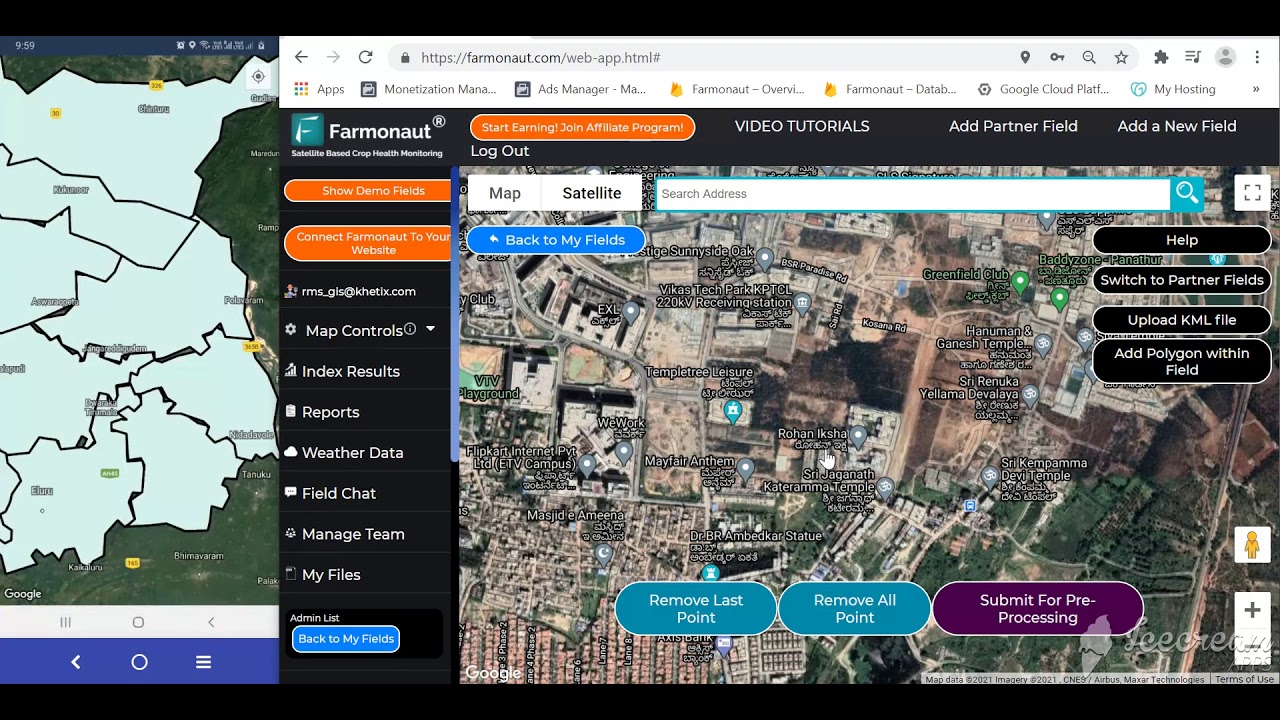
For those at the forefront of agricultural technology, satellite-driven insights — such as those offered by Farmonaut — now play a decisive role in helping farmers adapt to changing conditions, manage resources, and ensure sustainable growth amidst these challenging milk price dynamics.

2025 Milk Price Trends: Current Overview
In 2025, many regions have witnessed a moderate increase in milk prices. This increase is driven primarily by rising input costs and heightened consumer demand for dairy products. Farmers’ milk price, be it cow or goat milk, is being affected differently based on local market dynamics and unique production challenges.
Goat milk price has shown a relatively higher appreciation in niche markets due to growing consumer preferences for health and sustainability, especially for goat cheese and specialty skincare items. This shift reflects populations towards healthier and more diversified dairy options.
Let’s break down how milk price increases play out across different geographies and market segments:
- Rising input costs (feed, energy, labor) have pushed farmers to demand higher prices for their milk.
- Consumer demand for diversified and value-added products is driving premium goat milk price and spurring market expansion in urban areas and health-conscious demographics.
- Market supply chain disruptions — such as transportation bottlenecks— continue to influence cost structure and market pricing.
- Climate-change-driven volatility (e.g., erratic rainfall) impacts feed availability, leading to regional price differences.

Key Factors Influencing Milk Price and Cost Increases
The milk price increase in 2025 is not due to a single cause — it’s a consequence of an interconnected set of drivers that directly impact production, market pricing, and farm profitability. Let’s explore the most significant influences:
Feed and Input Costs Impact
- Feed prices often account for up to 70% of total milk cost. Volatility in global grain markets — wheat, maize, soybeans — triggers uncertainty in operational budgets for both cow and goat farmers.
- Supply chain challenges linked to geopolitical instability can restrict grain yields, resulting in significant cost increases for livestock feed.
- Many farmers face the direct impact of climate variability, disrupting crop production and leading to poor pasture conditions.
Climate Variability & Heat Stress on Dairy Animals
- Heat stress reduces animal welfare and milk yield, posing risks for deteriorating production volumes and profits.
- Frequent weather fluctuations challenge traditional farming systems, necessitating investments in adaptation technologies for effective cooling and pasture management.
- This environmental volatility is a major reason sprinkler price and cooling infrastructure costs have become pivotal operational concerns in 2025.
Sprinkler Price & Cooling Systems: Infrastructure for Adaptation
- Sprinkler systems for barn and pasture cooling are increasingly adopted, with sprinkler price becoming a major input factor for farmers.
- Forage irrigation using sprinklers keeps pastures lush during volatile seasons, ensuring steady milk production even in drought-prone areas.
- For many small and medium producers, balancing the cost of sprinkler systems with anticipated improvements in animal welfare, productivity, and higher milk price remains an ongoing calculation.
Labor, Energy, and Operational Expenses
- Labor shortages continue as younger generations move away from farming, causing wages to rise and impacting the cost of milk production.
- Energy prices, especially those linked to fuel, electricity for cooling, pumping water, and processing, add further upward pressure to milk cost in both cow and goat dairying.
- Producers also face higher costs due to rising transportation expenses, regulatory compliance, and investments in hygienic processing systems — all integral to maintaining product quality in increasingly competitive markets.

Technological Trends Impacting Dairy Farmers in 2025
As production costs and milk prices climb, technological advancements are proving to be both a challenge and an opportunity for farmers engaged in dairy production. The adoption of smart systems, from automated milking to satellite-driven farm monitoring, is reshaping the sector and elevating the standards for efficiency and traceability.
Automation and Precision Farming
- Automated milking systems, robotic feeders, and IoT devices directly reduce labor dependency and improve consistency in milk yield and animal welfare.
- Although initial investments are significant, the returns in operational savings and improved milk quality align with long-term milk price increases seen in 2025.
- Agricultural drones, smart sensors, and satellite insights are now part of mainstream resource management, providing farmers with tools for efficient monitoring and timely interventions.

AI and Blockchain in the Dairy Supply Chain
- Platforms equipped with AI advisory systems deliver real-time weather forecasts and production recommendations, increasing yield and lowering risk under changing climate conditions.
- Blockchain traceability — as championed by solutions such as Farmonaut’s Product Traceability — is crucial for validating the authenticity of dairy products. It assures consumers and buyers about quality, origin, and adherence to standards — often translating into eligibility for premium milk price.
- This transparency has particular significance in the goat milk market, where premium pricing is linked to provenance, ethical farming, and the absence of contaminants.
Real-Time Monitoring and Resource Management
- Remote and satellite-based real-time monitoring, such as that provided by Farmonaut, is transforming how farms track animal health, manage crops, and schedule irrigation for fodder production.
- Explore Crop Plantation and Forest Advisory modules for automated monitoring and recommendations.
- Resource management tools allow for cost-effective scheduling of water, feed, and labor, which is crucial for controlling operational expenses as milk price increases persist.

Comparative Trend Table: Milk & Goat Milk Price (2024–2026)
For clear insight, here’s a Comparative Table outlining annual price changes, input costs such as sprinkler price, and major influencing technologies and policies projected to impact dairy farmers during 2024–2026.
| Year | Cow Milk Price (INR/Litre, Estimated) |
Goat Milk Price (INR/Litre, Estimated) |
Sprinkler Price (INR/Unit, Estimated) |
Major Influencing Technology/Policy | Farmer Impact / Notes |
|---|---|---|---|---|---|
| 2024 | ₹52–57 | ₹65–72 | ₹17,500–22,000 | Standard cooling systems, rising feed costs | Input cost volatility; mild milk price increase over 2023 |
| 2025 | ₹57–62 | ₹78–86 | ₹19,000–25,000 | AI monitoring, automation, sustainable cooling, blockchain traceability | Moderate-to-high price increase, tech-enabled diversification |
| 2026 | ₹61–66 | ₹90–104 | ₹21,000–27,500 | Widespread satellite monitoring, advanced automation, digital co-op platforms | Strong shift toward high-value markets, policy & tech adaptation crucial |
Note: Prices are indicative estimates based on regional averages and prevailing trends. Actual pricing will depend on local dynamics, policy shifts, and adoption of technology by farmers.

“Goat milk price is expected to exceed cow milk by 20% in key markets as niche demand grows by 2026.”
Market Dynamics: Cow Milk Price vs. Goat Milk Price
In this evolving agricultural landscape, understanding the nuanced dynamics between cow and goat milk price is essential for both producers and consumers. While cow milk remains staple in mass markets, goat milk price continues to surge owing largely to niche demand growth and diversified processing into premium cheeses and skincare items.
- Goat milk price increase is being driven primarily by health-conscious consumers, lactose-intolerant demographics, and a rapidly expanding market for natural beauty and specialty food products.
- Goat farming offers diversification for smallholder farmers to hedge against price volatility in cow milk, as goats can be raised more sustainably on rugged terrain and lower-input systems.
- Markets are reacting to consumer perceptions of goat milk as “cleaner” and “more sustainable,” with the urban premium sector commanding prices 20–30% higher than cow milk by 2026.

Meanwhile, cow milk price remains influenced by mass market forces, governmental policy, and the pace of technology adoption within cooperatives. As milk cost rises with feed and energy expenses, only farms that innovate in traceability, productivity, and diversification will maintain profit sustainability.
Policy Trends, Diversification, and Support for Dairy Farmers
Effective policy frameworks remain central to a stable and profitable dairy sector as we head into 2026. Here’s how:
- Governments and cooperatives balance milk price fluctuations through subsidies, floor prices, and transparent market data systems.
- Encouraging diversification — including goat farming in mixed-livestock portfolios — is integral for smallholder resilience.
- Policy incentives support adoption of sustainable practices (water conservation, regenerative grazing, carbon reduction), now increasingly linked to eligibility for direct market access and price premiums.
- Investment in infrastructure (such as cooling, sprinklers, and logistics) is supported by both public funds and digital loan verification systems.
- Robust market cooperatives empower farmers to negotiate fairer prices and minimize the risks of volatile raw material costs or exploitation by intermediaries.
Future Market Strategies for 2026 and Beyond
- Adopt advanced technologies for real-time monitoring, emissions tracking, and blockchain-based product traceability to qualify for premium markets and milk price increases.
- Invest in sprinkler systems and modern cooling infrastructure to combat heat stress, boost productivity, and lower animal health risks—key to maintaining reliable supply and higher prices in the face of climate variability.
- Explore value-added production — such as goat cheese, organic milk, and artisanal dairy — to capitalize on the niche demand that supports higher goat milk price.
- Collaborate with cooperatives and leverage digital platforms for transparent pricing, resource sharing, and market intelligence.
- Pursue sustainability credentials (carbon neutral, regenerative) to meet new consumer standards and regulatory requirements in domestic and export markets.
- Regularly assess market dynamics and policy shifts, adjusting production priorities based on real-time insights and evolving market signals.
Read more: API Developer Documentation
FAQs – Milk Price, Farmers, and Dairy Industry Trends (2025–2026)
Answer: Milk prices are increasing due to a combination of higher feed and energy costs, climate-induced crop variability, rising labor expenses, and a growing market demand for both cow and goat milk. Technological advancement and infrastructure upgrades also add to upfront costs but help sustain production and justify price increases.
Q2. How does goat milk price compare with cow milk in 2025–2026?
Answer: Goat milk price has outpaced cow milk, often exceeding it by 20–30% in major markets due to health trends and growing demand for premium dairy products and niche items. The trend is expected to continue into 2026.
Q3. What role does technology play in moderating or increasing milk prices?
Answer: Investment in technology (automation, satellite and AI-driven monitoring, sprinkler and cooling systems) raises short-term production costs but increases long-term efficiency, enhances milk yield, improves quality, and enables traceability — all supporting higher selling prices.
Q4. How do sprinkler price trends affect overall milk production costs?
Answer: Sprinkler price is a major operational cost for farms, especially as climate adaptation becomes essential. However, efficient cooling and irrigation can substantially improve animal welfare and output, reducing losses from heat stress and supporting positive net returns.
Q5. What strategies can farmers adopt to remain profitable amid volatile milk prices?
Answer: Effective strategies include diversifying into goat milk, investing in modern infrastructure, pursuing sustainability certifications, leveraging cooperatives and market intelligence, and integrating technologies for precision farming and traceability.
Q6. How do products like Farmonaut support dairy farmers in this evolving landscape?
Answer: Farmonaut provides satellite and AI-powered tools for real-time field monitoring, resource management, carbon footprint validation, traceability, and financial risk mitigation — helping farmers optimize yields, comply with new standards, and command premium milk prices.
Conclusion: Sustaining Growth in the Dairy Sector
The outlook for milk price, farmers milk price, goat milk price, and overall dairy sector dynamics through 2026 is shaped by shifting cost structures, new technologies, and changing consumer expectations. As production expenses rise and environmental pressures intensify, successful dairy farmers will be those who proactively adopt modern resource management, climate-adaptive infrastructure (like sprinklers and cooling systems), and diversify offerings towards premium and sustainable products.
At Farmonaut, we see satellite and AI-driven innovation as a cornerstone in helping the agricultural industry remain profitable, sustainable, and resilient in the face of ongoing variability. By making data-driven, cost-effective technologies accessible, farmers can stay ahead of both operational and market challenges, ensuring the future vitality of the global dairy supply chain.

 Farmitopia
 TVS Electronics
 BW Pipelines
 WICO
WICO Gen Chayat
 Chimera Innovation
 SkyHarvest
 Polaris Digitech
 Teledarbas
 Wild Oak Farm
 SFX
SFX BACF Africa
 Doodlakine
 Exurbia Geospatial
 FieldZero
 Indico Company
