

Nanotechnology Applications in Agriculture for 2026
“Nanotechnology in agriculture is projected to increase crop yield efficiency by up to 30% by 2026.”
📚 Table of Contents
- Introduction
- Intersection of Nanotechnology and Agriculture: 2026 Overview
- Key Nanotechnology Applications in Agriculture (2026)
- Comparative Impact Table: Nanotech in Agriculture 2026
- Targeted Nutrient and Agrochemical Delivery
- Precision and Monitoring with Nanosensors
- Nanotechnology in Soil and Water Management
- Forestry, Timber, and Supply Chain Traceability
- Post-Harvest Preservation and Nano-Packaging
- Biotechnology and Nanotechnology: Synergistic Applications
- Environmental Impact, Safety, and Sustainability
- Challenges and the Path Forward
- The Future Outlook: Nanotechnology in Agriculture Beyond 2026
- Farmonaut’s Role in Enabling Smarter Agriculture
- FAQ: Nanotechnology Applications in Agriculture (2026)
Introduction
The application of nanotechnology in agriculture is accelerating a paradigm shift, promising to boost productivity, resource efficiency, sustainability, and resilience across farming, forestry, and supply chains as we approach 2026 and beyond. Positioned at the intersection of materials science and biology, nano-enabled tools are transforming input delivery, environmental monitoring, crop health, and supply chain management, supporting a new era of precision, traceability, and sustainable growth.
In this in-depth overview, we’ll explore how nanotechnology applications in agriculture drive targeted efficiency, smarter delivery, soil and water health, enhanced preservation, and environmental responsibility around the globe. With the support of real-time monitoring, blockchain-based traceability, and advanced resource management (as enabled by satellite-driven platforms like Farmonaut), farming and forestry are being fundamentally reshaped for 2026 and the years to come.
Key Insight
By 2026, nanotechnology in agriculture will be a cornerstone technology for targeted crop input delivery, precision monitoring, and sustainable resource management.
Intersection of Nanotechnology and Agriculture: 2026 Overview
What does the next generation of agriculture nanotechnology look like? As advancements in materials science and biology converge, nanoparticles and nanoscale systems are beginning to deliver what conventional agricultural practices could not: increased efficiency, minimized waste, smarter input timing, and significant reductions in environmental footprint. These innovations enable farmers, foresters, and agribusinesses to meet rising food and timber demand, even amid the dual pressures of climate variability and the intensifying need for traceability in global supply chains.
- 🌱 Smarter, Targeted Delivery – Precision-controlled release of nutrients, fertilizers, and pesticides aligns inputs directly with crop, weather, and soil needs
- 🔬 Enhanced Monitoring – Portable, nanoscale sensors and analytics provide site-specific diagnostics, driving data-driven interventions
- ♻️ Environmental Impact Reduction – Lower chemical loads, less runoff, and improved biodegradability mitigate pollution and protect ecosystems
- 🌍 Sustainable Traceability – Blockchain and nanosensor-based systems extend traceability, boost supply chain trust, and ensure regulatory compliance
These developments illustrate why nanotechnology in agriculture is more than just technological progress—it is a catalyst for reshaping sustainable farming, forestry, and global food security.
-
✔️
Targeted Inputs
Precise nutrient and pesticide application using nano-carriers -
📊
Real-Time Monitoring
Advanced nanosensors for instant field, soil, and crop status updates -
🛡️
Eco-Friendly Solutions
Reduced chemical waste, biodegradable materials, and pollution control -
🌱
Enhanced Productivity
Boosts crop yields, timber growth, and supply chain resilience

Key Nanotechnology Applications in Agriculture (2026)
Nanotechnology application in agriculture isn’t a single breakthrough—it’s a rapidly diversifying landscape. As of 2026, the best-supported and most impactful nano-applications in this field are grouped into these categories:
- Targeted Nutrient and Agrochemical Delivery: Efficient, programmed release of fertilizers and pesticides
- Nanosensors and Diagnostics: In-field monitoring of soil, moisture, disease, and nutrients
- Soil and Water Management: Improved soil structure, water retention, and salinity mitigation
- Post-Harvest & Supply Chain Technologies: Nano-packaging, traceability, and preservation
- Biotechnology Intersections: Nano-assisted plant biotechnology, beneficial microbes, and biostimulants
Pro Tip
Combining nano-formulations with advanced monitoring platforms such as Farmonaut’s blockchain-based traceability elevates input efficiency, transparency, and environmental stewardship throughout the entire agri-food supply chain.
Comparative Impact Table: Nanotech in Agriculture 2026
| Nanotechnology Application | Primary Function | Est. Efficiency Improvement (%) | Est. Reduction in Input Usage (%) | Impact on Soil Health | Sustainability Score (1-10) |
|---|---|---|---|---|---|
| Nano-fertilizers | Targeted nutrient delivery, controlled release | +30 | -35 | Improves nutrient efficiency, reduces leaching | 9 |
| Nano-pesticides | Smart, site-specific pest control, reduced drift | +22 | -40 | Lowers pesticide residues and off-target effects | 8 |
| Nanosensors | Real-time soil/crop monitoring, diagnostics | +25 | -20 | Early detection prevents soil degradation | 10 |
| Nano-encapsulation | Protected, timed release of bioactives/microbes | +28 | -27 | Minimizes chemical exposure to soil biota | 8 |
| Nano-packaging for storage | Antimicrobial/oxygen-scavenging food packaging | +18 | -10 | Preserves post-harvest crop quality | 9 |
| Nanotech-based soil remediation | De-contaminates, restores soil function | +15 | -15 | Elevates soil regeneration and health | 10 |
Investor Note
Sectors such as smart nano-fertilizers, nano-enabled sensors for precision farming, and blockchain-based supply chain traceability offer some of the highest returns and sustainability performance in agricultural technology. Future investments in these segments align with ESG criteria and evolving market demands for 2026.
Targeted Nutrient and Agrochemical Delivery
The cornerstone of nano-enabled agriculture is the enhanced, programmed delivery of nutrients and crop protection ingredients. By 2026, nano-formulations—using nanoemulsions, polymeric carriers, and inorganic nanoparticles—dominate as the preferred solutions for fertilizer and pesticide application due to their superior efficiency and minimal environmental risk.
- ✔ Reduced Input Losses: Encapsulation and controlled-release mechanisms minimize off-target leaching and volatilization, aligning supply with real-time crop demand and weather conditions
- ✔ Increased Uptake: Nanoscale carriers penetrate plant cuticles and root surfaces more efficiently, boosting active ingredient absorption and decreasing required application rates
- ✔ Lowered Costs: Precise, site-specific application reduces fertilizer and pesticide use by up to 40%
- ✔ Improved Environmental Health: Reduces chemical loads in both soil and water, mitigating pollution while keeping ecosystems intact
Nano-fertilizers, in particular, are projected to boost yield efficiency by up to 30% in staple crops by 2026, cementing their status as one of the most transformative nanotechnology applications in agriculture.

-
🔹 Encapsulation
Polymeric/inorganic carriers surround actives for programmed release. -
🔹 Nanoemulsions
Oil/water nano-droplets for stable, effective foliar spray delivery. -
🔹 Smart Release Polymers
Release triggered by moisture, pH, or microbial presence.
Site-specific smart release is closely tied to advances in field monitoring and nanosensor analytics (see next section), creating a seamless feedback loop for precision agriculture systems.
Common Mistake
Failing to adjust nano-formulated input rates to local soil and crop conditions can lead to suboptimal results and unnecessary costs. Always combine with modern satellite and in-field diagnostics for best outcomes.
Precision and Monitoring with Nanosensors
Real-time, in-field intelligence is the backbone of precision farming and smart input management. Nanoscale sensors and analytics platforms empower farmers to:
- 📊 Monitor soil moisture, pH, and salinity at the root zone
- 🦠 Detect presence of nutrients, microbial health, and pathogen risk
- 🌾 Target fertilizer and pesticide application only where needed
- 🌊 Enable precision irrigation and stress management
These nanobiosensors are often deployed as portable devices or embedded in-field, providing instant status readings through mobile apps or management platforms. Rapid detection of nutrient imbalances, disease presence, or soil parameter drift enables timely, resource-saving interventions and protects ecosystem health.

For example, Farmonaut’s satellite-enabled farm & forest management solutions already offer real-time moisture, NDVI, and resource analytics. As nanoscale soil and crop monitoring matures, such platforms will seamlessly integrate these next-generation nanobiosensors, providing a holistic view of field-to-forest health for all users.
Data Insight
By 2026, over 40% of sustainable farming solutions will incorporate nanotechnology-based real-time monitoring systems for accurate, data-driven decision-making.
Nanotechnology in Soil and Water Management
Healthy soils and access to quality water are the bedrock of lasting agricultural productivity. Nanotechnology in agriculture supports conservation and restoration through several frontiers:
- 🪨 Improved Water Retention: Superabsorbent nano-hydrogels and clay nanomaterials hold water at the root zone, reducing irrigation needs and supporting crops during drought spells.
- 🧪 Soil Salinity and pH Modulation: Engineered nanoparticles buffer salinity and modulate pH, remedying degraded soils for continued crop production.
- 🛑 Soil Remediation: Iron-oxide, carbon, and silicon nanoparticles help decontaminate soils polluted by heavy metals or agrochemical overuse, supporting safe re-use and reclamation in agro-mineral or mining-adjacent contexts.
- 🔄 Reduced Leaching: Targeted nano-fertilizer and pesticide applications prevent chemical runoff, protecting soil microbiota and adjacent aquatic ecosystems.

Integrated with platforms like Farmonaut’s carbon footprinting tools (learn more here), these nanotechnology solutions support both regulatory compliance and sustainable stewardship, quantifying real-world improvements in water/soil conservation and carbon farming efficacy.
⚠ Risk or Limitation
Some engineered nanoparticles—if not biodegradable—can accumulate in soil or water systems, posing potential ecotoxicological risks to beneficial microbes, pollinators, or aquatic life. Strict vetting and safety monitoring are essential for field deployment.
Forestry, Timber, and Supply Chain Traceability
The application of nanotechnology in agriculture extends far into forestry and timber production. Here, nanosensors and smart delivery systems are used to:
- 🌲 Ensure early detection and remediation of bark/leafborne disease risk in trees
- 🌳 Optimize sapling nourishment and stress tolerance during afforestation
- 🌲 Support climate-smart interventions (e.g. drought, salinity, or pest resistance in timber species)
Combined with next-generation blockchain-based technologies, such as Farmonaut’s traceability modules, the forestry sector enhances sustainable timber management, quality assurance, and global regulatory compliance.
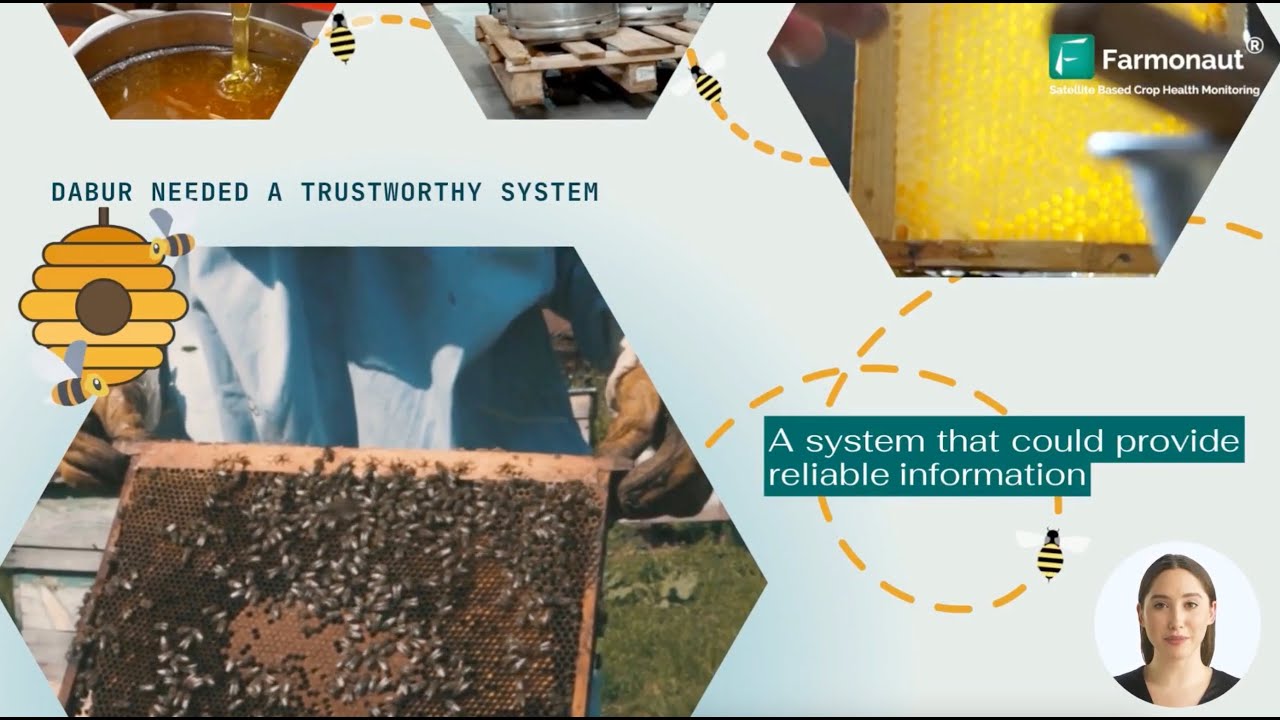

With transparency and fraud reduction a growing concern, embedding nanosensor and blockchain-based data at every supply chain stage dramatically improves the traceability and authenticity of food, forest, and mining-adjacent products.
For forestry management at large scale, Farmonaut’s satellite data integration and fleet management (fleet tracking and resource tools) further boost operational efficiency—from replanting to sustainable harvesting.
“By 2026, over 40% of sustainable farming solutions will incorporate nanotech for targeted nutrient and pesticide delivery.”
Post-Harvest Preservation and Nano-Packaging
Reducing food waste and ensuring food safety are high priorities as supply chains extend globally. Advanced nano-enabled packaging materials and sensors play vital roles:
- 🛡️ Antimicrobial and Oxygen-Scavenging Nano-Packaging: Extends shelf-life of perishable crops and processed products
- 🌡️ Nanosensors in Packaging: Monitor temperature, humidity, gas composition, and spoilage risk throughout transport and storage
- 🔒 Supply Chain Security: Blockchain and nano-enabled tracking prevent fraud and ensure product authenticity
For example, honey traceability and quality assessment are now possible with combined nano-sensing and blockchain systems (see Farmonaut’s traceability page), providing consumers and regulators with end-to-end supply chain transparency.




Biotechnology and Nanotechnology: Synergistic Applications
The synergy between biotechnology in agriculture applications and nanotechnology is redefining crop improvement, plant-microbe interaction, and environmental resilience:
- ✔ Genetic Pathway Delivery: Engineered nanoparticles can ferry genetic material or activate plant defense genes directly in field or lab settings.
- ✔ Beneficial Microbe Enhancement: Nano-encapsulated biostimulants and microbes have higher persistence and root colonization, increasing nutrient cycling and plant growth.
- ✔ Stress Tolerance: Nanomaterials like silicon dots and graphene-based carriers boost drought, heat, and salinity resilience.
- ✔ Seed Priming: Nanoscale coatings on seeds improve germination, promote early establishment, and shield against soil pathogens.
Emerging nano-biotech solutions—from microbial inoculant encapsulation to RNA-delivering nanoparticles—herald a new age of climate- and disease-resilient agriculture. Adoption trends in 2026 suggest that the integration of nano-biotechnologies will be vital for both smallholders and large-scale agribusinesses.
Environmental Impact, Safety, and Sustainability in 2026
As the use of nanotechnology in agriculture grows, so do requirements for safety, environmental stewardship, and transparent regulation:
- ✔️ Biodegradability: An increasing emphasis on sustainable-by-design, biodegradable nano-carriers to minimize environmental persistence.
- 🧪 Rigorous Risk Assessment: Detailed studies on nanoparticle fate, ecotoxicity, and effects on soil microbiota ensure responsible deployment.
- ⚖ Clear Labeling and Public Engagement: Transparent certification, labeling, and data-sharing to foster trust and public acceptance.
- 🔍 Data-Driven Impact Tracking: Platforms—such as Farmonaut’s carbon footprint monitoring—quantify improvements in emissions, biodiversity, and chemical footprint over time.
As regulatory frameworks mature, environmental and economic metrics will become prerequisites for broad adoption, guiding the responsible scaling of agriculture nanotechnology solutions.
Sustainability Focus
Sustainable nanotechnology innovations reduce pollution, enhance resource use efficiency, and support responsible stewardship of agricultural landscapes—core to the mission of organizations like Farmonaut.
Challenges and the Path Forward
Key Limitations & Areas for Caution as of 2026:
- ⚠ Variability in Field Performance: Lab-to-field translation can be inconsistent. Environmental factors (weather, soils, crop variety) affect nano-intervention outcomes.
- 💸 Scale-up Costs: Manufacturing eco-friendly nanoparticles or sensors at commercial scale can increase upfront costs.
- ⏳ Data Gaps: Long-term impact data, especially on non-target species and cumulative effects, is still being generated.
- 👩🏫 Farmer Education: Successful integration requires training, robust decision-support tools, and partnership between researchers, farmers, and industry players.
It is essential that all nano-enabled products are integrated with existing agronomic practices supported by real-world data, strong regulations, and clear, standardized metrics for yield, input efficiency, and life-cycle impact. Stakeholder collaboration (farmers, agronomists, industry, policymakers) will be foundational for widespread success and trust.
- ✔ Boosts Crop Efficiency: Up to 30% expected gains in yield and nutrient use
- ✔ Reduces Waste: Controlled, targeted input delivery minimizes chemical loss and environmental loads
- ✔ Strengthens Resilience: Real-time nanosensor monitoring and nano-biostimulants improve stress tolerance
- ✔ Enables Supply Chain Traceability: Blockchain and nanosensors combine for transparent, authentic agro-food trade
- ✔ Supports Sustainable Practices: Biodegradable, non-toxic nano-carriers align with environmental goals
The Future Outlook: Nanotechnology in Agriculture Beyond 2026
The future of agriculture nanotechnology is bright and holistic. As farming, forestry, and supply chains become ever more digitized, sustainable, and data-driven, expect to see:
- 🛰 Sensors-Driven Micro-Management: Field-realized, context-specific nano-interventions guided by satellite and IoT platforms
- 💡 Custom Crop Solutions: Nano-formulations tailored to local soil, crop, and weather data—maximizing effectiveness
- 🏆 Demand-Responsive Inputs: Real-time adaptive input prescriptions, moving beyond fixed schedules to true precision agriculture
- 🌲 Forestry Resilience: Robust nano-enabled systems for climate and pest-proof afforestation
- 🔗 Decentralized Supply Integrity: Global traceability for every grain, fruit, timber, or bio-product—building trust for producers, consumers, and regulators alike
The ultimate impact: higher yields, minimized chemical footprints, resilient farming systems, and enhanced food and timber security across regions and value chains.
Farmonaut’s Role in Enabling Smarter Agriculture
As we have discussed, the many benefits of nanotechnology applications in agriculture—from targeted delivery to advanced analytics—are amplified when paired with accurate, timely, and actionable data.
At Farmonaut, our mission is to make satellite-driven insights and data-driven management affordable and accessible for agriculture, forestry, mining, infrastructure, and allied sectors globally. Through our web, Android, iOS, and API-enabled platform, users can:
- ✔ Get real-time field health, soil moisture, and input advisory via satellite and AI integration
- ✔ Optimize fertilization, irrigation, and resource usage with AI-based, context-tuned strategies
- ✔ Ensure end-to-end supply chain transparency using blockchain-based traceability for crops, honey, timber, and other agri-products
- ✔ Monitor and reduce carbon and environmental footprints in line with global standards
- ✔ Access scalable solutions—from smallholder plots to corporate-managed plantations and government land portfolios
As the adoption of agriculture nanotechnology accelerates in the years ahead, Farmonaut’s modular platform and loan/insurance verification, large-scale farm/plantation management, and fleet/resource management fit seamlessly with emerging nano-enabled practices, enabling a truly smart, sustainable, and transparent future for agriculture worldwide.
Highlight
Farmonaut’s powerful combination of satellite, AI, and blockchain capabilities makes it easier for organizations and governments to harness the growing ecosystem of nano-enabled agricultural solutions, maximizing returns, compliance, and sustainability.
FAQ: Nanotechnology Applications in Agriculture (2026)
Q1: What are the main benefits of nanotechnology in agriculture?
Nanotechnology in agriculture offers targeted nutrient and pesticide delivery, reduces input waste, enhances soil and water health, enables real-time field monitoring, and strengthens supply chain traceability and food safety.
Q2: Is nanotechnology safe for the environment and human health?
Most nano-formulated products are being developed with sustainability and biodegradability in mind. However, all products must undergo rigorous safety and eco-toxicity testing before widescale deployment, per evolving regulatory standards in 2026.
Q3: Can smallholder farmers benefit from nano-enabled agriculture?
Yes. As the costs of production fall and access rises (via mobile and satellite platforms like Farmonaut), both smallholders and large agribusinesses can benefit from greater resource efficiency and higher yields.
Q4: How does nanotech integrate with digital agriculture?
Nanosensors and smart nano-delivery are most effective when paired with AI-driven advisory, weather analytics, and blockchain traceability for data-backed, precision interventions.
Q5: What is the sustainability outlook for nano-enabled solutions?
With strict safety protocols, biodegradable carriers, and transparent life-cycle monitoring, nano-enabled agriculture is expected to be a pillar of 21st-century sustainable farming and forest management.
In summary, the application of nanotechnology in agriculture by 2026 is set to deliver a dramatic leap in efficiency, sustainability, and resilience for farms, forests, and supply chains worldwide. Coupled with satellite technology and intelligent analytics, these solutions will help secure food, timber, and environmental futures for all.

 Sarvome
 Polaris Digitech
 Teledarbas
 Wild Oak Farm
 SFX
SFX BACF Africa
 Doodlakine
 Exurbia Geospatial
 FieldZero
 Indico Company
 Kubota
 FFBS
FFBS Jontra
