

Agricultural Technology Adoption: New Tech for 2026 – Driving Efficiency, Sustainability & Innovation
Table of Contents
- Introduction: Agricultural Technology Adoption for 2025 & Beyond
- Global Trivia: 2025–2026 Highlights
- The Evolution of Agricultural Technology Adoption
- Key Drivers: Why Adopt New Technology in Agriculture?
- Precision Agriculture: The Cornerstone of Advancement
- Automation, Robotics & AI: Transforming Production Systems
- Biotechnology & Genetic Engineering: Resilience Through Innovation
- Data Analytics & Smart Sensing: Real-Time Decisions
- Irrigation & Water Management Solutions
- Digital Platforms, Extension & The Farmonaut Ecosystem
- Comparative Table: Key Agricultural Technologies 2025–2026
- Adoption Barriers & Implementation Challenges
- Policy, Investment & The Future of Sustainable Agriculture
- Farmonaut: Affordable Satellite & AI Solutions
- Frequently Asked Questions
- Conclusion & Next Steps
“By 2025, over 60% of global farms are expected to integrate precision agriculture tools for crop management.”
Agricultural Technology Adoption for 2025 & Beyond
The landscape of agricultural technology adoption is rapidly evolving as we approach 2026. Global farming systems are experiencing unprecedented transformation. The adoption of new technology in agriculture is no longer optional—it’s essential for ensuring food security, combating climate change, addressing resource scarcity, and driving sustainable growth as the world’s population grows and environmental pressures intensify.
From precision agriculture and advanced irrigation to automation, robotics, biotechnology, and data-driven advisory services, the agriculture production technology landscape encompasses a broad spectrum of cutting-edge solutions now being deployed globally.
The precision side of this list has its own adoption rates and costs, covered in precision agriculture in practice.
In this comprehensive overview, we will explore:
- How new technologies are transforming agricultural systems
- The core benefits and main challenges in adoption
- The critical role of precision, automation, biotechnology, data analytics, and water management
- How digital platforms—including Farmonaut’s solutions—make satellite-driven insights, monitoring, and resource management accessible across sectors
- Future trends and what to expect in 2026 and beyond
Key Insight:
As agricultural technology adoption accelerates, integrating tools like AI-driven crop monitoring, blockchain-based traceability, and precision irrigation is crucial for maximizing yields, reducing environmental impact, and ensuring resilient food systems in 2026.
“In 2026, automated machinery use in agriculture is projected to increase by 40% compared to 2020.”
The Evolution of Agricultural Technology Adoption
Agricultural technology adoption refers to the process by which farmers and agribusinesses implement innovative tools, methods, and practices to improve productivity, efficiency, and sustainability across farming systems. This movement has accelerated with the emergence of advanced technologies—including precision agriculture, automation, robotics, biotechnology, data analytics, and novel irrigation and fertilization systems.
The journey began with small-scale mechanization and has rapidly evolved. As environmental challenges intensify, agricultural technology adoption continues at an unprecedented pace, shifting the focus from simple mechanization to data-driven, AI-powered, and resource-optimizing solutions. This evolution is not just about increasing yields—it’s about building resilient, sustainable, and efficient agricultural systems that harmonize nature, technology, and society.
- 🔹 Mechanization – Transition from manual labor to tractors and machinery
- 🔹 Green Revolution – Widespread use of chemical fertilizers and high-yield crop varieties
- 🔹 Precision Agriculture – Satellite, GPS, and sensor-based data-driven crop management
- 🔹 Automation & AI – Deployment of robotics, AI, and machine learning for predictive and operational efficiency
- 🔹 Integrated Systems – Leveraging IoT, blockchain, and digital platforms for comprehensive farm management
Investor Note:
Capital investment in automation and smart technologies is rapidly increasing, especially in regions facing labor shortages and environmental regulations. The next wave of agriculture production technology adoption will be driven by AI, precision sensors, water management, and blockchain-based traceability—representing major opportunities for long-term ROI.
Key Drivers: Why Adopt New Technology in Agriculture?
- ✔ Resource Scarcity: Limited land, water, and nutrients require more efficient use and management.
- 📊 Climate Change: Operators need solutions to adapt to unpredictable weather and increasing drought events.
- ✔ Rising Population: Growing global food demand intensifies the need for higher productivity per unit of land and water.
- ⚠ Labor Shortages: Automation and robotics tackle persistent workforce challenges in agriculture worldwide.
- ✔ Environmental Sustainability: New technology promotes soil health, reduces chemical use, and minimizes environmental impact.
Pro Tip:
Combining smart sensors, remote sensing data, and AI analytics enables site-specific crop management, reducing waste and increasing profitability.
Precision Agriculture: The Cornerstone of Advancement
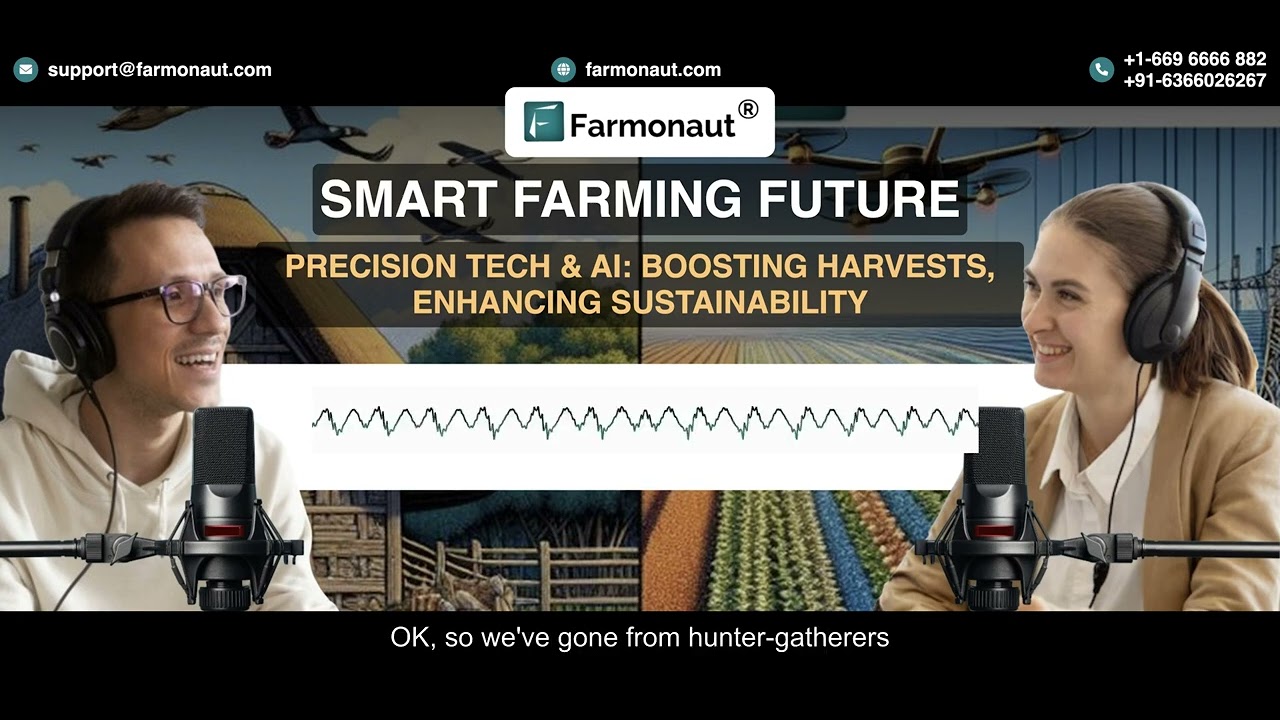
Precision agriculture remains the cornerstone of agricultural technology advancement. By leveraging advanced tools—GPS, remote sensing, drones, and IoT sensors—farmers now monitor soil health, moisture levels, and pest populations in real-time.
This data-driven approach enables site-specific management, where inputs (like seeds, fertilizers, and pesticides) are applied variably across a field based on actual need rather than uniformly. This reduces waste and environmental degradation, while maximizing output—transforming how crop yields are achieved.
- 🌟 Benefits: Optimal use of water, nutrients, and chemicals, reduced input costs, enhanced crop quality, and environmental health.
- 🌟 Challenges: High initial investment, need for technical skills, and reliable data connectivity.
Recent advances in machine learning and AI have refined decision-support systems, providing farmers with predictive analytics and actionable insights tailored to local conditions. These capabilities empower even smallholder farmers to meet the demands of a fast-changing world—improving resilience in the face of unpredictable weather and resource constraints.
Key Tools in Precision Agriculture
- 🌐 GPS-Guided Tractors
- ✈️ Drones for crop health scanning
- 🌱 Soil & Nutrient Sensors
- 💧 Automated Irrigation Controllers
- 🛰️ Satellite Crop Monitoring Platforms (Farmonaut Web & Mobile App)
Common Mistake:
Uniformly applying fertilizers and pesticides across large fields—without leveraging precision data—often leads to waste, high costs, and unnecessary environmental impact.

Automation, Robotics & AI: Transforming Production Systems
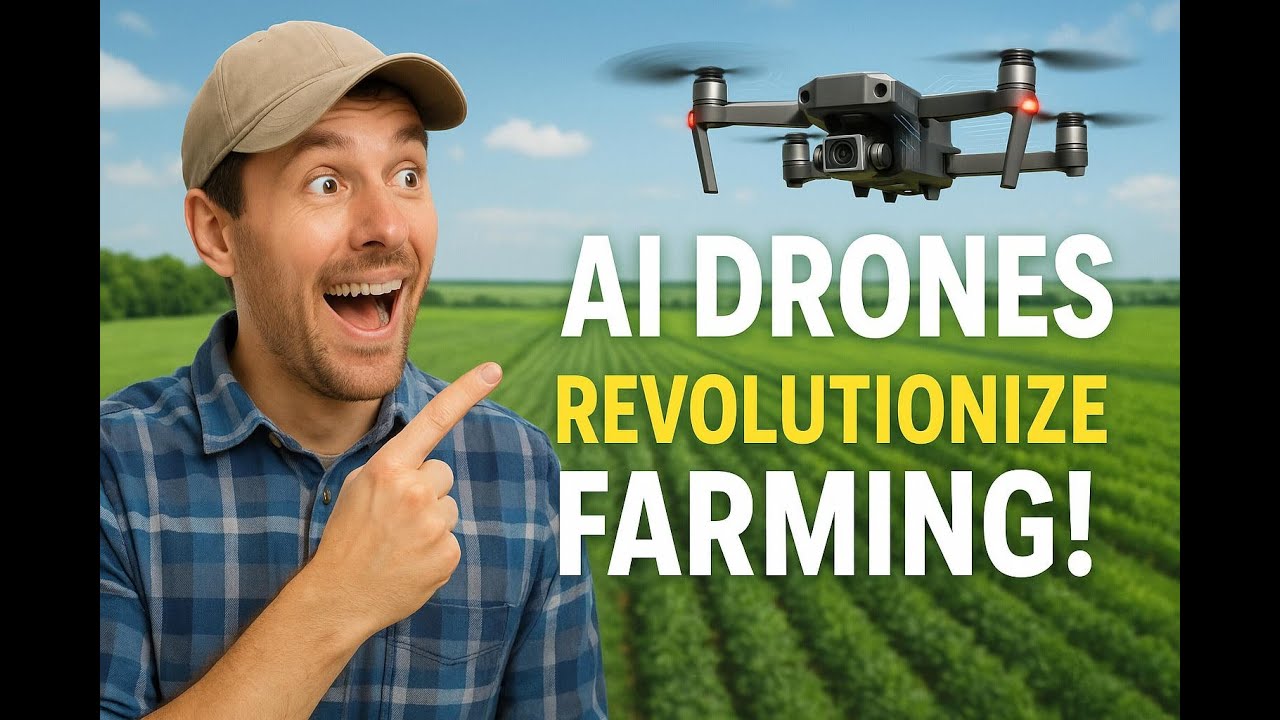
As we move through 2025 into 2026, automation and robotics are increasingly penetrating the global agricultural landscape. Autonomous tractors, robotic harvesters, and drone-based crop monitors are becoming more accessible, even for small-scale farmers, thanks to declining hardware costs and easy integration with digital platforms.
- 🤖 Autonomous Tractors: Reduce dependency on manual labor and enable 24/7 fieldwork with precision.
- 🤖 Robotic Harvesters: Use AI-driven vision systems to identify and pick crops efficiently.
- 🚁 Drone-Based Monitors & Sprayers: Provide site-specific input applications — optimizing pest, nutrient, and water management.
AI and machine learning drive predictive analytics—identifying risks such as pest outbreaks or upcoming droughts—enabling timely, data-driven interventions that maximize yield while minimizing inputs and resource use.
Operational and Environmental Impact
- 🚜 Reduced Labor Dependency: Mitigates persistent shortages and increases job safety.
- ⚠ Minimized Exposure to Hazardous Agrochemicals: Robots can spray or apply inputs, reducing direct exposure for workers.
- 🟊 Consistency & Accuracy: Machine operations ensure uniformity, improving yields.
For details on managing and optimizing your fleet of machinery and farm equipment using satellite-driven insights, explore our Fleet Management platform.
Key Insight:
Drone-based functions have expanded from crop monitoring to seeding, fertilization, and selective harvesting—showcasing real-world applications in countries like Ethiopia and Malawi. This technological progress is documented in Farmonaut Insights – Ethiopia and Malawi Irrigation Tech 2025.
To maintain an environmentally friendly operation, utilize our Carbon Footprinting Tool—tracking your operation’s total emissions while improving sustainability.
Biotechnology & Genetic Engineering: Resilience Through Innovation
Biotechnological innovations are pivotal in reshaping agriculture to address climate variability, pest pressure, and resource scarcity. Gene editing tools like CRISPR have matured, offering precise, efficient crop improvement in 2025–2026.
- 🧬 Drought Tolerance: Crops engineered to withstand extended periods of water scarcity.
- 🧬 Pest & Disease Resistance: Reducing reliance on chemical pesticides by enhancing natural plant defenses.
- 🧬 Nutritional Enhancement: Biofortification delivers crops with higher vitamin or mineral content for improved food security.
Key Insight:
In 2026, the pace of biotechnology adoption is expected to quicken—especially in Africa and Asia—accelerating the development of crops tailored to local climatic and soil conditions.
Explore Farmonaut’s Blockchain-Based Traceability for transparency in crop origins and ensuring food authenticity in increasingly complex, global markets.
- 🔬 Faster breeding cycles with marker-assisted selection
- 🔬 Targeted trait improvements for local production systems
- 🔬 Reduced chemical inputs and lower ecological footprint
- 🔬 Adaptability to climate uncertainty
- 🔬 Boosted nutritional content
Data Analytics & Smart Sensing: Real-Time Decisions and Actionable Insights
The integration of IoT sensors, AI-based data analytics, and remote sensing is dramatically increasing precision and productivity in agriculture. Smart devices collect moisture, nutrient, and pest data from the soil and atmosphere. These datasets are analyzed and processed into actionable insights for optimal crop management.
- 📈 Predictive Analytics: Anticipate weather impacts, pest outbreaks, and irrigation requirements before they occur.
- 🔔 Real-Time Alerts: Mitigate emerging risks and optimize operations.
- 🛠️ AI-Driven Recommendations: From advisory systems for replanting & fertilizer scheduling to pest control and irrigation, AI makes recommendations based on hundreds of real-world variables.
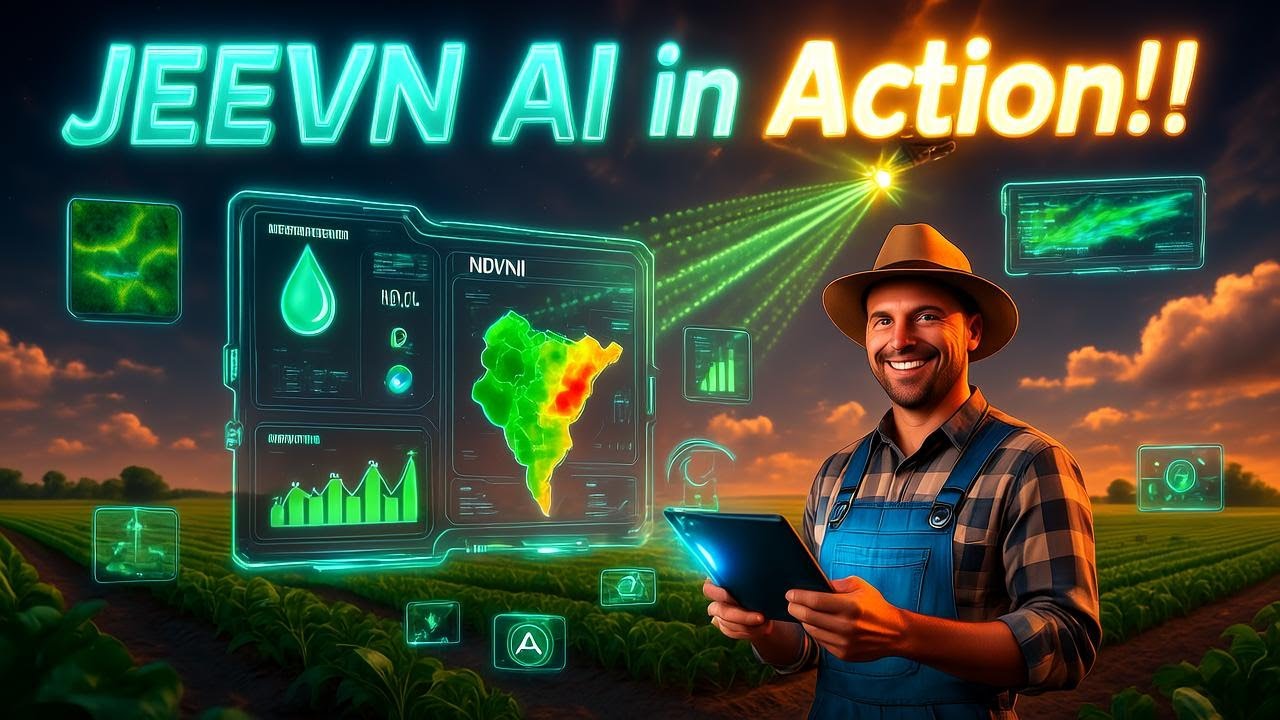
To integrate satellite and weather-based analytics directly into your own applications for automation, resource management, and crop risk prediction, start with the Farmonaut API or consult the Developer Documentation.
Common Mistake:
Ignoring soil moisture sensors and real-time pest data can result in over-irrigation, poor timing of input applications, and yield loss. Adopting sensor-based analytics is vital for efficient production.
Irrigation & Water Management Solutions
Advanced water management technologies—including drip and subsurface irrigation with smart controllers—have become crucial in confronting water scarcity. IoT sensors measure soil moisture and local weather forecasts to reduce water use while ensuring optimal crop health.
- 💧 Drip Irrigation: Delivers water directly to crop roots, minimizing evaporation losses.
- 🌧️ Sensor-Based Scheduling: Activates irrigation systems only when soil moisture is low.
- 📉 Reduced Water & Energy Use: Cuts costs while addressing drought and climate-related challenges.

Water-efficient technologies are especially vital in arid regions. Satellite and drone platforms offer large-scale monitoring of field conditions, optimizing resource planning and farmer support initiatives. For large-scale farm management, see Farmonaut’s Agro-Admin App, which provides centralized, real-time insights for farm managers and businesses.
Digital Platforms, Extension Services & the Farmonaut Ecosystem
Beyond individual innovations, the adoption of new technology in agriculture is accelerated by extension services—including digital platforms that offer weather updates, market prices, AI advisory, traceability, and resource management tools. As agriculture digitalizes, platforms like Farmonaut democratize access to satellite and AI-driven analytics, bridging gaps in traditional extension models.
- 🌍 Remote Monitoring: Track field conditions, soil health, and crop vigor in real-time.
- 🌐 Mobile Accessibility: Monitor operations and receive advisory services anywhere, anytime (

 )
) - 🌱 Blockchain Traceability: Track crop origins for food safety and export markets (Product Traceability Solution)
- 🛰️ Satellite API & Insights: Integrate satellite-based field data via an open API.
- 🛡️ Satellite Loan Verification: Facilitate loans and insurance with field-verified data (Crop Loan & Insurance Platform).
Our ecosystem is built for maximum accessibility:

Pro Tip:
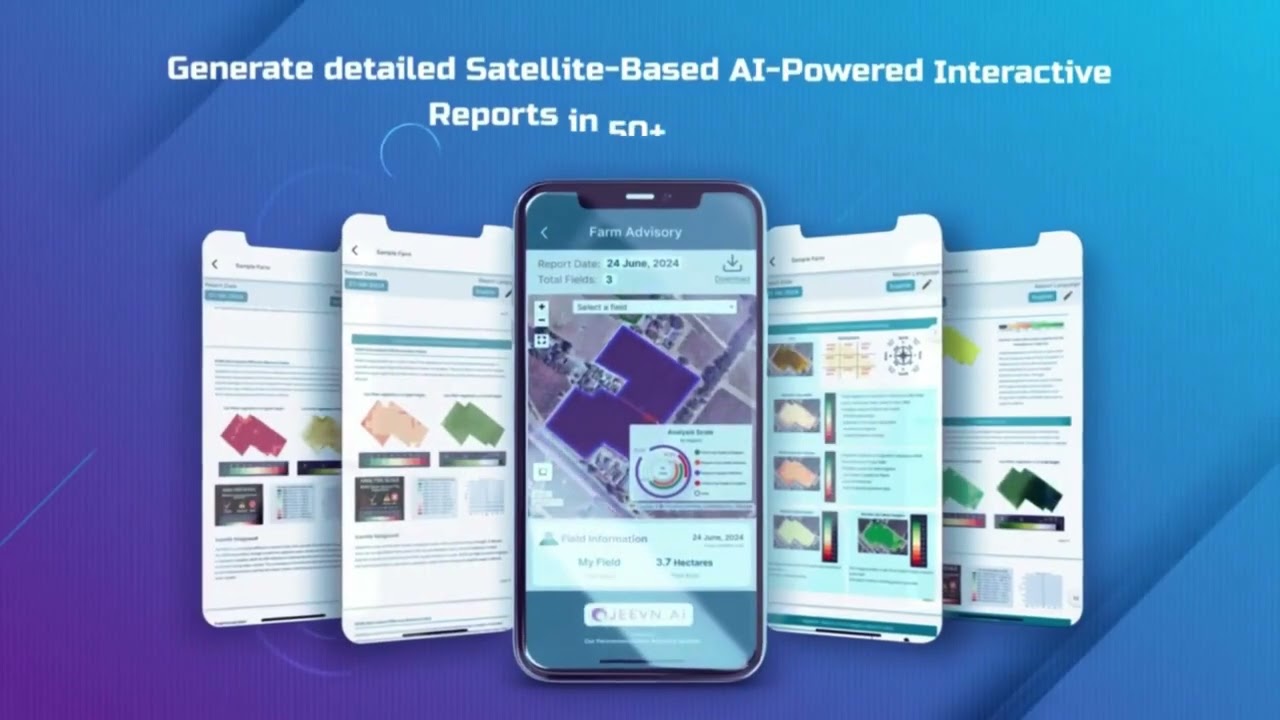
By combining AI-driven advisory (Jeevn AI), satellite-based risk alerts, and blockchain traceability, we can empower farmers, agribusinesses, and governments for data-driven, transparent, and accountable operations.

Comparative Table: Key Agricultural Technologies 2025–2026
| Technology Name | Function/Application | Estimated Adoption Rate (2025, %) | Major Benefits | Challenges / Limitations |
|---|---|---|---|---|
| Precision Irrigation Systems | Water-efficient irrigation (drip/subsurface) with real-time sensor control | 30–40% | Reduces water waste, energy costs, and increases drought resilience | Upfront cost, requires skilled management & sensor calibration |
| Autonomous Tractors & Machinery | Driverless field work, tilling, seeding, and harvesting | 25–35% | Solves labor shortages, boosts speed & operational precision | High cost, infrastructure/maintenance demands |
| Smart Sensors (IoT) | Monitor soil, moisture, nutrient, and pest conditions | 40–55% | Enables data-driven decisions, optimized input use | Connectivity and calibration challenges |
| Drone-Based Spraying & Monitoring | Aerial crop surveys and site-specific spraying of fertilizers/pesticides | 22–30% | Reduces waste, lowers human exposure to chemicals | Requires skilled pilots and regulatory clearance |
| AI-Driven Crop Monitoring | Satellite/AI assessment of crop health, weather, pest risk | 30–45% | Predicts threats, guides interventions, boosts sustainability | Dependent on data quality and access |
| Blockchain-Based Traceability | Track crop origins & supply chain for food security and export | 15–22% | Builds consumer trust; combats fraud | Requires digital literacy and partner buy-in |
| Gene-Edited & Biotech Crops | Seeds engineered for drought tolerance, disease resistance, or enhanced nutrition | 18–28% | Supports food security and climate adaptation | Regulatory constraints, societal acceptance |
Adoption Barriers & Implementation Challenges
While the benefits of agricultural technology adoption are clear, several challenges can impede widespread uptake, especially for smallholder farmers:
- ⚠ Financial Barriers: High upfront costs of advanced technology.
- 📉 Limited Access to Finance: Insufficient credit facilities or affordable loan options for smallholders.
- 🔧 Technical Skills Gap: Lack of training hinders adoption of complex systems.
- 📡 Infrastructure Deficits: Poor connectivity and unreliable power in remote or rural areas.
- 🌿 Regulatory Hurdles: Uncertainty over biotech crop approval and digital data policies.
Advancing policy support, rural investment, training programs, and inclusive innovation models are essential. Farmonaut’s platform directly addresses financial accessibility by lowering cost barriers with affordable satellite monitoring subscriptions.
Key Insight:
The most effective innovations in 2026 will be those that are scalable, affordable, and easy to integrate into diverse farming systems—amplifying benefits for both small and large producers alike.
Policy, Investment & The Future of Sustainable Agriculture
The path to sustainable, resilient agriculture in 2026 hinges on integrating advanced agricultural technologies—with government and private sector collaboration to ensure inclusive adoption. Key priorities:
- 💡 Incentive Programs: Support for digitalization, smart irrigation, and AI adoption.
- 🌿 Environmental Regulations: Drive transition to resource-efficient, low-carbon farming.
- 📈 Investment in Training: Build local technical capacity for scaling new solutions.
- 🔍 Transparent Supply Chains: Expand use of blockchain and satellite-based verification for food safety and export readiness.
- 🌍 Rural Connectivity: Ensure digital platforms reach farmers in even the most remote locations.
Pro Tip:
Watch emerging trends in satellite technology, machine learning, and IoT. These will define the next era of agriculture production technology and data-driven extension services.
Farmonaut: Affordable Satellite & AI Solutions for Everyone
We at Farmonaut are committed to making satellite-driven insights, AI advisory, and blockchain-based solutions affordable and universally accessible. From farmers and cooperatives to businesses, governments, and financial institutions, our flexible plans ensure that real-time monitoring, advisory, and traceability are within reach for every operation.
Accessible via Web, Android, iOS, and API—get started today:
Frequently Asked Questions
-
What is agricultural technology adoption?
Agricultural technology adoption refers to the process by which farmers and agribusinesses implement innovative tools, systems, and methods—such as precision agriculture, smart irrigation, automation, and data analytics—to improve productivity, sustainability, and resource management in farming operations. -
What are the main benefits of adopting new technology in agriculture?
Benefits include increased yields, reduced wastage of inputs (water, fertilizers, and pesticides), efficient resource use, real-time monitoring, better risk management, increased profitability, and reduced environmental impact. -
Which technologies will play the biggest role in 2026?
Precision irrigation, AI-driven crop monitoring, drone-based spraying, robotics, blockchain-based traceability, and biotech crops tailored for drought and disease resilience will be at the forefront of agricultural innovation in 2026 and beyond. -
What are the major barriers to agricultural technology adoption?
High upfront costs, inadequate technical skills, limited access to finance or infrastructure, and lack of digital literacy can impede the adoption of new technologies, especially for small and medium-sized farmers. -
How can Farmonaut help make technology adoption easier?
We offer cost-effective, satellite-driven solutions accessible via web and mobile, blockchain-based supply chain tools, AI-powered advisory, and open APIs—democratizing access to technology and bridging skills, data, and resource gaps for users worldwide.
Key Insight:
Adopting agriculture production technology is not about replacing the farmer—it’s about empowering them with data-driven decision support, efficiency tools, and sustainable practices for future-ready operations.
Conclusion: The Future of Agricultural Technology Adoption
The adoption of new technology in agriculture stands at the forefront of transforming global farming systems, moving us toward a future where food production is more efficient, sustainable, and resilient to climate and market shocks. Solutions—from precision and automation to biotechnology, data analytics, advanced irrigation, and digital extension platforms—will play a critical role in tackling resource scarcity, ensuring food security, and generating sustainable value.
At Farmonaut, we remain committed to empowering every agricultural stakeholder—from smallholder farmers to large-scale agribusinesses and government agencies. With accessible satellite insights, blockchain traceability, real-time monitoring, and AI-powered recommendations, the future of farming is not just advanced—it’s more equitable, data-driven, and sustainability-focused.
Ready to upgrade your farm management? Discover Farmonaut’s suite of tools for crop health monitoring, traceability, resource management, and environmental compliance for 2026 and beyond:
- ✔ Adoption of agricultural technology is essential for meeting 2026’s food, environmental, and economic challenges.
- 📊 Precision, automation, and smart data are driving higher productivity with reduced impact.
- ⚠ Barriers remain—training, finance, and infrastructure must be addressed to ensure equitable access for all farmers.
- 🛰️ Digital platforms and satellite technology (like Farmonaut) democratize decision-making for large and small stakeholders.
- 🌏 The future is collaborative: farmers, businesses, and policymakers must work together to accelerate adoption and innovation for a resilient world.
Discussion
Questions, corrections or field experience? Share them below. First-time comments are reviewed before they appear, and your email is never published.
No comments yet. Be the first to add a question or your experience.

 AgroGreen Dynamics
 Leher
Leher AgroRisk
 Oath Inc
 Reddane Farming
 Esri North East Africa
 Cresol
 Atur Kuliner
 MDCV UK
 Zerella Group
 Etech Consulting Madagascar
 Vestlandsforsking
 Agritein
 Delicio
 WB Dev
 Sama Premium
 Prochecker
 Tres Valles
 LACOS Geoinformation
 Magrifly
 LatConnect 60
 Blickwinkel
 Agricultural Credit Policy Council
 Exploration consultancy · South Africa · Gold
 Licence holder · Niger · Gold










