

Olla Irrigation & Micro Techniques: Boosting Yields in 2026
Meta Description: Olla Irrigation and Modern Micro-Irrigation Techniques: Revolutionizing Sustainable Agriculture in 2025. Discover innovative, water-efficient solutions like olla irrigation, micro irrigation, and side roll irrigation for higher, sustainable crop yields.
🧠 “Olla irrigation can reduce water usage by up to 70% compared to traditional surface irrigation methods.”
Summary: The Sustainable Irrigation Revolution
Water management in agriculture remains a critical challenge as we face intensifying climate variability, fast-growing populations, and increasing water scarcity. Approaches like olla irrigation, micro irrigation, and side roll irrigation provide effective, sustainable solutions for agriculture in 2025, 2026, and beyond. By integrating traditional techniques, such as ollas, with modern micro and mechanized systems, farmers can achieve higher yields while ensuring efficient water use. These scalable, adaptable irrigation methods are proven to reduce losses, maintain optimum soil moisture levels, and promote resilient agricultural landscapes worldwide.
The Critical Challenge: Water Management in 2026 & Beyond
As 2026 unfolds, agriculture worldwide is challenged by climate variability, growing populations, and intensifying water scarcity. Traditional irrigation methods often lead to wastage through evaporation and runoff. Recent data shows that conventional flood irrigation methods can lose up to 60-80% of applied water to these inefficiencies, creating a pressing need to adopt sustainable solutions that ensure efficient water use without sacrificing crop yields.
Among the most innovative and efficient irrigation techniques gaining prominence in 2025-2026 are:
- Olla Irrigation – A traditional, yet highly-efficient water delivery system utilizing porous clay pots.
- Micro Irrigation – Modern systems like drip and microsprinkler technology that deliver water directly to plant roots.
- Side Roll Irrigation – Mechanized, movable sprinkler systems ideal for large-scale fields and pastures.
Understanding Olla Irrigation in Modern Agriculture
Olla irrigation is a traditional irrigation practice that is producing remarkable results for sustainable agriculture today. This water-saving technique employs simple, unglazed ceramic pots (ollas) buried near the plant roots. These porous pots are filled with water, which then slowly seeps through the pot walls via capillary action, gently hydrating the root zone beneath the soil.
The targeted water delivery minimizes evaporation and runoff, ensuring maximum efficiency and sustainability. Initially developed in antiquity for arid or semi-arid regions, olla irrigation has seen a significant resurgence due to its simplicity, resilience, and adaptability to various crops, soil types, and climates.
How Olla Irrigation Works
- Bury unglazed clay pots (ollas) in the soil near plant roots in a garden, vegetable row, or small orchard.
- Fill the pots with water through their upper opening.
- Water is slowly delivered as needed: It seeps directly through the pot’s porous walls into the surrounding root zone via capillary action.
- Roots grow toward the source, accessing moisture precisely when required, minimizing evaporation and surface runoff.
- Refill ollas periodically—typically every 1-7 days depending on climate and season.
With increasing commercial availability of olla irrigation pots for sale, it has become simpler for farmers and gardeners to adopt this technique at both smallholder and larger-scale operations in 2025-2026.
Mechanism and Benefits of Olla Irrigation
The core method behind olla irrigation relies on the porous clay walls of the olla pot. These unglazed ceramics allow water to pass through at a slow, steady rate, enabling the soil’s moisture deficit—and the plant’s root demand—to determine the pace at which water is released. As roots draw close, they pull water via capillary action, creating a self-regulating ecosystem that reduces both overwatering and underwatering.
- ✔ Water Conservation: Field studies show olla irrigation can save up to 70% water compared to open channel or surface irrigation, substantially lowering usage in arid and semi-arid regions.
- ✔ Labor and Energy Efficiency: Once installed, ollas require little maintenance or external energy, unlike sprinkler or drip systems that often need pumps or filtration.
- ✔ Improved Crop Yields: By sustaining optimum soil moisture directly at the root zone, plant stress is minimized and yields become more consistent and predictable.
- ✔ Sustainability & Soil Health: Olllas are made of natural, biodegradable materials that return to the earth, eliminating microplastic waste associated with poly tubing and components.
- ✔ Reduced Losses: By directly targeting water delivery underground, losses from evaporation and surface runoff are minimized—vital in regions hit by water scarcity and rising temperatures.

Example Applications
- Organic vegetable gardens and kitchen plots
- Row crops (beans, maize, tomatoes)
- Fruit orchards and small public green spaces
- Horticulture and high-value specialty crops
Commercial olla irrigation pots for sale are now available through specialty retailers, gardening suppliers, and in many Lowes irrigation sections, making it easier than ever to adopt this efficient water management system.
📦 Olla Irrigation – Fast Facts
- 🌱 Reduces Water Use: Up to 70% compared to surface methods
- 💡 Maintenance: Very low, only requires periodic filling
- 🔵 Roots Seek Water: Automatic, plants draw water as-needed
- 🍃 Material: 100% natural, fully biodegradable ceramic clay
- 🌏 Climate: Ideal for arid/semi-arid, but adaptable everywhere
Micro Irrigation Techniques: Maximizing Efficiency in 2025-2026
Micro irrigation—a class of advanced, precision irrigation technologies—provides direct water application to the plant root zone, minimizing losses and maximizing yields in both horticulture and row cropping. Micro systems include drip irrigation, micro-sprinklers, and subsurface emitters.
How Does Micro Irrigation Work?
- Drip lines or micro-tubing are installed at or beneath the soil near the plant’s roots.
- Water is delivered via low-pressure emitters at set intervals, either continuously or in precise timed bursts.
- In advanced systems, moisture sensors and timers automate delivery based on live environmental data.
- Highly adaptable and customizable for any scale, from urban gardens to extensive agricultural lands.
Key Benefits of Micro Irrigation
- ✔ Water Savings: Delivers up to 95% water use efficiency, with minimal evaporation or runoff—ideal for water conservation in 2026 and beyond.
- ✔ Increased Crop Yields: Enables 30-40% higher yields due to optimal, stress-free root zone conditions.
- ✔ Labor Reduction: Significantly lowers the need for manual watering; maintenance is typically low once properly installed.
- ✔ Customizable: Emitters, pipe diameters, and system schedules can be tailored to different crops, layouts, and soil types.
- ✔ Eco-Friendly: Reduces nutrient runoff and leaching of fertilizers, protecting both soil health and water bodies.
🧠 “Micro irrigation systems can increase crop yields by 30-40% while conserving water in sustainable agriculture practices.”
Side Roll Irrigation: Modern Pasture Management
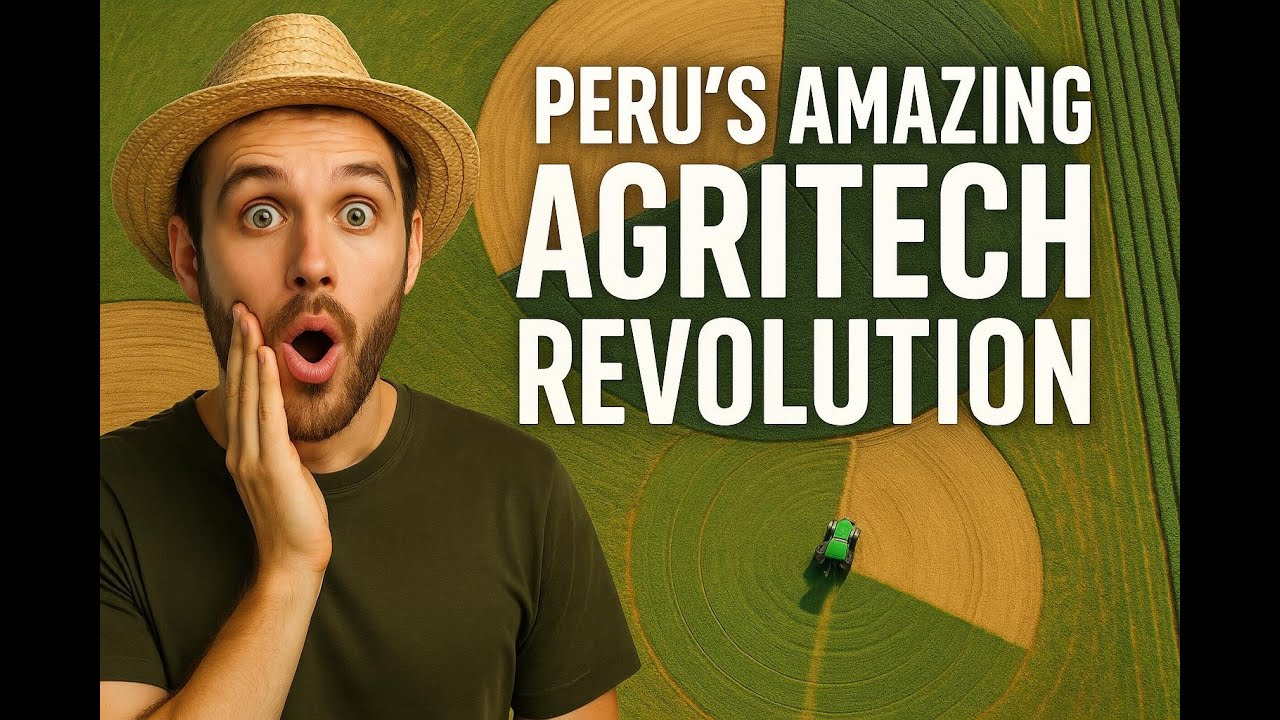
For larger-scale farming, pasture irrigation, and fields where direct access is challenging, side roll irrigation has become indispensable in 2026. This system features long sprinkler lines mounted on large wheels or tracks, which collectively move across the field to deliver uniform moisture coverage.
Particularly suitable for grazing lands, hay fields, and large row crops, side roll systems provide a solution where consistent, automated, and easily managed irrigation is vital for productivity and sustainability.
Core Features of Side Roll Irrigation
- 🚜 Movable Mechanized System: Long sprinker lines that can be advanced across pastures or crops for even coverage.
- 🌾 Water Efficiency: Distributes water directly to the plant zone, minimizing excess runoff and wastage.
- ⚡ Labor Saving: Easily handled by a small workforce; periodic repositioning reduces manual intervention compared to portable pipe or flooding.
- 🌎 Climate-Adaptive: Can be combined with automated controls and sensors for precision moisture management under changing weather conditions.
Comparative Table of Irrigation Techniques
| Irrigation Method | Water Use Efficiency (L/ha) | Installation Cost (USD/ha) | Maintenance Requirement | Suitability (Crops/Regions) | Yield Improvement vs. Flood (%) |
|---|---|---|---|---|---|
| Olla Irrigation | 2,000 – 3,200 | 500 – 2,800 | Low | Vegetables, Orchards, Arid/Semi-arid Gardens |
15 – 30% |
| Micro Irrigation | 1,000 – 2,000 | 2,500 – 5,900 | Low-Medium | Diverse Crops, Horticulture, Commercial Fields |
30 – 40% |
| Side Roll Irrigation | 2,200 – 4,000 | 3,200 – 6,000 | Medium | Pasture, Forage, Grains, Large Fields |
20 – 25% |
* Water use efficiency and yield percentages are estimated relative to traditional flood irrigation techniques. Actual figures will vary based on climate, soil, system quality, and management.

Integrating Traditional and Modern Irrigation Approaches
Sustainable irrigation in 2026 is not about choosing one irrigation system over another—it’s about integration. Combining olla irrigation with micro irrigation and side roll irrigation creates a holistic solution adaptable to diverse cropping systems, soil types, and scales of operation.
- In small plots or gardens, a grid of ollas is often best.
- For row crops, micro drip irrigation can supplement targeted watering and reduce weed pressure.
- On broad-acre and pasture operations, side roll irrigation ensures scale while integrating climate-responsive sensor technologies.
Farmers, agronomists, and agri-businesses are leveraging these complementary approaches for maximum resilience and resource management.
Market Accessibility: Lowes Irrigation & Commercial Solutions
One of the most exciting developments in 2026 is the commercial availability of efficient irrigation solutions through Lowes irrigation and other global retailers. These stores offer a broad spectrum of products, ranging from olla irrigation pots for sale for household and market gardens, up to comprehensive side roll irrigation and micro irrigation kits designed for industrial-scale agriculture.
- 🛒 Retail sections now provide:
- Olla systems (various sizes)
- Drip & micro-irrigation kits
- Automated sprinklers and side roll assemblies
- Sensors, timers, and moisture meters
- 📦 Direct to farm delivery: Facilitates rapid upgrades to existing agricultural infrastructure.
As new technologies emerge and climate resilience becomes a necessity, these retail channels make it easier for farmers to adopt tailored irrigation techniques for their unique conditions.
Technological Synergy: Farmonaut and Smart Irrigation
Farmonaut plays a pioneering role in advancing sustainable resource management across global agriculture. Our platform leverages satellite imagery, machine learning, and artificial intelligence to empower farmers, agri-businesses, and governments to monitor crop health, manage soil conditions, and optimize field-level interventions in real time—all crucial for water-efficient irrigation.
- ☁️ Satellite-Based Monitoring: Track vegetation health, moisture status, and infrastructure integrity directly from space. These insights support decisions for irrigation scheduling, helping reduce overuse and optimize field applications.
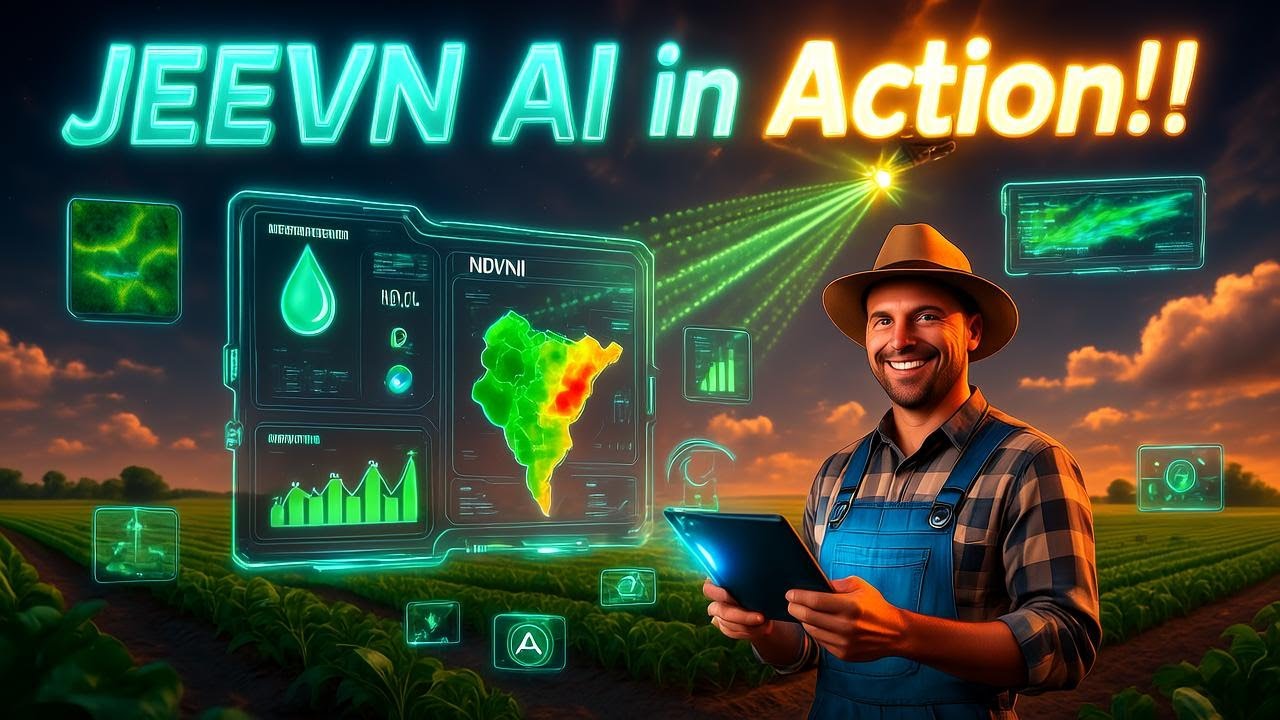
- 🤖 AI-Based Advisory: Get customized recommendations for irrigation timing and fertilizer application via our Jeevn AI engine, based on current weather and soil data for each field.
- 🔗 Blockchain Traceability: Enhance supply chain transparency—learn more about our Product Traceability services for agriculture and food safety.
- ⚡ Fleet & Resource Management: Gain real-time asset tracking and logistics optimization—discover our Fleet Management solutions for efficient machinery and water tanker dispatch on large farms.
- 🌱 Environmental Monitoring: Carbon footprint reports are available for sustainable practices—see Carbon Footprinting for climate-smart agriculture.
- 📋 App & API Access: Manage your fields with our Web and Mobile Apps and Farmonaut API (Developer Docs).



Failing to regularly check and refill ollas during peak growing seasons can result in unintentional crop stress. Even with “automatic” systems, always monitor soil and root zone moisture.

Water Conservation Tips & Insights
- Use mulch (organic residue or cover crops) to further reduce surface evaporation above ollas or drip lines.
- Combine scheduling tools (soil moisture sensors, AI advisories) for automated water application that matches real crop needs.
- Rotate crops and vary irrigation methods to minimize soil salinity risks commonly found in drip and side roll systems.
- Monitor for leaks and clogging; routinely check emitters, pipes, and pot integrity, especially in sandy or silty soils.
- Leverage remote environmental monitoring for large-scale, sustainable Large Scale Farm Management through satellite-driven insights.
Key Callouts & Highlights
Olla irrigation and micro irrigation systems together provide a sustainable path for global agriculture, reducing water use, enhancing yields, and building drought resilience.
Upgrading from conventional to micro irrigation can increase crop productivity by 30-40% and dramatically improve long-term soil and water conservation.
Smart AI advisory imbedded in remote monitoring platforms offers field-by-field management for timely irrigation, pest control, and nutrient application for enhanced field outcomes.
Relying on only one form of irrigation (e.g., side roll/sprinkler) in drought-prone zones increases water use and risk of stress; always diversify your techniques.
Essential Facts & Benefits: Bullet Points
- ✔ Olla irrigation can save up to 70% water while boosting root zone moisture.
- 📊 Yield Data: Micro irrigation delivers 30-40% higher yields across vegetables and fruit crops.
- ⚠ Limitation: Olla irrigation is best suited for small to medium plots, not for very large monocultures.
- 🚩 Pasture efficiency: Side roll irrigation ensures consistent moisture for grazing pasture, minimizing manual labor and reducing runoff.
- ✅ Upgrade benefit: Transitioning from flood/surface systems to any micro method reduces fertilizer and nutrient losses to the environment.
Benefits of Modern Irrigation Techniques
- 🟢 Water Savings—from root to canopy
- 🟢 Soil Health—promotes microbial activity and organic matter retention
- 🟢 Crop Quality—more uniform fruiting & harvest windows
- 🟢 Climate Smart—resilience to extreme conditions and climate shocks
- 🟢 Scalable—tailored for home, small farms, or commercial fields in any market

Future Directions: Sustainable Irrigation in Agriculture
The future of agriculture is water-smart, data-driven, and climate-resilient. In 2026 and beyond, integrating traditional systems like olla irrigation with advanced micro and side roll irrigation technologies will be essential for water security and sustainable food production.
- 🌎 Increasing climate pressures: Erratic rainfall and droughts necessitate precision water management at every scale.
- 🤖 Smart farming systems: Satellite-based crop monitoring, AI insight, and blockchain-backed traceability (see Farmonaut Traceability) will underpin sustainable irrigation and food security solutions worldwide.
- 🔄 Hybrid irrigation models: Combining ollas, drip, and mobile pasture systems creates multi-layered efficiency and insurance against climate risk.
- 📱 App-based advisory: Tools available via Farmonaut’s web and mobile platforms give on-demand, up-to-date field management for any user, anywhere.
By blending the wisdom of the past with technologies of the future, the world’s farmers and agri-businesses are already revolutionizing water management for sustainable, prosperous, and climate-proof agriculture in 2026 and beyond.
FAQ: Irrigation Techniques for 2026
-
What is olla irrigation, and how is it different from drip irrigation?
Olla irrigation uses buried porous ceramic pots to deliver water directly to the root zone, relying on capillary action. Drip irrigation uses plastic emitters to provide slow, steady water discharge across the soil surface or below ground. Both are efficient, but ollas require less infrastructure and are more sustainable for small plots. -
Can micro irrigation systems be fully automated?
Yes! Most modern micro irrigation systems offer plug-and-play automation with moisture sensors, timers, and valves. Farmonaut’s advisory tools also integrate remote scheduling based on real-time data. -
How do I decide between side roll irrigation and micro irrigation?
Choose side roll for large, open pastures and commercial fields where scale and mobility are vital; micro irrigation is ideal for horticultural crops, orchards, nurseries, and row crops that demand precision and water efficiency. -
Are olla irrigation pots for sale at major retailers?
Yes, major garden and agricultural retailers—including Lowes—now carry a wide range of ollas, micro irrigation kits, and side roll systems for rapid deployment in the field or garden. -
Can I combine these irrigation systems?
Absolutely! For example, use ollas in garden beds, drip lines for perimeter hedges, and side roll on pasture, all while managing and monitoring from a single digital platform like Farmonaut. -
How can technology improve water conservation beyond hardware?
Satellites, AI, and data-based platforms (like those from Farmonaut) offer continuous environmental monitoring, optimized irrigation scheduling, and compliance management for carbon, water, and resource use. -
Is there financial support or insurance for sustainable irrigation upgrades?
Many institutions now offer loans and insurance, and satellite-verified data (see Farmonaut Crop Loan & Insurance) reduces risk for both farmers and lenders, rewarding efficient, sustainable farm practices.
Farmonaut Subscription Pricing
Unlock the full potential of satellite, AI, and blockchain technologies for smart irrigation, performance analytics, and sustainable resource management—no matter your operation’s size. Scale your monitoring needs with flexible online subscriptions and API integrations for agriculture, mining, and infrastructure.
For a revolutionized, climate-resilient tomorrow—embrace integrated olla irrigation, micro irrigation, and side roll irrigation solutions powered with smart digital management and real-time satellite intelligence.
Discussion
Questions, corrections or field experience? Share them below. First-time comments are reviewed before they appear, and your email is never published.
No comments yet. Be the first to add a question or your experience.

 Etherspace Network
 Teledarbas
 Wild Oak Farm
 SFX
SFX BACF Africa
 Doodlakine
 Exurbia Geospatial
 FieldZero
 Indico Company
 Kubota
 FFBS
FFBS Jontra
 Tucor
Tucor
 Licence holder · Niger · Gold
 Licence holder · Nigeria · Gold + lithium










