

Outdoor Vertical Farming & Hydroponics: Best Innovations for 2025 and Beyond
Table of Contents
- Introduction to Outdoor Vertical Farming for 2025
- Trivia: Yield & Water Savings
- The Evolution of Vertical Farming: 2025 Outlook
- Outdoor Hydroponics in Vertical Setups
- Maximizing Crop Yield and Quality
- Pest Control Innovations and Best Outdoor Insecticide Solutions
- Future-Proof Infrastructure for Outdoor Vertical Farms
- Integrating Outdoor Trees for Environmental Benefits
- Ecological Farming: Outdoor Chicken Feeders & More
- Comparison Table: The Best Innovations for 2025
- Farmonaut: Satellite-Driven Insights for Next-Gen Farming
- Key Insights, Pro Tips, & More
- FAQs: Outdoor Vertical Farming & Hydroponics in 2025
- Conclusion: Transforming Global Agriculture
“Vertical farming in 2025 increases crop yield by up to 250% per square meter compared to traditional methods.”
“Hydroponic systems reduce water usage by over 90% while maintaining sustainable production and precise nutrient control.”
Introduction to Outdoor Vertical Farming for 2025
Outdoor vertical farming is rapidly revolutionizing modern agriculture, leveraging technology and innovative practices to address the challenges of feeding a growing global population while land becomes ever scarcer. As we look towards 2025 and beyond, the focus has shifted toward sustainability, higher crop yields, optimal pest control, and energy efficiency. Unlike conventional farms, or even indoor vertical setups reliant on expensive climate controls and artificial lighting, outdoor vertical farms harness the power of natural sunlight and ambient air to produce more food per square meter with significantly lower energy consumption and reduced operational costs.
With vertical stacking methods, multiple layers of crops grow simultaneously, unlocking remarkable productivity even in urban and peri-urban settings. Integrating hydroponic technologies into outdoor vertical systems further accelerates growth, supports precise management of nutrients and water, and fosters sustainability. Coupled with innovative pest control–from botanical sprays to biological agents–and the thoughtful inclusion of outdoor trees, these systems are enabling a complete paradigm shift in food production.
As we explore the best innovations in outdoor vertical farming and hydroponics for 2025, this comprehensive guide will show how modern farms optimize land use, manage pests, integrate technology, and promote biodiversity—offering transformative solutions for a more self-reliant and sustainable future.

The Evolution of Vertical Farming: 2025 Outlook
The essence of outdoor vertical farming lies in its ingenious combination of traditional agricultural wisdom with innovative, tech-driven methods. As populations rise and arable land becomes scarcer, maximizing the use of every square meter has never been more essential. Unlike enclosed greenhouses or indoor vertical farms, outdoor vertical farming leverages nature’s ambient energy—sunlight, air, and rain—to minimize energy consumption and lower operational costs.
- ✔ Stacking crops vertically dramatically increases output per square meter
- 📊 Improved resource efficiency through precise water and nutrient management
- 🌱 Integration of hydroponic methods for optimal plant growth cycles
- ⚠ Exposure to natural environments introduces new pest and disease challenges
- 💡 Use of real-time satellite and AI solutions enables proactive management and decision-making
Key Milestones in Outdoor Vertical Farming Advancements
- 2021-2023: Early outdoor vertical farms tested modular structures and rainwater harvesting.
- 2024: Adoption of climate-adaptive crops and advanced pest control systems.
- 2025-2026: Wide-scale implementation of hydroponics, integrated outdoor chicken feeders, optimized sunlight harnessing, and satellite monitoring for precision agriculture.
Stacking crops vertically outdoors can increase arable productivity by more than 200% over traditional single-layer planting—especially crucial for urban agriculture in high-density cities.
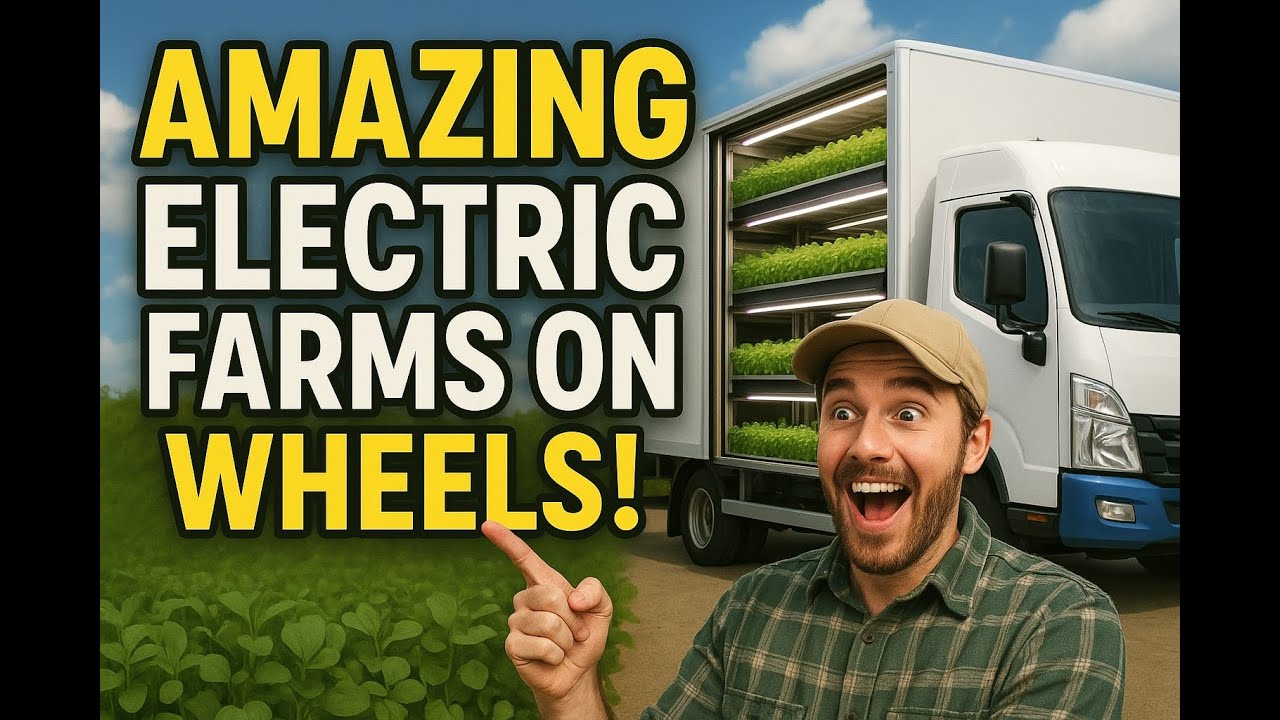
Outdoor Hydroponics in Vertical Setups
Outdoor hydroponic systems are central to the latest advancements in vertical farming, offering a soil-free, water-efficient approach for growing multiple layers of crops. Unlike traditional soil-based farming, hydroponics delivers precisely balanced nutrients directly to plant roots using water-based solutions.
- Faster plant growth cycles—often reducing harvest times by 30-50%
- Higher yields, as every plant receives exactly what it needs
- Radical water savings—up to 90% less water use
- Reduced pesticide use, due to cleaner, controlled root environments
- Sustainability and climate resilience, even in arid or degraded lands
The proliferation of IoT sensors and AI-based monitoring allows real-time adjustment of nutrient, temperature, and light levels. This continuous optimization ensures that every layer of crops in an outdoor hydroponic vertical farm thrives under the best possible conditions, maximizing yield per square meter.
- ✔ Key benefit: Enhanced resource management with less environmental impact
- 📊 Data insight: Hydroponics offers precise control over crop nutrition and disease risk
- ⚠ Risk or limitation: Initial costs and technical training requirements are higher for new adopters

Drastically reduced water usage
Conserves over 90% water, critical for drought-prone regions.

Rapid, consistent crop growth
Shortens growth cycles, produces frequent harvests.

Scalable for urban settings
Perfect for rooftops, degraded land, or unused city spaces.
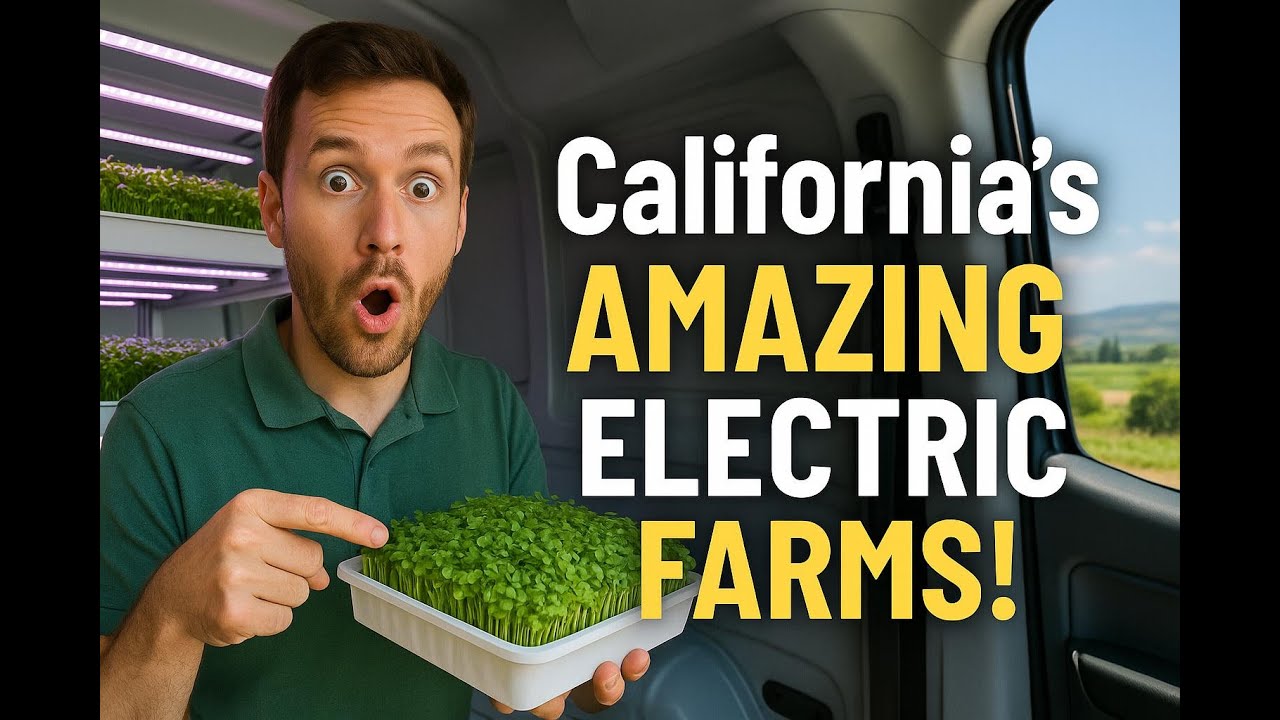
Maximizing Crop Yield and Quality with Outdoor Vertical Farming
By stacking multiple layers of crops and leveraging hydroponics, outdoor vertical farming can increase crop yield by up to 2.5 times per square meter when compared to traditional agricultural practices. This approach capitalizes not just on vertical space but also on the natural advantages of outdoor environments—such as unfiltered sunlight, natural pollinators, and cyclical weather patterns.
Smart Management: Fertility, Irrigation, and Real-Time Data
- Automated irrigation systems regulate water intake based on sensor data, severely reducing water waste
- Precision dosing of nutrients increases plant health and crop quality
- Utilizing carbon footprint monitoring tools supports environmental accountability and compliance in food production.
Advanced monitoring, empowered by platforms like Farmonaut’s satellite advisory system, enables ongoing resource management and predictions for crop performance across diverse environments and seasons.
Use local weather forecasts and satellite data to fine-tune planting schedules and layer arrangements in outdoor vertical systems. This optimizes sunlight exposure and guards against weather-related crop loss.

Pest Control Innovations and Best Outdoor Insecticide Solutions
Unlike controlled indoor farms, outdoor vertical farming is directly exposed to a wider range of pests and diseases. As a result, robust outdoor pest control sprays and strategic best outdoor insecticides have become pivotal elements of successful farming in 2025.
- 🦋 Integrated biological pest management: Enlists beneficial insects, such as ladybugs and predatory wasps, that naturally target harmful pests on crops.
- 🌼 Botanical insecticides and sprays: Modern eco-friendly formulations control insects while minimizing harm to soil, water, and pollinators.
- 🛑 Outdoor pest control spray rotation: Alternating control agents prevents pest adaptation and reduces chemical resistance.
- 🦠 Bacteria- and fungus-based bio-pesticides: Selected based on disease profile and ecological balance, preserving biodiversity.
In 2025, pest management strategies are data-driven, with advancements such as effect-targeted sprays and drone application being implemented for scale. By monitoring pest populations and crop health in real-time using AI-powered satellite data, farmers can deploy outdoor pest control sprays with precision, reducing both environmental and economic impacts.
Blockchain-enabled product traceability allows every food item’s journey—from farm to table—to be securely tracked, ensuring the integrity and safety of production methods, including pest management and environmental impact.
- ✔ Use of drone technology for targeted pest control spray applications.
- 📊 Real-time pest population monitoring using AI and satellite imagery.
- 🧪 Eco-friendly botanical sprays and bio-pesticides offer sustainable solutions.
- 🌱 Rotational planting and polyculture practices reduce pest adaptation.
- 🔗 Traceability systems ensure transparency in pest management throughout the food chain.
Sustainable pest control innovations and tracking systems are attracting green investment and opening premium markets for eco-labeled crops in 2025.

Future-Proof Infrastructure for Outdoor Vertical Farms
The rapid evolution of infrastructure in outdoor vertical farming is empowering farmers in 2025 to scale their operations more quickly and efficiently. The latest breakthroughs include:
- Modular, lightweight structures: Constructed from recycled materials and engineered to withstand harsh weather conditions, making them suitable for rooftops, vacant lots, or even degraded land.
- Solar & renewable energy integration: Powers pumps, IoT sensors, and automated systems, drastically reducing operational costs and carbon footprint (more on Farmonaut’s carbon monitoring here).
- Smart irrigation networks: Monitor water use in real time and direct water flow according to crop requirements at each layer.
- Automated hydroponic channels: Precise control over nutrients and moisture supports optimal plant growth.
By implementing new infrastructure strategies, farmers can now convert unused spaces into highly productive, climate-resilient outdoor vertical farms—scaling food production sustainably for both urban and peri-urban settings.
Neglecting wind load and drainage requirements during outdoor vertical farm construction can lead to costly damage. Prioritize robust, weather-adaptive materials and site engineering.
Integrating Outdoor Trees for Environmental & Crop Resilience
The thoughtful integration of outdoor trees and specific species into vertical farming systems offers multiple ecological and productivity benefits:
- 🌳 Dwarf or fast-growing species: Incorporated as companion plants, they provide shade, moderate microclimates for lower layers, and shelter against wind or intense sunlight.
- 🕷️ Increase pest resilience: Outdoor trees support predatory insects, birds, and beneficial pollinators, reducing pest outbreaks and increasing farm biodiversity.
- 🍃 Improved soil retention and enrichment: Tree roots anchor structures and enhance the soil microbiome.
- 🌾 Biodiversity corridors: Connecting urban farms with green belts, thus enabling wildlife migration and ecosystem services vital for long-term sustainability.
Enhanced resilience
Outdoor trees support farm microclimates and boost resistance to disease and drought.
Agro-ecological balance
Trees invite beneficial insects, birds, and pollinators, increasing biodiversity.
Improved soil and drainage
Roots help optimize soil quality and support hydroponic drainage systems for healthy crop layers.
Integrated tree species in vertical farming reduce temperature fluctuations by up to 4°C for lower-level crops, supporting climate adaptation and reducing irrigation needs.
Ecological Farming: Outdoor Chicken Feeders & Integrated Systems
Outdoor vertical farms are not limited to crop production alone. The addition of outdoor chicken feeders and small-scale poultry integration is now proving highly beneficial for sustainable farm management in 2025. By housing chickens below vertical systems:
- 🐔 Natural pest control: Chickens actively feed on crop-based insects, reducing pest populations without synthetic chemicals.
- 💩 Waste recycling: Chicken manure supports composting and enriches the growth substrate for both soil and hydroponic crops.
- 🍗 Diversified food production: Eggs and poultry add nutrition, income, and circularity to urban or peri-urban farming setups.
- 🌾 Enhanced ecosystem balance: The synergy between chickens, crops, and trees produces a more resilient, closed-loop system.
As outdoor farms become more complex, the integration of animals, plants, and soilless systems fuels self-reliance and long-term environmental sustainability.

Comparison Table: Best Innovations for Outdoor Vertical Farming & Hydroponics (2025)
| Innovation/Technology | Estimated Crop Yield Increase (%) | Pest Control Efficiency | Sustainability Impact | Implementation Cost (Estimated) |
|---|---|---|---|---|
| Smart Irrigation Systems | +65% | High (Precision prevention of fungal diseases) | Severe water reduction, less runoff | Medium |
| Automated Nutrient Dosing (Hydroponics) | +90% | Moderate-High (Healthier plants = fewer pests) | Reduced chemical use, precision feeding | Moderate |
| Solar Integration & Renewable Energy | N/A (Reduces costs, not yield) | Indirect (Sustains tools for pest-managed environments) | Minimizes carbon footprint | High (but low operational over time) |
| Advanced LED Lighting (for shaded layers) | +20% | Low-Moderate | Energy optimized, supports vertical depth | Low-Moderate |
| Natural Pest Barriers (Trees, Companion Planting) | +15% | Very High (Supports beneficial insects) | Restores biodiversity, reduces pesticide needs | Low |
| IoT Satellite Crop Monitoring (e.g., Farmonaut) | +30% (Yield via timely interventions) | High (Detects outbreaks early) | Improves all resource metrics | Subscription-based (scalable by need) |

Integrating both physical (trees, barriers) and digital (AI satellite) technologies yields the most robust defense against pests and maximizes overall farm sustainability for 2026 and beyond.
Farmonaut: Satellite-Driven Insights for Next-Gen Farming
As outdoor vertical farming and hydroponics mature, modern farms increasingly depend on real-time data and remote monitoring for sustainable management. At Farmonaut, we empower farmers, agribusinesses, and government agencies with AI-based advisory tools, satellite crop monitoring, and blockchain traceability—redefining resource optimization, carbon impact reduction, and traceable production.
- Large-Scale Farm Management: Manage multiple outdoor vertical farms and hydroponic systems, monitor vegetation health, and optimize logistics for urban or distributed sites—all via satellite imagery and AI-driven insights.
- Crop Loan & Insurance Verification: Banks and financial organizations can remotely verify farm health and sustainability claims, accelerating crop loan approvals and minimizing risk via geo-verification.
- Carbon Footprinting Technology: Our environmental impact monitoring solution supports compliance and food sustainability labeling for exporters and large-scale producers.
- Blockchain Traceability: Ensure transparency of every food item’s supply chain, from the first hydroponic seedling to the consumer’s shelf.
- Fleet Management for Farms: Whether moving nutrients, crops, or harvesting equipment, farmers optimize logistics, safety, and costs through our cloud platform.
- Crop, Plantation, and Forest Advisory Tools: Decision support for outdoor tree species selection, land optimization, and ecological integration.
Explore our API: https://sat.farmonaut.com/api
Developer Documentation: Farmonaut Satellite Weather API Docs
Subscription Options:
Satellite- and AI-based monitoring enables an entirely new level of precision for large-scale site management, disease tracking, market reporting, and carbon compliance in vertical outdoor agriculture.
Key Insights, Pro Tips, and Industry Highlights
- 🌱 Key Sustainability Insight: Combining outdoor hydroponics, tree integration, and traceable pest management cuts greenhouse emissions and supports compliance with future food standards.
- ✅ Pro Tip: Invest in layered sensor arrays for monitoring humidity, light, and temperature at each crop level in your vertical stacks.
- ⚠ Common Mistake: Failing to rotate crops and pest control agents can result in both pest resistance and reduced yield. Diversity is crucial.
- 💰 Investor Note: New markets for regenerative, traceable, and certified-sustainable produce are growing in all regions, especially urban areas.
- 📊 Data Insight: Analytics from integrated systems—from crop health to supply chain transparency—are now essential factors in farm profitability and food safety.
“Hydroponic systems reduce water usage by over 90% while maintaining sustainable production and precise nutrient control.”
FAQs: Outdoor Vertical Farming & Hydroponics in 2025 and Beyond
Q1: What plants grow best in outdoor vertical hydroponic systems?
Leafy greens (lettuce, spinach), herbs (basil, mint), strawberries, tomatoes, and certain dwarf tree species are ideal. Look for varieties tolerant to your local climate.
Q2: Are outdoor vertical farms really sustainable?
Yes, especially when integrating outdoor hydroponics, smart irrigation, renewable energy, and natural pest control sprays. Sustainability is maximized with traceable and circular practices (e.g., outdoor chicken feeders and waste recycling).
Q3: What’s the typical ROI for outdoor vertical farming?
High, particularly in urban or land-scarce regions. Yield per square meter can surpass 200% of traditional farms, with reduced operational and water costs offsetting initial setup expenses.
Q4: Can I remotely manage my vertical farm?
Absolutely. Platforms like Farmonaut enable real-time satellite and IoT monitoring of crop health, irrigation, and pest outbreaks, supporting farmers to optimize resources and ROI.
Q5: What about pest outbreaks in outdoor environments?
Deploy integrated pest management strategies: rotate botanical pesticides, introduce beneficial insects, use physical barriers, and closely monitor with AI/remote-sensing platforms for early detection and intervention.
Q6: How do I start with Farmonaut or integrate its tools?
Visit our web, Android, or iOS app to get started. Developers and managers can access our API for advanced system integration. Our documentation is available for all subscription tiers.
Conclusion: Outdoor Vertical Farming—Transforming Global Agriculture in 2026 and Beyond
Outdoor vertical farming and hydroponic technology represent a quantum leap in food production and land use strategy. By stacking crops vertically, integrating hydroponic systems, leveraging natural pest control, and incorporating outdoor trees and animal integration, future farms are positioned to offer record yields per hectare, adapt to changing climates, and minimize environmental impact. Supported by real-time AI-driven and satellite data, as well as robust infrastructure and traceable, sustainable practices, these systems are the foundation for feeding the world’s growing population—particularly in urban and peri-urban settings.
As we look towards 2026 and beyond, these innovative methods offer a scalable, resilient, and ecologically responsible answer to the global food challenge. Outdoor vertical farming is not just a technological evolution—it is a revolution in how we feed ourselves, steward resources, and build the farms of tomorrow.
Start your journey toward smarter, sustainable farming with Farmonaut.

 WeMe Global
 Pixxel
 Sapoznick Farms
 Agrotoken
 Blue BearX
 Insignito
 Croptimum
 DnCubed
 Field Capacity
 Indosistim Teknologi
 Liquify Digital
 CU Foods
 BeyondTech Global
 Rouge VC
 AgroGreen Dynamics
 AgroRisk
 Oath Inc
 Reddane Farming
 Esri North East Africa
