

Strawberry Hydroponics: Top 5 Innovative Systems for 2026
Meta Description: Discover the top 5 strawberry hydroponics systems of 2026—unlocking higher yields, water savings, and premium fruit quality with advanced technology.
“Hydroponic strawberry farms can yield up to 30% more fruit per square meter than traditional soil-based methods.”
Table of Contents
- Introduction: Why Strawberry Hydroponics is Transforming Agriculture
- The Benefits of Strawberry Hydroponic Farming in 2026
- Breakthrough Technologies Driving Strawberry Hydroponics
- Top 5 Innovative Strawberry Hydroponic Systems for 2026
- Comparative Analysis Table: 2026’s Leading Systems
- Seeds and Propagation: Maximizing Success in Strawberry Hydroponics
- Strawberry Hydroponics in Urban and Vertical Farming
- Economics & Sustainability: The Business Case for Strawberry Hydroponic Farming
- Farmonaut’s Role in Precision Hydroponics Monitoring
- Frequently Asked Questions: Strawberry Hydroponic Farming
- Conclusion
Introduction: Why Strawberry Hydroponics is Transforming Agriculture
In recent years, strawberry hydroponic farming has emerged as one of the most revolutionary solutions in modern agriculture. Unlike traditional soil-based farming, hydroponic strawberry farms offer soilless cultivation that delivers higher yields, boosts resource efficiency, and allows year-round premium fruit production. This transformative shift addresses challenges such as limited land availability, water scarcity, and climate unpredictability—a must as we move further into 2026 and beyond.
Strawberries, with their delicate structure and nutrient-rich profile, especially benefit from this method. When grown in hydroponics, plants thrive in precisely controlled environments, resulting in superior fruit quality compared to conventional agriculture. Let’s explore how hydroponic strawberry systems are redefining the future of farming.

The Benefits of Strawberry Hydroponic Farming in 2026
Why is Hydroponic Strawberry Farming Gaining Momentum?
- Efficient Resource Use: Hydroponic systems use up to 90% less water compared to conventional fields.
- Space Optimization: Vertical systems allow more plants per square meter, ideal for urban and limited land scenarios.
- Pest and Disease Resistance: Sterile conditions drastically reduce soil-borne diseases and pests, lowering the need for pesticides and herbicides.
- Year-Round Production: Controlled environments mean consistent production regardless of weather or seasons.
- Superior Fruit Quality: Precise control over nutrient delivery, pH levels, and moisture yields healthier plants with larger, sweeter, and more uniform berries.
- Reduced Environmental Impact: Minimized runoff and lower water/chemical usage promote sustainable agriculture practices.
- Faster Growth Cycles: Hydroponics boosts growth rates and enables multiple harvests yearly.

Solving Traditional Farming Challenges with Strawberry Hydroponics
Soil-Borne Issues Eliminated: By using sterile media or growing directly in nutrient-rich water, hydroponic strawberry farms eliminate many issues linked with soil—such as fungal infections and nematode attacks. This is especially valuable in areas facing erratic rainfall patterns and soil degradation.
Overcoming Land Scarcity: In urban agriculture and high-density cities, vertical hydroponics allows farms to utilize limited space efficiently, bringing fresh strawberries closer to consumers while lowering transportation costs and emissions.
Consistent Quality & Yield: Automated nutrient delivery, AI-based sensors, and environmental controls mean every harvest meets quality standards—boosting consumer trust and premium market demand.

Breakthrough Technologies Driving Strawberry Hydroponics
As hydroponics continues to evolve, 2025 and beyond usher in a wave of technologies optimizing every aspect of the strawberry hydroponic farming process. Here’s how advanced technology propels this method into the future:
- Automated Sensors: Real-time tracking of pH, moisture, nutrient concentration, and temperature for instant feedback and precision.
- AI-Based Monitoring: Intelligent algorithms identify issues, optimize resource use, and predict plant needs before they arise.
- Remote Climate Control: Automated systems regulate light, humidity, and CO₂ levels, maximizing plant growth.
- Energy-Efficient Lighting: LED grow lights, tailored for strawberries’ spectral needs, ensure year-round fruiting even in low-light regions.
- Data-Driven Management Platforms: Mobile and desktop dashboards help farmers track every parameter for peak productivity.
- Blockchain Traceability (learn more): Securely follow the journey of every strawberry batch—from seedling to supermarket shelf.
“Advanced hydroponic systems enable year-round strawberry production, boosting harvest cycles from 1 to as many as 4 per year.”

Top 5 Innovative Strawberry Hydroponic Systems for 2026
With several systems now available, choosing the right strawberry hydroponic system involves understanding their structure, advantages, and technological integration. Here, we highlight the 5 most innovative systems set to dominate hydroponic strawberry farming in 2026:
1. NextGen NFT (Nutrient Film Technique) Racks
- Type: NFT (Nutrient Film Technique)
- How It Works: A thin layer of nutrient-rich water flows continuously along sloped channels; strawberry roots absorb nutrients directly.
- Why It’s Innovative: AI-integrated sensors adjust nutrient delivery; vertical stacking maximizes yield per foot.
- Key Benefits: Resource efficiency, rapid growth cycles, optimal for urban farms and rooftop systems.
- 2026 Edge: NFT racks now come with blockchain-based yield traceability (see how blockchain ensures authenticity), and cloud analytics for farm management.
2. Deep Flow Automated DWC Basins
- Type: DWC (Deep Water Culture)
- How It Works: Plants’ roots are suspended in large, oxygenated nutrient reservoirs.
- Why It’s Innovative: High root oxygenation for fast and uniform fruiting; robots monitor CO₂ levels and adjust in real time.
- Key Benefits: High water retention, strong disease resistance, and lower energy usage due to precision oxygen pumps.
- 2026 Edge: Remote IoT dashboards for instant alerts and integrated harvest automation.
3. AeroMist Aeroponic Towers
- Type: Aeroponic
- How It Works: Strawberry roots are suspended in air and intermittently misted with nutrient solutions.
- Why It’s Innovative: Maximizes oxygen exposure, increases growth speed, and significantly reduces water use compared to any other system.
- Key Benefits: Exceptional root health, higher fruit density, and automated humidity control.
- 2026 Edge: AI-driven pest prediction and robot-assisted pollination.
4. Smart Substrate Drip Systems
- Type: Drip Hydroponic
- How It Works: Strawberries are rooted in sterile substrates (like coir or perlite) with drip-fed nutrients.
- Why It’s Innovative: Sensors control drip rates and nutrient recipes based on real-time weather and plant feedback.
- Key Benefits: Customizable for almost any space, excellent disease protection, and lower initial costs for entry-level farms.
- 2026 Edge: Modular, stackable design—for easy expansion and relocation.
5. Vertical Fully Automated Carousel Farms
- Type: Multi-layered Rotating Platform (Hybrid NFT/DWC)
- How It Works: Plants rotate through different light zones and nutrient baths, ensuring every plant gets optimal conditions throughout growth.
- Why It’s Innovative: Maximizes light use, reduces shadowing, and integrates with AI scheduling and blockchain traceability.
- Key Benefits: Highest space efficiency, unparalleled tracking and quality control.
- 2026 Edge: Centralized cloud management, remote access via smartphone apps, integrated CO₂ scrubbing for enhanced yield.

Top 5 Innovative Strawberry Hydroponic Systems for 2026: Key Features & Performance
| System Name | Type | Estimated Yield Increase (%) | Water Usage Efficiency (% Reduction) | Initial Setup Cost (USD) | Space Utilization (plants/m2) | Energy Consumption (kWh/month) | Notable Technological Innovations |
|---|---|---|---|---|---|---|---|
| NextGen NFT Racks | NFT | +35% | 85% | $3,800 – $5,500 | 42 | 145 | AI Nutrient Control, Blockchain Traceability, Cloud Analytics |
| Deep Flow Automated DWC Basins | DWC | +32% | 80% | $4,200 – $6,000 | 40 | 138 | Robotic CO₂ Monitoring, Integrated Harvest Automation, IoT Dashboard |
| AeroMist Aeroponic Towers | Aeroponic | +38% | 92% | $6,500 – $8,100 | 52 | 160 | AI Pest Prediction, Automated Humidity Control, Robot Pollination |
| Smart Substrate Drip Systems | Drip Hydroponic | +28% | 75% | $2,300 – $4,000 | 38 | 110 | Sensor-Driven Drip Adjustments, Modular Expansion |
| Vertical Fully Automated Carousel Farms | Hybrid NFT/DWC | +40% | 90% | $9,000 – $12,000 | 74 | 180 | AI Light Scheduling, Blockchain Traceability, CO₂ Scrubbing |
Seeds and Propagation: Maximizing Success in Strawberry Hydroponics
The success of any hydroponic strawberry farm starts at the root—with the right strawberry seeds for hydroponics. For cutting-edge hydroponic cultivation, here’s what matters most:
- Bred for Hydroponics: Unlike open-field varieties, hydroponic strawberries use cultivars or runners selected for disease resistance, high yield, and adaptability to controlled environments.
- Uniform & Premium Berries: Hydroponic-targeted seeds promote the growth of larger, sweeter, and more uniform fruit, meeting premium consumer demand.
- Rapid Propagation: Seedlings are started in sterile nurseries or greenhouses for quick, healthy establishment, then transplanted into systems with minimal shock.
- Propagation Best Practice:
- Use certified disease-free runners or specialized seeds for hydroponics.
- Maintain optimal pH (5.5–6.5) and consistent nutrient delivery for fast root development.
Elite hydroponic strawberry farms are increasingly using AI-based monitoring to track propagation metrics and respond quickly to any changes—leading to better yield and plant health in every production cycle.
Strawberry Hydroponics in Urban and Vertical Farming
As the world’s population urbanizes, urban hydroponic systems have become crucial for local fresh produce production. Vertical strawberry farming has seen growth in cities globally, including major metropolises facing land and water scarcity.
- Space Efficiency: Vertical hydroponic setups stack several layers of strawberries, often multiplying yield per square meter by up to 3 compared to horizontal layouts.
- Ideal in Limited & Harsh Environments: Soilless systems thrive in converted shipping containers, rooftops, or climate-controlled urban warehouses—enabling hydroponic farming where traditional agriculture is impossible.
- Reduced Carbon Footprint: Local strawberry production shortens supply chains, reducing emissions tied to transportation and refrigeration.
- Smart Urban Ecosystems: Integrating real-time monitoring and AI-based advisory systems (like those offered by Farmonaut) enables optimized urban farms at scale.

Economics & Sustainability: The Business Case for Strawberry Hydroponic Farming
By 2026, the economics of hydroponic strawberry farms are more compelling than ever:
- Lower Input Costs over Time: While setup can be higher, water, fertilizer, pesticide, and land costs are much lower long-term.
- Higher, More Consistent Yields: With multiple harvests per year and premium quality, revenue potential outstrips most field-based methods.
- Sustainability-Driven Market Preferences: Urban consumers and export markets favor sustainably farmed strawberries, rewarding hydroponic produce vendors with higher prices.
- Government and Investor Support: As food security becomes a priority, more grants, loans, and financing options (with tools such as farm loan & insurance verification) are available for hydroponic ventures.
- Regulatory Compliance & Environmental Credits: Platforms like carbon footprinting solutions help farms meet evolving regulations and tap into green revenue streams.



Farmonaut’s Role in Precision Hydroponics Monitoring
At Farmonaut, we recognize that the future of strawberry hydroponic farming is data-driven and demands precision monitoring for consistent, superior production. Our satellite-based monitoring platform and AI-advisory tools are tailored to the needs of modern hydroponic strawberry systems:
- Remote Crop Monitoring: Our platform uses multispectral satellite imagery to assess crop health, monitor plant nutrient levels, and identify potential issues in near-real time.
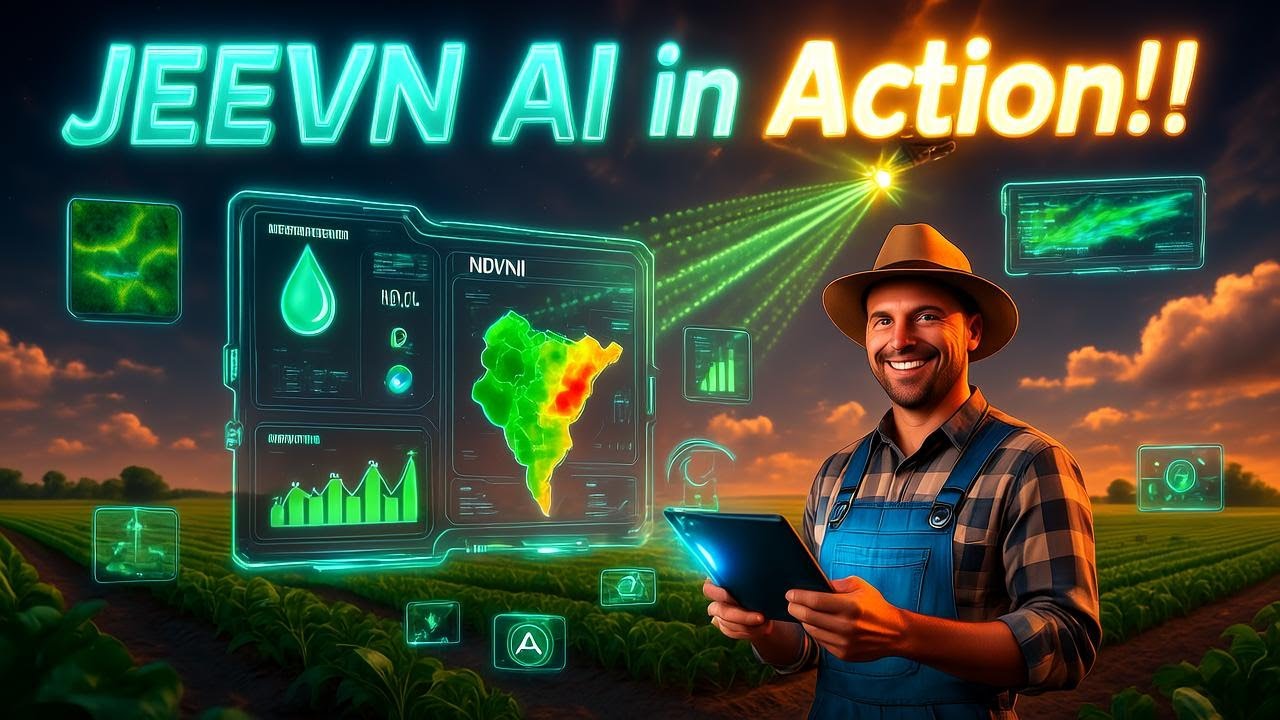
- JEEVN AI Advisory: The Jeevn AI system analyzes satellite data, providing tailored recommendations for climate, irrigation, and fertigation management in strawberry hydroponics.
- Blockchain Traceability: Embedded traceability solutions enable farmers and businesses to guarantee the authenticity and quality of their hydroponic strawberry produce (read about our traceability solution).
- Environmental Impact Monitoring: With carbon footprinting and sustainability oversight, our tools help ensure your hydroponic farming remains environmentally responsible (see our carbon management tools).
- Fleet Management & Large-Scale Operations: Manage logistics and expansion efficiently with fleet tracking (fleet management tools) or our large-scale farm management features (enterprise solutions).
- Easy Integration with Web, iOS, Android & API: Monitor and optimize your strawberry hydroponic farms wherever you are—try our Web App, Android App, or iOS App. Developers can access APIs and developer docs for seamless data integration.
Let us empower your hydroponic journey with affordable, scalable, and innovative satellite technology—enabling the next benchmark in sustainable agriculture production.
Frequently Asked Questions: Strawberry Hydroponic Farming
What is a strawberry hydroponic system?
A strawberry hydroponic system is a soilless cultivation setup where strawberries thrive in nutrient-rich water solutions, allowing precise control over nutrient delivery, pH, moisture, and environment.
How does hydroponic strawberry farming compare to traditional methods?
It offers higher yields (+30-40%), uses up to 90% less water, minimizes pesticide/herbicide use, produces premium quality fruit, and allows year-round harvests in controlled environments.
What are the best strawberry seeds for hydroponics?
Choose cultivars bred specifically for hydroponic systems: disease-resistant, high-yield, and adaptable to controlled environments. Certified disease-free runners are also excellent for propagation.
Which hydroponic system should I choose for strawberries?
It depends on your goals and resources—Vertical and NFT systems are best for urban/high-density applications; drip systems suit beginners or varied spaces; aeroponics and automated carousels offer maximum yield but at a higher initial investment.
Do hydroponic strawberries taste as good as soil-grown ones?
Yes—often better! Precise control of nutrients and environment leads to sweeter, juicier, and more uniform berries than most traditional field-grown strawberries.
How can Farmonaut help my hydroponic strawberry farm?
We offer satellite-based monitoring, AI-driven advice, blockchain traceability, resource management, environmental impact tools, and large-scale management features—enabling you to maximize efficiency, sustainability, and profitability.
Conclusion
Strawberry hydroponic farming marks a transformative trend in agriculture for 2026 and beyond. By leveraging advanced systems, nutrient control, resource efficiency, and smart monitoring tools, growers are now empowered to produce premium, sustainable fruit year-round, no matter the climate or location. As technology further accelerates, and with innovative insights from platforms like Farmonaut, the hydroponic strawberry system is set to become a global benchmark for resilient, safe, and environmentally responsible cultivation.
Embrace the future of strawberry hydroponics—combine precision farming, urban efficiency, and environmental responsibility to transform your crop production and empower the next generation of agricultural sustainability.
Discussion
Questions, corrections or field experience? Share them below. First-time comments are reviewed before they appear, and your email is never published.
No comments yet. Be the first to add a question or your experience.

 BeyondTech Global
 Consulthink Global
 Rouge VC
 Yutz Automation
 AgroGreen Dynamics
 AgroRisk
 Oath Inc
 Reddane Farming
 Esri North East Africa
 Cresol
 Atur Kuliner
 MDCV UK
 Zerella Group
 Etech Consulting Madagascar
 Vestlandsforsking
 Delicio
 WB Dev
 Sama Premium
 Prochecker
 Tres Valles
 LACOS Geoinformation
 Magrifly
 LatConnect 60
 Exploration consultancy · South Africa · Gold
 Licence holder · Niger · Gold










