

Pest Control Near Me: 7 Powerful Sustainable IPM Methods
Table of Contents
- Understanding Integrated Pest Management
- Why Sustainable Pest Control Methods Matter
- 7 Sustainable IPM Methods
- Comparison Table of Sustainable IPM Methods
- Pest Monitoring and Identification
- Preventive Pest Management Practices
- Biological Control in Agriculture
- Cultural Control Measures
- Mechanical and Physical Pest Control
- Chemical Pest Control Alternatives
- Innovative Pest Control Strategies & Technologies
- Choosing Local Pest Control Services
- How Farmonaut Empowers Sustainable Pest Management
- Frequently Asked Questions
- Final Thoughts
“Over 70% of farmers using IPM report reduced pesticide use and improved crop health within two growing seasons.”
Pest control near me is a top concern for anyone in agriculture, farming, or forestry. From protecting precious crops from destructive pests to preserving biodiversity and sustaining the ecosystem, the right pest management practices are crucial to healthy, robust harvests. Implementing integrated pest management (IPM) is now widely recognized as the most effective, sustainable pest control method to achieve these goals.
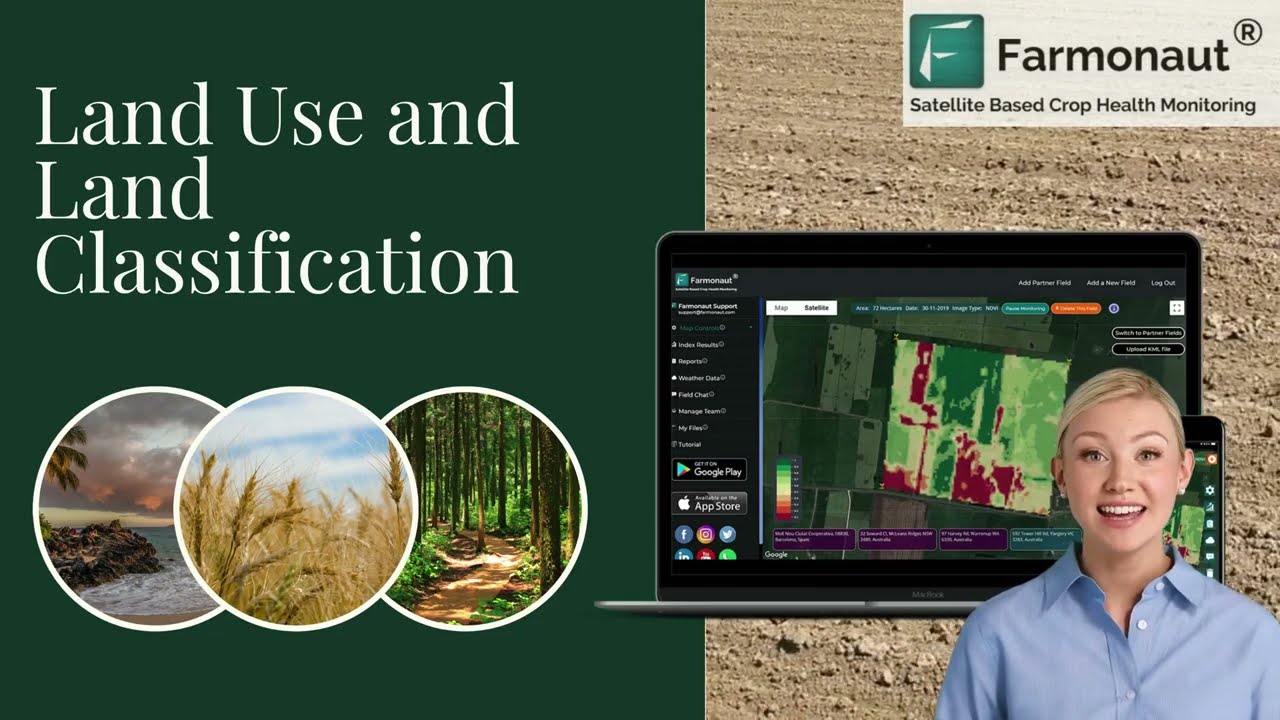



Understanding Integrated Pest Management (IPM)
Integrated pest management is a holistic approach that brings together multiple sustainable pest control methods and modern strategies to effectively manage pest populations, safeguard crops, and protect the environment from unnecessary pesticide exposure. IPM emphasizes pest monitoring and identification, preventive measures, and the combination of biological, cultural, mechanical, and physical controls before considering chemical interventions.
- Reduces chemical pesticide reliance.
- Preserves beneficial insect populations and maintains biodiversity.
- Improves yield quality and productivity.
- Promotes sustainable agriculture now and for future generations.
At its core, IPM recognizes that total eradication of pests is not only unrealistic but potentially harmful to the ecosystem. Instead, the goal is to manage pest populations below economic injury levels, using the most appropriate measures for each crop and region.

Why Sustainable Pest Control Methods Matter
- Overuse of chemical pesticides harms natural predators, pollutes water sources, and accelerates resistance in pest species.
- Crop protection from pests is crucial to ensure food security and prevent post-harvest losses.
- Sustainable IPM practices help reduce environmental impact, maintain healthy soils, and foster biodiversity in agricultural landscapes.
**IPM empowers farmers and foresters to be proactive, not reactive:** By focusing on
monitoring and prevention, we can manage pest outbreaks before they become economically damaging.
“Sustainable IPM methods can decrease pest populations by up to 80% without harming beneficial insects or the environment.”
Pest Control Near Me: 7 Powerful Sustainable IPM Methods
Here are seven of the most effective, sustainable, and innovative IPM approaches that can be customized for every farm, field, or forest:
- Pest Monitoring and Identification
- Preventive Pest Management Practices
- Biological Control in Agriculture
- Cultural Control Measures
- Mechanical and Physical Pest Control
- Chemical Pest Control Alternatives
- Innovative Pest Control Strategies & Technologies
Comparison Table of Sustainable IPM Methods
| IPM Method | Description | Main Benefit | Est. Pesticide Use Reduction (%) | Suitable Crops | Sustainability Level |
|---|---|---|---|---|---|
| Pest Monitoring & Identification | Regularly inspecting and identifying pest species and populations using traps, scouting, and technology. | Early detection prevents severe outbreaks and unnecessary treatments. | 30–50% | Wheat, rice, maize, vegetables, orchards | High |
| Preventive Practices | Implementing crop rotation, resistant varieties, and field hygiene to limit pest establishment. | Reduces pest entry and spread; improves crop resilience. | 40–70% | Cereals, legumes, fruits, oilseeds | High |
| Biological Control | Using natural enemies (predators, parasites, pathogens) to control pests. | Maintains beneficial insect balance and reduces chemical use. | 50–80% | Horticultural crops, pulses, vegetables | Very High |
| Cultural Control | Altering planting times, irrigation, and spacing to disrupt pest life cycles. | Reduces conditions favorable for pests. | 45–65% | Rice, maize, sugarcane, cotton | High |
| Mechanical & Physical Controls | Using traps, barriers, and physical removal to eliminate pests. | Minimizes use of chemicals and targets pests directly. | 40–60% | Vegetables, fruits, grains, nurseries | High |
| Chemical Alternatives | Using targeted, reduced-risk or biopesticides only as needed. | Reduces non-target impact; slows resistance development. | Up to 70% | All major crops and horticulture | Medium |
| Innovative Strategies & Technologies | Using drones, biosolarization, push-pull, satellite monitoring, and new advances. | Greater precision and efficiency with data-driven control. | 55–95% | Large-scale and specialty crops, plantations, forests | Very High |

1. Pest Monitoring and Identification
Effective integrated pest management always begins with accurate pest monitoring and identification. Consistently regularly inspecting crops, forests, and fields enables us to detect pest presence, evaluate population levels, and identify species accurately. This is essential for selecting appropriate measures and ensuring timely action.
- Use yellow sticky traps, pheromone traps, and field scouting to collect pests for analysis.
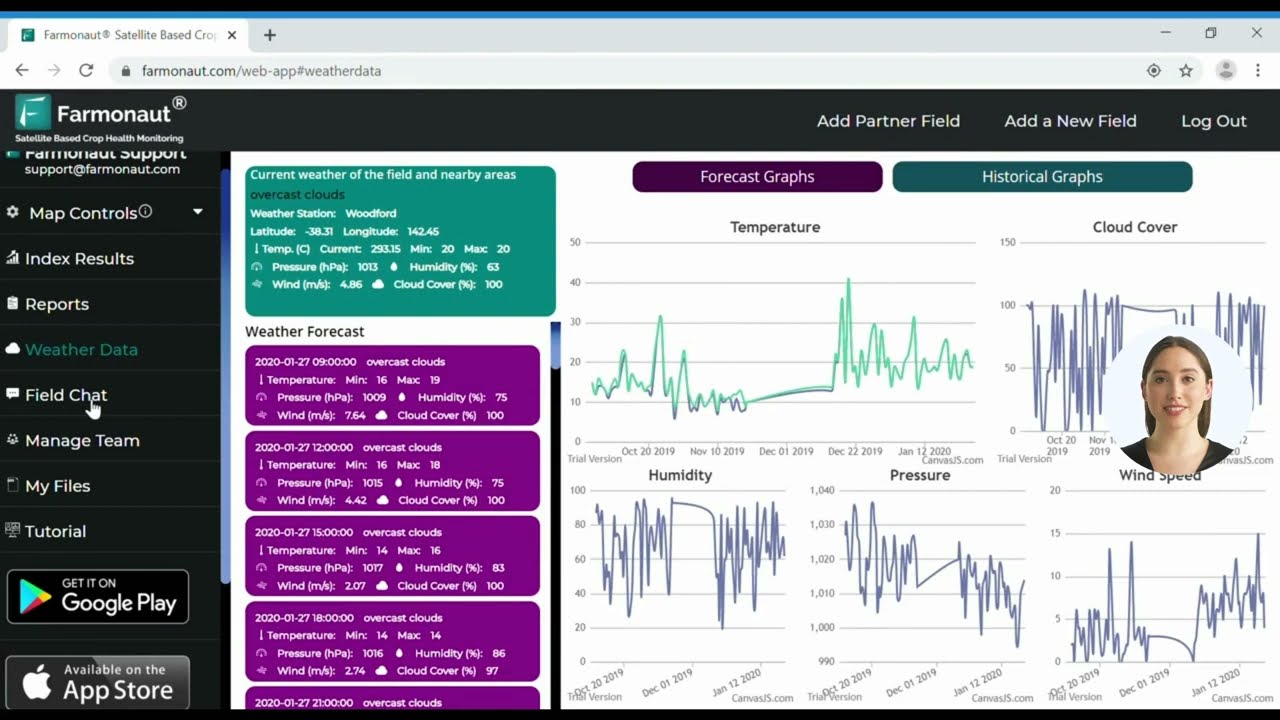
- Employ digital and satellite technologies (like those available via Farmonaut’s crop health monitoring app) for large-scale remote sensing and early warning.
- Accurate identification distinguishes pests from beneficial insects, preventing unnecessary interventions.
By integrating data from in-field scouting and advanced platforms, farmers and foresters can detect outbreaks before they cause significant damage, thus saving on treatment costs and avoiding yield losses. In our digital age, Farmonaut enables farmers to monitor multiple fields at scale through satellite imaging and AI advisory.
2. Preventive Pest Management Practices
Preventing pest infestations is far easier and more cost-effective than controlling outbreaks. Foundational to all sustainable IPM programs, preventive pest management practices are designed to reduce the likelihood of pest establishment in fields, farms, and forests.
- Practicing crop rotation disrupts the life cycles of many soil-borne pests and diseases.
- Planting disease-resistant plant varieties limits vulnerability.
- Maintaining clean equipment and fields prevents the spread of pests from one area to another.
- Manage water sources and field drainage to avoid pest-favorable moist conditions.
Strong field hygiene—removing weeds, crop residues, and volunteer plants—cuts off breeding sites and food sources for pests.
Efficient fleet and equipment management with Farmonaut minimizes cross-contamination risks and improves preventive pest control efficiency.
3. Biological Control in Agriculture
Biological control in agriculture harnesses natural predators, parasites, and pathogens to suppress pest populations in a safe, environmentally friendly way. Examples include introducing ladybugs to control aphids, lacewings for thrips, or parasitoid wasps for caterpillar larvae.
- Predators (ladybugs, lacewings, predatory mites) actively feed on pests.
- Parasites (parasitic wasps) lay eggs inside or on pests, killing them as the larvae develop.
- Pathogens (bacteria, fungi, viruses) naturally infect and kill pest species.
Biological control methods help:
- Maintain a balance of beneficial insects and natural pest regulation.
- Avoid resurgence and outbreaks due to indiscriminate chemical use.
- Reduce long-term costs and promote biodiversity.
Constant monitoring of natural enemy populations is crucial. Well-implemented biological control ensures lasting pest suppression while protecting pollinators and ecosystem health.
[For further reading, see: Biological Pest Control (Wikipedia)]
4. Cultural Control Measures
Cultural controls involve modifying farming practices to make the environment less attractive or suitable for pest development. Key techniques include:
- Adjusting planting times to avoid peak pest emergence windows.
- Optimal crop spacing to increase airflow, reducing disease pressure.
- Managing irrigation to avoid excessive humidity which often favors pest proliferation.
These strategies can be customized for different crops and geographies:
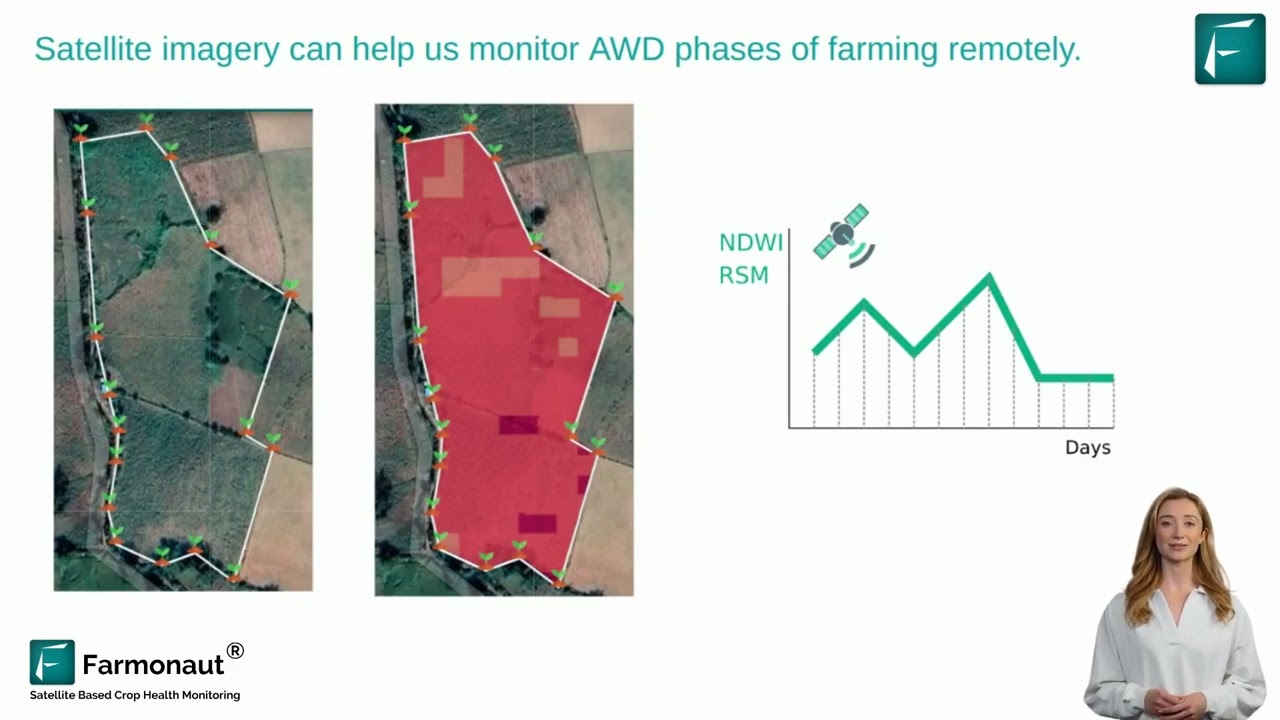
- In rice fields, alternate wetting and drying can limit mosquito and stem borer populations.
- Rotating crops (e.g., cereals with legumes) disrupts specific pest life cycles.
- Sanitation: removing infested debris at season’s end cuts overwintering habitats.
By making subtle changes to planting and farm management, we can achieve powerful pest suppression without chemicals.
5. Mechanical and Physical Pest Control
Direct action often yields instant results. Mechanical and physical pest control methods are valuable components of IPM, especially for high-value crops, small farms, and nurseries:
- Barriers: Row covers, insect-proof nets, and greenhouse screens physically block pest access to plants.
- Traps: Pheromone, color, light, or sticky traps lure and capture pests for monitoring or mass removal.
- Handpicking: Manual removal of pests and egg masses, particularly in horticulture and greenhouses.
- Tillage: Disrupts pest overwintering in soil and exposes larvae or pupae to predators.
These techniques are highly targeted, pose minimal risk to natural enemies, and leave no residues—making them a preferred choice for sustainable, safe crop protection from pests.
6. Chemical Pest Control Alternatives
While chemical pesticides still have a role in modern agriculture, IPM prioritizes their thoughtful and limited use. Alternatives such as:
- Selective/targeted pesticides that spare non-target organisms and beneficial insects.
- Biopesticides derived from natural sources (e.g., neem oil, Bacillus thuringiensis).
- Spot treatments instead of field-wide sprays—applied only at precise infestation locations.
Always choose products with the least environmental impact and strictly follow label instructions. Integrating chemical measures only when other tactics fail helps delay resistance and sustains healthy field ecology.
[For specific biopesticide recommendations, local agricultural extension offices or IPM specialists can provide up-to-date lists tailored to regional pests.]
7. Innovative Pest Control Strategies & Technologies
The future of agricultural pest management is here. New innovative pest control strategies and technologies offer precise, eco-friendly solutions and simplify complex decision making:
- Satellite Monitoring: Platforms like Farmonaut analyze crop health, pest hotspots, and environmental trends at scale, enabling proactive interventions.
- Drones & UAVs: Efficient release of beneficial insects (aerial biological control), targeted pesticide application, and real-time mapping of pest distributions.
- Biosolarization: Integrates soil solarization and organic matter to suppress soil-borne pests before planting. Learn more
- Push–Pull Strategy: Alternates repellent “push” plants with attractive “pull” trap plants to disrupt and control pest movement. Learn more
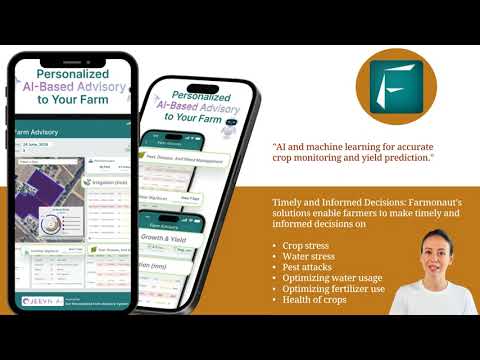
- AI & Data-Driven Decision Making: Farmonaut’s Jeevn AI offers real-time pest advisories tailored to field conditions, weather, and crop stage.
These innovative pest control strategies significantly cut chemical usage, reduce labor costs, and support climate-smart agriculture. Digital transformation in the field builds resilient, efficient systems for tomorrow’s challenges.
Integrate satellite and weather data into your farm management software using Farmonaut’s API for smarter, more sustainable pest management decisions.
Access developer docs for Farmonaut’s satellite weather API here.
Choosing Local Pest Control Services: What to Look For
For farmers and foresters seeking professional pest management assistance, quality local pest control services are invaluable. The best service providers:
- Offer expert consultation and on-site assessment to identify problems and recommend the right IPM strategies.
- Implement biological control programs—introducing natural predators for pest control or beneficial microorganisms where necessary.
- Provide regular monitoring services (field scouting, trap setting, pest records) to ensure the ongoing effectiveness of management measures.
- Host education and training sessions on sustainable pest control methods and safe pesticide use when required.
When choosing a local pest control provider, check references, ensure staff are familiar with sustainable IPM principles, and consult with regional agricultural extension offices for trusted recommendations.
How Farmonaut Empowers Sustainable Pest Management
At Farmonaut, our mission is clear: make precision agriculture accessible and affordable by combining satellite technology, AI, and data-driven insights into practical, field-ready solutions. Here’s how our platform amplifies sustainable pest management:
- AI-Powered Crop Health Monitoring: We use satellite imaging to identify early signs of pest and disease stress, allowing for timely, targeted interventions.
- Jeevn AI Advisory: Delivers customized pest risk assessments and agro-advisories—factoring in local weather, crop stage, and past field records.
- Blockchain Traceability: We support traceable documentation of sustainable pest management, helping supply chains verify and showcase eco-friendly agricultural practices.
- Resource and Fleet Management: Our tools help minimize unnecessary field movement, reducing pest dissemination and ensuring that machinery is clean and properly maintained.
- Carbon Footprint Tracking: We support users to monitor pesticide-related emissions, fostering climate-friendly agriculture. Learn about this service
- Insurance & Financing Access: Satellite-verified pest control increases transparency and boosts farmer confidence when seeking loans and insurance. See how remote verification works here.
Explore our apps:
Farmonaut Web App,
Android,
iOS
Try our services today or integrate our solutions into your agri-tech stack:
Farmonaut API |
Developer Docs
Frequently Asked Questions – Pest Control Near Me & Sustainable IPM
What is integrated pest management (IPM)?
Integrated pest management (IPM) is a comprehensive approach that combines biological, cultural, physical, mechanical, and, when necessary, chemical methods to manage pests in agriculture, forestry, and horticulture. IPM focuses on minimal chemical use, precise monitoring, and sustainable crop protection.
Why is pest monitoring and identification critical in IPM?
Regularly monitoring crops helps farmers identify pest species and population levels early, allowing for targeted interventions and preventing unnecessary pesticide applications. Accurate identification ensures appropriate, environmentally sound management actions.
Are biological control methods effective for all crops?
Biological control is effective for many crops, especially vegetables, horticultural, and pulse crops. Success depends on proper timing, matching the right natural enemy to the pest, and maintaining supportive environments for beneficial insects.
How does Farmonaut support sustainable pest management?
Farmonaut offers satellite crop monitoring, AI-based pest risk advisory, resource/fleet management, blockchain traceability, and carbon footprint tracking. These tools allow farmers and agribusinesses to monitor, manage, and document sustainable pest management decisions efficiently.
What should I look for when choosing local pest control services?
Seek pest control providers that offer integrated solutions, regular field monitoring, biological options, and staff trained in sustainable farm management. Local extension offices can recommend reputable services aligned with IPM principles.
Can innovative technologies replace traditional pest control methods?
Innovative tools such as satellite imaging, AI advisors, and drones significantly enhance pest monitoring and targeted management. However, combining these technologies with field knowledge and IPM fundamentals ensures the best outcomes for sustainable agriculture.
Final Thoughts
Sustainable pest control near me is not just about safeguarding today’s harvest—it’s about ensuring a healthy, biodiverse, and resilient agricultural ecosystem for the long term. By embracing integrated pest management (IPM), we can protect crops from pests, reduce our reliance on chemical pesticides, and support both productivity and environmental stewardship.
Choose a combination of monitoring, preventive practices, biological controls, cultural adjustments, mechanical interventions, chemical alternatives, and innovative pest management technologies to create a tailored IPM strategy for your fields, orchards, or forests.
At Farmonaut, we are dedicated to bringing cutting-edge, sustainable tools to every farm and forester—empowering decisions that manage pests effectively, promote yield, and protect our planet for future generations.

 Blue BearX
 Insignito
 Croptimum
 Dalmia Bharat Sugar
 DnCubed
 Pistachio ST
 Field Capacity
 Indosistim Teknologi
 Liquify Digital
 CU Foods
 BeyondTech Global
 Rouge VC
 AgroGreen Dynamics
 AgroRisk
 Oath Inc
 Reddane Farming
 Esri North East Africa
 Cresol
 MDCV UK
