

Plant Magnesium Deficiency: 7 Quick Fixes That Work!
Table of Contents
- Introduction: Why Magnesium Matters in Plants
- Trivia: Impact of Magnesium Deficiency
- Symptoms of Magnesium Deficiency in Plants
- Understanding the Causes of Magnesium Deficiency
- Diagnosis & Monitoring: Soil and Plant Analysis
- Symptom-to-Solution Quick Reference Table
- 7 Quick Fixes for Magnesium Deficiency in Plants
- How Farmonaut’s Technology Helps Deficiency Management
- Preventive Measures & Best Practices
- Trivia: Soil pH and Magnesium Uptake
- Frequently Asked Questions
- Conclusion & Takeaway
- Farmonaut Subscriptions & Key Links
Introduction: Why Magnesium Matters in Plants
Magnesium deficiency in plants is an often underdiagnosed nutritional problem, yet its consequences can be severe, affecting crop growth, yield, and overall plant health. As a vital macronutrient in plant physiology, magnesium (Mg) serves as the core component of chlorophyll, powering the photosynthesis process. Magnesium’s involvement in enzyme activation and energy transfer makes it indispensable for the synthesis of sugars and starches, directly influencing not just plant development, but also final crop productivity and economic returns.
Unfortunately, many of us overlook the connection between magnesium deficiency and reduced crop vigor until significant yield losses are observed. That’s why, in this blog, we’re taking a deep dive into:
- The symptoms of magnesium deficiency in plants
- How soil pH and fertilizer strategies affect magnesium availability
- Diagnosis and monitoring tips (including innovative tools)
- Technologically advanced and traditional magnesium deficiency management solutions
- Best practices to prevent future deficiency—safeguarding your yields!
By integrating advanced approaches—like AI, satellite-based monitoring, and data-driven large-scale farm management—with classic agronomic wisdom, we ensure your crops remain healthy, resilient, and high-yielding.
“Up to 70% of crop yield loss can be linked to undiagnosed magnesium deficiency in plants.”
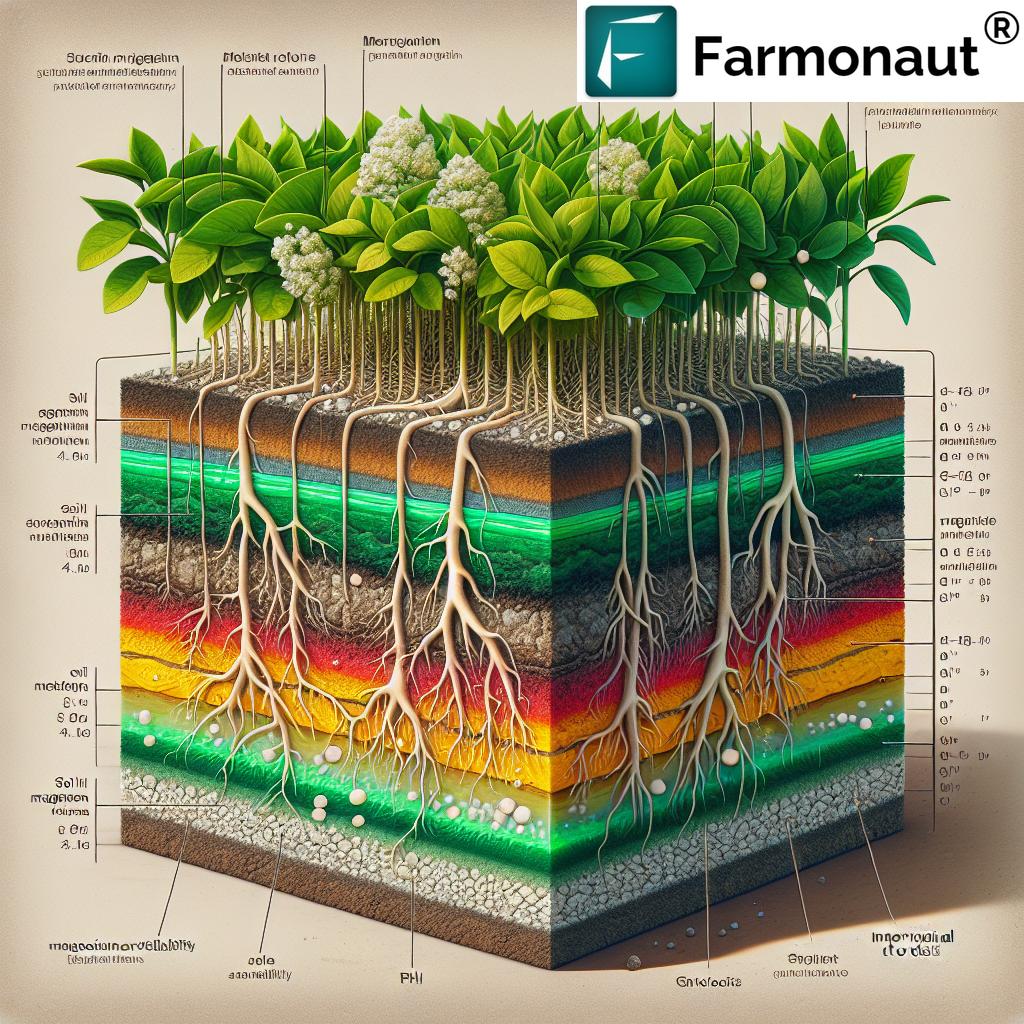
Symptoms of Magnesium Deficiency in Plants
Detecting magnesium deficiency early is crucial for timely intervention and minimizing crop loss. The manifestation of magnesium deficiency in plants can vary among species, but you’ll almost always see these telltale signs:
- Interveinal chlorosis in plants: This symptom represents yellowing between the leaf veins, while the veins themselves remain green. Interveinal chlorosis typically starts in older leaves and progresses toward newer growth as the deficiency worsens. This is because as a mobile nutrient, magnesium moves from older tissues to support younger, developing ones.
- Necrosis: As the deficiency intensifies, tiny brown or dead spots (necrosis) develop, especially along the leaf margins. This may lead to premature leaf drop and significant loss of photosynthetic surface area.
- Stunted growth: We often observe overall reductions in plant size and vigor. Crops may appear dwarfed or delayed in development—directly affecting marketable yield.
- Leaf curling: The older leaves may curl upward or downward depending on plant species and degree of stress.
If you see any of the above, especially interveinal chlorosis in plants on mature foliage, don’t delay diagnosis! Rapid action is crucial for recovery and to prevent widespread loss in your field.

Understanding the Causes of Magnesium Deficiency
Magnesium deficiency rarely has a single cause. Rather, it arises from several factors related to soil, fertilizer management, and environmental conditions. The top contributors we must consider are:
- Soil characteristics: Acidic soils (pH < 5.5), coarse-textured soils, or those with low cation exchange capacity (CEC) are particularly susceptible to magnesium leaching. Intensive rainfall or irrigation can accelerate the loss of magnesium ions, especially in sandy fields.
- High potassium levels: Excessive potassium applications (either by over-applying potassium fertilizers or repeated manure additions) can interfere with magnesium uptake. Both nutrients compete for absorption sites in the plant root system.
- Soil pH and magnesium availability: Low or high soil pH can significantly affect magnesium availability. Acidic soils may promote leaching, while in alkaline soils, magnesium can precipitate as insoluble compounds, rendering it unavailable to plants.
- Intensive cropping systems: Continuous cropping without adequate replenishment of magnesium will deplete soil reserves, resulting in deficiencies season after season.
To protect our crops from these problems, regular monitoring and proactive management are essential, especially after intensive fertilization, major rainfall events, or when transitioning cropping systems.

Diagnosis & Monitoring: Soil Magnesium Deficiency in Plants
Accurate diagnosis is the foundation of every effective magnesium deficiency management plan. It helps us select the right intervention, balance nutrients, and protect future crop quality. Here’s how we recommend tackling the diagnosis:
- Soil testing (magnesium and pH): Conduct regular soil tests (ideally every 3–5 years) for soil magnesium levels and soil pH. This allows us to monitor trends, tailor fertilization, and apply corrective measures before visible symptoms develop.
- Plant tissue analysis: Collect leaf or petiole samples—especially from older leaves where initial symptoms of magnesium deficiency often appear. Laboratory analysis confirms if actual magnesium concentrations are below critical thresholds.
- Visual inspection: While visual symptoms (such as interveinal chlorosis, necrosis, curling) can be helpful, they are most reliable when used alongside soil/tissue analysis for accurate diagnosis.
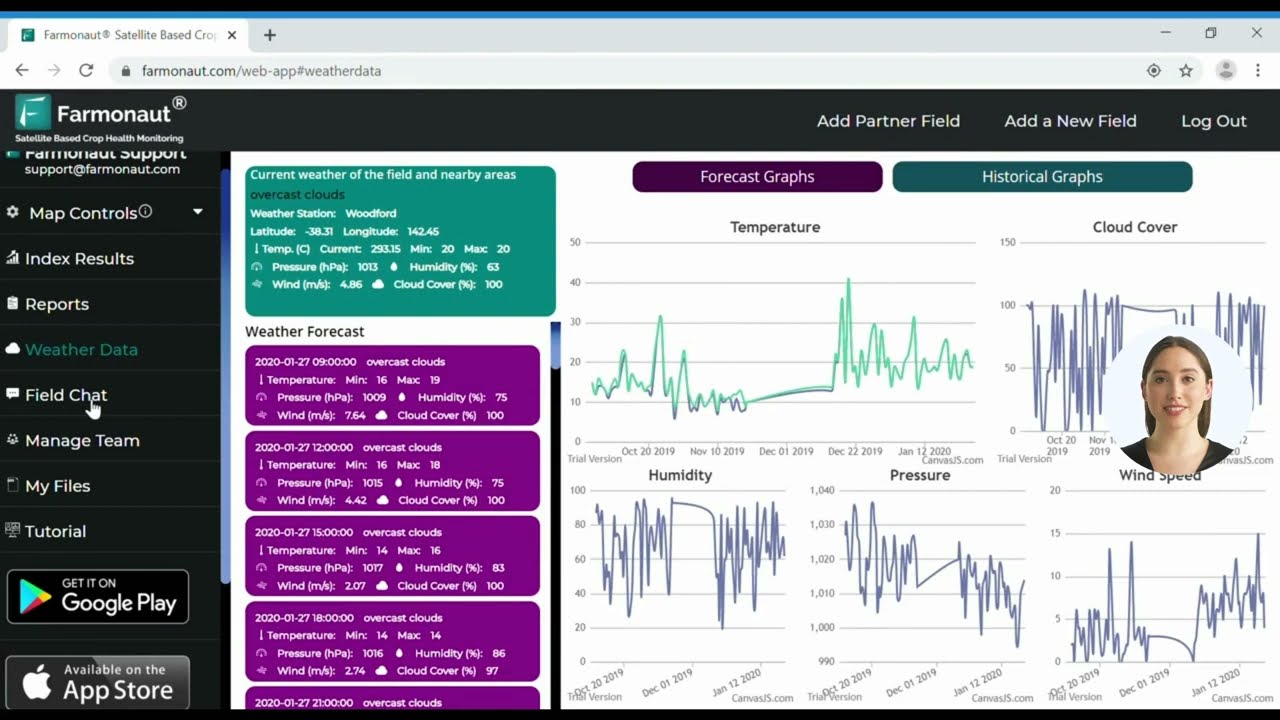
- Innovative monitoring tools: Digitally monitor field nutrition status via remote sensing and satellite-based crop health solutions, such as those offered by Farmonaut.



Symptom-to-Solution Quick Reference Table: Magnesium Deficiency in Plants
| Symptom | Estimated Impact on Yield (%) | Recommended Fix | Technological Tools/Innovations | Estimated Time to Recovery (days) |
|---|---|---|---|---|
| Interveinal chlorosis (older leaves) | 10% – 25% | Apply magnesium sulfate/Epsom salt, adjust soil pH if acidic | Farmonaut satellite-based stress monitoring, smart pH sensors | 7–14 |
| Leaf curling (mature leaves) | 10% – 20% | Foliar spray with magnesium fertilizer, avoid excessive potassium | Farmonaut nutrient heatmaps, crop management advisory | 7–10 |
| Necrotic spots & leaf margins browning | 15% – 30% | Apply dolomitic lime (for acidic soil), add magnesium oxide if persistent | Farmonaut NDVI analysis, pH/soil data integration | 10–21 |
| Stunted growth, reduced vigor | 20% – 35% | Balanced fertilization, rotate with legumes, monitor irrigation levels to prevent leaching | AI crop management (Farmonaut Jeevn), crop rotation mapping | 14–28 |

7 Quick Fixes for Magnesium Deficiency That Really Work!
Let’s break down the most effective, agronomically sound methods available for magnesium deficiency management in plants. These “quick fixes” are tried, tested, and can be integrated with today’s technological innovations for truly advanced nutrient management.
1. Apply Magnesium Fertilizers for Crops (Epsom Salt or Magnesium Sulfate)
- Why: Magnesium sulfate (Epsom salt) is a fast-acting, water-soluble source that corrects deficiencies by providing an immediate boost to soil magnesium levels.
- How: Broadcast or dissolve in water and use as a foliar spray. Works best for rapid symptom relief—especially interveinal chlorosis in plants.
- Rate: Typically 10–25 kg/ha for soil, 2% solution for foliar spray.
2. Utilize Dolomitic Lime for Soil pH Adjustment
- Why: Dolomitic lime raises acidic soil pH and simultaneously supplies magnesium. Corrects both low pH and low magnesium scenarios.
- How: Apply before planting for maximal coverage and effect. Particularly useful for sandy soils prone to acidification.
- Integration: For large operations, monitor soil pH trends using Farmonaut’s large-scale farm management platform to determine where dolomitic lime is needed most.
3. Optimize Soil pH for Maximum Magnesium Uptake
- Why: The optimal pH for magnesium uptake is between 6.0–6.5. Magnesium availability drops rapidly outside this range due to leaching (in acids) or becoming insoluble (in alkalinity).
- How: Use lime or sulfur-based amendments to maintain the ideal pH zone for your crop type. Test soil annually in fields with historic pH issues.
- Technology: Utilize smart soil sensors or periodic satellite-based NDVI monitoring to identify emerging problem areas remotely.
4. Avoid Excessive Potassium Applications
- Why: Potassium and magnesium compete for root uptake. Too much potassium (from fertilizers or manure) can induce or worsen magnesium deficiency.
- How: Apply potassium only according to soil test recommendations. Adjust fertilizer blends to maintain K:Mg ratios close to agronomic targets.
- Tip: Track nutrient application and balance using Farmonaut’s digital nutrient mapping functions.
5. Incorporate Organic Matter & Mulches
- Why: Organic matter improves soil structure, enhances nutrient retention, and slowly supplies magnesium as it decomposes.
- How: Add well-rotted compost, green manures, or use organic mulches between cropping cycles.
- Benefits: Mulches also reduce soil temperature fluctuation and minimize magnesium leaching in heavy rainfall or irrigation.
6. Employ Crop Rotation and Cover Cropping
- Why: Continuous cropping of high-demand species depletes magnesium. Rotating with legumes or cover crops builds soil organic matter and breaks pest/disease cycles, improving magnesium nutrient management.
- How: Design field rotations to alternately deplete and replenish soil nutrients. Select magnesium-scavenging species where possible.
7. Leverage Advanced Monitoring and Satellite Technology
- Why: Technologies like Farmonaut’s satellite-based crop health monitoring allow us to catch nutrient deficiencies before yield losses occur. These systems use NDVI and multi-spectral indices to spot stress signatures on-field scale, enabling rapid response.
- How: Access Farmonaut’s web, Android, or iOS app for real-time advisories, heatmaps, and field-level diagnostics.
- Extra: Integrate with blockchain-based traceability for transparent input application tracking (see Farmonaut Traceability Solutions).

How Farmonaut’s Technology Empowers Magnesium Deficiency Management
As we navigate the complexity of plant nutrition, integrating technology elevates both the accuracy and efficiency of magnesium deficiency management. That’s where Farmonaut stands out—by equipping growers with affordable, scalable, and data-driven farm management tools.
- Satellite-Based Crop Health Monitoring: Near real-time maps (NDVI, soil moisture, and multi-spectral indices) reveal early stress—often before visual symptoms manifest. This means magnesium deficiency in plants can be addressed at the onset, not after losses occur.
- AI-Driven Advisory (Jeevn): Personalized crop management recommendations, including fertilization schedules and nutrient management plans, tailored to your specific soil and crop data.
- Resource and Fleet Management: Optimize fertilizer usage, irrigation, and fleet movement for improved operational efficiency and sustainability. See Farmonaut Fleet Management for details.
- Blockchain-based Traceability: Track every fertilizer input through the supply chain, ensuring compliance and consumer trust. Learn more about Farmonaut traceability solutions.
- Carbon Footprint Tracking: Monitor and minimize your nutrient application impact for sustainability and regulatory compliance. Check out Farmonaut’s carbon footprinting services.
All users—from individual farmers to large agribusinesses—can access Farmonaut via web, Android, iOS, or API endpoint. View the API | Read Developer Docs
Preventive Measures & Best Practices for Magnesium Nutrient Management
While quick fixes are essential, the real key to safeguarding crop yields and plant health lies in robust nutrient management planning and regular monitoring routines. Here’s how we can prevent magnesium deficiency from recurring:
- Regular soil testing: Schedule soil and tissue tests every 3–5 years, keeping an eye on both magnesium and soil pH levels. This enables early identification of trends and timely corrections.
- Balanced fertilization: Always fertilize according to soil sample recommendations. Avoid excessive inputs of potassium or amendments that can unbalance nutrient ratios.
- Soil conservation: Minimize erosion and surface run-off using cover crops, contour farming, and mulches to reduce nutrient leaching and loss.
- Irrigation and drainage management: Over-irrigation on light-textured soils encourages magnesium leaching. Adjust schedules for soil type, crop growth stage, and rainfall patterns.
- Crop rotation: Rotate high magnesium-demand crops (e.g., potatoes, tomatoes) with legumes or less-demanding species.
- Record keeping and digital mapping: Use software or digital field notebooks to log all nutrient applications, making it easier to spot trends and plan future fertilizer needs.
“Optimal soil pH for magnesium uptake is 6.0–6.5; even a 0.5 shift can reduce absorption by 30%.”
FAQ: Plant Magnesium Deficiency & Nutrient Management Solutions
What is the primary role of magnesium in plant growth?
Magnesium is essential for chlorophyll formation (enabling efficient photosynthesis), and participates in enzyme activation and energy transfer reactions. It’s thus central to carbohydrate synthesis, plant growth, and overall crop quality.
How can I identify symptoms of magnesium deficiency in crops?
The most common symptoms of magnesium deficiency are interveinal chlorosis in plants (yellow streaking between veins on older leaves), leaf margin necrosis, leaf curling, and in severe cases, stunted crop growth.
Does soil pH affect magnesium availability?
Absolutely! Soil pH and magnesium availability are closely linked; at pH below 5.5, magnesium is leached away rapidly, while pH above 7.5 can convert magnesium into forms plants cannot absorb. Maintaining a pH range of 6.0–6.5 is critical.
What types of fertilizers are recommended to fix magnesium deficiency?
Magnesium sulfate (Epsom salt), magnesium oxide, and dolomitic lime are most frequently used. The choice depends on soil pH and immediate vs. gradual correction needs.
How do advanced technologies help in magnesium deficiency management?
Tools like Farmonaut’s satellite monitoring detect stress early (even before visible symptoms), provide field-level nutrient status maps, and offer tailored AI-driven advisories—enabling precision intervention.
Where can I learn more about satellite crop monitoring and farm management integration?
Explore the Farmonaut Large-Scale Farm Management page for solutions and case-oriented information.
Conclusion & Takeaway: The Future of Plant Nutrition is Tech-Enabled, Data-Driven, and Sustainable
Magnesium in plant nutrition is vital—impacting photosynthesis, enzyme-driven metabolism, and growth at every stage of the crop cycle. Failing to address magnesium deficiency in plants leads to physiological disturbances, stunted yield, and lower crop quality.
But with a blend of timely agronomic measures—soil amendments, magnesium fertilizers for crops, organic practices—and advanced digital tools from Farmonaut, we can efficiently detect, address, and prevent magnesium deficiency while maximizing both productivity and environmental sustainability.
Let’s combine knowledge, proactive monitoring, and precision farming apps to future-proof our fields and ensure every season is a productive one!
- Download the Farmonaut web, Android, or iOS app for affordable, cutting-edge support.
- Integrate real-time satellite monitoring for scalable crop operations.
- Use the Farmonaut API for custom agritech or research applications.
- See how blockchain traceability can protect your supply chain and business reputation.
- Monitor your farm’s carbon footprint and earn credits for sustainability.
Farmonaut Subscriptions & Key Links
Choose a plan that matches your farm’s or organization’s needs. Flexible, scalable, and affordable for growers, agribusiness, and institutions of all kinds.

 Agricultural Credit Policy Council
 BayWa
BayWa Azure Clouds
 MCSOD
MCSOD Marei Nursery
 eKGIS
eKGIS Mostas Tech
 Native Seeds
 Andex
Andex FCF India
 Unifrutti Gulf
 Deluxe Conseil
 TVS Electronics
 WICO
WICO Chimera Innovation
 SkyHarvest
