

Prilled Urea, Urea 46, Yara Urea for High Yields 2026: Unlocking Modern Crop Productivity with Advancements in Fertilizer Technology
Introduction: Meeting Crop Nutrition Needs in 2026
As we approach 2026, global food demand continues to rise rapidly, driven by population growth, changing dietary preferences, and climate-related production challenges. Optimizing agricultural inputs has become more critical than ever to ensure sustainable crop production and food security. Among the essential nutrients for crop growth, nitrogen stands as a pivotal element, playing a key role in cell division, protein formation, and overall crop yields.
Within the agriculture sector, prilled urea, urea 46, and yara urea remain at the forefront of fertilizer technology in 2025 and beyond. These products are recognized for their high nitrogen content, uniform application, and evolving innovations, which collectively enhance efficiency and environmental sustainability in modern farming systems. This comprehensive blog explores the evolution, advantages, and future of these fertilizers, delving into their impact on sustainable crop productivity and the emerging trends shaping agronomic practices for 2026 and future years.

Understanding Prilled Urea, Urea 46, and Yara Urea
What is Prilled Urea, and Why Is It the Benchmark Nitrogen Fertilizer?
Prilled urea is a highly concentrated solid fertilizer consisting of small, spherical granules typically 1–4 mm in diameter, containing approximately 46% nitrogen. The name “prilled” refers to the international manufacturing process where molten urea is sprayed into a prilling tower, resulting in uniform, solidified droplets that are then cooled and collected. This form differs from granular or liquid urea due to its ease of handling, storage, and most importantly, uniform application in the field.



Urea 46 is a term referred to for urea fertilizers that boast a nitrogen concentration of “46%,” making them one of the most concentrated nitrogenous fertilizers widely used globally. Yara urea, produced by Yara International, represents a benchmark in fertilizer quality due to its adherence to stringent manufacturing standards, innovation, and ability to integrate with precision agronomic practices—which is particularly critical as 2025 ushers in an era of sustainable farming and digital agriculture.

How Is Prilled Urea Manufactured?
The production of prilled urea is an advanced, highly controlled process. It involves spraying molten urea into a tall tower, where gravity causes the droplets to solidify into tiny, spherical granules as they descend and cool. This unique prilling process imparts several advantages, notably:
- Consistent granule size and purity: Ensuring uniform application
- Ease of blending with other fertilizers: Facilitates precision placement in soil
- High nitrogen content: Each prill contains approximately 46% nitrogen
- Improved storage, transport, and handling: Minimal moisture absorption and dust
Key Benefits and Comparative Analysis of Prilled Urea, Urea 46, Yara Urea
Why Prilled Urea Remains Critical for Modern Agriculture
In modern agriculture, prilled urea, urea 46, yara urea are particularly valued due to several advantages in application, efficiency, and environmental impact:
- High Nutrient Concentration: 46% nitrogen content means less quantity is needed to meet crop nitrogen demands, improving cost-effectiveness and simplifying logistics.
- Uniform and Consistent Prills: Spherical granules, typically 1–4 mm in diameter, enable precise placement, better blending with other inputs, and uniform distribution across the soil surface.
- Greater Solubility and Quick Availability: Prilled urea readily dissolves in soil moisture, making nitrogen quickly available for crops—especially crucial during key growth periods.

Yara urea is widely regarded as a premium product in this category, standing out for its stringent quality standards, uniform granule size, and innovative additives that reduce volatilization and improve nutrient uptake in various farming systems across the world. These features are especially valuable as 2025–2026 demands solutions that combine productivity with responsible agronomic management.
Comparative Table: Prilled Urea, Urea 46, Yara Urea
| Fertilizer Type | Nitrogen Content (%) | Estimated Release Rate (Days) | Efficiency Rating (1–10) | Application Method | Impact on Yield (% Increase) | Environmental Sustainability Score |
|---|---|---|---|---|---|---|
| Prilled Urea | 46% | 2–10 | 7 | Broadcast / Drilled | 10–16% | 6/10 |
| Urea 46 | 46% | 2–10 | 7 | Broadcast / Fertigation | 10–15% | 6/10 |
| Yara Urea | 46% | 5–15 (controlled release) | 9 | Precision Spreading / Controlled Placement | 14–18% | 8/10 |
Fertilizer Technology & Innovations 2026: Shaping the Next Generation of Sustainable Yield
The landscape of fertilizer technology is evolving rapidly, with significant advances aimed at improving efficiency, minimizing losses, and protecting the environment. As of 2026, innovations in prilled urea, urea 46, and yara urea are addressing the global challenges of nitrogen management in farming systems.
- Enhanced Efficiency Fertilizers (EEFs): Incorporation of urease and nitrification inhibitors, as well as polymer-coated prilled urea, slows nitrogen release for better synchronization with crop demands and reduced volatilization.
- Precision Application Technology: Digital tools, soil sensors, and drone-based mapping enable farmers to determine optimal timing and rates for fertilizer application, boosting yield while minimizing waste.
- Integrated Nutrient Management: Synergistic use of prilled urea with organic amendments, secondary nutrients, and micronutrients enhances soil fertility and strengthens crop resilience.
- Climate-Smart Practices: Tailoring nutrition strategies to local climate and soil conditions maximizes nitrogen uptake and reduces environmental impacts (e.g., nitrous oxide emissions).
Maximizing Application and Efficiency: Reducing Losses with Effective Management
While urea fertilizers such as prilled urea, urea 46, and yara urea offer outstanding content and availability, they also present challenges—primarily in the form of nitrogen losses via volatilization, leaching, and denitrification. To address these issues and further improve productivity in 2025 and beyond:
- Use of urease inhibitors and coated prills for gradual nitrogen release
- Split applications based on crop growth stage and local weather forecasts
- Incorporation of prilled urea into the soil, avoiding surface placement where volatilization is highest
- Leveraging digital agriculture platforms for real-time monitoring of nutrient status
For larger operations and those seeking greater control, satellite-based agricultural monitoring and decision support systems—such as those provided by Farmonaut—provide actionable insights regarding timing, placement, and impact of fertilizer application on crop yields and sustainability.

Environmental Sustainability: Global Challenge & Solution with Prilled Urea, Urea 46, Yara Urea
As global awareness of environmental impact increases, the role of prilled urea, urea 46, yara urea in sustainable agriculture is under the spotlight. Nitrogenous fertilizers are essential to feed the world’s population, but can also contribute to water pollution and greenhouse gas emissions if not managed properly.
- Yara urea’s innovations (e.g., inhibitors and digital advisory systems) continually reduce environmental footprint while increasing crop yields.
- Use of advanced prilled urea blends and integrated nutrient management help farmers reduce losses and protect local ecosystems.
- Adoption of precision agtech ensures timing and application rates are closely matched to exact field conditions, strengthening sustainability efforts.

Measuring, reporting, and managing carbon footprinting in agriculture have become fundamental to ensuring future fertilizer regimes remain environmentally sound. For those seeking tailored carbon footprinting and traceability solutions, Farmonaut’s carbon footprinting tool leverages satellite data to help farmers, businesses, and policy makers manage regulatory compliance and develop climate-smart farming strategies.
Farmonaut: Advanced Satellite-Based Solutions in Agriculture
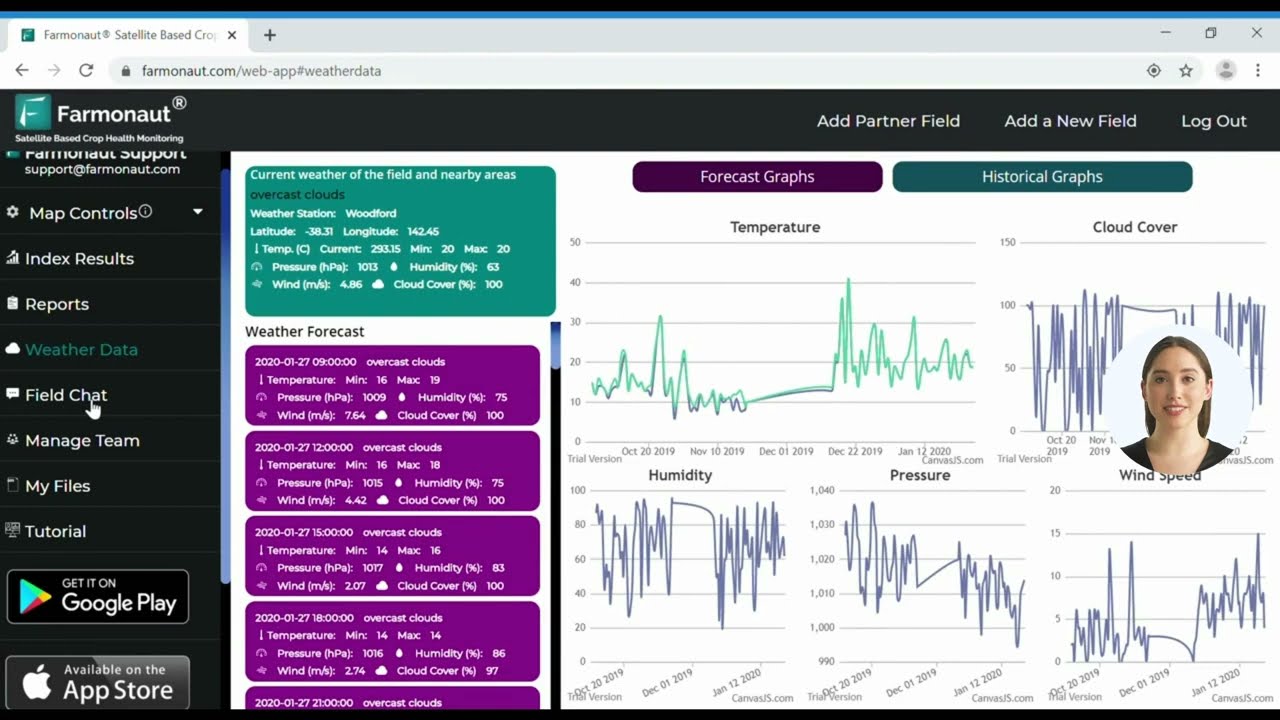
We at Farmonaut are proud to equip the agricultural sector with affordable, cutting-edge, satellite-based insights to empower smarter decisions for crop health, input optimization, and environmental management. Our platform offers comprehensive, data-driven support to improve fertilizer management—including advanced monitoring of nitrogen needs, irrigation scheduling, and even verification for agricultural loans and insurance. Our technology stack includes:
- Satellite-Based Monitoring: Multispectral crop health (NDVI), soil condition analysis, and anomaly detection
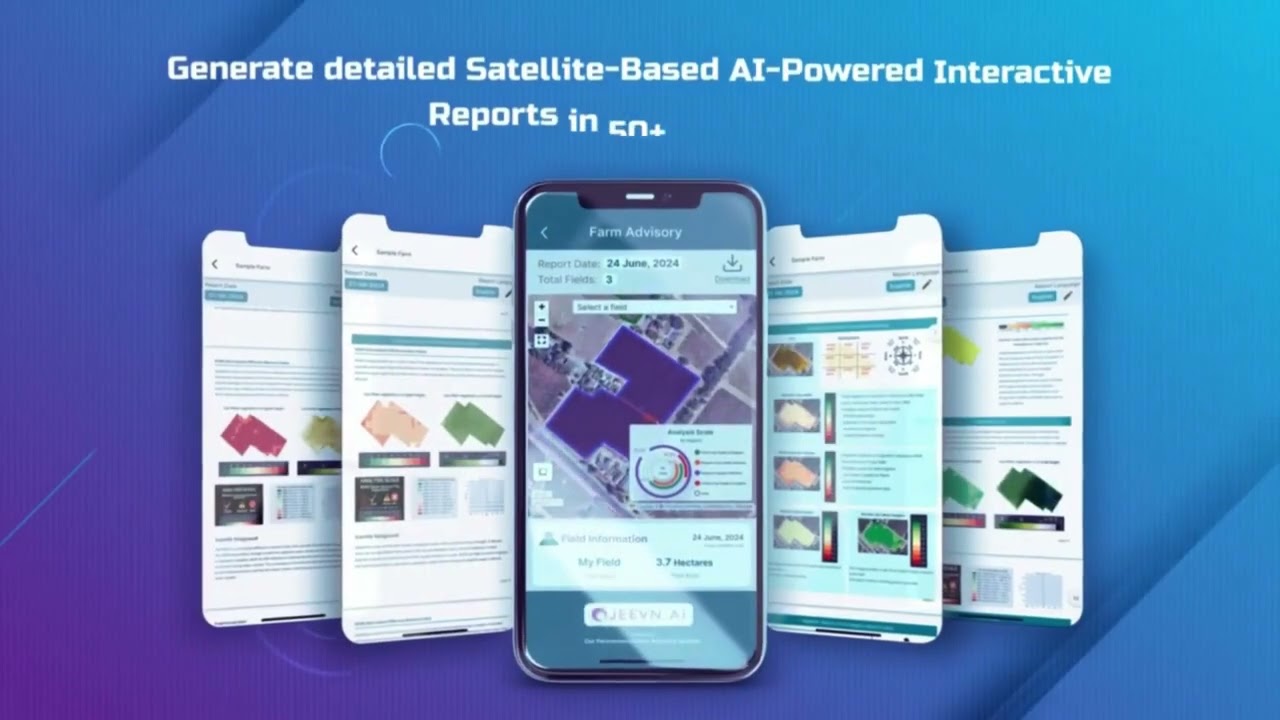
- Jeevn AI Advisory: Real-time fertilizer and irrigation advisories based on field-specific satellite and weather data
- Blockchain Traceability: End-to-end transparency for tracking crop production and fertilizer application
- Fleet & Resource Management: Satellite-powered logistics and machine optimization for large-scale operations (fleet management tool)
- Environmental Impact and Carbon Footprint Tracking: Supports sustainable management and regulatory compliance
For developers and businesses seeking greater integration, our Sat API and developer documentation can be leveraged to streamline agri-data into ERP, CRM, or custom agricultural software, to power next-generation farming decisions.
Synchronized, precise nitrogen application using prilled urea in combination with digital technologies maximizes both fertilizer efficiency and sustainability.
Choose prilled urea with inhibitors for high-value or vulnerable crops—this minimizes nitrogen losses even under adverse weather conditions in 2026.
Broadcasting prilled urea on dry soil or before heavy rainfall can lead to significant nitrogen loss; incorporate or use following rainfall for best results.
Growing needs for sustainable nitrogen management in agriculture and mining create opportunities in agri-tech, satellite monitoring, and green fertilizer production for 2025–2026.
Integrating satellite data into fertilization planning unlocks site-specific, data-driven practices—cutting costs and boosting yield from every application.
Key Takeaways: Bullet and Visual Lists for Prilled Urea, Urea 46, Yara Urea
✔ Top Five Benefits of Prilled Urea, Urea 46, Yara Urea
- ✔ High Nitrogen Content: Concentrated source (46%) reduces logistic and application costs.
- ☑ Uniform Application: Consistently sized prills ensure balanced nutrient distribution.
- 💡 Greater Solubility: Rapid water uptake suits fast-growing crops during critical periods.
- 🧪 Enhanced Efficiency: Innovations like Yara inhibitors and coatings minimize nitrogen losses.
- 🌍 Sustainable Option: New forms reduce environmental footprint and meet global sustainability goals.
⚠ Risks or Limitations: Key Watchouts in 2026
- ⚠ Volatilization: Risk increases with surface application on dry, warm soils.
- 💧 Leaching: Excess irrigation or rainfall can move nitrogen beyond root zones.
- 🔄 Overuse: Exceeding recommended rates leads to diminishing returns and pollution.
- 🕓 Timing Mismatch: Applying too early or late for crop demand reduces benefit.
- ☁ Greenhouse Gases: Poor management can increase N2O emissions.
📊 Data Insights: 2026 Fertilizer Trends
- 📈 Efficiency Increases: Modern prilled urea with additives can boost nitrogen uptake efficiency by 20–35%.
- 🌱 Yield Surge: Optimal use of urea 46 and yara urea boosts total yield by up to 18% in cereals and oilseeds.
- 👍 Digital Monitoring: Satellite and AI platforms streamline application and track effectiveness on a field-by-field basis.
- 🌾 Regional Customization: Fertilizer formulations increasingly tailored to local climate, crops, and soil.
- 💡 Smart Integration: EEFs and precision tech adoption rates expected to double in major markets by 2026.
Farmonaut Tools: Improve Crop Management Today
We offer an ecosystem of digital solutions to help farmers, enterprises, and governments transition towards sustainable, efficient fertilization and precision crop management:
- Real-time Crop Monitoring: Proactive nutrient/irrigation advisories minimize unnecessary application and reduce costs
- API Integration: Farmonaut API delivers satellite crop, weather, and soil data into business workflows and digital dashboards
- Product Traceability: Traceability solutions ensure authenticity and regulatory compliance for farm produce
- Crop Loan and Insurance: Satellite-verified crop insurance programs reduce fraud and speed up settlements for growers and insurers
- Advisory for Plantation & Forestry: Get forest, crop plantation insights tailored to site conditions, supporting sustainable resource management
Farmonaut Subscription & Pricing
Choose the Farmonaut subscription plan that matches your scale—whether small farm, enterprise, or government project. Our real-time satellite solutions help everyone, everywhere, to sustainably manage crops, monitor fertilizers, and streamline operations.
Frequently Asked Questions about Prilled Urea, Urea 46, Yara Urea (2026)
What is the main advantage of using prilled urea over other urea forms?
Prilled urea offers consistently sized spherical granules (typically 1–4 mm in diameter), enabling uniform application, better blending with other fertilizers, and more efficient nitrogen uptake by crops.
How does Yara urea differ from other urea 46 fertilizers?
Yara urea stands out due to its strict manufacturing standards, purity, uniform granule size, and typically contains additives or coatings that reduce volatilization—essential for maximizing nitrogen use efficiency and sustainability.
Why does timing matter with prilled urea application?
Correct timing ensures that nitrogen from urea is available when the crop can absorb it most efficiently—minimizing losses due to volatilization and leaching, and boosting yield.
Is prilled urea environmentally friendly?
Prilled urea is becoming more eco-friendly with additives and coatings that lower emissions and reduce nitrate leaching. Innovations from global manufacturers such as Yara further enhance its sustainability profile.
How can Farmonaut help with fertilizer management?
We combine satellite imagery, AI, and blockchain to deliver real-time monitoring, crop health analysis, and traceability—precision tools to assess, apply, and verify fertilizer use for optimal yields and sustainability.
Conclusion: Future Outlook for Fertilizers and Sustainable Agriculture
The future of sustainable agriculture lies in the integration of advanced fertilizers—prilled urea, urea 46, and Yara urea with innovative technology and precision agronomy. As global food demand continues to rise into 2026 and beyond, the adoption of high-quality, concentrated nitrogenous fertilizers, combined with modern digital farming systems, remains a critical step toward productivity and environmental responsibility. The evolution of prilled urea—from manufacturing innovations that guarantee uniform granule size to the inclusion of next-gen inhibitors and digital advisory—underscores the pivotal role of science and technology in meeting tomorrow’s agricultural challenges.
At Farmonaut, our mission is to give you the tools to make every unit of fertilizer count, maximize yield, save resources, and secure future harvests—no matter where in the world you farm. The marriage of fertilizer technology with satellite and AI-driven insights represents the frontier of modern, sustainable agriculture. Now is the time to reimagine input management for a food-secure and planet-friendly future.
Ready to transform your farm? Download our
or
or try our web platform for full access to our satellite-driven agriculture advisory and insights.
Disclaimer: This content is intended for educational and informational purposes regarding fertilizer technology and Farmonaut’s platform, based on available data as of 2025–2026. Always consult with a local agronomist before making input decisions specific to your region and crops.

 Pixxel
 Sapoznick Farms
 Agrotoken
 Blue BearX
 Insignito
 Croptimum
 DnCubed
 Field Capacity
 Indosistim Teknologi
 Liquify Digital
 CU Foods
 BeyondTech Global
 Rouge VC
 AgroGreen Dynamics
 AgroRisk
 Oath Inc
 Reddane Farming
 Esri North East Africa
