

Lithium Environment: 7 Mining Impacts in Chile & Argentina
“In Chile, lithium mining consumes up to 65% of available water in the Salar de Atacama region.”
Meta Description: Discover the critical balance between lithium mining and the environment in Chile and Argentina—exploring impacts, solutions, and sustainable practices for 2025 and beyond. Examine water, agriculture, and ecological concerns surrounding the clean energy transition.
Summary:
Lithium Mining and the Environment: Balancing Demand and Ecological Impact in 2025 and beyond.
Lithium is a cornerstone of clean energy revolution powering electric vehicles and grid-scale batteries. However, the intensive mining of this critical mineral in South America’s Lithium Triangle—especially in Chile and Argentina—raises profound environmental concerns. Water overuse, soil degradation, threats to agricultural security, and ecosystem disruption have become central issues in regions where lithium extraction methods, particularly brine mining, converge with fragile landscapes and communities dependent on agriculture and forestry. As the world accelerates its energy transition, understanding and implementing sustainable mining practices is imperative to protect our environment and food systems for 2026 and the future.
Table of Contents
- Introduction: Lithium and the Clean Energy Transition
- Lithium Extraction Methods & Their Environmental Footprints
- Lithium Environment: 7 Key Impacts of Mining in Chile & Argentina
- Comparative Table: Estimated Environmental Impacts of Lithium Mining
- Balancing Lithium Mining with Environmental and Agricultural Security
- Sustainable Practices, Technological Innovations, and the Road Ahead for 2026
- How Satellite Technology & Farmonaut Contribute to Sustainability
- FAQ: Lithium Mining and the Environment in 2026
- Conclusion
Introduction: Lithium and the Clean Energy Transition
In the last decade, the global transition to clean energy has rapidly accelerated. Lithium, a critical mineral, has emerged as one of the most important resources on the planet. Its central role is grounded in powering rechargeable batteries for electric vehicles (EVs), renewable energy storage, and portable electronics. As the world approaches 2026, demand for lithium continues to escalate, placing immense pressure on the lithium environment and raising significant environmental concerns.
The clean energy transition is underpinned by a supply chain reliant on lithium extraction. Mining activities, particularly in Latin America’s Lithium Triangle—encompassing Chile, Argentina, and Bolivia—are expanding. However, this expansion comes at a cost: water resources are stressed, forestry and agricultural landscapes are changed, and ecosystems are disrupted. The delicate balance of mining and the environment has become a pressing challenge—especially as food security, indigenous rights, and sustainable livelihoods come to the forefront.
This comprehensive blog will thoroughly explore the intersection of lithium mining and the environment in Chile and Argentina. We’ll cover extraction methods, seven major environmental impacts, sustainable innovations for 2025 and beyond, and the role of advanced technologies like satellite monitoring in protecting our environment and communities.




Lithium Extraction Methods & Their Environmental Footprints
To understand the impacts of lithium mining on the environment, it’s crucial to first explore how lithium is obtained—especially in Chile and Argentina. The region’s famed “Lithium Triangle,” spanning parts of northern Chile, northwest Argentina, and southern Bolivia, holds more than half of the world’s known lithium reserves, making its lithium environment central for future energy needs.
The Two Predominant Methods of Lithium Extraction
-
Brine Extraction:
- Common in Chile and Argentina.
- Involves pumping lithium-rich saline water (brine) from underground salt flats (salars), then evaporating the water in large ponds.
- Over months, evaporation concentrates lithium for collection but also consumes vast amounts of water, already extremely scarce in these arid and fragile regions.
- This method can compete with local agriculture and pastoral activities, as mining reduces water available for irrigation and household needs.
- Also, altering hydrology threatens endemic species adapted to specific saline conditions.
-
Hard Rock Mining:
- Common in Australia’s Greenbushes mine and certain non-Latin American sites.
- Involves traditional mining of spodumene ores.
- This process is energy-intensive, producing significant tailings that often contain hazardous chemicals.
- Poor tailings management may cause soil contamination, water pollution, and risks to agricultural lands and local communities.
- Mining activities also cause dust, noise, and land degradation impacting wildlife and ecosystems.
Lithium and the environment interact differently depending on the method.
In Chile and Argentina, where the main extraction is by brine evaporation, the competition for water and disruption of ecosystems are the greatest concerns.
Environmental Footprints:
- Water Use: Both methods demand substantial water
- Soil Degradation & Pollution: Chemical exposure from tailings and saline residues
- Biodiversity Threats: Disturbance of fragile habitats and endemic species
- Impact on Agriculture & Pastoralism: Declining irrigation water, soil salinization, and reduced productivity
- Carbon Footprint & Air Quality: Energy use and dust pollution from mining activities

Lithium Environment: 7 Key Impacts of Mining in Chile & Argentina
Lithium mining and the environment are intimately connected. Below, we examine the seven most significant environmental impacts in Chile and Argentina today, and the implications for the future as clean energy demand accelerates toward 2026.
“Argentina’s lithium production tripled between 2015 and 2022, stressing local agriculture and fragile ecosystems.”
1. Drastic Water Usage and Aquifer Depletion
Impact Area: Water Usage
In the Salar de Atacama (Chile) and salt flats of Catamarca, Salta, and Jujuy provinces (Argentina), brine extraction has become a dominant industrial activity. This involves pumping millions of liters of underground saline water daily.
- Example: The Salar de Atacama region experiences mining operations that sometimes consume as much as 65% of available water, jeopardizing local communities and desert-adapted flora and fauna.
- Competing demand reduces water for irrigation, affecting agricultural productivity and increasing food insecurity.
- The lowering of water tables changes hydrology, resulting in dry wetlands and altered microclimates.
2. Soil Degradation and Contamination
Impact Area: Soil Degradation
Both brine extraction and hard rock mining disturb the soil structure and potentially introduce hazardous chemicals through tailings and leaked chemical residues.
- Soil salinization occurs as saline water seeps into agricultural lands, reducing soil fertility.
- Improper tailings management may cause heavy metal contamination, jeopardizing nearby farmland and cropping patterns.
- Resulting changes leave lands less productive and harder to rehabilitate post-mining.
3. Agricultural Productivity Decline
Impact Area: Agricultural Productivity
Areas surrounding lithium mines—especially in Argentina’s northwest—are heavily reliant on surface and groundwater for irrigation.
- Reduced water availability threatens crops like quinoa, maize, vegetables, and livestock pastures.
- Local farmers report changes in traditional cropping cycles, yield reductions, and even forced migration due to deteriorating land and water security.
- Salinization and dust can reduce the diversity and quality of crops.

4. Ecosystem Disruption and Biodiversity Loss
Impact Area: Biodiversity Loss, Ecosystem Disruption
Mining activities fragment habitats, especially unique salt flat ecosystems (salars) and foothill forests.
- Rare endemic species, like flamingos and specialist crustaceans, are harmed by lower water levels and saline balance changes.
- Vegetation cover is reduced, leaving soils exposed to wind erosion, further reducing biodiversity and resilience.
- Deforestation and land clearance open paths for invasive species and accelerate ecosystem degradation.
5. Air Quality Issues and Carbon Emissions
Impact Area: Air Quality, Carbon Emissions
While lithium is essential for reducing emissions globally, its mining activities can contribute to local air pollution.
- Hard rock mining is often energy-intensive, generating dust, noise, and increased carbon emissions from vehicle/equipment use.
- Dust pollution can impair respiratory health in nearby communities and disrupt plant growth.
- Learn how carbon footprint monitoring can support sustainable mining.

6. Impact on Water Quality and Pollution
Impact Area: Water Quality, Pollution
Contamination risks arise as brine is pumped to the surface and when chemicals are used in processing.
- Leakage of saline or chemical-laden waters into rivers and groundwater jeopardizes clean water for local use.
- Impaired water quality can reduce aquatic biodiversity and render traditional water sources unusable.
Discover satellite-driven water quality monitoring for mining.
7. Land Use Change and Deforestation
Impact Area: Land Use, Deforestation
Mining expansion alters land cover through direct clearance, infrastructure building, and access road construction.
- Forested areas are fragmented or cleared, threatening wildlife corridors and increasing erosion.
- Ecosystem services—like water regulation and pollination—are diminished, undermining both biodiversity and food production.
Explore satellite and AI forest advisory tools for mining impact assessment.
Comparative Table: Estimated Environmental Impacts of Lithium Mining in Chile & Argentina
| Impact Area | Estimated Quantitative Impact | Geographic Focus | Sustainable Practices In Use/Proposed |
|---|---|---|---|
| Water Usage | Up to 2 million liters of water per ton of lithium (brine extraction); up to 65% of local water consumption | Chile (Salar de Atacama), Argentina (Salinas Grandes, Olaroz-Cauchari) | Water recycling, evaporation pond optimization, desalination integration |
| Soil Degradation | 5 – 20% decline in soil organic content, increased salinization and heavy metal traces down to 1m depth from point source | Both | Progressive land rehabilitation, topsoil management |
| Air Quality | Dust levels 2-5x baseline; local CO₂ emissions from machinery up to 50,000 tons/year (per major site) | Both | Electrified mining fleets, dust suppression, emission monitoring |
| Biodiversity Loss | Population declines in endemic flamingos up to 50% locally; up to 15% loss of vegetation cover in adjacent areas | Chile (Atacama), Argentina (Jujuy, Salta) | Protected buffer zones, wildlife corridors, impact monitoring |
| Agricultural Productivity | 10-30% reduction in crop yields in affected areas; pasture capacity declines in drought years | Argentina (Puna plateau), Chile (Atacama) | Integrated water management, drought-adapted crops, remote irrigation monitoring |
| Ecosystem Disruption | Loss of up to 500 hectares of wetland or salt flat habitat per project; hydrology regime altered | Both | Direct lithium extraction (DLE), ecological restoration efforts |
| Carbon Emissions | Estimated 15-30 tons CO₂ emitted per ton of lithium (hard rock); lower for brine if renewable energy is used | Argentina (hard rock pilot projects), Chile (both) | Renewable energy at mines, carbon footprint tracking, carbon offsetting |
Note: These figures represent broad estimates and may vary by project scale, extraction method, and local regulatory practices.
Balancing Lithium Mining with Environmental and Agricultural Security
The lithium environment, especially in arid regions of Chile and Argentina, is a textbook case of resource tension and local-global tradeoffs:
- Lithium is crucial for clean energy—yet sustainable water and land management must not be sacrificed for rapid development.
- Any true balancing of mining and environment demands integrating ecological, social, and technological tools.
Challenges in Water and Land Stewardship
- Competition for Scarce Water: Mining, agriculture, and communities directly compete for dwindling water resources.
- Disproportionate Impact: Indigenous and smallholder communities bear the largest burden, experiencing loss of crop yields, pasture quality, and cultural heritage sites.
- Risk of Irreversible Damage: Hydrological regimes and habitats may take centuries to recover if overexploited.
Clarity and transparency are now paramount for both local regulation and international value chains. Satellite-based compliance, blockchain traceability, and farm-to-plant supply-chain monitoring are increasingly recommended.

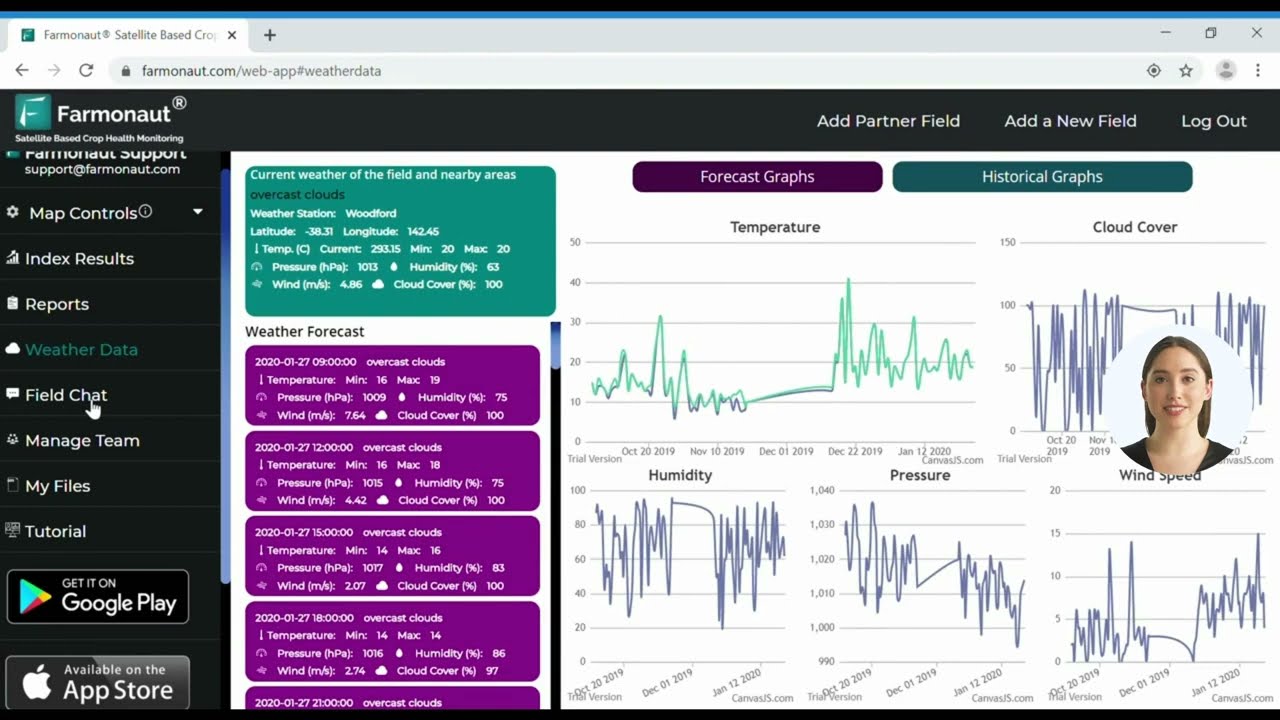
Farmonaut’s Satellite API offers real-time data for mining, agriculture, and water resource monitoring with high accuracy. Through advanced environmental monitoring, stakeholders can track water levels, crop stress, and land-use changes to inform responsible decision-making.
Sustainable Practices, Technological Innovations, and the Road Ahead for 2026
Innovation in Extraction Technologies
- Direct Lithium Extraction (DLE): A game-changing method that extracts lithium with a far lower water footprint and substantially reduced evaporation pond usage.
- Integration of Renewable Energy: Mines are moving toward 100% solar or wind-powered operations, aligning lithium’s supply chain with net-zero carbon goals.
- Smart Water Recycling: Digital flow monitoring, AI-driven demand prediction, and local closed-loop recycling systems can reduce water withdrawals by up to 80%.
Environmental Management & Policy
- Protected Buffer Zones: Setting aside critical wetland, forest, and wildlife corridors within and around lithium concessions.
- Progressive Rehabilitation: Rehabilitating land and reintroducing native vegetation gradually as mining progresses rather than post-closure.
- Transparent Impact Reporting: Utilizing satellite and on-ground data to provide open, tamper-proof records of environmental indicators (see Farmonaut Developer API docs).
Community Engagement and Social Responsibility
- Consultation with Local Stakeholders: Making Indigenous communities and farmers equal partners in deciding extraction volumes and locations.
- Equitable Benefit Sharing: Ensuring mining profits fund water conservation, education, and agricultural support in affected regions.
Farmonaut’s Satellite-Driven Solutions
We at Farmonaut believe combining advanced satellite imaging with AI analytics is essential to quantify and minimize the impact of lithium mining and the environment. Our platform can:
- Monitor hydrological changes: NDWI (Normalized Difference Water Index) and drought monitoring tools for tracking wetland/lake status.
- Assess crop health: NDVI (Normalized Difference Vegetation Index) to detect agriculture stress near mining zones.
- Track ecological restoration: Multispectral mapping shows if reforestation and rehabilitation measures are improving biodiversity and soil conditions.
- Implement blockchain-based traceability: Our traceability tools enable transparent, tamper-proof reporting on ecosystem stewardship for both agriculture and mining sectors (learn more about supply chain traceability here).

Resource management in mining also benefits from our Fleet Management tools—which optimize logistical operations, reduce operational carbon emissions, and improve the safety and efficiency of mining vehicle fleets.
Sustainable Development and the Future
- As we progress into 2026 and beyond, it’s clear that lithium’s essential role in the global energy transition must be matched by unprecedented commitment to sustainable mining and responsible stewardship of water, land, and ecosystems.
- Technology, transparent governance, and strong environmental regulation—empowered by real-time remote sensing—constitute the pillars of a truly sustainable lithium environment.

Begin Your Journey to Sustainable Mining & Agriculture Monitoring
Harness the power of affordable, cutting-edge satellite-driven monitoring for agriculture and mining with Farmonaut’s flexible subscription packages. Track resources, reduce environmental impact, and access regulatory-ready reports from anywhere.
How Satellite Technology & Farmonaut Contribute to Sustainability in Mining and the Environment
Modern environmental stewardship—especially where lithium mining meets delicate environmental and agricultural landscapes—requires robust, scalable, and accessible monitoring tools. Farmonaut’s platform offers high-frequency satellite imagery and analytics, empowering:
- Real-time Monitoring: Track ongoing mining and agricultural activities with precision; identify issues before they become crises.
- Early Warning: Satellite-driven AI can flag abnormal water or vegetation trends, providing the lead time to implement mitigation or remediation.
- Transparent, Shareable Data: Visualize and share verifiable environmental impact data with regulators, supply-chain partners, and the public for strengthened compliance and trust.
For users seeking to integrate satellite insights directly into business or regulatory platforms, Farmonaut’s Satellite API provides comprehensive weather, soil, crop, and mining site monitoring:
Connect with our Satellite API for premium environmental data
API Documentation for seamless developer experience
Satellite-based traceability not only supports environmental protection but also enhances agricultural insurance and credit (learn about satellite-powered loan and insurance verification)—fostering resilience in regions contending with mining-induced change.
Finally, large agribusinesses, mining operators, and governments benefit from Farmonaut’s scalable solutions for large scale farm & land management. Remotely monitor vast regions and multiple sites, ensuring responsible extraction and ecological compliance—crucial for future-proofing lithium production in the face of 2025’s surging demand.
Discover our large-scale farm management platform
FAQ: Lithium Mining and the Environment in 2026
Is lithium mining compatible with sustainable development?
With careful management, advanced innovations, and transparent monitoring, lithium mining can be made more compatible with sustainable development and the clean energy transition. Priority must be given to minimizing water use, rehabilitating land, engaging local communities, protecting habitats, and implementing responsible governance.
Are there new extraction methods with lower environmental impacts?
Yes—Direct Lithium Extraction (DLE) is an emerging technology using chemical adsorption or ion-exchange methods to remove lithium from brine without large-scale water evaporation, significantly reducing environmental footprints. DLE is currently being piloted throughout South America.
How does lithium extraction impact food security in Chile and Argentina?
Intensive brine extraction reduces water available for crop irrigation and livestock, leading to lower agricultural productivity, forcing changes in cropping patterns, and reducing local food security—especially for smallholder farmers.
How can satellite monitoring enhance sustainability in lithium mining?
Satellite monitoring, like that provided by Farmonaut, delivers objective, timely insights into environmental impacts, land use changes, water resource trends, and crop health. This enables early intervention, transparency, better policy enforcement, and improved corporate social responsibility.
What steps can governments and industry take to better balance lithium mining and the environment?
Strong regulatory frameworks, mandatory environmental impact assessments, extensive use of independent monitoring technologies, transparent public reporting, and real partnership with local and Indigenous communities are critical steps.
What role do consumers play in supporting sustainable lithium supply chains?
Consumer demand for responsibly sourced lithium (e.g., “sustainable batteries”), supply-chain traceability, and third-party verified carbon footprint disclosures can drive the market toward better environmental stewardship and corporate accountability.
Conclusion: The Future of Lithium Mining and the Environment
As we move deeper into 2026 and beyond, the relationship between lithium mining and the environment in Chile and Argentina will remain a bellwether for the world’s clean energy ambitions. The demand for lithium is not abating—indeed, with the proliferation of electric vehicles, large-scale battery grids, and decentralized renewable systems, it will only intensify.
But balancing this demand with ecological and social sustainability is both a moral and pragmatic imperative. The lithium environment of South America, with its unique interplay of salt flats, agricultural oases, and biodiverse highland ecosystems, deserves robust stewardship.
Sustainable practices—from direct lithium extraction and water-efficient mining to progressive land rehabilitation and digital traceability—offer a pathway forward.
We at Farmonaut are committed to empowering transparent, responsible, and data-driven decisions for all stakeholders—businesses, governments, and communities—supporting a lithium ecosystem that aligns with the values of environmental protection, productivity, and equitable prosperity.
Explore the future of mining, agriculture, and environment with Farmonaut—trusted, affordable satellite technology for a sustainable world.

 Klusetic Mining Investments
 Mine4Africa
 Lithspo Minerals Limited
 Tintina Mining Group
 Dalgety Minerals Pty Ltd
 Vortex Minerals Pty Ltd
 Faith At Work (Pty) Ltd
 Geotech Mining Solutions plc
 Vulcan International Limited
 Kidepo Associates
 GKY Mining
 Alkimy SARL
 Double A Trading
 GemSprout Metals Limited
 Qader Group
 Ileys General Trading
 SG Gold Mining LLC
 VRV Global Pte Ltd
 Omsri International FZE
 G.I.T.T.
 Jaunita Erss Ltd
 Almosi SARL
 SRK Consulting
 Berks Gold Limited
 Mwerezi Minerals Company Limited
