

Raising Meat Rabbits, Cows, Goats, Sheep, Ducks Guide: Sustainable & Profitable Livestock Farming Practices for 2025 and Beyond
“By 2025, innovative practices may reduce livestock water use by up to 30% compared to traditional methods.”
Introduction: The Evolving Landscape of Sustainable Meat Production in 2025
In today’s rapidly evolving agricultural landscape, raising rabbits for meat, raising cows for meat, raising goats for meat, raising sheep for meat, and raising ducks for meat stands at the heart of food security, rural livelihoods, and economic development. As we look toward 2026 and beyond, increasing global demand for protein puts pressure on farmers to produce quality meat efficiently, sustainably, and with an eye to environmental stewardship.
Each livestock species—rabbits, cows, goats, sheep (including meat sheep breeds), and ducks—presents distinct opportunities and challenges. Embracing sustainable practices, innovative farming systems, and advanced technology is essential for competitive, profitable, and eco-friendly meat production. In this comprehensive guide, we’ll uncover future-ready husbandry, feeding, and management techniques that ensure efficiency, animal welfare, and environmental balance for 2025 and beyond.



Global Outlook & Market Drivers in Meat Livestock Production
The year 2025 promises unprecedented change and transformation in the meat livestock sector. The growing global demand for sustainable, high-quality protein sources underpins efforts to make animal husbandry more efficient and environmentally balanced. Key drivers shaping the market include:
- Rapid urbanization and rising incomes increasing protein demand
- Stringent environmental regulations and pressure to lower greenhouse gas emissions and resource use
- Advancements in genetic selection, automated feeding systems, rotational grazing, and climate-smart technologies
- Consumer preference shifting toward ethical meat production and transparency in animal welfare
- Digitalization and precision farming, satellite-based management, and data-driven decisions

Sustainable Livestock Comparison Table
Choosing the ideal species for raising meat livestock depends on many sustainability and production aspects. The comparison below helps visualize which species align best with your environmental and efficiency goals.
| Livestock Type | Feed Conversion Ratio (FCR) | Water Usage per kg Meat (Liters) | Land Required per Animal (sq. m) | GHG Emissions per kg Meat (kg CO₂e) | Average Meat Yield per Year (kg) | Suitability for Innovative Farming (e.g. Rotational Grazing, Agroforestry) |
|---|---|---|---|---|---|---|
| Rabbits | ~2.5-3.5 | ~3,500 | ~1-2 | ~2-4 | ~50-80 | Excellent for vertical, integrated & small-space systems |
| Cows (Beef Cattle) | ~6-10 | ~15,400 | ~200-400+ | ~25-35 | ~200-300 | Best for rotational grazing, managed intensive pastures |
| Goats | ~4-6 | ~4,800 | ~8-20 | ~8-12 | ~40-70 | Highly suited for integrated, weed-control, hilly areas |
| Sheep | ~4.5-6 | ~6,100 | ~10-25 | ~13-18 | ~50-80 | Thrives in rotational grazing, mixed crop-livestock systems |
| Ducks | ~2.7-3.7 | ~4,000 | ~1-3 | ~7-10 | ~35-55 | Perfect for integrated paddy, fish & crop systems |
*Values are indicative, based on global averages and 2023-2025 data. FCR = Feed required (kg) to produce 1 kg of gain. Lower FCR means higher efficiency.

Raising Rabbits for Meat: Small-Space, Big Yields and Sustainability
Why Rabbits? Efficiency, Fast Growth, and Low Impact
Raising rabbits for meat is gaining traction among farmers worldwide thanks to its remarkable feed conversion ratios, low environmental footprint, and highly efficient protein production. With a compact size, rabbits require minimal space—making them an ideal addition to diversified, peri-urban, or homestead systems in rural and suburban settings.
- Fast Reproduction: Breeding does produce large litters (6–12 kits per cycle), with up to 6–8 cycles a year. This rapid reproduction delivers steady meat supply.
- Efficient Feed Conversion: FCRs typically range from 2.5 to 3.5, outperforming conventional livestock in yield per feed unit.
- Low Emissions: Greenhouse gas emissions per kilogram of rabbit meat are among the world’s lowest.
- Minimal Water and Land Use: Small footprint and low water usage support environmental balance.
Advances for 2025: Genetics, Housing, and Technology
As the 2025 landscape evolves, top rabbit farms focus on:
- Genetic Selection: Choosing breeds with improved disease resistance, fast growth, and superior carcass quality (e.g., New Zealand White, Californian).
- Climate-Controlled Housing: Proper ventilation, automated feeding/watering, and hygienic bedding significantly reduce mortality and enhance productivity.
- Health Monitoring: Real-time monitoring via digital tools ensures rapid response to health concerns, improving welfare.
Integrating satellite or AI-driven systems (like those provided by Farmonaut) can optimize resource management and environmental monitoring, further reducing inputs and boosting profitability.
Feeding & Management Best Practices
- Provide balanced pellets with adequate fiber to support healthy digestion and rapid growth.
- Regularly clean hutches and nest boxes; ensure proper water access and shelter from extreme weather.
- Practice biosecurity and routine health checks to control disease outbreaks.
- Encourage on-farm forage production to reduce purchased feed and promote sustainable farming.
To monitor environmental health and animal productivity, explore Farmonaut’s Carbon Footprinting Solutions. This platform helps track GHG emissions and supports eco-certification for rabbit and other meat production systems.

Raising Cows for Meat: Beefing Up Sustainability and Efficiency
The Cornerstone of Premium Protein & Food Security
Beef cattle remain a global protein staple. However, raising cows for meat faces scrutiny for its environmental footprint, especially due to greenhouse gas emissions, water use, and land requirements. Modern beef production in 2025 and beyond focuses on combining tradition with technology to deliver sustainable, profitable results.
- Rotational Grazing: Dividing pastures controls overgrazing, enhances soil health, and maximizes forage productivity—all while reducing methane per kilogram of meat.
- Precision Livestock Farming: GPS tracking, health sensors, and automated feeding (see Farmonaut’s Large Scale Farm Management) allow for data-driven selection and environmental management of herds.
- Feed Additives: Incorporating compounds like tannins or seaweed can cut enteric methane production dramatically.
- Genetic Selection: Choosing cattle for feed efficiency, disease resistance, and fast growth enhances overall output and sustainability.
Meeting Global Demand: Quality, Welfare, and Traceability
- Consistency in meat quality requires monitoring animal health, avoiding disease, and maintaining well-balanced diets.
- Consumers increasingly demand traceable, ethically raised beef—Farmonaut’s Traceability Platform can document the entire journey from field to fork, building consumer trust.
- Integrated environmental impact and animal health monitoring is vital for meeting international standards and maintaining market competitiveness.
Raising Goats for Meat: Meeting Protein Demand on Marginal Lands
Adaptable and Efficient: Goats in 2025
Raising goats for meat is rapidly expanding among both smallholders and commercial operators, especially in rural and semi-arid regions. Goats are known for their ability to thrive on hilly, rocky, or marginal terrain where cattle and sheep often can’t. Their resource efficiency, adaptability, and fast reproductive cycles make them ideal for sustainable protein production.
- Minimal Input Requirement: Goats utilize shrubs, weeds, and crop residues, lowering feed costs and reducing pressure on prime agricultural land.
- Health & Disease Resistance: Modern breeding emphasizes kid survival, disease resistance, and carcass quality.
- Integrated Grazing: Goats in mixed systems help control weeds and can lower parasite loads for all co-grazed species.
- Faster Growth Rates: Many meat breeds can reach market weight in 6–8 months, supporting cash flow for farmers.
Best Practices for Goat Meat Production
- Combine rotational grazing and rest periods to optimize pasture and reduce parasite spread.
- Use digital disease and health monitoring tools to detect problems early and maximize herd welfare.
- Supplement diets with minerals and protein to support fertility and lactation.
- Incorporate Farmonaut’s environmental and livestock growth tracking to visualize improvements and manage resource use efficiently.
Raising Sheep for Meat and Meat Sheep Breeds: Grazing Into the Future
Efficiency and Flexibility in Changing Climates
Raising sheep for meat, especially meat sheep breeds, continues as a vital choice for many farming systems. Sheep are prized for their flexibility—grazing diverse pastures, thriving in cold or dry climates, and offering both wool and meat.
- Meat Sheep Genetics: Breeds selected for rapid weight gain, top carcass traits, and disease resilience (e.g., Dorper, Suffolk, Texel) are increasingly popular in 2026 and beyond.
- Rotational Grazing and Mixed Systems: Sheep thrive in pasture-based, rotational systems with cattle or goats, maximizing land output and environmental stewardship.
- Precision Monitoring: Using sensors and platforms (like those enabled by Farmonaut’s Large Scale Monitoring) supports disease control and optimizes growth.
- Balanced Supplementation: Mineral licks and nutritional balancing reduce metabolic disorders, improve lambing rates, and ensure consistent meat quality.
Sustainable Innovations for 2025
- Remote sensing monitoring enables rapid detection of overgrazing, poor forage, or health issues.
- Data-driven selection for parasite resistance boosts herd health without relying on chemical dewormers.
- Market traceability tools and digital farm management platforms enhance regulatory compliance and consumer trust.
Raising Ducks for Meat: Niche Markets & Ecosystem Services
Meat Ducks: Integrated and Resource-Smart Production
Raising ducks for meat appeals to producers wanting to tap into specialty meat markets and enhance farm agroecology. Ducks are especially special in integrated farming systems—they control pests in rice and vegetable paddies and contribute to nutrient cycling.
- Breed Selection: Choose fast-growing, high meat yield types such as Pekin or Muscovy for efficient production.
- Efficient Conversion: FCR and water usage are comparable to rabbits; ducks thrive on aquatic weeds, insects, and supplemented grains.
- Water Management: Automated water systems and well-planned shelter enhance welfare, minimize disease, and support rapid growth.
- Integrated Rice-Duck Systems: Ducks grazing in paddy fields manage pests organically, reduce fertilizer dependence, and naturally fertilize crops.
Duck Management Tips for 2025:
- Offer shallow water access without allowing paddocks to become unsanitary.
- Rotate pastures or paddies to prevent disease buildup and control parasites.
- Monitor flock health with automated systems—satellite or app-based—for disease and growth tracking.
- Explore specialty value chains and traceability to access premium meat markets.
Want to ensure your ducks (or other livestock) deliver premium products to discerning customers? Our traceability solutions can document sustainability from field to fork.
“Efficient animal rotation systems can cut pasture land demand for goats and sheep by nearly 40%.”
Innovative Practices and Technology Adoption for Sustainable Meat Production in 2025
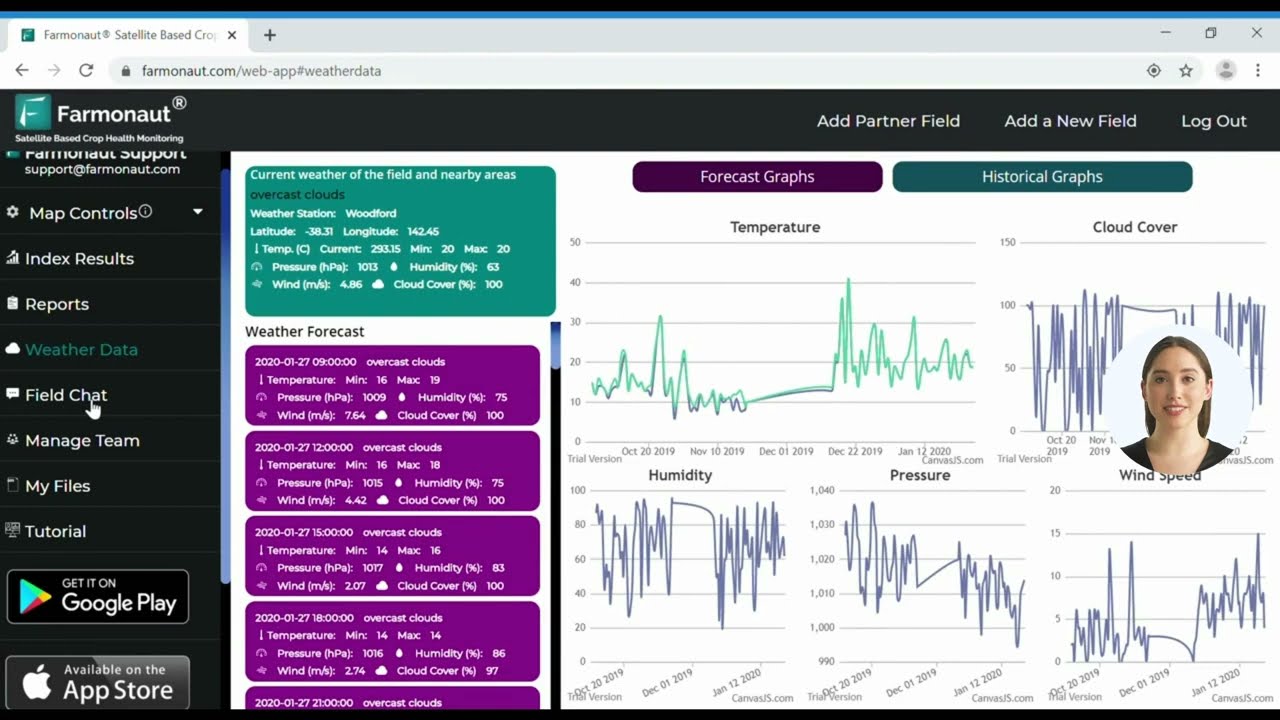
The future of efficient and sustainable meat production rests on technology integration and smart management systems. The adoption of satellite-based monitoring, AI-driven advisory, and blockchain traceability empowers farmers to optimize yields, control resource use, and meet evolving global market demands.
- Satellite & AI Monitoring: Get real-time updates on animal health, pasture growth, and environmental risks via platforms like Farmonaut’s Large Scale Management.
- Automated Feeding & Watering: Cuts labor, ensures consistent nutrition, and enables data-driven feed adjustments for better conversion.
- Rotational & Integrated Grazing Systems: Conserve land, reduce runoff, foster biodiversity, and improve soil health.
- Blockchain Traceability: Assures buyers of provenance, animal welfare, and low-carbon farming (see traceability tools).
- Environmental Footprint Analysis: Calculate your carbon savings with carbon-footprinting modules; stay ahead of regulation and attract eco-conscious consumers.
- Crop-Integrated Systems (Agroforestry, Silvopasture): Combine livestock with trees or crops, increasing yield per acre and providing weather resilience.
Challenges and Opportunities for Raising Meat Livestock in 2025 and Beyond
Meeting Protein Demand While Protecting the Environment
While the meat sector remains vital to global food security and economic development, new challenges emerge:
- Climate Change: Severe weather, drought, and resource competition test traditional farming models.
- Disease Outbreaks: Prevention via monitoring and rapid response is critical as animal density rises.
- Regulatory Compliance: Stricter rules on emissions, traceability, and animal welfare require robust monitoring and record-keeping systems.
- Consumer Demand: Buyers seek ethically raised, sustainable meat and transparent supply chains.
- Technological Access: Unequal access to new systems may leave some regions behind.
Opportunities:
- Technology Adoption: Affordable tools now allow even smallholder farmers to leverage data (from satellite to AI) for better performance.
- Efficiency Gains: Automated feeding, rotational grazing, and superior genetics multiply output per resource unit.
- Integrated Farming: Combining animal and crop systems boosts resilience, improves biomass, and opens premium markets (carbon-neutral meat).
- Blockchain Solutions: Full traceability unlocks value in export markets and builds local trust.
- Resilience Building: Risk assessment and adaptation tools (see Farmonaut’s Carbon Footprinting) enable proactive risk mitigation.

Empowering Sustainable Livestock Production with Farmonaut Technology
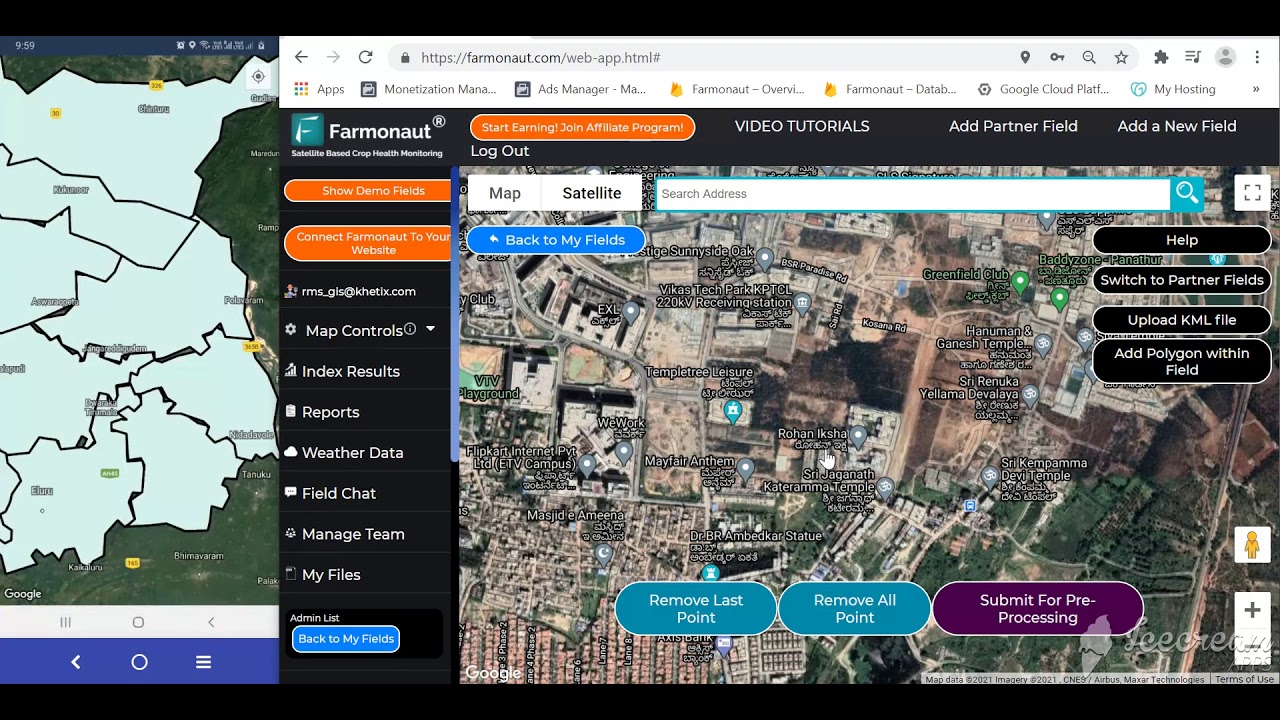
In 2025 and beyond, the fusion of smart technology and meat livestock management will define successful, resilient, and sustainable producers. We at Farmonaut are committed to making advanced satellite monitoring, AI-powered advisory, and blockchain traceability affordable, scalable, and accessible for all types of farms.
- Satellite-Based Monitoring: We empower farmers with insights into grazing quality, pasture rotation, and animal health—enabling optimized planning and minimized environmental impact.
- Jeevn AI Advisory System: We provide real-time advice on weather, feed, and herd management tailored to current satellite and ground data, promoting rapid decision-making.
- Blockchain Traceability: We offer solutions to document every stage of meat production, enabling trust, compliance, and better market access.
- Carbon Footprint Tracking: Our carbon footprint measurements can benchmark your sustainability efforts, helping you benefit from eco-certification while protecting the planet.
- API Access: For developers or business owners, our API (Farmonaut API | API Docs) delivers livestock, crop, and weather data integration into any operating system.
Satellite-based verification for loans & insurance streamlines access to finance for livestock enterprises, reduces fraud, and improves rural livelihoods.
Frequently Asked Questions (FAQ)
What is the most sustainable meat livestock to raise in 2025?
Rabbits and ducks consistently deliver the best feed conversion ratios and lowest emissions per kg of meat. However, goats and sheep excel on marginal lands, while cattle remain efficient on high-quality, managed pastures with rotational grazing.
How do I reduce environmental impact when raising cows for meat?
Adopt rotational grazing, supplement feed with methane-reducing additives, and use precision monitoring for herd health and pasture condition. Platforms like Farmonaut help monitor pasture use and environmental metrics remotely.
What new technology trends can help my farm stay competitive?
Embrace automated feeding systems, AI-based animal health monitoring, and blockchain for meat traceability. Satellite imagery and predictive weather tools are crucial for risk mitigation and yield optimization—Farmonaut specializes in these systems.
Are integrated systems with livestock and crops better for sustainability?
Yes, integrating animals (like ducks in rice paddies or goats in agroforestry) improves nutrient cycling, pest control, and land use efficiency—making such systems highly sustainable for 2025 and beyond.
Can smallholders access advanced livestock management technology?
Absolutely. Tools like Farmonaut’s web, Android, and iOS apps democratize data access, support decision-making, and boost environmental stewardship for farms of all sizes.
Conclusion: Charting a Profitable & Responsible Path in Meat Production
Raising rabbits for meat, raising cows for meat, raising goats for meat, raising sheep for meat, and raising ducks for meat will remain central to feeding the world in 2026 and beyond. To ensure sustainability, profitability, and resilience, farms must adopt climate-smart practices, use precision technology, and focus on environmental stewardship.
With the right mix of innovative solutions, advanced genetics, automated feeding, traceability, and satellite-based management, livestock producers can not only meet the evolving protein needs of our growing planet—they can play a critical role in conserving resources, enhancing soil and water quality, and securing a healthy, prosperous future for rural and urban communities alike.

 Godrej Agrovet
 Hayleys Agriculture
 Linx Agritech
 Adinet
 Save Your Soils
 GalaxEye Space
 Grandstream Algérie
 XOS Realty
 Geospatial Lab Africa
 Agro La Gándara
 HIPSAC
 ZOL Zimbabwe
 Juligerm
 AdBio
AdBio MISE Maroc
 NWNS
NWNS Red August Group
 Farm Inc
 WeMe Global
 Agrotoken
 Blue BearX
 Insignito
 DnCubed
 Indosistim Teknologi
 Liquify Digital
 CU Foods
 BeyondTech Global
 Rouge VC
 AgroRisk
 Oath Inc
 Esri North East Africa
 MDCV UK
 Etech Consulting Madagascar
 Vestlandsforsking
 WB Dev
 Sama Premium
 Tres Valles
 Blickwinkel
 Agricultural Credit Policy Council
 eKGIS
eKGIS Mostas Tech
 Andex
Andex Deluxe Conseil
 WICO
WICO Chimera Innovation
 SkyHarvest
 Teledarbas
 Exurbia Geospatial
 FieldZero
