

“Over 70% of farmland transfers in the U.S. involve family members, strengthening rural stewardship and community resilience.”
“Family-owned farms manage nearly 90% of U.S. agricultural land, supporting sustainable practices and soil health.”
Selling Farmland to Family: Save Family Farmers Market
Table of Contents
- Introduction: The Value of Selling Farmland to Family
- Continuity, Stewardship, and the Broader Rural Economy
- The Role of FAO Family Farming & Community Strength
- Succession Planning: Sustainable Approaches for Family Transfers
- Soil Health, Conservation, and Sustainable Land Management
- The Power of Family Farmers Market and Local Economies
- Financial Tools, Insurance, and Smart Succession Strategies
- Forestry, Mineral Rights, and Integrated Resource Planning
- Adapting Technology for Sustainable Family Farming
- Comparative Table: Selling Farmland to Family vs. External Buyers
- Policy, Community Support, and Success Pathways
- Callout Highlights and Pro Tips
- Key Bullet Points and Visual Lists
- Frequently Asked Questions
- Conclusion: Nurturing the Roots of Family Farming
Introduction: The Value of Selling Farmland to Family
The selling farmland to family process is more than a transaction—it’s a conscious act of nurturing continuity. When family ownership is maintained, farmland transitions become pivotal moments, shaping the identity, stewardship, and resilience of both the land and the community. This cornerstone of rural stability not only preserves livelihoods but also sustains cultural knowledge, soil health, and local food security for generations.
Modern agricultural landscapes, brimming with diverse crop systems, forestry resources, and mineral riches, rely on strategic succession planning. Family-driven transfers offer a gradual, values-focused vision for land use, conservation, and succession—the hallmarks of sustainable rural economy development. It’s within this context that the broader theme of “Save Family Farmers Market” gains enduring relevance.
By exploring the governance structures, stewardship practices, clear timelines, and mentorship pathways essential to successful transitions, we build a case for why selling farmland to family helps communities thrive—enabling economies as resilient and nurturing as the soil under our feet.

Continuity, Stewardship, and the Broader Rural Economy
Selling farmland to family ensures continuity in agricultural practices and rural stewardship. This succession approach allows a farm, as an operation, to retain its identity while reducing the disruptions often associated with external ownership or “quick changes” in management. When farmland passes within families:
- ✔ Preserves multi-generational farming skills and cultural knowledge
- ✔ Reduces operational risk linked to unfamiliar owners or abrupt market-driven shifts
- ✔ Protects the social fabric, with continuity fostering trusted relationships among local stakeholders
- ✔ Supports the sustainable vision and gradual development of family land holdings
- ✔ Strengthens the value-driven ethos that underpins healthy rural economies
The connection between succession planning and sustainable agriculture is so influential that agencies worldwide—including the FAO family farming initiative—underscore its importance. The ripple effect: market access, community stability, reduced transportation costs, and bolstered food security.

The Role of FAO Family Farming & Community Strength
FAO family farming initiatives reveal that family-owned farms are the world’s most effective stewards of soil health, biodiversity, and resilience. Globally, these family farmers manage over 75% of all agricultural holdings, including small- and medium-scale farms. They balance food production with conservation, stewardship, and sustainable practices needed by contemporary markets.
Family stewardship underscores that the farm is more than a business—it’s a living institution. As family members inherit knowledge, techniques, and a sense of responsibility, farms within families demonstrate:
- ✔ Consistent adoption of sustainable crop rotations and cover crops
- ✔ Reduced reliance on exploitative practices
- ✔ Greater willingness to invest in agroforestry and technological upgrades
- ✔ Stronger engagement with community services and local markets
- ✔ Alignment with rural economic realities—including volatile prices and unpredictable climate challenges
Whether in modern-day America, community-oriented European systems, or the innovative “family island farming game” models that gamify resilience strategies, keeping land within families emerges as the clear winner for long-term viability.
Key Insight: Family-to-family land transfers are the ultimate anchor of rural resilience, agricultural innovation, and multi-generational stewardship.

Succession Planning: Sustainable Approaches for Family Transfers
Sustainable succession planning is the bedrock of effective selling farmland to family. A sound plan protects the farm’s long-term interests, aligns with the next generation’s goals, and sits at the heart of preserving family identity. The right approach includes these key elements:
- Clear Governance Structures: Lays out authority, management tiers, and family roles—reducing conflicts and ensuring consistency.
- Ownership Timelines and Formal Agreements: Detail who will own land and assets, and under what conditions (including buyout clauses, share allocation, and contingencies for unforeseen events).
- Mentorship Pathways: Senior family farmers provide guidance and training to next-generation members, fostering gradual transfer of knowledge and skills.
- Roles & Responsibility Formalization: Assigns accountability, so every family member has clarity on their function—whether it’s crop management, finances, or external services.
- Access to Credit & Insurance Programs: Financial stability arises when lenders and insurers trust in consistent management rather than quick or disruptive changes.
Through strong planning, families can optimize for:
- ✔ Succession longevity and reduced legal disputes
- ✔ Trusted relationships with banks and government programs
- ✔ Proactive reactions to forestry, mineral, or water resource opportunities
- ✔ Transparent and gradual transitions, lessening emotional or operational stress

Soil Health, Conservation, and Sustainable Land Management
At the very core of sustainable agriculture is soil health. When farmland remains in family hands, stewardship typically means:
- ✔ Consistent soil testing and data-driven management
- ✔ Nutrient management using historic farm knowledge and modern agronomy
- ✔ Cover cropping, agroforestry adoption, and buffer strips to boost yields and ecosystem services
- ✔ Systematic record-keeping across generations
- ✔ Preservation of biodiversity—essential for pollinators, wildlife corridors, and disease resistance
A family farmers market thrives when it can guarantee sustainably grown products, traceable to healthy, well-maintained local soils. In contrast, farms sold to non-family buyers sometimes suffer from short-term extraction that puts long-term soil productivity at risk.

Explore Farmonaut’s carbon foot-printing service for detailed soil and sustainability insights powered by satellite!
The Power of Family Farmers Market and Local Economies
Market access is a central concern for family-owned farms. Through unity and shared responsibilities, a cohesive family unit can:
- ✔ Negotiate better terms with buyers by leveraging collective input volumes and stable quality
- ✔ Participate in family farmers markets, expanding direct-to-consumer sales for higher profit margins and transparent pricing
- ✔ Plan for crop diversification, off-season activities, and value-added production such as cheese, preserves, and agrotourism
- ✔ Reduce transportation costs by strengthening local supply chains and food systems
- ✔ Foster resilient year-round incomes for all family members
The family farmers market concept emphasizes the advantages of the direct market model, which not only improves profit margins but also builds consumer trust and transparency—not easily replicated by larger, more detached operators.


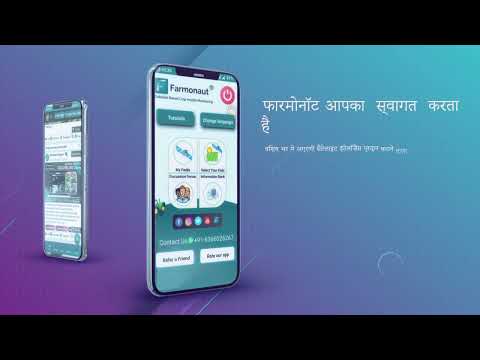
Download the Farmonaut app for real-time crop monitoring, market analysis, and access to crop insurance solutions.
Financial Tools, Insurance, and Smart Succession Strategies
Intergenerational transfer of farmland calls for tailored financial strategies. Estate planning, conservation easements, and retirement transition programs help uphold long-term stewardship while addressing tax and debt implications. The family approach to farm succession is enriched through:
- Insurance programs—reducing risk and bolstering trust among lenders
- Succession loans and lease-to-own arrangements—ensuring the farm isn’t forced into quick sales or liquidation
- Guided debt management and inheritance tax planning, ideally underpinned by transparent family governance structures
- Resource management tools to help families optimize crop, water, and energy inputs, ensuring each generation benefits from the previous one’s investments
- Blockchain-based traceability to demonstrate sustainable, family-based sourcing—a growing requirement for responsible food buyers and funders
Modern tools can make a substantial difference here. For example, our product traceability platform (Farmonaut Traceability) empowers farm families to showcase their stewardship records across generations—helping both with marketing and regulatory compliance.
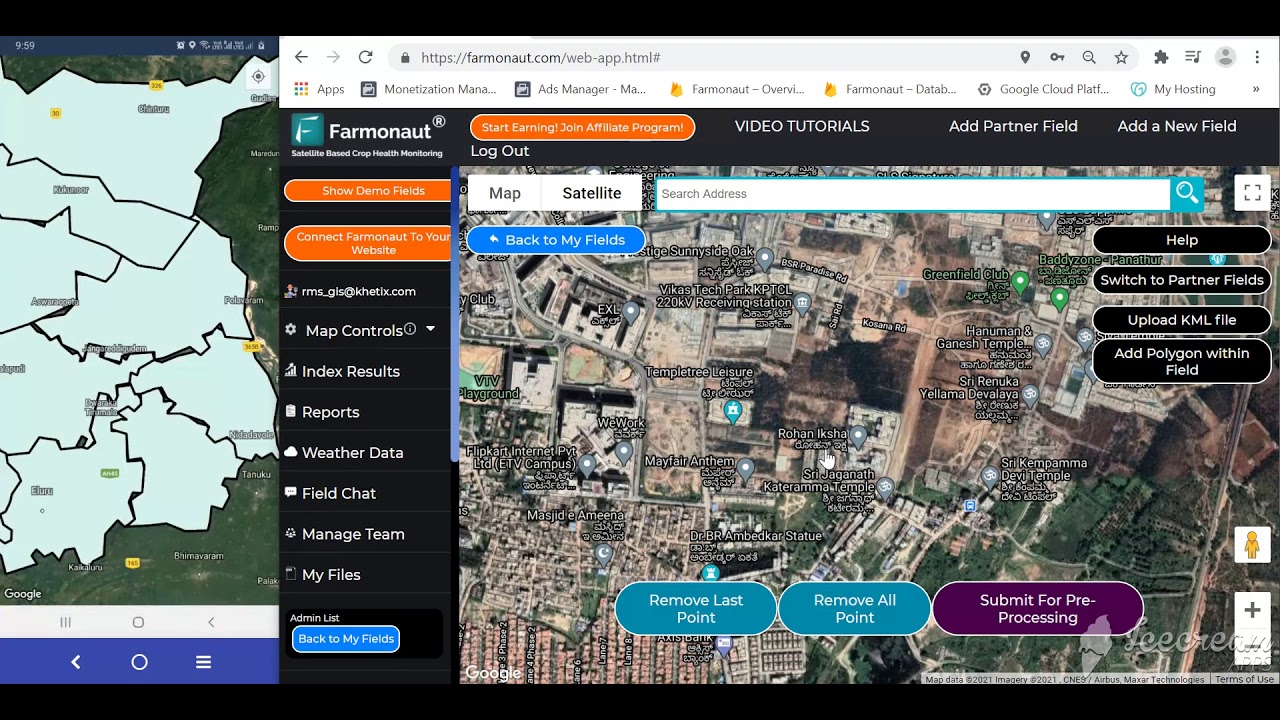
Many financial institutions today use satellite-based verification—like those provided through the Farmonaut Crop Loan and Insurance system—to reduce risk and open up affordable credit and insurance options to family farm units across the world.
Forestry, Mineral Rights, and Integrated Resource Planning
In many regions, farmland is adjacent to valuable forestry resources, water rights, or mineral deposits. Family ownership makes it far easier to create integrated, sustainable plans that balance:
- ✔ Timber or non-timber forest product harvesting with soil, watershed, and biodiversity protection
- ✔ Responsible mineral extraction—controlling for erosion, run-off, and crop impacts
- ✔ Shared use agreements that benefit all family members rather than just external investors
- ✔ Long-term vision that weighs short-term extraction profits against the century-scale value of resilient farmland
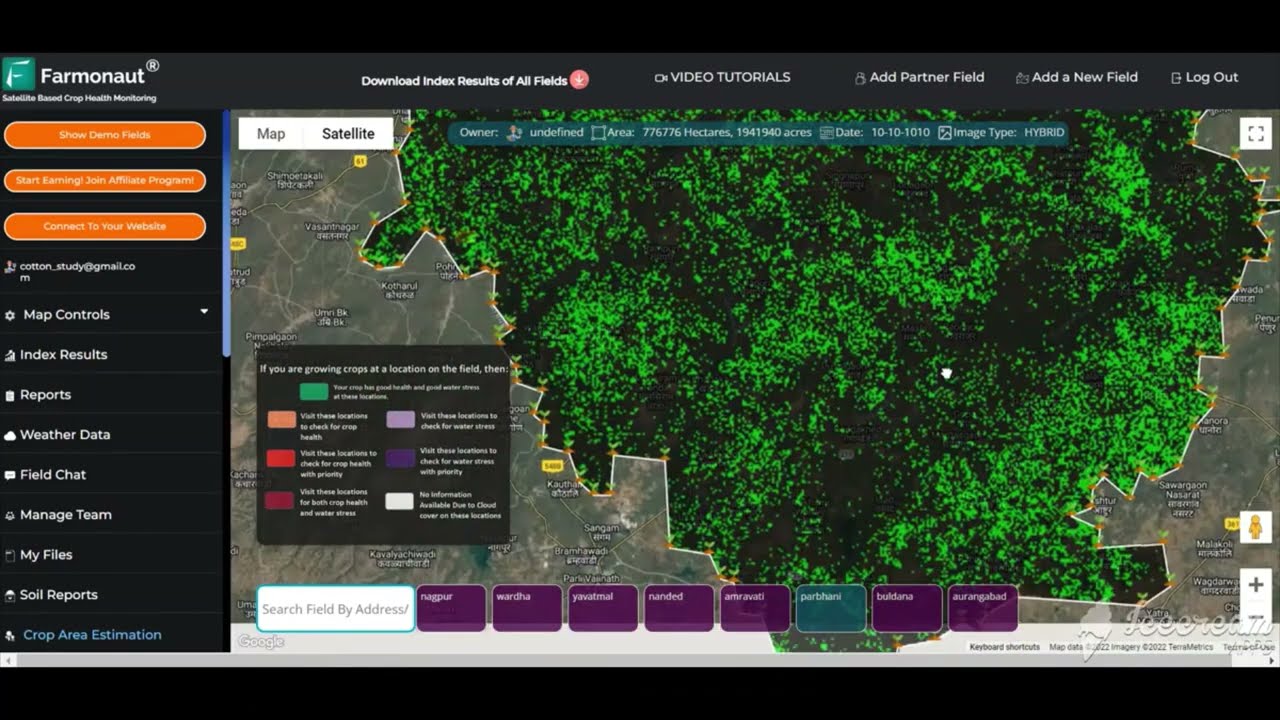
Families with both farm and forestry holdings can leverage Farmonaut’s Large Scale Farm Management Tools for integrated resource tracking, planning, and impact monitoring—enabling smarter, more balanced stewardship.
Combining land uses (farms, forest, mineral rights) into a single, family-led succession plan amplifies both profitability and environmental viability.

Adapting Technology for Sustainable Family Farming
Modern family farming benefits immensely from advanced data and technology. Smart agriculture platforms—such as the Farmonaut system—offer real-time monitoring, AI-based advisories, traceability, resource management, and carbon footprinting. These enable:
- ✔ Informed decision making, reducing crop losses and boosting yields
- ✔ Proactive risk management (weather, pest, and disease)
- ✔ Sustainable input usage for both crops and forestry management
- ✔ Transparent proof for buyers and insurers of responsible stewardship
- ✔ Integration of tradition with scientific best practices, ensuring the family farm’s resilience in the 21st century
For developers and agri-tech providers, we offer API integrations for weather, soil mapping, and more (Farmonaut API | API Developer Docs).
Comparative Table: Selling Farmland to Family vs. External Buyers
Policy, Community Support, and Success Pathways
Regional and national agencies increasingly recognize the necessity of support systems to maintain family-based farm ownership. Essential services and programs include:
- ✔ Extension services & training programs: Practical cropping, soil health, and estate management education for next-generation farmers
- ✔ Affordable land leasing options: So aspiring family farmers can build experience before complete ownership transfer
- ✔ Incentives for conservation and land restoration: Funding or tax credits for sustainable management commitments
- ✔ Community-led initiatives: Co-operative markets, insurance co-ops, and group purchasing of equipment and inputs
- ✔ Legal & mediation services: Dispute resolution and formalization of agreements for shared ownership
These efforts sustain the core ethos of the family farm, boosting rural stewardship, succession planning, and the ongoing health of the family farmers market.
Optimize all family farm logistics and machinery use via Farmonaut’s fleet management solution.
“Over 70% of farmland transfers in the U.S. involve family members, strengthening rural stewardship and community resilience.”
“Family-owned farms manage nearly 90% of U.S. agricultural land, supporting sustainable practices and soil health.”
Callout Highlights and Pro Tips
Key Bullet Points and Visual Lists
- ✔ Family stewardship offers decades-long continuity, preserving cultural practices and knowledge
- 📊 Soil health and conservation improve with multi-generation planning and sustainable methods
- ⚠ Risk: External buyers may prioritize profit over legacy, leading to unsustainable practices
- 💡 Investor Advantage: Banks and insurers view family farms as low-risk and future-ready assets
- 🌱 Community resilience is deeply tied to local ownership and the participation of family units in farmer markets
- ✔ Agroforestry, cover crops
- ✔ Soil nutrient monitoring
- ✔ Integrated pest control
- ✔ Carbon footprinting (See how)
- ✔ Satellite crop monitoring (Large Scale Farm Management)
- ✔ Resource management
- ✔ Blockchain-based traceability
- ✔ Weather and yield prediction tools
- Start Early: Discuss goals and vision openly among all family members
- Document Governance: Formalize roles, responsibilities, and ownership timelines
- Develop Mentorships: Pair young family members with seasoned elders for hands-on learning
- Plan Financially: Engage legal, tax, and insurance experts for transition strategy
- Use Technology: Incorporate digital resource management and monitoring tools (Get started)
Frequently Asked Questions
What is the primary benefit of selling farmland to family?
Selling farmland within the family preserves operational continuity, safeguards soil health, maintains traditional stewardship practices, and offers the next generation a solid foundation for sustainable farming.
How does family succession planning reduce operational risk?
Succession planning clarifies roles, governance, and timelines, ensuring a smooth transition of management knowledge and reducing disruptions that external sales often introduce.
What policies support family farm continuity?
Policies include training programs, incentives for conservation, legal mediation, favorable insurance and loan terms, and government recognition of the value of family-based farm succession.
How does technology support family farmers?
Advanced technologies, such as Farmonaut’s satellite monitoring, AI-based advisories, blockchain traceability, and resource management, empower family operators to optimize decision-making, ensure transparency, and practice sustainable management.
What is the role of family farmers market in supporting local economies?
Family farmers markets allow direct sales from producers to consumers, improving profit margins, strengthening trust, fostering community resilience, and supporting sustainable local food systems.
Conclusion: Nurturing the Roots of Family Farming
Selling farmland to family is not just an act of asset transfer but a declaration of resilience, values, and trust in the future. Family farmers are the persistent cultivators of soil, culture, and economy—embodying stewardship, innovation, and rural stability across landscapes, markets, and generations.
Each successful transfer ensures that experience and wisdom pass down, sustainable practices are preserved, and community cohesion is maintained. In supporting family ownership, we strengthen food systems, encourage innovation, conserve natural resources, and foster the resilient fabric of rural life. This is the way to save family farming—for our generation and the next.
Get started with Farmonaut’s suite of satellite-powered apps and resource management.
We, at Farmonaut, are committed to making advanced, affordable satellite and AI-enabled solutions accessible for every scale of farmer—empowering families to steward their land, manage transitions, and sustain both the environment and their local economies.
For developers and technologists, our APIs (API Access | Docs) offer seamless integration of geospatial intelligence into new and existing agri-business platforms.
Selling farmland to family: nurturing continuity in agriculture and the broader rural economy—an enduring legacy for people, soil, and planet.

 Coromandel International
 Hayleys Agriculture
 Linx Agritech
 Adinet
 Save Your Soils
 GalaxEye Space
 Grandstream Algérie
 XOS Realty
 Geospatial Lab Africa
 Agro La Gándara
 HIPSAC
 ZOL Zimbabwe
 Juligerm
 AdBio
AdBio MISE Maroc
 NWNS
NWNS Red August Group
 Farm Inc
 WeMe Global
