

Shrimp Farming Environmental Impacts & Sustainable Solutions—A Comprehensive Guide
“Shrimp farming contributes to 38% of global mangrove loss, threatening vital coastal ecosystems and biodiversity.”
Table of Contents
- Introduction: Understanding Shrimp Farming Impacts
- Key Environmental Concerns in Shrimp Farming
- Water Pollution & Eutrophication Challenges
- Habitat Conversion & Biodiversity Loss
- Resource Use & Production Efficiency
- Chemical Use & Disease Management
- Organic Vs Conventional Farming: Environmental Impact
- Sustainable Shrimp Farming—Best Practices & Innovations
- Technological Solutions for Monitoring & Management
- Economic & Social Dimensions of Shrimp Farming
- Frequently Asked Questions (FAQ)
- Conclusion
Introduction: Understanding Shrimp Farming Environmental Impacts
Shrimp farming, a specific form of aquaculture, is now a cornerstone of the global seafood industry. As demand for shrimp rises, so does the intensity and scale of farming operations, especially in tropical coastal regions. This expansion brings significant economic benefits to coastal communities; however, it also carries a complex set of environmental impacts that intersect with broader agriculture ecosystems & environment impact factors seen worldwide.
When we ask, is shrimp farming bad for the environment, the answer is not straightforward. Instead, we’re faced with a nuanced picture defined by our management choices, production systems (organic vs. conventional), and commitment to sustainability. Examining the impacts of farming on pollution, habitat alteration, biodiversity, and resource use reveals challenges and promising solutions for the future of sustainable shrimp production.
Key Environmental Concerns:
- Water pollution, nutrient loading, and eutrophication
- Habitat conversion, especially mangrove and wetlands loss
- Reliance on chemicals, antibiotics, and synthetic inputs
- Resource use inefficiency: freshwater, feed, and energy
- Disease risks, antimicrobial resistance, and food safety issues
- Socio-economic and community resilience trade-offs

Key Environmental Concerns in Shrimp Farming Environmental Impacts
The primary environmental impacts of shrimp farming fall into several interlinked categories, which we’ll explore in detail throughout this guide:
- Pollution (Water Pollution & Eutrophication): Intensive farming generates nutrient-rich effluent causing algal blooms and oxygen depletion.
- Habitat Conversion: Especially the clearing of mangroves and wetlands for new ponds, resulting in biodiversity loss and reduced coastal resilience.
- Feed Inputs & Resource Use: High input requirements increase carbon and ecological footprints.
- Chemical Inputs: Use of antibiotics and pesticides can lead to resistance and contamination.
- Socio-Economic Factors: Trade-offs between short-term economic gain and long-term environmental health.
Water Pollution & Eutrophication: Central Shrimp Farming Environmental Impacts
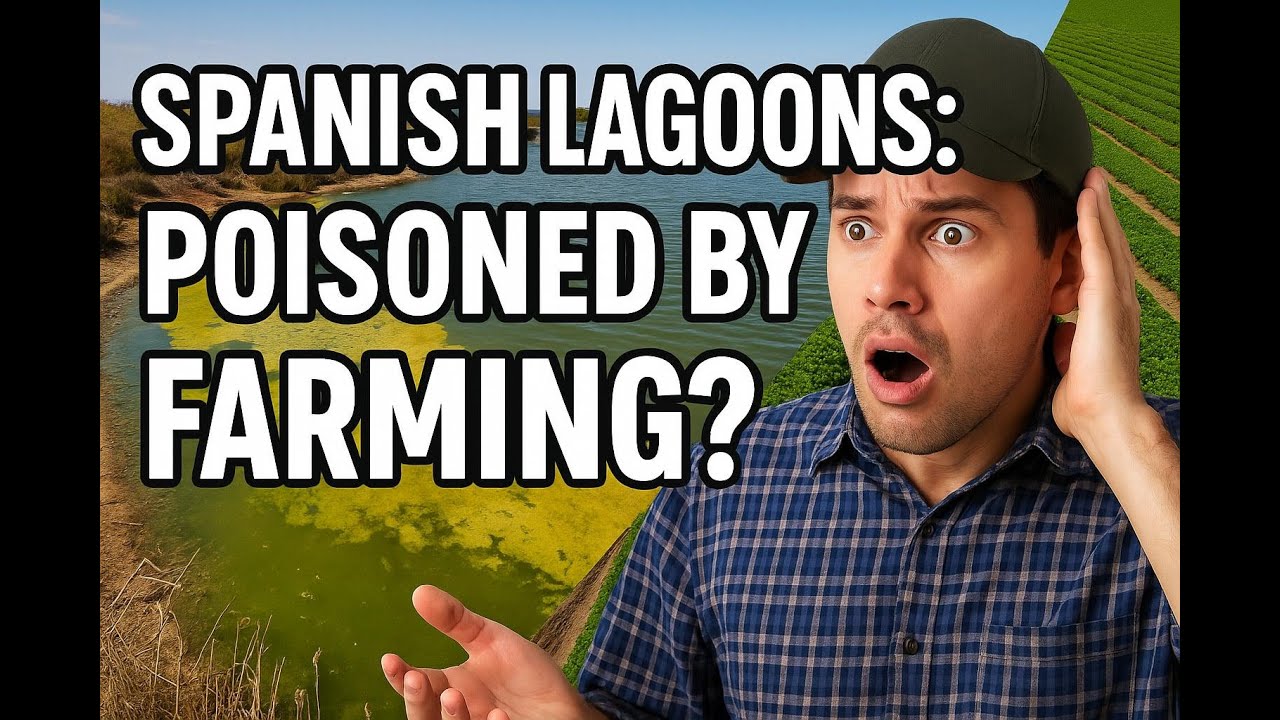
Perhaps the central concern regarding the shrimp farming environmental impacts is the way intensive, high-density operations generate water pollution. Shrimp ponds often discharge effluents rich in nutrients, organic matter, antibiotics, and pesticides directly into adjacent lagoons, estuaries, and open coastal waterways.
When discharged, these pollutants fuel algal blooms, deplete dissolved oxygen levels, and promote eutrophication—harming coral reefs, seagrass beds, and supporting fisheries that are essential to biodiversity. This mirrors challenges seen in terrestrial agriculture, where crop and livestock runoff also accelerates sedimentation and nutrient loading in rivers and lakes.
Effective practices such as constructed wetlands, effluent treatment ponds, and closed recirculating farm systems can significantly reduce pollutant loads, align shrimp farming with improved water quality management, and ensure better downstream outcomes.

-
🌊
Algal Blooms: Rapid nutrient input drives harmful algae growth, disrupting aquatic life. -
🦐
Oxygen Depletion: Increased decomposition uses up dissolved oxygen, leading to dead zones and fish kills. -
💧
Contaminant Spread: Antibiotics and pesticides can enter natural waterways, affecting non-target species and food safety.
Habitat Conversion, Mangrove Loss & Biodiversity Under Threat
Many shrimp farms are constructed by clearing mangrove forests—one of the most ecologically valuable and threatened coastal habitats on Earth.
- Mangroves buffer against storms and flooding, support fish populations as nurseries, and store vast amounts of carbon.
- When cleared, mangroves lose their filtration capacity, increasing coastal vulnerability and undermining local ecosystem resilience.
- This type of habitat alteration is similar to clearing forests, hedgerows, or wetlands for cropland, pasture, or other agricultural expansion.
- Coastal biodiversity, including birds, shellfish, and marine mammals, rapidly declines without the protective cover of mangroves.
Mangrove restoration and integrated coastal zone management (ICZM) are crucial to restore lost ecological services while still supporting sustainable shrimp production.
“Organic shrimp farms use up to 50% less chemical inputs compared to conventional methods, reducing environmental contamination.”
Resource Use & Efficiency: Comparing Organic vs Conventional Shrimp Farming Environmental Impact
Shrimp farming, especially under conventional, intensive models, uses considerable resources—freshwater, feed, and energy. These key resource flows are at the heart of debates around efficiency, ecological footprints, and sustainability:
- Conventional systems heavily rely on feed inputs (often containing fishmeal made from wild-caught fish), freshwater for pond maintenance, and chemical fertilizers or pesticides
- Organic or ecologically managed systems promote efficiency through closed-loop water recirculation, better feed choices, and reduced reliance on synthetic chemicals
- This mirrors ongoing debates in broader agriculture: organic vs conventional farming environmental impact and the challenge of maximizing yield without degrading soil and ecosystem health
- Resource use efficiency is essential for lowering the overall environmental impacts of farming—including carbon emissions, habitat loss, and biodiversity decline
- ♻️ Water Recirculation: Reduces pollution risk and conserves vital freshwater resources.
- 🌱 Feed Choice Optimization: Lower reliance on wild-caught fishmeal protects ocean fisheries and improves shrimp diet sustainability.
- ⚡ Energy Efficiency: Efficient system design (e.g., solar-powered aeration) lowers greenhouse gas emissions.
- 🦠 Waste Management: Composted waste or treatment ponds cut nutrient runoff and can enrich soil elsewhere.
Chemical Inputs, Antibiotics & Disease Resistance: Managing Shrimp Farming Environmental Risks
One of the notable concerns in shrimp farming is heavy reliance on antibiotics, chemical pesticides, and synthetic inputs to control disease outbreaks—especially in high-density systems. Risks include:
- Development of antimicrobial resistance in both farmed shrimp and environmental bacteria—posing a global health threat
- Contamination of natural habitats and seafood supply chains with chemical residues
- Pressure on local communities reliant on clean water for drinking, recreation, or fishing
Responsible stewardship means reducing inputs wherever possible—using improved biosecurity protocols, vaccination, and robust stock management instead of prophylactic antibiotics. Third-party certifications help ensure these practices are met.
Comparative Table: Organic vs Conventional Shrimp Farming Environmental Impact Overview
| Farming Method | Estimated Water Use (liters/kg shrimp) |
Chemical/Pesticide Use | Estimated Greenhouse Gas Emissions (kg CO₂e/kg shrimp) |
Impact on Biodiversity | Key Sustainable Practices |
|---|---|---|---|---|---|
| Conventional Farming | 12,000 – 21,000 | High | 5.5 – 9.0 | High |
|
| Organic Farming | 5,500 – 10,000 | Low | 3.0 – 5.2 | Low |
|

Sustainable Shrimp Farming—Best Practices, Approaches, and Models
Transitioning to sustainable shrimp farming is possible, practical, and increasingly supported by technology and new stewardship models. Key best practices to reduce the environmental impacts of farming include:
- ✔️ Effluent control: Invest in constructed wetlands/filter systems for improving water quality.
- 🌱 Mangrove protection and restoration: Maintain buffers, restore previously cleared forests, and integrate mangrove-friendly designs.
- 🦐 Low-input feed & organic certification: Use feeds with minimal fishmeal/fish oil, eliminate prophylactic antibiotic use, and strive for certification.
- 💧 Closed water recirculation & monitoring: Employ recirculating systems to cut freshwater needs and prevent pollution.
- 🌎 Satellite-based monitoring: Leverage data for carbon footprint management, resource tracking, and compliance reporting.
Certification programs and labels (e.g., organic, ASC, Naturland) offer economic incentives to producers who prioritize sustainability and environmental integrity.
Technological Solutions for Environmental Monitoring & Farm Management
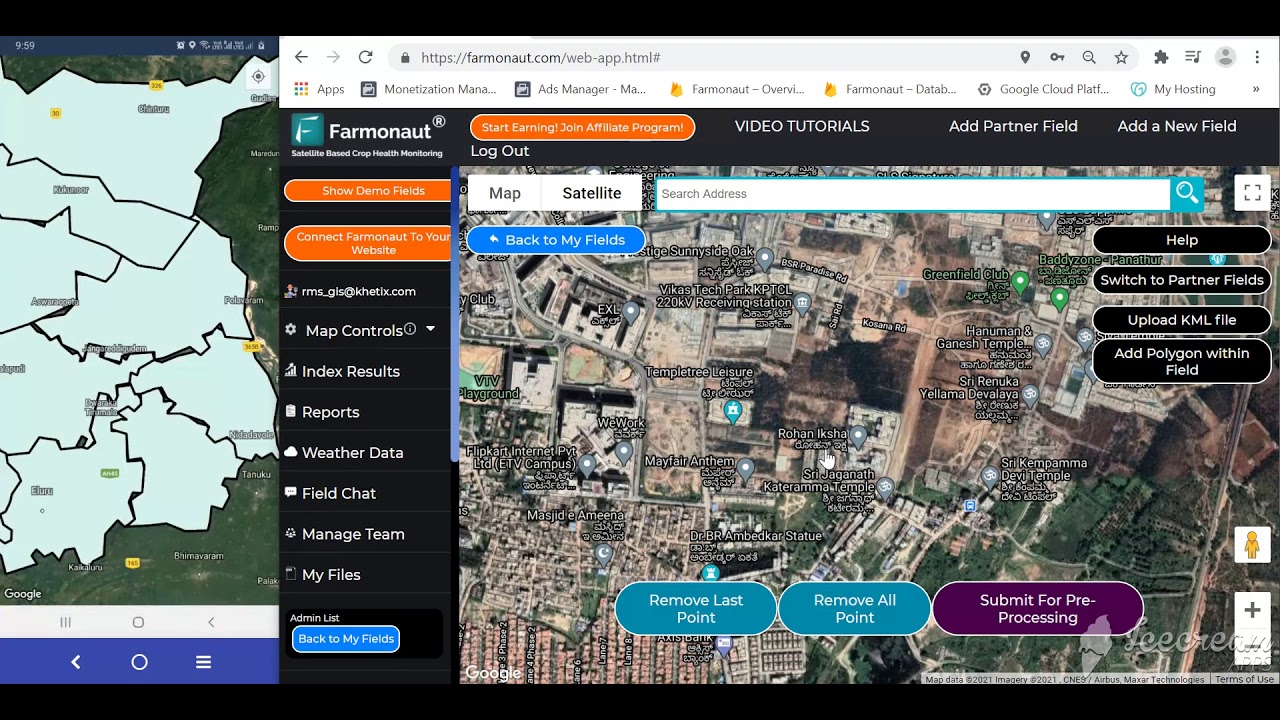
The next generation of tools for shrimp farming environmental impact include satellite imagery, AI, blockchain, and IoT-driven analytics:
- Satellite monitoring for water quality, mangrove coverage, and carbon emissions—supports real-time decision making.
- Blockchain-based tracking—transparency and traceability along the supply chain, verified with technology like what we offer for supply chain authentication.
- AI-based farm advisory systems—guidance on input use, nutrient management, and risk prediction for disease or weather events.
- APIs and management dashboards for ongoing farm resource optimization (Farmonaut API | Developer Docs).




Access advanced satellite monitoring for agriculture, fisheries, and shrimp farming—right from your phone or browser.
Economic and Social Dimensions: Balancing Productivity, Community, and Environmental Health
Shrimp farming offers valuable livelihoods, export earnings, and economic opportunity—yet long-term productivity is threatened if environmental degradation is ignored. System sustainability depends on:
- ✔ Community engagement: participatory planning supporting local fisheries, tourism, and buffer zones around shrimp ponds
- ✔ Sustainable intensification: smart use of genetics, recirculating water systems, better feed, and disease management for higher yields, lower impacts
- ✔ Financial innovation: satellite-based verification technologies improving access to crop loans and insurance, reducing sector risk
- ✔ Scaling traceability: enabling certified, eco-friendly product flows appealing to global buyers and investors
- 💡 Pollution Control: Constructed wetlands & closed recirculation systems improve water quality and cut eutrophication.
- 🌳 Protecting Mangroves: Restoring mangroves and coastal forests reduces risk and preserves biodiversity.
- 🧬 Reduced Chemical Reliance: Prioritizing organic practices and better disease management for lower antibiotics use.
- 🔄 Resource Efficiency: Closed-loop inputs and sustainable feed reduce ecological footprints in production.
- ♻️ Technology Aids Sustainability: Satellite, AI, and blockchain drive precision, traceability, and data-driven decisions.
Frequently Asked Questions (FAQ) on Shrimp Farming Environmental Impacts
1. Is shrimp farming bad for the environment?
Not inherently— the environmental impact depends on management choices, production systems (organic vs conventional), and commitment to sustainability. Poorly managed farms with high chemical use and mangrove clearing do significant harm; sustainable models with proper effluent control, mangrove restoration, and responsible input management can be much lower impact.
2. What are the main environmental concerns associated with shrimp farming?
Main concerns include water pollution, eutrophication, antibiotic resistance, mangrove loss, biodiversity decline, and inefficient resource use.
3. How does organic shrimp farming differ from conventional farming?
Organic shrimp farming relies on natural inputs, prohibits most synthetic chemicals, promotes closed-loop water systems, and mandates mangrove and habitat buffer conservation. Although sometimes yielding lower harvests, it provides stronger long-term ecosystem benefits and less environmental contamination.
4. Can shrimp farming and mangrove conservation coexist?
Yes. Through integrated coastal zone management, ecological pond design, and restoration practices, shrimp farming can coexist with (and even support) mangrove ecosystems.
5. What technologies help farmers reduce shrimp farming impacts?
Technologies such as satellite-based monitoring, AI advisories, blockchain traceability, and remote farm management (like those available via Farmonaut) enable farmers to track resource use, optimize production, ensure compliance, and access sustainable market opportunities.
Conclusion: Integrated Management for a Sustainable Shrimp Farming Future
In summary, shrimp farming’s environmental impacts are nuanced—not inherently good or bad. They depend deeply on management attitudes, system design, and our collective willingness to integrate the latest knowledge and technologies. Organic approaches may sometimes yield less in the short term but deliver stronger ecosystem, soil, and habitat health.
Key to future resilience is a shift toward integrated, ecosystem-based management—one that treats shrimp ponds as part of a dynamic coastal agricultural landscape linked to soils, forests, wetlands, and waterways.
Digital innovations—satellite monitoring, AI, blockchain-based traceability, and smart resource management—empower us to minimize inputs, monitor impacts, and drive continuous improvement. These tools foster sustainability, transparency, and compliance across coastal communities and global supply chains.
By aligning with the best large-scale farm management platforms, supporting mangrove restoration, certifying for organics, and investing in technology, shrimp farming can offer healthy food, rural income, and a living coastal ecosystem for generations to come.

 Vestlandsforsking
 Global Launch Base
 Elders
 Agritein
 Delicio
 WB Dev
 Sama Premium
 Prochecker
 Tres Valles
 LACOS Geoinformation
 Magrifly
 LatConnect 60
 WebsEdge
 Blickwinkel
 Agricultural Credit Policy Council
 Marei Nursery
 eKGIS
eKGIS Mostas Tech
 Andex
Andex
