

Solar Power in Agriculture: 7 Ways to Boost Yield
-
“Solar-powered irrigation can cut water pumping costs by up to 90% for farmers, enhancing both savings and sustainability.”
Summary:
Solar power in agriculture and allied sectors offers a practical and sustainable path to enhance productivity while conserving resources. This article focuses on how solar energy integrates with farming, forestry, and related land-based activities, emphasizing agricultural power applications, water management, and mechanization such as power weeding.
Table of Contents
- Why Solar Power in Agriculture?
- Core Concept: How Solar Integrates with Agriculture
- 1. Solar-Powered Irrigation Systems
- 2. Solar in Agrivoltaics and Dual-Use Farming
- 3. Solar-Powered Cold Chains and Post-Harvest Processing
- 4. Solar-Driven Mechanization: The Role of Agriculture Power Weeder
- 5. Solar in Forestry: Nurseries, Reforestation, and Remote Monitoring
- 6. Infrastructure: Solar Arrays, Plant Layout, and Farm Design
- 7. Smart Water Management: Solar for Filtration, Treatment, and Recycling
- Comparative Benefits Table: Traditional vs. Solar Power Applications
- Bullet Points & Visual Lists
- Farmonaut Solutions for Solar-Powered Agriculture
- FAQ: Solar Power in Agriculture
- Conclusion
- Farmonaut Subscription Plans
Why Solar Power in Agriculture?
The need for sustainable energy sources is central to the future of global agriculture. Rising fuel costs, volatile electricity access, and climate change-mitigation policies drive the shift towards renewable energy. Solar power in agriculture is rapidly emerging as a key enabler of resilience, cost reduction, and productivity improvement for farms large and small, in regions both developed and developing.
Solar solutions are not limited to powering irrigation pumps. Modern applications extend to cold storage chains, automated farm mechanization, greenhouses, water management systems, and on-site refrigeration to preserve valuable produce quality. By integrating solar, farmers move away from diesel and grid dependence, mitigating emissions and supporting environmental goals.
- Key Focus: Solar power delivers practical, sustainable benefits for agriculture, forestry, and related land-based sectors, driving both productivity and resource conservation.
Core Concept: How Solar Integrates with Agriculture
The core idea is simple: solar panels convert sunlight into electricity, which then powers a variety of essential farm applications.
- Solar pumps enable reliable, fuel-free irrigation for crops in arid and dispersed fields.
- Photovoltaic arrays refrigerate and ventilate greenhouses and produce storage, extending shelf life.
- Solar-charged battery systems run farm machinery, power weeders, seeders, and other tools—all without diesel and associated emissions.
- Above-field solar plant installations, or agrivoltaics, optimize land use and support crop microclimates by reducing evapotranspiration and mitigating heat stress.
- Remote forestry and reforestation projects benefit from solar-powered water treatment, sapling establishment, and nursery operations.
1. Solar-Powered Irrigation Systems
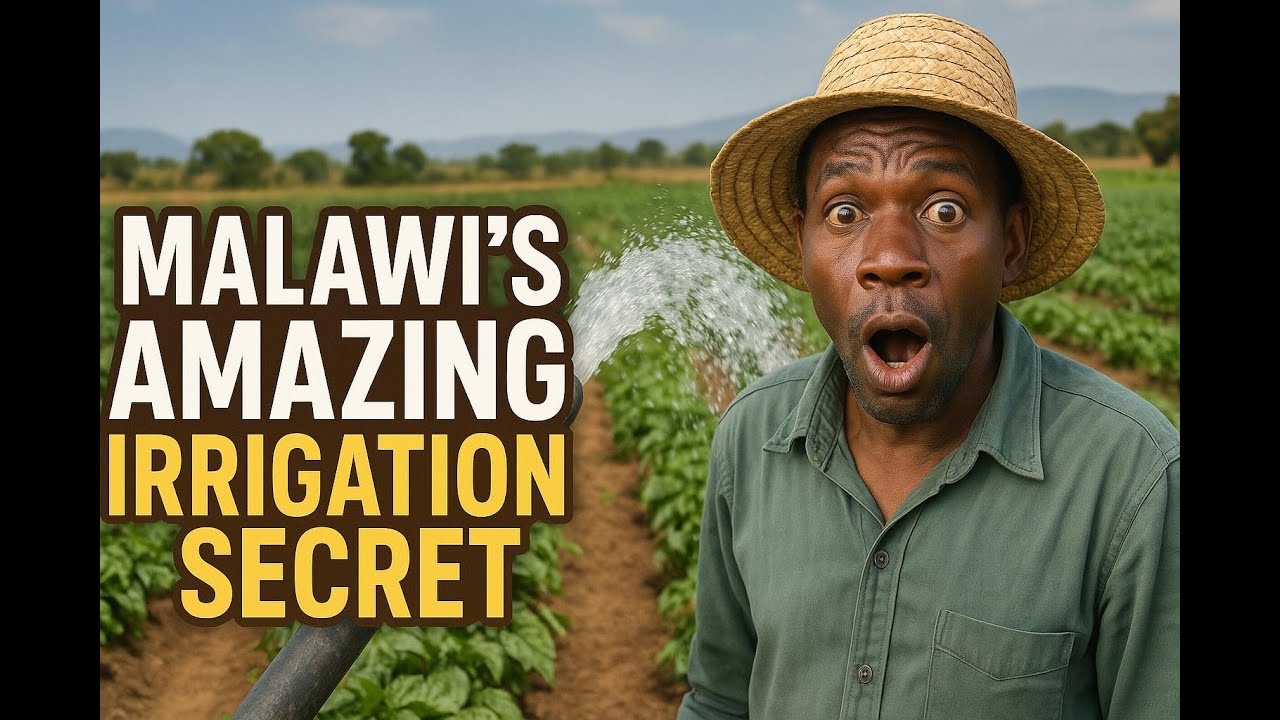
What is water power in agriculture? Traditionally, irrigation relied on diesel pumps or unreliable grid electricity—both expensive and environmentally costly.
- Solar-based water management is a central beneficiary of renewable energy’s spread in agriculture.
Solar-powered irrigation systems operate by converting sunlight into electrical energy via solar PV panels. This powers pumps that deliver water to crops—be it via:
- Drip irrigation systems – maximizing water use efficiency by providing precise delivery directly to crop roots.
- Sprinkler irrigation systems – simulating rainfall with controllable, targeted applications.
With modern controllers, farmers can schedule irrigation according to crop needs, reduce waste, and match variable flow requirements—delivering:
- Lower operating costs (no ongoing diesel or high grid bills)
- Reduced carbon emissions
- Autonomous water delivery even in dispersed, remote, or arid locations

2. Solar in Agrivoltaics and Dual-Use Farming
Solar power plant in agricultural land is most impactful when integrated as a multiuse, dual-purpose system—agrivoltaics. This approach co-locates solar panels and crops in the same fields, leveraging land efficiency while boosting yields.
- Vertical or elevated solar arrays are often termed agrivoltaic systems, designed to preserve soil health, maintain crop access, and optimize microclimates.
Key benefits of agrivoltaics include:
- Shading that mitigates heat stress for sensitive crops
- Lowered evapotranspiration rates, conserving water resources
- Providing refuge for pollinators and beneficial species
- Enabling farmers to generate income from both energy and crop production
Proper design, orientation, and crop-pairing are vital to ensure sunlight reaches the plants and system maintenance is feasible.
-
“Switching to solar power weeders reduces farm machinery emissions by over 60%, supporting cleaner and greener agriculture.”
Did you know? Solar-driven agriculture supports carbon footprint reduction. For advanced carbon monitoring and environmental impact tracking, explore our Farmonaut Carbon Footprinting Platform.
3. Solar-Powered Cold Chains and Post-Harvest Processing
One of the greatest challenges in horticulture and fruit/vegetable farming is produce spoilage due to inadequate refrigeration. Without access to reliable power, cold chains break down—especially for remote farmers or smallholders.
- Solar refrigeration and powered ventilations keep storage cold around the clock, stabilizing produce shelf life and safety.
Modern solar cold storage works by:
- Charging batteries during the day for nighttime cooling
- Supporting ventilation and dehumidification in greenhouses and warehouses
- Reducing post-harvest losses (important for high-value or perishable crops)
- Improving market reach and price realization for farmers
Solar-driven cold chains empower small- and medium-size producers, transforming their ability to access distant markets and improve incomes without grid dependency.
Pairing solar-driven storage with blockchain-based traceability can further boost trust in food supply chains. Trace your agricultural products from field to market with Farmonaut Traceability—supporting transparency and quality assurance, backed by satellite and blockchain technology.

4. Solar-Driven Mechanization: The Role of Agriculture Power Weeder
Mechanization is the backbone of modern, efficient farming—but dependency on diesel-powered tools leads to high running costs, emissions, and maintenance hurdles.
- The agriculture power weeder—now solar-powered or electrically charged—automates mechanical weeding, cutting the need for herbicides, reducing labor intensity, and promoting sustainable weed management.
Solar-charged batteries enable uninterrupted field work, supporting small implements like weeders, seeders, and cultivation equipment across dispersed and off-grid fields, even in remote agricultural areas.
- Lower fuel costs and emissions
- Reduced soil compaction and environmental disturbance
- Alignment with integrated pest management strategies
- Enabling timely, precise cultivation improving overall crop health and yields
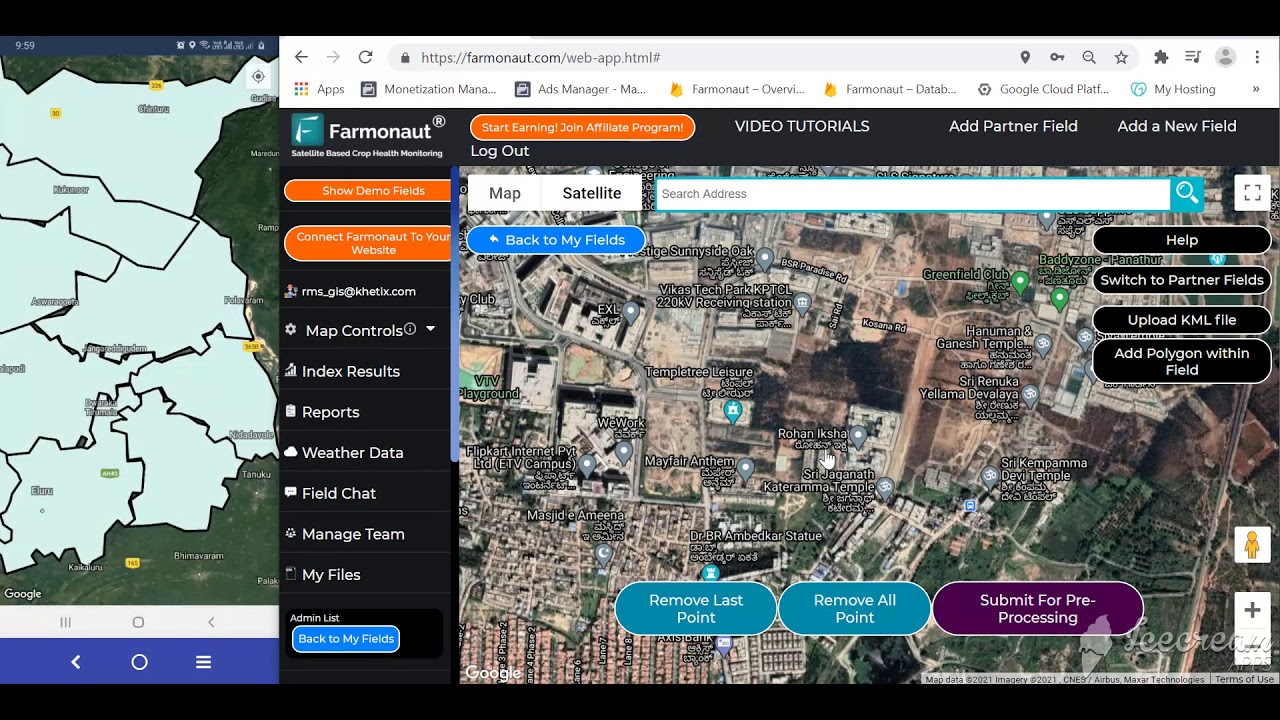
Manage your fleet of solar-powered tools and agricultural machinery efficiently with Farmonaut Fleet Management—enhanced with live satellite monitoring and AI-driven insights for better operation planning.
5. Solar in Forestry: Nurseries, Reforestation, and Remote Monitoring
Forestry operations face tremendous challenges in remote locations—often far from grid access. Solar power offers a unique solution for tree crop irrigation, sapling nurseries, and reforestation initiatives.
- Solar pumps and controllers deliver reliable, precise watering to newly planted saplings and nursery beds without the logistical cost or emissions of transporting fuel.
- Solar-powered sensors monitor soil moisture, canopy health, and climate variables—enabling AI-based advisory systems for resource allocation and decision support.
These systems bring resilience to reforestation projects, helping establish saplings, sustain nurseries, and manage scarce water resources even in arid or rugged regions.
Microgrids powered by solar provide local energy for camps, machinery, and monitoring equipment, reducing maintenance costs and carbon emissions.
For real-time forestry, plantation, and crop advisory powered by satellite, AI, and resource monitoring, try our Crop Plantation, Forest & Advisory Suite.
6. Infrastructure: Solar Arrays, Plant Layout, and Farm Design
Designing solar power plant in agricultural land requires careful planning to preserve soil health, maintain land access, and avoid shading that could hurt crops.
- Install elevated panels or vertical arrays that allow sunlight to reach underlying crops
- Plan machinery routes and access lanes between arrays for year-round field operations
- Choose compatible crops for shaded or partially shaded environments (e.g., leafy greens, berries)
- Consider local climate, rainfall, and water availability for optimal energy-crop synergy
Are you managing many distributed fields or large agricultural estates? Leverage Farmonaut Large Scale Farm Management Tools to optimize layout, productivity, and monitoring with satellite and AI-driven data.

7. Smart Water Management: Solar for Filtration, Treatment, and Recycling
In advanced farming and forestry systems, solar energy increasingly drives on-site water treatment, filtration, and recycling processes.
- Solar water treatment units filter and purify irrigation water—especially from brackish, recycled, or greywater sources—essential for arid regions or closed-loop farms.
- Solar-driven circular water cycles help farms conserve scarce water resources and comply with tightening environmental regulations.
By linking sensor-based monitoring with solar-powered water systems, farmers can optimize water use across multiple fields and sectors—delivering both economic and environmental benefits.
For robust water-management and environmental monitoring across your entire farm, discover Farmonaut Carbon Footprinting Platform for advanced emissions and usage tracking.
Comparative Benefits Table: Traditional vs. Solar Power Applications
| Agricultural Application | Traditional Power Source | Estimated Annual Cost (USD) | Estimated CO₂ Emissions (kg/year) | With Solar Power: Cost Savings (%) / Emissions Reduction (%) |
|---|---|---|---|---|
| Irrigation (Pumps & Drip Lines) | Diesel Generator / Grid | $1,200 | 3,400 | Up to 90% / Up to 100% |
| Cold Storage & Refrigeration | Grid / Diesel Genset | $1,900 | 2,800 | 75% / 85% |
| Agriculture Power Weeder / Machinery | Diesel / Petrol | $950 | 2,100 | 70% / 60% |
| Greenhouse Lighting / Ventilation | Grid | $800 | 1,400 | 80% / 95% |
| Field Sensor & Monitoring | Grid / Battery | $400 | 320 | 60% / 90% |
| Post-Harvest Processing / Drying | LPG / Grid | $550 | 870 | 65% / 70% |
| Remote Forestry & Reforestation Operations | Diesel Generator | $1,300 | 2,600 | 85% / 95% |
-
“Switching to solar power weeders reduces farm machinery emissions by over 60%, supporting cleaner and greener agriculture.”
Bullet Points & Visual Lists
- ✔ Lower operating costs: Solar eliminates diesel and slashes energy bills across pumps, machinery, and storage.
- ✔ Reduce emissions: Major drop in CO₂ output from field operations, refrigeration, and equipment.
- ✔ Enhance productivity: Precise, reliable irrigation, and mechanization mean healthier crops and larger yields.
- ✔ Boost resilience: Farms with solar are less affected by power outages and fuel price fluctuations.
- ✔ Enable sustainable practices: Solar supports integrated pest management, efficient water use, and biodiversity.
- Solar-Powered Pumps & Irrigation Systems
- Solar Cold Chains & Produce Refrigeration
- Solar Arrays for Field Tools and Machinery
- Solar Panels for Monitoring Systems
- Solar-Powered Post-Harvest Processing
- Solar-Enabled Circular Water Cycles
- Solar for Forestry & Plantation Initiatives
- 📊 Up to 90% water pumping savings with solar pumps
- 📊 60% lower machinery emissions using solar power weeders
- 📊 Drip irrigation adoption increases yields by 20–30% when powered by solar
- 📊 Solar agrivoltaics double income sources (energy + crops)
- 📊 Cold chain spoilage drops by 25–45% with solar cold storage in remote regions
Farmonaut Solutions for Solar-Powered Agriculture
As a satellite technology company, we at Farmonaut deliver advanced, data-driven support tools for solar power in agriculture. Our Android, iOS, and web apps—along with easy-to-integrate APIs—enable precise resource monitoring, crop advisory, environmental assessments, and traceability for farms powered by renewable energy.
- 🌱 Real-time vegetation monitoring—NDVI and soil maps for precision solar irrigation and energy optimization.
- 🌿 AI-based advisory systems—tailored to your crop, climate, and solar infrastructure.
- 🛰 Blockchain-backed traceability—add trust to your solar-powered produce supply chain.
- 🛡 Carbon footprint and environmental monitoring—quantify and improve your sustainability metrics.
- 📱 Fleet management for solar-powered farm equipment—reduce downtime and operating costs.
Access Farmonaut today on your preferred platform:



Interested in integrating satellite-based solar agriculture insights into your own platform or business?
Check out our
Farmonaut API
and the
Developer Documentation
for flexible, scalable, and affordable agricultural data solutions.
FAQ: Solar Power in Agriculture
-
Q: What crops benefit most from solar-powered irrigation?
A: Almost all crops benefit, but water-sensitive or high-value types—such as fruits, vegetables, and specialty crops—gain the most from precise, solar-driven irrigation. -
Q: How long does a solar irrigation system last?
A: With proper maintenance, solar panels can last 20–25 years, with pumps and controllers often serving 10–15 years before needing replacement. -
Q: Are solar power weeders as effective as diesel versions?
A: Yes—solar weeders match diesel performance for small and medium fields and require less maintenance with much lower operating costs. -
Q: Can small farms afford solar upgrades?
A: Upfront costs are dropping, and many governments or financiers offer grants, subsidies, or loans. Operational savings on fuel and electricity usually repay investment in 3–6 years. -
Q: What challenges are there in co-locating solar plants with crops?
A: Careful design is essential to avoid excessive shading, maintain machinery access, and match crop types to partial sunlight conditions. -
Q: What is water power in agriculture, and is it sustainable?
A: Water power refers to harnessing either mechanical or solar-driven energy for irrigation and farm processes. Solar-driven water power is highly sustainable; it reduces emissions, energy costs, and allows operation in off-grid rural areas. -
Q: How does solar power help in forestry management?
A: Solar enables remote monitoring, irrigation for nurseries, power for field sensors, and supports reforestation initiatives without the need for costly diesel or grid electricity.
Conclusion
Solar power in agriculture—whether used for pumps, irrigation, mechanization, post-harvest cooling, or as part of agrivoltaic systems—offers a sustainable, productive, and resilient pathway for the future of global farming. Across sectors (crop, forestry, allied), solar reduces emissions, lowers costs, ensures reliable operations, and boosts yields. From powering agriculture power weeder tools to transforming water management, solar energy is enabling new opportunities and empowering farmers in every region.
For the next step in your solar and satellite-driven transformation—leverage data, plan with intelligence, and unlock the maximum value of sun-powered agriculture with robust digital management tools from Farmonaut.
Farmonaut Subscription Plans
Explore subscription options tailored for individual farmers, agribusinesses, and government users—available on web, mobile, and API. See pricing and bundles below.
Discussion
Questions, corrections or field experience? Share them below. First-time comments are reviewed before they appear, and your email is never published.
No comments yet. Be the first to add a question or your experience.

 Disease Free Life
 WebsEdge
 Blickwinkel
 Agricultural Credit Policy Council
 BayWa
BayWa MCSOD
MCSOD Marei Nursery
 eKGIS
eKGIS Mostas Tech
 Native Seeds
 Andex
Andex FCF India
 Unifrutti Gulf
 Deluxe Conseil
 TVS Electronics
 WICO
WICO Chimera Innovation
 Licence holder · Niger · Gold
 Licence holder · Nigeria · Gold + lithium










