

Ranger Uranium Mine Rehabilitation 2026: Australia’s Critical Step Towards Sustainable Mining
Summary: Ranger Mine Rehabilitation – A Sustainable Step in 2025
The Ranger Uranium Mine Rehabilitation in the Northern Territory of Australia is a pivotal milestone toward achieving a balance between environmental, ecological, and cultural goals for a sustainable, regulatory-compliant mining landscape in 2025 and beyond. Located within the iconic Kakadu National Park, the site is being restored through innovative, science-based rehabilitation efforts addressing concerns ranging from radioactive waste containment, biodiversity restoration, indigenous heritage protection, to long-term environmental monitoring. The robust regulatory framework and the ongoing integration of advanced technologies highlight Australia’s commitment to responsible resource management and set a benchmark for the global mining industry.
Understanding the Ranger Uranium Mine in Australia
Established in the late 20th century, the Ranger Uranium Mine has played a pivotal role as a significant contributor to Australia’s uranium production. The mine, located in the Northern Territory and within the boundaries of the renowned Kakadu National Park, supplied uranium for both energy and defence purposes across the country and internationally. Its strategic position made it a critical asset for Australia’s economy and global uranium supply.
However, with the end of its operational life nearing (mineral extraction ceased in 2021), the spotlight has shifted from active mining to one of the most challenging phases of the industry: rehabilitation. Comprehensive restoration of the land is not just a regulatory obligation, but a social and environmental imperative for the protection and regeneration of Kakadu’s fragile ecosystems and the heritage of its indigenous communities.
- Location: The mine is situated within the UNESCO World Heritage-listed Kakadu National Park, recognized globally for its rich biodiversity and cultural significance to Indigenous Australians.
- End of Operations: Ranger Uranium Mine ceased production and extraction of uranium to begin a carefully planned rehabilitation process set for completion around 2026.
- Key Challenges: The rehabilitation must manage radioactive materials, restore native vegetation, reconstruct wetlands and woodlands, and safeguard the area’s heritage and cultural sites.
Environmental Challenges & Rehabilitation Goals at Ranger
The proximity of the site to important waterways and the globally significant ecosystem of Kakadu heightens the environmental stakes. The rehabilitation process at the Ranger Uranium Mine is structured around addressing these key challenges:
- Radioactive Waste Management: Ensuring safe containment of uranium tailings and other radioactive materials is essential for mitigating long-term impacts.
- Water Quality: Preventing contamination and leaching of toxic elements into the Magela Creek system and other water bodies is a top priority.
- Soil and Land Restoration: Remediation of contaminated soils, restoring terrain to its natural contours, and reestablishing native ecosystems.
- Biodiversity Recovery: Rebuilding habitats for endangered species, wetlands, grasslands, and woodlands to pre-mining conditions.
- Cultural and Heritage Protection: Preserving sacred indigenous sites and integrating traditional ecological knowledge into the planning and monitoring process.
These goals are designed to ensure the rehabilitated site can sustain biodiversity in the long term while respecting the importance of the land to Indigenous Australians and complying with strict regulatory requirements.
Ecological and Cultural Significance of Ranger’s Location
Kakadu National Park is a UNESCO world heritage site renowned for its rare biodiversity, wildlife habitat mosaic, and deep cultural resonance for Aboriginal Australians—particularly the Mirarr people. With wetlands, woodlands, tropical savannahs, and monsoon forests, the park is home to:
- Over 2,000 plant species
- More than 280 bird species including endangered species
- Rare wetlands essential for aquatic biodiversity and migratory birds
- Sacred cultural and heritage sites crucial for indigenous identity and knowledge
Ranger mine rehabilitation is therefore not only about returning the site to ecological health, but about restoring the cultural integrity of the land and its significance for future generations.

Technical Aspects of the Ranger Uranium Mine Rehabilitation Process
The Ranger uranium mine rehabilitation process follows a phased, science-driven approach to restore the land for future sustainability:
- Decommissioning: The first step involves removing or repurposing infrastructure—processing plants, access roads, machinery, and supporting facilities. Hazardous materials are meticulously identified and diverted into engineered containment units.
-
Overburden and Tailings Management:
- Tailings—the radioactive by-product of uranium extraction—are sequestered in purpose-built deep repositories, lined and capped to prevent leaching into surrounding soils or water bodies.
- Long-term containment systems ensure these materials remain isolated from the biosphere for centuries.
- Landform Reconstruction: Minimized disturbance and reshaping of the land, using available native soil and overburden materials to create contour profiles that support drainage and revegetation.
-
Progressive Rehabilitation:
Rather than complete rehabilitation being left to the end of the project, ecosystems, vegetation and waterways are restored incrementally as mining activity ceases in each area, improving overall efficiency and ecosystem recovery. -
Native Vegetation Reestablishment:
Locally sourced native seeds and nursery-grown plants are introduced, aiming to match the pre-mining biodiversity and composition of woodlands, wetlands, and grasslands. -
Water Quality and Wetland Restoration:
Active measures are in place to restore wetlands, reconnect waterways, and maintain water quality standards higher than at any prior point during mining operations.
Each stage includes ongoing monitoring to provide data-driven feedback, essential for course correction and for meeting both ecological and regulatory objectives.

Advances in Rehabilitation Technology: Mapping, Monitoring, and Ecological Restoration
Ranger mine rehabilitation leverages modern technologies to boost progress and effectiveness in restoring ecosystems:
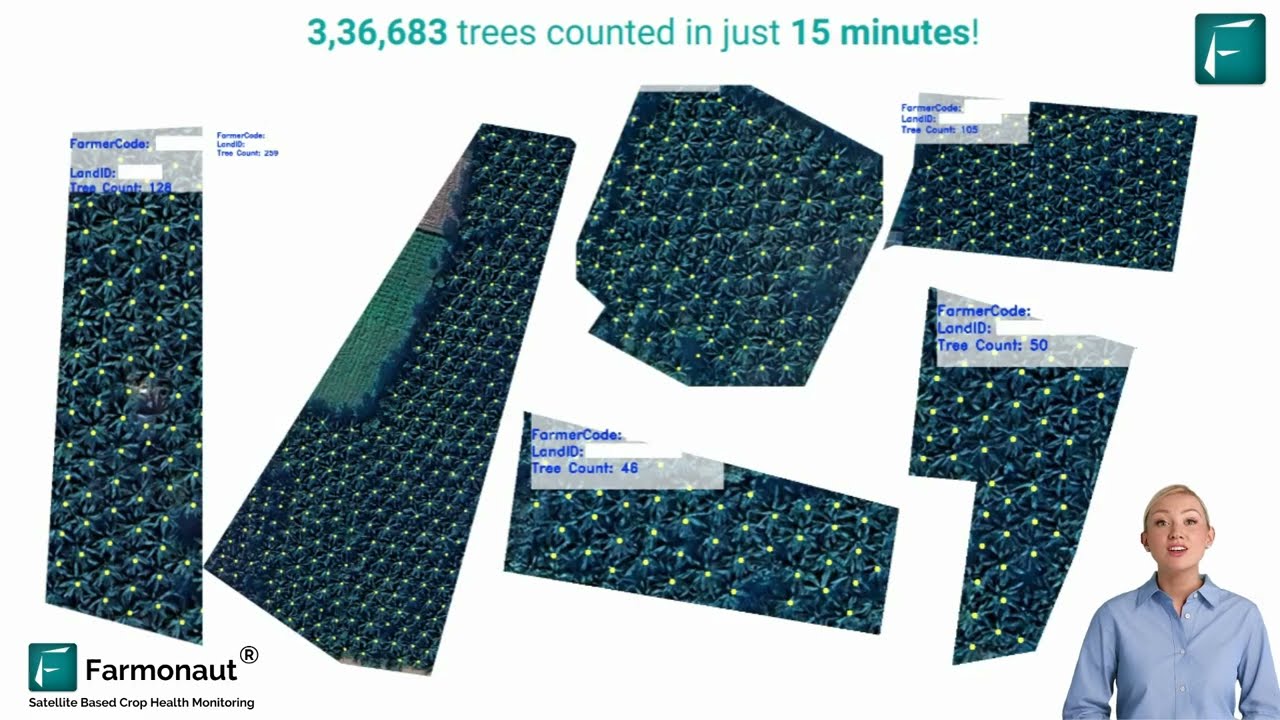
- Remote Sensing: Advanced satellite and drone imaging support precision vegetation mapping, landscape change detection, and progress tracking.
- Phytoremediation: Specialized native plants with the ability to extract heavy metals or sequester pollutants are used to clean contaminated soils and promote ecosystem health.
- AI and Data Analytics: Automated data analysis tools facilitate rapid assessment of biodiversity recovery, water chemistry, and landform stability, allowing timely interventions.
- Environmental DNA (eDNA) Monitoring: Detection of aquatic and terrestrial species via DNA in water and soil samples contributes to a nuanced understanding of ecosystem recovery.
- Blockchain Traceability: Stakeholders can ensure transparent reporting on the physical movement and secure management of waste materials, supporting trust and regulatory compliance. Learn more about Farmonaut’s blockchain traceability solutions for mining.
Community and Indigenous Involvement in Ranger Uranium Mine Rehabilitation
The critical importance of integrating community—and particularly Indigenous Australian—input in the rehabilitation process cannot be overstated. The Mirarr people are the traditional custodians of the land encompassing the Ranger site, and their active involvement ensures that:
- Cultural Heritage Sites Are Protected: Sensitive mapping and planned exclusion zones safeguard areas of spiritual, historical, and cultural significance.
- Traditional Knowledge Informs Restoration: Indigenous wisdom aids in the selection of native flora, wildlife management, and restoration of water systems consistent with local environmental cycles.
- Community Consultation Drives Transparency: Regular engagements and public reporting build trust, accountability, and ensure the rehabilitation goals align with social expectations.
Consultation frameworks, advisory panels, and targeted indigenous employment initiatives foster ongoing local participation, ensuring that rehabilitation outcomes meet both ecological and cultural goals.
Regulatory Framework and Oversight: Government, Policy, and Accountability
The Ranger uranium mine rehabilitation program is governed by an extensive regulatory framework involving the Australian federal government, Northern Territory government, and a suite of environmental and cultural heritage authorities. Key points include:
- Legislation Compliance: Closure and rehabilitation plans must satisfy requirements under the Australian Environmental Protection and Biodiversity Conservation Act and relevant Northern Territory laws.
- Financial Assurance: Mine operators are required to set aside adequate funds—often into trust mechanisms—to cover the long-term cost of monitoring and maintenance after site closure.
- Independent Reviews & Reporting: Annual submissions, public reporting, and third-party audits ensure transparency and hold stakeholders accountable for progressive rehabilitation progress.
- Performance Standards: The mine’s rehabilitation outcomes are measured against predefined biophysical and cultural performance objectives.
Compliance is not a formality—ongoing reports on environmental and community indicators, coupled with strong enforcement mechanisms, make the Australian regulatory system one of the world’s strictest in resource management.



Looking for advanced environmental monitoring, carbon compliance and reporting? Explore Farmonaut’s Carbon Footprinting tools for mining and rehabilitation projects.
Rehabilitation Progress and Impact Overview: Ranger Mine Rehabilitation
Data-driven insights are crucial for demonstrating progress, compliance, and transparent communication to stakeholders. The following table outlines the main targets and achievements at Ranger mine across environmental, community, and regulatory aspects:
| Rehabilitation Aspect | Pre-Rehabilitation Status (2022) | Target for 2026 | Estimated Status (2025) |
|---|---|---|---|
| Land Area Restored | ~1,600 hectares vegetated, significant areas mined/disturbed | >7,000 hectares, including restored wetlands and native forest | Approx. 5,800 hectares revegetated, ongoing wetland progress |
| Water Quality Improvement | 400+ sampling points, episodic contaminant exceedances | 100% compliance with environmental standards | 99% compliance, isolated exceedances under remediation |
| Indigenous Consultation Sessions | Annual, mostly reactive, limited engagement | Quarterly or more frequent, integrated into planning | Bi-monthly sessions, continuous feedback mechanism operational |
| Biodiversity Increase | Reduced species richness, fragmented habitats | Return to >85% pre-mining flora/fauna richness | 70-75% achieved, with positive trend in indicator species |
| Regulatory Compliance Level | Substantial conditions/government oversight | Full regulatory closure sign-off by 2026 | 90% milestones met, independent audits ongoing |
Clear progress in areas like land restoration, water quality, and cultural engagement positions the Ranger mine as a model for ongoing sustainable mining rehabilitation in Australia.

Monitoring and Long-term Sustainability: The Road to 2026 – and Beyond
The rehabilitation process at Ranger Uranium Mine is not a “one-off” event. It relies on ongoing scientific monitoring and adaptive management to ensure that all objectives—environmental, ecological, and cultural—are delivered for generations to come.
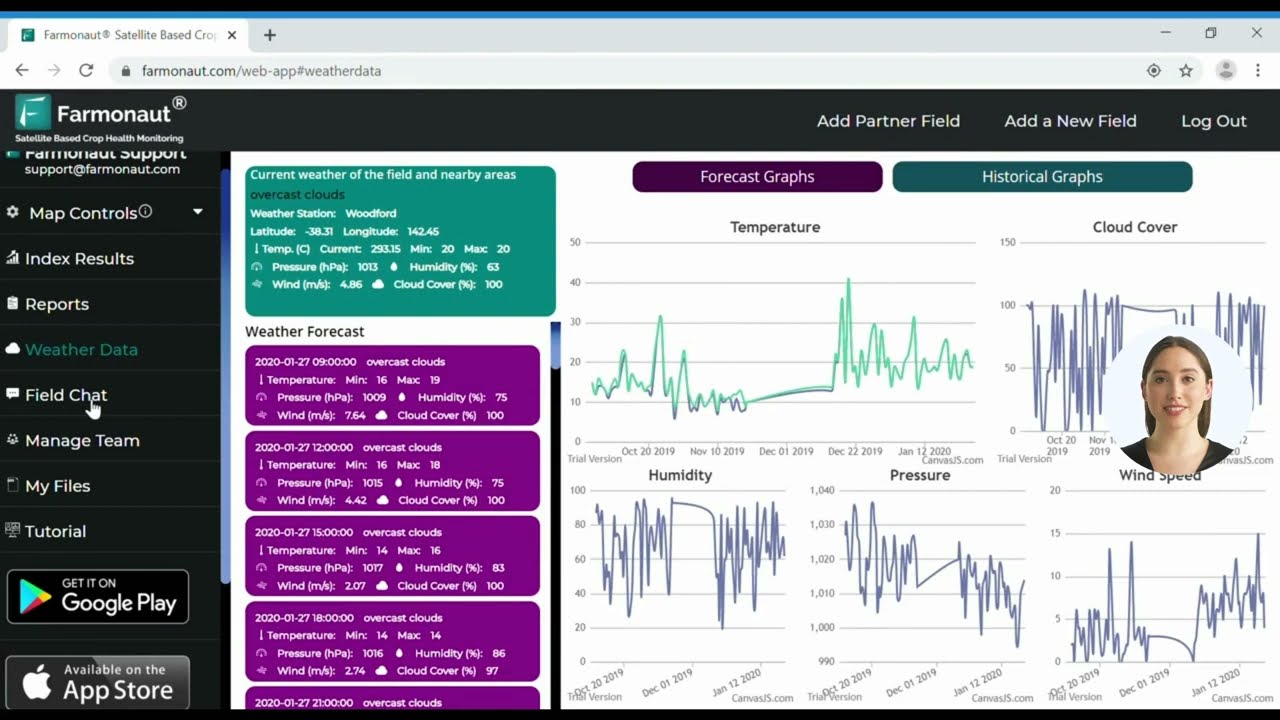
- Satellite-based monitoring and remote sensing allow for timely detection of risks, such as unexpected water contamination or poor vegetation growth. These methods supplement extensive fieldwork, ecological sampling, and water analysis.
- Annual progress reports are generated, reviewed by independent authorities, and made available to the community, fostering transparency.
- Maintenance and Adaptive Management: If monitoring reveals shortcomings in restoration work, further interventions—replanting, soil amendments, engineered wetlands—are implemented.
For the wider Northern Territory and the global mining sector, such detailed rehabilitation monitoring frameworks set a high bar for sustainable post-mining landscape stewardship.
The Role of Farmonaut in Mining Sustainability, Rehabilitation, and Environmental Compliance
As satellite-based monitoring, sustainable site management, and transparent resource traceability become increasingly essential for effective mine rehabilitation, tools like ours at Farmonaut contribute immense value for mining companies, ecosystem managers, and government regulators.
We offer:
- Satellite-Based Site & Vegetation Monitoring: Our platform delivers real-time insights into vegetation cover, restoration progress, and landscape health by analyzing multispectral satellite imagery. This supports evidence-based decision-making and rapid intervention.
- AI-Driven Environmental Advisory: With Jeevn AI, actionable strategies and weather-risk forecasts help optimize rehabilitation schedules and resource use, improving outcomes while maintaining sustainability.
- Blockchain Traceability: Secure and transparent reporting of waste material movement, especially radioactive or hazardous substances, boosts compliance and trust.
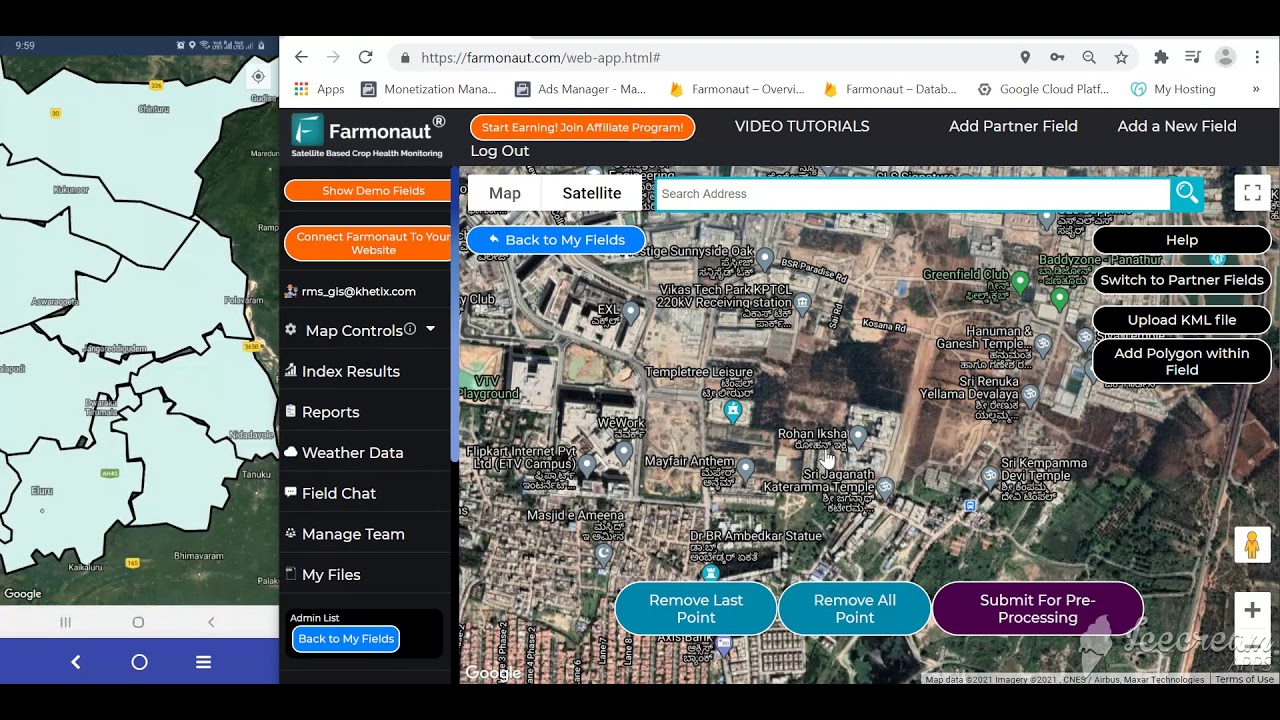
- API Integration for Custom Monitoring: Mining enterprises and site managers can access Farmonaut’s API and Developer Docs to integrate agile satellite-driven data streams directly into their management systems.
- Large-Scale Land & Fleet Management: For complex rehabilitation operations, our large-scale field management platform supports mapping and real-time status tracking of rehabilitation machinery, supply deliveries, and more.
Why choose Farmonaut for mine rehabilitation and environmental oversight? We combine affordability, accessibility, and technological innovation to empower sustainable outcomes and regulatory compliance—both core requirements of the Ranger uranium mine rehabilitation process through 2026 and beyond.
Educational Videos: Insights on Mining, Technology, and Environmental Rehabilitation


Future Prospects: Ranger Uranium Mine Rehabilitation Beyond 2026
After the target closure and rehabilitation of the Ranger site in 2026, the long-term future of the land and its sustainable use will rely on several critical practices and frameworks:
- Continuous Monitoring and Adaptive Management: Decades of post-closure monitoring, using both traditional ecological assessments and satellite-derived data, will be mandated to detect and address issues long after physical rehabilitation ends.
- Legacy and Land Return: Former mine land, once proven safe and ecologically viable, can be returned to traditional custodians, offering opportunities for economic, ecological, and cultural revitalization.
- Policy Innovation and Replication: Lessons learned in Australia’s Ranger rehabilitation project will inform global policy, especially in managing uranium, critical minerals, and post-mining land restoration.
- Enhancing Local Capacity: Ongoing community involvement—backed by technological skill development—ensures that land and water stewardship skills remain embedded locally.
From safeguarding heritage and integrating indigenous knowledge, to leveraging AI and satellite technology for rehabilitation and monitoring, Ranger is a leading example for post-mining transformation in the 21st century.
FAQ: Ranger Uranium Mine Rehabilitation
What is mine rehabilitation, and why is it important at Ranger?
Mine rehabilitation refers to restoring land disturbed by mining activity to a safe, stable, and ecologically viable condition. At Ranger, it’s especially important due to the site’s location within Kakadu National Park, the presence of indigenous cultural sites, and the need to safely manage radioactive materials.
When will rehabilitation at the Ranger Uranium Mine be completed?
The main rehabilitation project at Ranger is scheduled for completion by 2026, with progressive milestones along the way. Post-closure monitoring and adaptive management are expected to continue for several decades.
What are the major environmental challenges during rehabilitation?
Key challenges include safe containment of radioactive waste, restoration of wetlands/grasslands, reestablishing native plant communities, groundwater quality management, and compliance with strict government regulations.
How does the Ranger project incorporate indigenous Australian input?
The Mirarr people, traditional custodians of the area, are directly involved in planning, decision-making, and monitoring—ensuring that cultural heritage is protected and local/regional knowledge informs rehabilitation efforts.
Is the rehabilitation process at Ranger a model for other mines?
Yes. Due to its comprehensive use of science, technology, and cultural stewardship, Ranger’s multi-faceted approach is considered a benchmark for uranium and critical mineral mine rehabilitation worldwide.
How is ongoing progress/tracking conducted?
Progress is tracked using field surveys, water/soil sampling, satellite and drone monitoring, and regular community consultations—ensuring stringent regulatory requirements are met and site recovery is well documented.
How does Farmonaut facilitate sustainable mining rehabilitation?
At Farmonaut, we provide satellite-driven monitoring, resource management tools, and environmental advisory systems, all designed to scale from small projects to national rehabilitation programs while supporting sustainability, compliance, and transparency.
Conclusion: Ranger Uranium Mine Rehabilitation – A Benchmark for Sustainable Mining and Heritage Protection
By balancing environmental stewardship, scientific rigor, and cultural respect, the Ranger uranium mine rehabilitation stands as a shining example for sustainable mining closure practices not just for Australia but for the world. As we progress into 2026 and beyond, the lessons learned at Ranger—leveraging technology, inclusivity, strict regulatory compliance, and robust monitoring frameworks—will guide the next era of responsible resource management.
The journey of restoring the Ranger mine site is not just a story of environmental restoration; it is a testament to the power of innovation, community, and long-term thinking for future generations.
Empower your sustainability journey today:
- Discover Farmonaut’s expertly designed large-scale land management platform for efficient post-mining rehabilitation and monitoring.
- Explore our solutions for mining and rehabilitation project validation for insurance and financing.
- Learn how Farmonaut’s carbon footprinting services can help you meet regulatory requirements with actionable, data-driven insights.
Together, let’s shape a sustainable mining future—one rehabilitated site at a time.
Discussion
Questions, corrections or field experience? Share them below. First-time comments are reviewed before they appear, and your email is never published.
No comments yet. Be the first to add a question or your experience.

 Comfix & Engineering Limited
 Congo Mining Solutions
 Mining SARL
 SenGold Invest SAS
 Sania Corporation
 Sean Mining Limited
 NTS Group (Pty) Ltd
 Mine4Africa
 Lithspo Minerals Limited
 Tintina Mining Group
 Dalgety Minerals Pty Ltd
 Vortex Minerals Pty Ltd
 Faith At Work (Pty) Ltd
 Geotech Mining Solutions plc
 Vulcan International Limited
 Kidepo Associates
 GKY Mining
 Alkimy SARL
 Double A Trading
 GemSprout Metals Limited
 Qader Group










