

Sustainable Farming Near Me: 7 Powerful Trends for 2026
Summary: Sustainable Farming: The Future of Agriculture in 2025
As we look toward 2026, sustainable farming has become a cornerstone of modern agriculture. This paradigm integrates organic, eco-friendly farmland management practices to address growing environmental concerns and secure resilient food systems. The following comprehensive guide reveals how “sustainable farming near me” is transforming communities and the globe for a greener, healthier future.
“By 2026, global organic farmland is projected to cover over 90 million hectares, up from 72.3 million in 2019.”
Understanding Sustainable Farming
Sustainable farming refers to agricultural methods that meet current food and fiber needs without compromising future generations’ abilities to meet theirs. This approach goes beyond basic organic certification, focusing on ecological balance, economic viability, and social responsibility. Whereas conventional farming relies heavily on synthetic inputs and intensive monoculture, sustainable farmland and related systems prioritize practices that conserve natural resources and support local communities.
- Soil health: Fostering rich, living soils by reducing chemical use and synthetic fertilizers
- Biodiversity: Maintaining a mosaic of crops and habitats
- Water conservation: Minimizing run-off, promoting efficient irrigation, and protecting waterways
- Community involvement: Integrating farms into local economies and supply chains
- Resource circularity: Recycling nutrients and organic matter within the farm ecosystem
Sustainable farming has evolved from a niche practice to a mainstream method, often intersecting with organic and sustainable farming. However, sustainable farming extends beyond certification, encouraging technological innovation and systems thinking. As populations rise and environmental concerns intensify, sustainable farming near me is not just about the food we eat—it’s reshaping global agriculture for a resilient future.

Sustainable Farming’s Impact: Why It Matters for 2026
- Global food security: Ensures consistent food supply by preserving soil, water, and biodiversity
- Climate resilience: Mitigates the effects of climate change by reducing greenhouse gas emissions and increasing carbon sequestration
- Environmental preservation: Protects natural habitats, reduces pollution, and maintains healthy ecosystems
- Economic viability & social responsibility: Enhances local economies while promoting fair labor and strong community ties
“Sustainable farming could reduce agricultural greenhouse gas emissions by up to 25% worldwide by 2026.”
In summary, sustainable farming is not an option—it’s a necessity. As the global population rises and environmental concerns intensify, shifting to sustainable farmland management practices helps us face the challenges of food security, resource scarcity, and climate risk.
7 Powerful Sustainable Farming Trends Shaping 2026
By 2026, several innovative trends have emerged, reshaping agriculture both on large and small scales—including many sustainable farms near me. Let’s explore the top seven trends making the biggest impact locally and globally.
-
1. Regenerative Agriculture & Soil Health
Regenerative agriculture extends beyond traditional sustainable farming principles by focusing on restoring soil health, enhancing biodiversity, and actively sequestering carbon in the ground. Practices such as cover cropping, minimal tillage, and the use of organic compost are vital. These methods reduce chemical inputs, promote natural cycles, and support strong yields.
- Enriches soil
- Builds resilience to drought and extreme weather
- Improves crop nutrient density
-
2. Organic and Sustainable Farming Integration
Organic and sustainable farming methods are increasingly aligning, with farms combining organic practices (no synthetic pesticides/fertilizers) and advanced technologies such as AI-driven monitoring and precision agriculture. This hybrid model offers:
- Zero or minimal chemical residues
- Greater transparency with blockchain-based traceability (see how blockchain traceability improves supply chain trust)
- Real-time adaptation to weather, pests, and soil needs through platforms such as Farmonaut

-
3. Circular Resource Management & Waste Recycling
Innovative circular economy models are gaining traction, especially among “sustainable farms near me.” Instead of disposing of agricultural waste, these farms recycle and repurpose byproducts:
- Use of farm plastics, crop residues, and livestock manure to produce biofertilizers or renewable energy
- Implementing circular supply chains that conserve water and other resources
- Reducing landfill and pollution—improving the farm’s footprint

-
4. Precision and Smart Farming Technologies
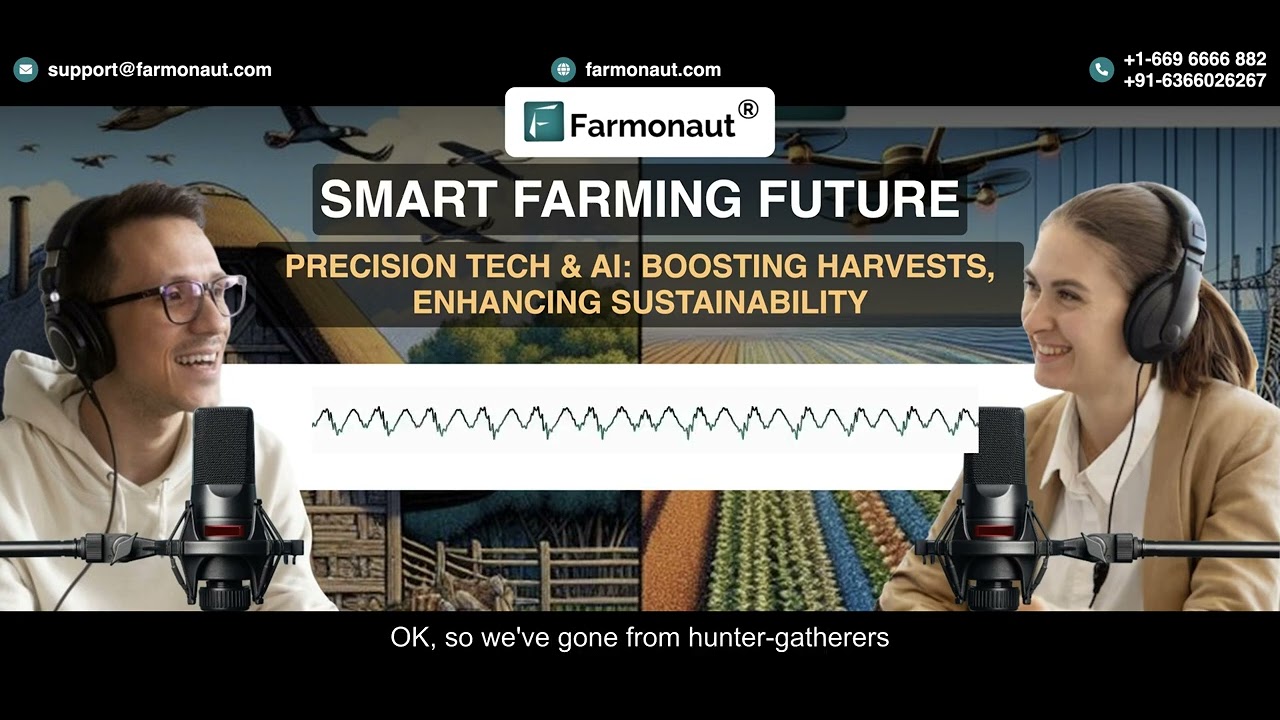
With the rise of satellite technology, precision agriculture now enables monitoring of crops, soil health, and resource use in real-time. Tools such as those from Farmonaut help:
- Optimize input usage and reduce waste
- Respond to pests and diseases instantly (explore our smart farm advisory app)
- Use environmental data for adaptive management (rainwater harvesting, irrigation controls)
AI and blockchain provide new levels of traceability and data-driven insight, furthering sustainability aims.
-
5. Responsible Livestock & Sustainable Beef Production
Beef sustainable farming is critical to reducing methane and protecting pastureland in 2026. This trend sees livestock raised on rotational grazing systems, where animals are frequently moved so that pastures can regenerate. The advantages are numerous:
- Reduced methane emissions
- Enhanced carbon sequestration & improved animal welfare
- Lowered dependence on feedlots and imported feed, thus reducing carbon footprints
These changes are being adopted by growing numbers of sustainable farms near me and globally as customers demand meat that aligns with their environmental and ethical values.
-
6. Urban and Peri-Urban Sustainable Farming
Urban agriculture surges as cities support local food systems, reduce food miles, and adopt resource-efficient practices. In city and peri-urban locations:
- Vertical farming maximizes space, requiring less land and water
- Community supported agriculture (CSA) schemes build direct links between farmers and local consumers
- Permaculture techniques mimic natural ecosystems for self-sustaining harvests
- Farmonaut’s carbon footprinting tools (learn more about how to calculate and improve your farm’s carbon profile) are helping urban growers track environmental impact easily

-
7. Self-Sustainable Farms & Off-Grid Innovation
The self sustainable farm of 2026 is an innovation hub—using advances in solar power, rainwater harvesting, and integrated pest management to minimize reliance on external systems. These farms:
- Generate their own renewable energy
- Recycle organic waste and resources on-site
- Maintain productivity with a minimal environmental footprint
This trend is vital for resilience in a climate-challenged future, affecting both rural and urban spaces and building independence into agriculture.

Comparative Overview Table of Sustainable Farming Trends (2026 Estimates)
| Trend Name | Brief Description | Estimated Local Adoption Rate by 2026 (%) | Environmental Impact | Popularity Among Farmers (%) | Potential Consumer Benefits |
|---|---|---|---|---|---|
| Regenerative Agriculture & Soil Health | Restores soil, enhances biodiversity, increases resilience, sequesters carbon | 55 | Up to 1.6 t CO₂e/ha/year reduction; 30% biodiversity gain | 77 | Healthier, nutrient-rich produce; pesticide residue reduction |
| Organic & Sustainable Farming Integration | Combines organic methods with tech-enabled sustainability and traceability | 48 | 28% less chemical run-off; improved local biodiversity | 65 | Lower chemical exposure; enhanced trust & transparency |
| Circular Resource Management & Recycling | Recycles farm waste (e.g., plastics, manure), creates energy & fertilizer | 37 | 20% waste reduction; saves 150kg CO₂e/farm/year | 59 | Cleaner environment; lower food costs; eco-label products |
| Precision & Smart Farming | Uses data, AI and satellites for real-time crop & soil management | 63 | Input usage drops by 35%; 22% yield boost | 80 | Improved yield reliability; safer, fresher food |
| Responsible Livestock & Beef Sustainability | Rotational grazing, pasture management, reduced emissions | 42 | Methane cut by 14%; improved soil carbon content | 51 | Healthier beef; better animal welfare; ethical choices |
| Urban & Peri-Urban Farming | Brings vertical, community, and CSA farming to city regions | 29 | 28% shorter food miles; less packaging waste | 44 | Increased access to fresh, local foods |
| Self-Sustainable/Off-grid Farms | Farms generate own energy, recycle waste, operate off-grid | 35 | 33% lower carbon footprint per farm | 53 | Eco-labeled produce; stable supply in crisis |
Efficient farm fleet and resource management is crucial for minimizing waste and maximizing yield, especially in the era of precision and sustainable farming. Discover how Farmonaut’s Fleet Management system can streamline your machinery, logistics, and transportation—reducing emissions and operational costs for all farm sizes.
Farmonaut: The Smart Farming Solution for 2026 and Beyond
At Farmonaut, we are dedicated to making satellite-driven, data-rich agriculture accessible for everyone—whether you oversee a large estate, manage a peri-urban farm, or operate a self sustainable farm near your community.
- Satellite Crop Monitoring: Track crop health with multispectral imagery, including NDVI and soil moisture variance, for deeper insight on input usage and yield potential.
- AI-Based Advisory (Jeevn): Get real-time pest, disease, and weather advisories tailored to your climate and crops.
- Blockchain Traceability: Secure the integrity of your organic and sustainable farming journey from the farm to the consumer.
- Environmental Impact Monitoring: Monitor your field’s carbon emissions and progress toward climate goals—visit our carbon footprinting service for more.
- Fleet and Equipment Management: Streamline vehicle and machinery usage to save time, money, and resources using our fleet management platform.
- Crop Loan & Insurance Facilitation: Reduce paperwork and improve loan access with our satellite-verified insurance solutions.
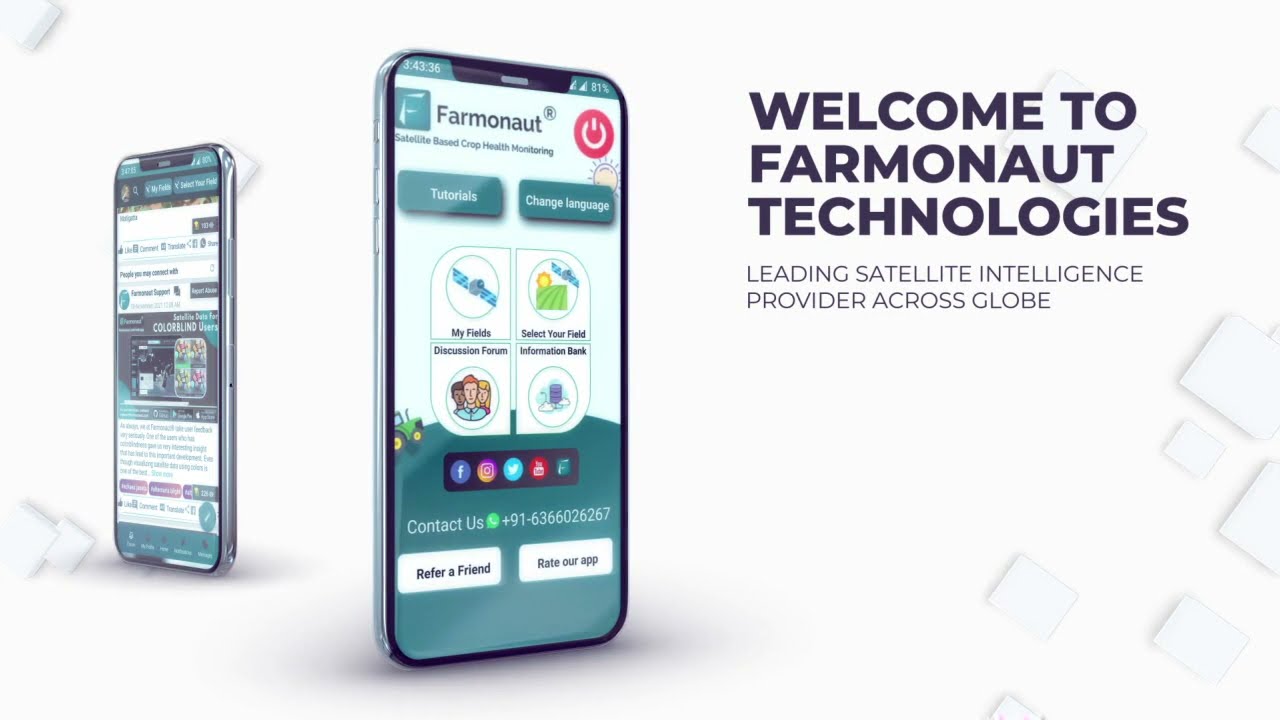
We provide these features through an easy-to-use app (see below!) and API integrations. Our platform helps local farms and agricultural enterprises monitor, analyze, and adapt—boosting farm productivity and sustainability for a climate-resilient future.



Challenges and The Road Ahead
Despite the significant strides of sustainable farming near me in 2026, several challenges remain:
- Higher initial costs: Transitioning to sustainable and organic practices may require investments in infrastructure, technology, and education.
- Need for farmer education: Building knowledge of integrated systems and advanced management tools is critical for widespread adoption.
- Market access issues: Small and medium-sized farms may face difficulty reaching consumers who value sustainable products.
- Government and institutional support: Increasing availability of subsidies, research programs, and affordable crop loans/insurance remain essential.
- Verification and traceability: Verifying “sustainable” and “organic” claims can require complex documentation. Blockchain-based traceability is one solution being implemented.
Nonetheless, with dedicated focus, continued technological advances, and growing consumer demand for transparency and environmentally kind farming, the shift to sustainable farming near me and across the globe is poised for expansion through 2026 and beyond.
Frequently Asked Questions
What is the difference between sustainable and organic farming?
Organic farming usually refers to agriculture systems that avoid using synthetic pesticides and fertilizers, and that may adhere to specific certification standards. Sustainable farming is broader: it emphasizes ecological balance, social responsibility, and economic viability—often including, but not limited to, organic methods.
Are there sustainable farms near me?
In most regions, the number of local sustainable farms is increasing rapidly. These farms can be found by searching local directories, CSA networks, or agricultural extension offices. Apps like Farmonaut can also help you identify local farms using sustainable farmland practices.
How is technology used in sustainable farming?
Technology—in particular satellites, AI, and blockchain—enables real-time monitoring, pest and disease forecasting, traceability, efficient irrigation, carbon footprinting, and more. Smart farming is key in boosting productivity while supporting environmental goals.
How does sustainable beef farming help the environment?
Beef sustainable practices pivot on improved pasture management, rotational grazing, and animal welfare, resulting in lower methane emissions, reduced pressure on feedlots, and enhanced soil carbon sequestration.
What are some examples of self-sustainable farm solutions?
Self-sustainable farms often generate their own power (via solar panels), recycle all organic waste, use renewable or recycled water, and function off-grid. These practices reduce external dependency and improve environmental resilience.
Get Started With Sustainable Farming Solutions
Ready to make your farm more resilient, productive, and sustainable? Explore how you can:
- Centralize large-scale farm management with Farmonaut’s Admin App—ideal for monitoring complex cropping systems, collaborating with staff, and managing resources at scale.
- Optimize crop plantation and forestry decisions—increase ecosystem services, boost carbon sequestration, and enhance biodiversity.
- Calculate and improve your carbon footprint to align with consumer, regulatory, and climate goals through affordable satellite-based tracking.
By making smart decisions today, your farm and community can thrive in the sustainable agriculture systems of tomorrow.

 Leher
Leher AgroRisk
 Oath Inc
 Reddane Farming
 Esri North East Africa
 Cresol
 Atur Kuliner
 MDCV UK
 Zerella Group
 Etech Consulting Madagascar
 Vestlandsforsking
 Agritein
 Delicio
 WB Dev
 Sama Premium
 Prochecker
 Tres Valles
 LACOS Geoinformation
 Magrifly
 LatConnect 60
 Blickwinkel
 Agricultural Credit Policy Council
