

Tilapia Farming 2026: No Til, Fish Farming Tips—Sustainability, Growth, and Efficiency in Modern Aquaculture
“Tilapia can convert 1.5 kg of feed into 1 kg of fish, making them highly feed-efficient in aquaculture.”
Introduction: The Surging Rise of Tilapia Farming in 2026
In recent years, tilapia farming—also known as tilapia fish farming—has rapidly evolved into a cornerstone of sustainable aquaculture systems and modern agriculture worldwide. What started as a niche, rural activity has now scaled to robust, commercial operations, underpinned by technological innovation and efficient, integrated management practices. As we project into 2026 and beyond, tilapia stands at the forefront of efforts to bolster food security, elevate protein supply, generate income streams, and foster resilient rural livelihoods. With rigorous environmental stewardship and a growing emphasis on no til farming and resource optimization, the relevance and impact of tilapia in the 2025–2026 fish farming landscape are more significant than ever.

Tilapia Farming 2026: Key Advantages & Context
The lasting expansion of tilapia farming owes much to its ability to blend sustainable practices with robust commercial appeal, adapting efficiently to both smallholder and commercial ventures. As we examine the key advantages and contextual factors propelling tilapia’s popularity, several factors stand out:
- ✔ Rapid growth and hardiness: Tilapia’s hardiness and rapid growth rates allow for efficient production cycles in diverse conditions.
- ✔ Broad water and temperature tolerance: These fish are prized for thriving across a broad range of water conditions, making them suitable for intensive, backyard, or integrated systems.
- ✔ Feed and diet compatibility: Their omnivorous diet enables the use of low-input, plant-based feeds and by-products—lowering operational costs.
- ✔ Market alignment: With mild flavor, white flesh, and broad consumer demand, tilapia aligns with global and regional market trends.
- ✔ Food security and rural income: Especially in resource-scarce or fragmented lands, tilapia provides a dependable protein source and vital income stream.

“Recirculating aquaculture systems can reduce water usage in tilapia farming by up to 90% compared to traditional ponds.”
Production Systems & Best Practices for Tilapia Fish Farming
A successful tilapia farming operation in 2026 leverages a spectrum of aquaculture systems, from earthen ponds and raceways to cutting-edge recirculating aquaculture systems (RAS) and integrated multi-trophic aquaculture (IMTA). The adoption of no til farming for ponds—where tillage is minimized or avoided before stocking—also significantly enhances management efficiency and environmental outcomes. Let us explore the best practices and technical considerations for maximizing tilapia production and sustainability.
1. Site Selection & Water Management in Tilapia Farming
- Site selection: Choose well-drained areas with reliable water access, minimal flood risk, and appropriate soil structure.
- Water quality monitoring: Key parameters include dissolved oxygen, ammonia, nitrite, and pH, requiring continuous assessment—especially in warmer climates prone to rapid changes.
- Aeration and temperature control: Employ aerators and manage shade or water surface area to maintain stable conditions and buffer against temperature spikes.
- Water conservation: In RAS and IMTA, reuse and treatment of water helps reduce withdrawal, improve resource use, and minimize effluent and waste.
2. Stocking Strategies: Fingerlings to Market
- Appropriate fingerling size: Ensure fingerlings are at least 20–30g to minimize stress and improve conversion rates.
- Stocking densities: Maintain consistent densities to support fast growth while reducing risk of disease and resource competition.
- Age class segregation: Segregating different age classes helps minimize cannibalism and optimize feeding strategies.
3. Feeding Optimization for Maximum Efficiency
- Balanced diet: Use high-protein formulated feeds tailored for the fish’s age, growth stage, and local conditions.
- Seasonal adjustment: Adjust feeding regimes based on seasonal water temperatures and oxygen availability.
- Agricultural by-products: Experiment with locally available by-products and residues, but monitor closely to maintain water quality and nutrition balance.
- Minimizing waste: Implement feeding schedules and automated feeders to reduce uneaten feed, which helps control nutrient loads and waste in the system.
4. Health Management: Biosecurity & Disease Prevention
- Biosecurity measures: Implement disinfection protocols, restricted access, and all-in-all-out practices to block disease introduction.
- Vaccination and checks: Where available, apply fish vaccines and conduct regular health inspections to prevent outbreaks.
- Stress minimization: Maintain optimal stocking, minimize handling, and swiftly remove sick individuals to reduce stress-related disease risks.
5. Integrated & Sustainable Practices in Production
- Integrated multi-trophic aquaculture (IMTA): Combine tilapia with species like shrimp, bivalves, or aquatic plants (forest/plantation integration) to recycle nutrients and improve water quality.
- Biofloc technology: Harness beneficial microbes to convert unused nutrients into microbial protein, boosting feed efficiency and reducing environmental impact.
- No til pond preparation: Opting for minimal soil disturbance before filling and stocking helps sustain natural microbial and nutrient cycles—crucial for soil health and water retention.
Sustainable Management: Water, Nutrient, and Environmental Considerations in Tilapia Aquaculture
Effective sustainable management is the backbone of responsible tilapia farming. This extends beyond daily maintenance to encompass water resource stewardship, careful waste and nutrient management, site planning, and broader integration with ecosystems and surrounding land uses.
Key Water and Nutrient Management Strategies
- Water conservation: Recirculating systems (RAS) and IMTA reduce total freshwater demand by up to 90%, recapturing and treating wastewater before reuse.
- Nutrient recycling: Integrating filter-feeding fish, aquatic plants, or constructed wetlands captures excess nutrients, improving overall water quality and farm ecosystem health.
- Effluent control: Site ponds away from sensitive habitats, establish buffer zones, and use sedimentation basins to prevent run-off and eutrophication.
- Local biodiversity protection: Select strains suited to local conditions to protect wild stocks and minimize risk of genetic dilution or disease transfer.

Planning & Infrastructure for Environmental Stewardship
- Farm and landscape planning: Integrate tilapia units with public and private infrastructure—such as forestry belts for shade or wind protection—to optimize resource use and ecosystem services.
-
Remote water monitoring: Use sensors, probes, or satellite-based tools for ongoing water quality monitoring.
Explore carbon footprinting for aquaculture - Erosion and habitat management: Employ vegetative cover, silt screens and minimal tillage to avoid sedimentation of local waterways.
Economic and Policy Drivers for Fish Farming: Access, Supply Chains & Market Alignment
The economic viability of tilapia farming is closely linked to market demand, robust supply chains, government policies, and access to key resources—from financing and inputs to extension support. Various factors are shaping the aquaculture landscape in 2026 and influencing adoption and profitability among producers.
Critical Economic & Policy Considerations
- Financing and credit: Producers benefit from access to crop loans and aquaculture insurance. Learn how satellite-based tools support secure aquaculture lending.
- Extension & technical support: The availability of modern digital platforms and advisory services is increasing efficiency in remote and rural locations.
- Policy incentives: Many governments now support certified sustainable feeds, streamlined farm permitting, and rural infrastructure (roads, distribution, traceability systems).
- Global market access: Adhering to sustainability certification and traceability requirements is opening up premium and export markets.
See how blockchain-based traceability streamlines tilapia supply chains. - Price volatility & supply resilience: Adoption of contract farming, vertical integration, and regional processing facilities help manage price swings and ensure consistent supply for major buyers.

Technology and Innovation: Tilapia Farming in the Age of Smart Aquaculture
A defining trend in tilapia fish farming as we look toward 2026 is the integration of advanced technology throughout the production, monitoring, and supply chain process. Automation, digital analytics, and satellite tech are transforming efficiency, resource use, and environmental stewardship.
Key Technological Innovations
- Sensor networks: Automated dissolved oxygen, pH, temperature, and nutrient monitoring allow proactive management, even in remote locations.
- Automated feeders: Deploy programmable feeders and IoT integration for precise, timed feeds—minimizing waste and improving FCR (feed conversion ratios).
- Probiotic and feed innovations: Next-generation feeds, probiotics, and immunostimulants are supporting robust growth and natural disease resistance.
- Genetic selection and breeding: Breeding programs focus on higher yield, better feed efficiency, and climate adaptability.
- Satellite-based monitoring & AI: Real-time, satellite-driven solutions streamline water resource management, environmental compliance, and carbon footprinting. With cloud-based analytics, producers receive actionable advisories and risk alerts.
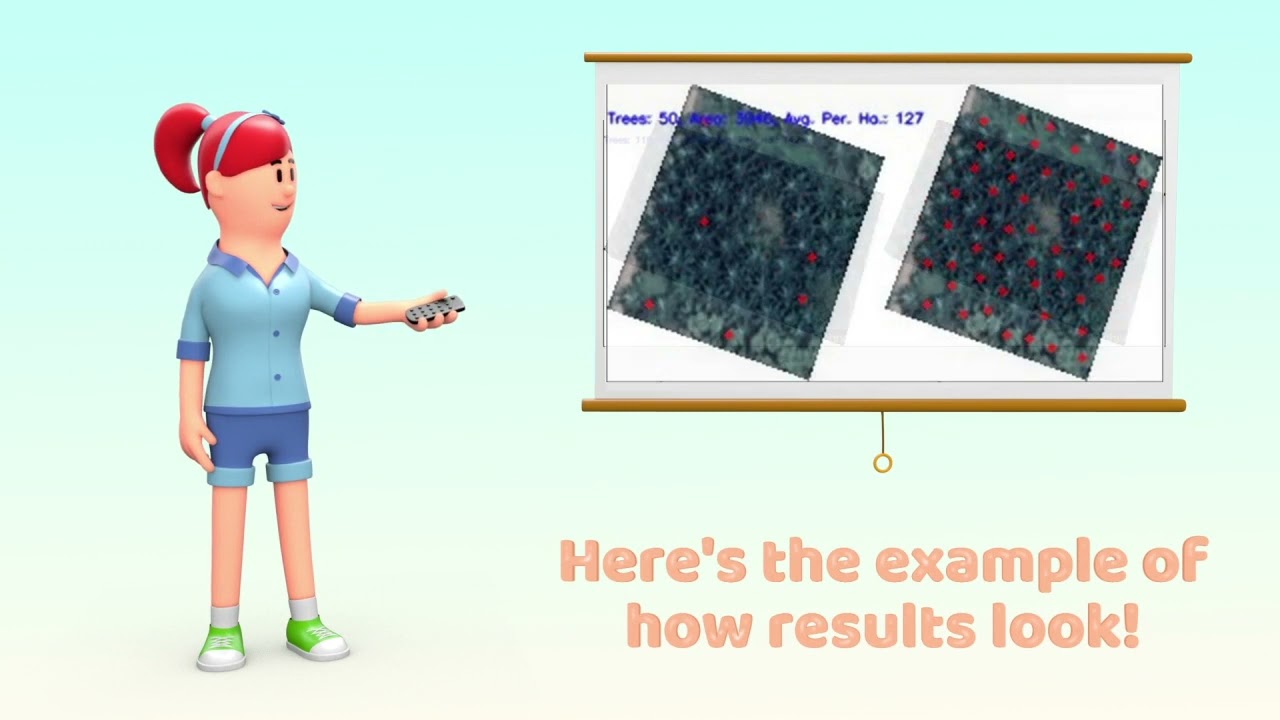



Our API and Developer Docs enable seamless integration of satellite monitoring and intelligent advisory systems into tilapia and aquaculture value chains—supporting greater transparency, efficiency, and optimization in farming operations.
Market, Supply Chains, and Modern Consumer Considerations for Tilapia Farming
The market for tilapia in 2026 remains buoyant, driven by growing global demand for affordable, healthy protein and versatile, sustainably sourced fish. However, new consumer expectations and regulatory mandates are influencing how tilapia is grown, processed, and delivered to end buyers.
Key Market and Consumer Trends
- Food safety and traceability: Blockchain and batch-level traceability (see: Farmonaut’s traceability service) are prerequisites for export and premium markets.
- Sustainability labels and certifications: Adherence to standards like ASC, GlobalGAP, and BAP is increasingly necessary for major retailers.
- Consistent supply and quality: Modern buyers expect year-round product availability, uniform size, and high flesh quality—driving automation and precision management across the value chain.
-
Integrated logistics and fleet management: Optimizing post-harvest handling and transportation minimizes food loss and ensures consumer freshness.
Read how satellite-enabled fleet management benefits logistics. - Consumer engagement: Transparency about sourcing, production methods, and environmental impact are now essential communication tools, influencing buying decisions in urban and international markets.
Sustainable Tilapia Farming Techniques: Benefits & Comparative Impact
When analyzing the best tilapia farming methods for sustainability, production yield, and environmental impact, compare these leading techniques:
Note: Values are estimated for comparative purposes. FCR = Feed Conversion Ratio (kg feed : kg fish weight gain).
Farmonaut Solutions: Satellite-Driven Monitoring, Traceability & Resource Management for Tilapia Farmers
As tilapia farming systems become increasingly sophisticated, scalable, and reliant on integrated data for compliance and optimization, Farmonaut’s platform provides essential advantages for producers, project managers, and rural users across the aquaculture spectrum. Here’s how we help drive modern, sustainable tilapia operations:
- Real-time satellite monitoring: Track pond water surface, detect health or stress signals, and benchmark performance seasonally—enabling data-driven water and nutrient management.
- AI-based advisories: Receive targeted risk alerts and daily recommendations for feed optimization, aeration, biosecurity, and harvest timing, built by our Jeevn AI engine.
- Blockchain-based traceability: Secure compliance and export-readiness with immutable batch tracking from pond to processor, leveraging our proprietary blockchain integrations.
- Fleet & resource optimization: Remotely manage logistics, deliveries, and post-harvest chains via satellite-linked fleet management—saving costs, lowering losses, and meeting market timelines.
- Environmental & carbon tracking: Monitor carbon footprints, nutrient runoff, and ecosystem impacts in real-time to meet sustainability standards and reporting guidelines.
Our solutions are accessible via Android, iOS, web, and API to suit all scales—from individual fish farmers to large corporate or governmental initiatives.
Visual Lists & Bullet Points: Benefits, Insights & Risks
Top 5 Advantages of Tilapia Fish Farming
- 🐟 Feed-efficient growth—Tilapia’s ability to convert feed supports rapid harvesting.
- 💦 Low water footprint—Modern systems like RAS reduce usage up to 90%.
- 🤝 Sustainable integration—Pairs seamlessly in mixed-crop, forestry, or aquatic plant systems.
- 📈 Reliable income stream—Meets local and global market demand for healthy protein.
- 🌱 Eco-friendly options—A wide choice of sustainable management practices helps protect local ecosystems.
Visual List: Top Modern Tilapia Production Systems
- Recirculating Aquaculture Systems (RAS): Closed-loop water reuse and tight biosecurity
- Integrated Multi-Trophic Aquaculture (IMTA): Polyculture optimizing both production and water quality
- Biofloc Technology: Harnessing beneficial bacteria for ultra-efficient feed conversion
- No-Till Pond Farming: Minimal soil disruption, supporting natural pond health
- Traditional Earthen Ponds: Still viable in well-managed, smallholder contexts
Key Pitfalls or Risks to Avoid
- ⚠ Stocking too densely can spike disease risks and tank FCR efficiency.
- ⚠ Neglecting water quality (especially DO, ammonia, temperature) often causes mass fish kills.
- ⚠ Failure to segregate age classes induces cannibalism and uneven growth.
- ⚠ Improper feed storage can introduce mycotoxins and impact health.
- ⚠ Lack of traceable records blocks access to higher-value, compliant markets.
FAQ: Tilapia Fish Farming, No Til & Modern Aquaculture
What is the best tilapia farming system for water savings and high yield?
Recirculating Aquaculture Systems (RAS) typically offer the highest water conservation—up to 90% reduction—while maximizing production yield per hectare, supported by technology-driven monitoring and management.
How does no til pond preparation benefit tilapia farming?
No til pond preparation sustains beneficial microbes, natural nutrient cycling, and soil stability, which together enhance overall pond health and growth rates without excessive water or chemical input.
What FCR (Feed Conversion Ratio) should I aim for in tilapia fish farming?
A modern, well-managed operation should aim for an FCR of 1.2–1.5; values above 1.7 often indicate excess waste and inefficiency. This depends on system type, feed quality, and stocking practices.
How can I ensure adherence to market and export standards?
Continuous documentation of farm operations, health protocols, and traceability at every supply chain stage are essential. Certification programs such as ASC and blockchain auditing support market access.
How can Farmonaut’s solutions help my tilapia or aquaculture project?
Our satellite, AI, and blockchain systems provide actionable insights for monitoring water quality, optimizing feeding, verifying compliance, and managing environmental and operational risks—accessible for both individual farmers and large operations.
Summary & Conclusion: The Path Forward for Tilapia Aquaculture
As we look ahead to 2026, tilapia farming continues to evolve as a practical, scalable model of sustainable aquaculture and inland water management. Its advantages—rapid growth, robust tolerance across a broad range of conditions, feed flexibility, and high market acceptance—create significant implications for modern agriculture, rural livelihoods, and the integrated planning of land, water, and infrastructure.
Best practices in tilapia fish farming now revolve around integrated, technology-assisted management:
- Implementing water-saving systems (RAS, IMTA, biofloc),
- Maintaining careful feed and stocking strategies,
- Ensuring optimal water monitoring and biosecurity protocols,
- Documenting and tracing full supply chains,
- And utilizing modern digital, satellite, and AI platforms.
With continued emphasis on sustainability, robust resource optimization, and responsible stewardship, tilapia farming stands primed to support food security, income generation, and ecological resilience for decades to come. Adopting the latest technological, environmental, and managerial innovations will not only help farmers reduce costs and improve yields, but also protect local ecosystems and connect today’s inland fish producers to global, future-ready markets.
We at Farmonaut are committed to democratizing access to affordable, innovative satellite-driven solutions—empowering every stakeholder in the tilapia, aquaculture, and agriculture landscapes to achieve new levels of productivity, transparency, and environmental stewardship.

 Pistachio ST
 Field Capacity
 Abhishta Agri
 Indosistim Teknologi
 Liquify Digital
 CU Foods
 BeyondTech Global
 Rouge VC
 AgroGreen Dynamics
 AgroRisk
 Oath Inc
 Reddane Farming
 Esri North East Africa
 Cresol
 MDCV UK
 Etech Consulting Madagascar
 Vestlandsforsking
