

Top 10 Agricultural Commodities Futures & Grains ETFs for 2025: Navigating Agriculture Investment
“In 2023, global agricultural ETFs saw a 15% increase in trading volume, reflecting rising investor interest in commodities futures.”
Overview: Agricultural Commodities Futures (2025 & Beyond)
Agricultural commodities futures and grains ETFs remain a cornerstone of global food security, providing vital price discovery and robust risk management for farmers, processors, investors, and policymakers. As we approach 2025 and look ahead to 2026, the agricultural landscape is being shaped by several important factors:
- Price discovery mechanisms that underpin trade decisions across the supply chain;
- Weather-driven volatility that ripples from farm fields to global markets;
- A drive toward supply chain resilience amidst logistical and geopolitical shifts;
- And an expanding toolkit of investment vehicles: futures, diversified agricultural commodities ETF products, and targeted grains exposure.
This blog centers on the practical considerations of investing in agricultural commodities—particularly futures, ETFs, and grains—within a global, regional, and local context, while highlighting strategies and risk management techniques suited for both experienced market participants and those new to agricultural investment.

Key Vehicles for Exposure: Futures, ETFs, and Grains
Agricultural commodities investing can be achieved through several key vehicles. Understanding each option’s benefits, risks, and operational complexity is vital for aligning an investment or risk management strategy with the realities of 2025-2026 markets.
1. Agricultural Commodities Futures
- What are they? Standardized contracts traded on major exchanges (e.g., CME, EURONEXT) representing specific quantities of corn, soybeans, wheat, rice, and soft commodities like coffee, cotton.
- Who uses them? Farmers and producers sell futures to lock in revenues ahead of harvest; mills and exporters buy contracts to secure future supplies and hedge input costs.
- Advantages: Direct price exposure, highly liquid markets, precise risk management, and price discovery that shapes regional and global commodity prices.
- Considerations: Margin requirements, delivery stipulations, and the need to manage contract roll dates and market volatility.

2. Agricultural Commodities ETFs
- What are they? Exchange Traded Funds that offer diversified, convenient exposure to baskets of crops, softs, and supply chain equities, or track specific commodities or indices.
- Who uses them? Retail investors, cooperatives, and agribusinesses seeking exposure without navigating futures market complexity or rolling contracts.
- Advantages: Simplified access, broad or targeted exposure, no direct futures management, and transparent fee structures.
- Considerations: Returns may be influenced by roll yields (contango/backwardation), tracking error, expense ratios, and underlying asset liquidity.
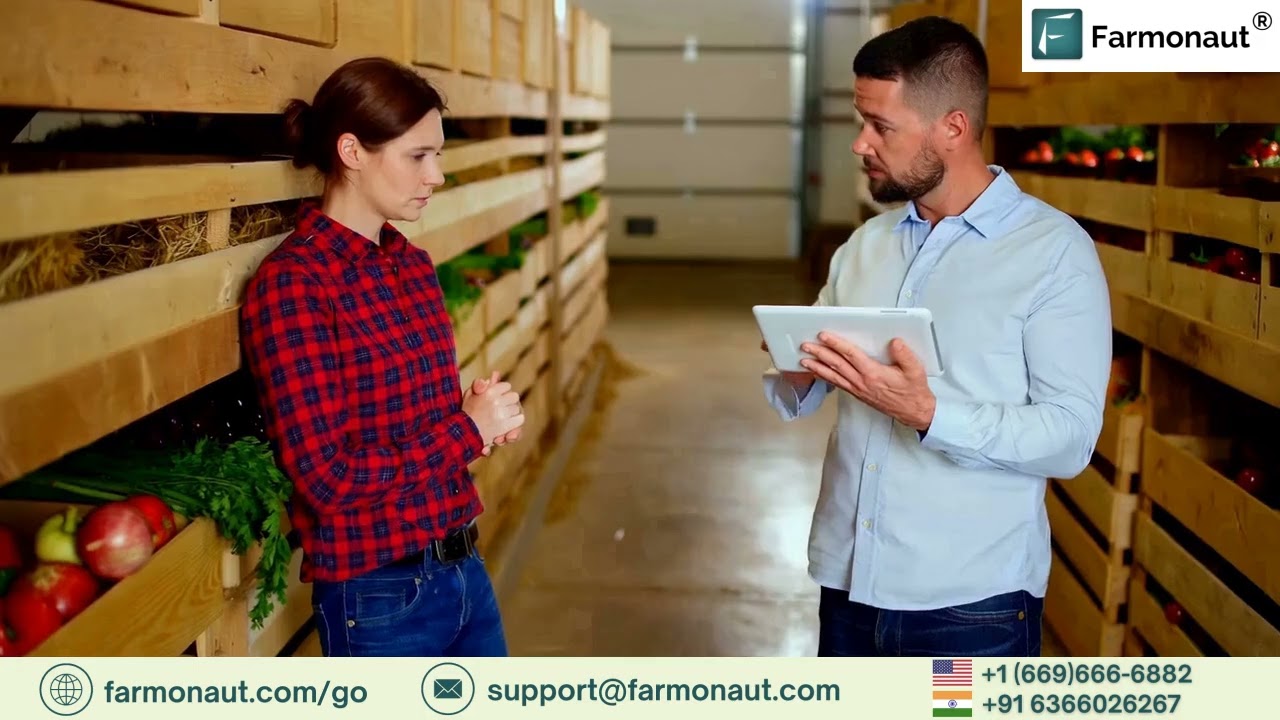
3. Grains: Focus on Corn, Soybeans, Wheat, and Rice
- Dominant in global trading: Corn, soybeans, and wheat dominatevolume and signal international price trends.
- Influencing factors: Planted area, yields, biofuel demand, weather patterns, and trade policies shape both spot and futures market pricing.
- Rice: A staple for subsistence, local and international trade; price moves often reflect regional dynamics and weather-driven supply shocks.
- Softs (coffee, cotton): Provide additional diversification and risk spreading beyond grains.
Comparative Table: Top 10 Agricultural Commodities Futures & Grains ETFs for 2025
To provide a succinct overview, we present a comparative table of leading agricultural commodities futures and grains ETFs with estimated 2025 market performance. Use this as a reference for aligning your investment or risk management strategy with both historical and forecast metrics.
| Commodity/ETF Name | Asset Type (Futures/ETF) | Underlying Commodity/Index | Est. 2025 YTD Performance (%) | Volatility (Est., %) | Expense Ratio (ETF) | Market Cap (Est., USD) | Main Exchange | Geographic Focus |
|---|---|---|---|---|---|---|---|---|
| CME Corn Futures | Futures | Corn | 7.2 | 18.0 | – | $4.5B | CME | Global/US |
| CME Soybean Futures | Futures | Soybeans | 6.1 | 16.8 | – | $3.9B | CME | Global/US |
| CBoT Wheat Futures | Futures | Wheat | 5.5 | 20.2 | – | $3.1B | CBoT | Global/US |
| CME Rice Futures | Futures | Rice | 4.8 | 21.0 | – | $920M | CME | Asia/US |
| Coffee ‘C’ Futures | Futures | Coffee Arabica | 8.3 | 25.1 | – | $1.5B | ICE | Brazil/Vietnam |
| iPath Series B Bloomberg Grains Subindex ETN | ETF | Bloomberg Grains Subindex | 5.9 | 17.5 | 0.70% | $310M | NYSE | Global |
| Teucrium Corn Fund (CORN) | ETF | Corn Futures | 7.1 | 19.2 | 1.12% | $550M | NYSE Arca | US |
| Invesco DB Agriculture Fund (DBA) | ETF | DBIQ Diversified Agriculture Index | 6.0 | 16.4 | 0.85% | $1.3B | NYSE Arca | Global |
| iShares MSCI Global Agriculture Producers ETF (VEGI) | ETF | MSCI Ag Producers | 8.0 | 14.8 | 0.39% | $460M | NYSE Arca | Global |
| Teucrium Wheat Fund (WEAT) | ETF | Wheat Futures | 5.7 | 18.5 | 1.14% | $690M | NYSE Arca | US |
Trends and Strategies in Agricultural Commodities Grains Investment for 2026
As 2026 approaches, agricultural markets are influenced by macroeconomic shifts, sustainable farming trends, and rapidly evolving access to technology and data-driven tools. These large-scale factors reshape the risk and return profile of agricultural commodities investment and risk management decisions.
- ✔ Heightened volatility: Driven by weather, global policy, biofuel mandates, and emerging market consumption patterns.
- 📊 Data insight: Satellite-based indices and carbon impact tracking increasingly influence agronomic decisions, sustainability narratives, and ETF product development.
- ⚠ Risk or limitation: Persistent supply chain disruptions (e.g., port congestion, weather shocks) can cause regional price divergence and basis risk in grain markets.
- ✔ Policy innovation: Subsidy programs, trade deal renegotiations, and environmental regulation—monitored by platforms like traceability—will continue to shape commodity pricing.
- ⚠ Basis risk: Local vs. benchmark price divergence remains a challenge in agricultural hedging and ETF performance.

Macroeconomic Considerations and Policy Signals for 2025
The macroeconomic backdrop of 2025 is defined by its impact on input costs, hedging expenses, currency movements, and global competitiveness in agricultural export markets. Understanding these signals is crucial for both hedgers and investors.
- ✔ Inflation & interest rates: Rising rates can raise financing costs for crop storage, input purchases, and margin requirements, affecting hedging willingness and timing.
- 📊 Currency volatility: Weak or strong currencies alter export competitiveness and influence grain price signals across regional markets.
- ⚠ Policy adjustments: Subsidies, trade restrictions, and new standards must be closely monitored for their impact on price discovery and risk management strategies.
- ✔ Weather cycles: El Niño/La Niña cycles lead to major swings in crop yields, harvest forecasts, and futures price patterns.
- ⚠ Stock-to-use ratios: Tight global stocks heighten the risk of price spikes from supply shocks (disease, logistics, geopolitical crises).

“Wheat and corn futures accounted for over 60% of total grains ETF assets under management in early 2024.”
Risk Management in Agricultural Commodities
Effective risk management is foundational in investing in agricultural commodities—protecting margins, containing volatility, and enabling producers, buyers, and investors to navigate shifting market conditions. Here are the essential strategies and techniques for 2025-2026 and beyond:

Contango, Backwardation and ETF Performance
- Contango: When futures prices are higher than the expected spot price at contract expiration. Roll yields in ETFs can erode returns over time in persistent contango.
- Backwardation: When futures are below spot prices. This can create a tailwind for ETF returns as roll yields are positive.
- Active management: Choose ETFs that employ sophisticated roll strategies to mitigate adverse impacts from contango.
- Liquidity and Contract Selection: Prioritize liquid contracts and exchange-traded products with transparent methodologies, robust volumes, and reasonable expense ratios.
- Basis Risk: Monitor the divergence between local cash prices and global benchmark contracts (especially in times of regional weather risk or localized supply shocks).
- Hedge and Margin Management: Use dynamic hedging and margin monitoring to respond to price signals, reduce cost surprises, and avoid forced liquidation.

Satellite Technology and Tools for Sustainable Agriculture
In the evolving world of agricultural commodities, reliable real-time insights are essential. Farmonaut’s platform provides growers, investors, and businesses with scalable access to satellite-based monitoring, AI-driven advisory, and blockchain traceability that transform agricultural supply chains and risk management.
- Blockchain traceability boosts transparency & authenticity in agricultural commodity supply chains, especially important for export compliance and sustainable certification.
- Carbon Footprinting helps meet climate and compliance requirements—track emissions for your farm or grain business.
- Satellite-based verification streamlines agricultural crop loans and insurance, reducing fraud and supporting financial access for farmers and agri-lenders.
- Large-scale farm management with AI & satellite data optimizes yield forecasting, rotation plans, and strategic input deployment at the enterprise level.
- Crop plantation and forest advisory delivers region-specific strategies, leveraging real-time remote sensing data for the best possible seasonality timing and yield outcomes.


Developers, analytics teams, and ag-finance businesses can directly access Farmonaut’s API (API Endpoint, API Docs) to power custom dashboards, risk models, and precision strategies.

Strategic ETF Approaches: Farmers, Processors & Retail Investors
For Farmers & Growers
- Balance the use of futures contracts (to hedge price risk) with spot market sales and crop insurance, ensuring cash flow security and margin protection.
- Explore futures spreads to manage carry/storage costs and to catch seasonal price moves (e.g., holding grain past harvest to benefit from price rises).
- Leverage real-time monitoring tools (see Farmonaut crop plantation and advisory solutions) to refine timing, input management, and harvest strategies.
For Agribusiness and Processors
- Hedge major input costs (grain, energy, etc.) using liquid contracts to reduce margin volatility.
- Use ETFs for fast, sector-wide exposure to agricultural price trends—ideal for managing bulk purchasing, inventory, or investment allocations.
- Utilize fleet management solutions driven by satellite analytics for optimal logistics, reducing supply chain costs associated with moving bulk commodities.
For Retail Investors and Cooperatives
- Choose agricultural commodities ETFs tracking regions and grains with direct ties to domestic or export demand trends.
- Pay attention to ETF holdings—ensure alignment with physical grain, seasonality, and your own risk tolerance.
- Include commodity ETFs, equities of ag equipment/seeds/agrochemicals, and logistics in your diversified basket, emulating broader exposure across the food chain.
- Monitor expense ratios, roll schedules, and contract rebalancing for ETF products to ensure that “cost drag” doesn’t erode returns over multi-year holding periods.
Key Tips, Pro Insights & Highlight Boxes
2025 and beyond, volatility in agricultural commodities futures will often be linked with unexpected weather shifts—plan your hedging and ETF allocations around seasonal forecasts and use real-time analytics for near-harvest adjustment.
Evaluate diversified agricultural commodities ETF products that blend grains, softs, and ag supply chain equities for reduced single-commodity risk and more stable long-term returns.
Ignoring roll yield drag in futures-based ETFs can significantly undercut long-term performance—always review fund methodology and roll schedules.
Growing environmental regulations and adoption of climate-smart farming are influencing futures contract standards and ETF criteria—choose products that prioritize sustainability and alignment with regional production patterns.
Leveraging satellite-driven insights and AI advisory tools can empower growers, logistic operators, and investors to optimize crop timing, maximize margin, and swiftly address operational bottlenecks throughout the food chain.
🌾 Key Factors Shaping Commodity Prices & Exposure
- Weather events & seasonal patterns (e.g., El Niño, La Niña, droughts, floods)
- Supply & demand dynamics (stock-to-use ratios, global consumption trends, regional policies)
- Currency fluctuations (impacting export competitiveness and local price realization)
- Input costs and logistics (fertilizer, biofuel mandate impacts, transportation bottlenecks)
- Policy changes (subsidies, quotas, trade agreements, sustainability regulations)
- Technological adoption (AI analytics, satellite monitoring, blockchain traceability)
📈 Why Choose Grains ETFs or Diversified ETFs?
- Access: Simple, liquid vehicle for exposure to food and feed prices
- Diversification: Spread risk across crops, softs, and supply chain companies
- No delivery risk: No need to manage futures rolls, margin calls, or physical storage
- Alignment: Track broad commodity indices, reflecting macro trends
- Transparency: Clear expense ratios, transparent holdings, and rebalance schedules
FAQ: Agricultural Commodities Futures, ETFs & Grains (2025-2026)
What are agricultural commodities futures and who uses them?
Agricultural commodities futures are standardized contracts traded on exchanges like CME or ICE to buy/sell crops (e.g., corn, soybeans, wheat, rice, coffee, cotton) at a predetermined price and date. They are used by farmers, exporters, mills, and institutional investors for hedging risk, securing input costs, and trading on price movements.
How do agricultural commodities ETFs work?
Agricultural commodities ETFs provide exposure to grains, softs, or agricultural indices without directly trading futures. They use futures-based replication, diversified baskets, or agricultural equities, allowing investors to track commodity prices and diversify portfolios efficiently.
Why do ETFs sometimes underperform commodity futures?
Due to roll yield drag (from contango), management fees, and tracking error, ETFs may lag direct futures exposure. Choosing ETFs with smart roll strategies or direct commodity alignment helps reduce underperformance.
What are the main risks when investing in agricultural commodities?
Major risks include weather volatility (e.g., drought, floods), regional supply shocks, changes in government policy, currency movements, logistics bottlenecks, and basis risk between local and exchange prices.
How can satellite technology help in agricultural investing and management?
Satellite tech powers real-time crop monitoring, AI-based yield predictions, and blockchain traceability for transparent, data-driven decision-making. This enhances supply chain efficiency, supports sustainable production, and strengthens risk management and ESG compliance for ag investors and operators.
Conclusion: Navigating Futures, ETFs & Grains in Agriculture Investment
As we journey through 2025 toward 2026 and beyond, the landscape of investing in agricultural commodities will be defined by adaptability, use of data-driven strategies, and a detailed understanding of the interconnected futures, grains, and ETF markets. Regardless of your starting point—whether a farmer, processor, retailer, or investor—a disciplined approach to risk management, market timing, and product selection is crucial.
Real-time weather analytics, satellite-based advisories, and blockchain traceability, like those offered by Farmonaut, will play an ever-increasing role in modern agriculture—reducing uncertainty and empowering better decisions across the crop cycle.
Key Takeaways:
- ✔ Use agricultural futures for targeted, powerful hedging and price discovery.
- ✔ Choose grains ETFs for accessible, diversified, and convenient exposure—without complex contract management.
- ✔ Stay alert to macro drivers: policy moves, currency shifts, global weather, and input costs.
- ✔ Enhance strategy with technology—from remote sensing to real-time yield advisories and traceability tools.
- ✔ Balance portfolios with a focus on sustainability, local-global alignment, and sector diversification.
Try Farmonaut Web App |
Get Android App |
Get iOS App

 Byju’s
 Kubota
 FFBS
FFBS Jontra
 Kalustyan
 Tucor
Tucor Geno
Geno Hayleys Agriculture
 Linx Agritech
 Adinet
 Save Your Soils
 Grandstream Algérie
 XOS Realty
 Geospatial Lab Africa
