

Top Agricultural Engineering Companies & Engineer Jobs 2026: Innovation, Sustainability & the Future of Farming
Table of Contents
- The Evolving Role of Agricultural Engineering Companies in 2026
- Key Trivia: The Future Impact by Numbers
- Drivers of Change: 2025 and Beyond
- Technological Innovation in Modern Agriculture Engineering
- Farmonaut: Pioneering Satellite-Driven Solutions
- Comparison Table: Leading Agricultural Engineering Companies (2026)
- Agricultural Engineer Jobs 2026: Skills, Trends, and Opportunities
- Emerging Technologies & Future Trends in Agriculture Engineering
- Frequently Asked Questions (FAQ)
- Conclusion
Agricultural engineering companies occupy a pivotal role in the future of modern farming. As we look forward to 2026, these agriculture engineering companies are transforming farming practices through technological innovation, advanced solutions, and ever-improving sustainable strategies. The global population continues to rise, climate change impacts agricultural productivity, and the need for efficient resource management has never been greater.
The Evolving Role of Agricultural Engineering Companies in 2026
Agricultural engineering companies are at the forefront of integrating engineering principles with biological sciences to boost farm productivity, soil management, advanced irrigation systems, and overall resource optimization. Their solutions are not limited to traditional mechanics, but embrace a future-proof digital and technological approach that aligns with modern agriculture.
Companies now specialize in designing and implementing advanced machinery, building robust infrastructures, and deploying digital platforms that optimize farming operations and deliver actionable insights for farmers and agribusinesses. From precision farming technologies like GPS-guided tractors and smart drones to sophisticated irrigation and resource management systems, the scope of agricultural engineering companies is broader and more impactful than ever.
The relentless pursuit of technological innovation is only matched by a growing commitment to sustainability. As more engineers focus on reducing the environmental impact of agriculture, research into eco-friendly solutions, renewable energy applications like bioenergy, and smart IoT devices for real-time monitoring are accelerating change.
Summary: Why Focus on Agricultural Engineering Companies?
- They are the main drivers of technological innovation and sustainability in agriculture.
- They enable farmers to optimize yields, reduce input costs, and mitigate climate risks.
- They improve food security by supporting productive and efficient farming at a global scale.
- They create highly skilled agricultural engineer jobs, making the sector more interdisciplinary and attractive in a digital future.

Major Drivers of Transformation: Addressing 2025 Farming Challenges
The landscape of agricultural engineering companies in 2026 is shaped by challenges and opportunities rooted in immediate past, notably those observed in 2025. Key factors include:
- Population Growth: The world population is expected to surpass 8.5 billion, increasing per-capita demand for food production and sustainable land use.
- Climate Change Impacts: Climate change triggers unpredictable weather, water scarcity, and soil degradation posing risks to food security and farm productivity.
- Resource Scarcity: Efficient resource management becomes urgent as arable land shrinks and freshwater access declines.
- Technological Adoption: Farmers and businesses strive to integrate advanced technology for higher productivity, reduced environmental impact, and economic resilience.
- Interdisciplinary Expertise: Agricultural engineer jobs now require cross-domain skills—robotics, data analytics, environmental engineering, and agronomy to design and maintain complex solutions.
Agricultural engineering companies leverage their expertise and innovation to address these transformative challenge areas using a blend of advanced equipment, smart digital platforms, real-time monitoring systems, and sustainable practices.

Technological Innovation in Modern Agriculture Engineering
Technology is the main tool for transforming modern farming systems. Agricultural engineering companies continue to pioneer applications that redefine what’s possible in food production and resource management for 2026 and beyond. Here are some impressive advancements leading the change:
Advanced Machinery & Mechanization
From GPS-enabled tractors to fully autonomous field robots, mechanization drives efficiency and precision. Robotics, sensor-equipped implements, and modular equipment help in planting, cultivation, and harvesting with minimal waste and lower input costs.
Precision Agriculture & Smart Farming Technologies
- Smart Drones: Used for crop monitoring, pest detection, applying fertilizer, and even seeding. Their aerial data is processed using machine learning to reveal actionable insights for farmers.
- IoT Devices & Remote Sensors: Enable real-time monitoring of soil moisture, climate, crop health, and equipment status for proactive management.
- Satellite Imagery: Platforms like Farmonaut bring cost-effective and scalable satellite monitoring solutions for farms—enabling timely and informed decisions at all scales.
- AI and Data Analytics: Tools leveraging AI and analytics for optimizing planting schedules, predicting crop diseases, and identifying optimal harvest timing.

Digital Platforms for Sustainability & Management
- Resource Management Apps: Modern platforms allow farmers to monitor resources, automate irrigation schedules, and manage fleet or equipment efficiently. Explore Farmonaut’s Fleet Management for cutting operational costs via advanced satellite and AI-driven vehicle tracking and logistics optimization.
- Blockchain-Based Traceability: End-to-end traceability ensures food and input authenticity across all stages. Services like Farmonaut Traceability empower companies to ensure full supply chain transparency, reduce fraud, and build trust with stakeholders.
- Environmental Impact Monitoring: Measure carbon footprint and promote compliance with regulatory sustainability requirements. Discover carbon-footprinting solutions by Farmonaut to track and reduce environmental impact easily.
- Large Scale Digital Farm Management: For large organizations and agribusinesses, comprehensive digital oversight is essential for scalable operations. The Farmonaut Large Scale Farm Management Product delivers multi-farm and multi-crop monitoring capabilities with real-time data visualization and reporting.
Such advances empower all stakeholders, from small-scale family farms to commercial agribusinesses and government agencies, to maximize yields and reduce weeds, disease, and input costs.

Water Management: Precision Irrigation Systems
In a world of unpredictable rainfall and growing water scarcity, agricultural engineering companies are leading the way in modern irrigation solutions. Examples include:
- Drip and sprinkler systems that put water where the crop needs it and cut losses to runoff and evaporation.
- AI-controlled irrigation scheduling based on real-time soil moisture data.
- Solar-powered pumps for off-grid and sustainable irrigation needs.
These technologies are vital in regions where traditional irrigation is inadequate and contribute significantly to environmental conservation.

Farmonaut: Pioneering Satellite-Driven Solutions for Modern Agriculture
As we discuss global agricultural engineering companies, it’s crucial to mention our unique and innovative approach at Farmonaut. We leverage satellite technology, artificial intelligence, blockchain, and data analytics to empower farmers, agribusinesses, and governments worldwide.
-
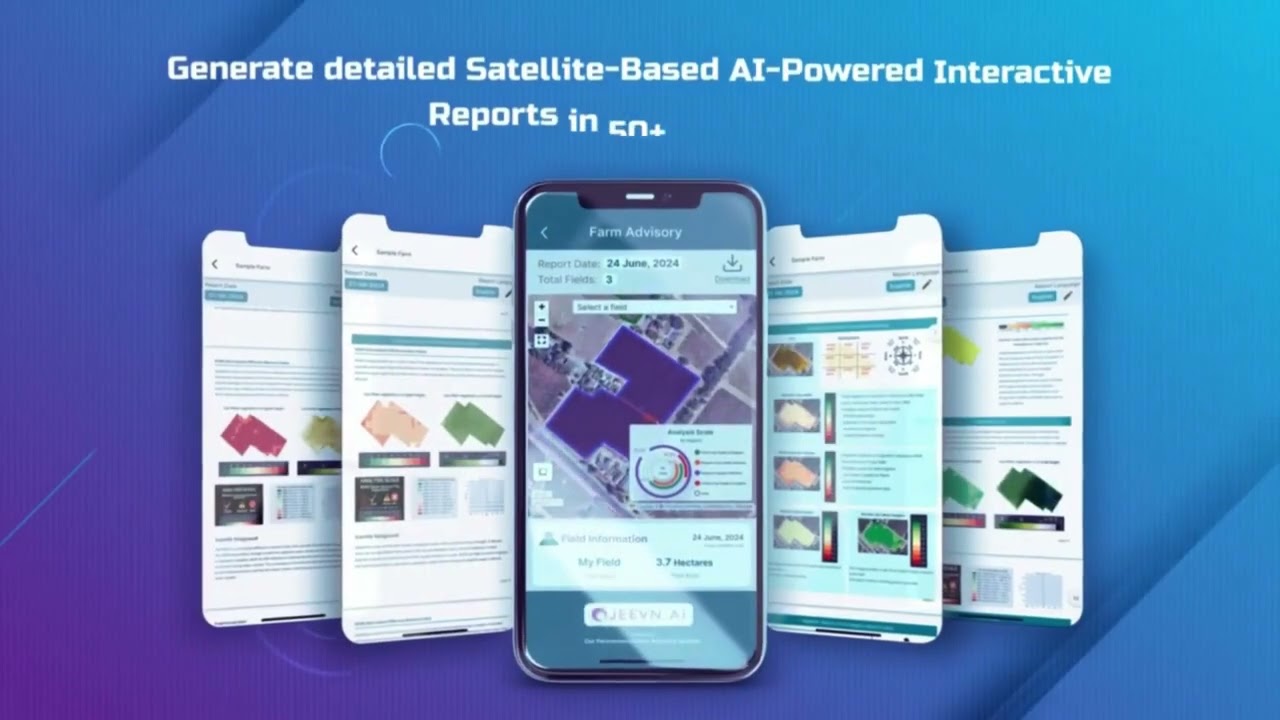
Satellite-Based Monitoring: Our platform provides multispectral satellite images to track vegetation health, soil conditions, and farm infrastructure. Real-time data enables informed decisions and promotes efficient resource management.

- Jeevn AI Advisory System: We harness the power of AI to provide customizable, crop-specific and location-centric insights in real time, driving productivity and sustainable results.
- Blockchain Traceability: Our secure, transparent traceability features help the agricultural and food sector verify the authenticity of crops and streamline supply chain management.
- Environmental Impact Monitoring: Track carbon emissions, adopt greener practices, and ensure sustainability compliance using our advanced monitoring suite.
- Fleet and Resource Management: Utilize remote fleet tracking, improve machine utilization, and reduce operational costs.
-
APIs for Seamless Integration:
Farmonaut API &
Developer Docs
make it simple for developers and businesses to integrate our solutions into legacy systems or next-gen apps.
All these cutting-edge features are not only for agriculture—but extend to mining, infrastructure, defence strategies, and more. With progress in blockchain traceability, carbon-footprinting, and satellite-verified crop loans & insurance, Farmonaut is democratising access to advanced technology for all stakeholders.


Note: Farmonaut is not an online marketplace, input manufacturer, or regulatory authority. Our focus is on providing actionable, satellite-driven insights to drive technological and sustainable advancement in agriculture and allied sectors.

Comparison Table of Leading Agricultural Engineering Companies (2026)
To enhance your understanding and help you compare global innovation leaders, here is a well-researched overview of prominent agricultural engineering companies—showcasing their core technologies, sustainability initiatives, projected revenues, and available agricultural engineer jobs for 2026.
Major agricultural engineering companies compared
The largest agricultural engineering companies are equipment makers. Revenue below is each company’s latest full fiscal year, for the whole group, not farm equipment alone.
| Company | Headquarters | What it builds for farms | Revenue, latest fiscal year |
|---|---|---|---|
| Deere & Company | Moline, Illinois | Tractors, combines, sprayers, guidance and autonomy | $45.7 billion, year to Nov 2025 (Stock Analysis) |
| CNH Industrial (Case IH, New Holland) | Basildon, UK; incorporated in the Netherlands | Tractors, combines, balers, precision technology | $18.1 billion, 2025 (Stock Analysis) |
| AGCO (Fendt, Massey Ferguson, Valtra) | Duluth, Georgia | Tractors, harvesters, grain storage; PTx Trimble precision retrofits | $10.1 billion, 2025 (Stock Analysis) |
| Valmont Industries | Omaha, Nebraska | Center-pivot irrigation (Valley) plus infrastructure | $4.1 billion, 2025 (Stock Analysis) |
| Trimble | Westminster, Colorado | GNSS positioning and software; its farm unit is now PTx Trimble | $3.6 billion, year to Jan 2026 (Stock Analysis) |
| Lindsay Corporation | Omaha, Nebraska | Zimmatic irrigation systems and road-safety products | $676 million, year to Aug 2025 (Stock Analysis) |
In 2024 AGCO took an 85% stake in Trimble’s agriculture business, creating the PTx Trimble joint venture for guidance and retrofit autonomy (AGCO). Deere, AGCO and CNH all reported lower revenue for 2025 than 2024, reflecting a weaker farm-equipment market.
Agricultural Engineer Jobs in 2026: Skills, Trends, and Opportunities
The landscape for agricultural engineer jobs is rapidly evolving. As technology becomes central to all farming operations, the role of engineers is increasingly interdisciplinary and technology-focused. Here’s how this impacts careers and the types of expertise in demand in 2026:
Key Trends in Agricultural Engineer Jobs
- Automation, Robotics, and AI: Many positions now ask for practical experience in automation, robotics engineering, and AI implementation for precision farming systems.
- Environmental and Sustainable Practices: Engineers are responsible for implementing conservation strategies, such as erosion control, integrated pest management, and climate-resilient infrastructure.
- Data Integration & Analytics: Experience in IoT device deployment, big data analytics, and software development for user-centric platforms is increasingly sought-after.
- Global Perspective: Agricultural engineer jobs often require adaptability to developing market needs—customizing solutions for diverse agronomic and environmental conditions.
- Research and Development: Collaboration with research institutes and in-house project work to create new genetic engineering support tools, develop post-harvest technologies, and automate supply chains.
- Consultancy and Regulatory Roles: Advising governments, NGOs, and private clients on digital transformation, input optimization, and climate-smart farming policy.
Future-Ready Skill Sets For Agricultural Engineers
- Engineering principles (mechanical, electrical, biotech, civil)
- Data science, AI, and machine learning
- IoT device programming and satellite data interpretation
- Environmental management and sustainable practices
- Platform and app development (API integration, software skills)
- Hands-on problem solving and on-field operations
- Effective communication—explaining complex technology to farmers and stakeholders
The demand for skilled professionals is universal—from Europe and the US, to India, Africa, and Latin America. This is driven by the dual goals of increasing crop yields and minimizing environmental impact.
For agricultural engineers seeking job opportunities or career advancement, the future points to rewarding roles in:
- Technology and platform providers (like those in our comparison table)
- Farm equipment R&D, digital agriculture startups, and consulting firms
- Government and policy advisory panels
- NGOs, research institutions, and sustainability programs
- Software and API development firms supporting agri technology

Agricultural engineer jobs: pay and employers
In the US, the Bureau of Labor Statistics counts about 1,500 agricultural engineer jobs in 2025, with median pay of $98,590 a year. It expects employment to grow 7% from 2025 to 2035, which it rates much faster than average. It is a small profession, so openings come mostly from people retiring or changing roles.
Where those engineers work, per BLS:
- Professional, scientific and technical services, including engineering consultancies: 27%
- Federal government: 21%
- State colleges and universities: 17%
- Manufacturing, which includes the equipment companies above: 11%
- State government: 7%
For job seekers, that means the equipment makers are only one route. Engineering consultancies, public agencies such as the USDA, and university research and extension programmes employ more agricultural engineers between them. Graduate schemes at the large manufacturers, the careers board of the American Society of Agricultural and Biological Engineers, and specialist agri-food recruitment agencies are the usual places to find openings.
Emerging Technologies & Future Trends in Agriculture Engineering
Digital Transformation & AI Integration
The push towards digital agriculture is only accelerating. Emerging priorities:
- Farm Management Platforms: Aggregating satellite data, IoT sensor feeds, drone imagery, and climate information for streamlined decision making.
- AI Predictive Analytics: Empowering farmers to anticipate disease outbreaks, droughts, and optimize input usage.
- Remote Sensing and Automation: Sensor networks and robots enable precise applications—fertilizer, pest management—minimizing waste and maximizing ROI.
- Regenerative Agriculture Support: Guiding companies and smallholders through soil conservation, bioenergy applications, rotation planning, and climate-smart innovation.
- Traceability & Compliance: Blockchain-enabled traceability assists in supply chain normalization, certification, and fraud prevention.
Integration with Financial & Risk Management
Ensuring long-term sustainability and profitability in the farm sector requires:
- Remote Satellite Verification: Used for crop loan and insurance services, these solutions reduce false claims and fast-track financing, especially in developing countries.
- Scalable Fleet & Land Use Optimization: With platforms such as Farmonaut’s Fleet Management, businesses can monitor, track, and strategically deploy agricultural machinery, improving ROI and land use conservation.
- Environmental Impact Data: Solutions like Farmonaut’s Carbon Footprinting allow accurate accounting of greenhouse gas emissions and better compliance with sustainability protocols.
As agricultural engineering companies continue to develop advanced technologies and scalable platforms, the global farming sector is poised for greater efficiency, sustainability, and resilience—addressing the food security challenges of 2026 and beyond.
Interested in Smart Farming or Agricultural Technology Solutions?
Explore our cost-effective satellite plans for individuals, agribusinesses, and governments worldwide. Get real-time crop and environmental insights—no expensive hardware needed!
Frequently Asked Questions (FAQ)
What do agricultural engineering companies do?
Agricultural engineering companies design, develop, and implement advanced technologies, machinery, and digital platforms that optimize farming operations, improve resource efficiency, and promote sustainability.
What skills are in demand for agricultural engineer jobs in 2026?
In 2026, skills in robotics, automation, AI, data science, IoT device integration, environmental engineering, and sustainable practice management will be highly sought after for agricultural engineer jobs.
How do agricultural engineering companies impact food security?
By developing efficient and sustainable systems for crop production, irrigation, pest management, soil conservation, and digital risk mitigation, these companies help stabilize food supply and reduce the risks associated with climate change and population growth.
What role does technology play in modern agriculture engineering?
Technology is central—enabling real-time monitoring, automation, predictive analytics, supply chain traceability, and climate-smart solutions. This drives productivity and helps farmers adapt to evolving challenges.
How can I access Farmonaut’s agriculture solutions?
Our solutions are available via web, Android, and iOS apps, along with robust APIs for developers/business integration.
Conclusion
Agricultural engineering companies are the backbone of future-proof, sustainable, and resilient food systems. In 2026 and beyond, they continue to drive innovation across every aspect of farming, from core field operations to cloud-powered smart platforms, supporting the world as it faces
complex food security, climate, and resource challenges.
With focus areas ranging from AI-driven advisory, precision automation, irrigation systems, and soil health conservation to blockchain-enabled traceability, these companies enable farmers and food producers to thrive amid global change.
For tomorrow’s engineers, the opportunities are diverse, cutting-edge, and meaningful—blending human ingenuity and digital power to feed a growing planet both efficiently and sustainably.
If you’re interested in efficient, scalable, and affordable technology to boost your agricultural potential, Farmonaut’s satellite monitoring and advisory solutions are at your fingertips—any time, anywhere.
Looking ahead, the synergy between engineering, biology, and digital technology will continue to transform agriculture, making food more secure, ecosystems healthier, and farming more rewarding for all.

 NWNS
NWNS Hydenmet
 Dirks Bros Farms
 Red August Group
 Farm Inc
 WeMe Global
 Agrotoken
 Blue BearX
 Insignito
 Croptimum
 DnCubed
 Field Capacity
 Indosistim Teknologi
 Liquify Digital
 CU Foods
 BeyondTech Global
 Rouge VC
