

Vertical Farming: 95% Less Water, Lower Energy Use by 2025
Meta Description: Vertical farming uses 95% less water and optimizes energy efficiency, revolutionizing sustainable agriculture for a resource-scarce future. Discover the environmental and economic advantages poised for 2025.
“Vertical farming uses 95% less water than traditional agriculture, making it a game-changer for water conservation by 2025.”
Table of Contents
- Introduction: The Growing Importance of Resource-Efficient Agriculture
- Water Usage in Vertical Farming: 95% Less—A Game Changer
- Energy Consumption: Striking the Balance in 2025
- Vertical Farming vs. Traditional Farming: Resource Efficiency Comparison
- Technology and Integration: Powering Sustainable Growth
- Broader Environmental Impacts and the Future of Food Security
- How Farmonaut Supports the Vertical Farming Revolution
- FAQ: Vertical Farming and Sustainable Agriculture
- Conclusion: A Resource-Efficient, Sustainable Future
Introduction: The Growing Importance of Resource-Efficient Agriculture
The year 2025 marks a critical turning point for agriculture worldwide. With global populations projected to approach 8 billion and arable land diminishing under urban expansion and climate change, the agricultural sector faces increasing pressure to produce more food while using fewer resources. Water scarcity, energy demands, and environmental degradation fuel the need for sustainable innovation that can ensure food security without overtaxing our planet.
Among emerging innovations, vertical farming has garnered attention for its capability to transform traditional farming methods by drastically reducing water usage and optimizing energy consumption. Research indicates that vertical farms use up to 95% less water per kilogram of produce compared to conventional soil farming—a figure that positions vertical farming as a potential cornerstone of sustainable agriculture by 2025.
This comprehensive guide explores what makes vertical farming’s water use 95% less such a game changer, the energy consumption per kilogram of produce, and the pivotal role these advanced systems are set to play in the future of sustainable, urban, and global food production.

Water Usage in Vertical Farming: 95% Less—A Game Changer
The Challenge: Traditional Agriculture’s Water Demand
Conventional agricultural practices are notorious for high water consumption, accounting for approximately 70% of all global freshwater use. Factors such as inefficient irrigation, soil runoff, and evaporation exacerbate the issue, especially in arid regions and countries with limited infrastructure. As climate change intensifies, water shortages are causing stress for farmers and urban populations alike.
How Vertical Farming Slashes Water Usage by 95%
Vertical farms employ advanced hydroponic or aeroponic systems within controlled environments, enabling plants to thrive with minimal water. This model is revolutionary for several reasons:
- Closed-Loop Recycling and Precision Delivery: Water not absorbed by plant roots is recaptured and reused, drastically reducing waste and loss. Precise delivery means each plant receives only what it needs, directly at the roots.
- No Runoff, Minimal Evaporation: The absence of exposed soil eliminates runoff and significantly curbs evaporation, conserving the majority of initial water input.
- Efficient Infrastructure: Vertical systems can reuse water in ways that are impossible in traditional methods, achieving up to 95% less water usage per kilogram of produce compared to conventional agriculture.
This profound water use reduction is especially impactful for urban areas and regions that are grappling with chronic water scarcity, such as the Middle East, parts of Africa, and drought-prone states in the USA.
“By 2025, vertical farms are set to significantly lower energy usage, boosting environmental sustainability in food production.”
Case Example: Arid Urban Centers
Across urban hubs in arid countries, adopting vertical farming allows local governments to secure fresh, high-quality produce without exacerbating scarce water supplies or relying on expensive groundwater extraction and irrigation. Vertical farming’s water use 95% less creates a replicable blueprint for sustainable food security in water-challenged environments.

Key Benefits:
- Drastic reduction in groundwater extraction and irrigation—help prevent soil degradation and ecosystem disruption.
- Enables urban and peri-urban food production—reducing transport and storage costs, and ensuring fresher produce.
- Supports food sovereignty for water-stressed regions—without exacerbating environmental pressure.
Looking to monitor water usage, soil health, and environmental impact in real time?
Farmonaut’s Carbon Footprinting tool provides actionable insights for sustainable agriculture and helps minimize water footprints, especially within advanced vertical farming systems.
Energy Consumption: Striking the Balance in 2025
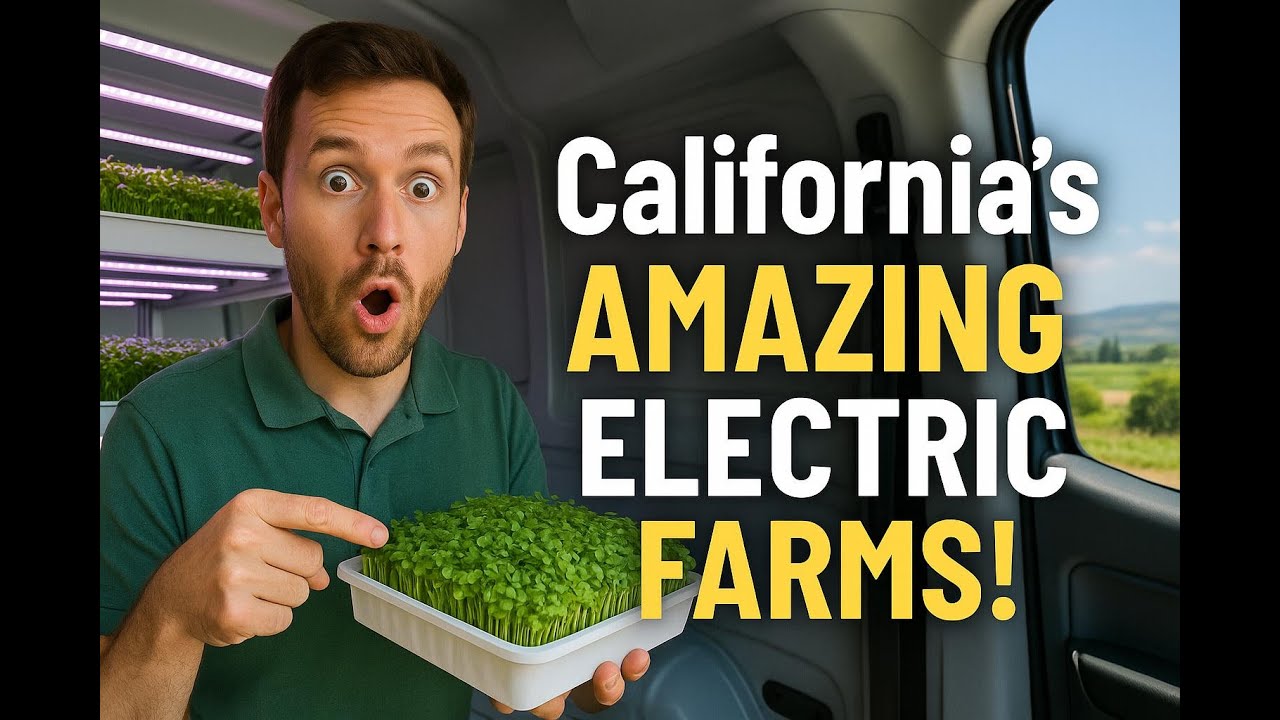
While vertical farming excels in water efficiency, energy consumption per kilogram of produce is a crucial factor—lighting, climate control, and system operation all require electricity input. The good news: rapid technological advances, particularly in LED lighting tailored to plant growth, are drastically reducing energy usage in vertical farms.
- LED Technology and Smart Controls: The latest LED systems provide custom light wavelengths for optimal growth, maximizing efficiency and minimizing excess energy consumption.
- Climate and Environmental Control: New HVAC (heating, ventilation, air conditioning) systems, combined with AI-driven analytics, ensure only as much energy as necessary is used for plant and environmental health.
- Integration with Renewables: Solar panels, wind, and energy storage units are driving many vertical farms towards net-zero or even negative energy profiles by 2025.
As these developments are integrated within urban areas, “food miles” are reduced, contributing to overall energy savings for the global food system.
Quantifying the Gains: Energy Use Per Kilogram of Produce
While the earliest vertical farms were criticized for high energy consumption per kilogram of produce, the trend is rapidly improving. Today’s best-designed vertical farms are achieving substantial energy cuts through:
- Integrated solar arrays and clean energy purchasing
- Smarter automation and system optimization with AI/ML
- Localized production reducing energy required for refrigeration and transport
Research indicates drops of 30–50% in energy use versus early models, with projections for continued reductions by 2025 as technologies mature and grid integration becomes standard.
Want to integrate satellite-powered agriculture monitoring for your vertical or traditional farm?
Leverage the Farmonaut API for scalable, precise farm data insights, and explore our API Developer Docs to customize your agri-software platform for highest efficiency.
Vertical Farming vs. Traditional Farming: Resource Efficiency Comparison
| Resource Type | Vertical Farming (Estimated) | Traditional Farming (Estimated) |
|---|---|---|
| Water Use | 95% less water per kg produce | High; accounts for ~70% of freshwater use |
| Land Use | 70–90% less land (multilevel stacking) | Extensive arable land required |
| Energy Consumption | Up to 50% lower by 2025 (with renewables and LEDs) | Irrigation pumps, machinery, supply chain transport increases net energy use |
| Crop Yield per Acre | 10–20x higher yields (year-round production) | 1x yield, highly seasonal and weather-dependent |
| Pesticide Use | Significantly reduced or eliminated (controlled indoor environment) | High reliance (to combat pests & disease) |
| Carbon Emissions | Lower (less transport, renewable integration, reduced inputs) | Higher (from field machinery, long supply chains, fertilizer use) |
*Resource comparison values reflect global averages and can vary by crop, region, and technology adoption levels.
Technology and Integration: Powering Sustainable Growth
Closed-Loop Systems and Automation
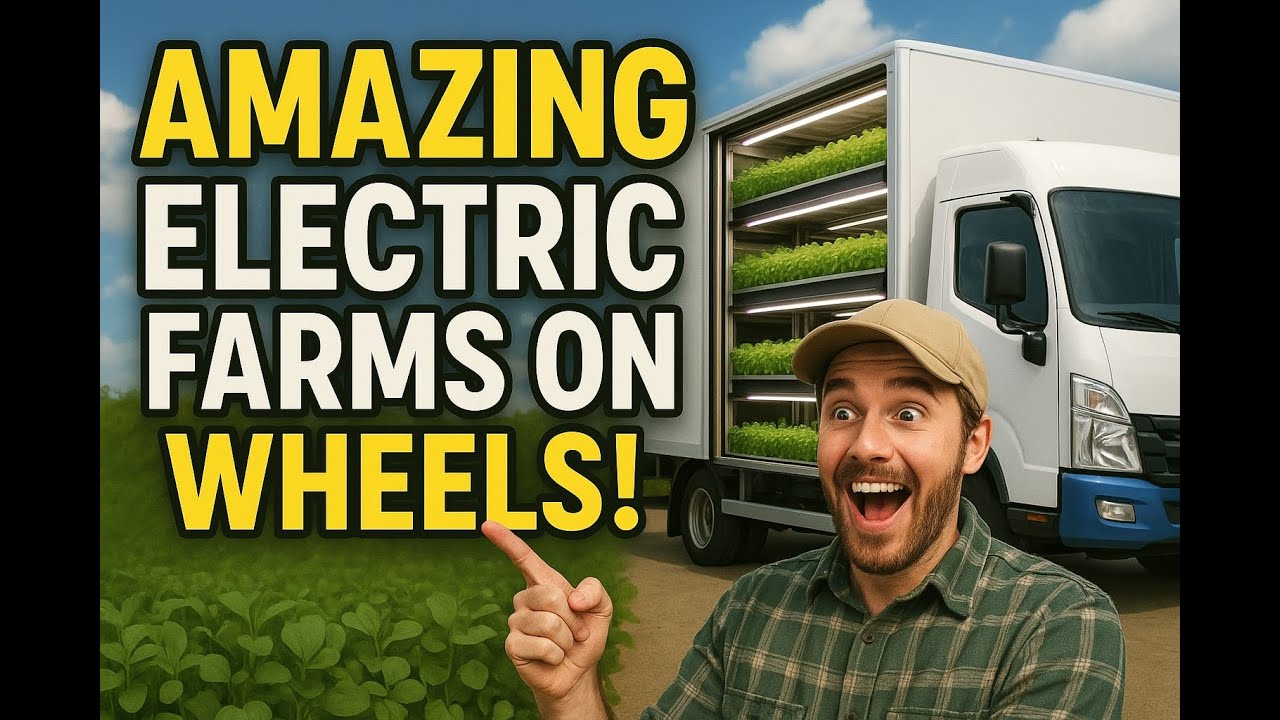
Technological innovation is at the core of contemporary vertical farms’ resource savings. Closed-loop hydroponic and aeroponic systems channel recirculated water and nutrients. Combined with real-time sensors and automations for climate, humidity, and power usage, this ensures precise resource delivery and maximum efficiency—with minimal waste.
- AI/ML-powered environmental controls dynamically adjust lighting, watering, and nutrient dosing based on current plant needs and environmental changes.
- Automated harvest and planting tools drive consistency and reduce labor/resource requirements.
- Blockchain traceability provides full transparency into every input, supporting both consumers and businesses in sustainable choices (see Farmonaut Product Traceability).
Embracing these technologies not only optimizes resource usage but also encourages adoption of best practices across the industry, from urban micro-farms to large-scale, automated greenhouses.

Integration with Renewable Energy Sources
A crucial factor in making vertical farming energy consumption per kilogram lower is the integration of renewables:
- PV solar panels on rooftops and walls supply clean energy for lighting and system operation.
- Battery storage and grid-interactive designs enable system resilience and off-peak use.
- Wind turbines supplement energy in suitable regions, further pushing energy systems toward sustainability.
With new construction and retrofits emphasizing low-carbon design, vertical farms are rapidly moving toward net-zero emissions—a critical goal for sustainable agriculture in 2025 and beyond.




AI Drones, Precision Tech, and Satellite Monitoring
The convergence of robotics, satellites, and IoT in agriculture delivers real-time, precise data about crop health, resource stress, and operational bottlenecks. By 2025, innovations such as AI-guided harvesters and automated drones will further lower energy use per kilogram and improve productivity.
For teams managing a fleet of vehicles in agri or vertical farming operations, Farmonaut’s Fleet Management system ensures optimized logistics—reducing energy use and operational costs.
Broader Environmental Impacts and the Future of Food Security
Resilience Against Climate Change
Contemporary vertical farming arises as a response to the vulnerabilities facing traditional agriculture:
- Reduced exposure to drought, flood, and extreme weather: By bringing production indoors, controlled environment farms maintain yields irrespective of climatic swings.
- Lowered need for pesticides and herbicides: Fewer chemical inputs reduce risk to pollinators and surrounding ecosystems.
- Year-round harvests support constant food supplies and enhance local food sovereignty.
Supporting Biodiversity and Reducing Land Degradation
By moving agricultural output into vertical, multistory frameworks, land use for food production diminishes, preserving native habitats and biodiversity. Less pressure on forest lands and wetlands supports vital carbon sequestration services and healthier ecosystems.
Economic and Social Benefits
- Urban employment generation: New farms and distribution channels create jobs closer to population centers.
- Lowered food miles: By producing food near end consumers, associated costs and emissions are minimized.
- Agri-tech innovation hubs: Urban vertical farms drive technology adoption and R&D investments.
By 2025, the vertical farming movement is expected to support both economic resilience and ecological restoration in cities worldwide.
Accessing affordable financing for modern or sustainable agri initiatives?
Consider Farmonaut’s Crop Loan and Insurance Verification tools—helping streamline verification, reduce fraud, and empower farmers to embrace innovation safely.

Scaling for Large Operations
Large enterprises, agribusinesses, and government agencies can benefit from Farmonaut’s Large Scale Farm Management App to monitor crop health, optimize inputs, and track carbon/energy footprints across multiple locations—supporting true scalability for sustainable agriculture.
How Farmonaut Supports the Vertical Farming Revolution
As a global leader in satellite-powered agricultural insights, Farmonaut offers valuable services for farms and agri-businesses embracing water and energy-efficient innovation.
- Satellite-Based Monitoring: Our multispectral imagery supports real-time, remote monitoring of crop health, infrastructure, and soil conditions—helping vertical farms track resource use and environmental impact.
- Jeevn AI Advisory System: Delivers on-demand insights and custom strategies for optimizing energy, water, and crop inputs, which is especially beneficial for advanced vertical and urban farms.
- Blockchain-Based Traceability: Ensures transparency across supply chains, helping vertical farms demonstrate sustainable practices to consumers and regulators.
- Fleet and Resource Management: Accurate tracking and logistics planning aids in reducing energy use per kilogram of produce, supporting operational efficiency.
- Environmental Impact Monitoring: Provides actionable carbon, water, and land use data to improve decision-making and support compliance with environmental standards.
With tools available via Android, iOS, and web, as well as robust APIs, Farmonaut empowers users, businesses, and governments to adopt and scale resource-efficient, data-driven agriculture for a sustainable future.
Frequently Asked Questions: Vertical Farming and Sustainable Agriculture
1. How does vertical farming achieve 95% less water use compared to traditional agriculture?
Vertical farming employs closed-loop hydroponic/aeroponic systems that recapture, recycle, and precisely deliver water to plant roots, eliminating loss from runoff and evaporation. Traditional soil-based systems commonly lose water to both, leading to substantially higher consumption per kilogram of produce.
2. Is the energy consumption per kilogram of produce in vertical farms higher than conventional farms?
Early vertical farms did face high energy use per kilogram, mainly due to artificial lighting and climate control. However, advances in LED technology, renewable integration, and smart controls are closing the gap. By 2025, the trend is towards equal or lower net energy consumption—especially when factoring in lower food miles and storage needs.
3. What kind of crops are best suited for vertical farming?
High-value, fast-growing, and leafy greens (lettuce, spinach, herbs), strawberries, and microgreens are commonly produced. As technology matures, the range expands to include tomatoes, peppers, and certain grains, with ongoing research for staple crops.
4. Is vertical farming suitable for use in water-scarce urban regions?
Absolutely. Vertical farming’s water use 95% less makes it uniquely suited for water-stressed urban areas and arid regions. It can help cities secure fresh produce without exacerbating water scarcity or environmental degradation.
5. What role does satellite and AI technology play in the future of vertical farming?
Satellite and AI technology provide real-time data on plant health, resource efficiency, and environmental impact, enabling precise management and rapid scaling. Farmonaut, for example, offers such tech via affordable apps and APIs.
Conclusion: A Resource-Efficient, Sustainable Future
As populations surge and arable land diminishes, vertical farming’s 95% reduction in water usage and improving energy efficiency make it a transformative force for sustainable agriculture in 2025 and beyond. Through the adoption of advanced systems, continuous technological innovation, and a focus on resource conservation, vertical farms are set to become a cornerstone of urban food systems and global sustainability.
Leveraging advanced monitoring, AI, and data-driven solutions such as those provided by Farmonaut, we are on track to make resource-efficient vertical farming accessible and profitable for operations of all sizes. The journey toward a water-smart, climate-resilient, and highly productive agricultural future has never been clearer or more achievable.
By embracing vertical farming, satellite technology, and sustainable practices, agriculture can rise to the twin challenges of feeding a growing population and protecting our planet’s precious resources.

 Agro La Gándara
 Global Agrifood
 Cazlv
Cazlv HIPSAC
 ZOL Zimbabwe
 Juligerm
 AdBio
AdBio MISE Maroc
 NWNS
NWNS Red August Group
 Farm Inc
 WeMe Global
 Agrotoken
 Blue BearX
 Insignito
 Croptimum
 DnCubed
 Field Capacity
 Indosistim Teknologi
