

Daily Updates Agriculture Worldwide: Top 7 Problems 2025
Your go-to source for daily updates, agricultural news, and global trends shaping farming, yields, sustainability, and food security in 2025 and beyond.
“By 2025, over 820 million people worldwide may face food insecurity due to climate-driven crop failures.”
“Global crop yields could drop by up to 30% in some regions by 2025 because of extreme weather events.”
Table of Contents
- Introduction: Why Daily Updates in Agriculture Matter in 2025
- The Top 7 Agriculture Problems in the World — 2025 Overview
- Comparative Table: Daily Updates Agriculture Worldwide – Problems, Impact, and Solutions
- 1. Climate Variability & Change
- 2. Soil Degradation
- 3. Population Growth and Food Demand
- 4. Supply Chain Disruptions
- 5. Water Scarcity
- 6. Labor Shortages & Mechanization
- 7. Technological Gaps & Inequity
- Farmonaut: Advanced Monitoring & Daily Updates Agriculture Worldwide
- Frequently Asked Questions
- Conclusion
Introduction: Why Daily Updates in Agriculture Matter in 2025
As we move through 2025, agriculture remains the cornerstone of global sustenance and economic stability. Yet, the industry faces a complex array of problems that are amplified by erratic climate shifts, technological disruptions, and mounting socio-economic pressures.
With population growth surging towards 8.5 billion, farmers, policymakers, agribusinesses, and researchers must stay informed with daily agriculture news updates worldwide. This is not just about harvesting the next crop, but navigating an evolving landscape where yields, supply chain security, environmental sustainability, and food safety are at constant risk.
In this blog, we’ll dive deep into the top 7 agriculture problems in the world for 2025—detailing what’s changing, what’s being done globally, and how daily updates agriculture worldwide is evolving with platforms like Farmonaut to optimize practices and build resilient systems.
Explore modern solutions, the role of satellite technology, targeted apps and APIs (like  Farmonaut Web App), and real-time data in tackling global food challenges in 2025.
The Top 7 Agriculture Problems in the World — 2025 Overview
- Climate Variability & Change: Erratic and extreme weather, droughts, floods, and temperature spikes undermining planting cycles, yields, and food security.
- Soil Degradation: Erosion, nutrient depletion, and chemical contamination threatening nearly a third of the globe’s arable land.
- Population Growth: Surging demand for higher yields and food security squeezed against environmental conservation constraints.
- Supply Chain Disruptions: Globalized agricultural markets vulnerable to shocks from conflict, pandemics, fuel prices, and infrastructure issues.
- Water Scarcity: Agriculture consuming 70% of freshwater yet often plagued by overuse, waste, and drought.
- Labor Shortages: Urban migration and higher opportunity costs driving mechanization needs—but with concerns for smallholders.
- Technological Gaps: Inequity in access to precision agriculture, satellite monitoring, and advisory tech leading to uneven progress.
“By 2025, over 820 million people worldwide may face food insecurity due to climate-driven crop failures.”
Comparative Table: Daily Updates Agriculture Worldwide – Problems, Impact, and Solutions
| Problem | Estimated Global Impact | Affected Regions | Recent Innovations/Solutions | Current Progress/Updates |
|---|---|---|---|---|
| Climate Variability & Change | Up to 30% yield loss in vulnerable regions; $80B annual losses | Africa, South Asia, Latin America | Climate-smart crops, real-time monitoring, precision irrigation, AI weather modeling | Piloted in 30+ countries, increasing adoption, advanced forecast platforms |
| Soil Degradation | ~33% arable land degraded; 75B tonnes soil lost annually | Sub-Saharan Africa, South Asia, parts of Europe & North America | AI-based soil health, regenerative practices, organic amendments, satellite soil mapping | Growing satellite/AI adoption; regenerative up 23% globally |
| Population Growth & Food Demand | Yields must grow 60% by 2050; 8.5B people by 2025 | Globally, particularly Africa and Asia | Gene-editing, drought/pest resistance, yield-boosting biotech, vertical farming | Gene-edited crops in 20+ nations, ongoing debates / tech transfer |
| Supply Chain Disruptions | 30-40% food loss in transport; $400B annual global cost | Global, with risks in export-dependent nations | Blockchain traceability, local storage/logistics upgrades, resilient distribution | Blockchain scaling in supply chains; local logistics projects gaining |
| Water Scarcity | Over 50% of irrigated land at risk by 2025; aquifer depletion | Middle East, Africa, South Asia, US West | Drip irrigation, crop selection by water use, satellite water monitoring | Efficient irrigation in 60% large farms, remote sensing on rise |
| Labor Shortages | Potential 20% worker gap; rising average farmer age | Europe, North America, East Asia | Automation, AI robotics, drone field monitoring, accessible apps | Automation in 35% areas; apps now accessible globally |
| Technological Gaps & Inequity | Up to 70% smallholders in developing nations lack access | Asia, Africa, parts of Latin America | Affordable satellite data, mobile advisory, financing APIs | Subscription/financing models expanding in 2025 |
1. Climate Variability and Change: The Leading Problem in Daily Updates Agriculture Worldwide
Why Is Climate Variability a Pressing Challenge?
One of the most urgent agriculture problems in the world today is the acceleration of climate variability and change. According to daily updates agriculture worldwide, crops in regions like sub-Saharan Africa and South Asia—heavily reliant on rain-fed farming—are especially vulnerable to erratic weather patterns.
Severe droughts, intense floods, and unpredictable planting/harvesting cycles are reducing crop yields and putting global food security at risk. 2025 agricultural news updates emphasize that weather extremes may lower yields by up to 30% in some areas.
- Planting calendars are disrupted, causing lower productivity and increased crop failures.
- Pest/disease outbreaks are becoming more common in shifting climates.
- Crop insurance systems are under severe strain as historical data becomes less reliable.
Innovations Tackling Climate Variability
- Widespread use of drought-tolerant and flood-resilient crop varieties
- Use of satellite-based monitoring and AI-powered weather prediction for precise planting/harvesting (Explore these insights on the Farmonaut Large-Scale Farm Management Platform)
- Smart irrigation technologies tailored to real-time climatic data
- Insurance APIs for real-time weather verification (Farmonaut Crop Loan & Insurance Verification Tool)

Modern agriculture news updates now frequently highlight how real-time satellite monitoring helps farmers and agribusinesses adjust practices in response to evolving climate threats.
2. Soil Degradation: The Silent Threat to Global Agricultural Productivity
The Scale of Soil Degradation
Soil degradation affects nearly one-third of arable land worldwide. Causes include erosion, nutrient depletion, and contamination from overuse of chemical fertilizers and pesticides. According to recent daily agriculture news updates:
- Over 75 billion tonnes of soil are lost annually to erosion.
- Nutrient imbalances reduce soil fertility and crop yields.
- Soil contamination is a growing concern, especially near industrial hubs.
How Technology & Precision Farming Help Restore Soil Health
Innovative farming technology—such as AI-based soil monitoring and satellite imagery—is being adopted to:
- Optimize input use (fertilizer, water, pesticides) and reduce over-application.
- Monitor real-time soil health parameters (moisture, organic content, nutrient levels).
- Enable precision agriculture for targeted interventions and improved restoration.
Despite this, smallholder farmers in developing nations are often left behind due to limited access to modern technologies, perpetuating the global productivity gap.

Many daily updates agriculture worldwide platforms now offer affordable satellite monitoring and AI-based advisory systems accessible through web, Android and iOS apps. For example, at Farmonaut, our web, iOS, and Android platforms empower users to access updated soil health maps, monitor trends, and plan sustainable farm practices.
Access Farmonaut’s satellite soil moisture monitoring capabilities:



3. Population Growth and Food Demand: Pressures Amplified in 2025
Global Population Growth & Agricultural Systems
The global population is forecasted to reach nearly 8.5 billion people by 2025, putting immense pressure on agricultural systems to deliver ever-higher yields while conserving finite resources. According to recent daily updates agriculture worldwide:
- Food demand could outstrip growth in agricultural production unless outputs increase by up to 60% by 2050.
- Regions like Africa and South Asia are set to bear the brunt, with rapidly growing food needs.
Modern Innovations Respond to Population Pressure
- Gene-edited & biotech crops designed for resilience and higher yields per hectare.
- Vertical farming, precision irrigation, and resource-efficient techniques to optimize land and water.
- Blockchain-driven traceability to secure the supply chain and improve market confidence (explored in depth at our Farmonaut Traceability Platform).
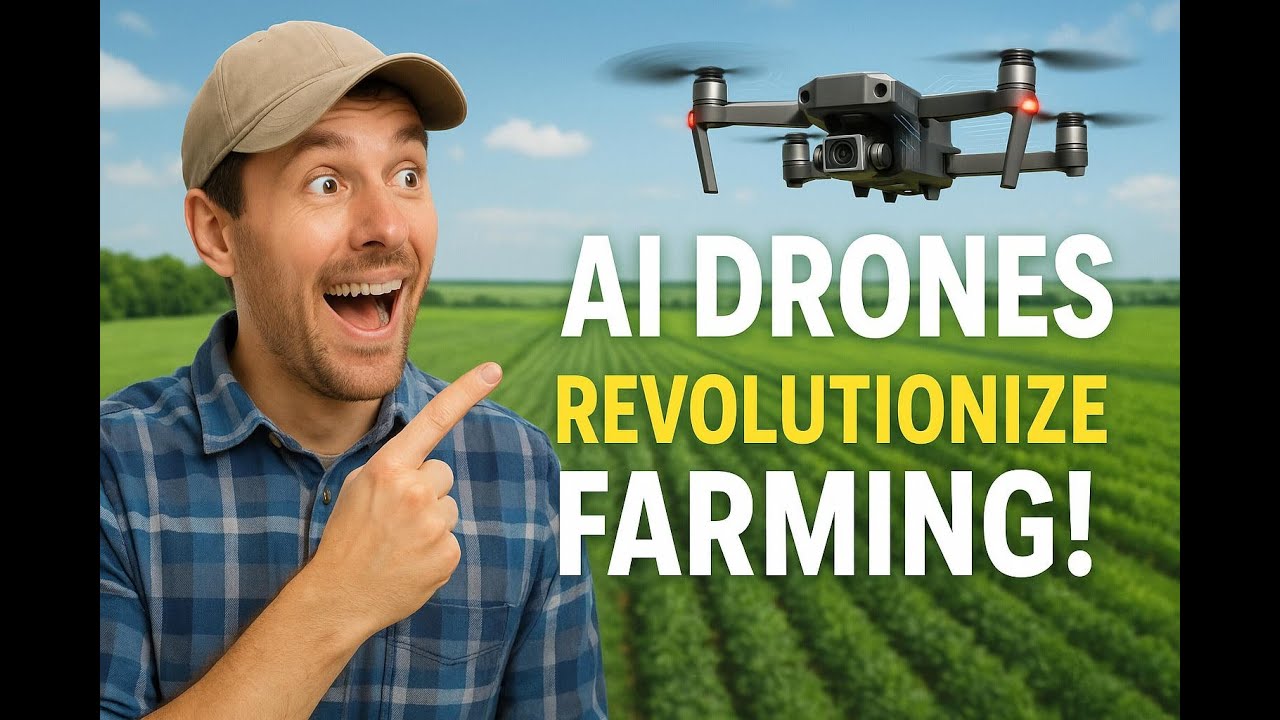
While biotechnology and digital transformation offer hope, there remain significant debates on regulation, access, and the long-term impact on environmental sustainability. Ensuring fair access globally is a key challenge detailed in modern agriculture updates.
4. Supply Chain Disruptions: Securing Food from Farm to Market
Why Supply Chain Issues Remain a Core Agriculture Problem in 2025
Supply chain disruptions have emerged as one of the most complex agriculture problems in the world. Challenges include:
- Global fuel price volatility raising logistics and input costs
- Geopolitical tensions and conflicts affecting trade, especially grain exports
- Infrastructure gaps, inadequate cold storage logistics, and food loss in transit
- Pandemics and climate disasters repeatedly testing supply resilience
Daily agriculture news updates emphasize the urgent need for localized, diversified, and digitally traceable food supply chains.
Solutions: Building Resilient and Transparent Chains
- Blockchain-based traceability: Reinforces transparency, security, and rapid recall across global supply.
- Fleet and resource management technologies for optimized logistics and minimized food loss—read more on our Fleet Management Solution.
- Upgraded infrastructure: local cold storage, digitized logistics, and rapid market information systems.

For developers and agribusinesses, Farmonaut offers APIs and developer docs for integrating satellite-powered insights and real-time supply chain verification into business operations.
Explore Farmonaut API: API access here | Developer Docs here
5. Water Scarcity: The Imperative for Sustainable Irrigation & Monitoring
The Global Water Challenge in Agriculture
Water scarcity is a critical agricultural problem worldwide. About 70% of freshwater is used in irrigation, yet by 2025, over 50% of this irrigated land may be at risk due to over-extraction and pollution. With climate change amplifying droughts, regions like the Middle East, Africa, South Asia, and the US West are especially vulnerable.
- Groundwater depletion threatens long-term productivity.
- Conventional irrigation methods often waste water and energy.
Water-Efficient Farming Innovations for 2025
- Advanced drip & micro-irrigation systems minimizing water loss.
- Real-time satellite and AI water monitoring for adaptive irrigation scheduling.
- NDWI (Normalized Difference Water Index) maps for precision water resource management.
- Crop selection tailored to local water availability, enabled by data-driven advisory tools.

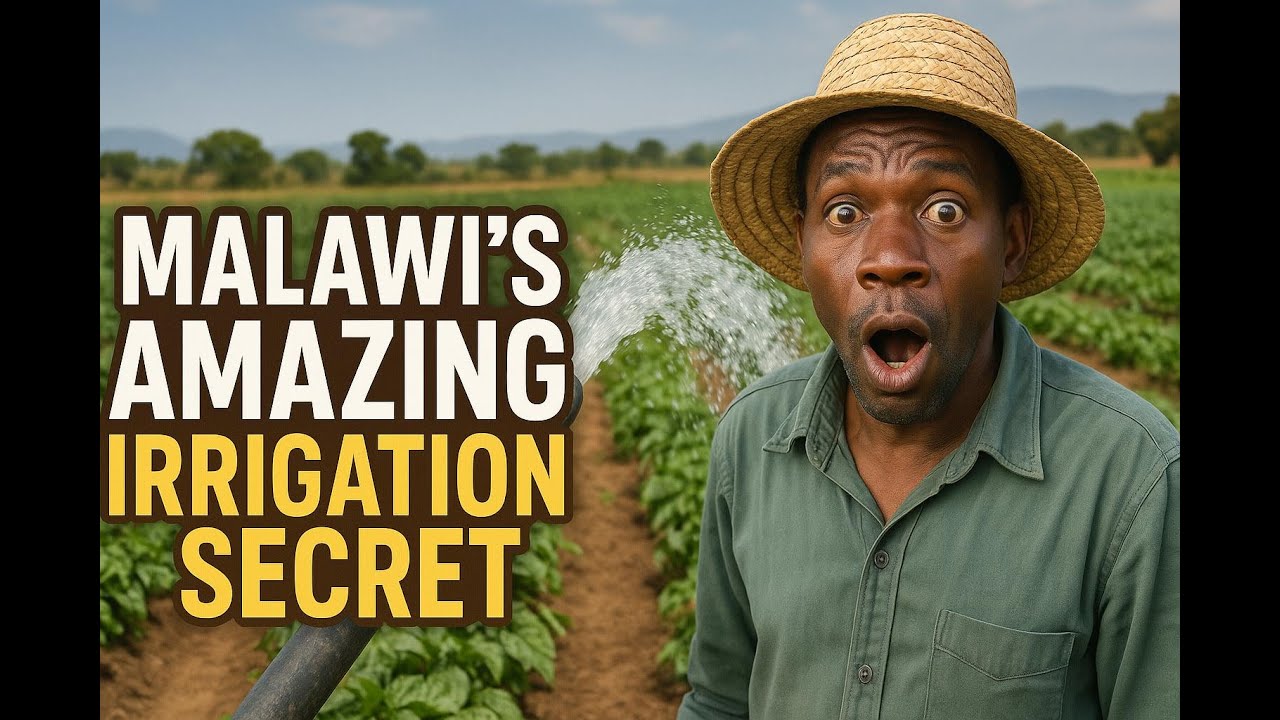
For farmers aiming to optimize water use and minimize losses, Farmonaut’s satellite and AI-driven monitoring platforms are invaluable. These tools provide real-time water indexing, irrigation advisories, and resource optimization—accessible through modern web, Android, and iOS apps.
6. Labor Shortages and Agricultural Mechanization
Labor Shortages: A Growing Issue in Daily Agriculture News Updates
The labor problem is often discussed in daily updates agriculture worldwide. Urban migration, aging rural populations, and alternative employment opportunities have left farms with significant labor shortages:
- Some developed regions face a 20%+ shortfall in seasonal/harvest workers.
- Labor scarcity drives up production costs.
- Younger generations are moving away from traditional agriculture jobs.
How Mechanization & AI Offset Labor Constraints
- Modern precision agriculture uses drone-based monitoring, robotic harvesters, and automated machinery.
- Mobile platforms & satellite-based advisory apps help farmers manage larger land areas with less labor.
- Smart fleet management tools streamline the use of vehicles, machinery, and on-field logistics (see Farmonaut Fleet Management).
While automation and mechanization are making waves in daily agriculture news, there are still challenges for smallholder farmers to access the latest technologies. Digital platforms and flexible subscription services are key to leveling the playing field.
7. Technological Gaps & Equitable Access: The Next Frontier
The Problem: Technological Inequity among Farmers
The fast pace of innovation in modern farming technology risks leaving millions behind. As per daily updates agriculture worldwide, up to 70% of smallholder farmers in Africa and Asia lack access to precision tools, digital advisory services, and finance.
- Access gaps perpetuate inequality in yields and sustainability.
- Rollout of AI-based platforms and blockchain tracing still lags in rural, low-income areas.
For 2025 and beyond, ensuring affordable, scalable, and inclusive solutions is critical. Subscription-based digital platforms on mobile and web apps are expanding due to their accessibility and cost-effectiveness (see how Farmonaut’s modular subscriptions address this below).
Farmonaut: Advanced Monitoring & Daily Updates Agriculture Worldwide
As satellite technology specialists, we at Farmonaut integrate real-time monitoring, AI-powered advisory systems, and blockchain solutions into agriculture, mining, and infrastructure. Our goal is to make actionable, daily agricultural insights accessible, affordable, and tailored to local needs around the globe.
- Satellite-Based Monitoring: Multispectral satellite imagery tracks vegetation health, soil conditions, and irrigation needs for thousands of farms worldwide.
- AI Advisory (Jeevn): Delivers customized, real-time recommendations on crop/field management, weather risk, and resource optimization.
- Blockchain Traceability: Ensures secure, transparent food supply chains (learn more here).
- Fleet & Resource Management: Maximizes the efficiency of agricultural machinery, vehicles, and logistics, more here.
- Carbon Footprinting: Empowers carbon accounting for sustainable farming—read about our carbon footprinting solutions.
Our web, Android, and iOS platforms, as well as API access, are designed for ease of use, scalability, and affordability—serving farmers, enterprises, governments, and financial institutions worldwide.
Ready to supercharge your farm, agribusiness, or research with daily agricultural insights, resource-saving recommendations, and digital traceability?
Developers, agribusinesses, researchers—harness Farmonaut API for seamless integration of satellite and climate data into your applications:
Frequently Asked Questions
What are the top agriculture problems in the world according to daily updates?
The most critical agriculture challenges in 2025 include climate variability and change, soil degradation, population-driven food demand, supply chain vulnerabilities, water scarcity, labor shortages, and technological inequity. These problems are frequently discussed in daily updates agriculture worldwide due to their impact on yields, sustainability, and food security.
How do daily agriculture news updates help farmers and policymakers?
Daily agriculture news updates provide up-to-date information on weather events, pest outbreaks, market trends, technological innovations, and regulatory changes. Staying informed allows farmers, policymakers, agribusinesses, and researchers to adapt practices, make data-driven decisions, and respond quickly to evolving challenges.
What technological innovations have the greatest impact in 2025?
Satellite monitoring, AI-based advisory systems, blockchain traceability, precision farming tools, and resource management platforms are making the biggest impact. Accessible via mobile apps and web platforms, these tools collectively enhance yields, optimize input use, and make global agriculture more resilient.
Is Farmonaut’s platform suitable for both smallholder and large-scale farmers?
Yes. Farmonaut offers scalable subscription plans and modular services, ensuring that smallholders, large enterprises, and government stakeholders all benefit from real-time satellite insights, AI advisories, and resource management tools. Access is available on web, Android, and iOS devices.
What regions benefit most from daily updates agriculture worldwide?
Regions experiencing the greatest vulnerability to climate variability, water scarcity, and supply chain disruptions (such as Africa, South Asia, and parts of the Americas) benefit significantly from timely, data-driven updates. However, the need for global monitoring and adaptive management spans all continents.
Conclusion: Daily Updates Agriculture Worldwide for a Resilient Future
In 2025, agriculture remains an anchor for global sustenance and economic stability, yet it faces a complex array of amplified challenges. The interconnectedness of climate change, soil degradation, population growth, food supply chain disruptions, water scarcity, labor shortages, and technological gaps underscores the importance of daily updates agriculture worldwide.
To navigate this evolving landscape:
- Staying informed with daily agriculture news updates is crucial for effective, data-driven responses.
- Technology—especially satellite imagery, AI, blockchain, and remote sensing—provides solutions to optimize productivity, resource management, and sustainability.
- Platforms like Farmonaut democratize access, enabling stakeholders to monitor, forecast, and adapt with real-time precision—bridging the gap for smallholders, businesses, and governments alike.
As we step further into 2025 and beyond, the success of agriculture—and food security for billions—will depend on our ability to embrace daily updates, accelerate innovation, and commit to sustainable, inclusive progress.
Stay updated. Respond rapidly. Build a resilient agricultural world with Farmonaut’s daily monitoring, advisory, and resource management tools.
Ready to experience next-generation solutions? Start with
,
leverage powerful APIs (API, Docs), or download our Android and iOS apps (above) to optimize every aspect of modern farming, research, and food supply.
Discussion
Questions, corrections or field experience? Share them below. First-time comments are reviewed before they appear, and your email is never published.
No comments yet. Be the first to add a question or your experience.

 Exurbia Geospatial
 MWS Research Centre
 FieldZero
 Indico Company
 Kubota
 FFBS
FFBS Jontra
 Kalustyan
 Tucor
Tucor Geno
Geno Hayleys Agriculture
 Linx Agritech
 Adinet
 Save Your Soils
