

Table of Contents
- Introduction: The Rise of Vertical and Smart Farming
- Trivia: Urban and Smart Farming in 2025
- 1. Vertical Farming Examples: Defining the Trend
- 2. Smart Farming Examples: The Digital Revolution
- 3. Urban Farming Examples: Food Resilience in Cities
- 4. Grain Farming Examples in Smart and Vertical Systems
- 5. Forestry and Agroforestry: Integration with High-Tech Systems
- Trivia: Smart Farming Impact Mid-2020s
- Comparative Features Table: Vertical & Smart Farming Systems
- 6. Sustainability, Economics & Policy Forces
- 7. Emerging Vertical & Smart Farming Trends for 2026 & Beyond
- Farmonaut: Satellite-Powered Insights for Modern Agriculture
- Frequently Asked Questions (FAQ)
- Conclusion: Vertical & Smart Farming Reshaping Agriculture for 2026
Vertical Farming Examples: 7 Urban & Smart Farming Trends Shaping Food Production in 2026
Agriculture is at a turning point. The global demand for food continually rises, yet urban expansion squeezes arable land and challenges conventional supply chains. In this environment, vertical farming examples and smart farming examples are not just industry buzz—they are essential strategies redefining how, where, and why we grow food, manage resources, and ensure security for cities, regions, and entire nations.
Modern farming is hybrid: fields, rooftops, shipping containers, AI-driven sensors, drones in the sky, and data streaming via satellites. In 2026, leading cities like Singapore and Dubai host impressive, commercial vertical farms. Out in the rural heartland, data-driven tractors sow staple grains while smart greenhouses produce niche crops alongside legumes in every season. Urban farmers reclaim rooftops, while forestry nurseries deploy controlled, modular systems for restoration, climate resilience, and canopy acceleration.
Explore with us the 7 transformative trends that define vertical farming examples, leverage smart tech in the field and metropolis, and chart the future of global food production. Let’s examine how these innovations optimize yields, conserve resources, and reshape agriculture—all backed by the latest data and technology through 2026 and beyond.
Vertical farming examples increasingly power city food systems, with innovations in hydroponics, automation, and AI making nutrient-rich greens and microgreens available year-round—while vastly reducing transport emissions and water use.
1. Vertical Farming Examples: Defining the Trend
When we think about vertical farming examples in 2026, the image that comes to mind is no longer a far-off futuristic concept, but commercial greenhouses stacked in urban centers—modular farms in shipping containers or multi-story buildings that enable local food production and reduce the friction in supply chains.
Vertical farming strategies focus on growing leafy greens, microgreens, and herbs in precise, controlled environments. These systems use automation to control climate, nutrient delivery via hydroponics or aeroponics, artificial lighting, and AI-managed workflows. The result: high yields, pesticide reduction, efficient water use, and consistency that is nearly impossible to match outdoors.
The relevance lies in their ability to maximize productivity per square meter, particularly in urban centers facing land constraints and climate variability. Some key cities—like Singapore (Sky Greens), Dubai (Badia Farms, Bustanica), and major U.S. metro areas (AeroFarms, Plenty in California; Bowery Farming in Newark, NY)—now host commercial vertical farms. These projects shorten supply chains, reduce transportation emissions, and provide consistent access to nutritious crops, especially important as regional weather grows more unpredictable.
- ✔ Year-round production enabled by controlled climates
- 💧 90-95% water use reduction vs. traditional fields (See how carbon footprinting supports metrics)
- 📦 Supply chain risk lowered thanks to on-site urban farms
- 🌱 Pesticide-free, high-density output (microgreens, herbs, leafy staples)
- 🛠 AI and automation reduce labor and improve consistency
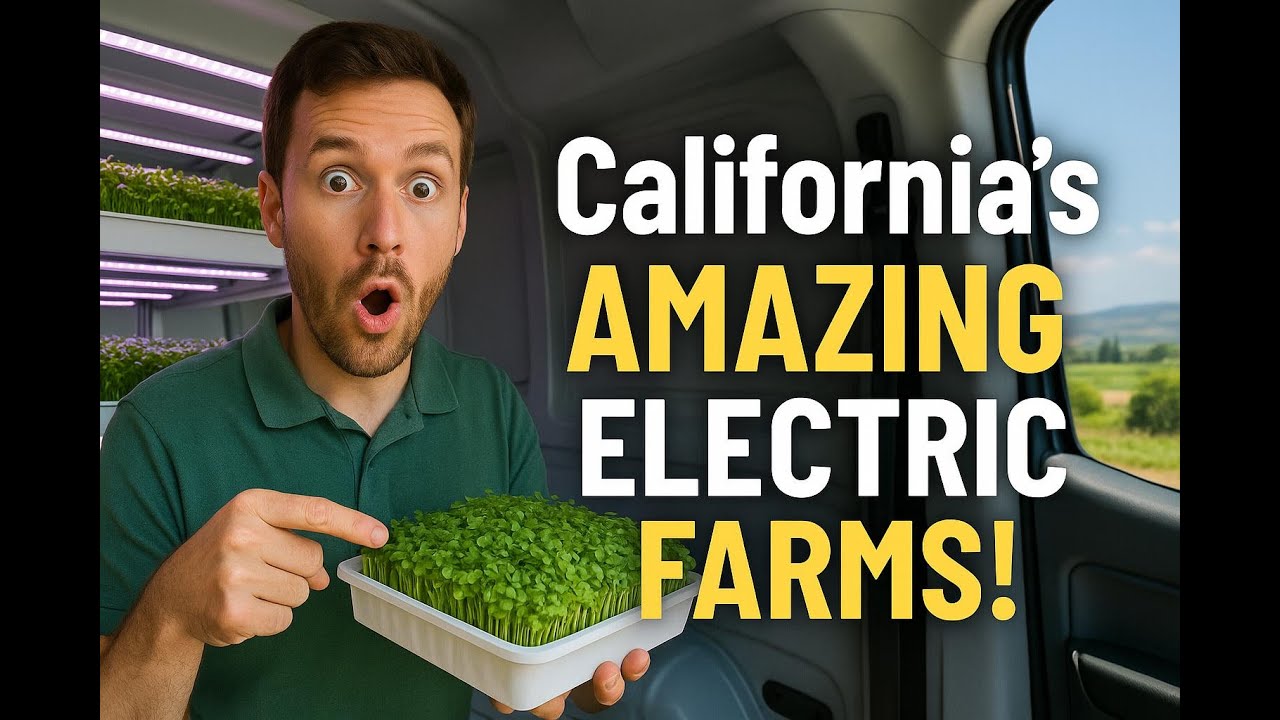
- 📊 Data insight: Vertical farms maximize output per meter, producing up to 300x more greens per hectare compared to open fields.
- ⚠ Risk or limitation: High startup costs mean scaling is capital intensive unless supported by policy incentives, investor capital, or technology cost declines.
Expansion Beyond Greens: Grains and Legumes in 2026
One of the most exciting vertical farming trends is the push beyond leafy vegetables: advanced systems now experiment with grain and legume cultivation in controlled, modular environments. While not yet mainstream, targeted research projects combine hydroponic beds for cereals (wheat, rice, millet), with AI-driven nutrient mapping and custom light regimes that improve yields and consistency in small-scale, off-season, or climate-challenged regions.
This trend opens up new opportunities to integrate specialty grains and legumes in urban vertical farms, boosting local food security and reducing supply chain vulnerabilities. It’s especially relevant for cities looking to localize food staples and for agroforestry nurseries producing seeds for regional restoration projects.
When evaluating vertical farming examples for urban planning or business investment, prioritize systems with modular architecture, automated management, and integrated energy solutions to future-proof your project.
- Consistent, high-density production within limited urban spaces
- Reduced dependency on traditional, weather-dependent farming cycles
- Minimal water and fertilizer loss due to recirculating systems
- Easy integration with analytics for yield optimization
- Isolation from pests, reducing chemical input needs
2. Smart Farming Examples: The Digital Revolution in Resource Management
Today’s smart farming examples go far beyond apps and weather-based irrigation. In 2026, precision agriculture is powered by a suite of technologies: drones scan fields, sensors monitor soil moisture and nutrients, autonomous robots perform targeted weed management and harvest tasks, and data flows via satellites for real-time operations management.
The essential value lies in granular, data-driven decision making. AI models predict optimal harvest windows, forecast disease outbreaks, and recommend nutrient or irrigation adjustments. This syncs farming operations with weather, labor availability, and market price signals. Key benefits include minimized chemical inputs (for pest and weed control), substantial water savings, and the ability to boost both yields and profits—even as climate patterns and market demand grow more unpredictable.
- 🤖 Automated machinery increases farm labor efficiency especially at harvest and planting time
- 🌱 Precision fertilization and pest management targets chemical use to where needed—reducing cost and environmental impact
- 🌍 Satellite and drone data enable field-scale monitoring across diverse regions and climate zones
- 📈 Yield data analytics inform next season’s crop planning, improving long-term consistency and risk reduction
- 🔄 Responsive systems adjust irrigation and pest management in real time based on weather and crop status

Data-Driven Operations: Examples in 2026
Controlled-environment farms—urban or rural, large or small—now deploy remote sensors, satellite imaging, and blockchain-based traceability at scale. This expands transparency throughout production and supply chains, opens up access to real-time monitoring, and builds resilience against weather, labor, and market volatility.
If you’re building a vertically integrated smart farm, prioritize robust large-scale farm management tools and secure, blockchain-based traceability for supply chain efficiency and transparency.

3. Urban Farming Examples: Food Resilience in the City
Urban farming examples now stretch from restaurant rooftops to school basements. By 2026, dense megacities are “greener” in more ways than one—thanks to local food systems that cut transportation emissions, reduce supply chain risk, and supply communities with affordable, nutritious crops.
Rooftop greenhouses, converted parking garages, and in-building farms enable environments where herbs and greens thrive with year-round harvest, while community-run projects fuel local food literacy and resilience. Some prominent examples include Raffles City (Singapore), Gotham Greens (New York, Chicago), and Infarm (Berlin, London, Paris).
Urban farming tech ecosystems highlight:
- 🏙 Community resilience: Rooftop and basement farms supply schools, hospitals, food banks in urban food deserts
- 🌧 Resource efficiency: Use of rainwater capture, LED lighting, and graywater recycling to cut energy and water costs
- 👏 Education: Serve as demonstration/evaluation platforms for soil restoration trials and new crop varieties
- 🦋 Biodiversity corridors integrated in city landscapes
- 🪴 Enabling high-value specialty herbs and microgreens near consumer demand centers

Urban Farming Trends in 2026 & Beyond
- Integration with solar microgrids to offset energy costs, using midday power for lighting and climate control
- AI-optimized planting schedules based on market demand signals
- Expansion into grains, pulses, and root vegetables using hybrid hydroponic/soil methods
- API-connected supply and traceability systems for tracking harvest to market (API info here)
- Rooftop hydroponic farms for fresh, local salad greens
- Basement mushroom farms using recycled city heat and water
- Container farms deployable in parking lots or vacant land
- Living walls and vertical gardens for air quality and biodiversity




4. Grain Farming Examples in Smart and Vertical Systems
How do staple grain farming examples fit into the high-tech, vertical, and smart farming paradigm for 2026? Traditionally, grains (wheat, rice, maize, barley, millet) require vast tracts of land, rainfall, and labor-intensive management. Today, innovation is reshaping how and where these vital crops are grown:
- 🧑🌾 Controlled-environment greenhouses: Enable year-round or off-season grain experimentation, important for regions hit by drought or shifting weather patterns
- 🌾 Hybrid operations: Combine field-scale farming with smart, modular nursery units for new variety trials and resistance testing
- ⏲ Automated post-harvest management: Uses humidity and sensor-based monitoring to cut losses during drying and storage
- 🛰 Satellite-guided variable rate planting & irrigation: Reduces input costs, improves yields even in challenging regions
- 💡 AI models to predict optimal planting/harvest windows by analyzing labor, weather, and market trends (Satellite-based crop loan and insurance explained here)
Particularly for regions under water stress or increased climate risk, technologies like hydroponics for wheat and pulses offer a testbed for higher-efficiency staple production. Sensor-guided irrigation and remote monitoring maximize yields while conserving water and reducing chemical inputs.
Grain farms using autonomous tractors and variable-rate irrigation reduce water use by up to 30% and have documented yield stability increases of 12–18% even during variable weather.

5. Forestry and Agroforestry: Integration with High-Tech Systems
The forestry and agroforestry sectors stand at the intersection of restoration, urban greening, and scalable seedling production. By 2026, many forestry projects employ controlled-environment vertical or smart nursery systems—
- to accelerate tree seedling growth cycles for reforestation
- to support urban canopy projects and biodiversity corridors
- to supply disease-resistant stock with lower loss rates and higher genetic consistency
Technologies here include aeroponics (root misters for rapid seedling development), multi-sensor climate management, and remote monitoring for disease detection and growth rate optimization. Forestry nurseries in Asia, the Middle East, and Europe make extensive use of these controlled, vertical systems to enable large-scale restoration campaigns, particularly for climate resilience and carbon sequestration.
AI and satellite-based tools guide planting mixes, predict seedling “outplant” times, and track survival rates, making agroforestry integration economically viable and ecologically essential for landscape transformation.
Agroforestry nurseries leveraging controlled, tech-enabled systems cut time-to-plant by up to 50% compared to traditional outdoor nurseries—critical for regions with urgent restoration targets or climate-driven timelines.
Comparative Features Table: Vertical & Smart Farming Systems 2026
| Farming System/Company | Location | Technology Used | Scale (sq. m.) | Est. Yield Increase (%) | Year Started | Notable Innovations |
|---|---|---|---|---|---|---|
| Sky Greens | Singapore | Hydroponic, Rotating Towers, IoT | Medium (~5,000) | >80% | 2012/Exp. 2026+ upgrades | Low-energy water wheel, rotational stacking |
| AeroFarms | Newark, USA | Aeroponics, AI Lighting, Big Data | Large (>10,000) | ~150% | 2015/Exp. 2026+ expansion | Mist-based root feed, yield tracking, energy-efficient LEDs |
| Bustanica | Dubai, UAE | Hydroponics, Modular Climate Control | Large (>27,000) | >200% | 2022/Active 2026+ | Robust water recycling, desert climate adaptation |
| Infarm | London/Berlin/Paris | Modular Hydroponics, Monitored Rack Systems | Small-Medium (<5,000) | ~100% | 2016/Active 2026+ | Plug-in store & kitchen units, real-time data dashboards |
| Bowery Farming | USA (Northeast) | Controlled Environment, Computer Vision, AI | Large (>10,000) | ~120% | 2015/Active 2026+ | Genetic optimization, real-time pest prediction |
| Gotham Greens | New York, USA | Rooftop Greenhouses, IoT, Cloud Data | Medium (~10,000) | 70–100% | 2016/2026 Expansion | Urban supply innovation, integr. water recycling |
| Agroforestry Nurseries (Global) | Asia, Europe, Middle East | Aeroponics, AI Disease Prediction, Multi-sensor | Varies | Up to 300% vs. open field | 2023/Active 2026+ | Fast-cycle seedling production, remote survival tracking |
6. Sustainability, Economic Considerations & Policy Forces
Sustainability is at the heart of all vertical farming examples and smart farming examples for 2026 and beyond. Water efficiency—often 90% or higher savings compared to soil fields—makes these systems essential for water-stressed regions. With energy as a major cost component, integration of renewables, district heating, and daylighting strategies is a key trend.
Automation, blockchain, and remote monitoring reduce labor costs, losses, and fraud, but require significant upfront investment. Over time, however, operating costs decline with higher reliability, lower waste, and much shorter supply chains.
- ⚡ Energy: Solar, wind, or biogas integration is critical for profitability—see carbon footprinting for agriculture for best practices
- 🌊 Water use: Closed-loop hydroponic and aeroponic systems conserve resources
- 🔗 Blockchain traceability: Reduces fraud, streamlines supply chain oversight, and ensures authenticity for high-value produce (Traceability explained)
- 🏛 Policy support & incentives: Government support accelerates scaling (urban agriculture subsidies, tax credits for resource-efficient projects)
- 🔎 Environmental monitoring: AI tools track real-time emissions, guide sustainable practices (How environmental impact is tracked)

7. Emerging Vertical & Smart Farming Trends for 2026 & Beyond
The future is bright and tech-driven. As we look to 2026 and the following years, these are the dominant trends shaping vertical, smart, urban, and grain farming examples:
- AI-driven farm management platforms become the default for both urban and rural producers, harnessing big data and satellite insights for every crop and cycle
- Hybrid vertical-field systems offer resilience: grain crops are started or bred indoors, hardened outdoors, and finished for high-value markets
- Automation and robotics take over routine labor, from seeding/planting to weed removal, harvesting, and even packaging
- Blockchain traceability and digital ledgers ensure food authenticity, safety, and open up premium global export markets (Traceability explained here)
- Smart energy integration ties farm lighting and equipment to solar, wind, or microgrid resources, slashing operating costs
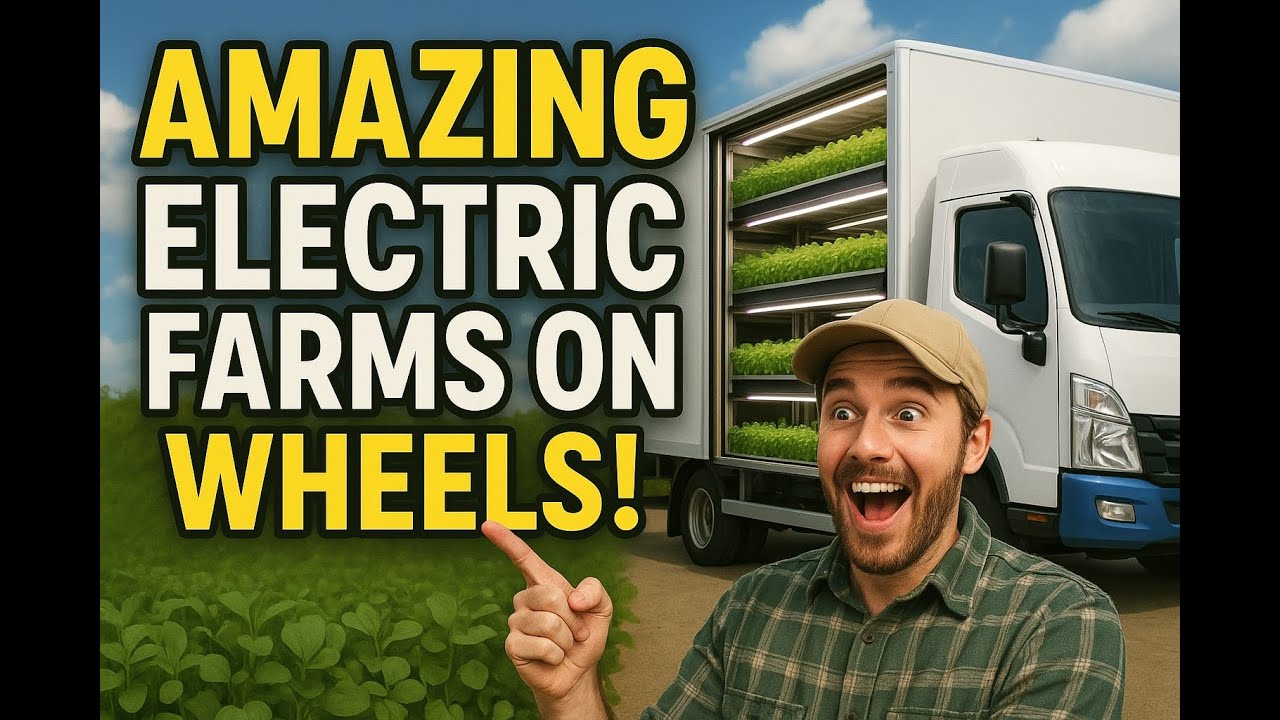
- Portable container or mobile farms serve disaster relief, deploy to remote mining or defense infrastructure, or support food sovereignty movements
- Regenerative farming & carbon tracking become mainstream in urban and peri-urban contexts (Read more on carbon footprinting)
Farmonaut: Satellite-Powered Insights for Modern Agriculture, Urban Farming, and Forestry
In a world where resource management, transparency, and efficiency are paramount, satellite-based data and AI-driven platforms are critical tools for next-generation farming. We, at Farmonaut, are dedicated to making these cutting-edge technologies accessible globally—in farming, mining, and infrastructure alike.
- 🌐 Satellite-based monitoring: Multispectral imagery instantly reveals the health of crops, soil status, and environmental impact, enabling smarter farming decisions and precision management for both urban and grain farms.
- 🧠 Jeevn AI Advisory System: This real-time AI tool constantly analyzes satellite and weather data to offer customized guidance on irrigation, fertilization, and pest prevention, helping farmers maximize yield and minimize waste. See video demo
- 🔗 Blockchain-based traceability: Transparent, secure supply chains foster trust from seedling to market. Learn more about our traceability product.
- 🚚 Fleet and resource management: Use cases include vehicle and equipment monitoring, optimized logistics, and remote oversight. Discover our fleet management platform.
- 🌱 Environmental impact monitoring: From carbon emissions tracking to soil restoration metrics, see how our carbon footprinting solutions drive sustainability across industries.
Our subscription model delivers scalable access—for individual farmers, large agribusinesses, governments, and institutions—with both app-based dashboards and custom APIs for advanced integration. Whether monitoring urban, vertical, or grain farms, our solutions support data-driven, resilient, and resource-smart operations.
Want to learn how Farmonaut can help you leverage the full power of vertical and smart farming? Get started via our web and mobile apps or for custom development, visit our API docs.
Frequently Asked Questions (FAQ): Vertical, Smart, Urban, and Grain Farming Examples in 2026
-
What are vertical farming examples that will be most common in 2026?
Multi-story hydroponic and aeroponic greenhouses in cities (Sky Greens in Singapore, Bustanica in Dubai), shipping-container farms, and in-store modular units using AI-driven climate and nutrient control for maximized yields. -
How does smart farming reduce operational costs?
Smart farming automates monitoring, input application, and harvesting through IoT sensors, drones, and robotics—cutting labor, water, and chemical expenses, and increasing resilience in all environments. -
Can vertical farming examples include grain crops?
Yes, advanced modular systems are trialing grains and legumes beyond leafy crops, especially for research stations and regions with climate extremes or urban food security needs. -
How does urban farming support food security?
By providing localized, year-round fresh produce to urban centers, reducing reliance on long-distance supply chains, and lowering transportation emissions. -
What technologies should new farms prioritize?
Invest in AI-driven management, robust climate/nutrient control, modular design, and traceability solutions—ideally supported by real-time satellite and environmental data. -
How does Farmonaut support next-generation farming?
We provide satellite imaging, AI advisories, blockchain traceability, and resource management tools to enable precision, transparency, and sustainability for farms and agribusinesses worldwide.
Conclusion: Vertical & Smart Farming Reshaping Agriculture for 2026
Vertical, smart, urban, and grain farming examples are no longer siloed innovations. Their integration in cities like Singapore, Dubai, and throughout the Americas, Europe, and Asia has moved them from experiments to essential infrastructure by 2026.
- Modular, AI-driven, and resource-efficient systems cut environmental impact while enabling continuous, high-yield production of leafy greens, grains, and specialty crops.
- Urban farming solutions lower emissions, foster food system resilience, and transform city infrastructure into productive landscapes.
- Agroforestry and restoration projects deploy smart nurseries and controlled environments to rapidly scale impact and climate action.
- Satellite and AI services supercharge decision making and traceability—vital for food security, supply chain management, and sustainability.
With powerful tools now available to optimize, control, and innovate across every aspect of agriculture, our world is rapidly moving toward a future where local, smart, and sustainable food production is the norm—not the exception.
For farms, enterprises, and governments seeking to lead the next era of agriculture, the call is clear: embrace technology, data, and integration—and unlock the full potential of vertical, smart, and urban farming by 2026.

 XOS Realty
 Geospatial Lab Africa
 KhetiBuddy
 Agro La Gándara
 Global Agrifood
 HIPSAC
 ZOL Zimbabwe
 Juligerm
 AdBio
AdBio MISE Maroc
 NWNS
NWNS Red August Group
 Farm Inc
 WeMe Global
 Agrotoken
 Blue BearX
 Insignito
 Croptimum
 DnCubed
 Field Capacity
 Indosistim Teknologi
