

Vertical Farming Project: 7 Steps for Maximum Profit
Table of Contents
- Introduction: The Rise of the Vertical Farming Project
- Core Concept & Competitive Advantages
- STEP 1: Laying the Foundation for Your Vertical Farming Project
- STEP 2: Smart Design & Modular Build of Vertical Farms
- STEP 3: Integrating Cutting-Edge Technology & Automation
- STEP 4: Selecting High-Value Crops & Optimizing Yield
- STEP 5: Precision Management of Environment, Lighting, and Irrigation
- STEP 6: Strong Market Linkages for Urban and Rural Settings
- STEP 7: Ongoing Operations, Maintenance & Risk Management
- Step-by-Step ROI & Efficiency Comparison Table
- How Technology & Satellite Data Supercharge Vertical Farming Projects
- Key Insights, Pro Tips, and Investor Notes
- Benefits & Risks: Visualized for Clear Decision-Making
- Frequently Asked Questions
- Explore Farmonaut Subscription Plans
Introduction: The Rise of the Vertical Farming Project in Modern Agriculture
Welcome to the frontier of agriculture innovation: the vertical farming project. As climate challenges intensify and urban populations surge, efficient, sustainable, and high-yield growing practices are more critical than ever. Vertical farming projects enable us to multiply our production surfaces by leveraging engineered structures like warehouses, shipping containers, and towering urban facilities.
This innovative method harnesses controlled environment agriculture (CEA) technology, automation, and data-driven management to revolutionize both urban and rural agriculture. Discover the 7 key steps that constitute a successful vertical farming project—each designed to maximize profitability, boost efficiency, and shield growers from common risks.
You’ll learn how advanced software, precision lighting, nutrient management, and tight climate control allow the production of premium crops—from leafy greens and herbs to microgreens—regardless of external weather.

Core Concept & Competitive Advantages of Vertical Farming Projects
1. Multiplying Surfaces: Layered Cultivation in Engineered Spaces
Vertical farming projects involve stacking multiple growing layers within custom-built structures, such as urban towers, retrofitted warehouses, shipping containers, or more creatively, even mobile truck-based farms. By multiplying land use within a compact footprint, we achieve year-round production, save on land costs, and minimize environmental impact.
- ✔ Key benefit: Maximize yield per square meter while conserving physical land resources.
- 📊 Data insight: Most systems can outproduce traditional soil farming by a factor of 5x–10x per comparable floor area.
2. Controlled Environments: Predictable, High-Quality Output
Controlled environments—with precise lighting spectra, automated climate control, and optimized irrigation—minimize external risks like droughts, floods, or pests. This ensures predictable yields and reliable supply for markets, even when traditional farming falters.
- ✔ Stability: Year-round consistency and premium crop quality.
- ⚠ Risk or limitation: Upfront energy and equipment costs require careful planning.
3. Sustainability: Reducing Water, Land, and Chemical Use
Hydroponic and aeroponic systems minimize water consumption—often using 90–95% less water than traditional field agriculture. Automation and closed-loop controls drastically reduce the need for pesticides, preserving soil quality and limiting runoff.
STEP 1: Laying the Foundation for Your Vertical Farming Project
A. Define Business Case & Market Channels
- Identify Target Crops: Focus on leafy greens, herbs, microgreens, and fast-growing vegetables renowned for strong consumer demand, short growth cycles, and premium value.
- Assess Local Demand: Study urban grocery stores, restaurants, and direct-to-consumer channels. In rural settings, look for high-value niches to complement traditional farming.
- Set a Realistic Budget: Factor in upfront capital expenditure for equipment, sensors, and build-out.
Are you an enterprise, cooperative, or individual farmer? Seek professional advice for planning and accessing crop loans or insurance (satellite-aided pre-verification can improve access and risk assessment).

STEP 2: Smart Design & Modular Build of Vertical Farms
B. Choose Scalable, Modular Structures
- Engineered Warehouses or Retrofits: Suitable for larger operations; cost-effective for industrial settings.
- Shipping Containers: Popular for compact urban vertical farming projects and rapid deployment.
- Mobile/EV Farms: Emerging trend—portable, tech-powered vertical farms that take cultivation to new markets (see video below).
Consider structural footprint, ceiling clearance for stacking layers, power supply, and local zoning. Modular design allows you to expand as demand grows, reducing financing risk.

STEP 3: Integrating Cutting-Edge Technology & Automation
C. Automation, Software & Environmental Controls
- Automated Irrigation & Nutrient Delivery: Hydroponic or aeroponic systems circulate nutrient-enriched water, ensuring consistent growth.
- Environmental Software Control: Maintain target temperature, humidity, CO2, and light levels. Harness data analytics for scheduling and crop planning.
- LED Lighting: Customizable spectra for each crop, minimizing energy consumption and optimizing photosynthesis.
Leverage smart resource & fleet management to optimize logistics, reduce operating costs, and guarantee smooth agricultural operations.
- ✔ Key benefit: Automated routines enable 24/7 operations and minimize labor requirements.
- 📊 Data insight: IoT sensors and cloud apps can boost efficiency, delivering real-time insight for maintenance or yield optimization.
STEP 4: Selecting High-Value Crops & Optimizing Yield
D. Crop Selection & Scheduling for Maximum Profit
- Leafy Greens & Microgreens: Short growth cycles, high market value, and rapid turnover — ideal for urban vertical farming projects.
- Herbs: Premium-demand herbs like basil, mint, coriander, and chives thrive in CEA environments.
- Experiment with Vine/Small Fruiting Plants: Consider strawberries, tomatoes, and peppers with supporting trellises and additional climate control, but note higher inputs required.
Disciplined crop rotation and scheduling minimize waste, reduce spoilage, and ensure quality output for premium market channels. Advanced data-driven software aids in optimizing rotations and tracking trends.

STEP 5: Precision Management of Environment, Lighting, and Irrigation
E. Optimize Climate, Lighting & Nutrient Control
- Adjustable LED Lighting: Tailor light spectra to each crop, enhancing photosynthesis and flavor while slashing energy use.
- Closed-Loop Water Systems: Minimize water usage with recirculating hydroponic or aeroponic loops.
- Automated Temperature/Humidity: Smart HVAC with heat recovery reduces costs and carbon footprint.
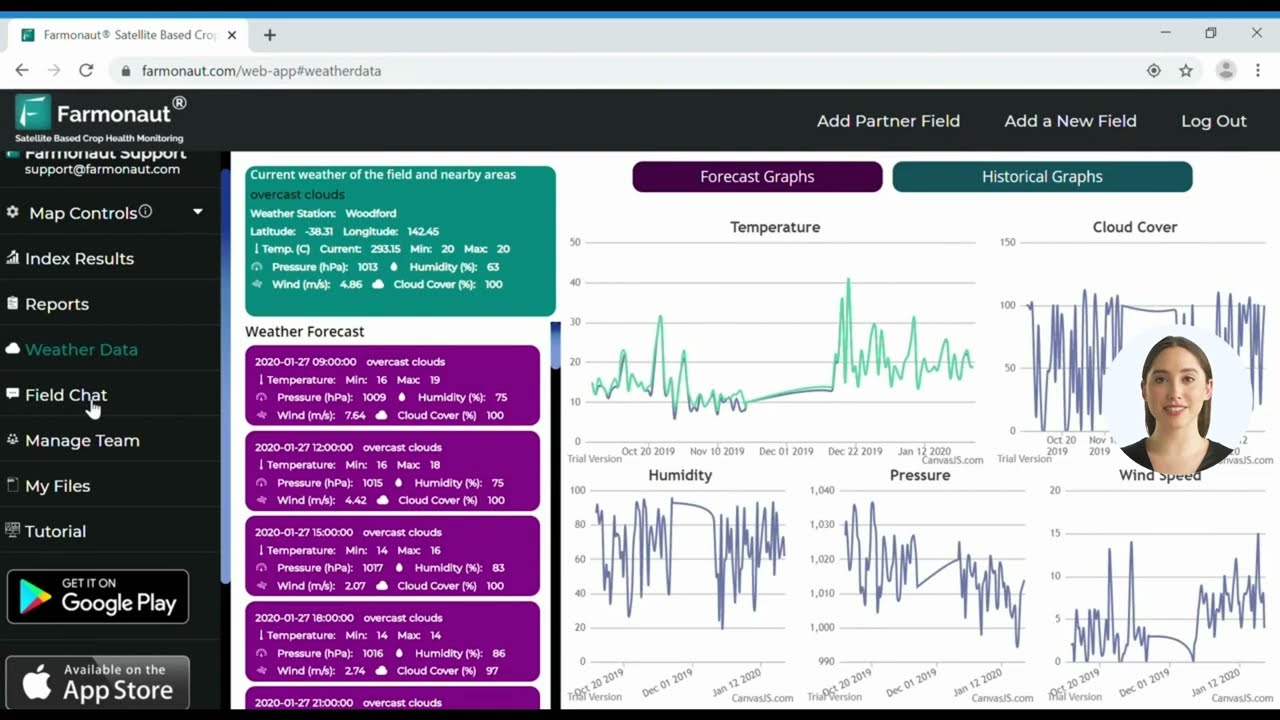
Focus on maintaining tightly regulated conditions across all layers within your vertical environment. Integrate satellite data APIs for real-time monitoring of environmental metrics and manage energy efficiently.
- ✔ Key benefit: Tightly regulated climate delivers consistent crop quality and scheduling reliability.
- ⚠ Risk: HVAC and LED systems represent the biggest operational costs – prioritize energy-efficient technologies.
See our developer docs for unlocking advanced environment analytics for your farm.
STEP 6: Strong Market Linkages for Urban and Rural Vertical Farming Projects
F. Build Relationships and Premium Sales Channels
- Local Grocery Stores, Restaurants, and Institutions: Reliable, nearby off-take reduces transit time, spoilage, and carbon output.
- Direct-to-Consumer Models: Farm boxes/subscription programs create a loyal base and stabilize income.
- Value-Added Packs: Pre-washed, ready-to-eat salad packs fetch premium pricing.
- ✔ Key benefit: Command premium pricing due to freshness, organic/pesticide-free status, and local provenance.
Consider offering blockchain-based traceability for supply chain transparency, enabling you to provide verified origin for your customers—a winning strategy in premium urban settings. Market connectivity is the lifeblood of profitability in every vertical farming project.
STEP 7: Ongoing Operations, Maintenance & Risk Management
G. Quality Control, Maintenance, and Downtime Minimization
- Scheduled Maintenance: Maintain equipment regularly, stock essential spare parts, and plan for software updates to minimize downtime.
- Robust Quality Control: Monitor inputs and crop conditions closely, leveraging satellite or IoT diagnostics when possible.
- Diversified Cropping: Hedge against market volatility by growing multiple crops and offering value-added services (like contract farming with local retailers).
- ✔ Key benefit: Reliable yield, predictable income, and enhanced reputation with your buyers.
- ⚠ Risk: Equipment or software failures can lead to sudden losses. Risk planning and remote sensing tools are crucial here.
Step-by-Step ROI & Efficiency Comparison Table
| Step Number | Step Description | Estimated Costs (USD) | Primary Technology Used | Estimated Yield Increase (%) | Projected Profit Margin (%) | Sustainability Impact |
|---|---|---|---|---|---|---|
| 1 | Business Case & Market Assessment | $5,000–$10,000 | Market Research, Satellite Data | 10–20% | 10–15% | Medium |
| 2 | Modular Facility Design & Construction | $40,000–$120,000 | Engineered Structures, Modular Build | 20–40% | 15–22% | High |
| 3 | Automation & Software Integration | $10,000–$50,000 | IoT Sensors, AI Platforms | 15–35% | 20–28% | High |
| 4 | Crop Selection & Scheduling | $1,000–$3,000/season | Analytics, Data-Driven Planning | 10–25% | 18–26% | Medium |
| 5 | Precision Environment & Lighting Control | $25,000–$60,000 | LED, HVAC, Sensors | 25–40% | 25–33% | High |
| 6 | Market Linkages & Premium Channels | $2,000–$7,000 | Blockchain Traceability, Web Apps | 10–15% | 20–29% | Medium |
| 7 | Operations, Maintenance & Risk Management | $3,000–$8,000 annually | Remote Monitoring, Satellite Data | 5–12% | 21–30% | High |
How Technology & Satellite Data Supercharge Vertical Farming Projects
The secret to the transformative success of the modern vertical farming project lies in leveraging the right technology. Farmonaut empowers agribusinesses and growers with:
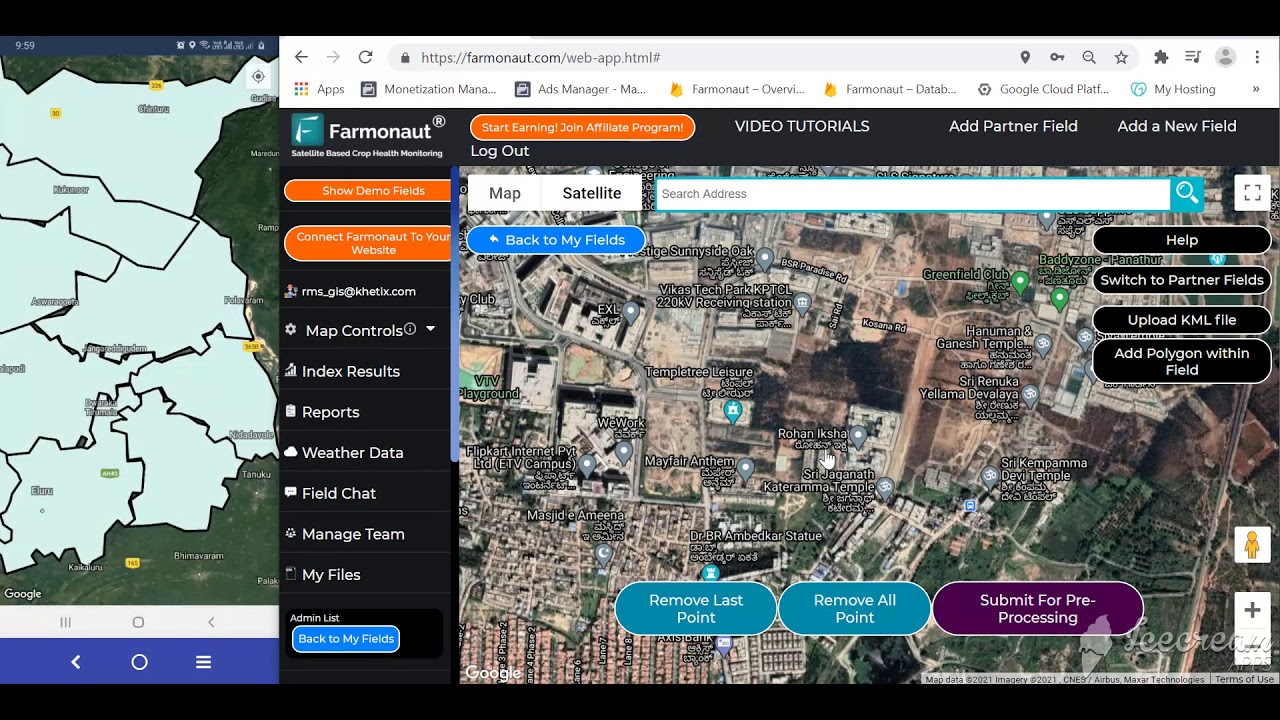
- Satellite-Based Monitoring: Analyze real-time crop health, spot anomalies, and plan for sustainable resource management—all remotely.
- AI-Powered Insights: Jeevn AI delivers tailored crop and weather advice, enhancing production planning and operational efficiency.
- Blockchain Traceability: Build trust and fetch premium pricing by verifying every step from farm to fork (learn about blockchain traceability »).



Key Insights, Pro Tips & Investor Notes
Designing a vertical farming project around local market demand ensures both high utilization and premium prices.
Use blockchain-based traceability to stand out in urban, health-conscious markets.
Initial capital expenditure is offset quickly via high crop density and shorter growing cycles.
Neglecting maintenance or software updates can lead to costly equipment failures.
Closed-loop irrigation doesn’t just save water—it positions your farm as a champion of sustainability.
Benefits & Risks: Visualized for Clear Decision-Making
Vertical Farming Project: Top Five Benefits
- ✔ Year-round, predictable production—regardless of external weather conditions.
- ✔ Sustainable operations, with minimized land and water usage.
- ✔ Premium crop quality and food safety (organic/pesticide-free credentials).
- ✔ Reduced logistics costs and carbon footprint for urban supply.
- ✔ open up new high-value markets and steady urban demand channels.
Potential Risks & Limitations
- ⚠ High startup costs for equipment and build-out.
- ⚠ Dependence on energy pricing and infrastructure reliability.
- ⚠ Skills gap—modern vertical farms require training in technology, software, and plant science.
- ⚠ Market saturation risk in ultra-urban centers if unchecked scaling occurs.
- ⚠ Supply chain disruptions (replacement parts, nutrients) can slow production.
Visual List: Project Success Essentials (with icons)
- 📈 Data-driven management for continuous yield improvement.
- 🛠 Preventive maintenance for all critical equipment.
- 💡 LED lighting upgrades to capture new efficiency gains.
- 🚚 Smart logistics solutions—track and optimize farm-to-market pathways.
- 👥 Customer engagement—promote the sustainability story of your crops.
Visual List: Expansion Strategies (with icons)
- 📦 Containerized modules for flexible site additions.
- 🌱 Introduce new crop varieties each season.
- 🏢 Retrofit underused commercial spaces in urban cores.
- ✨ Integrated digital traceability for customer trust.
- 🛰 Leverage satellite data APIs for ongoing performance analytics.
Frequently Asked Questions (FAQ)
What is a vertical farming project, and how does it differ from a natural farming project or pig farming project?
A vertical farming project uses stacked layers within engineered facilities to grow crops under controlled conditions with advanced technology, maximizing land use and yield—different from a natural farming project (traditional field-based organic methods) or a pig farming project (focused on animal husbandry). The emphasis is on technology, sustainability, and urban market access.
Which crops are most profitable for vertical farming?
Leafy greens, fresh herbs, and microgreens are especially well-suited, due to high market value, short growth cycles, and ease of cultivation in vertical systems. Some urban vertical farming projects experiment with strawberries, tomatoes, and other fruiting plants with additional energy and space investments.
How do I ensure profitability and market demand for my vertical farming project?
Focus on market assessment, quality control, and premium channels like direct-to-consumer, local restaurants, and premium grocery chains. Automation, resource-efficient LED lighting, and closed-loop systems further improve profit margins.
What are the biggest risks in a vertical farming project?
High startup costs, dependency on energy and tech infrastructure, replacement part availability, and limited staff training can present hurdles. A modular approach with smart maintenance and technology help mitigate risks.
How does Farmonaut support vertical farming projects?
We offer satellite-driven monitoring, environmental impact tracking, AI-based advisory, blockchain traceability, and API integrations. Our solutions empower you to operate, scale, and optimize vertical farming projects efficiently and sustainably, whether you’re urban or rural.
Explore Farmonaut Subscription Plans
Ready to supercharge your vertical farming ambitions? Access real-time monitoring, environmental analytics, and automation tools at a fraction of traditional cost:
Discover how Farmonaut’s satellite-based technology and AI-powered platforms can help your vertical farming project boost efficiency, optimize yields, and unlock new market channels for maximum profit and sustainability.
Shape the future of sustainable, resource-smart, and high-reward agriculture. Your journey to a high-yield vertical farming project begins now!
Discussion
Questions, corrections or field experience? Share them below. First-time comments are reviewed before they appear, and your email is never published.
No comments yet. Be the first to add a question or your experience.

 Messina Beej
 Dirks Bros Farms
 Red August Group
 Farm Inc
 WeMe Global
 Agrotoken
 Blue BearX
 Insignito
 Croptimum
 DnCubed
 Field Capacity
 Indosistim Teknologi
 Liquify Digital
 CU Foods
 BeyondTech Global
 Rouge VC
 AgroGreen Dynamics
 AgroRisk
 Licence holder · Niger · Gold










