

What Is Cooperative Marketing in Agriculture: 7 Trends 2026
- Introduction: Cooperative Marketing in Agriculture Explained
- What is Cooperative Agriculture? Key Principles & Framework
- Urban Agriculture Cooperatives: City, Peri-Urban & Rooftop Trends
- National Agriculture Cooperative Marketing Federation of India (NACMF)
& State Affiliates: The Backbone of Cooperative Marketing - Four Pillars: Role of Cooperatives in Agriculture & Value-Chains
- Current Practices: Market Access, Standards, Credit & Digital Enablement
- Comparative Table: 7 Cooperative Marketing Trends in Agriculture by 2026
- Trend Deep Dives: 7 Emerging Developments to Watch (2026 & Beyond)
- Challenges & Solutions: Sustainable Cooperative Management
- Farmonaut’s Role: Satellite Insights for Cooperative Agriculture
- Farmonaut Tools: Crop Monitoring, Traceability, and More
- Key Insights & Actionable Highlights
- Benefits, Data & Limitations (Bullet Lists & Visual Summaries)
- FAQs: Cooperative Marketing in Agriculture Explained
- Conclusion: The Future of Cooperative Marketing in Agriculture
“In 2023, over 60% of Indian farmers accessed new markets through cooperative marketing initiatives.”
What Is Cooperative Marketing in Agriculture?
Cooperative marketing in agriculture refers to the organized process by which groups of farmers (cooperatives) pool their resources and efforts to market farm produce effectively, secure fair prices, and reduce transaction costs. This model is guided by shared ownership, democratic control (“one member, one vote”), and communal decision-making to benefit all members involved.
By 2025—and heading into 2026—this model remains pivotal in enhancing pricing power, expanding market access, and stabilizing incomes across sectors like horticulture, cereals, dairy, and plantation crops. At its core, cooperative marketing is more than just a sales system—it creates resilience and value-added opportunities throughout the agricultural supply chain.

“By 2025, cooperative marketing is projected to boost agricultural value addition by 18% globally.”
Focus Keyword Positioning: What is cooperative marketing in agriculture is not only a foundational question for any discussion on farming models but also a primary concern for those seeking to maximize market potential in the evolving agricultural world of 2026.



What is Cooperative Agriculture? Key Principles & Framework
What is cooperative agriculture? This term refers to a form of collective farming wherein farmers unite to satisfy common economic, social, and cultural needs via shared ownership and democratic practices. The role of cooperatives in agriculture is multifaceted, covering everything from sourcing inputs (seeds, fertilizers, machinery) to credit, processing facilities, packaging, branding, and marketing itself.
Principles That Govern Agricultural Cooperatives
- Voluntary & Open Membership: Any eligible individual can join, and participation is not restricted by social, political, gender, or cultural status.
- Democratic Control: “One member, one vote”—each member has equal voting power in decisions, regardless of their investment size.
- Limited Returns on Capital: Surpluses are distributed in a way that prioritizes reinvestment or benefit to all, not individual profit.
- Member Economic Participation: Members contribute equitably to the cooperative’s capital; profits support development and the community.
- Concern for Community: Focus on sustainable growth that uplifts entire rural or peri-urban societies.
✔️ Quick Snapshot: Core Features of Cooperative Agriculture
- Input procurement: Seeds, fertilizers, machinery, and more, all sourced in bulk for lower costs
- Farm management & planning: Centralized calendars, best practices, weather intelligence
- Quality assurance: Standard grades, inspection, and collective branding
- Market access: Direct links to buyers, retailers, and institutional procurement
- Post-harvest services: Storage, cold chain management, and packaging infrastructure
Example: In India, cooperative societies underpin entire local economies, ensuring fair access to services and inputs for even the smallest farmers.
Urban Agriculture Cooperative: City, Peri-Urban & Rooftop Trends
Urban agriculture cooperative models adapt the core cooperative principles to cities and peri-urban contexts. These networks connect not only urban farmers but also rooftop gardens, school or corporate initiatives, and community gardens. They facilitate shared input procurement, coordinated harvest timing, risk management, marketing, labeling, branding, and technical support.
In metropolises like Mumbai or Bangalore, urban agriculture cooperatives aggregate produce, minimize food miles, and collaboratively negotiate with retailers, institutions, and wholesalers for better pricing. Members receive premium market access, productive collaboration opportunities, and community education, all while reducing food waste and building resilient local food systems.

National Agriculture Cooperative Marketing Federation of India (NACMF) & State Affiliates: The Cooperative Backbone
In India, the National Cooperative Marketing Federation of India (NACMF)—and similar state-level federations—provide the national backbone for cooperative marketing across crops and regions.
- Consolidate produce from thousands of local cooperative societies for scale
- Standardize quality norms & certifications: e.g., organic, fair-trade, GAP (Good Agricultural Practices)
- Invest in value addition: Processing, packaging, branding, and traceability tools
- Facilitate logistics: Machinery, transport, storage, cold chain, and real-time order fulfillment
- Enable export readiness with certifications and ICT-enabled traceability
- Negotiate with institutional buyers including government procurement, large retailers, and hospitality sector
The continued role of NACMF and state affiliates is essential, especially as India pivots to premium crops, export-oriented agriculture, and sustainable farming as priorities.

Four Pillars: Role of Cooperatives in Agriculture
The role of cooperatives in agriculture can be summarized in four pivotal pillars, vital for 2026 and beyond:
- Market access and price realization: Aggregation gives farmers power to negotiate fairly, set uniform quality standards, and access crop loans/pre-harvest finance to reduce distress selling.
- Input access and cost efficiency: Bulk procurement of inputs (seeds, fertilizer, pesticides, machinery) at negotiated rates, alongside credit, insurance, and risk management services.
- Value addition and post-harvest management: Processing facilities, cold storage, packaging, branding, and shelf-life extension—all opening up premium and export markets.
- Knowledge, risk management, and social capital: Delivery of extension services, technical support, climate adaptation, and training; fostering collective action—and social capital—during crises.
This collaborative approach vastly impacts agriculture by reducing risk, increasing value, and enabling resilience across India and other leading agricultural economies.

Current Practices: Seed-to-Market Coordination, Standards & Digital Enablement
Successful cooperative marketing in agriculture in 2026 will be defined by these practices:
- Seed-to-market coordination: Cooperatives align planting calendars, quality checks, and harvest scheduling to meet specific retailer and institutional buyer demand.
- Uniform grading and quality standards: Reduce disputes and ensure year-round consistency, which is vital for attracting repeated clients.
- Access to credit and government subsidies: Leverage cooperative power to access crop insurance, government procurement channels, and pre/post-harvest financing.
- Sustainable and certified farming focus: Co-ops increasingly prioritize organic or regenerative practices, tapping into premium and export-oriented agricultural markets. (Learn how carbon footprint monitoring supports sustainability goals and certifications!)
- Digitally enabled operations: Online order systems, membership management, and real-time price signals are raising operational transparency and efficiency.
Comparative Trends Table: 7 Top Cooperative Marketing Trends in Agriculture by 2026
| Trend | Description | Estimated Adoption Rate by 2026 (%) | Benefits to Farmers | Example Region/Country |
|---|---|---|---|---|
| Digital Platform Integration | Cooperatives using online platforms for member & order management, pricing, and real-time logistics. | 68% | Faster payments, transparency, lower transaction costs | India, Brazil |
| Collective Bargaining Power | Aggregating produce to negotiate prices with large retailers, processors, and exporters. | 79% | Better pricing, reduced exploitation by middlemen | India, Kenya |
| Value Chain Integration | Co-ops investing in processing, packaging, branding, storage, distribution, and logistics for farm produce. | 57% | Higher margins, access to premium markets | India, Netherlands |
| Sustainable & Organic Practices | Increasing transition of co-ops to certified organic, regenerative, or climate-smart farming. | 41% | Price premiums, long-term soil health, carbon credits | India, Germany |
| Direct-to-Consumer Sales | Cooperatives selling produce directly to urban households, e-commerce, and local markets. | 52% | Better margins, end-customer feedback/loyalty | India, USA |
| Blockchain for Traceability | Adoption of blockchain to track produce origin, chemical use, and processing for market authenticity. | 22% | Trust, premium pricing, compliance, fraud reduction | India, Europe |
| Data-Driven Decision Making | Use of satellite, IoT, and AI data for precision crop planning, input management, and risk mitigation. | 35% | Higher productivity, lower losses, disaster resilience | India, USA |
7 Trends Shaping Cooperative Marketing in Agriculture: 2026 & Beyond
1. Digital Platform Integration
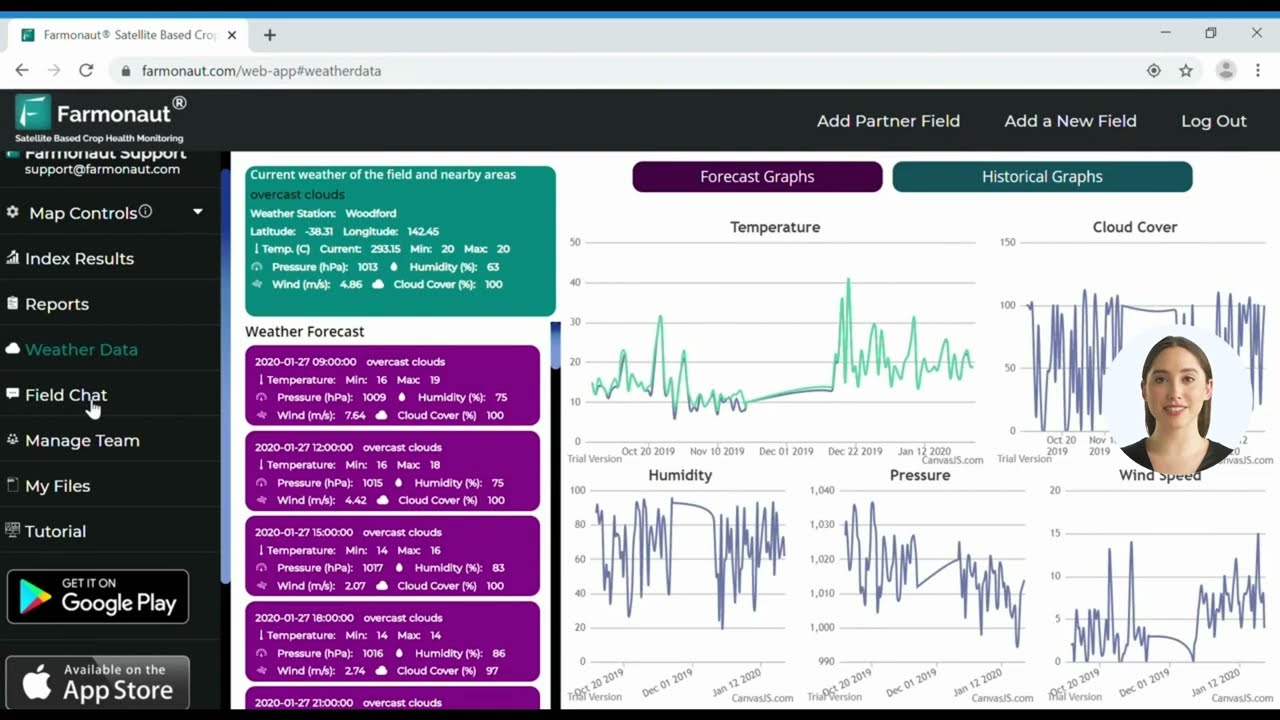
As digital technology proliferates, more cooperatives use dedicated applications and platforms—like web dashboards and mobile apps—to manage memberships, orders, storage, and market demand in real time. This keeps members informed, improves loyalty, and reduces transaction inefficiencies.
Explore Farmonaut’s Large-Scale Farm Management Platform
—dedicated to technological enablement for cooperative organizations and federations.

2. Collective Bargaining Power Scaling Up
Cooperatives can now aggregate more farmer produce than ever, meaning collective bargaining can secure higher and more stable prices even during volatile market conditions—benefiting especially smallholder and marginal farmers.
3. Value Chain Integration & Vertical Expansion
More cooperatives are investing in in-house processing, cold storage, branding, and packaging. By controlling the value chain from farm to fork, they capture a greater share of the product’s final value and reduce post-harvest losses.

4. Sustainable & Organic Farming Practices
To secure premium markets and comply with international standards, many cooperatives now deploy carbon footprint monitoring
and promote organic or regenerative farming. Increasingly, sustainability credentials are a market access requirement and a competitive advantage.
5. Direct-to-Consumer Channels
Urban-focused cooperatives build outreach platforms and e-commerce channels, linking farmers directly to conscious consumers. This shortens food supply chains, improves traceability, and increases farmer earnings by reducing intermediaries.
6. Blockchain-Enabled Traceability
A revolution in credibility: blockchain-based traceability (Farmonaut Product Traceability API) is replacing manual record-keeping for premium crops, organics, and export sectors. As demand for transparency grows, this will become increasingly non-negotiable.
7. Data-Driven Management, Satellite Monitoring & AI-Enabled Decision Support
By 2026, successful cooperatives will not just rely on traditional extension services. Instead, they’ll use AI-based advisory, remote sensing, and satellite monitoring for precision crop management, weather adaptation, and supply forecasting.
- Better risk forecasting: Protects against climate events
- Precision input recommendations: Reduces excess use of fertilizers/pesticides and improves efficiency
- Real-time reporting: Immediate alerts for disease, stress, or market opportunity
Challenges & Solutions in Cooperative Marketing: Governance & Participation
While the benefits are proven, cooperative agriculture does face persistent hurdles:
- Inconsistent governance and lack of transparency
- Unequal member participation or influence (“elite capture” risk)
- Limited capital for reinvestment and upgradation
- Competition from private aggregators and direct-buy companies
- Siloed value chains and resistance to new technologies
The solution? Enforcing transparent, democratic operating principles; offering genuine capacity building and technical support for members; and adopting emerging technologies like fleet/resource management (to optimize cooperative-owned machinery and logistics). Smart cooperatives are already leveraging these tools in India and across Asia, Africa, and the Americas.
Farmonaut’s Role: Satellite Insights for Cooperative Agriculture
As cooperative models embrace digital transformation, satellite-based monitoring, AI-powered advisories, and blockchain-based traceability delivered by companies like Farmonaut are vital tools for the future.
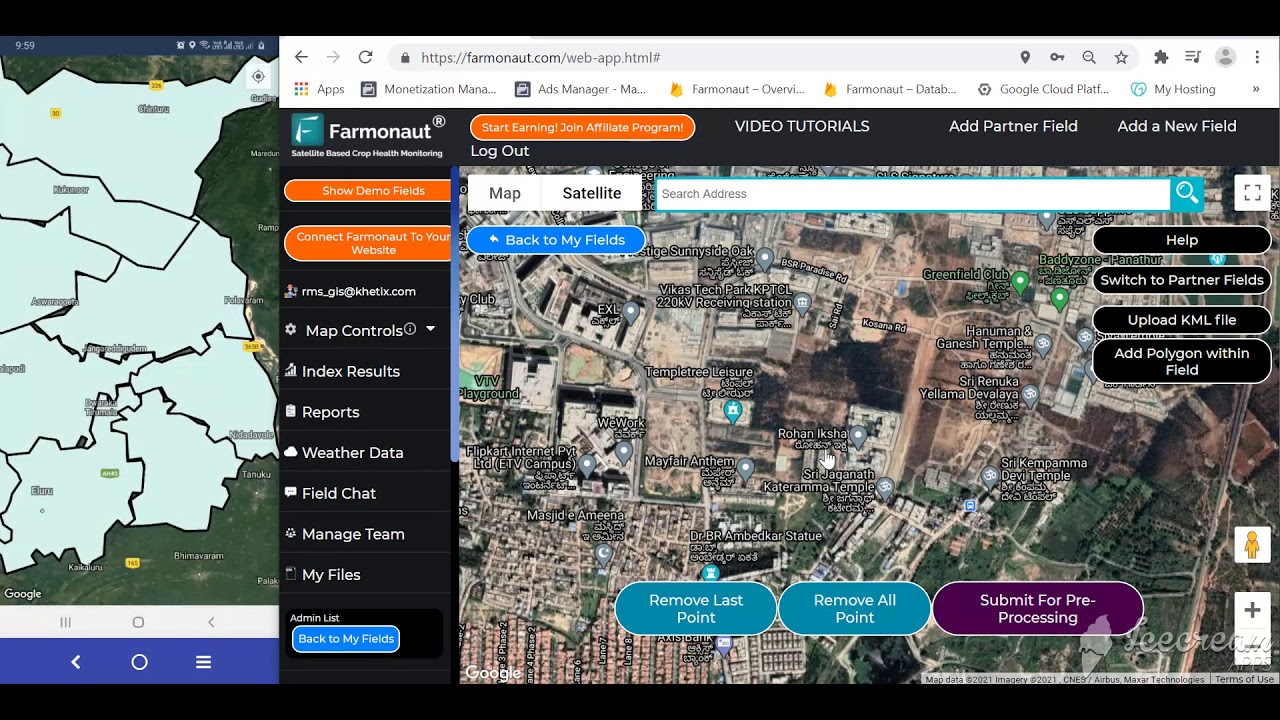
- Remote Monitoring: Farmonaut’s platform empowers cooperatives to monitor crop health, plan irrigation, and detect pest/disease risk—all using real-time satellite data.
- Blockchain traceability solutions: Build consumer trust and strengthen cooperative branding with transparent, tamper-proof records from seed to sale. See details here: Farmonaut Product Traceability.
- AI-Driven Insights: Through Farmonaut’s Jeevn AI, cooperatives can access data-driven advice, weather forecasts, and tailored strategies for every phase of farming.
- APIs and App Accessibility: All Farmonaut technology (from monitoring to risk assessment) can be accessed via mobile apps, web dashboards, or integrated via powerful developer APIs:
Explore Affordable Farmonaut Subscriptions for Cooperatives
Farmonaut Tools for Cooperatives: Crop Monitoring, Traceability, and Carbon Footprinting
- Crop Monitoring: Satellite & AI-powered monitoring via Farmonaut Web App for disease, drought management, and harvest planning.
- Traceability Solutions: Blockchain-enabled supply chain tracking with Farmonaut Product Traceability.
- Carbon Footprinting: Measure and monitor the carbon impact of your cooperative’s farming operations—unlock access to carbon credits and meet rising consumer and regulatory demands.
- Crop Loan & Insurance Verifications: Streamline loan eligibility and insurance claim verification via satellite-based, independent assessments.
- Fleet Management: Efficient vehicle, machinery, and logistics management for large cooperative operations.
Key Insights & Actionable Highlights
-
📊 Data Insight:
Over 68% of cooperatives in India are now digitally enabled, significantly shortening the farm-to-market cycle.
-
✔ Key Benefit:
Democratic governance ensures fair distribution of profits as well as inclusive access to all cooperative services.
-
⚠ Risk or Limitation:
Lower member participation and governance lapses can stall cooperative progress—invest in continuous capacity building and regular audits.
-
🌱 Sustainable Advantage:
Transition to organics or regenerative practices not only increases revenue but also builds long-term soil health and buyer loyalty.
-
🛰 Tech-Forward:
Adopt satellite-based resource management to reduce costs, minimize risk, and optimize yield across cooperative-managed farmland.
Benefits, Data & Limitations: Visual Lists For Quick Reference
🚀 Leading Benefits of Cooperative Marketing in Agriculture
- ✔ Collective bargaining secures better prices for members across the supply chain
- ✔ Increased market access includes government and export channels, not just local
- ✔ Value addition through processing, packaging, and branding increases farmers’ incomes
- ✔ Reduced input costs and improved credit access enhance profitability
- ✔ Democratized participation builds community wealth and social capital
📉 Key Limitations and Risks to Watch in 2026
- Governance risks: Siloed leadership can weaken member trust
- Capital constraints may limit investments in technology upgrades
- Inefficient post-harvest management can still result in losses (mitigated with carbon and environmental impact tools)
- Slow digital adoption can cause cooperatives to lose market share to private aggregators
- Regulatory hurdles in certain countries require proactive compliance and member training
FAQs: Cooperative Marketing in Agriculture
Q1: What is cooperative marketing in agriculture and why does it matter in 2026?
Cooperative marketing in agriculture refers to member-driven, collective systems for selling farm produce—ensuring fair pricing, reduced transaction costs, enhanced market access, and supply chain resilience. In 2026, it’s essential for linking farmers to emerging markets, government procurement, and export opportunities.
Q2: How are urban agriculture cooperatives different from traditional rural ones?
While rooted in the same democratic model, urban agriculture cooperatives adapt to city realities—linking rooftop gardens, community farms, schools, and institutions, and emphasizing food miles, technical education, and local supply resilience for consumers.
Q3: How do national agriculture cooperative marketing federations (like NACMF, India) shape farmer livelihoods?
NACMF and affiliates consolidate regional crops, standardize quality norms, invest in value addition (processing, packaging, branding), and negotiate with institutional buyers, stabilizing prices and enabling fair, market-driven growth for millions of Indian farming families.
Q4: What technologies will most transform cooperatives between 2025 and 2026?
The biggest impacts will come from satellite-based monitoring (for crop health & risk), AI-powered advisory systems, blockchain traceability, and digital platforms for management and direct-to-consumer sales. See Farmonaut’s digital solutions for more.
Q5: Do cooperatives work in all crop sectors?
Absolutely. Cooperatives thrive in horticulture, cereals, dairy, plantation crops, and extending into organics, carbon farming, and urban agriculture as well.
Conclusion: The Strategic Future of Cooperative Marketing in Agriculture
Cooperative marketing in agriculture is not just a sales model—it’s an ecosystem of shared power, democratic control, resilience, and value addition. From urban agriculture cooperatives in India’s cities to backbone federations like NACMF, these networks are transforming agriculture by empowering farmers, stabilizing prices, and supporting sustainable practices.
Emerging technologies—especially digital platforms, AI-based monitoring, blockchain, and resource management apps—are making these benefits accessible to more members than ever before. As we look to 2026, the cooperatives that succeed will combine robust governance, digital transformation, and transparent market engagement to drive prosperity across agriculture, horticulture, dairy, and more.
We at Farmonaut are proud to offer scalable, affordable, and innovative solutions that support the growth and success of cooperatives worldwide. Explore our platform—and join the next wave of empowered, data-driven, and sustainable cooperative marketing in agriculture.
Ready to transform your cooperative’s reach and resilience? Start with Farmonaut’s Web & Mobile Tools today.
Discussion
Questions, corrections or field experience? Share them below. First-time comments are reviewed before they appear, and your email is never published.
No comments yet. Be the first to add a question or your experience.

 Adgrid
 eKGIS
eKGIS Mostas Tech
 Native Seeds
 Andex
Andex FCF India
 Unifrutti Gulf
 Deluxe Conseil
 TVS Electronics
 BW Pipelines
 WICO
WICO Chimera Innovation
 SkyHarvest
 Polaris Digitech
 Teledarbas
 Licence holder · Niger · Gold










