

What is the Definition of Terraced Farming & Innovations: Pioneering the 2025 Agricultural Revolution
Introduction
The world of agriculture stands at a pivotal juncture as we near 2025 and look ahead to 2026 and beyond. Our growing global population, rapidly expanding urban areas, and the challenge of climate change demand new ways to produce more food efficiently, while safeguarding our soil, water, and environment. Amid cutting-edge technological solutions, it is an ancient yet ingenious method—terraced farming—that resurfaces as both a sustainable foundation and a vector for radical innovations. In this blog, we’ll cover the definition of terraced farming, trace its historical and modern significance, and spotlight the agricultural revolution definition and the agricultural innovations definition. Plus, we’ll examine emerging technologies, modern tools, and Farmonaut’s advanced satellite solutions shaping the future.
“Terraced farming increases arable land on hillsides by up to 40%, transforming mountainous regions into productive agricultural zones.”
What is the Definition of Terraced Farming?
The definition of terraced farming can be summarized as follows:
- Terraced farming is a timeless technique in which humans carve stepped levels, called terraces, into hilly or mountainous terrains.
- These terraces act as flat platforms on steep slopes or hillsides, allowing cultivation where traditional methods would otherwise struggle.
- Through this practice, soil erosion is minimized, water is conserved within each level, and arable land is maximized in challenging landscapes.
Terraced farming stands as one of the most significant ways humans have historically adapted to topographic limits. It is especially relevant in regions like the Andes (South America) and Southeast Asia—areas with dramatic elevation changes and challenging environments. In these places, terraced farming continues to enable food production, rural livelihoods, and ecosystem health. As we forge into 2025 and 2026, this ancient method is not only preserved but is also being significantly shaped by modern innovations.
Origins & Historical Significance: Civilizations and the Evolution of Terraced Agriculture
To truly understand “what is the definition of terraced farming,” we must explore its roots—not just in practice, but in the transformation of society.
1. Terraced Farming in Ancient Civilizations
- Andes Mountain Civilizations: In Peru and Bolivia, the Inca Empire pioneered intricate terraces (“andenes”) for potatoes, maize, and quinoa—maximizing scarce rainfall using stone walls and sophisticated channels.
- Southeast Asia: The world-famous Banaue Rice Terraces in the Philippines, and the Yuanyang Rice Terraces in China’s Yunnan Province, date back over 2,000 years. These systems remain in use today, supporting rice, vegetables, and aquaculture.
2. The Timeless Impact of Terraced Farming
- Transformation of otherwise steep, rocky, “useless” slopes into thriving food systems.
- Minimization of runoff, soil erosion, and landslides, improving long-term soil health.
- Sustainable water management, capturing rainwater and irrigating crops over extended droughts.
Terraced farming marked a turning point in human history. By systematically cultivating on steep hillsides, ancient communities increased food production and resilience against environmental shocks—a model that remains valuable in 2025 and 2026 as we are witnessing a new phase of the agricultural revolution.
The Mechanics: Techniques, Methods, and Environmental Benefits
Key Components and How the Terraced Technique Works
- Carving Stepped Levels: Terrain is shaped into a series of flat, horizontal “benches” supported by earth, stone walls, or vegetation, matching the hill’s contour lines.
- Water Management Systems: Channels, retention basins, and drainage ditches control water flow, conserving precious rainwater and reducing surface runoff.
- Crop Zoning: Each terrace can host different crops or farming systems, from rice paddies to orchards or mixed agroforestry.
- Soil Maintenance: Organic mulches, compost, and periodic replenishment of terrace soil are common practices to enhance soil health.
A central innovation of the system is its increased arable land (sometimes by up to 40%), especially in regions where topography limits conventional farming. The minimization of soil erosion and improved water conservation are not only crucial for productivity and yields but also for environmental sustainability.
Environmental and Agricultural Advantages:
- Prevents Erosion by slowing runoff and anchoring soil
- Reduces the risk of landslides in high-rainfall zones
- Maximizes water use, allowing intense cropping even in dry periods
- Improves soil fertility by catching nutrients eroded from upper slopes
- Supports biodiversity through multi-cropping and complex mosaics



Terraced Farming in 2025: Addressing Modern Agricultural Challenges
By 2025, the importance of maximizing arable land and efficient food production has never been greater. Terraced farming practice is attracting renewed attention due to mounting pressures, such as:
- Expanding Global Population: By the end of 2024, the world population is expected to reach nearly 8.1 billion. This expanding demand puts enormous stress on existing farmland and fertile plains.
- Scarcity of Flat Arable Land: Rapid urbanization, desertification, and environmental degradation have made arable land scarce—especially in challenging, hilly, or mountainous regions.
- Climate Change and Extreme Weather: Irregular rainfall, droughts, and unpredictable weather patterns pose serious threats to crops and soil health. Terraced systems naturally buffer these effects by creating microclimates and controlling water availability on each level.
- Need for Sustainability: Governments and society increasingly recognize that the future of food production depends on sustainable agricultural systems that conserve resources and protect ecosystems.
As we look to 2026 and beyond, terraced farming techniques are not relics—they are essential adaptation strategies in the face of modern and future agricultural challenges.
How can we harness both the wisdom of ancient systems and modern tools to revolutionize terraced farming? The answer is found in the concept of the agricultural revolution and ongoing agricultural innovations.

The Agricultural Revolution Definition 2025: From Antiquity to the Fourth Revolution
Agricultural Revolution, Historically and Today
The agricultural revolution definition is best understood as a profound transformation—a series of game-changing shifts in how humans cultivate crops, manage food production, and interact with the environment.
-
First Agricultural Revolution (Neolithic Revolution)
- Marked the period when humans began settling, systematically cultivating land, and domesticating animals.
- Transition from hunting and gathering to settled communities—enabling stable food supplies and urbanization.
-
Second and Third Agricultural Revolutions (Industrial and Technological Revolutions)
- Introduction of mechanization, fertilization, and large-scale irrigation, lifting productivity and feeding growing populations.
-
The Fourth Agricultural Revolution (2025 and Beyond)
- This new phase is often described as the digital, data-driven, and biotechnology-enabled era.
- Integration of smart technologies: Precision farming, AI-powered monitoring, gene editing, renewable energy deployment, and revolutionary digital advisory tools.
- Carbon footprint monitoring is now a critical part of sustainable practice, helping farms benchmark and reduce their environmental footprint.
The Fourth Agricultural Revolution is not just about high-tech advancements; it’s about fundamentally change—making food systems more productive, resilient, transparent, and sustainable for a growing planet.

Defining Agricultural Innovations: Tools, Technology, and Systemic Change
Agricultural innovations definition: A broad term encompassing novel techniques, technologies, and systems that fundamentally transform food production. These innovations act as driving forces behind breakthroughs in yield, efficiency, sustainability, and climate resilience.
The broader term that ties such innovations to research is unpacked in what agriscience means.
- Precision agriculture: Leveraging sensors, satellite imagery, drones, and real-time weather data to optimize every input (water, fertilizers, pesticides).
- Genetic modification & improved crop varieties: Crops engineered for superior yield, disease resistance, and climate adaptation.
- Automated soil and water management: Drip irrigation systems, moisture sensors, and AI-powered advisory platforms tailor management to every terrace level.
- Renewable energy deployment: Solar-powered irrigation, wind pumps, and biogas for sustainable farm operations.
- Blockchain-based traceability: End-to-end tracking and transparency in the food chain for food safety, quality, and product traceability.
When we assess “agricultural innovations,” the goal is not only to maximize productivity, but also to minimize environmental footprint and boost the economic viability for farmers in all regions.

Innovations in Terraced Farming: Transforming a Timeless Practice
The integration of modern innovations into terraced farming systems marks one of the most exciting developments in agricultural sustainability for 2025 and beyond. Let’s break down how contemporary technologies and methods are reshaping the way we cultivate terraces, boosting both environmental sustainability and food security.
A. Automated Irrigation and Water Management
- Automated drip irrigation systems—tailored to the unique elevation and microclimates of each terrace—deliver precise water volumes and nutrients, minimizing wastage.
- Advanced soil moisture sensors guide irrigation scheduling and ensure each crop receives exactly what it needs at every terrace level.
B. AI-Driven Monitoring and Satellite Insights
-
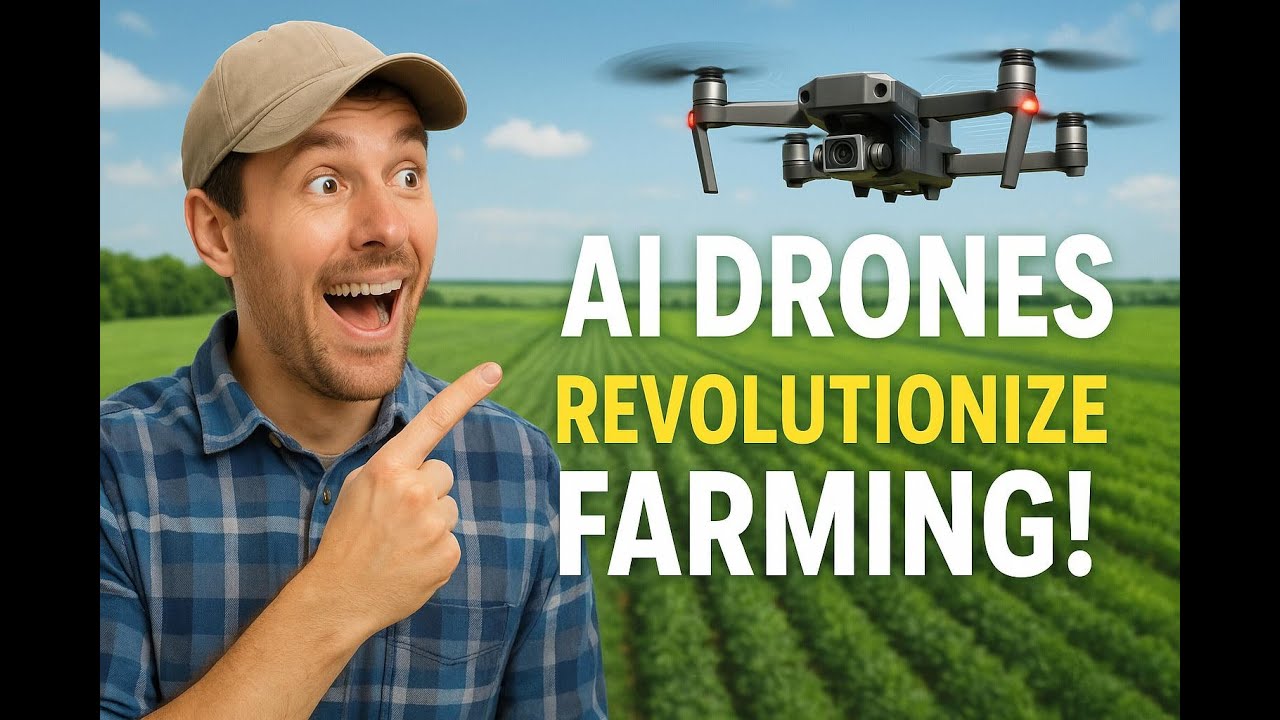
Satellite and drone imagery (such as that provided by Farmonaut) monitor soil health, crop growth, and even detect early signs of disease or stress—enabling targeted, cost-effective interventions.
AI-powered analytics drive precision management across terraces of all sizes. - Weather forecasting systems anticipate rainfall and climate patterns, allowing farmers to proactively prepare for drought, storms, or heat waves.
C. Renewable Energy for Terraced Farms
- Solar-powered water pumps and irrigation systems greatly reduce reliance on fossil fuels and lower the carbon footprint of terraced food production.
D. Crop Variety Innovation and Genetic Improvement
- Modern breeding and crop biotechnology provide drought-tolerant, pest-resistant, and high-yielding varieties specifically suited to terraced landscapes and changing climatic conditions.
E. Digital Resource Management Tools
- Smart fleet management platforms for agricultural operations simplify vehicle use, equipment allocation, and resource flows—especially in fragmented, hard-to-access terrains.
- Blockchain brings digital traceability to products grown on terraces, building transparency and trust for end consumers, through solutions like blockchain-based product traceability.
F. Eco-Enhancing Inputs and Organic Methods
- Biofertilizers, organic composting, and integrated pest management replace chemical-dependent approaches—enhancing soil structure, retaining nutrients, and benefiting biodiversity.
- Promotion of agroforestry (mixing trees, crops, and shrubs on terraces) boosts biodiversity, carbon sequestration, and land stability.
These advancements are driving the next leap in productivity, resilience, and sustainability for terraced farming—pioneering the agricultural revolution of 2025.
Comparison Table: Traditional vs. Modern Innovations in Terraced Farming

Satellite Technology: Farmonaut’s Contribution to Modern Farming
As the agricultural revolution accelerates, satellite and digital technologies are pivotal. At Farmonaut, we harness satellite imagery, AI, and blockchain platforms to power the next generation of farm management and resource optimization.
Key Offerings Empowering Terraced Agricultural Systems
- Real-time crop and soil health monitoring using multispectral satellite images. Identify at-risk terrace segments rapidly and precisely.
- AI-based advisory systems—like our Jeevn AI—analyze vast datasets to provide tailored recommendations (fertilizer, irrigation, disease management) for every terrace.
- Blockchain-based traceability tracks food and input movement across complex landscapes, delivering transparency and fraud prevention.
- Resource and fleet management tools—enabling farmers in fragmented, rugged areas to deploy labor and machinery smoothly.
- Environmental impact monitoring (e.g., carbon footprinting), to help terraced farms benchmark, reduce, and report greenhouse gas emissions.
- API integration: For developers and agri-businesses, our satellite monitoring API and API developer docs enable customized solutions that work for local needs and global targets alike.
Our large-scale farm management solutions empower enterprises and governments to efficiently manage vast, complex terraced systems by accessing data remotely, optimizing every input, and safeguarding both yields and natural resources.
Through digitalization, cost-effective satellite monitoring, and actionable advisory, we at Farmonaut help ensure that even the most challenging landscapes keep pace with the demands of 2025 and the future.
“By 2025, innovative techniques in terraced farming are projected to boost soil retention rates by over 30% globally.”
The Future: Terraced Farming, Sustainability, and Food Security Beyond 2026
In the coming decade, terraced farming will not merely persist—it will thrive as a flagship of sustainable agricultural systems:
- Food Security: Steep landscapes, previously classified as “marginal,” become productive, reliable food sources, helping nations increase food production without sacrificing environmental health.
- Climate Change Adaptation: With extreme weather and rainfall variation increasing, terraced systems—with enhanced retention, microclimates, and digital alerts—will anchor resilience for millions of smallholders and food systems in challenging zones.
- Agroecological Integration: New innovations fuel agroforestry, mixed cropping, carbon sequestration, and biodiversity initiatives in terraced landscapes.
- Digital Accessibility: Mobile platforms and APIs will continue democratizing data, making advanced monitoring and precision management available even to remote, small farms.
- Financial Empowerment: Digital land verification and crop loan and insurance solutions bring better credit and risk management to rural communities.
From the mountainous Andes to the verdant slopes of Southeast Asia, the integration of technology and tradition in terraced agriculture points toward a future where productivity, sustainability, and resilience are not in conflict, but deeply intertwined.

FAQs: Terraced Farming & Agricultural Innovations
1. What is the definition of terraced farming?
Terraced farming is the method of carving stepped levels (terraces) into hilly or mountainous slopes, allowing crops to be grown on multi-level flat platforms. This technique minimizes soil erosion, conserves water, and maximizes arable land in otherwise challenging landscapes—making it vital for food production in topographically limited regions.
2. Why does terraced farming increase sustainability and soil health?
Terraced farming preserves topsoil, prevents erosion, captures runoff, conserves water, and slows nutrient loss. Combined with modern innovations like AI-driven monitoring and eco-friendly inputs, terraces greatly enhance long-term soil health and environmental sustainability—especially amid shifting climate conditions.
3. How do modern agricultural innovations transform terraced systems?
Modern agricultural innovations—such as satellite monitoring, real-time weather forecasting, automated irrigation, and blockchain traceability—help optimize resource use, boost yields, reduce labor, and improve resilience. These innovations enable more precise, efficient, and sustainable management of terraced landscapes.
4. Which regions benefit most from terraced farming?
Terraced farming is crucial in mountainous or hilly regions where flat land is scarce—such as the Andes in South America, Southeast Asia (Yunnan, Banaue, Vietnam, etc.), mountainous Africa, and parts of southern Europe (Italy, Greece, Spain).
5. What is the agricultural revolution definition in context of 2025 and 2026?
The agricultural revolution definition now refers to the Fourth Agricultural Revolution, wherein biotechnology, AI, digital tools, and sustainable practices combine to fundamentally transform how food is produced—creating more efficient, resilient, and climate-smart agricultural systems worldwide.
6. How does Farmonaut support terraced farming and agricultural innovation?
Farmonaut provides satellite-based crop and soil health monitoring, AI-powered advisories, blockchain-based traceability, and resource management tools—helping users achieve greater precision and sustainability even in steep, fragmented landscapes.
7. How can terraced farming help mitigate climate change effects in agriculture?
By reducing runoff, retaining soil and water, protecting against landslides, and creating microclimates, terraced systems buffer against extreme weather and climate variability. The addition of biofertilizers, agroforestry, and digital monitoring further enhances resilience and carbon sequestration capabilities.
Farmonaut Subscription Plans
For users seeking to maximize the potential of satellite-driven agricultural insights, Farmonaut offers flexible, scalable subscription packages. Whether you’re looking to monitor your terraces via mobile, manage wide-scale operations, or integrate precision data through APIs, our platform makes next-gen agricultural monitoring affordable and accessible.
For instant onboarding, access our versatile web app, Android or iOS apps.
Conclusion
The definition of terraced farming reflects a centuries-spanning blend of ingenuity and necessity: a method that stands the test of time and addresses some of our most challenging landscapes. As the agriculture sector undergoes a new wave of revolution, the ongoing innovations of 2025 and beyond ensure that terraced farms remain not only relevant but indispensable for sustainable food production, soil health, and resilience.
From ancient Andes and Southeast Asian civilizations to today’s digitally monitored, AI-enhanced terraces, the story is clear: when traditional knowledge meets technological advancement, humans can cultivate abundance on even the steepest slopes.
In the era of rapid change, the future will belong not to the fastest, but to those who can integrate timeless practice with revolutionary innovation—and the terraced farming system is a global model for exactly that.
Ready to pioneer the next era of sustainable agriculture? Discover Farmonaut’s satellite-powered platform—empower your farm, maximize your yields, minimize your footprint, and secure a more resilient future for your community and the planet.

 Juligerm
 Inclusive Growth Chain
 AdBio
AdBio MISE Maroc
 Drift-Sense
 NWNS
NWNS Red August Group
 Farm Inc
 WeMe Global
 Agrotoken
 Blue BearX
 Insignito
 Croptimum
 DnCubed
 Field Capacity
 Indosistim Teknologi
 Liquify Digital
 CU Foods
