

Crop protection · Buyer guide
Whitefly Control Insecticide Options Ranked for Farms
Pick a whitefly insecticide by life stage, rotate IRAC groups and spray only at a threshold, such as about 4 adults per leaf in peppers (UC IPM). Insect growth regulators and group 23 products are selective rotation partners; avoid using neonicotinoids as both a soil and a foliar treatment on the same crop.
Key takeaways
- UC IPM treats silverleaf whitefly in peppers at about 4 adults per leaf in a 30-leaf sample, and in melons before numbers pass 2 adults per leaf.
- Pyriproxyfen (7C), spiromesifen and spirotetramat (23) target nymphs and spare most natural enemies; pyriproxyfen does not kill adults.
- IRAC reports Bemisia tabaci resistance to more than 50 insecticide active ingredients; UC IPM advises using one IRAC group no more than twice a season.
- Reflective mulch can delay damaging whitefly numbers by 4 to 6 weeks (UC IPM).
- For cattle on pasture, Nebraska Extension puts the horn fly economic injury level at about 200 flies per animal.
In this article
- Why whitefly control matters on farms
- Whitefly control insecticide options ranked
- Comparison table of whitefly insecticide groups
- How to choose a whitefly insecticide
- Whitefly control beyond insecticides
- Outdoor fly treatment for cattle on pasture
- A season plan for whitefly control
- Common mistakes with whitefly sprays
- How we checked the numbers
- FAQ
The best whitefly control insecticide is the one that hits the life stage you actually have, comes from a mode-of-action group you have not just used, and spares the wasps and predators that do much of the work. In the UC IPM pepper treatment table, soil-applied imidacloprid and the insect growth regulator pyriproxyfen rank highest for IPM value; the group 23 products spiromesifen and spirotetramat are narrow-spectrum rotation partners, neonicotinoids should not be used as both a soil and a foliar treatment on the same crop, and soaps or oils suit organic growers. Spray only when counts pass a threshold, such as about 4 adults per leaf in peppers or 2 per leaf in melons.
This guide ranks seven whitefly insecticide options by what they control, how they fit IPM and how long you must wait before harvest. It also covers cultural tools that cut spray numbers, a cost calculator, and a short section on outdoor fly treatment for cattle on pasture, because many readers manage both. Always follow the product label and your local rules; registrations differ between the US, Canada, the UK, the EU and Australia.
Why whitefly control matters on farms
Whiteflies are small sap-feeding insects that sit on the undersides of leaves. The two species that cause most farm problems are the sweetpotato whitefly (Bemisia tabaci, including the B biotype often called silverleaf whitefly) and the greenhouse whitefly (Trialeurodes vaporariorum). IRAC notes that Bemisia tabaci is found on over 900 host plants and is listed among the world’s top 100 invasive organisms.
Damage comes in three ways. First, heavy feeding stunts plants and can cause leaf drop. Second, adults and nymphs excrete honeydew, which grows black sooty mould on leaves and fruit. UC IPM says whiteflies damage peppers by sucking large amounts of sap and covering plants with sticky honeydew, which lowers photosynthesis and makes fruit hard to sell. Third, sweetpotato whitefly spreads plant viruses such as tomato yellow leaf curl virus, so a small population can still cause large losses in tomatoes, beans and cucurbits.
In cotton the honeydew is the main risk. Australia’s Cotton Pest Management Guide 2025-26 explains that one honeydew sugar melts at 48°C during ginning, so contaminated lint can be downgraded or rejected for stickiness.
How fast whiteflies build up
Whiteflies breed quickly in warm weather and generations overlap. The UConn greenhouse factsheet gives egg-to-adult times of 32 days for greenhouse whitefly and 39 days for sweetpotato whitefly at 70°F. A sweetpotato whitefly female can keep laying eggs for about 22 days. That is why a field can look clean one week and carry eggs, nymphs and adults all at once two weeks later.
The overlap matters for insecticide choice. A contact spray may kill adults but leave eggs and scale-like nymphs alive. An insect growth regulator works on immature stages but does not kill adults. Most programmes therefore pair products by life stage, not by brand.
Chart
Days from egg to each life stage at 70°F
Cumulative days, greenhouse vs sweetpotato whitefly

▶ Organic and chemical strategies against cucurbit viruses, many of which insects such as whiteflies spread. · 14:25
Whitefly control insecticide options ranked
We ranked these options with the UC IPM pepper and cucurbit whitefly guidelines, the Australian cotton guide and IRAC resistance notes. Rank reflects IPM fit: control of the target stage, harm to natural enemies and bees, and resistance risk. It is not a ranking of raw kill rate, because no single published trial compares all of them on the same farm. Product names are examples of US brands; check what is registered where you farm.
1. Pyriproxyfen (IRAC group 7C insect growth regulator)
Best for: stopping a building population of nymphs while keeping natural enemies alive.
Pyriproxyfen (for example Knack in the US) disrupts development of eggs and nymphs. UC IPM describes it as an insect growth regulator that is not harmful to most natural enemies, with a 12-hour re-entry interval and a 1-day preharvest interval in peppers. It does not kill adults, so a heavy adult flight needs a partner product. Pros: selective, short harvest wait. Cons: slow; results show over one to three weeks.
2. Spiromesifen and spirotetramat (group 23)
Best for: nymph control in vegetables and melons when you need a different mode of action.
These lipid-synthesis inhibitors (Oberon, Movento) target immature whiteflies. UC IPM rates both as narrow in selectivity, with a 1-day preharvest interval in peppers. Spirotetramat moves inside the plant, which helps reach nymphs under leaves. Pros: rotation partner for IGRs. Cons: slow knockdown; spirotetramat has a 24-hour re-entry interval in the pepper table.
3. Cyantraniliprole (group 28)
Best for: mixed pest pressure, as a soil or foliar treatment.
Cyantraniliprole (Exirel foliar, Verimark soil) controls whiteflies and several chewing pests. The UC IPM pepper table lists a 1-day preharvest interval. It is highly toxic to bees, so do not spray onto flowering crops or weeds where bees forage. Pros: useful soil option at planting. Cons: bee risk with foliar use.
4. Neonicotinoids: imidacloprid, dinotefuran, acetamiprid (group 4A)
Best for: early protection of transplants against virus-carrying adults, used once.
UC IPM suggests considering imidacloprid at transplanting where whiteflies are present, and warns to avoid using neonicotinoids both as a soil and a foliar treatment on the same crop. In California, growers must follow the neonicotinoid regulations effective January 1, 2024, which can lower allowed rates. Resistance is a real limit: the Australian cotton guide reports widespread partial cross-resistance to neonicotinoids in silverleaf whitefly. Pros: long residual from soil use. Cons: bee toxicity, resistance, 21-day preharvest interval for soil imidacloprid in peppers.
5. Insecticidal soaps and horticultural oils
Best for: organic farms, greenhouses and spot treatment.
Potassium salts of fatty acids (M-Pede) and narrow-range oils (Stylet-Oil) kill whiteflies on contact and can be used on certified organic crops after checking with your certifier. UC IPM notes that insecticidal soaps and oils are among the products least harmful to natural enemies, but they have no residual and need frequent sprays with full coverage of leaf undersides. Pros: 0-day preharvest interval in the pepper table. Cons: more trips across the field; plant burn in heat.
6. Neem oil and azadirachtin products
Best for: organic growers who want a botanical rotation partner.
Neem products are registered for whiteflies in the US; for example, an EPA-registered neem oil concentrate label (2024) lists whiteflies among the sucking insects it controls. Neem oil is a pressed seed oil; azadirachtin is the main active compound, sold in more concentrated products. They act mainly by contact and smothering, with some feeding and growth effects. Pros: organic options. Cons: short residual and variable results; follow the label for crop and rate.
7. Pyrethroids such as bifenthrin (group 3A)
Best for: a fast knockdown of adults, used sparingly.
UC IPM suggests adding bifenthrin to pyriproxyfen when many adults are present, and lists bifenthrin or spiromesifen as effective foliar treatments in melons. The cost is natural enemies: broad-spectrum sprays can flare whiteflies later. The Australian cotton guide says silverleaf whitefly already carried resistance to pyrethroids and organophosphates when it arrived in 1994, and advises avoiding them early in the season.
Comparison table of whitefly insecticide groups
| Option | IRAC group | Main stage hit | Pepper PHI (days) | Natural enemy impact |
|---|---|---|---|---|
| Pyriproxyfen | 7C | Eggs, nymphs | 1 | Low for most |
| Spiromesifen | 23 | Nymphs | 1 | Narrow |
| Spirotetramat | 23 | Nymphs | 1 | Narrow |
| Cyantraniliprole | 28 | Nymphs, adults | 1 | Narrow; bee risk |
| Imidacloprid soil | 4A | Adults, nymphs | 21 | Narrow; bee risk |
| Acetamiprid | 4A | Adults, nymphs | 7 | Moderate |
| Soap or oil | none / UNM | Contact, all | 0 | Broad but short |
Chart
Preharvest interval by whitefly product in peppers
Days from last application to harvest, UC IPM pepper treatment table
Source for intervals and selectivity: UC IPM pepper whitefly treatment table (entries last updated June 2016; always check the current label). PHI means preharvest interval, the days from spray to harvest. Where the re-entry interval is longer than the PHI, the longer of the two applies.
How to choose a whitefly insecticide
- Confirm the species. UC IPM notes that only silverleaf and greenhouse whiteflies cause economic damage in peppers. Use a hand lens on the undersides of leaves.
- Count before you spray. UC IPM gives a treatment threshold of about 4 adults per leaf in a random 30-leaf sample for silverleaf whitefly in peppers. In melons it advises treating before numbers reach more than 2 adults per leaf. In Australian cotton, a leaf with two or more large nymphs counts as infested, and growers use a threshold matrix by crop stage.
- Match the stage. Many nymphs and few adults suggests an IGR or group 23 product. A heavy adult flight carrying virus risk calls for a knockdown partner.
- Rotate modes of action. UC IPM advises not using the same IRAC group more than twice a season. IRAC reports that B. tabaci has shown resistance to more than 50 insecticide active ingredients.
- Check intervals and bees. Plan around the preharvest interval and avoid sprays on flowering crops or weeds where bees forage.
- Treat only where needed. UC IPM notes that field margins are usually infested first; if margins carry more whiteflies than the centre, treat only the margins.
Chart
Restricted entry interval by product in peppers
Hours before workers may enter without protective equipment
Whitefly control beyond insecticides
Insecticides work better and less often when other tools hold numbers down. Extension guides agree on these steps.
- Distance and timing. UC IPM calls the best silverleaf whitefly control maximising the distance and time between host crops, and suggests planting peppers at least half a mile upwind of melons, cole crops and cotton.
- Reflective mulch. Silver or aluminium mulch laid before planting can delay damaging numbers by 4 to 6 weeks, according to UC IPM, until foliage covers more than about 60% of the surface.
- Sanitation. Destroy crop residues and control weeds that host whiteflies between seasons.
- Clean transplants and row covers. UC IPM lists noninfested transplants and row covers in the low deserts as key cultural controls in melons.
- Biological control. Encarsia and Eretmocerus wasps parasitise nymphs. The RHS advises releasing the parasitoid wasp Encarsia formosa against glasshouse whitefly, and Kansas State describes Eretmocerus eremicus as a commercially available parasitoid of both greenhouse and sweetpotato whitefly.
- Sticky traps. Yellow traps show when adults move in; they rarely control a field population alone.
The Australian cotton guide notes that IGRs have limited impact on parasitoids and many predators, which makes them a good fit before natural enemies take over later in the season. Avoiding early broad-spectrum sprays keeps that option open.

▶ Citrus black fly, a whitefly relative: damage and control options in orchards. · 10:11
Outdoor fly treatment for cattle on pasture
Whiteflies do not attack livestock, but many readers searching for outdoor fly treatment run cattle as well. On pasture the main pest is usually the horn fly. Nebraska Extension reports that horn flies can reduce calf weaning weights by 4–15% and weights of stocker cattle or replacement heifers by up to 18%, and gives an economic injury level of about 200 flies per animal.
- Count first. Check several animals weekly between about 8:00 and 11:30 a.m., when horn flies sit on the shoulders, back and sides.
- Insecticide ear tags, pour-ons and sprays. Rotate chemical classes between seasons to slow resistance, and remove tags at the end of the fly season as the label directs.
- Feed-through products. These pass into manure and stop larvae developing, but flies from neighbouring herds can still arrive.
- Walk-through traps and dung beetles. These cut numbers without chemicals and fit organic systems.
- Manure and grazing management. Rotational grazing and spreading manure pats reduce breeding sites.
Follow the product label for withdrawal times and use on lactating dairy cows, and ask your veterinarian or extension office which products are approved in your state or country.
A season plan for whitefly control
- Before planting: remove residues and weeds, plan distance from host crops, lay reflective mulch.
- At planting: use clean transplants; consider one soil systemic only where virus pressure is known.
- Early season: scout margins twice a week during migrations; keep broad-spectrum sprays out.
- At threshold: use an IGR or group 23 product for nymphs; add a knockdown only for heavy adult flights.
- Late season: check preharvest intervals and honeydew on fruit or lint; rotate away from groups already used.
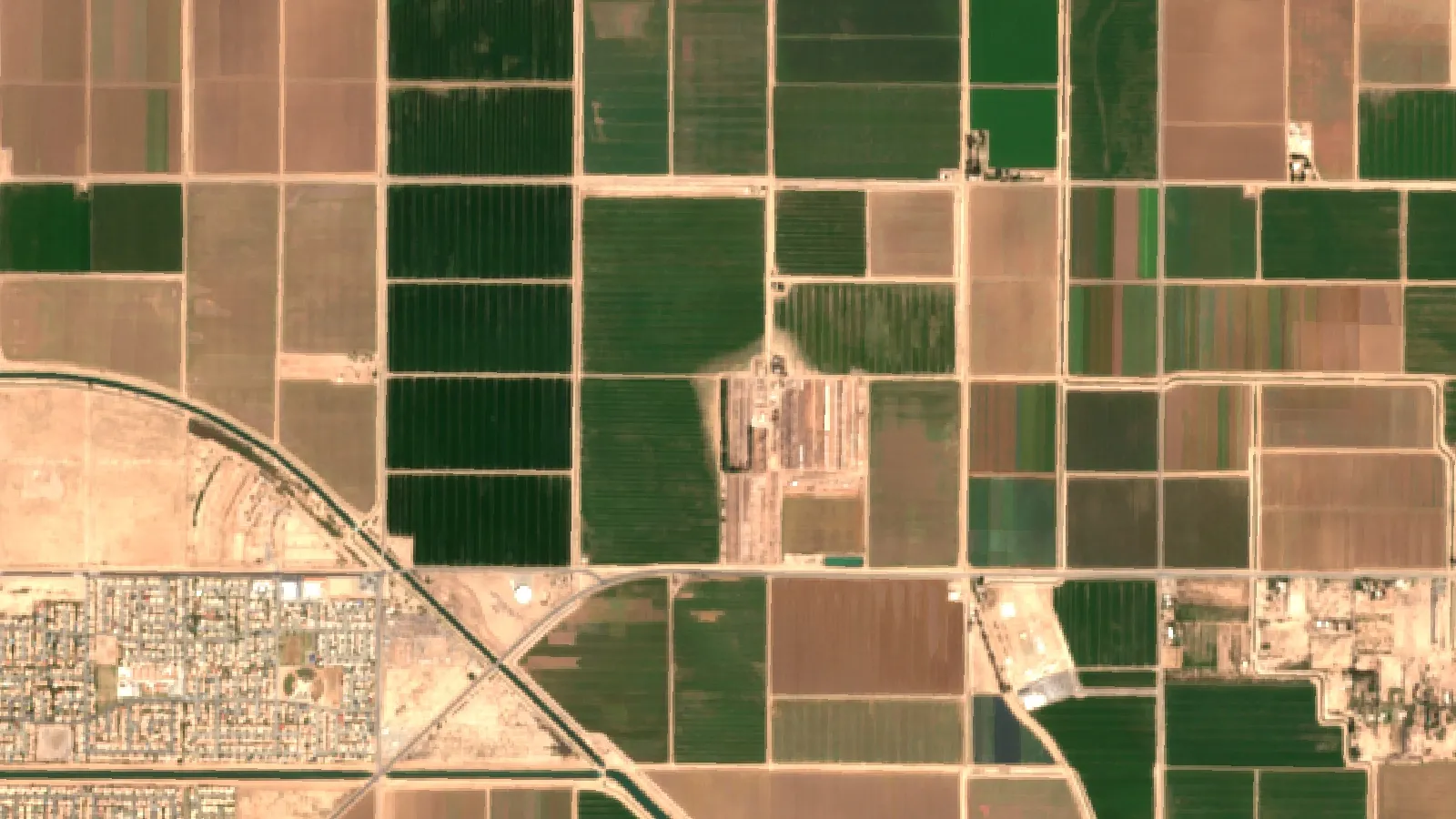
Satellite crop health maps cannot see whiteflies, but they can show patches of weak growth worth scouting first. The Farmonaut Satellite + AI Farm Monitoring System gives such maps for each field through the season.
Try the numbers for your own farm below.
Calculator
Does a whitefly spray programme pay on your field?
Enter your own product cost, application cost, number of sprays and crop value.
- Programme cost per acre (US$): $90
- Value protected per acre (US$): $90
- Break-even share protected: 1.00 %
Example values only, set near break-even; they are not a benchmark or a forecast. Use today’s product price and your own crop value. The loss avoided is your own estimate of the share of crop value the programme protects.

▶ How to view satellite crop health maps for your fields in the Farmonaut web app. · 8:43
Common mistakes with whitefly sprays
- Spraying the top of the canopy only. Eggs and nymphs sit on the undersides of leaves. Use enough water volume and nozzles that reach the lower leaf surface, as the label directs.
- Repeating the product that worked last time. A second and third spray of the same group selects for resistant whiteflies. Switch IRAC group after each window of use.
- Judging an IGR too early. Growth regulators do not drop adults. Check nymph numbers one to three weeks after the spray, not the next day.
- Spraying the whole field when only the edges are infested. Edge-only treatment saves product and leaves natural enemies in the centre to clean up.
- Ignoring neighbouring crops. When a nearby melon, cotton or cole crop is harvested or dries down, adults move. Scout more often during those weeks.
- Skipping records. Write down product, group, rate, date and counts. The record makes the next rotation choice simple and supports buyer audits.
How we checked the numbers
Intervals, thresholds and selectivity come from the UC Statewide IPM Program pepper and cucurbit whitefly guidelines and its home whitefly pest note. Life-cycle data come from UConn’s greenhouse whitefly factsheet. Resistance and cotton details come from IRAC and the Cotton Research and Development Corporation’s 2025-26 guide. Cattle figures come from Nebraska Extension. We removed earlier claims of exact efficacy percentages, costs per hectare and “sustainability scores” for each method, because no published source supported them. Pesticide registrations change; this page is not a substitute for the label or local advice.
FAQ
What is the best whitefly control insecticide for vegetables?
There is no single best product. In UC IPM’s pepper table, soil-applied imidacloprid and pyriproxyfen rank highest for IPM value, spiromesifen and spirotetramat are narrow-spectrum rotation partners, neonicotinoids should not go on one crop as both soil and foliar treatments, and soaps or oils suit organic crops. Choose by life stage and rotate groups.
Why does my whitefly spray stop working?
Whiteflies develop resistance quickly. IRAC reports resistance in B. tabaci to more than 50 active ingredients. Rotate IRAC groups, use each group no more than twice a season, and protect natural enemies.
When should I spray for whiteflies?
Spray at a threshold, not on a calendar. UC IPM uses about 4 adults per leaf in peppers and treats melons before numbers pass 2 adults per leaf.
Do natural products control whiteflies?
Insecticidal soaps, oils and neem can control light infestations with good coverage of leaf undersides, but they have short residual and need repeat sprays. Parasitoid wasps work well in greenhouses.
What is the best outdoor fly treatment for cattle on pasture?
Combine monitoring with rotated ear tags, pour-ons or sprays, feed-through products, traps and manure management. Nebraska Extension uses about 200 horn flies per animal as the economic injury level.
Related pages on our site: whitefly and aphid sprays in cotton and peppers, organic pest control tips, peach leaf curl treatment, large farm management, product traceability, farm carbon footprint, crop loan and insurance checks, fleet management, satellite and weather API docs, mobile apps.
Farmonaut crop monitoring
Know which part of each field to scout first
Farmonaut shows satellite crop health maps for your fields through the season, so you can check weak patches on foot before deciding on a spray.




Sources
- UC Statewide IPM Program, Peppers: Whiteflies: ipm.ucanr.edu
- UC Statewide IPM Program, Cucurbits: Whiteflies: ipm.ucanr.edu
- UC IPM Pest Notes: Whiteflies: ipm.ucanr.edu
- UConn IPM, Managing Whiteflies in the Greenhouse (2023): ipm-cahnr.media.uconn.edu
- CRDC, Cotton Pest Management Guide 2025-26: crdc.com.au
- IRAC, Bemisia tabaci: irac-online.org
- US EPA, neem oil concentrate label 88760-15 (2024): www3.epa.gov
- RHS, Glasshouse whitefly: rhs.org.uk
- Kansas State University, Eretmocerus eremicus (MF3617): bookstore.ksre.ksu.edu
- Nebraska Extension, Horn Flies on Pastured Cattle: beef.unl.edu
- UF/IFAS, Citrus Whitefly (IN241): ask.ifas.ufl.edu
Discussion
Questions, corrections or field experience? Share them below. First-time comments are reviewed before they appear, and your email is never published.
No comments yet. Be the first to add a question or your experience.

 Pistachio ST
 Field Capacity
 Indosistim Teknologi
 Liquify Digital
 CU Foods
 BeyondTech Global
 Rouge VC
 AgroGreen Dynamics
 AgroRisk
 Oath Inc
 Reddane Farming
 Esri North East Africa
 Cresol
 MDCV UK
 Etech Consulting Madagascar
 Vestlandsforsking
 Delicio
 WB Dev
 Sama Premium
 Prochecker
 Tres Valles
 LACOS Geoinformation
 Magrifly
 LatConnect 60
 Blickwinkel
 Agricultural Credit Policy Council

 Exploration consultancy · South Africa · Gold
 Licence holder · Niger · Gold
 Client · Tanzania · Gold
 Client · Somalia · Gold










