

Agriculture Funding & Farming Opportunities: Canada & Beyond
Reviewed August 2026 against Statistics Canada, USDA Farm Service Agency, and Statistics South Africa.
Try it: Funding Gap Calculator →
Canada had 189,900 farms and 228,500 agricultural employees as of Statistics Canada’s most recent count (farm total: 2023 Census of Agriculture; employment: June 2025 Labour Force Survey). If you’re chasing agriculture funding, a farming foothold in Canada, or trying to place a name from the 1962 Canadian Agricultural Hall of Fame inductee list, the honest answer for two of those three is: the specific dataset you want either isn’t centrally published in dollar figures, or sits behind an institution’s own archive rather than a general search result. This page tells you exactly what is verifiable right now, what isn’t, and how to get the current number yourself.
What This Page Covers
Three distinct searches land here, and they deserve three distinct, honest answers rather than one blended essay. First: people looking for agriculture funding opportunities generally want a number — a loan ceiling, a grant size, a deadline — not a description of “various programs.” Second: people searching farming in Canada want the scale of the sector today, in named figures, not adjectives. Third: a much smaller, sharper query — the 1962 Canadian Agricultural Hall of Fame inductees list — wants a specific historical record that we do not have primary access to and will not fabricate.
We also touch, briefly and without derailing the above, on vertical farming opportunities, general “opportunities in farming,” and a short list of career paths in agriculture — because those searches share an audience with the main three, even though they’re not this page’s main job.
The single most useful thing this page can give you isn’t a number that will be stale in a year — it’s the exact government dataset and page to check for the current one. Every figure below carries its source and vintage for that reason.
Agriculture Funding Opportunities: What’s Actually Published
Funding for farmers and new entrants breaks into three buckets — direct government loans, grants/cost-share programs, and private or venture capital — and the amount of publicly verifiable detail varies sharply between them. Here is what is confirmed, by country, as of this review.
United States: USDA Farm Service Agency
The USDA Farm Service Agency’s Direct Farm Ownership Down Payment Loan program — aimed at beginning farmers and ranchers — caps at $300,150 as of the FSA’s 2025 published guidance. That figure is a ceiling on the specific down-payment loan product, not a blanket grant amount, and it sits alongside other FSA direct and guaranteed loan categories (operating loans, microloans) whose current maximums are not consolidated into one number on the page we reviewed — the FSA directs applicants to their local county office for operating-loan and microloan limits specific to the applicant’s state and farm type. If you’re a US-based beginning farmer, start at the source: USDA FSA’s Beginning Farmers and Ranchers Loans page, which lists eligibility and the current loan menu.
Canada: What We Could Not Verify
We looked for a dollar-denominated Agriculture and Agri-Food Canada (AAFC) grant or subsidy program aimed at new entrants, comparable to the USDA figure above. It is not in our research brief, and we will not invent a number here. If you’re evaluating Canadian funding, the AAFC’s own program listings (searchable by province and farm stage) are the correct primary source — treat any third-party blog quoting a specific AAFC grant ceiling with suspicion unless it links directly to a .gc.ca program page.
South Africa and Nigeria: What’s Confirmed vs. Not
For South Africa, Statistics South Africa recorded 25,614 new jobs created in the agriculture sector during 2023–2024 — a labour-market figure, not a funding one. We did not find a verified Land and Agricultural Development Bank (Land Bank) or provincial grant figure in our source set, so we won’t quote one; check the Land Bank’s own disbursement reports for current loan and grant sizes. For Nigeria, agriculture accounted for roughly 40% of the labour force on a 2021–2024 average (Statista), and the crop production sub-sector grew 1.2% in Q3 2024 and 1.76% in Q4 2024 per SeedBuilders’ sector report — again, sector-growth figures, not confirmed grant or credit-programme disbursement amounts. We did not find verified figures for Nigerian government agricultural credit or grant programmes either; the safest path is to check the Central Bank of Nigeria’s Anchor Borrowers’ Programme disclosures directly for current figures, since third-party summaries of that programme vary widely in accuracy.
Whenever a funding figure matters to a real decision, go to the regulator or agency’s own page rather than a summary — programme ceilings change on annual or multi-year cycles, and a stale number in a blog post can cost you a real application cycle.
Farming in Canada: The Numbers Behind the Headline
Statistics Canada’s 2023 Census of Agriculture puts the country’s farm count at 189,900. The Statistics Canada Labour Force Survey then measured 228,500 people employed in agriculture as of June 2025 — a labour figure gathered on a different cadence (monthly survey) from the farm count (quinquennial census), so the two numbers describe overlapping but not identical time windows. That distinction matters if you’re building your own model: the farm count updates roughly every five years, while employment is republished monthly at Statistics Canada’s agricultural labour overview.
For anyone specifically researching farming in Canada as a place to work, study, or invest, those two figures are the honest starting scale: roughly 1 employed person in agriculture for every 0.83 farms recorded at the last census, reflecting the mix of owner-operators, family labour, and hired staff typical of the sector. Provincial breakdowns, crop-specific figures, and year-over-year farm count trends are published in the same Statistics Canada release; if you need a number more current than June 2025 for employment, that page is republished monthly and is the correct place to check rather than any secondary source.
The 1962 Canadian Agricultural Hall of Fame Question
We want to be direct about this one rather than paper over a gap: our research brief for this review does not contain a verified, sourced list of the individuals inducted into the Canadian Agricultural Hall of Fame in 1962. We are not going to reconstruct or guess names for a historical honours list — a wrong name attached to a real institution is worse than no answer.
If this is what brought you here, the Canadian Agricultural Hall of Fame maintains its own inductee records, organized by induction year, and that is the authoritative source to check for the complete and correct 1962 roster. A provincial agricultural museum or archive, or a Statistics Canada historical agricultural report from the early 1960s, may also carry contextual detail on who was being recognized in that era and why. We’d rather point you to the primary record than publish a list we can’t stand behind.
A fabricated name on a historical honours list is a real reputational risk to the person, their family, and the institution that granted the honour. Where a primary source isn’t in front of us, we say so — every time.
Comparison Table: Funding Routes by Country
Use this table as a starting map, not a final answer — programme terms shift annually, so treat the “Verified Figure” column as your evidence and the “Where to Check for Current Terms” column as your next step.
| Country | Route | Verified Figure | Vintage | Where to Check for Current Terms |
|---|---|---|---|---|
| United States | USDA FSA Direct Farm Ownership Down Payment Loan | $300,150 maximum | 2025 | USDA FSA Beginning Farmers page |
| United States | FSA Operating Loans / Microloans | Not consolidated in one published figure | — | Local FSA county office |
| Canada | AAFC grants/subsidies for new entrants | Not found in a dollar-denominated public figure | — | Agriculture and Agri-Food Canada program listings |
| South Africa | Sector job creation (context, not a loan figure) | 25,614 new jobs | 2023–2024 | Statistics South Africa |
| South Africa | Land Bank / provincial loans or grants | Not found in our source set | — | Land and Agricultural Development Bank of South Africa |
| Nigeria | Sector employment share (context) | ~40% of labour force | 2021–2024 average | Statista / national labour reports |
| Nigeria | Government agricultural credit/grant programmes | Not found in our source set | — | Central Bank of Nigeria Anchor Borrowers’ Programme disclosures |
Rows marked “not found” reflect what our sourcing turned up as of this review, not a claim that no such programme exists — several likely do, and are worth checking directly at the named agency.

Vertical Farming & Other Emerging Opportunities
Vertical farming opportunities are real but capital-intensive, and the scale of money moving through the sector is a useful proxy for where the opportunity actually sits. The global vertical farming market was valued at USD 5.6 billion in 2024, per DataMint Intelligence and Grand View Research figures. That capital is concentrated in a small number of well-funded operators rather than spread across many small entrants — Infarm, a vertical farming operator, raised a USD 200 million Series D round in May 2024. Neither figure tells you the capital requirement or ROI timeline for a single small operation, and we did not find that per-unit detail in our source set; a realistic vertical farming plan needs its own capital budget built from equipment quotes and local energy costs, not a market-size headline.
For opportunities in farming more broadly — meaning routes into the sector that aren’t classic row-crop ownership — the strongest current signal is where employment and investment are both growing at once: Canada’s 228,500 agricultural jobs (June 2025) span production, agri-tech, and agribusiness roles, not just fieldwork, and South Africa’s 25,614 new agricultural jobs added in 2023–2024 point to a labour market still expanding rather than contracting.
If you’re specifically weighing 10 career opportunities in agriculture, the realistic list spans: farm ownership/operation, agronomy and crop advisory, livestock and herd management, precision agriculture and GIS technician roles, agricultural equipment and fleet management, food safety and traceability compliance, agribusiness and supply chain logistics, agricultural lending and finance, vertical/controlled-environment agriculture operations, and agri-tech software or data roles. None of these has a single standardized starting salary across the US, Canada, South Africa, and Nigeria in our source set — wage structures differ too much by country and role for one figure to be honest, so budget your own comparison from a national statistics office (Statistics Canada, BLS, Statistics South Africa) rather than a single blended average.
Don’t confuse a market-size headline (like the $5.6 billion vertical farming figure) with an achievable return for a single farm-scale operation — that number describes the whole global industry, not what one greenhouse or container farm will earn.

Startup Cost & Break-Even Calculator
Because the market-size figures above can’t tell you what a specific vertical farming or new-entrant operation will cost, use this calculator to size your own funding gap against a loan ceiling like the USDA’s $300,150 figure cited above.
Funding Gap Calculator
Assumptions: ignores interest, taxes, depreciation, and financing fees; treats loan and savings as available in full at start-up; recovery-time estimate is capital ÷ net revenue and excludes ongoing reinvestment. Use it to size the gap, not to replace a lender’s underwriting.

How to Find and Apply for Real Funding
Whichever country you’re in, the process that actually works is the same shape:
-
Start at the regulator, not a search engine.
- US: the USDA Farm Service Agency’s Beginning Farmers and Ranchers Loans page lists current products and the $300,150 down-payment ceiling directly.
- Canada: Agriculture and Agri-Food Canada’s program finder, filtered by province and farm stage.
- South Africa: the Land and Agricultural Development Bank of South Africa’s own disclosures, plus Statistics South Africa’s labour releases for sector context.
- Nigeria: the Central Bank of Nigeria’s published Anchor Borrowers’ Programme terms, cross-checked against sector reports like SeedBuilders’.
-
Match the funding type to your stage.
- Pre-revenue: grants and cost-share programs carry less repayment risk than loans.
- Establishing: down-payment and operating loans (like the FSA product above) bridge the capital gap between savings and full financing.
- Scaling: private investment and venture capital become relevant once revenue is proven — the Infarm $200 million Series D is an example of scale-stage capital, not a starting-point comparison.
-
Document your operation with real data, not estimates.
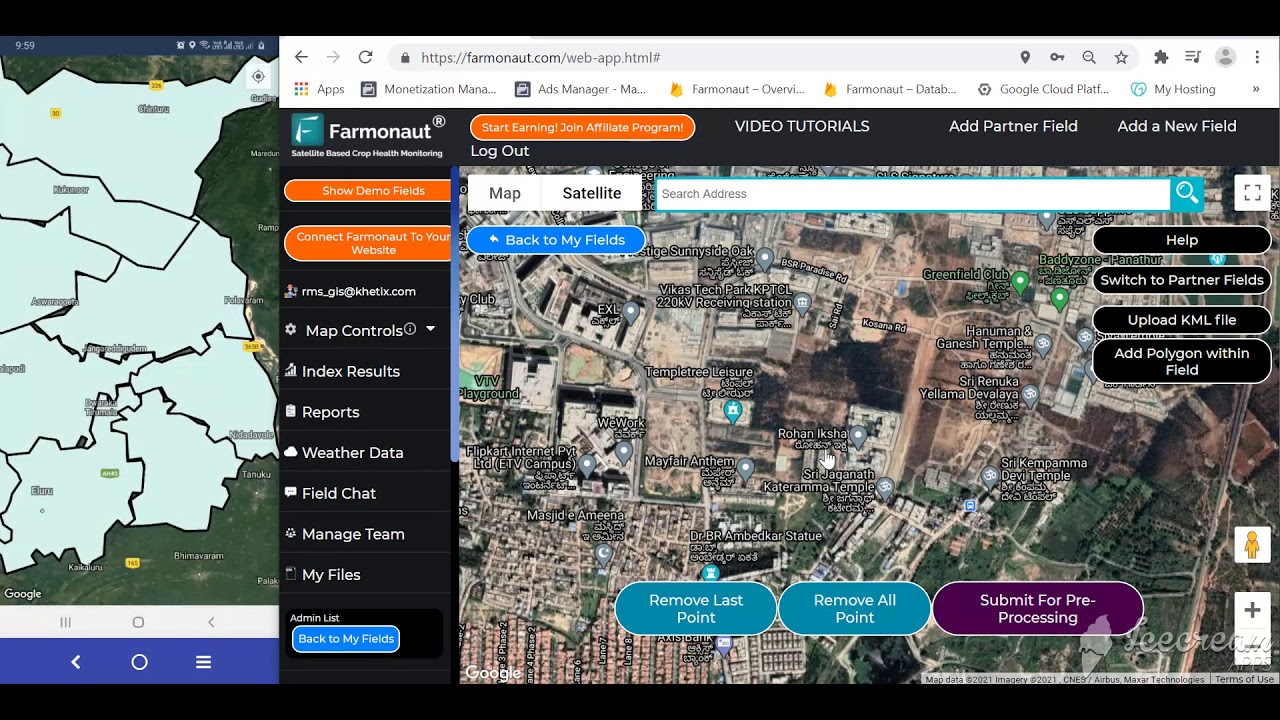
- Lenders and grant reviewers respond better to measured field data than projections. Tools like Farmonaut’s carbon footprinting platform and large-scale farm management tools generate the kind of monitoring records that strengthen an application.
- If your plan includes downstream buyers, product traceability and supply-chain traceability systems can be part of the operational plan a funder wants to see.
-
Apply early and track deadlines by cycle, not calendar year.
- Government agricultural funding programs frequently run on annual or biennial cycles with fixed application windows — confirm the current window directly with the agency rather than assuming last year’s dates repeat.

Entrepreneurship Pathways in Agriculture
Beyond direct funding, agriculture in all four target markets is generating openings that look more like small-business formation than classic farming. In Canada specifically, the growth areas sit alongside the 228,500-person labour base already counted by Statistics Canada — agri-food processing, specialty crop ventures tied to blockchain-verified traceability solutions, and digital supply chain roles.
- Startup farm planning: building a scalable model around a specialty crop or direct-to-consumer channel rather than commodity production.
- Supply chain logistics: digital inventory and distribution roles serving the growing agri-tech segment.
- Value-added processing: product development and branding for farm output rather than raw commodity sale.
- Financial planning: understanding loan structures (like the FSA’s $300,150 ceiling) and crop insurance tools before committing capital.
- Grant and funding applications: feasibility documentation, the single most common reason applications from new entrants get rejected.
- Vertical and controlled-environment agriculture: a capital-heavy but growing segment, per the $5.6 billion 2024 market figure above.
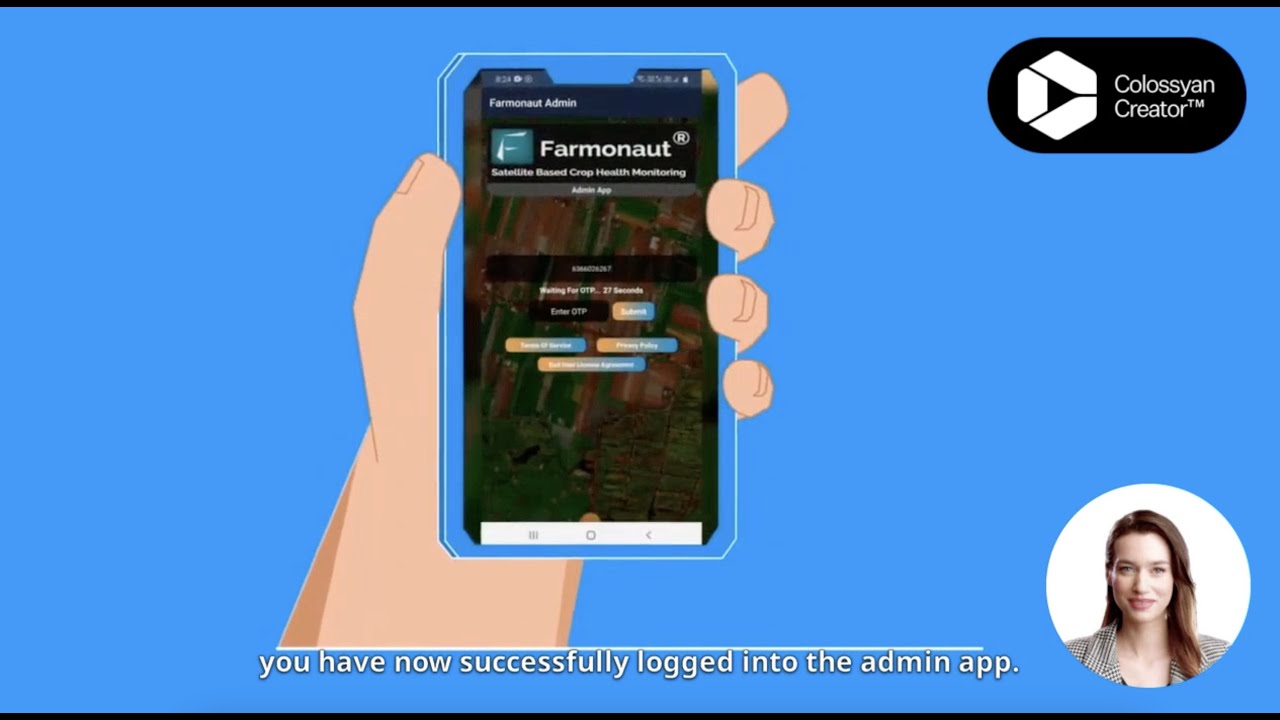
Pair a funded plan with operational tech from day one — farm fleet/resource management data gives lenders and grant reviewers something concrete to evaluate beyond a business plan narrative.
Where Satellite Data Fits Into a Funding Application
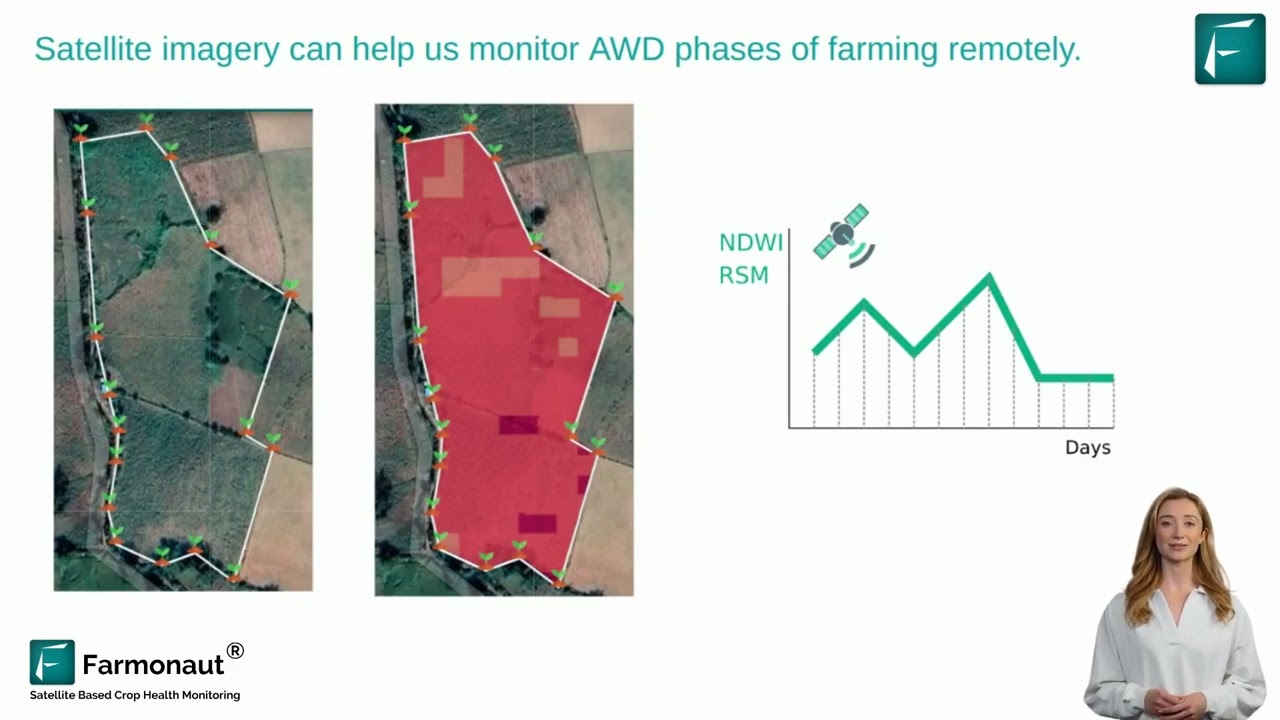
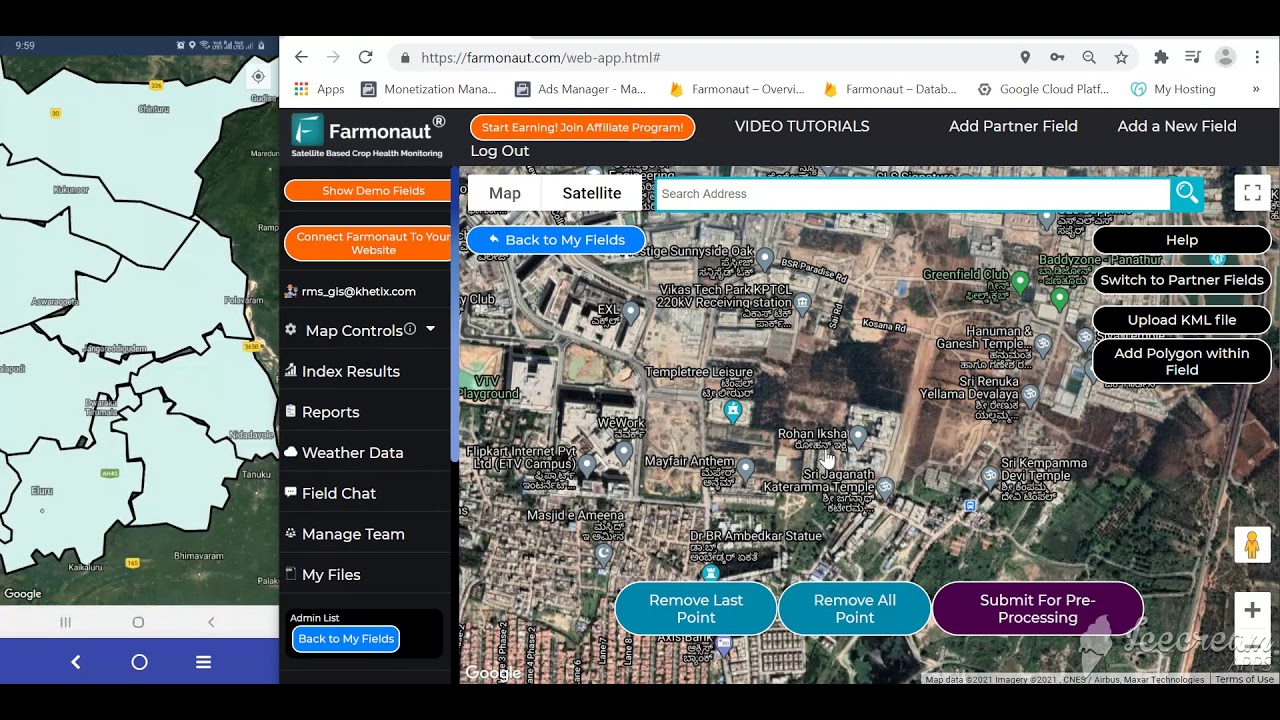
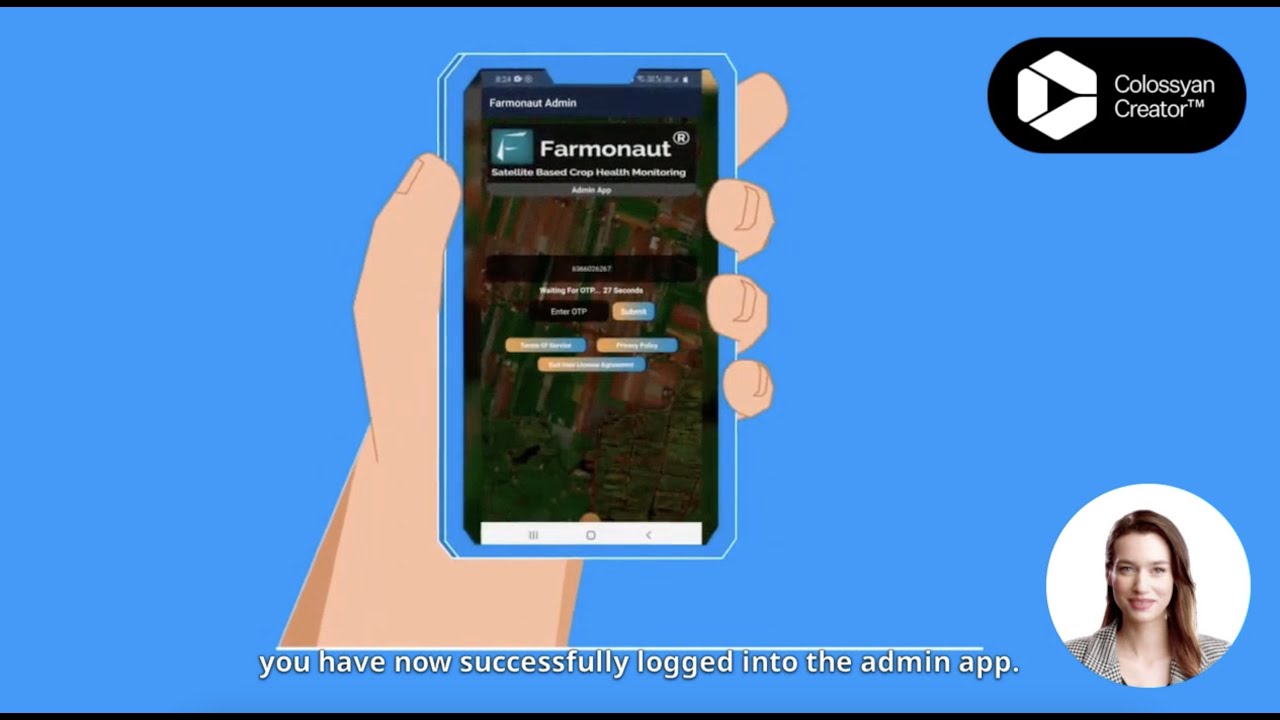
Funders and grant reviewers increasingly ask for monitoring data as evidence of operational readiness, not just a business plan. Farmonaut’s tools generate exactly that kind of record:
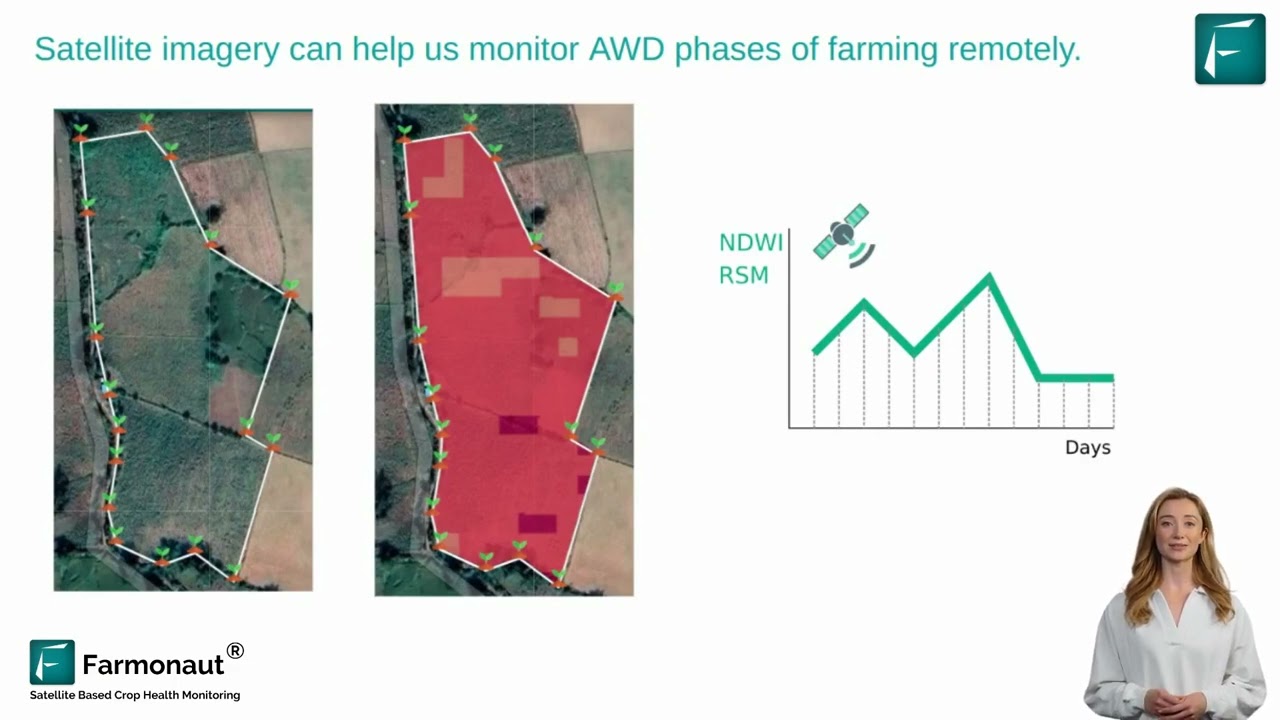
- Real-time satellite monitoring: NDVI/vegetation status, irrigation issues, or soil distress across your plot or region.
-
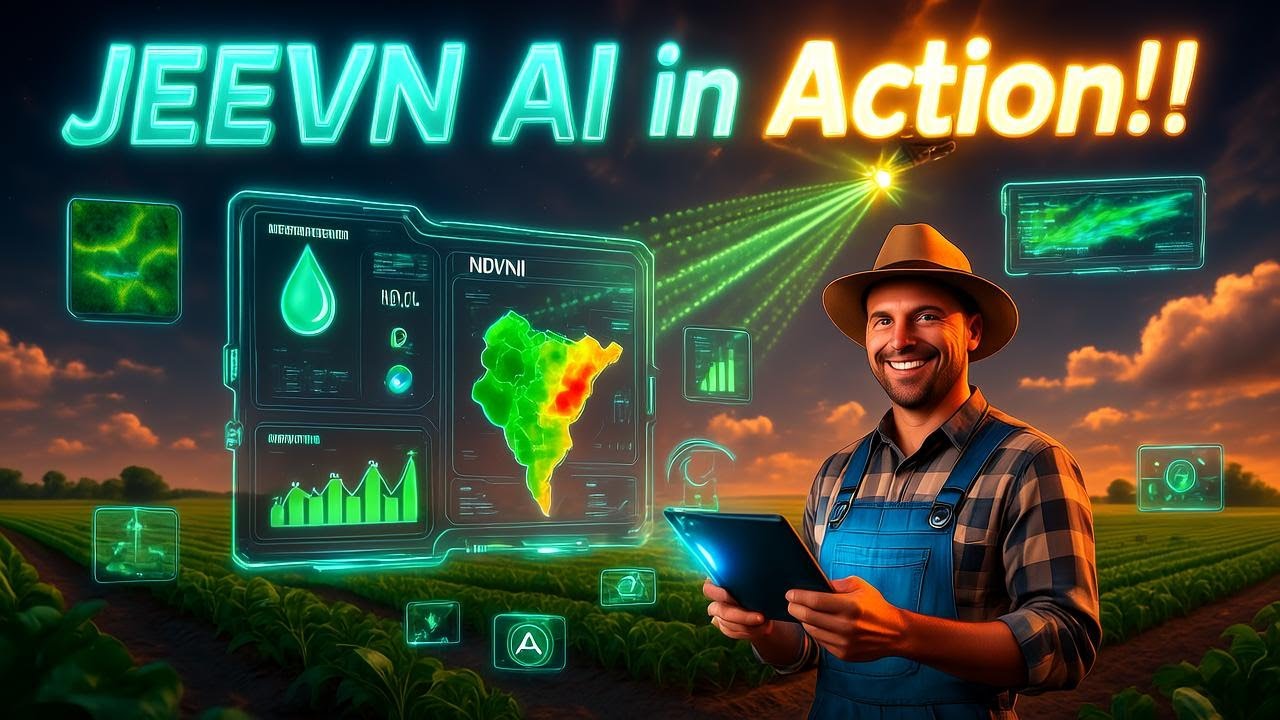
AI data advisory (Jeevn): management alerts tailored to crop and climate conditions, useful documentation for a funding narrative.
Learn more about our Large Scale Farm Management tools. - Blockchain-powered traceability: supports funding applications that require farm-to-fork transparency (read more about Farmonaut’s traceability solutions).
- Fleet/resource management: route and equipment-use records for operations that need to show logistics efficiency (see fleet management features).
- Carbon and environmental tracking: for grant programs tied to sustainability outcomes, access carbon footprinting platforms for compliance-ready reporting.
These are available across web, Android, and iOS, plus API access for institutional or startup integration:
Subscriptions are structured to support individual operators as well as universities, agribusinesses, and government programs evaluating monitoring data at scale, across the US, Canada, South Africa, and Nigeria.



Building a funding application that needs live farm, soil, or environmental data?
Check out Farmonaut’s API platform and developer docs for direct app and data access.
A funding application backed by measured data — satellite, financial, or operational — moves faster through review than one backed by projections alone.

FAQ
What is the maximum USDA loan amount for a beginning farmer?
The Direct Farm Ownership Down Payment Loan caps at $300,150 as of the USDA Farm Service Agency’s 2025 published guidance. Operating loan and microloan maximums are set locally — check with your county FSA office for current figures.
How many farms are there in Canada?
189,900, per Statistics Canada’s 2023 Census of Agriculture — the most recent census figure available. Employment sits at 228,500 as of the June 2025 Labour Force Survey, which is republished monthly.
Who was inducted into the Canadian Agricultural Hall of Fame in 1962?
We do not have a verified source for the 1962 inductee list and won’t guess. Check the Canadian Agricultural Hall of Fame’s own induction records by year for the authoritative list.
Is vertical farming a good funding opportunity right now?
The global vertical farming market was valued at USD 5.6 billion in 2024, and well-capitalized operators like Infarm have raised rounds as large as USD 200 million (Series D, May 2024). That reflects strong institutional interest but doesn’t tell you the capital requirement for a single small-scale operation — build that from your own equipment and energy cost quotes.
Are there specific funding programs for South Africa or Nigeria?
We confirmed sector-level context — 25,614 new agricultural jobs in South Africa (2023–2024, Statistics South Africa) and agriculture at roughly 40% of Nigeria’s labour force (2021–2024 average, Statista) — but did not find verified, dollar-denominated grant or loan programme figures for either country in our source set. Check the Land and Agricultural Development Bank of South Africa and the Central Bank of Nigeria’s Anchor Borrowers’ Programme directly.
How can Farmonaut’s tools support a funding application?
Our web, Android, and iOS apps, plus API access, provide live and historical crop, soil, and environmental monitoring data that can document operational readiness for lenders or grant reviewers — see our App page or API.




Conclusion
Three searches, three honest answers. Agriculture funding opportunities are real but unevenly documented: the US has a published, current ceiling ($300,150 via USDA FSA); Canada, South Africa, and Nigeria have strong sector-scale data but no equally specific public funding figure we could verify — check each country’s named agency directly rather than trusting a blended estimate. Farming in Canada, measured honestly, means 189,900 farms and 228,500 agricultural jobs as of the most recent Statistics Canada releases, both of which are republished on fixed schedules you can check for a fresher number than this page will ever carry. And the 1962 Canadian Agricultural Hall of Fame inductee list is a real historical record that deserves a primary source, not an invented answer.
Whichever of these brought you here, the durable habit is the same: go to the regulator’s own page, note the vintage of the number you find, and check back on that agency’s own schedule rather than relying on any single article — including this one — as a permanent snapshot.
Discussion
Questions, corrections or field experience? Share them below. First-time comments are reviewed before they appear, and your email is never published.
No comments yet. Be the first to add a question or your experience.

 Mera Farmhouse
 GalaxEye Space
 Sun Palm Australia
 Grandstream Algérie
 XOS Realty
 Geospatial Lab Africa
 Agro La Gándara
 HIPSAC
 ZOL Zimbabwe
 Juligerm
 AdBio
AdBio MISE Maroc
 NWNS
NWNS Red August Group
 Farm Inc
 WeMe Global
 Agrotoken
 Blue BearX
 Insignito
 DnCubed
 Licence holder · Niger · Gold
 Licence holder · Nigeria · Gold + lithium










