

Alberta Agriculture Investment: Regenerative Growth 2026
“Alberta’s farmland prices rose by 8% in 2025, reflecting surging investment in regenerative agriculture.”
Introduction: Alberta Agriculture Investment Landscape
Alberta agriculture investment continues to stand at the forefront of the province’s economic and sustainability strategy as 2026 approaches. Guided by progressive policies and robust vision from the Alberta Department of Agriculture, this sector is positioned as a strategic pillar bridging economic growth with environmental stewardship. With the global demand for ethical and sustainable food production climbing, Alberta is not only keeping up but leading the way in the adoption of regenerative agriculture practices and technology-forward farming systems.
This comprehensive guide explores how Alberta Canada agriculture is adapting to rapid changes in farmland prices, evolving government policy, and the influx of strategic investment. We’ll dive deep into regenerative agriculture Alberta trends, innovative programs, and technology’s role in shaping one of North America’s most dynamic agricultural regions.



Current Landscape of Alberta Agriculture in 2025–2026
Alberta, spanning vast arable lands across its diverse climatic zones, hosts a wide range of agricultural activities. Major crops include wheat, canola, barley, pulse crops, and significant contributions from cattle ranching. The province contributes billions annually to Canada’s economy, positioning Alberta Canada agriculture as a cornerstone of both domestic and global food supply chains.
Challenges however persist: unpredictable climate variability, soil degradation, and fluctuating commodity prices underscore the ongoing need for strategic investments and sustainable programs. While these issues are not unique to Alberta, this province’s proactive response—particularly through innovative policy and investment—positions it ahead in the transition to sustainable agricultural practices.
- Current Alberta agriculture investment is robust, channeling resources to both traditional and niche crops.
- Regenerative practices are now mainstream in large swathes of Alberta, focusing on soil health and biodiversity.
- Government-led initiatives prioritize affordability and access to farmland for new farmers.
- Innovation and digitalization support precision agriculture and market diversification.
- Global demand and shifting consumer preferences shape programs and investment allocation.

Role of Alberta Department of Agriculture in Shaping the Sector
The Alberta Department of Agriculture remains pivotal in advancing the province’s agricultural landscape. The department’s programs boost farm productivity while safeguarding natural resources, striking a vital balance between profitability and sustainability. In 2025 and 2026, major focus areas include:
- Precision Agriculture Technologies: Accelerating adoption of data-driven, efficient systems for resource management.
- Soil Health Initiatives: Incentivizing best practices and technological innovation for long-term farmland viability.
- Market Diversification Projects: Opening new global markets for organic and sustainably grown produce, helping farmers diversify income sources.
- Infrastructure Improvement: Upgrading irrigation systems, expanding rural broadband, and optimizing transportation for efficient market access.
- Research and Extension: Funding research and extension services to diffuse best practices and knowledge among Alberta’s farmers.
These targeted investments and policies are designed to advance sustainable production, reduce input costs, and enhance Alberta’s competitive edge on the world stage.
The Rise of Regenerative Agriculture in Alberta
Regenerative agriculture Alberta has transitioned from a forward-thinking practice to a core principle guiding investment and sustainability in the province. The adoption and expansion of these practices is accelerating, with over 60% of new Alberta agriculture policies in 2026 directly promoting regenerative and sustainable farming.

What Is Regenerative Agriculture?
- 🌱 Cover Cropping: Planting crops that enrich soil health and prevent erosion.
- 🔄 Rotational Grazing: Managing livestock movement to restore grassland and build organic matter.
- 🚜 Reduced Tillage: Minimizing soil disruption to enhance carbon sequestration.
- 🌲 Agroforestry: Integrating trees and shrubs into farmland for enhanced ecosystem services.
- 💧 Water-Efficient Systems: Advanced irrigation and precision input application to conserve resources.
Why Is Regenerative Agriculture Critical for Alberta?
Adopting regenerative practices brings broad benefits: improved soil health, increased crop yield stability, enhanced biodiversity, and the building of resilience against climate extremes. Additionally, these programs enable farmers to access premium markets which demand sustainably produced food, further enhancing Alberta’s competitive edge.
- Environmental stewardship: Reduces carbon emissions and promotes resource renewal.
- Market access: Opens new niche markets domestically and internationally.
- Economic resilience: Mitigates risk of commodity price fluctuations and climate variability.
- Long-term viability: Secures farmland productivity and intergenerational ownership.
- Policy alignment: Matches global and provincial sustainability goals, attracting further investment.
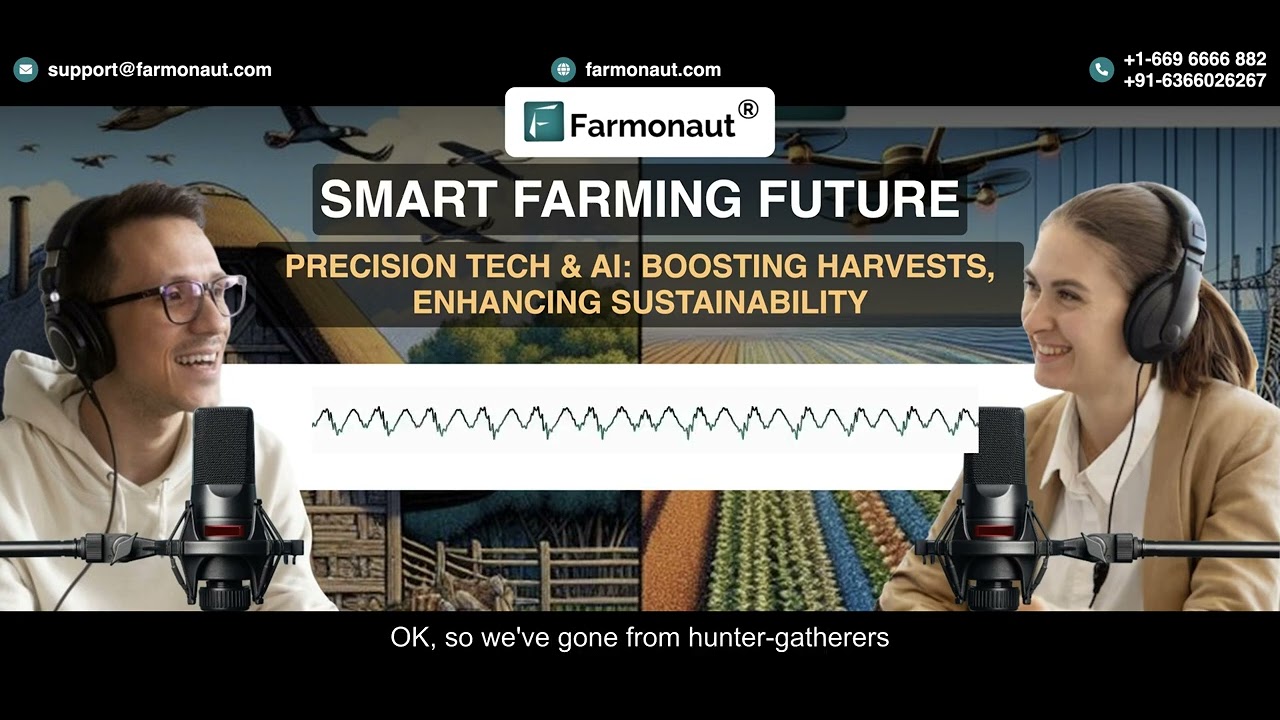
Farmland Prices Alberta: Trends & Insights
Among the most prominent developments in recent years is the steady appreciation of farmland prices Alberta. In 2025, the province recorded an 8% rise in average per-acre prices, driven by strong domestic and institutional demand for agricultural land as a durable, inflation-hedged asset.
Major Price Drivers
- ✔ Sustained global demand for crops and livestock
- ✔ Expansion of regenerative practices, boosting land value
- ✔ Policy incentives and access programs for new and young farmers
- ✔ Technological innovation increasing farm productivity
- ✔ Perceived market stability for agricultural lands
However, policymakers are watching affordability closely, introducing land access programs and incentives to encourage multi-generational farm ownership and resist excessive concentration of land by non-farming investors.

Alberta Agriculture Investment Comparative Data Table (2024—2026)
To illustrate the evolution of Alberta agriculture investment and the province’s growing adoption of regenerative practices, compare the metrics below:
| Year | Estimated Agriculture Investment (CAD Millions) | Farmland Price (per acre, CAD) | % Farms Using Regenerative Practices | Estimated Policy Incentive Amounts (CAD Millions) | Projected Crop Yield Increase (%) |
|---|---|---|---|---|---|
| 2024 | $2,750 | $4,200 | 41% | $210 | 2.5% |
| 2025* | $2,980 | $4,535 | 54% | $245 | 3.1% |
| 2026* | $3,210 | $4,900 | 62% | $271 | 3.8% |
*Estimated values for 2025 and 2026.
Policy, Investment, and Future-Readiness
Alberta agriculture investment is both a reactive and proactive response to global challenges. Climate change, resource scarcity, and an expanding world population are pressuring the agricultural sector to produce more with less, while also restoring depleted ecosystems.
The Alberta Department of Agriculture continues to craft targeted, progressive policies supporting:
- 🛡️ Risk management for climate unpredictability and extreme weather events
- 🔎 Active market monitoring for balanced farmland prices Alberta
- 💡 Innovation funding for digital farm management and environmental analytics
- 🎯 Market connectivity for rural producers, supporting both domestic and global supply chains
- 🌎 Export pathway development for organic and regenerative-certified products
Research, Infrastructure and Extension Services
From irrigation system upgrades to rural broadband expansion, improvements are designed to make production more efficient and accessible, reducing operational bottlenecks and funneling investment where it will generate the greatest environmental and economic return.
Fast Fact 🔄

Farmonaut: Enhancing Regenerative Agriculture Alberta Through Innovation
At Farmonaut, we are dedicated to making satellite-driven insights accessible and actionable for farmers, businesses, and governments worldwide. As Alberta continues its transition toward sustainable, regenerative agriculture, our platform empowers producers to monitor soil health, crop performance, and environmental impact—key components of thriving in the evolving alberta agriculture investment landscape.
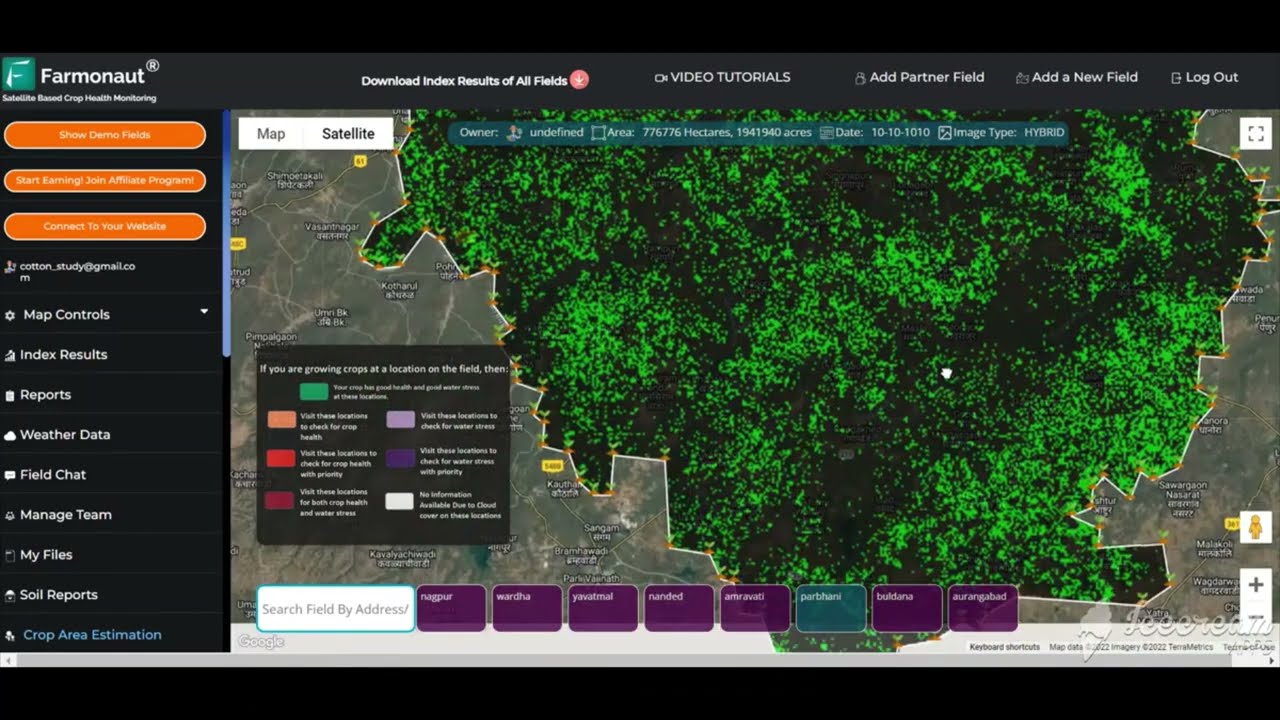
How We Support Alberta Farmers and the Agriculture Sector
- Satellite Monitoring: Weekly visualizations of crop health (NDVI), soil moisture, and vegetation vigor for precise management strategies.
- AI-Based Advisory: Our Jeevn AI system delivers real-time recommendations on input use, irrigation, and crop protection to maximize resilience and reduce costs.
- Blockchain Traceability: Solutions that secure the authenticity of Alberta-grown produce and facilitate access to premium regenerative and organic markets. Explore product traceability.
- Environmental Impact Tracking: Real-time carbon footprint and sustainability analytics for compliance and branding. Learn about carbon footprinting.
- Resource and Fleet Management: Improve logistics, reduce costs, and scale operations efficiently. Fleet management tools overview.
Our subscription-based model means tools can be accessed via web, Android, and iOS, or integrated into business workflows through our powerful API and developer-facing API Docs.


Exclusive Technology Benefits
- 📲 Mobile-friendly monitoring and management—on-the-go access for Alberta’s rural producers and agribusiness leaders.
- 💾 No extra hardware required—satellite-first, scalable, and affordable.
- 🔐 Maximum transparency—blockchain and traceability ensure regulatory compliance and consumer trust.
- 🌀 Rapid scalability—from small family farms to province-wide deployments and government-level oversight.
- ⚡ Instant environmental analytics—optimize carbon footprint, reduce emissions, and document sustainability achievements.
Farmonaut’s platform is designed to grow with Alberta’s sector. As the province’s agriculture investment and global market presence headline the next decade, our solutions are here to propel sustainable growth—even as regulatory, climate, and market conditions continue to evolve.
Farmonaut Subscription Plans
Choose a plan to start leveraging satellite, AI, and blockchain-driven insights for your Alberta agricultural operations:
Key Benefits, Pro Tips, and Data Insights for Alberta Agriculture Investment
- 📈 Sustainable Growth: Strategic Alberta agriculture investment is creating sustainable rural economies, increasing yield stability and environmental stewardship across the sector.
- 🌍 Market Advantage: Provincial policies position Alberta as a global leader in responsible food production, opening doors to high-value markets for farmers who embrace regenerative agriculture Alberta standards.
- 💡 Precision & Innovation: Integration of AI, satellite, and blockchain tools enable efficient input use, lower costs, and enhanced output—elevating Alberta’s productivity and sustainability.
- ⚠ Risk Reduction: Data-driven resource and environmental impact monitoring with Farmonaut allows for proactive management of risks linked to climate variability and regulatory shifts.
- 🔗 Transparent Traceability: Verified traceability and carbon tracking attract investment, improve access to financing/insurance, and win consumer trust.
Recommended Steps for Producers:
- ✔ Evaluate farmland health using digital tools
- ✔ Apply for available policy incentives supporting regenerative practices
- ✔ Implement precision agriculture technologies for efficient management
- ✔ Adopt traceability systems to document sustainable practices
- ✔ Leverage crop area estimation for planning and reporting
Technology-Driven Advantages 🚀
- 📡 Satellite eye on fields for instant health insights
- 🤖 AI-based recommendations tailored to your farm’s unique needs
- 🔗 Blockchain verification for supply chain trust
- 🕹️ Remote fleet and input management improving operational ROI
- 📉 Resource optimization reducing input costs and environmental waste
Conclusion: Alberta’s Agricultural Future Is Regenerative, Sustainable, & Data-Driven
As we look towards 2026 and beyond, Alberta agriculture investment continues to be a strategic pillar in shaping a thriving, environmentally responsible economy. From strengthening soil health to managing the realities of farmland prices Alberta, these investments have positioned Alberta as a global leader in sustainable, regenerative agriculture.
The ongoing evolution of policies and technology adoption, especially with platforms like Farmonaut, ensures that both established producers and new entrants to Alberta’s agricultural sector have the tools they need to compete and succeed on the world stage—responsibly, profitably, and sustainably.
- Strong Alberta agriculture investment and targeted policy support are driving the sector’s regenerative transformation.
- Regenerative agriculture Alberta practices are embraced through incentives, research, and technology.
- Rising farmland prices Alberta reflect asset confidence but highlight the need for affordability and multi-generational strategies.
- Innovations such as satellite monitoring, AI, blockchain traceability, and environmental impact analytics are the new norm for successful, sustainable agricultural businesses.
Frequently Asked Questions (FAQs)
What are the key drivers of Alberta agriculture investment in 2025–2026?
The main drivers include increased demand for sustainable food, government incentives for regenerative practices, appreciation of farmland prices Alberta, and advancements in technology for efficient farm management.
How is the Alberta Department of Agriculture promoting regenerative practices?
Through policy incentives, cost-share programs, extension services, and research funding focused on cover cropping, reduced tillage, rotational grazing, and advanced irrigation systems.
Why are farmland prices Alberta rising?
Due to strong local and global demand, expanding adoption of regenerative agriculture Alberta, and farmland being recognized as a stable, appreciating asset class.
What technologies does Farmonaut offer to Alberta farmers?
Farmonaut offers satellite-based crop, soil, and environmental monitoring; AI-driven advisories for inputs; blockchain traceability; fleet/resource management; and API services for integrating insights into existing farm systems.

 Fresh Platter
 Andex
Andex FCF India
 Unifrutti Gulf
 Deluxe Conseil
 TVS Electronics
 BW Pipelines
 WICO
WICO Gen Chayat
 Chimera Innovation
 SkyHarvest
 Polaris Digitech
 Teledarbas
 Wild Oak Farm
 SFX
SFX
