

Agriculture Alberta 2026: Sustainable, Innovative Farming
Meta Description: Explore agriculture in Alberta in 2026—witness the sector’s tech innovations, sustainability strides, and resilient farming practices shaping the province’s future food security and economic growth.
“By 2025, over 60% of Alberta farms are expected to adopt smart sensors for water and soil monitoring.”
Alberta’s Agriculture Landscape in 2025–2026: Innovation, Sustainability, and Growth
Agriculture in Alberta remains a vital cornerstone of the province’s economy and cultural identity as we journey through 2025 and into 2026. Known for its vast prairies, fertile soil, and diverse climatic zones, Alberta continues to be one of Canada’s leading producers of grains, oilseeds, livestock, and specialty crops. The rapid evolution of farming practices—driven by technology, an intensified focus on sustainability, and climate resilience—are at the very forefront of the province’s agricultural sector in this new era.
As we look ahead to 2026, Agriculture Alberta stands as a beacon of innovation, environmental stewardship, and market competitiveness, shaping the future of food production, export, and security both locally and globally.
Agriculture in Alberta: An Overview
Alberta’s agricultural heart beats across 43 million acres of farmland, largely dedicated to crop production and cattle ranching. The province boasts a diverse array of crops such as wheat, barley, canola, and pulses, which dominate the prairie landscape. Notably, Alberta’s beef industry is among North America’s largest, underpinning the economy through both local and global markets.
- Crops: Wheat, barley, canola, oats, pulses, and emerging specialty crops.
- Livestock: Alberta is Canada’s top beef producer; ranching is a major economic driver.
- Farm Size: Large farms and family-run operations coexist, often combining technology and tradition.
- Economic Impact: Agriculture contributes approximately $15 billion annually to Alberta’s GDP and supports more than 200,000 jobs across farm operations, agribusiness, food processing, and transportation.
This foundational role in Canada’s food system is both an opportunity and a responsibility—one that calls for continuous adaptation in response to fluctuating commodity markets, changing climate dynamics, and evolving global food security priorities.
Technological Advances Driving Alberta Farming (2025–2026)
In 2026, technological advances are driving Alberta farming into a new era of intelligence, efficiency, and resilience. The province is a North American leader in precision agriculture and the integration of smart technologies into daily farm management.
Precision Agriculture in Alberta: The New Standard
- Farmers routinely utilize satellite imagery, drones, and soil moisture sensors—combined with artificial intelligence—to optimize planting decisions, irrigation, pest management, and fertilizer use.
- This data-driven approach increases crop yields, reduces input costs, and minimizes environmental footprints.
- Autonomous machinery is gaining traction on larger farms—driverless tractors and robotic harvesters enhance efficiency and help address labour shortages.
Digital Transformation: Alberta’s Smart Supply Chain
The shift to digital platforms for real-time market intelligence and automated supply chain management is helping Alberta farmers respond to global commodity market fluctuations with greater agility. Whether making rapid pricing decisions, coordinating transport routes, or tracking field-level operations, digital intelligence puts Alberta in a competitive position on the world stage.
Government Support & Research
To remain at the forefront of agricultural innovation, the Alberta government invests heavily in research, digital infrastructure, and technology adoption programs, offering funding streams for advanced ag-tech and sustainability-related projects.

This relentless focus on integration ensures that Agriculture Alberta stands as a model for technological transformation and continued growth.



Sustainability, Soil Health & Climate Resilience in Alberta (2025–2026)
“Alberta farmers cut greenhouse gas emissions by 20% between 2018 and 2024 through sustainable practices and innovation.”
Adapting to a changing climate is not a choice but a necessity for Alberta’s farms. Fluctuating weather patterns, increasingly frequent droughts, and new pest/disease threats require a fundamental rethink in landscape management.
Regenerative Agriculture Alberta: Building Long-Term Soil Health
- No-till farming, cover cropping, rotational grazing, and organic amendments are now mainstream among progressive farms.
- These regenerative practices improve soil carbon sequestration, increase biodiversity, and underpin climate resilience.
- Alberta’s governmental and private sector incentives further promote adoption.

Water Management & Smart Irrigation Alberta
- Southern Alberta faces growing water stress; advanced irrigation systems and water reuse technologies are being deployed to conserve water and maximize productivity.
- Smart irrigation sensors and decision-support tools deliver significant water savings and allow for precise moisture management even in drought years.

Diversified Crops & Adaptive Strategies
- To reduce risk, Alberta farms are adopting diverse cropping portfolios—from drought-tolerant grains to emerging oilseeds and pulses.
- Integrated pest management and real-time disease monitoring tools—often powered by satellite and AI—are crucial for early intervention.
Environmental stewardship and sustainability are thus inseparable from future-proofing Alberta agriculture against the challenges of 2026 and beyond.
Alberta’s Role in Food Security & Global Markets (2025–2026)
Alberta maintains its status as a vital global food supplier. The province’s high-quality grains and beef products remain in demand across Asia, Europe, and the Americas, with exports contributing significantly to Canada’s agricultural trade balance.
Export Markets and Global Commodity Leadership
- Improvements in transportation infrastructure, including expanded railways and modernized highways, have reduced agricultural bottlenecks, allowing for increased export capacity.
- Trade agreements signed in recent years have led to broader access and fewer trade barriers for Alberta’s producers.
- The implementation of digital supply chain tracking and blockchain-based traceability is enhancing Alberta’s reputation for safe, authentic food exports.
Boosting Domestic Food Security: Urban and Vertical Farming
Within cities such as Calgary and Edmonton, urban agriculture and vertical farming projects supply fresh, local vegetables all year long, reducing food miles, carbon footprints, and improving the resilience of local supply chains. The synergy between city-based and rural production helps Alberta prepare for emerging environmental and market challenges.

Current Challenges & The Road Ahead in Alberta Farming
Despite the remarkable progress in integrating technology and sustainability in Alberta’s agricultural landscape, farmers and stakeholders face several continuing challenges:
- Rising input costs for fertilizers, seeds, and energy
- Labour shortages, especially in growing seasons when the need for skilled workers and technical specialists is acute
- Climate unpredictability: Droughts, heavy precipitation events, and shifting pest populations
- Uncertainty in commodity prices and export market volatility
- The need for balancing economic productivity with environmental protection
Alberta’s agricultural sector continues to navigate these risks by fostering a culture of innovation, investing in knowledge transfer, promoting agri-tech adoption, and supporting ongoing government-industry dialogue.
Comparison Table of Key Agricultural Innovations & Sustainable Practices in Alberta (2025–2026)
| Technology / Practice Name | Purpose / Impact | Estimated Adoption Rate in Alberta (2025/2026) | Estimated Yield Improvement (%) | Sustainability Benefit | Climate Resilience Contribution |
|---|---|---|---|---|---|
| Precision Farming (Satellite & Sensors) | Optimizes planting, irrigation, and fertilizer use | ~65% | 8–18% | Reduces resource waste, chemical runoff, energy use | Adjusts in real time to weather extremes |
| Remote Sensing (AI & Drones) | Monitors crop health and early disease/pest detection | 60% | 10–15% | Prevents large-scale crop loss; limits chemical use | Faster intervention against climate-linked outbreaks |
| Automated Irrigation | Maximizes water efficiency, reduces manual labor | 55% | 7–13% | Up to 40% water saved per acre | Mitigates drought stress, preserves yield |
| Drought-Resistant Crops | Withstands periods of low precipitation | 45% | 5–10% | Reduces irrigation demand, chemical inputs | Adds genetic diversity, buffer against climate shocks |
| No-Till Farming | Enhances soil structure, preserves moisture | 70% | 4–8% | Reduces CO2 emissions, improves soil health | Increases resilience to erosion, floods |
| Blockchain Traceability | Secures supply chain integrity, assures product quality | 35% | ~6% (market trust effect) | Reduces risk of food fraud, improves transparency | Quick adaption to shocks in supply/distribution |
| Cover Cropping | Prevents erosion, restores soil nutrients | 50% | 5–7% | Improves soil organic matter, sequesters carbon | Reduces vulnerability to drought/flood cycles |

The Farmonaut Advantage: Satellite-Driven Innovations for Agriculture Alberta
As Alberta’s agricultural sector embraces technology-led transformation, our team at Farmonaut is committed to accelerating Alberta’s journey toward precision farming, climate resilience, and smarter resource management. Our mission is to empower farmers, agribusinesses, and governments with cost-effective satellite-based solutions designed specifically for agriculture in Alberta and other dynamic markets worldwide.
Farmonaut’s Technology Ecosystem for Alberta Farms
- Satellite-Based Monitoring: We offer detailed, multispectral imagery to monitor crop health (NDVI), soil moisture, and vegetation issues, ensuring higher yields while minimizing resource use. Available via our web and mobile platforms:
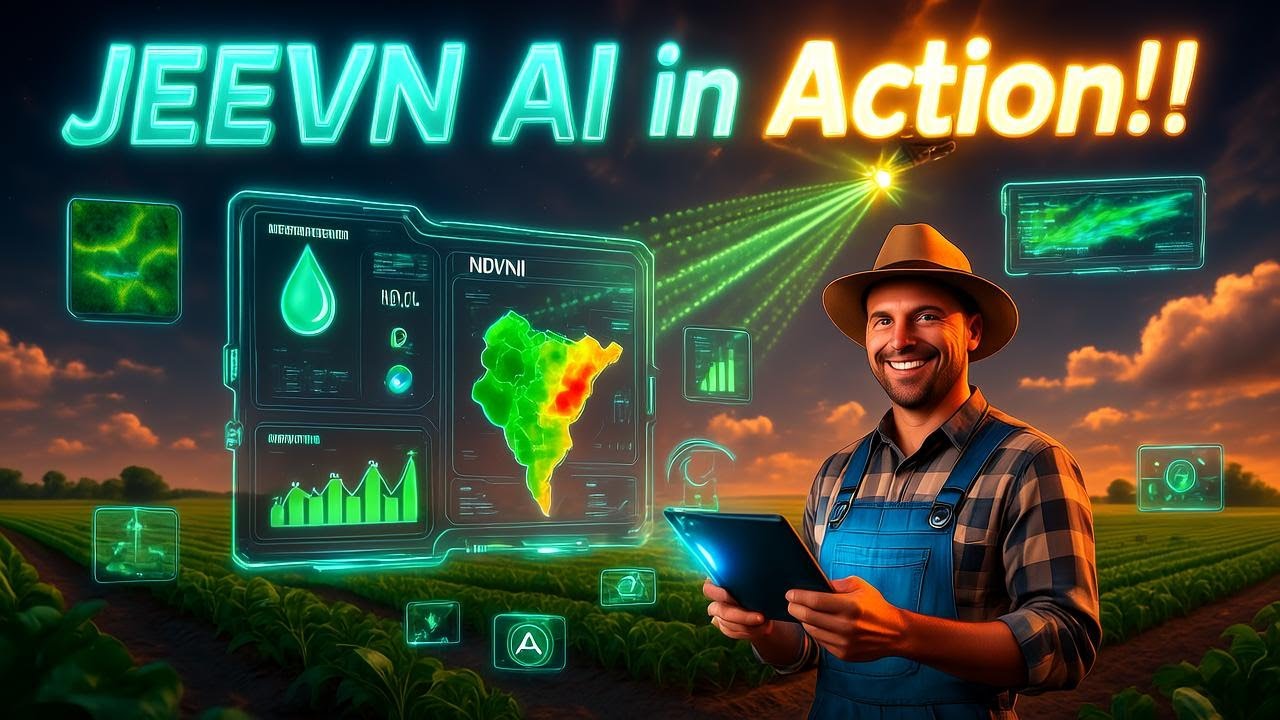
Farmonaut App. - AI-Powered Advisory: With Jeevn AI, farmers receive real-time decision-support on weather, field health, and climate-adaptive practices.
Learn more about large scale farm management solutions. - Blockchain Traceability: Enhance your market presence—our Blockchain Traceability platform verifies supply chain integrity, which is becoming essential for Alberta’s premium food and commodity exports.
- Fleet and Resource Management: Monitor your equipment, minimize fuel and maintenance costs, and track logistics in real time via our Fleet Management solution—vital for expansive Alberta operations.
- Environmental Impact Tracking: Use real-time tracking to manage your carbon footprint, improve your sustainability profile and comply with Canada’s environmental standards.
- Financial Verification Tools: Our satellite-based crop loan and insurance verification reduces fraud and accelerates access to agricultural financing.
- Developer Integration (APIs): Seamlessly add satellite intelligence to your existing farm management or agritech platform using our APIs and detailed developer documentation.
We design our platform for accessibility and scalability, ensuring that both small family farms and large commercial operators across Alberta can unlock the potential of data-driven agriculture, while minimizing costs and environmental footprints.
Farmonaut’s Value Propositions – Alberta Sector Focus
- Actionable insights for crop health monitoring and soil management
- Affordable access to satellite analytics without specialized hardware
- Reliable resource management and fleet tracking for large, distributed fields
- Support for carbon tracking and sustainable farming practices
- Supply chain transparency with blockchain traceability
- Improved eligibility and fraud reduction for crop insurance and financing
- Easy integration through APIs for Alberta’s evolving farm-tech ecosystem
Get started with Farmonaut today:
FAQ: Alberta’s Agriculture (2026 and Beyond)
What is the primary focus for agriculture in Alberta in 2026?
Agriculture Alberta is focused on intelligent technology adoption, sustainability, and climate resilience. Widespread use of satellite imagery, digital monitoring, and regenerative practices defines the sector’s strategic direction.
How are Alberta farmers adapting to climate change?
Through regenerative farming, diversified crop choices, water-smart irrigation, and AI-driven early warning systems, Alberta farmers are making their operations more resilient to droughts, floods, and fluctuating weather patterns.
Are technology solutions like Farmonaut affordable for small farms?
Yes. Our Farmonaut platform democratizes access to satellite intelligence, crop monitoring, fleet tracking and traceability, tailored for farms of any size in Alberta. Affordable pricing and mobile-first interfaces ensure easy adoption.
How is Alberta contributing to Canada’s food exports?
Alberta remains one of Canada’s top exporters of grains, oilseeds, beef, and specialty crops. Investments in infrastructure and supply chain digitalization allow Alberta producers to access global markets efficiently and reliably.
What role does blockchain play in Alberta agriculture?
Blockchain traceability is becoming a necessity for market access and food safety compliance. It enhances Alberta’s export reputation and supports regulatory and consumer demands for authenticity and transparency.
Explore Farmonaut’s blockchain-based traceability solution.
Conclusion: Cultivating a Resilient and Sustainable Future for Agriculture Alberta
As Alberta farming strides confidently into 2026 and beyond, the harmony of technological innovation, sustainable practices, and adaptive resilience strategies remains its guiding force. From adopting precision agriculture and digital supply chains to nurturing fertile soil and conserving water in challenging climates, Alberta’s agricultural sector is securing food, economic and environmental security for generations. The integration of advanced satellite intelligence, carbon-tracking, and authentic traceability (all available through leading solutions like Farmonaut) further strengthen Alberta’s role as a global food leader and an innovation hub for the wider Canadian and international community.
Ready to transform your farm with the power of satellite, AI, and regenerative insights?
Try the Farmonaut Web & Mobile App or discover our carbon tracking solutions now!
Discussion
Questions, corrections or field experience? Share them below. First-time comments are reviewed before they appear, and your email is never published.
No comments yet. Be the first to add a question or your experience.

 Misteo
 Tres Valles
 LACOS Geoinformation
 Pulsar Supernova
 Magrifly
 LatConnect 60
 WebsEdge
 Blickwinkel
 Agricultural Credit Policy Council
 MCSOD
MCSOD Marei Nursery
 eKGIS
eKGIS Mostas Tech
 Andex
Andex FCF India
 Unifrutti Gulf
 Deluxe Conseil
 Licence holder · Niger · Gold
 Licence holder · Nigeria · Gold + lithium










