

Hog Farming in Canada: 7 Best Sustainable Farming Jobs
“Canada’s hog industry employs over 30,000 people, integrating cutting-edge technology for efficient and eco-friendly operations.”
Table of Contents
- Overview: Hog Farming in Canada
- Technology, Innovation, Biosecurity & Animal Welfare
- Environmental Stewardship and Precision in Hog Farming
- Genetics & Feed Formulation in Canadian Hog Farming
- Housing Systems and Welfare in Swine Production
- Health Management and Biosecurity Strategies
- Resilient Market & Supply Chains for Hog Producers
- Comparison Table: 7 Best Sustainable Hog Farming Jobs in Canada
- How To Find Sustainable Farming Jobs in Canada
- How Farmonaut Supports Hog Farming in Canada
- Key Insights: Callout Boxes & Visual Lists
- FAQ: Hog Farming in Canada
Overview: Hog Farming in Canada
Hog farming in Canada stands at the intersection of sustainable agriculture, advanced technology, and resilient supply chains. Our focus is on producing high-quality pork for domestic demand and expanding export markets, while seamlessly integrating environmental stewardship and robust animal welfare standards into every stage of production.
The Canadian hog sector is recognized globally for its modern biosecurity practices and emphasis on community and environmental health. The sector not only feeds millions but fuels regional economies, employing tens of thousands and driving innovation across agricultural management systems.
Key Insight: The best farming in Canada today combines precision technologies, genetic optimization, and traceability to assure consumers of sustainable, safe pork—locally and in over 80 international markets.
Technology, Innovation, Biosecurity & Animal Welfare
Modern hog farming in Canada seamlessly blends traditional husbandry with advanced technology. Producers now employ cloud-based monitoring, AI-powered advisory systems, and satellite-based resource optimization. Sophisticated housing controls ensure precise temperature regulation, controlled ventilation, and effective waste strategies.
- ✔ Biosecurity: Strict entry protocols, clean equipment, and pest management reduce disease risk and protect hog herds.
- ✔ Welfare Standards: Welfare-forward farming meets Canadian public trust and regulatory compliance.
- ✔ Genetic Advances: Foundational pillars like genetics and breed selection optimize piglet survivability.
- ✔ Technology: AI, sensors, and satellite imagery allow real-time monitoring and data-driven management.
- ✔ Enrichment: Animal welfare is supported by innovative handling and enrichment programs.

Improved biosecurity programs not only protect herds from endemic and invasive threats, but they are also crucial for supply chain resilience, ensuring the uninterrupted flow of pork from farm to market in Canada and abroad.
Pro Tip: Canadian hog farms continuously update their biosecurity protocols—staying ahead of emerging disease threats, reducing antibiotic reliance, and maintaining open market access.
Environmental Stewardship and Precision in Hog Farming
Environmental stewardship is central to hog farming in Canada and among the defining factors for the best farming in Canada. Producers recognize the urgent need for sustainable, eco-friendly growth that safeguards water, soil, and air quality on and off the farm.
Advances in precision farming enable targeted feed delivery, minimize surplus nutrients, and specialize manure management systems. This optimizes nutrient recycling and reduces costly environmental footprints.
- 📊 Data insight: Most grain farming in Canada is located in the Prairie Provinces—farmers here integrate hog manure as a crop nutrient, creating a closed-loop system.
- ♻ Sustainability Boost: Advanced carbon footprinting tools allow farms to track and reduce GHG emissions through optimized feed and manure application.

Investor Note: Sustainability is more than a buzzword: It’s a business necessity. Canadian producers using precision manure planning and AI-driven field insights could potentially realize up to 30% greater cost efficiency over traditional methods.
Genetics & Feed Formulation: The Backbone of Hog Farming in Canada
At the heart of every resilient Canadian swine operation lies a robust commitment to genetic selection and feed formulation. Producers meticulously pair rapid-growth strains with healthy maternal lines to enhance litter size and survivability. This foundational pillar of hog farming in Canada directly influences production cycles, feed efficiency, and farm profitability.
- Optimized Nutrition: Farmers use software and laboratory results to continually refine rations for piglets, growers, and sows.
- Ingredients: Feed blends emphasize high-quality grains—corn, barley, and soybean meal—plus specialty additives for immunity and reproductive performance.
- Lower Environmental Footprints: Precise formulation reduces waste and improves feed conversion rates.
- Continuous Innovation: Regular oversight ensures the latest nutritional science is applied on Canadian hog farms.

Common Mistake: Ignoring seasonality in grain formulation can lead to nutrient imbalances and higher costs. The best farms use adaptive, data-driven ration planning.
| Job Title | Role Description | Key Technologies Used | Average Salary (CAD) | Required Qualifications | Sustainability Impact |
|---|---|---|---|---|---|
| Hog Production Manager | Oversees entire hog operation, manages team, ensures biosecurity, animal welfare, and production targets. | Precision feeding, automated housing, farm management software, biosecurity tech | $60,000–$95,000 | Agriculture/business degree or diploma, experience, animal care certification | High: Ensures sustainability integration across all operations and welfare standards. |
| Swine Nutritionist | Formulates and refines diets to maximize growth, efficiency, and reduce environmental impact. | Feed formulation software, lab analytics, precision feeding systems | $65,000–$100,000 | Degree in animal science/nutrition, certification in animal nutrition | High: Improves feed efficiency, reduces waste and excess nutrients. |
| Biosecurity & Welfare Specialist | Implements disease prevention, animal care programs; audits welfare practices. | RFID tracking, health monitoring apps, biosecurity control systems | $55,000–$80,000 | Veterinary/course background, animal welfare certifications | High: Directly minimizes disease risk and upholds welfare standards. |
| Veterinary Technician | Administers medications, monitors herd health, supports vaccination and health management. | Telemedicine, electronic health records, diagnostic tools | $45,000–$68,000 | Diploma in veterinary technology, registered status | Medium/High: Prevents disease outbreak, supports responsible medicine use. |
| Waste System Coordinator | Manages manure storage, nutrient planning, and environmental compliance. | Automated waste separation, anaerobic digesters, carbon emission tracking | $48,000–$75,000 | Environmental/science diploma, manure/nutrient management qualification | Very High: Central to reducing environmental footprint, enhances nutrient recycling. |
| Feed Mill Operator | Operates and maintains feed processing equipment, ensures formulation quality, traceability. | Feed mills, batching software, blockchain-based traceability | $42,000–$60,000 | High school diploma, technical skills, feed safety certificate | Medium: Maintains feed quality and sustainable sourcing. |
| Farm Equipment Maintenance Technician | Repairs and maintains automated systems—feeders, climate, waste—ensuring efficiency. | IoT sensors, automation controls, maintenance software | $40,000–$62,000 | Technical certificate/experience in agri-mechanics | Medium/High: Ensures optimal operation of sustainability technologies. |
“Canada’s hog industry employs over 30,000 people, integrating cutting-edge technology for efficient and eco-friendly operations.”
Housing Systems and Swine Welfare Standards
The housing environment of a hog farm directly shapes animal welfare, performance, and public perception. Canadian hog farms employ advanced confinement systems:
- ✔ Controlled ventilation for optimal air quality and health
- ✔ Temperature regulation supporting year-round comfort
- ✔ Automated waste management to reduce odor, disease risk, and labor
- ✔ Enrichment measures—toys, rooting substrates—to minimize pig stress
- ✔ Stocking densities and handling protocols that meet regulatory and ethical guidelines
Common Mistake: Skimping on enrichment or overcrowding can reduce growth and piglet survivability, and damage public trust.
Routine inspection, vaccination schedules, and proactive veterinary oversight underpin herd health. Adherence to animal care standards ensures low-stress handling and ethical weaning to market.
To further enhance traceability and food integrity, Canadian producers are leveraging blockchain-based traceability—from feed sourcing through to processing. This supports both compliance and consumer confidence.
Health Management and Biosecurity in Canadian Hog Production
Health management is collaborative, combining routine monitoring, early disease detection, vaccination, and biosecurity programs to protect herds. Strategic antibiotic use, aligned with stewardship initiatives, demonstrates responsible care—balancing productivity and consumer expectations.
- 🦠 Disease Surveillance: On-farm apps and telemedicine provide rapid diagnostics, streamlining responses to signs of illness.
- 🔒 Quarantine Procedures: New animals undergo isolation, reducing risk of introducing endemic or foreign pathogens.

Farm teams receive regular large scale farm management training and certifications in animal care, biosecurity, and outbreak response, ensuring best-in-class management on every Canadian hog farm.
Key Insight: Setting up biosecurity zones on Canadian hog farms is standard. Each zone comes with protocols limiting traffic, keeping equipment and boots sanitized, and strict entry controls—dramatically lowering disease risk.
Resilient Market & Supply Chains for Hog Producers
The market environment, both in Canada and globally, shapes strategic decisions in hog operations. Many producers pursue scale for benefits in purchasing, processing, and risk control (forward contracting, price hedging). However, revenue diversification is a rising trend—combining crops, value-added products, or direct sales for more stable, year-round earnings.
- ✔ Processing partnerships ensure strict compliance with quality and traceability standards (critical for export markets).
- ✔ Blockchain traceability strengthens export assurance and consumer trust.
- ✔ Environmental compliance unlocks satellite-based insurance and improved access to financing.

Investor Note: Automated traceability and climate impact tools are now in high demand—they facilitate premium supply contracts for eco-labeled pork in both domestic and export markets.
The 7 Best Sustainable Hog Farming Jobs in Canada
Farming jobs in Canada are evolving. The modern hog sector now offers skilled, well-paid jobs that support sustainability, animal welfare, and community health. Here’s a closer look at the most in-demand, future-ready roles:
- Hog Production Manager – Strategic leadership, ensuring overall farm sustainability
- Swine Nutritionist – Data-driven feed management and waste reduction
- Biosecurity & Welfare Specialist – Implements and audits best practices
- Veterinary Technician – Herd health, vaccination, and disease prevention
- Waste System Coordinator – Oversees manure management and nutrient planning
- Feed Mill Operator – Maintains formulation quality and traceability
- Farm Equipment Maintenance Technician – Supports automation and sustainability systems
How To Find Sustainable Farming Jobs in Canada
If you’re aiming for a rewarding career in hog farming in Canada, here are clear steps to accelerate your journey:
- ✔ Gain hands-on experience with established farms or through internships (look for placements among top grain farming in Canada regions).
- ✔ Certifications matter: Animal welfare, food safety, environmental stewardship—these are highly valued.
- ✔ Network within agricultural organizations and industry events—direct connections lead to opportunity.
- ✔ Explore regional processing facilities and job boards—many farming in Canada jobs are clustered near major pork processing centers in Manitoba, Ontario, and Quebec.
- ✔ Leverage digital tools and farm management apps to demonstrate your capability with modern systems.
Pro Tip: Some web-based farm tools offer direct links to training modules and certification programs—enhancing your value as a candidate!



How Farmonaut Supports Hog Farming in Canada
As a cutting-edge satellite technology company, we at Farmonaut empower Canadian hog producers to maximize sustainable outcomes with real-time, actionable insights:
- 📡 Satellite-Based Monitoring: Monitor crop health and field nutrient status to optimize the manure-crop nutrient cycle within grain-hog systems.
- 🧠 AI-Driven Advisory: Jeevn AI delivers custom recommendations—on feeding, waste planning, and animal care—improving decision speed and quality for hog operations.
- 🔗 Blockchain Traceability: Ensure secure, transparent supply chains from feed input to pork processing, enabling compliance for both domestic and export markets.
- 🚜 Fleet Management: Streamline equipment usage, reduce downtime, and cut transport emissions—enhancing both farm resilience and profitability.
- 🌍 Carbon Footprint Tracking: Measure and report operational emissions—a key to accessing eco-premium markets and environmental credits.
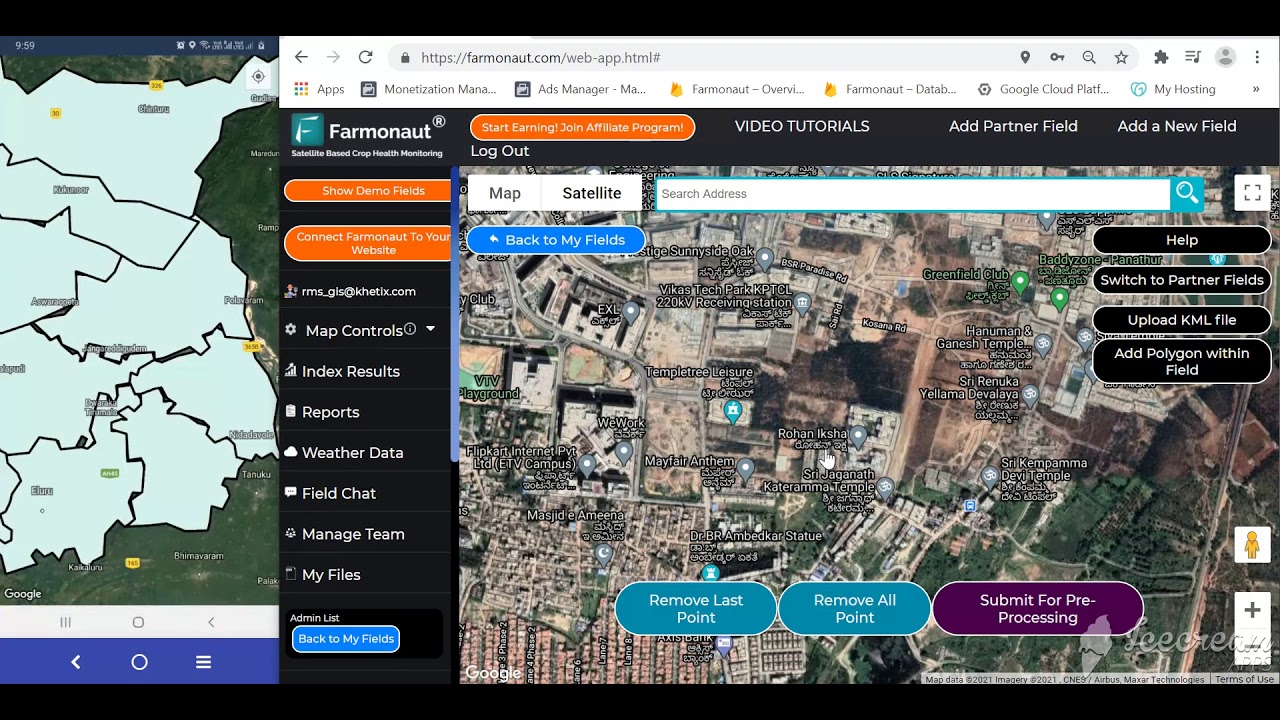
Our technology platform is accessible via Android and iOS apps, a web interface, and API (Farmonaut API; API Developer Docs)—making satellite-driven insights affordable and accessible for every Canadian hog producer, agri-business, and supply chain stakeholder.
Real-time environmental impact monitoring and traceability are a game-changer. We support Canadian pork producers in meeting strict domestic welfare standards, reducing waste, and gaining a competitive edge in global export markets.
Key Insights: Callout Boxes, Bullet Points, and Visual Lists
Common Mistake: Overlooking recordkeeping for biosecurity or waste management could jeopardize both supply contracts and environmental compliance.
- ✔ Hog farming in Canada leverages both traditional wisdom and modern innovation
- ✔ Career paths increasingly favor certifications in animal care and environmental stewardship programs
- ✔ Traceability and carbon accounting open up premium market opportunities
- ✔ Biosecurity protocols protect herd health and support international trade
- ✔ Integration of technology systems across the farm drives efficiency and better outcomes for both animals and the environment

FAQ: Hog Farming in Canada
What are the key differences between traditional and modern hog farming in Canada?
Traditional hog farming often relied on manual methods and basic housing. Today’s modern Canadian hog farms use advanced biosecurity, environmental controls, automated feeding, and digital recordkeeping—driving productivity, welfare, and sustainability.
How do hog farming jobs in Canada support sustainability?
Many roles—from waste system coordinators to biosecurity specialists—directly manage nutrient flows, traceability, and compliance with environmental standards. Training in these roles boosts sustainability outcomes across Canadian livestock operations.
What qualifications do I need to get started in Canadian hog farming?
Entry-level jobs may require a high school diploma and animal care certification. Specializations (like veterinary technology or swine nutrition) usually need a diploma/degree and sector-specific certifications.
How do precision farming systems reduce costs?
By delivering targeted feed and automating environmental and waste management, precision systems minimize waste, optimize resource use, and enhance consistency in growth and production cycles.
How does Farmonaut’s platform benefit Canadian hog operations?
We at Farmonaut offer satellite-powered monitoring, AI-based advisory, and traceability solutions, accessible via mobile, web, and API. These tools increase farm productivity, support resilient supply chains, and drive sustainability.
Summary
Hog farming in Canada stands at the intersection of high-yield agriculture, advanced animal welfare standards, and resilient supply chains that drive regional economies. The sector integrates advanced biosecurity and precision farming, sustainability initiatives, and compliance with both domestic regulations and export market requirements. With continuous innovation in genetics, nutrition, and housing, Canadian hog farms achieve efficiency—while upholding environmental stewardship and public trust. Farming jobs in Canada within this sector are increasingly technical, rewarding, and future-focused, offering diverse roles for skilled professionals dedicated to shaping a sustainable agricultural future.

 Godrej Agrovet
 Hayleys Agriculture
 Linx Agritech
 Adinet
 Save Your Soils
 GalaxEye Space
 Grandstream Algérie
 XOS Realty
 Geospatial Lab Africa
 Agro La Gándara
 HIPSAC
 ZOL Zimbabwe
 Juligerm
 AdBio
AdBio MISE Maroc
 NWNS
NWNS Red August Group
 Farm Inc
 WeMe Global
 Agrotoken
 Blue BearX
 Insignito
 DnCubed
 Indosistim Teknologi
 Liquify Digital
 CU Foods
 BeyondTech Global
 Rouge VC
 AgroRisk
 Oath Inc
 Esri North East Africa
 MDCV UK
 Etech Consulting Madagascar
 Vestlandsforsking
 WB Dev
 Sama Premium
 Tres Valles
 Blickwinkel
 Agricultural Credit Policy Council
 eKGIS
eKGIS Mostas Tech
 Andex
Andex Deluxe Conseil
 WICO
WICO Chimera Innovation
 SkyHarvest
 Teledarbas
 Exurbia Geospatial
 FieldZero
