

Denmark Farming: Top Innovations in Agriculture Products
“Over 60% of Denmark’s land is dedicated to agriculture, making it one of Europe’s most intensively farmed countries.”
Table of Contents
- Introduction: The Vibrant Landscape of Denmark Farming
- The Core Sectors of Denmark Agriculture Products
- Innovation, Digital Tools & Sustainability in Denmark Farming
- Denmark Agriculture Products: Quality and Export Strength
- Comparison Table: Technological Innovations & Impact
- Danish Agricultural Policy: Frameworks for Environmental & Economic Balance
- Research, Education & Knowledge Transfer
- Farmonaut & Satellite Technologies: Digital Transformation in Agriculture
- Frequently Asked Questions: Denmark Farming & Innovation
- Conclusion
Introduction: The Vibrant Landscape of Denmark Farming
Denmark stands as a shining example of modern, resilient, and innovative farming in Europe. Farming in Denmark is not merely an economic activity—it is the backbone of the national culture, shaping rural communities and landscapes for centuries. With over 60% of its land dedicated to intensive, high-quality agricultural production, Denmark farming harmonizes productivity and sustainability, propelled by advanced technology and strong policy support. The synthesis of traditional expertise with digital innovations—from satellite crop monitoring to AI-driven advisory systems—positions this country as a world leader in agricultural excellence.
The Denmark agricultural products landscape is defined by several core sectors: extensive cropping systems for cereals, sugar beets, and oilseeds; a robust livestock sector specializing in dairy, pork, and beef; and well-managed forestry for biomass, biodiversity, and rural value. These sectors interlock to form a sustainable, market-responsive agricultural system tailored for both domestic consumption and international export success.
Denmark’s use of digital precision technologies and data-driven agriculture has enabled farmers to achieve higher yields, reduce environmental impact, and ensure food safety—keeping the country at the forefront of innovation in European agriculture.
The Core Sectors of Denmark Agriculture Products
The Danish agriculture sector thrives on a diversified approach, each core sector reinforcing the others—a foundation that underpins the country’s rural economy and national food security.
- 🌾 Cropping: Focus on cereals, rapeseed, sugar beets, and forage crops.
- 🐄 Livestock: Dairy, pork, and beef—premium-quality animal products.
- 🌳 Forestry: Sustainable land management, biodiversity, and rural value.
Cropping: The Foundation of Danish Agriculture
Cropping plays a dominant role in Denmark farming. Favored by its temperate climate, fertile soils, and sophisticated management practices, Denmark’s cropping systems underpin the entire agricultural value chain.
Key Crops: Wheat, Barley, Rapeseed, Sugar Beets & Forage
- ✔ Wheat & Barley: Widely cultivated for both human consumption and animal feed, supporting Denmark’s dual focus on grain and livestock sectors.
- ✔ Rapeseed: Used as a source of biodiesel, cooking oil, and protein-rich meal for animal feed.
- ✔ Sugar Beets: Provides a critical raw material for Denmark’s robust sugar industry and associated food processing.
- ✔ Forage crops (e.g., alfalfa, clover): Sustain dairy and beef herds, reduce reliance on imported feed, and maintain soil health via rotational cycles.
Farmers focus on optimizing crop rotations, nutrient management plans, and yield stability. The cropping mix is highly responsive to market signals, soil types, and climate conditions, enabling balanced, efficient production systems across the country.
Incorporate cover crops and legumes like clover into crop rotations. This not only fixes nitrogen and enhances soil health, but also supports yield stability and biodiversity—central pillars of Denmark’s sustainable farming practices.
- 📊 Data Insight: Adoption of precision agriculture and advanced analytics has improved average wheat yields by up to 20%.
- ✔ Nutrient Optimization: Soil mapping and variable-rate fertilization enhance input efficiency and protect water quality.
- ⚠ Risk: Variable weather and climate change demand robust crop rotations and technology-driven monitoring.
- 🌱 Sustainable Practice: Use of biodiversity-supporting crops and integrated pest management reduces the ecological footprint.
- 💧 Water Efficient: Smart irrigation systems are reducing water use in increasingly unpredictable climates.
Livestock: Modern Husbandry & Premium Animal Products
The livestock sector forms the backbone of Denmark’s agricultural economy—especially in dairy, beef, and pork. Denmark has cultivated a reputation for high animal welfare, productivity, traceability, and food safety standards across its livestock industries.
1. Dairy Production
- ✔ High-yield cattle genetics paired with data-driven feed and animal health management.
- ✔ Emphasis on milk quality, sustainability, and continuous improvement—enabling Danish dairy products to command premium export prices.
- ✔ Integration of forage cropping ensures consistent, high-quality feed and reduces dependency on imported resources.
2. Pork Industry
- ✔ Industry-leading efficiency, standardized production, and advanced disease control systems.
- ✔ Strict biosecurity measures that underpin Denmark’s ability to export pork worldwide.
- ✔ Sector supported by advanced genetics and real-time data monitoring for animal health.
3. Beef Production
- ✔ Mix of pasture-based and intensive feedlot strategies to optimize productivity while maintaining high animal welfare.
- ✔ Efficient use of home-grown forages and silage reduces environmental impact and supports soil quality via rotational grazing.
- ✔ Beef sector integrates traceability and quality schemes, responding to consumer demands.

Not integrating traceability systems can limit access to premium export markets. Denmark’s livestock industries prioritize full traceability, animal health records, and transparent supply chains to bolster consumer trust and export potential.
Forestry & Integrated Land Management in Denmark
Sustainable forestry and integrated land management are increasingly central to Denmark’s rural and agricultural landscape. Danish forestry emphasizes:
- ✔ Mixed-species planting and continuous cover approaches for resilience and biodiversity.
- ✔ Sustainable harvesting regimes to support both timber and non-timber economic value in rural areas.
- ✔ Agroforestry initiatives on farms—integrating trees with crops and livestock to improve soil structure, water regulation, and carbon sequestration.
This integrated system supports ecosystem services: erosion control, pollinator habitats, diverse farm incomes, and landscape-scale environmental stewardship.
“Denmark’s farmers use digital tools on 90% of their fields, leading Europe in precision agriculture adoption.”
Innovation, Digital Tools & Sustainability in Denmark Farming
Denmark’s leadership in precision farming, digital tools, and sustainability is transforming every sector of agriculture. Innovations like satellite crop monitoring, data-driven irrigation, smart sensors, and blockchain traceability have moved rapidly from research labs to everyday farm operations.
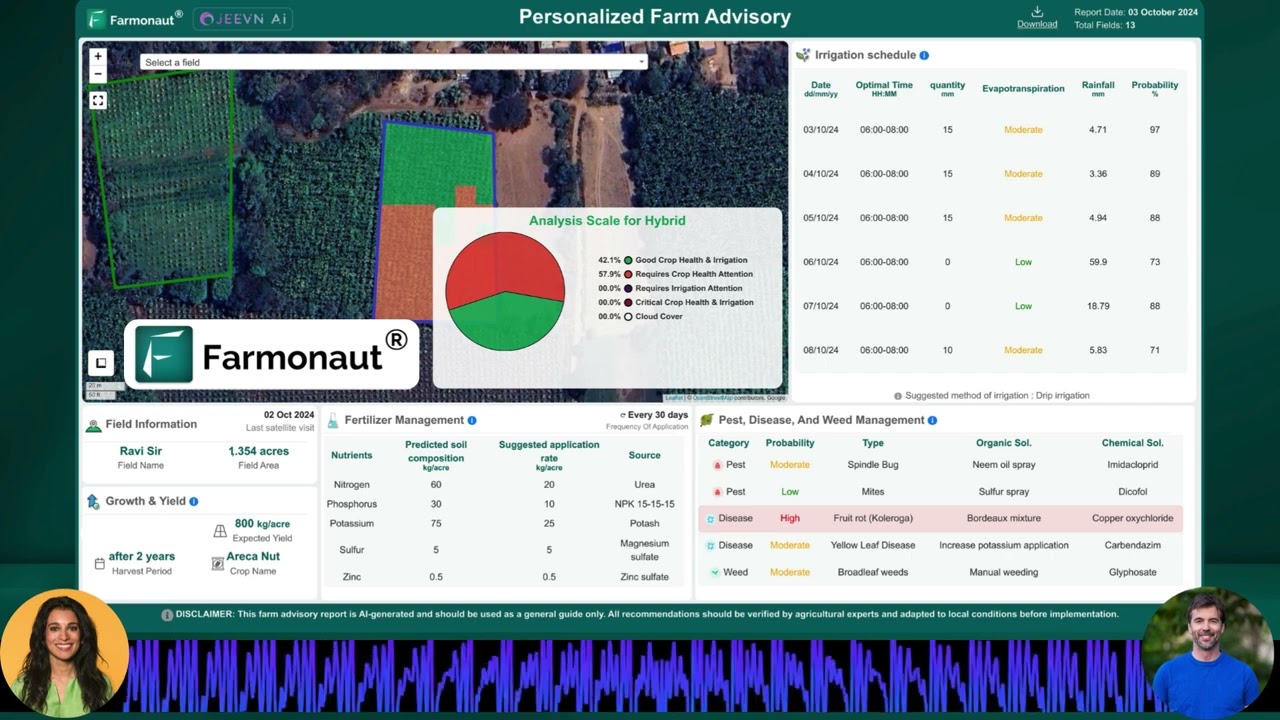
Digital transformation in Danish agriculture enables real-time monitoring, AI-based decision support, and seamless data sharing across value chains. These tools maximize both yield and sustainability, placing Denmark among the world’s most data-savvy farming nations.
- 🤖 AI-Driven Advisory: Empowers farmers with personalized recommendations for crop health and resource allocation.
- 🌐 Blockchain Traceability: Increases transparency and food safety throughout the supply chain.
- 📡 Satellite Monitoring: Provides remote insights on field conditions, crop vigor, and soil moisture daily.
- ⚡ Automated Machinery: Enhances precision in planting, spraying, and harvesting—cutting waste and saving labor.
- 🌱 Green Technologies: Boost water use efficiency and minimize agri-chemical runoff, supporting Danish environmental goals.
Denmark Agricultural Products: Quality and Export Strength
The quality and diversity of Denmark agriculture products are recognized worldwide. From premium dairy (milk, cheese, butter, yogurt) and pork to cereals, oilseeds, and processed foods, Danish products feature prominently on global markets.
Product differentiation is supported by:
- ✔ Rigorous food safety standards and traceability
- ✔ Quality branding and differentiated “origin” labels
- ✔ Sustainable production certifications
- ✔ Efficient, integrated supply chains that minimize waste and enhance value
The broader value chain—spanning from farm-based production to processing and export logistics—delivers consistent, reliable, and premium-quality food products to discerning consumers worldwide.



Farmonaut API |
Farmonaut API Developer Docs

Comparison Table of Top Technological Innovations and Their Impact on Denmark’s Agriculture
| Innovation/Technology Name | Application Area | Estimated Adoption Rate in Denmark (%) | Sustainable Benefit | Summary of Results |
|---|---|---|---|---|
| Satellite-based Crop Monitoring | Precision Farming, Crop Health Monitoring | 75% | Optimizes inputs, reduces chemical use, cuts emissions | Up to 20% increase in crop yield, lower fertilizer costs |
| AI-based Advisory Systems | Farm Management, Decision Support | 65% | Increases efficiency, improves sustainability | 15% reduction in resource wastage |
| Automated Machinery (Robotics) | Sowing, Fertilization, Harvesting | 55% | Saves labor, enhances precision, cuts fuel use | 10% reduction in labor costs, improved yields |
| Blockchain Traceability | Food Safety, Supply Chain Management | 40% | Boosts traceability, consumer trust, food safety | Faster recalls, premium export capability |
| Digital Farm Management Platforms | Farm Operations, Resource Planning | 70% | Reduces paperwork, facilitates compliance | 30% time savings in administration |
| Smart Irrigation Systems | Water Management, Crop Production | 60% | Maximizes water use efficiency | Saves up to 30% in water usage |
| Renewable Energy Integration | Farm Power, Emission Reduction | 35% | Cuts carbon footprint, improves farm energy security | Reduces farm energy costs up to 20% |
The rapid adoption of digital and automated farming technologies in Denmark signals growing opportunities for tech-driven solutions and sustainable finance—especially those that enhance traceability, operational efficiency, and market access for high-quality Denmark agriculture products.
Danish Agricultural Policy: Frameworks for Environmental & Economic Balance
A strong policy framework is central to Denmark farming’s ongoing success. Driven by both government and market incentives, Denmark’s policy environment emphasizes:
- ✔ Environmental stewardship: Strict measures for nutrient management, water regulation, and emissions reduction.
- ✔ Food safety & Traceability: Regulatory systems to guarantee consumer confidence and enable export.
- ✔ Support for innovation: Incentives for adoption of digital tools, renewable energy, and sustainability practices.
- ✔ Resilient rural economy: Policies enabling diversified rural incomes through forestry, tourism, and value-added products.
- ✔ Participation in international sustainability commitments (EU Green Deal, climate action, biodiversity strategies).
These polices create a fertile ground for innovation, balancing high productivity with environmental responsibility, and ensuring long-term value for farmers and the broader national economy.
Adherence to recognized food safety and quality standards is vital for Denmark’s continued leadership in agricultural exports. Digital traceability and remote verification tools enhance compliance while adding value for both farmers and consumers.
Research, Education & Knowledge Transfer
The Danish agricultural system is supported by a tightly integrated research and extension ecosystem. Universities, public institutes, and private research centers drive advancements in:
- ✔ Crop genetics, animal breeding, and resilient husbandry practices
- ✔ Soil science and nutrient optimization for climate adaptation
- ✔ AI and data science applications for real-time farm decision making
- ✔ Development of sustainable, circular farming systems and supporting rural economies
Extension services connect the latest science with practical application, ensuring that Danish farmers are continually innovating and operating at international best practice standards.
The rapid dissemination of research findings through extension agents and digital platforms is a critical strength of the Danish system—accelerating technology adoption and fostering collaborative innovation across the agricultural community.
Farmonaut & Satellite Technologies: Digital Transformation in Agriculture
As a leading satellite technology provider, Farmonaut brings affordable, data-driven agricultural solutions to farmers, businesses, and governments worldwide. With multispectral satellite imagery, AI advisory, blockchain traceability, and environmental impact monitoring, we empower decision makers to enhance productivity, sustainability, and transparency.
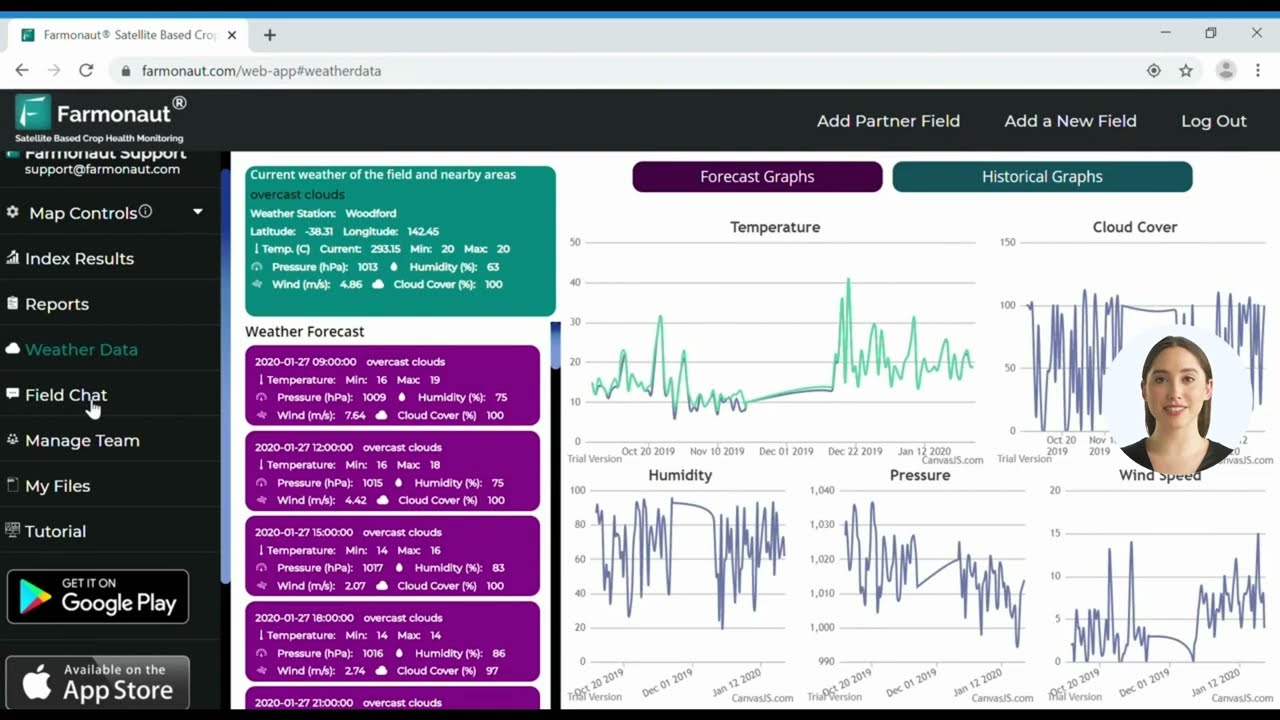
Our platform delivers:
- ✔ Satellite-Based Monitoring: Enables accurate tracking of crop health, soil moisture, and vegetation indices in real time.
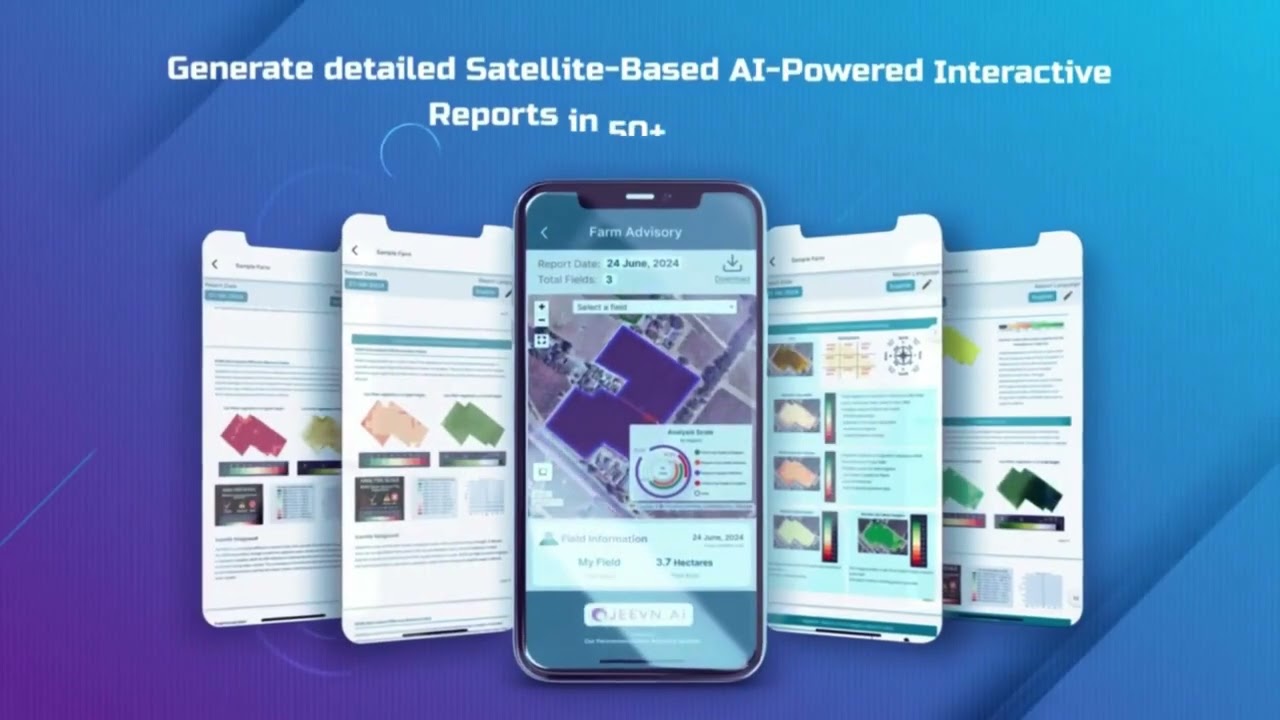
- ✔ AI-Based Advisory: Our Jeevn AI tool provides personalized, actionable advice to optimize yield, input use, and sustainability.
- ✔ Blockchain Traceability: Unlocks transparent supply chains, fighting fraud and boosting consumer confidence. See more on traceability here.
- ✔ Fleet & Resource Management: Tracks machinery and logistics for cost reduction and improved efficiency. Fleet management solutions
- ✔ Environmental Impact Analytics: Real-time tracking of emissions and resource use to drive climate-smart agriculture. Learn more about carbon footprint tracking.
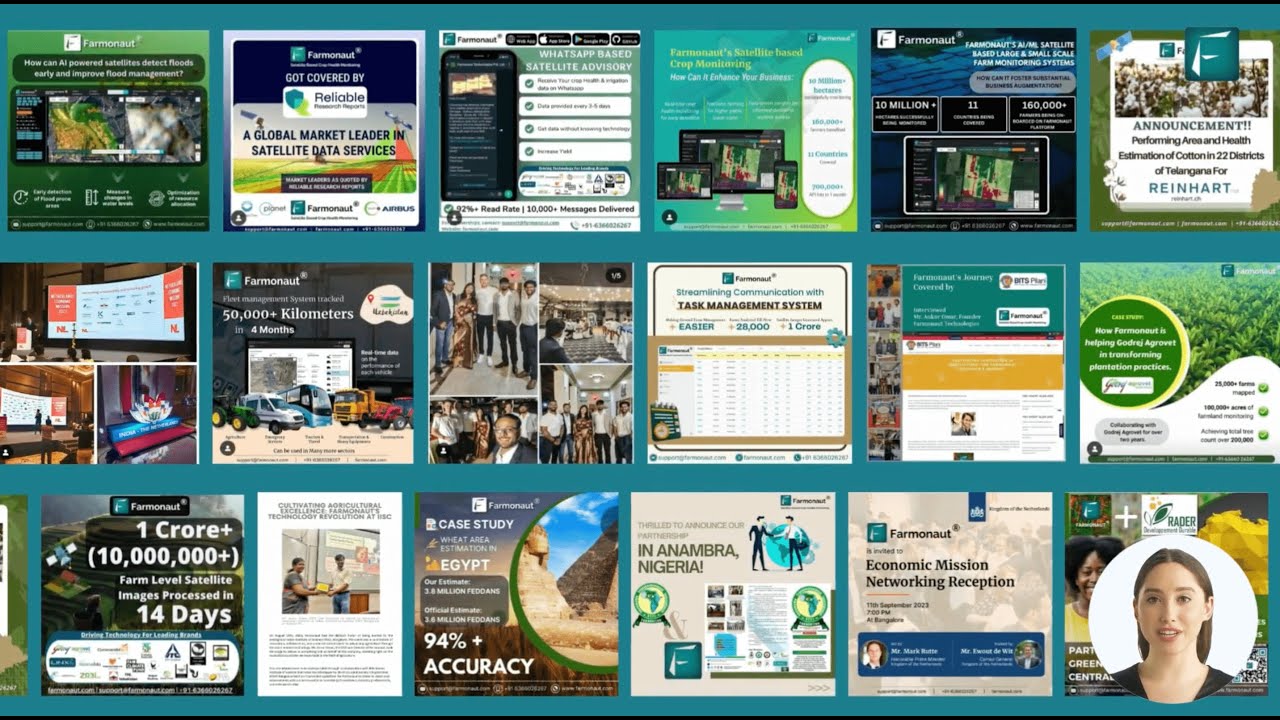
Our API allows seamless integration of satellite, AI, and traceability solutions into enterprise and government systems, supporting robust agricultural, mining, and infrastructure management at scale.
Farmonaut is accessible by Android, iOS, and web platforms, making our insights available anywhere, anytime. We offer flexible subscription packages for individual farmers, agribusinesses, and government agencies. See our crop loan & insurance verification solutions for financial institutions seeking to leverage satellite assurance for agri-financing.
For those managing larger operations, our large scale farm management tool brings together data, analytics, and compliance reporting. Discover agro-admin management.
Our core mission is to democratize access to advanced agricultural technologies, driving efficiency, sustainability, and profit for every stakeholder in the value chain.
For forestry and plantation operations, our plantation and forest advisory system provides tailored, satellite-driven recommendations improving yield and conservation outcomes.
Farmonaut’s technology suite is designed for robust scalability—from smallholder farms to national government portfolios—delivering measurable benefits in efficiency, traceability, and environmental performance.
Frequently Asked Questions: Denmark Farming & Innovation
What are Denmark’s most important agricultural products?
How does Denmark ensure sustainability in farming?
What role does technology play in Danish farming?
Why are Danish agriculture products popular on the global market?
How can satellite technology help Danish farmers?
Conclusion
Denmark farming epitomizes the balance between high productivity, environmental stewardship, and relentless innovation. The country’s farming system—anchored in robust cropping, livestock, and forestry sectors—has embraced digital tools, precision agriculture, and sustainable practices at an unprecedented scale.
Through a commitment to research, policy alignment, and cutting-edge technology adoption, Denmark agricultural products have become a global benchmark for quality, safety, and sustainability. The integration of satellite-based insights, AI advisory platforms, and blockchain traceability is transforming regional value chains and building resilience against future environmental and economic challenges.
As we move forward, the lessons from Denmark’s farming journey—diversification, innovation, and a relentless focus on both yield and environmental care—will remain vital at the heart of global sustainable agriculture.
For those eager to transform their own agricultural, forestry, or supply management practices, Farmonaut’s suite of satellite and AI-driven tools is designed to make advanced monitoring and decision support affordable, accessible and impactful, worldwide.
Discussion
Questions, corrections or field experience? Share them below. First-time comments are reviewed before they appear, and your email is never published.
No comments yet. Be the first to add a question or your experience.

 LatConnect 60
 Disease Free Life
 WebsEdge
 Blickwinkel
 Agricultural Credit Policy Council
 BayWa
BayWa MCSOD
MCSOD Marei Nursery
 eKGIS
eKGIS Mostas Tech
 Native Seeds
 Andex
Andex FCF India
 Unifrutti Gulf
 Deluxe Conseil
 WICO
WICO Chimera Innovation
 Licence holder · Niger · Gold
 Licence holder · Nigeria · Gold + lithium










