

“Montbéliarde cows produce up to 8,500 liters of high-quality milk per year, supporting sustainable dairy operations worldwide.”
Table of Contents
- Introduction: The Keystone Breed of Modern Dairy Farming
- Breed Characteristics and Physical Attributes
- Montbeliarde Cow in Dairy Production: Milk Yield and Cheese Quality
- Sustainability and Adaptability: Montbéliarde Cattle in 2026
- Health, Longevity, and Genetic Excellence
- Farmonaut Satellite Solutions for Dairy & Sustainable Farming
- Comparison Table: Montbeliarde vs Holstein vs Jersey
- Economic & Cultural Influence of Montbéliarde Cattle
- Montbéliarde Cattle: Role in Modern Agriculture Systems
- Key Insights, Pro Tips & Highlights
- Frequently Asked Questions
- Conclusion & Call-to-Action
Montbeliarde Cow & Cattle: Sustainable Dairy 2026
The Montbéliarde Cow: A Keystone Breed in Modern Dairy Farming
In the evolving landscape of agriculture and dairy farming towards 2026, few breeds have maintained their place of prominence as resolutely as the Montbeliarde cow and Montbeliarde cattle. Originating from the Montbéliard region in eastern France, this breed has gained international recognition due to its exceptional nature, adaptability, and remarkable qualities—making it perfectly relevant to contemporary agricultural practices worldwide.
As both consumer demand and sustainability expectations shift, understanding the role of Montbeliarde cows in sustainable dairy production is essential for farmers, producers, researchers, and eco-conscious consumers in 2026 and beyond. This blog delves deep into the sustainability, adaptability, milk quality, health, and modern applications of the Montbeliarde breed—backed by the latest best practices, scientific insights, and digital tools like Farmonaut’s satellite-powered technologies.



Breed Characteristics and Physical Attributes
The Montbeliarde cow and Montbeliarde cattle are medium to large-sized animals exhibiting a distinguishing physical appearance—a key point of appeal in France and worldwide.
- ✔ Identifiable by their distinctive red and white coat pattern, making them stand out in any landscape.
- 📊 Strong skeletal conformation and robust muscular build—attributes that contribute to their resilience and dual-purpose nature.
- ⚠ Calves and adults alike demonstrate muscular development, offering potential not just as dairy cows but also for meat production—critical for farmers seeking versatility in agricultural systems.
The primary recognition for Montbéliarde cattle remains in dairy farming, but having a notable capacity for meat production—especially from calves—offers additional economic sustainability by leveraging both milk and beef markets.
- ✔ Medium to large frame with deep chest and broad back ensures both resilience and feeding efficiency.
- 📊 Longevity and productive lifespan surpass average industry standards, reducing replacement rates—a key metric for sustainable farming.
The dual-purpose nature of Montbéliarde cattle—exceptional dairy and meat attributes—liberates farmers from relying on single streams, enabling more resilient farm economies in 2026 and beyond.
Montbeliarde Cow in Dairy Production: Milk Yield and Cheese Quality
One of the most valuable qualities the Montbeliarde cow brings to sustainable dairy production is its renowned milk profile. This breed is internationally recognized for:
- ✔ Annual milk production averaging 7,500–8,500 liters per cow, depending on management and feeding systems;
- ✔ Milk composition ideal for cheese making, with approximately 3.9% fat and 3.4% protein
- ✔ Exceptional casein variant (β-casein A2/A2 often predominant), favored by cheese makers for curd formation and higher yields;
- 📊 Moderate somatic cell counts as per recent 2026 studies, indicating healthy udder condition and high milk hygiene;
- ✔ Stable production curves across lactations, allowing consistent raw material for artisanal and industrial dairy products.
The Montbéliarde cow’s milk is the preferred source for notable and prestigious French cheeses such as Comté and Morbier. Its favorable fat and protein levels are optimal for producing high-quality cheese, yogurts, and specialty butters, establishing its reputation as a keystone breed in European and global dairy processing industries.
- ✔ Consumer demand continues its shift towards regional, premium, and traceable dairy products in 2026;
- ✔ Cheese makers find Montbéliarde milk ideal for enhancing taste, texture, and yield in artisanal operations;
- ✔ Farmers benefit from stabilized market returns due to steady lactation and high component yields.

| Breed | Avg. Milk Yield (L/year) | Fat Content (%) | Protein Content (%) | Feed Conversion Efficiency | Adaptability to Climate | Disease Resistance | Methane Emissions (kg/year) | Lifespan (years) |
|---|---|---|---|---|---|---|---|---|
| Montbeliarde | 7,500–8,500 | 3.8–4.0 | 3.3–3.5 | High | Excellent | Excellent | 108–114 | 8–10 |
| Holstein | 9,500–11,000 | 3.6–3.7 | 3.1–3.2 | Moderate | Good | Moderate | 115–120 | 6–8 |
| Jersey | 5,000–6,000 | 4.8–5.0 | 3.8–4.0 | Excellent | Very Good | Very Good | 100–106 | 8–10 |
Key takeaways: Montbéliarde cows excel in disease resistance, adaptability, and feed efficiency—outperforming on sustainability while still maintaining remarkable milk yield and desirable milk composition for cheese and other dairy product manufacturing.

In 2026, Montbeliarde cattle help artisanal cheese-makers in the Montbéliard region preserve traditional cheese flavors, all while keeping pace with modern sustainability standards—ensuring distinctive regional characteristics thrive well into the next decade.
“Over 65% of Montbéliarde cattle are raised in grass-based systems, enhancing environmental sustainability in modern dairy farming.”
Sustainability and Adaptability: Montbéliarde Cattle in 2026
Sustainability remains the defining challenge and opportunity for dairy farming as we look towards 2026. Here, Montbeliarde cows prove to be a keystone breed because of their inherent adaptability and efficiency.
- ✔ Thriving on pasture-based, grass-fed, and mixed agricultural systems;
- ✔ Reduced dependence on imported feeds (e.g., soy), minimizing carbon footprint;
- ✔ High feed conversion efficiency thanks to robust digestive systems;
- ✔ Lowered methane emissions (per liter of milk) compared to high-intensity breeds;
- 📊 Well-suited for integration into agroforestry & regenerative farming systems that prioritize ecosystem health, carbon storage, and biodiversity.
Climate change poses new risks to agriculture, but Montbéliarde cattle show excellent adaptability to temperature variations, pasture quality changes, and weather extremes—traits increasingly prized by farmers worldwide. Their resilience and ability to utilize local forages and marginal lands reduces the environmental impact and aligns with both EU CAP sustainability goals and FAO guidelines for sustainable livestock.
Integrate Farmonaut’s environmental impact monitoring tools—like Carbon Footprinting for Dairy—to track emissions, improve feed strategies, and achieve compliance with 2026 sustainability frameworks.

🌱 Environmental Benefits of Montbéliarde Cattle (Visual List)
- 🌿 Efficient Pasture Utilization: Maintain soil health & prevent overgrazing
- 🍃 Manure Recyling: Enhances soil organic matter & fertility
- 🌀 Integrated With Crop Rotations: Supports regenerative farming cycles
- 🌦 Resisted Adverse Climates: Adapted to cold, temperate, and increasingly warm regions
- 🛡 Low Input Requirements: Reduce need for purchased feed & antibiotics
These environmental advantages make Montbeliarde cattle pivotal for farmers targeting EU Green Deal benchmarks, carbon-neutral dairy production, and local biodiversity preservation.
Health, Longevity, and Genetic Excellence
A vital factor in sustainable dairy systems is animal health—an area where the Montbeliarde breed consistently excels:
- ✔ Resistant to common dairy diseases (mastitis, lameness, metabolic issues);
- ✔ Lower need for antibiotics and veterinary interventions—meets growing consumer demand for ‘antibiotic-free’ products;
- ✔ Superior reproductive efficiency, lower incidence of infertility, and healthy calving rates;
- 📊 Long productive life: Cows typically provide stable lactation and high-quality milk over 8–10 years, significantly reducing replacement animal requirements and their corresponding environmental impact;
- ✔ Natural robustness drawn from centuries of selective breeding in the eastern France mountains.
Relying solely on genetic selection for high yield without considering disease resistance, fertility, and longevity can undermine sustainability in dairy operations.
Montbeliarde cows are a model of balance, showcasing why multi-trait selection is key for the 2026 farming landscape.
These traits ensure that Montbéliarde cows remain highly relevant as the agriculture sector pivots towards eco-friendly practices, sustainable economics, and animal welfare standards demanded by consumers, governments, and certification bodies worldwide.
Farms prioritizing Montbeliarde cattle and integrated satellite-based monitoring via Farmonaut’s API gain a technological edge—optimizing herd health, pasture usage, and emissions to meet future regulatory and market requirements.

Farmonaut Satellite Solutions for Dairy & Sustainable Farming
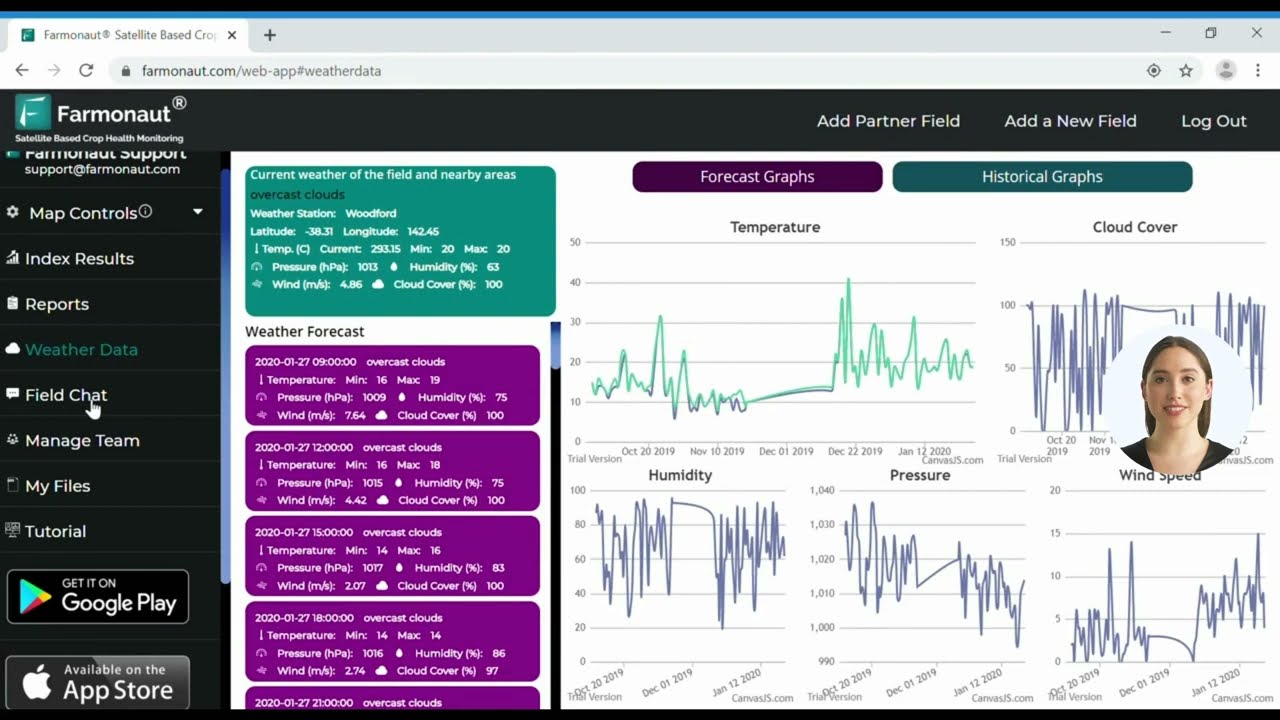
As agriculture embraces digitization, Farmonaut offers advanced satellite-based solutions for dairy, mixed farming, and sustainability monitoring. We empower farmers, cooperatives, and agribusinesses to harness data for decision-making, resource optimization, and regulatory compliance.
- ✔ Real-time crop and pasture monitoring enhances feed planning and supports efficient herd management.
- ✔ AI-based advisory systems provide custom weather forecasts, resource allocation plans, and sustainability strategies for diversified farms.
- ✔ Blockchain-enabled traceability—see Product Traceability—ensures supply chain transparency in milk, cheese, and agricultural products.
- ✔ Environmental impact analysis and carbon footprint tracking (see carbon accounting tools) help farms demonstrate sustainable practices to consumers and buyers.
- ✔ Fleet management (dairy logistics) and agro supply chain optimization save time, cut costs, and ensure efficient delivery.
🛰️ How Farmonaut Elevates Sustainable Dairy Operations (Visual List)
- 📡 Satellite Crop Health Monitoring: Detect field stress, optimize grazing, minimize feed waste
- 🤖 AI-Driven Advisory: Precision decision support for herd and land management
- 🔗 Blockchain Traceability: Prove milk origin and processing, increasing market value
- 📊 Live Environmental Metrics: Monitor methane, emissions, and compliance KPIs
- 🚚 Smart Logistics and Fleet Tools: Manage delivery routes and ensure timely milk collection
Farmonaut’s modular platform serves small and large operators, supporting scalable sustainability from family-run dairies to corporate agri-enterprises—all via user-friendly apps and open developer API.

Explore Farmonaut’s API and developer documentation for seamless integration & system-wide analytics.
For large-scale dairy operations or rural cooperatives, discover Farmonaut’s Large Scale Farm Management platform—custom analytics dashboards, compliance tracking, and multi-farm monitoring for enhanced decision support.

Satellite-based tools are rapidly becoming industry-standard in dairy and cattle farming, particularly for operations focusing on sustainability, carbon reduction, and food traceability. Adopt blockchain traceability modules to futureproof your dairy business.
Economic & Cultural Influence of Montbéliarde Cattle
Beyond technical metrics, Montbeliarde cow and cattle are interwoven into the economic and cultural fabric of their origin region as well as emerging dairy economies worldwide.
- ✔ Makes up a significant portion of dairy herds in eastern France, supporting rural economies and employment;
- ✔ Dairy cooperatives and traditional cheesemakers depend on Montbéliarde milk for product differentiation and PDO status;
- ✔ Enables communities to engage in agri-tourism, value-added product creation, and preservation of genetic diversity;
- ✔ Highly prized in regions pursuing regional branding for cheese and specialty dairy products;
- ✔ Increasingly exported genetics enhance the breed’s global reach, with growing populations in Eastern Europe, North Africa, South America, and Asia-Pacific.
Montbéliarde Cattle: Role in Modern Agriculture Systems
In 2026 and beyond, Montbeliarde cows will continue to hold their place of prominence as a keystone breed for implementing sustainable dairy systems, especially in the face of climate uncertainty, shifting market demands, and evolving food system policies.
- ✔ Perfectly suited for agroecological, regenerative, and circular farming systems;
- ✔ Highly relevant for zero-antibiotic, zero-residue certified dairy supply chains;
- ✔ Supports new economic models: carbon credits for pasture-based dairies, quality premiums for traceable cheese and butter, and artisanal product development;
- ✔ Vacant niche in organic-certified, grass-based, and mixed farming expansions in rapidly growing Asian and African dairy regions.
Neglecting longevity, adaptability, and environmental value of breeds in favor of only maximum yield can undermine farm resilience, sustainability, and market reputation.
In summary: Montbéliarde cattle help future-proof dairy farming—combining genetics, sustainability, and economic added value.
Key Insights, Pro Tips & Highlights
- ✔ Montbéliarde cows deliver exceptional milk quality for cheese and broader dairy industries.
- ✔ Natural disease resilience and longevity reduce cost and environmental impact.
- 📊 Feed conversion efficiency & methane reduction—cornerstones of sustainability in 2026.
- 🛡 Adaptability ensures reliability across global climates.
- ⛽ Perfect choice for mixed, artisanal, and progressive farm systems.
Frequently Asked Questions (FAQs): Montbéliarde Cow & Sustainable Dairy Farming
What makes Montbéliarde cattle sustainable for dairy farming?
Montbéliarde cows combine robust health, high feed conversion efficiency, and adaptability—allowing farmers to minimize input costs and reduce environmental impacts without sacrificing milk quality or herd longevity.
Is Montbeliarde milk suitable for artisanal cheese production?
Absolutely. The milk’s high protein and fat content along with favorable casein levels make it the preferred choice for top-tier cheeses like Comté and Morbier, as well as yogurts, specialty butters, and more.
How long is the productive lifespan of a Montbeliarde cow?
On average, Montbeliarde cows remain productive for 8–10 years, with low replacement rates—far exceeding the industry average and driving sustainable operations.
Can Montbeliarde cattle thrive outside Europe?
Yes. Thanks to their excellent adaptability and resilience to different climates, Montbeliarde herds are now established—and thriving—across Eastern Europe, Latin America, Africa, and Asia-Pacific.
How does Farmonaut help improve dairy and cattle farming?
We provide satellite imagery, AI advisory, carbon tracking, and traceability solutions—helping farmers optimize herd management, monitor environmental impact, and boost transparency for buyers and regulators.
Conclusion & Call-to-Action
Montbeliarde cow and Montbeliarde cattle have earned their reputation as keystone breeds in sustainable dairy, perfectly adapting to the evolving landscape of 2026 and beyond. Their exceptional adaptability, robust health, sustainability, milk quality, and economic significance ensure they will continue to hold a place of prominence across modern, eco-friendly dairy systems worldwide.
Dairy farmers, agricultural leaders, and eco-conscious consumers seeking to future-proof their investments and embrace the future of dairy sustainability should look towards the Montbeliarde breed. With digital platforms like Farmonaut providing satellite-driven monitoring, carbon tracking, and blockchain traceability, we empower dairy communities to thrive—responsibly and profitably.
Start optimizing your dairy, enhance sustainability, and lead the way in modern agriculture—discover Farmonaut now.

 Indosistim Teknologi
 Suminter India Organics
 Crossprod
 Liquify Digital
 CU Foods
 BeyondTech Global
 Rouge VC
 AgroGreen Dynamics
 AgroRisk
 Oath Inc
 Reddane Farming
 Esri North East Africa
 Cresol
 MDCV UK
 Zerella Group
 Etech Consulting Madagascar
 Vestlandsforsking
 Delicio
 WB Dev
