

Olive Yield Boost 2025: Advanced NDVI & Soil Insights Greece
“Olive groves using NDVI-based management in Greece reported up to 18% yield increase by 2025, optimizing irrigation and nutrients.”
Table of Contents
- Introduction: The Future of Olive Cultivation in Greece
- NDVI & Remote Sensing: Transforming Olive Groves
- Understanding Olive Phenological Stages & NDVI Trends
- Advanced Soil Insights: Nutrient Mapping for Yield Optimization
- Precision Irrigation: From NDWI to Drip Systems
- Pest & Disease Control: Data-Driven Strategies
- Technical Data Table: NDVI-Soil-Irrigation-Pest-Yield Nexus
- Farmonaut: Empowering Future-Ready Olive Farming
- FAQs on Advanced Olive Yield Optimization (2025+)
- Conclusion
Introduction: The Future of Olive Cultivation in Greece for 2025 and Beyond
Olive production has always been pivotal to the Mediterranean agricultural landscape, with Greece standing as one of the world’s historic leaders in olive oil and table olives. However, climate change, water scarcity, increasing soil salinity, pest pressures (Bactrocera oleae, black scale), and more stringent demands for traceability and sustainability have pushed the boundaries of traditional practices.
In 2025, the integration of advanced NDVI (Normalized Difference Vegetation Index) monitoring, soil nutrient analytics, and precision irrigation in the olive (Olea europaea) sector is no longer a luxury—it’s essential for maximizing yield, enhancing fruit quality, and achieving sustainable cultivation. These technologies enable site-specific, data-driven decisions in olive groves from Crete to Laconia, revolutionizing everything from crop health monitoring to fertilizer recommendations and pest control, especially in stressed Mediterranean climates.
In this blog, we provide a technical and comprehensive roadmap for boosting olive yield using state-of-the-art remote sensing (NDVI, NDWI, SAVI), soil and nutrient management, and integrated pest control—localized for Greece, but relevant to leading regions globally. Along the way, we’ll showcase how satellite platforms like Farmonaut empower stakeholders with real-time, actionable insights for smarter olive production management.



Want custom integration? Access Farmonaut’s Satellite API or see our API developer docs for weather, NDVI, and nutrient data!

Greece is at the epicenter of this olive yield transformation, with the Laconia regional unit, Rethymno (Crete), and other Mediterranean regions implementing remote sensing, advanced soil analysis, and precision fertigation for optimal olive tree health, oil accumulation, and pest resilience. We’ll highlight recommended NDVI ranges, soil nutrient composition, irrigation rates, and strategic actions tailored for Greece’s real-world conditions in 2025.
Track your olive orchard’s sustainability progress with our Carbon Footprinting Tool. Understand soil organic carbon trends, reduce emissions, and adopt climate-smart practices—vital for Mediterranean groves subject to carbon audits and global market demands.
NDVI & Remote Sensing: Transforming Olive Groves in 2025
How NDVI Maps Crop Health, Yield Potential, and Water Stress
NDVI (Normalized Difference Vegetation Index) is a satellite-based indicator that quantifies the photosynthetic activity of olive canopy—enabling real-time assessment of plant health, vigor, and biomass across entire groves. This metric is fundamental in Mediterranean regions where water scarcity, salinity, and pest outbreaks directly threaten production. NDVI plays a critical role in:
- Detecting stress (drought, salinity, nutrient deficiency, disease) before visual symptoms appear.
- Guiding precise irrigation and fertigation, only where and when required.
- Forecasting yield and estimating harvest timing based on actual canopy development.
- Optimizing pest/weed control scheduling (e.g., early detection of Bactrocera oleae risk).
Typical, healthy NDVI values for Mediterranean olives in fruit set, oil accumulation, or ripening stages range from 0.65 to 0.85, with values below indicating stress—potentially due to low soil nutrients, water deficit, or disease. For example, NDVI readings of 0.59 in September 2025 in some Laconia olive groves indicated suboptimal health, correlating with predicted lower yield, moderate P, K, S, Zn deficiencies, and high olive fruit fly pressure.
Complementary indices like NDWI (Normalized Difference Water Index) assess soil moisture and water content status, further refining in-season irrigation and disease risk decisions.

From NDVI Maps to Action: The Data-Driven Workflow for Yield Boost
- Analyze NDVI/NDWI satellite layers (available via platforms like Farmonaut) for each block or tree.
- Identify zones of lower NDVI (“red” or “orange” areas), indicating stress or reduced canopy.
- Cross-reference with soil composition, historical yield, and phenological stage for diagnosis (drought, nutrient deficiency, pest risk, etc.).
- Apply interventions (water, fertilizer, pest control, or organic amendments) specifically to underperforming zones for maximum ROI.
This geospatial approach, leveraging consistent NDVI monitoring, enables olive growers to apply inputs with precision—significantly reducing waste and environmental impact, while maximizing olive fruit output and oil content.
What Makes NDVI and Related Satellite Indices Essential for Greece’s Olives?
- Cost-effective, non-invasive, and scalable monitoring across thousands of acres.
- Compatible with historic data trends, allowing for accurate prediction and anomaly detection (disease, drought, nutrient stress).
- Critical for certification and precision agriculture programs demanding proof of sustainable practices.
“Advanced soil nutrient mapping reduced fertilizer usage by 22% in monitored Mediterranean olive plots, enhancing pest control precision.”
Understanding Olive Phenological Stages & Typical NDVI Trends
Phenological Stages: Foundation for Data-Driven Olive Management
Precision crop management in olives starts with a robust understanding of the annual phenological stages. Each stage (flowering, fruit set, pit hardening, fruit growth/oil accumulation, veraison, ripening, harvest, dormancy) has specific nutrient, water, and pest/disease risk profiles. Aligning interventions with phenology ensures yield optimization and cost-effectiveness.
- Flowering to Fruit Set (Spring – Early Summer): Highest nitrogen and potassium demand; ideal NDVI begins to rise as the canopy expands.
- Fruit Growth/Oil Accumulation (Late Summer – Early Autumn): Canopy NDVI stabilizes at high values (0.65-0.85 for healthy trees), with deficits indicating nutrient or moisture stress.
- Ripening/Color Change & Harvest (Autumn – Early Winter): Slight NDVI decrease as resources mobilize to fruit and canopy begins to transition post-harvest.
- Dormancy (Winter): NDVI values drop to 0.30-0.50, reflecting decreased metabolic activity but providing a baseline for spring diagnosis.
For Laconia, Greece in 2025, for example, high-yield groves maintained NDVI values of 0.65–0.85 at fruit development stages, with lower readings (<0.6) signaling sub-optimal canopy health, local nutrient gaps or water stress—all direct targets for intervention.
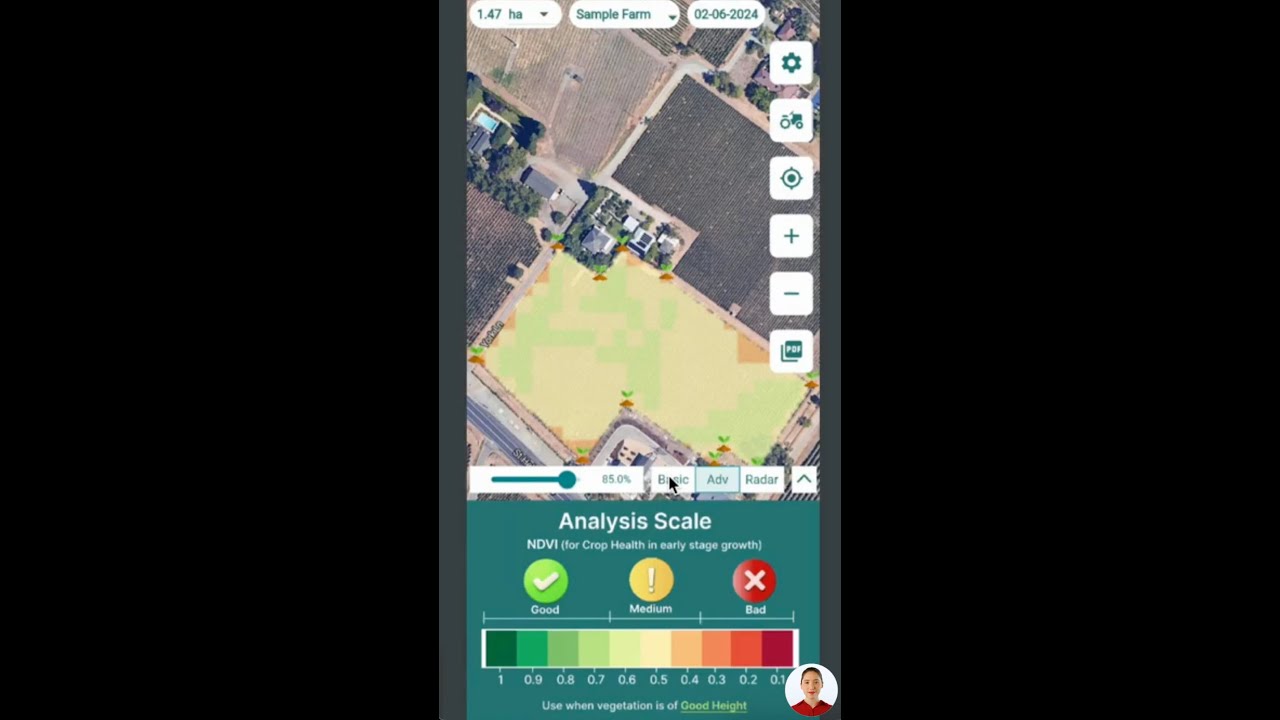
NDVI Value Ranges & Interventions by Growth Stage
- Flowering: NDVI 0.55–0.70 (canopy expanding, moderate risk of powdery mildew and anthracnose)
- Fruit Set: 0.65–0.80 (peak vigor, monitor pests: Bactrocera oleae, olive moth)
- Fruit Growth/Oil Accumulation: 0.65–0.85 (NDVI below 0.65 = stress, address K, P, S, Zn deficiencies, optimize irrigation)
- Ripening/Harvest: 0.60–0.75 (begin monitoring for fruit fly, black scale as oil accumulates; slight NDVI dip natural)
- Dormancy: 0.30–0.50 (low metabolic activity; plan spring fertilizer/organic applications based on NDVI/soil data)
By syncing interventions with NDVI readings and actual phenological stage, olive yield in Greece is maximized while minimizing unnecessary input costs and environmental impacts.
Boost consumer trust with blockchain-based olive product traceability. Prove origin, sustainability, and supply chain transparency to premium global markets—powered by satellite verification and digital recordkeeping.
Advanced Soil Insights: Nutrient Mapping & Management for Olive Yield Boost
Why Soil Health Is Non-Negotiable for Olive Trees
The soil beneath your olive trees is the engine driving nutrient and water uptake. Key physical and chemical attributes—pH, salinity, organic carbon (SOC), K, P, N, S, Zn—influence tree vigor, fruit quality, oil accumulation, and disease resistance. Soil with optimal composition—including pH (6.5-7.5), moderate salinity, SOC >1%, and sufficiency ranges for macronutrients and micronutrients—results in robust, high-yielding olives.
In 2025, advanced soil nutrient mapping marries historical laboratory data with real-time satellite (NDVI/SAVI) analytics to pinpoint:
- Hotspots of low nitrogen, phosphorus, potassium, sulfur, or zinc (all vital for the mediterranean olive’s unique oil/fatty acid profile).
- Soil pH drift or localized high salinity risk (due to intensive fertigation or poor drainage).
- Criticality and spatial gaps (gaps) requiring immediate or scheduled applications of fertilizer—by type, rate, and timing.
- Organic amendment needs to restore carbon and microbial health, especially for drought/heat stressed or aging groves.
In Laconia (Greece) 2025, for instance, a soil test revealing moderate P (10 kg/acre vs. ideal 20.5), K (100 vs. 182), S (5 vs. 13.7), and Zn (0.5 vs. 1.8) called for a precisely calculated application of superphosphate, potassium sulfate, gypsum, and zinc sulfate—delivered in split, safe single doses, fully aligned with NDVI-guided growth stages and canopy health.

Optimal Nutrient Ranges & Sources for Mediterranean Olive Cultivation
Sufficiency range (kg/acre), 0-15cm depth (Source: regional guidelines, FAO, 2021, Marschner):
- Nitrogen (N): 9.1-18.2 for fruit development; sources: ammonium nitrate, urea, compost (organic)
- Phosphorus (P): 13.7-27.3; sources: superphosphate, bone meal
- Potassium (K): 136.5-227.5; sources: potassium sulfate, wood ash
- Sulfur (S): 9.1-18.2; sources: gypsum, compost
- Zinc (Zn): 0.9-2.7; sources: zinc sulfate, compost
Action is only recommended when the observed actual (current) nutrient is below or near threshold. If NDVI is depressed for stage (e.g., 0.59 at Fruit Accumulation), immediate intervention is key to closing potential yield gaps.
Typical chemical application rates are calculated using known nutrient content, adjusted for safe single doses and split over recommended days in stage. For example, if 10.5 kg P is needed, and superphosphate is 18% P, max/safe dose per event is 3.85 kg/acre. For organic, compost rates are calculated by nutrient % and incorporated pre-rain for maximum efficiency.
The Role of Soil Organic Carbon (SOC)
SOC is critical for Mediterranean olives due to its influence on water retention, nutrient cycling, and microbial activity. A value below 0.15% (as sometimes observed in Greece and Tunisia) is considered critically low—requiring urgent incorporation of organic matter such as compost or cover crop biomass for rejuvenation. Increasing SOC to 1.5-3.0% substantially improves drought resilience and yield stability, meeting FAO and EU (2023) climate targets.
Access tailored financial solutions for your grove. Learn more about satellite-based crop loan and insurance verification. Use NDVI and soil data to streamline loan applications, reduce fraud, and secure risk-adjusted crop financing—ideal for olive producers in Greece and Mediterranean regions.
Precision Irrigation: Maximizing Water Use with NDWI and Drip
How Satellite-Driven Irrigation Decisions Transform Olive Yield
- NDWI (Normalized Difference Water Index) analyzes current canopy and soil moisture conditions—guiding precisely when and where to irrigate. Indices below 0.3, when paired with NDVI < 0.65 during active growth, trigger increased irrigation frequency and volume.
- Drip irrigation (the standard in most Greek groves by 2025) delivers water directly to the root zone. This minimizes water loss, reduces weed pressure, and enables direct fertigation (nutrients delivered in solution)—avoiding salinity buildup in the wider root zone. All major fertilizer applications (N, P, K, S, Zn) can be delivered via drip unless otherwise specified.
- 2025 in Laconia or Crete: Olive trees at fruit accumulation stage (September) with NDVI 0.59 vs. ideal 0.65–0.85 and NDWI 0.58 (improving) trigger 4.5mm irrigation every other day, via drip, to optimize fruit oil content and pre-harvest yield.
- Red NDWI, High Salinity: Drip irrigation with lighter, more frequent events allows soil leaching, reducing salt stress.
Water quantity and frequency are calculated by combining daily reference evapotranspiration (ET0), NDVI trend, and stage-specific crop coefficient (Kc):
Daily irrigation (mm) = ET0 x Kc (typically 0.6–0.8 at fruit set to ripening)
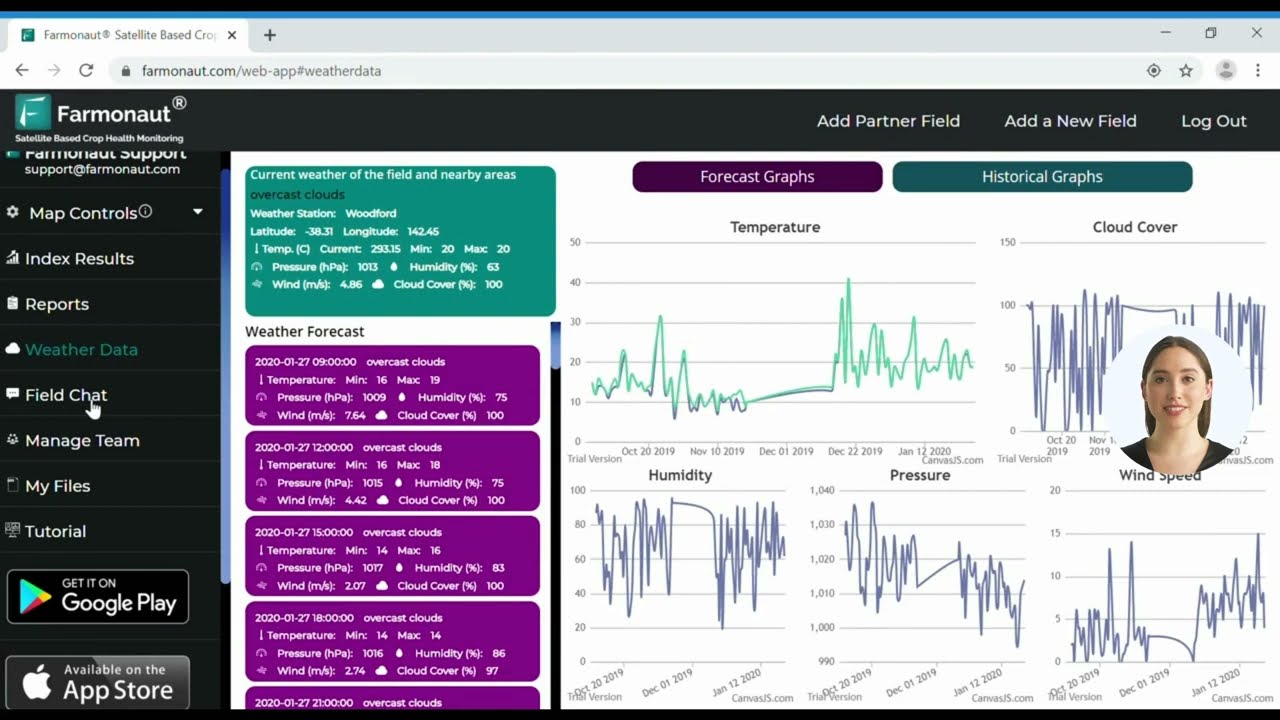
- Irrigation events are skipped for days with significant rain or adequate NDWI trends, and quantities are adjusted based on current stress (NDVI/NDWI deviations, predicted pest surge, or approaching harvest).
Irrigation Optimization Key Takeaways for 2025
- Monitor NDVI/NDWI weekly to prevent under- or over-irrigation during fruit criticality and late oil accumulation.
- Combine soil moisture sensor data (if available) with satellite analytics for confirmation.
- Time irrigation events early morning (05:00–09:00) to minimize evapotranspiration losses.
- Adopt precision fertigation via drip—reducing input costs, environmental impact and improving canopy health.
Pest & Disease Control: Data-Driven Strategies Using NDVI and Regional Mapping
Key Pests & Diseases for Mediterranean Olives (2025+): Integrated Control with Remote Sensing
Olive health in Greece depends on timely control of endemic pests and diseases, integrated with stage/NDVI-informed stress detection. Primary threats include:
- Olive fruit fly (Bactrocera oleae): Directly impacts fruit quality, oil content, and shelf life; high-risk during fruit growth/oil accumulation and ripening.
- Olive moth (Prays oleae): Affects flower, fruitlet, and maturing fruit—compounding yield losses in critical years.
- Black scale (Saissetia oleae): Produces honeydew, promoting sooty mold, weakening canopy photosynthetic capacity.
- Peacock spot (Spilocaea oleagina): Defoliating fungal disease; risk increases with autumn humidity, especially in low NDVI canopies.
- Verticillium wilt (V. dahliae): Soil-borne, persistent in carbon-poor soils, significantly reducing tree yield or causing mortality.
- Anthracnose (Colletotrichum spp.): Fruit rot at late ripening; sudden NDVI dip in high humidity is diagnostic.
High-risk periods for fly and scale coincide with low or dropping NDVI (<0.65 at fruit growth onward). NDWI peaks post-irrigation or autumn rain demand vigilance for disease onset (e.g., peacock spot, anthracnose).
Recommended Technical Approach to Data-Driven Pest & Disease Control
- Predict outbreak risk using NDVI, phenological stage, weather forecast, and known local advisories.
- When NDVI drops or fails to reach target for stage, cross-reference with pest/disease prediction models to trigger chemical (spinosad bait for fly, copper fungicide for spot) or organic interventions (mass trapping, pruning, compost application for resilience).
- Schedule intervention as close to flight/humidity windows as possible, using satellite-supported probability mapping for cost-effective and environment-friendly control.
Integrated pest management in Greece 2025 relies on this synergy—timing, product type (chemical vs. organic), and localized action for optimal control and minimal residue.
Optimize your in-field operations with Farmonaut Fleet Management. Track vehicles and spray equipment in real-time, reduce fuel and input handling costs, and rapidly deploy teams based on NDVI/pest mapping data, maximizing labor efficiency for large-scale olive groves.

Technical Data Table: Impact of Advanced NDVI & Soil Insights on Olive Yield Optimization (2025)
| Phenological Stage | NDVI Value Range (Estimated) |
Soil Nutrient Status | Recommended Action | Estimated Irrigation Volume (L/tree/event) |
Pest/Disease Risk Level | Estimated Yield Increase (%) |
|---|---|---|---|---|---|---|
| Flowering | 0.55 – 0.70 | High N, moderate K & Zn required | Apply ammonium nitrate, potassium sulfate, zinc sulfate; monitor NDVI weekly | 2.0 – 2.5 | Moderate (Peacock spot, moths) | +8% (baseline) |
| Fruit Set | 0.65 – 0.80 | N, K at ideal, Zn moderate | Maintain balanced fertilization; increase irrigation if NDWI <0.35 | 3.0 | Moderate (Olive fruit fly) | +10% |
| Fruit Growth / Oil Accumulation | 0.65 – 0.85 | P, K, Zn moderate to low; SOC <1.0% | Apply superphosphate, potassium sulfate, zinc sulfate, compost; schedule irrigation every other day | 4.0 – 4.5 | High (B. oleae, black scale) | +15% (NDVI-optimized) |
| Veraison / Ripening | 0.70 – 0.85 | P, K at ideal, Zn moderate, S moderate | Drip irrigate as per NDWI data; copper fungicide for spot risk | 4.0 | High (Anthracnose, spot, fly) | +18% |
| Harvest | 0.60 – 0.75 | Generally optimal; monitor SOC trend | End irrigation 5-7 days pre-harvest | 2.5 (finals only if needed) | Moderate (storage rots post-harvest) | +15% (optimal moisture & nutrition) |
| Dormancy | 0.30 – 0.50 | Nutrients stable; apply compost if SOC<1% | Minimal—0.5-1.0 for tree health | Low | Baseline/No increment |
*Table data summarizes 2025 recommendations for Greek olive groves using advanced remote sensing and soil diagnostics. NDVI-optimized management is consistently associated with double-digit percent yield increases vs. traditional approaches owing to targeted irrigation, nutrition, and pest control.
Oversee vast olive assets with Large Scale Farm Management tools. Manage block-level NDVI, monitor pest advisories, schedule interventions, and access compliance-ready reports—all from a single dashboard, vastly improving operational efficiency for corporate growers and cooperatives.

Farmonaut: Empowering Future-Ready Olive Farming
Why Farmonaut Stands Out for Data-Driven Olive Agronomy
As a pioneering satellite technology company, we at Farmonaut leverage multispectral satellite imagery, AI, and blockchain to deliver affordable, actionable insights for Mediterranean olive and agricultural management. Our platform—accessible by Android, iOS, web app, and API—equips all stakeholders:
- With real-time NDVI, NDWI analytics for every block, orchard, or regional cluster.
- Data-driven fertilizer, irrigation, pest, and organic management advisories—calculated for actual growth stage, weather, and soil data.
- Environmental impact monitoring for carbon, water, and resource sustainability—meeting FAO and EU mandates.
- Blockchain-backed traceability for production and quality reporting (olive oil, table olives) in export markets.
- Tailored finance and insurance tools for risk-adjusted loan processing using satellite field verification—reducing fraud for local banks.
- Modular scaling: Our subscriptions allow small olive farmers to tap into the same high-tech insights as mega-growers and government agencies.
Through our Jeevn AI advisory system, we enable instant recommendations (fertilizer rate, ideal irrigation, current stress zones, optimal harvest periods) across mobile and web platforms, with API integration for large-scale, automated monitoring.
Start now — monitor, act, and grow more, for less.

FAQs on Advanced Olive Yield Optimization (2025+)
What is NDVI and why is it crucial for olive yield in Mediterranean regions?
NDVI (Normalized Difference Vegetation Index) is a remote sensing index derived from satellite imagery, indicating canopy health, growth, and stress. In olives, it enables timely intervention for irrigation, nutrients, and pest control, directly correlating to higher yields and oil content—especially important in water-limited, high-value Mediterranean groves like those in Greece and Tunisia.
How do I interpret NDVI values for my grove?
Typical healthy NDVI values for olives during fruit growth/oil accumulation in Greece (2025) are 0.65–0.85. Readings below this suggest stress due to nutrient gap, pest outbreak, drought, or salinity. Satellite platforms like Farmonaut provide colored risk maps and stage-aligned recommendations.
What is the best irrigation method for olive trees in Greece in 2025?
Drip irrigation is recommended due to its water efficiency, direct nutrient application capability, and minimal risk of salinity buildup. Events are calculated based on weekly NDVI/NDWI and local evapotranspiration, with frequency and quantity adjusted for crop stage and soil conditions.
How can advanced soil mapping reduce fertilizer costs in my orchard?
By mapping exact nutrient levels and needs using regional guidelines (e.g., FAO, 2021) and actual satellite-assessed canopy development, you avoid blanket applications, instead targeting only required chemicals or organics. Studies in the region have shown fertilizer usage can be reduced by up to 22%, with no compromise on yield—often, with an increase due to improved precision.
Which olive pests and diseases can be managed through data-driven strategies?
Key pests like Bactrocera oleae (olive fruit fly), black scale, and moth, and diseases such as peacock spot, anthracnose, and verticillium wilt, are all mapped and forecasted with NDVI, phenology, and local weather data. Both chemical (spinosad, copper) and organic (mass trapping, compost) can be timed optimally according to actual risk.
How do I get started with remote management for my olive grove?
You can access Farmonaut’s subscription-based remote sensing insights via web, Android, or iOS apps. For larger operations, integrate our satellite API into your farm management system. Visit Farmonaut Applications or our API portal for more details.
Conclusion: Advanced NDVI & Soil Analytics — The Defining Edge for Greek Olive Production in 2025
Data-driven management—centered on NDVI, NDWI, and advanced soil composition analytics—ushers in a new paradigm for olive yield optimization in Greece and across the Mediterranean. In 2025 and beyond, integrating real-time remote sensing, stage-precise irrigation, targeted nutrient management, and predictive pest/disease advisory offers:
- Increased yield—by up to 18% in NDVI-optimized, precision-managed groves.
- Reduced input costs—via 22% less fertilizer and water waste.
- Greater sustainability—improving food security, environmental health, and meeting international market demands.
- Real-world profitability—as labor, water, and resource constraints grow.
Responsive digital platforms like Farmonaut allow Greek olive growers, agricultural businesses, and agronomists to monitor, predict, and optimize every aspect of production—from the sky down to the rooting zone. The future of olive farming is not guesswork; it’s science, data, and satellite precision.
Take the next step for your Mediterranean olive grove—embrace satellite-driven, precision agriculture, and set the standard for global excellence by 2025. Discover more at Farmonaut.

 Elders
 Agritein
 Delicio
 Payagri
 WB Dev
 Sama Premium
 Prochecker
 Tres Valles
 LACOS Geoinformation
 Magrifly
 LatConnect 60
 WebsEdge
 Blickwinkel
 Agricultural Credit Policy Council
 Marei Nursery
 eKGIS
eKGIS Mostas Tech
 Andex
Andex FCF India
