

1800 Gold Rush, 1890 Gold Rush, Gold Rush Star Lessons: The Legacy and Modern Industry Insights for 2025
“The 1800s gold rushes increased regional populations by over 300%, accelerating town and railway development.”
Table of Contents
- Introduction: Why Gold Rushes Still Matter in 2025
- Historical Context: The 1800 & 1890 Gold Rushes
- Comparative Table: 1800 Gold Rush, 1890 Gold Rush & Gold Rush Star Lessons for 2025
- Infrastructure & Development During the Gold Rushes
- Impact on Regional Economies, Migration & Towns
- Evolution of Mining Practices: From 1800 to 2025
- Environmental Legacy & Restoration in Gold Mining Regions
- Lessons from the Past for Sustainable Industry Future (2025+)
- Modern Mining: Farmonaut’s Role in Sustainable 21st Century Gold Rushes
- Forestry & Agriculture: Insights from Mining Regions
- Balancing Resource Extraction & Community Well-Being
- Conclusion: Embracing the Gold Rush Star’s Lessons for 2026 and Beyond
- FAQ: 1800 Gold Rush, 1890 Gold Rush & Modern Mining
Introduction: Why Gold Rushes Still Matter in 2025
The 1800 gold rush and subsequent 1890 gold rush events stand as towering milestones in the history of mining, shaping regions, infrastructure, and economies unlike any phenomenon before them. The allure of gold triggered massive migration, economic booms, and intense social transformations. As we analyze their enduring legacy in 2025 and look ahead to 2026 and beyond, it becomes clear that the “gold rush star” metaphor—representing fleeting brilliance and sudden decline—carries valuable lessons for the modern industry and sustainable practices in mining, forestry, and agriculture.
This blog delivers a data-driven, informative overview of how nineteenth-century rushes ignited technological advancements, generated and dwindled entire towns, and left enduring marks on local environments. We’ll explore how those historical events directly informs the current crossroads in the sustainable management of resource extraction and regional development—offering concrete insights for 2025 and beyond.
Historical Context: The 1800 & 1890 Gold Rushes
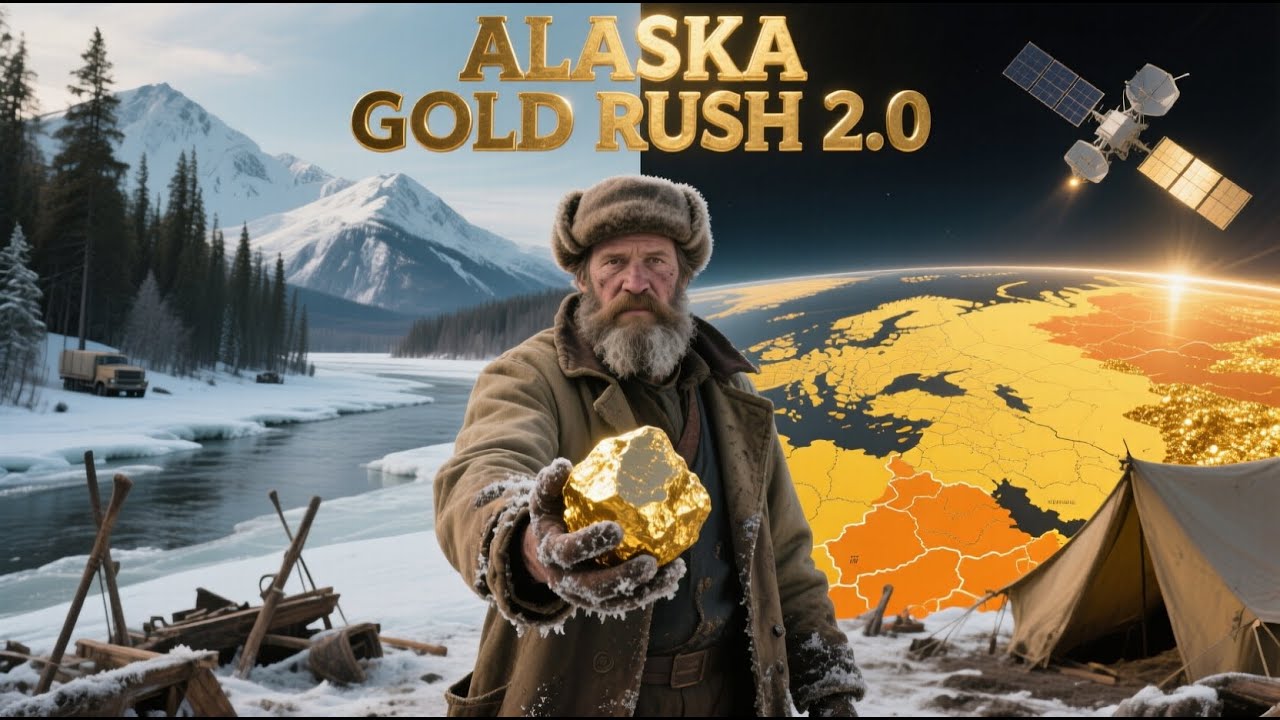
The 1800 gold rush—epitomized by the legendary California Gold Rush (starting 1848)—set off a chain of transformative events that defined the 19th century. Within months, thousands of prospectors flooded remote areas, seeking fortune in rivers and mountains. Subsequent rushes, like the Klondike Gold Rush in the late 1890s, magnified these trends, bringing fresh waves of migration and catalyzing new infrastructure development across the western United States and northern Canada.
The “gold rush star” became a nickname for these boom towns—once shone brightly as epicenters of gold extraction, only to dwindle or vanish as surface gold was exhausted. This classic phenomenon of fleeting yet intense boom demonstrates both the promise and peril of resource dependency. These historic rushes remain vividly imprinted on regional economies and infrastructure, their legacy continues to resonate in today’s mining industry and sustainable development strategies.
- California Gold Rush (starting 1848): Sparked the largest voluntary peacetime migration in U.S. history, fundamentally reshaping the economies and infrastructure of the western United States.
- Klondike Gold Rush (late 1890s): Unleashed intense activity in northern Canada and Alaska, followed by similar rushes in Australia and South Africa.
- The rise and fall of these centers reveal patterns of reliance and vulnerability within resource-driven economies.
Did you know? The term “gold rush star” metaphorically refers to towns and regions that burn with economic activity for a brief period during gold booms, before fading as quickly as they rose.
Comparative Table: 1800 Gold Rush, 1890 Gold Rush & Gold Rush Star Lessons for 2025



Infrastructure & Development During the Gold Rushes
The surge of economic activity during the gold rushes was instrumental in spurring infrastructure advancements. Trails carved by hopeful prospectors were eventually formalized into roads and railways, forging new connections between previously isolated areas. Towns like San Francisco, Yukon, and Ballarat rose seemingly overnight—hotbeds of commerce, trade, and service industries supporting both miners and their families.
- California (1848–1855): Rapid railway expansion supported gold transport, catalyzing long-term regional economic output.
- Klondike & Northern Canada (1896–1899): New towns, bridges, and telegraph lines facilitated mining operations and gave rise to lasting settlements.
- In both cases, networks built during this era remain critical for transportation and general commerce today.
Notably, regions like Australia saw up to a 20% increase in GDP, thanks to thriving gold extraction driving new rail and urban infrastructure—laying the foundation for sustainable industry practices seen in current operations.
“By 1890, gold mining contributed nearly 20% of Australia’s GDP, laying groundwork for today’s sustainable industry practices.”
Impact on Regional Economies, Migration & Towns
The gold rushes of the 19th century were not simply exercises in mining—they catalyzed a sweeping reordering of regional economies and societies. With massive waves of migration, establishment of towns, and the rise of commerce, they generated economic booms that spurred development well beyond the surface extraction of gold.
- Population Growth: Many prospecting regions saw population increases exceeding 300% within a few years.
- Town Formation: Boom towns like Dawson City, Ballarat, and Denver shone brightly, then watched populations dwindle as gold deposits were exhausted.
- Economic Diversification: Legacy infrastructure (roads, rail, services) continued to benefit local economies even after mining waned, underscoring the importance of diversification.
The phenomenon of the “gold rush star” demonstrates that resource-dependent economies face critical challenges unless they establish broad economic foundations beyond the initial boom.

Evolution of Mining Practices: From 1800 to 2025
Mining technology evolved rapidly over the course of the 1800 gold rush and the 1890s booms:
- Simple Techniques (1800s): Placer mining—using pans, cradles, and sluice boxes—was predominant.
- Advanced Methods: The push for efficiency brought about complex hydraulic mining and sluicing methods in mid- to late-century.
- Industrialization: Steam-powered equipment, stamp mills, and improved mechanical separation expanded yield but also increased the scale of environmental disturbance.
- Environmental Consequences: Techniques like hydraulic mining caused deforestation, river sedimentation, and severe soil disruption, highlighting the need for modern sustainable management.
As we approach 2026 and beyond, mining operations are shaped by these historical lessons—placing emphasis on responsible extraction, stakeholder engagement, and the adoption of digital technologies to minimize environmental harm.

Environmental Legacy & Restoration in Gold Mining Regions
The environmental impact of the historic gold rushes was severe, and its legacy is even now visible in soil, waterways, and ecosystems across California, the western United States, northern Canada, and Australia. Deforested valleys, altered river courses, and toxic tailings stand as a reminder of the urge for rapid resource extraction with little initial regard for ecological outcomes.
Modern reclamation practices in mining areas now focus on soil restoration, water purification, and biodiversity recovery. Advances in satellite monitoring provide environmental scientists and regulators with real-time insights into landscape changes—enabling more effective management, compliance, and remediation.
- Reforestation: Modern projects focus on planting native species and restoring agricultural viability to lands once scarred by mining.
- Soil Improvement: Initiatives driven by remote sensing and precision agriculture offer data to target nutrient replenishment.
- Waterway Remediation: Digital monitoring supports the management of sediment and pollution in recovered areas.
Such approaches signal a move towards sustainability in 2025 and beyond, directly informed by lessons from the past.

Discover how Farmonaut’s carbon footprinting dashboard allows industries and governments to measure, monitor, and reduce their environmental impact in mining and agriculture. This tool supports sustainable management and regulatory compliance using actionable satellite data.
Lessons from the Past for Sustainable Industry Future (2025+)
The “gold rush star” metaphor reminds us of the dangers of resource dependency and the need for robust, forward-thinking management practices. The collapse of boom towns after surface gold was exhausted underscores the importance of economic diversification, community engagement, and resilient infrastructure.
- Infrastructure Investment: Modern projects must not only serve mining, but also ensure long-term regional development—improving transportation, education, and healthcare for local communities.
- Economic Diversification: Post-mining landscapes should support agriculture and forestry—reducing reliance on volatile resource markets and promoting community well-being.
- Sustainable Practices: Stakeholders must balance extraction with effective environmental and social management.
By using advanced technologies—satellite-based monitoring, blockchain traceability, and AI-driven advisory—the modern mining industry can avoid the pitfalls of the past, strengthening both profitability and ecological health.

See how Farmonaut’s blockchain-based product traceability solution supports transparency in the gold mining supply chain. This tool enables secure, verifiable tracking from extraction to end-user—minimizing fraud and building trust globally in the mining industry.
Modern Mining: Farmonaut’s Role in Sustainable 21st Century Gold Rushes
Today, sustainable gold extraction is driven by data and technology. Satellite imagery, AI, and blockchain have become critical components in monitoring operations, improving resource management, and minimizing environmental footprint.
We at Farmonaut provide actionable satellite-based insights through our platform and API (Farmonaut API; developer docs: view documentation here). Our mission is to make advanced monitoring affordable and accessible for businesses, governments, and stakeholders in mining, agriculture, and infrastructure—delivering tools such as:
- AI-based Advisory: Real-time weather and mining advice for optimized decision-making.
- Real-time Environmental Monitoring: Track carbon footprint, deforestation, and reclamation for compliance and reporting.
- Fleet & Resource Management: Remotely track vehicles and equipment for cost savings and safety. Our fleet management module simplifies logistics and reduces inefficiencies in large-scale mining and agricultural projects.
- Traceability: Leverage blockchain for secure, transparent resource flow—from extraction to delivery, reducing fraud and ensuring ethical sourcing.
Our modular, scalable solutions ensure that both small-scale operators and industry leaders can adapt to the modern challenges facing resource management in 2026 and beyond.

If your focus is post-mining reclamation, discover how Farmonaut’s crop plantation and forest advisory system leverages AI to recommend optimal reforestation, improve soil health, and support sustainable land use transformation in former mining regions.
Forestry & Agriculture: Insights from Mining Regions
Many mining regions that witnessed historic rushes are now areas of fertile soil and diverse ecosystems. As mining activity subsided, reclamation efforts allowed for the growth of forestry and agriculture—critical for food security, local economies, and biodiversity in the modern era.
- Reforestation: Strategically planted forests on old mines provide timber, sequester carbon, and stabilize the environment.
- Enhanced Agriculture: Improved soil and restored waterways support crop yields, contributing to regional resilience.
- Land-use Planning: Integration of mining, agriculture, and forestry demonstrates the value of cross-sectoral management informed by historical context and modern insights.
We at Farmonaut enable stakeholders to monitor soil, vegetation, and forestry with real-time satellite tools—empowering sustainable land use transformation, reclamation, and precision agriculture.

For large agricultural enterprises reclaiming post-mining lands, Farmonaut’s large-scale farm management platform offers seamless coordination, crop health monitoring, and resource optimization—backed by satellite, AI, and actionable farm data.
Farmonaut Subscriptions: Make Data-Driven Decisions for Sustainable Resource Management
We provide flexible, scalable subscription packages suited to individual users, businesses, and governments looking for satellite-based monitoring, traceability, and advisory tools for mining, agriculture, and infrastructure projects.
Balancing Resource Extraction & Community Well-Being
The enduring impact of the 1800 gold rush, 1890 gold rush, and gold rush star remains a touchstone for modern industry. The critical challenge is ensuring that mining operations deliver lasting benefit for local communities—through expanded infrastructure, education, and healthcare, not just short-term booms.
As we progress towards 2026 and beyond:
- Policymakers & industry stakeholders increasingly champion diversification—building on the lessons of vanished boom towns.
- Digital tools (like Farmonaut’s API) enable remote management, compliance, and data transparency—reducing risk and enhancing trust among business, government, and community.
- Financial institutions benefit from satellite-based loan and crop insurance verification—empowering broader access to financing for both agriculture and mining sectors.
Conclusion: Embracing the Gold Rush Star’s Lessons for 2026 and Beyond
The legacy of the 1800 gold rush, 1890 gold rush, and the gold rush star remains one of both promise and peril—a vivid warning about resource dependency, but also a blueprint for economic opportunity, infrastructure development, and resilient management. Modern industry in 2025 takes these historical lessons seriously, integrating sustainable practices, community focus, and technological innovation for a more balanced future.
We at Farmonaut remain dedicated to advancing sustainability, transparency, and operational excellence across mining, agriculture, and infrastructure sectors through affordable, data-driven solutions and cutting-edge technologies.
The star of the gold rush era may have faded, but its insights shine ever more brightly in the era of remote sensing, AI, and digital transformation—guiding how stakeholders manage resources, nurture local communities, and conserve our planet for generations to come.
FAQ: 1800 Gold Rush, 1890 Gold Rush & Modern Mining
What was the main impact of the 1800 gold rush on regional economies?
Why are the gold rushes of the 19th century important for today’s mining industry?
What is the ‘gold rush star’ and how does it relate to modern sustainability goals?
How does Farmonaut support modern mining and agriculture?
Can land used for historical mining be restored for forestry and agriculture?
What are the main lessons for the mining industry in 2025 and beyond?
Where can I get started with Farmonaut’s solutions?
How is traceability supported in modern gold mining?
What resources are available for large-scale farm management in reclaimed mining areas?
Discussion
Questions, corrections or field experience? Share them below. First-time comments are reviewed before they appear, and your email is never published.
No comments yet. Be the first to add a question or your experience.

 NTS Group (Pty) Ltd
 Mine4Africa
 Lithspo Minerals Limited
 Tintina Mining Group
 Dalgety Minerals Pty Ltd
 Vortex Minerals Pty Ltd
 Faith At Work (Pty) Ltd
 Geotech Mining Solutions plc
 Vulcan International Limited
 Kidepo Associates
 GKY Mining
 Alkimy SARL
 Double A Trading
 GemSprout Metals Limited
 Qader Group
 Ileys General Trading
 SG Gold Mining LLC
 VRV Global Pte Ltd
 Omsri International FZE
 G.I.T.T.
 Jaunita Erss Ltd
 Almosi SARL
 SRK Consulting
 Berks Gold Limited
 Mwerezi Minerals Company Limited
