

Advanced Exploration Techniques: Gold Deposits Innovations 2025
“Over 70% of new gold deposit discoveries in 2025 are expected to use AI-powered geophysical data analysis techniques.”
Introduction: The New Gold Rush in 2025
The quest for gold is a saga that spans millennia, intricately woven throughout the rise and evolution of human civilization. From the riverbeds of ancient civilizations to the heart of challenging, underground terrains in the modern era, gold has fueled economies, conflicts, and dreams. As surface-rich ores diminish, the focus of the mining sector has shifted. In 2025, we’re witnessing a paradigm shift—where advanced exploration techniques harness AI, cutting-edge sensors, sophisticated geophysical and geochemical analysis, and the power of satellite remote sensing to uncover new, economically viable gold sources.
This article delves into the latest, most effective methods shaping the future of gold exploration. By highlighting expert insights and the technologies revolutionizing the industry, we present a roadmap for sustainable, technically advanced, and efficient gold discovery in 2025 and beyond.



Advanced Exploration Techniques for Discovering Gold Deposits: Expert Insights
The phrase ‘Advanced Exploration Techniques for Discovering Gold Deposits: Expert Insights’ isn’t merely a slogan—it encapsulates the fundamental transformation reshaping mining in 2025. As we delve into the tools, methods, and intellect powering these seismic changes, let’s break down each integral component of a modern gold discovery campaign.
- Harnessing AI and Machine Learning: To unlock hidden patterns, reducing exploration risk and cost.
- Integrating Geophysical and Geochemical Data: Comprehensive, multidisciplinary approaches enable geologists to identify subtle anomalies.
- Utilizing Satellite Remote Sensing: Reaching inaccessible or high-risk zones with unprecedented efficiency.
- Precision Drilling and Real-Time Assays: Minimized environmental impact, accelerated feedback, and refined economics.
- Ensuring Sustainability: Embracing environmental responsibility through non-invasive techniques and continuous monitoring—with tools like those we offer at Farmonaut for carbon footprinting and traceability.
Geophysical Techniques: The Backbone of Modern Gold Exploration
In the relentless quest for new gold deposits, geophysical techniques have emerged as the backbone of the industry. As the mining sector becomes increasingly reliant on advanced technology, traditional prospecting is simply insufficient. Today’s gold is often found beneath challenging terrains or deep underground, out of reach of surface reconnaissance.
Airborne geophysical surveys—using the latest electromagnetic (EM) sensors and magnetometers—enable broad coverage with exceptional resolution. Tools like hyperspectral imaging and magnetic gradiometry can delineate mineralogical changes associated with hydrothermal activity, a common deposit formation mechanism. The integration of 3D seismic imaging—now adapted for hard rock mining from the oil and gas sector—offers detailed subsurface maps (with subtle structural changes revealed), aiding in precisely locating ore-bearing structures, faults, and shear zones.
- Airborne EM Surveys: Utilizing advanced sensors to detect conductive anomalies indicative of mineralization.
- Hyperspectral Imaging: Helps delineate alteration zones and identify alteration minerals.
- Magnetic Gradiometry: Detects subtle changes in magnetic signatures associated with gold deposits.
- 3D Seismic Techniques: Gaining traction for hard rock gold exploration, providing structural mapping at depth.

How Geophysics Locates Deep Gold Deposits
By interpreting EM anomalies, mapping magnetization contrast, and integrating multispectral satellite data, geologists can identify prime targets for further drilling. The increased resolution and data fusion possible in 2025 is revolutionizing the industry—accelerating discovery, reducing exploration risk, and optimizing resource allocation.
Notably, AI-driven data analysis—as available through Farmonaut’s API (Access API)—can fuse different geophysical signals with terrain and historical records, identifying complex spatial patterns easily missed by human analysis alone.
Key Benefits: Advanced geophysics reduces “false positives”, prioritizes drill sites, and cuts costs in the high-stakes world of gold exploration.
Geochemical Analysis Enhanced by AI and Machine Learning
Geochemical anomaly detection remains crucial to identifying hidden gold-rich zones. In 2025, we move beyond traditional field sampling and laboratory assays—today’s geochemical analysis fully embraces AI, machine learning, and multispectral drone-based sensors for deeper, more granular insights.
- Multispectral Drones: Scan zones for trace elements and alteration signatures in situ, creating layered data maps.
- AI-Enhanced Interpretation: Sophisticated algorithms parse vast datasets, identifying subtle geochemical trends.
- Machine Learning Models: Enable rapid anomaly classification, reducing human bias and accelerating actionable discoveries.
The integration of geochemical, geophysical, and remote sensing data forms the triangulation approach that is shaping the future of the mining industry. By combining farmonaut’s blockchain-based traceability solutions (read more here), miners and regulators gain transparent, auditable records that streamline both compliance and resource management.
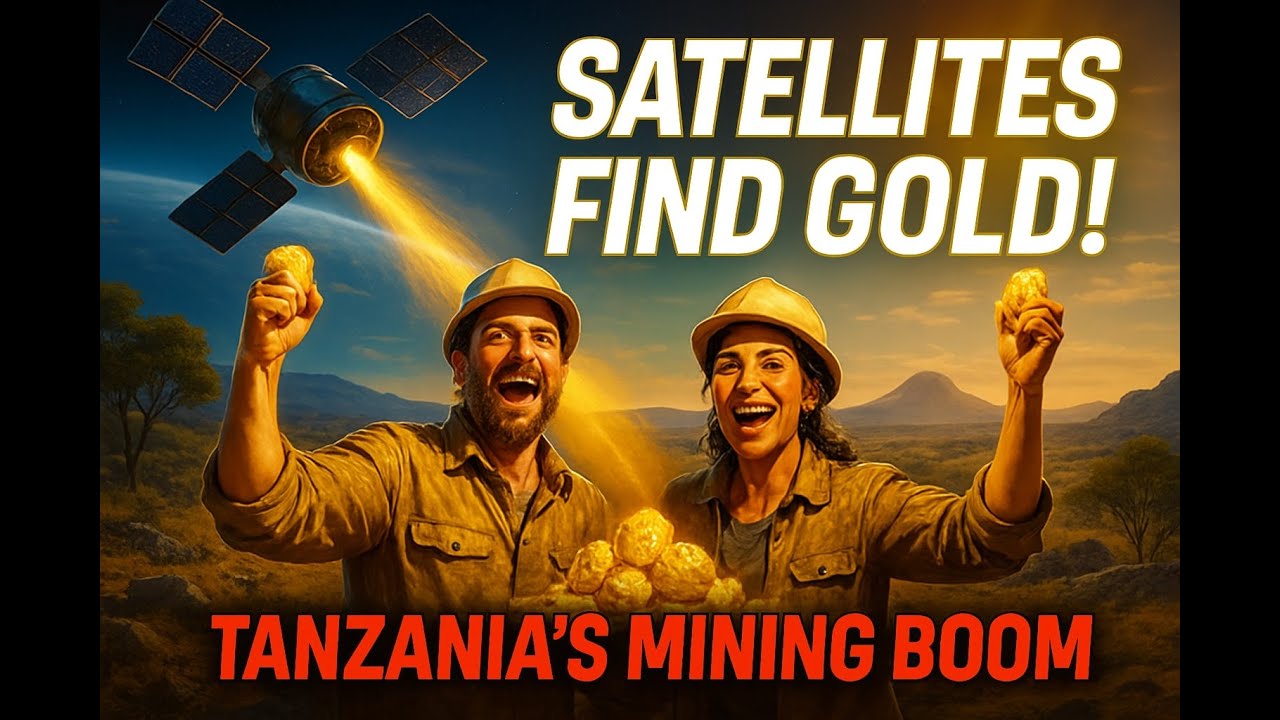
Key Takeaways:
- Sampling becomes continuous, less invasive, and covers a wider area more quickly.
- Data-driven anomaly detection reduces human error and subjectivity.
- Real-time adjustments based on streaming sensor and satellite feeds guide exploration in the field.
- AI/ML is central to the efficient and economically viable discovery of new deposits.
Farmonaut’s AI-Driven Satellite Platform: Game Changer for Mining in 2025
At Farmonaut, we provide on-demand real-time monitoring of mining and environmental zones—leveraging satellite imagery, AI-driven analytics, and advisory via Jeevn AI for mining operations. These solutions help companies lower field expenses, increase discovery efficiency, monitor for compliance, and accelerate target validation across all scales of prospecting. Our subscription platform includes:
- Seamless integration of satellite-based data streams for field teams
- AI/ML-driven anomaly detection to uncover overlooked gold zones
- Environmental carbon footprinting for ESG compliance
- Traceability modules for full chain-of-custody of extracted minerals
Integration of Remote Sensing and Satellite Data
Satellite remote sensing is revolutionizing gold exploration, especially in challenging terrains or environmentally sensitive, remote zones. In 2025, it will become the frontline enabler for global mining companies.
- Synthetic Aperture Radar (SAR): Detects surface deformation and structural changes, mapping faults and shear zones key to mineralization.
- Multispectral and Hyperspectral Imagery: Geologists can identify alteration minerals associated with gold deposits by color signatures and reflectance patterns.
- GIS Integration: Layering satellite imagery with geological and geochemical data, enabling prioritization and real-time mapping of high-value targets.
Remote sensing is indispensable for reducing exploration timelines, minimizing environmental disturbance, and enabling discovery in regions previously out of reach. Our technologies at Farmonaut are engineered to maximize these benefits, delivering intuitive, cloud-based dashboards and fleet management tools for seamless project oversight.

“Remote sensing innovations can now detect gold-bearing zones from satellite imagery with up to 85% improved accuracy in 2025.”
- Example: Modern satellites analyze vast landscapes, instantly flagging subtle changes (like vegetation stress or altered rock chemistry) that indicate gold mineralization.

Advanced Drilling and Sampling Technologies
After high-potential targets are selected through imaging, geophysical, and geochemical analysis, precision drilling is the next critical step in confirming economically viable gold deposits. Advanced drilling tools—borrowed from the oil and gas sector—mean we can reach deeper, sample hard-to-reach zones, and adapt drilling trajectories in real-time.
- Directional Drilling: Navigate complex geology to intercept structurally controlled ore bodies.
- Downhole Sensors: 24/7 feedback on mineral content, structural measurements, and real-time assay (using portable XRF analyzers), accelerating decision cycles.
- Reduced Environmental Impact: Smaller footprints, fewer holes, thanks to targeted drilling plans—aiding carbon footprinting and corporate sustainability efforts.
In 2025, integrated digital workflows (like those we enable at Farmonaut through APIs and satellite mapping) mean drill results, geophysical modeling, and sustainability metrics are aggregated and visualized in real time, for decisive and dynamic field strategy. With satellite-based verification, mining firms and financial institutions can even streamline insurance and financing for new exploration projects.
Efficiency Gains: From Discovery to Resource Modelling
- Years of traditional prospecting can be shortened to months with digital-first exploration strategies.
- Stakeholders—explorers, investors, regulators—get instant access to the same data, reducing risk and driving collaboration.

For organizations scaling up, our large-scale management apps deliver centralized, GIS-linked field and satellite coordination—vital for overseeing high-volume, cross-border or multi-site mineral exploration.
Sustainability and Environmental Monitoring in Gold Exploration
Modern gold exploration is no longer just about discovery; it’s about responsibility. With tighter environmental regulations and growing public scrutiny, sustainability and continuous environmental monitoring have become core to every mining campaign.
- Non-invasive Techniques: Maximizing use of remote sensing and geophysical surveys rather than disruptive ground trials.
- IoT-enabled Sensors: Deployed at field sites to monitor air, water, and soil in real-time, ensuring compliance with local and international standards.
- Environmental Impact Tracking: Farmonaut’s carbon footprinting module delivers actionable analytics on emissions and ecosystem changes for mining operations of any scale.
- Blockchain Traceability: Proves to stakeholders and regulators that supply chains are ethical and that environmental claims can be validated with immutable data.

Why Environmental Monitoring is Critical
- Maintains community and regulatory trust
- Builds resilience against litigation or project delays
- Enables access to green finance and sustainability-linked insurance
- Ensures viability in an era of ESG-first investing
In 2025, mining companies shifting to real-time, automated environmental reporting will be the ones that thrive and attract investment.

Comparison of Advanced Gold Exploration Techniques (2025)
Understanding the relative performance of different exploration techniques is paramount for industry decision-makers. Below is a comprehensive comparison table to help you decide the best-fit strategy for your project:
| Technique | Brief Description | Key Innovations (2025) | Estimated Detection Accuracy (%) | Estimated Exploration Speed (km²/day) | Environmental Impact | Cost Estimate (USD/km²) |
|---|---|---|---|---|---|---|
| AI-Based Analysis | Automated pattern recognition in geophysical, geochemical, and satellite data for anomaly detection | Real-time field-to-cloud integration, anomaly clustering, deep learning | 92–97 | 500+ | Low | $450–$950 |
| Geophysical Surveys | Airborne or land-based EM, magnetic, and seismic mapping of subsurface structures | 3D seismic, hyperdense gradiometry, drone-deployed mini-sensor arrays | 85–94 | 250–400 | Medium | $1100–$1800 |
| Remote Sensing | Satellite and airborne multispectral, hyperspectral, and SAR imaging | Automated zone mapping, cloud-detection algorithms, customized mineral indices | 87–93 | 700+ | Low | $650–$1,300 |
| Advanced Drilling | Directional, core, and reverse circulation drilling with real-time sensors | Portable XRF, IoT drilling rigs, AI-linked resource modelling | 94–98 (when guided by integrated data) | 40–120 | Medium–High* | $2250–$6,000 |
*Environmental impact for drilling can be reduced with targeted, data-driven drilling plans rather than broad, blind exploration.
How Farmonaut Drives Gold Exploration in 2025 and Beyond
At Farmonaut, our mission is to make satellite-driven insights accessible and affordable across global mining landscapes. We harness the very advanced exploration techniques described in this article—satellite monitoring, AI-powered anomaly detection, blockchain traceability, and resource optimization—so that mining stakeholders, big and small, benefit from a seamless, data-driven workflow.
- Integrated Monitoring: Satellites track exploration zones 24/7; NDVI and custom indices support mineralization analysis.
- Real-Time Environmental Compliance: Carbon and sustainability metrics synced to your operations (learn more).
- Scalable Fleet and Resource Management: From small teams to global deployments—fleet logistics for mining equipment.
- Blockchain Traceability: Guarantee supply chain transparency and compliance with new mining standards (product traceability details).
Want to enhance your mining project’s efficiency, sustainability, and profitability? Explore the Farmonaut App for actionable insights:
For developers and large organizations, our API and developer docs enable seamless data and technology integration.
Expert Insights Shaping the Future of Gold Discovery
Across the globe, leading geologists, technologists, and mining leaders converge on one point: the future of gold exploration is synergy. By integrating geophysical, geochemical, and remote sensing data, we’re not just identifying new deposits—we’re optimizing resource allocation and accelerating discovery cycles, making exploration more economical and sustainable than ever before.
- Automation & AI: Drastically reduce human error and enable real-time adjustments during field campaigns.
- Multi-Source Integration: Deep learning platforms can analyze complex, multi-stream datasets, highlighting targets that would have once gone undetected.
- Dynamic Drilling Adjustment: Analytical feedback loops between drilling results, satellite updates, and machine learning models support dynamic, real-time field decision-making.
The fusion of advanced exploration techniques, expert insights, and real-time digital platforms is raising the bar for what’s possible in 2025—ushering in a new era for the global gold industry.
Frequently Asked Questions (FAQ)
- 1. What are the most effective advanced exploration techniques for gold deposits in 2025?
- The leading techniques include AI-enhanced data analysis, airborne and surface geophysical surveys, satellite-based remote sensing, and advanced, precision drilling (using real-time sensors and portable XRF). Integrating these techniques significantly increases detection accuracy, speed, and ROI.
- 2. How does AI and machine learning improve gold exploration?
- AI and machine learning can interpret vast, complex datasets—geological, geophysical, geochemical, and remote sensing—detecting subtle patterns or anomalies often missed by traditional techniques, thereby reducing human error and accelerating discovery timelines.
- 3. Why is remote sensing important in modern mining?
- Remote sensing (both satellite and airborne) allows massive, non-invasive scanning of remote or sensitive areas. Innovations like hyperspectral and multispectral imaging, plus SAR, give geologists the power to detect gold-bearing alteration zones with unprecedented speed and accuracy.
- 4. What sustainability measures are vital in gold exploration?
- Continuous environmental monitoring, non-invasive exploration, accurate carbon footprinting, and blockchain-backed traceability are crucial. These approaches help companies ensure regulatory compliance, social license, and access to ESG-linked finance.
- 5. How does Farmonaut support modern gold exploration?
- We at Farmonaut provide scalable, subscription-based access to satellite-derived data, AI analytics, environmental monitoring, fleet management, and blockchain traceability—all through intuitive web/mobile apps and robust APIs—helping stakeholders make timely, data-driven decisions in 2025 and beyond.
Conclusion & Summary
The age-old quest for gold is being revolutionized by advanced exploration techniques in 2025. Geophysical imaging, AI-powered geochemical analysis, remote sensing via satellite imaging, and precision drilling are converging, each playing a pivotal role in the safe, efficient, and sustainable discovery of new gold deposits.
Expert insights emphasize the importance of an integrated strategy, blending technology with deep geological expertise. Enhanced discovery accuracy, reduced timelines, and less impact on the environment are increasingly within reach, ensuring that society’s gold needs—for electronics, green tech, or global finance—are met responsibly.
Whether you’re a mineral exploration firm, scientist, or policymaker, adopting these advanced exploration techniques—and leveraging tools such as the Farmonaut platform—will be key to discovering and managing the gold deposits of the future.
Please note: Farmonaut is a satellite technology company offering state-of-the-art data-driven insights for mining and resource monitoring; we are not a marketplace, input provider, or regulatory entity. Our focus is clear: empower clients worldwide, of all sizes, to access, manage, and act on the best-available information for exploration, compliance, and success in a rapidly changing industry.
Explore Farmonaut’s API for integration — drive your mining operations with real-time, actionable intelligence in 2025 and beyond. For more about our advanced solutions, read about our carbon footprinting and traceability modules.

 Omsri International FZE
 G.I.T.T.
 Jaunita Erss Ltd
 Almosi SARL
 SRK Consulting
 Berks Gold Limited
 Mwerezi Minerals Company Limited
 Mining SARL
 SenGold Invest SAS
 Sean Mining Limited
 NTS Group (Pty) Ltd
 Mine4Africa
 Lithspo Minerals Limited
 Tintina Mining Group
 Dalgety Minerals Pty Ltd
