

Artisanal Cobalt Mining: 2025 Challenges & Solutions
“Over 60% of global cobalt in 2025 will come from artisanal mines in the Democratic Republic of Congo.”
Artisanal Cobalt Mining in 2025: Navigating Challenges, Embracing Opportunities
Cobalt stands as a critical mineral at the heart of our modern economy, powering everything from smartphones to electric vehicles (EVs), and enabling the green energy transition through its vital role in batteries and fuel cells. As the world pivots rapidly towards decarbonization in 2025, artisanal mining cobalt remains a significant source, especially in the Democratic Republic of Congo (DRC), which alone accounts for over 60% of global cobalt production.
This blog provides an in-depth look at artisanal cobalt, examining supply chain challenges, environmental and social impacts, and the rise of sustainable solutions shaping the sector in 2025 and beyond. We explore how technology, traceability, and innovative programs are offering a viable path forward for miners, local communities, and industries that rely on this indispensable mineral.

What Is Artisanal Cobalt Mining?
Artisanal cobalt mining refers to small-scale, informal mining operations typically conducted by individual miners or small groups using rudimentary tools and techniques. Unlike industrial mining, which is mechanized and thoroughly regulated, artisanal mining cobalt is often labor-intensive, low-cost, and operates in a gray space outside formal oversight.
In the DRC, particularly in remote regions with limited government control, these miners extract cobalt ores—sometimes alongside copper or other minerals—for sale to intermediaries or local processors. The sector is shaped by the following defining features:
- Unregulated Practices: Operations typically lack official monitoring or formal safety and environmental standards.
- Simple Technology: Manual labor and basic tools (shovels, picks, makeshift tunnels) are the norm, with minimal mechanization.
- Informal Structure: Family groups, cooperatives, or loosely organized clusters rather than registered businesses or companies.
- Direct Market Connection: Miners often sell extracted ores to local traders, who then aggregate materials for processors further up the supply chain.
By understanding artisanal cobalt, stakeholders in mining, infrastructure development, energy, and related industries can better assess the challenges and opportunities this sector presents in the evolving global economy.

The Global Significance & Demand for Cobalt
As 2025 unfolds, the world is experiencing continued high demand for cobalt. This mineral is indispensable for the batteries that power electric vehicles (EVs), renewable energy storage systems, and portable electronics, shaping the future of modern technology and infrastructure.
Key drivers of cobalt demand in 2025 include:
- EV Boom: Massive growth in the electric vehicle market, as manufacturers target emissions reduction and governments implement stricter decarbonization policies.
- Energy Storage: Grid-level battery solutions require high-performance materials, with cobalt being a preferred choice due to its energy density and stability.
- Defense & Aerospace: Modern defense infrastructure relies on cobalt-containing alloys for jet engines, electronics, and energy-dense batteries essential to resilience and security.
- Global Production: The Democratic Republic of Congo accounts for over 60% of cobalt production— with the majority of the increase attributed to artisanal mining cobalt operations.
This intense global demand underscores the need for sustainable and transparent supply chains, especially in regions where artisanal miners are a vital yet vulnerable part of the production network.
Economic & Social Dimensions of Artisanal Cobalt Mining
Artisanal cobalt mining is deeply woven into the fabric of local economies in the DRC and other resource-rich regions. For hundreds of thousands, the sector forms a vital livelihood activity, offering much-needed employment and supporting entire families and communities.
Major economic and social features include:
- Livelihood & Income: An estimated 150,000 miners (see trivia below) depend directly on artisanal mining for their survival, especially in areas where alternative employment is scarce.
- Local Economic Backbone: These operations support ancillary businesses—traders, logistics providers, local markets—and contribute to the backbone of local economies.
- Informal Structures: Artisanal mining operates largely outside formal economic structures. Miners lack access to investment, training, and modern technology that could improve productivity and safety.
- Vulnerabilities: The informal nature exacerbates vulnerabilities, as miners frequently face hazardous working conditions—unstable tunnels, exposure to toxic dust, lack of personal protective equipment (PPE), and long-term health impacts.
- Child Labor: Despite international scrutiny, child labor remains an urgent issue. Children are still present in artisanal mines, often attracted by the economic necessity or familial obligations.
“An estimated 150,000 miners will rely on artisanal cobalt mining for their livelihoods by 2025, amid growing sustainability concerns.”
The social dimensions of artisanal mining reveal both its importance and challenges: while it brings livelihoods, its informal, unregulated nature increases the risks for miners and communities alike.

Environmental Impacts of Artisanal Cobalt Mining
The environmental impacts of artisanal cobalt mining are increasingly coming under scrutiny as global sustainability goals take center stage. Primitive extraction methods, heavy reliance on manual labor, and a lack of regulated practices often combine to create a pronounced ecological footprint.
The key environmental concerns in 2025 are:
- Deforestation: Clearing of forested land to make way for mine sites often leads to significant loss of biodiversity and long-term changes to local ecosystems.
- Soil Erosion & Degradation: The absence of planned site development or reclamation means that topsoil and habitat are quickly eroded.
- Water Contamination: Exposure of surface and groundwater to heavy metals (including cobalt, copper, lead) and processing chemicals can contaminate drinking water sources for local communities.
- Air Pollution & Toxic Exposure: Dust and particulates generated during rudimentary extraction and crushing pose health hazards to miners and their families, leading to chronic respiratory illnesses and other toxic exposure risks.
Without sustainable practices and robust environmental monitoring, the impacts of current artisanal mining cobalt activities represent a clear barrier to achieving green economy objectives and protecting vulnerable regions in the DRC and beyond.

Key 2025 Challenges Facing Artisanal Cobalt Mining
The artisanal cobalt sector in 2025 faces formidable challenges that threaten both its sustainability and potential to contribute to responsible supply chains. Understanding these challenges and framing them with concrete data is essential for formulating effective strategies.
Major Challenges in Focus
- Supply Chain Transparency: Ensuring that cobalt sourced from artisanal mines meets ethical standards remains difficult due to the opaque, multi-tiered movement of ores from miners to processors to global buyers.
- Child Labor: Efforts to eliminate child labor have seen mixed results, with significant numbers of children still found working in hazardous conditions in the DRC’s mining areas.
- Environmental Degradation: Artisanal methods continue to inflict heavy damage on landscapes, soil, water, and air quality.
- Market Volatility: Price swings due to fluctuating global demand, changing regulations, or shifts in industrial buyers expose miners to unpredictable incomes, threatening the livelihood of vulnerable communities.
- Health & Safety Risks: The lack of formal safety training and infrastructure leads to frequent injuries, toxic exposure, and long-term health impacts for miners and their families.
- Technological Gap: Limited access to modern tools, mechanized processes, and mining best practices impedes productivity and sustainable growth.
- Social Instability: Competition for mineral-rich land, combined with weak governance, sometimes leads to conflict within and between mining communities.
2025 Artisanal Cobalt Mining: Challenges vs. Solutions Overview Table
| Challenge | Estimated 2025 Impact | Potential Solution | Estimated Solution Effectiveness |
|---|---|---|---|
| Supply Chain Transparency | 85% of artisanal cobalt untraceable to mine of origin | Blockchain tracking, independent audits, traceability platforms | Up to 70% improvement in supply chain visibility |
| Child Labor | 12–15% of artisanal cobalt miners are children (est. 18,000–22,500) | Community education programs, conditional cash transfers, strict enforcement | 50–80% reduction in child labor rates by targeted interventions |
| Environmental Degradation | Deforestation: 9000+ ha/year; water contamination affecting 40,000+ locals | Cleaner extraction methods, real-time impact monitoring, reforestation | 30–60% reduction in ecological damage, improved water and soil quality |
| Market Volatility | Incomes fluctuate by up to 40% year-to-year for miners | Price stabilization funds, cooperatives, direct contracts with buyers | 20–40% income stabilization for mining households |
| Health & Safety Risks | Frequent injuries, chronic illness; PPE use < 30% among miners | Safety training, subsidized PPE, basic healthcare access | 40–70% decrease in workplace incidents & health complaints |
| Technological Gap | Mechanized tools < 10% adoption in artisanal sector | Microcredit for equipment, mobile advisory platforms, field training | Productivity and safety improved by 25–50% |
Sustainable Solutions: The Path Forward for Artisanal Cobalt Mining
Meeting the dual objectives of responsible mineral supply and sustainable development for artisanal cobalt mining means addressing challenges head-on. Significant opportunities now exist for stakeholders—miners, government, NGOs, global corporations, and technology providers—to construct a sustainable path forward in 2025.
1. Formalization and Regulation of Artisanal Mining Cobalt
- Registration & Cooperative Formation: Encouraging miners to form formal cooperatives and register operations creates access to training, investment, and finance.
- Regulated Practices: Formal oversight introduces standard safety protocols and environmental safeguards, mitigating the most significant risks to miners and local communities.
2. Technological Advancement & Training for Miners
- Mechanized Tools: Adoption of safer, more effective extraction methods (portable mineral analyzers, mechanized loaders) enhances productivity and reduces physical strain.
- Mobile Advisory Systems: Leveraging technology, such as AI-driven advisory apps, provides real-time guidance on best practices (see more on Farmonaut solutions below).
3. Supply Chain Innovations & Traceability
- Blockchain-enabled Tracking: Blockchain platforms, such as Farmonaut’s traceability solutions, enable secure, transparent record-keeping at every stage of the cobalt supply chain, from mine to market. This increases buyer confidence and helps eliminate unethical sourcing.
- Independent Audits: Third-party verification ensures compliance with social and environmental standards.
4. Community Development & Alternative Livelihood Programs
- Education & Health Initiatives: Community-based programs provide alternative employment options, keeping children out of mines and in school.
- Healthcare Access: Basic healthcare facilities address the immediate and long-term impacts of toxic exposure and mining injuries.
5. Environmental Stewardship and Impact Reduction
- Monitoring with Satellite Technology: Real-time carbon footprint monitoring tools and habitat tracking can help miners and authorities reduce ecological damage and promote restoration.
- Cleaner Extraction Techniques: Shifting from high-impact practices to sustainable, low-impact methods.
- Reforestation & Remediation: Investing in rehabilitation projects for degraded land creates long-term benefits for local environmental health and community resilience.

Technology, Traceability & Farmonaut in Artisanal Cobalt Mining
The adoption of technology is a powerful enabler of sustainable change in the artisanal cobalt mining sector for 2025 and beyond. As satellite imagery, AI, blockchain, and data platforms become accessible, they offer practical tools to enhance transparency, efficiency, and safety. Farmonaut, as a leading satellite technology provider, demonstrates how these solutions are bridging the gap in mining, infrastructure, and environment monitoring.
How Farmonaut Supports Mining Sustainability
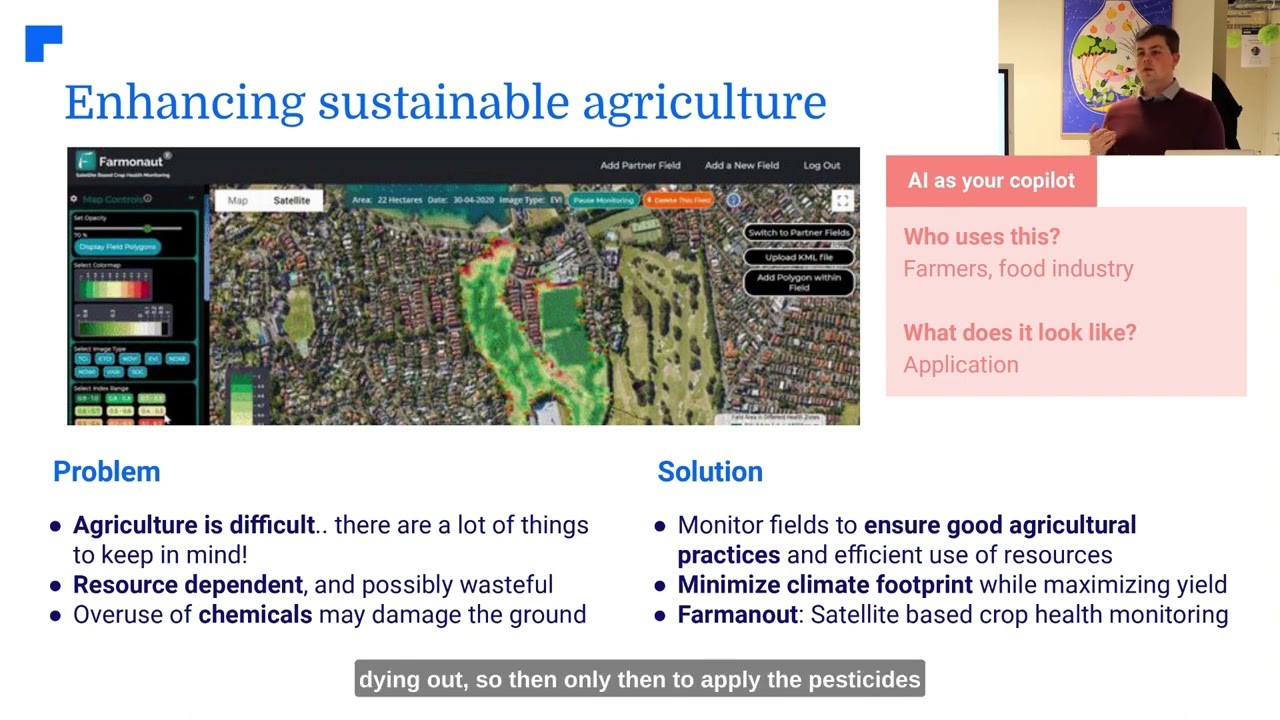
- Satellite-Based Eco-Monitoring: Our real-time multispectral satellite imagery allows monitoring of mining regions to detect deforestation, soil disturbance, and other environmental impacts, helping miners and regulators make data-driven decisions. Explore carbon footprinting tools for mining.
- Jeevn AI Advisory System: We provide miners, site managers, and governments with AI-powered, real-time advice on optimizing extraction methods and mitigating risk for workers and local communities.
- Blockchain-Based Traceability: Our integrated platform (traceability for mining supply chains) ensures that every batch of artisanal cobalt can be tracked at each step, supporting ethical sourcing and responsible market access.
- Fleet & Resource Management: Efficiently manage logistics, reduce costs, and monitor equipment safety for mining and related industries using our fleet management solutions.
- Environmental Compliance: We enable businesses to actively track, report, and reduce their environmental impact in support of government and corporate sustainability commitments.
These tools are available on Android and iOS apps, web platform, and via APIs for seamless integration. Try satellite-driven insights for artisanal mining sector at Farmonaut Mining API and API Documentation.



Use Cases for Miners, Enterprises, and Governments
- Mining Operators: Monitor extraction and environmental impacts, receive satellite-based alerts, and deploy resources efficiently.
- Government Authorities: Oversee mining activity, enforce environmental and child labor regulations, and support sustainable economic development.
- Corporate Buyers & Financial Institutions: Access blockchain-backed traceability of artisanal cobalt, verifiable sustainable sourcing with traceability tools, and use satellite verification for risk reduction regarding mining loans and insurance.
Discover more high-impact solutions in large-scale resource management and crop plantation and forest advisory.

Outlook for 2025 & Beyond: The Road Ahead
Cobalt artisanal mining remains an indispensable part of the modern green economy and critical infrastructure for energy, defense, and technology sectors. But without a renewed focus on responsibility, the challenges facing the sector will deepen social and environmental costs.
By enabling supply chain transparency, adopting modern tools and safety practices, ensuring access to investment and training, and integrating blockchain and AI-driven solutions, the path forward becomes one of shared value—where miners, communities, industries, and the ecosystem all benefit.
The future success of artisanal cobalt mining in 2025 and beyond depends on the adoption of sustainable solutions, cross-sector partnerships, and technological empowerment of vulnerable regions. One thing is clear: stakeholders who invest in ethical, environmental, and economic transformation will secure not just the cobalt supply that powers our modern world, but also the resilience and dignity of communities in areas like the Democratic Republic of Congo.
Stay ahead by leveraging next-generation monitoring, ESG reporting, and blockchain-backed certifications for all your mining, infrastructure, and supply chain needs. Start with Farmonaut’s Artisanal Cobalt Mining API and Developer Documentation today.
Affordable Satellite Subscriptions for Artisanal Cobalt and Mining Sectors
FAQ: Artisanal Cobalt Mining in 2025
What is artisanal cobalt mining?
Artisanal cobalt mining is small-scale, informal extraction of cobalt ore by individuals or small groups using basic tools. Unlike industrial operations, it is often unregulated and conducted in remote or rural parts of major producing countries like the Democratic Republic of Congo.
Why is artisanal cobalt mining important for the global supply chain in 2025?
Over 60% of global cobalt—most of it from the DRC—comes from mines where artisanal methods are prevalent. As demand rises for batteries, EVs, and green energy solutions, ensuring a reliable and ethical supply of cobalt from artisanal sources remains crucial for economic and technological development worldwide.
What are the biggest challenges facing artisanal cobalt miners in 2025?
Major challenges include supply chain transparency, child labor, environmental damage, poor health and safety conditions, and income volatility due to fluctuating cobalt prices and lack of social protections.
How can artisanal mining become more sustainable?
Sustainability can be enhanced via formalization (legal registration, safety and environmental standards), adoption of cleaner technologies, supply chain transparency measures such as blockchain traceability, community development programs, and effective environmental restoration strategies.
What role does technology play in supporting artisanal cobalt mining?
Technologies like satellite monitoring, AI-based advisory systems, and blockchain tracking improve productivity, worker safety, environmental compliance, and supply chain transparency—empowering stakeholders to meet both economic and sustainability goals.
How can companies or governments access Farmonaut’s satellite and traceability services for artisanal cobalt mining?
You can access Farmonaut’s mining and traceability solutions via our web and mobile apps, use our satellite API for data and integration, or learn more in our developer documentation. For blockchain-enabled traceability, check out our traceability product page.
Artisanal Cobalt Mining in 2025: Summary & The Path Forward
The artisanal cobalt mining sector in 2025 stands at the crossroads of opportunity and challenge. As the global economy accelerates towards green energy, the demand for cobalt continues to rise; yet, the informal, unregulated nature of artisanal mining cobalt in critical regions like the Democratic Republic of Congo brings forth urgent social, environmental, and economic questions.
Addressing the challenges of supply chain transparency, child labor, environmental impacts, safety, and technological gaps is essential to unlocking a more just, resilient, and sustainable artisanal cobalt sector. Through formalization, adoption of cleaner technologies, blockchain-powered traceability, and investment in community development, we collectively carve a path forward—one that empowers miners, ensures ethical sourcing, protects our planet, and fuels the responsible progress of modern society.
Farmonaut stands committed to supporting this transition by providing cost-effective, cutting-edge satellite, AI, and blockchain tools for monitoring, traceability, and environmental compliance in the mining industry. We do not act as an online marketplace, direct equipment vendor, or regulatory authority—our mission is to make advanced, data-driven insights accessible and actionable for all stakeholders navigating the evolving landscape of artisanal mineral extraction in 2025 and beyond.

 Southbridge & Wess PDC Ltd
 Qader Group
 Ileys General Trading
 SG Gold Mining LLC
 VRV Global Pte Ltd
 Omsri International FZE
 G.I.T.T.
 Jaunita Erss Ltd
 Almosi SARL
 SRK Consulting
 Berks Gold Limited
 Mwerezi Minerals Company Limited
 Mining SARL
 SenGold Invest SAS
 Sean Mining Limited
 NTS Group (Pty) Ltd
 Mine4Africa
 Lithspo Minerals Limited
