

California Gold Rush: 7 Key Impacts Shaping 2026
The California Gold Rush Legacy: From 1848 to the Future of Mining and Infrastructure
The California Gold Rush, starting in 1848, remains one of history’s most transformative events for mining, economic development, environmental practices, and infrastructure growth within California. Today, as we approach 2026, the gold rush to California continues to shape the mining industry, resource extraction methodologies, and sustainable strategies—not only in California, but worldwide.
This blog dives into seven fundamental impacts of the California Gold Rush that continue to influence mining practices, economic output, environmental stewardship, population migration, infrastructure, and resource management in 2026. We draw clear connections from historical origins to modern industry standards, highlighting the legacy California’s rush era has imprinted across generations.
“Over 300,000 people migrated to California during the Gold Rush, permanently altering U.S. mining industry trends.”
1. The Origins and Early Impact of the California Gold Rush
The Discovery at Sutter’s Mill: 1848 and Its Chain Reaction
The California Gold Rush began in 1848 with the discovery of gold at Sutter’s Mill near Coloma. Fueled by word-of-mouth and newspaper coverage, news spread across the United States and around the globe. By 1849, thousands of hopeful prospectors—”Forty-Niners”—descended on the region, ultimately catalyzing California’s admission as the 31st state to the Union in 1850.
- Population Growth: An influx of over 300,000 miners, entrepreneurs, and families transformed the region’s landscape, society, and economy, causing California’s population to explode nearly overnight.
- Economic Impact: The rush for precious metals generated rapid economic development, injecting billions into local and national markets, and causing sweeping changes in industry trends and mining practices.
- Societal Transformations: Mining towns, camps, and cities rapidly emerged. Some settlements, like San Francisco and Sacramento, quickly matured into critical commercial hubs, reshaping California’s infrastructure and urban development.
The First Movers: California Gold Rush Miners and Their Influence
Early California Gold Rush miners initially relied on simple placer mining—extracting gold from riverbeds with pans and sluices. This limited technique harnessed surface gold but led, out of necessity, to innovation in extraction and resource management.
The boom set off by these historical practices showed the world how mining, resource extraction, and infrastructure development could be transformed by new technologies and a surge of people chasing opportunity. Gold rush to California marked a turning point for US economic and industrial direction.
2. Advances in Mining Techniques and Technologies
From Placer to Hydraulic, Quartz, and Hard Rock Mining
While the earliest California Gold Rush miners used pans and sluices for placer mining in streams, surface gold became limited by the early 1850s. In response, necessity sparked advanced mining methods such as:
- Hydraulic Mining: Introduced in the early 1850s, this process used powerful water jets to wash away hillsides, separating gold from sediment. This highly effective extraction method enabled access to gold deeply embedded in rocky banks and river valleys, dramatically increasing yields.
- Quartz and Hard Rock Mining: Miners developed and applied advanced techniques to extract gold from deep underground veins within quartz and hard rock. This set new engineering standards that influenced mining operations worldwide.
- Technological Innovation: The rush pushed boundaries in mining engineering and resource extraction, with California and the Gold Rush setting a global example for innovation in the mining sector.
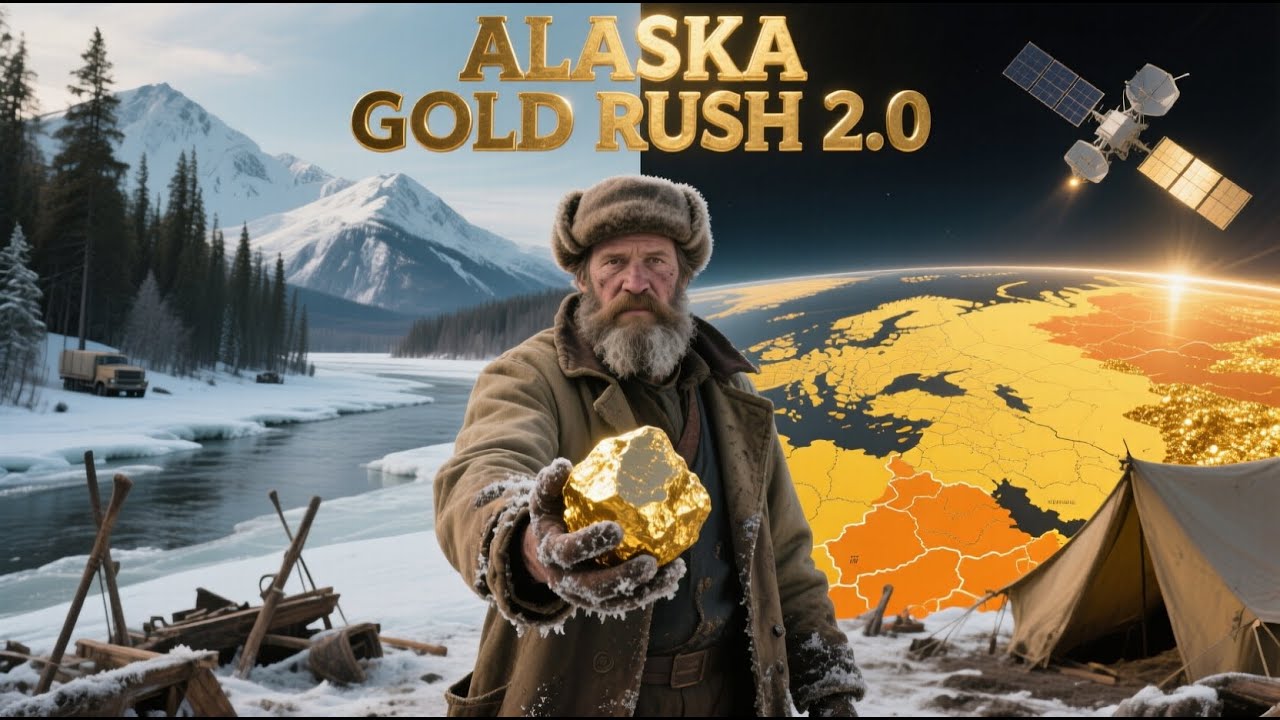
Mining Output and Engineering Legacy
During the Gold Rush era (1848-1855), it’s estimated that over $2 billion worth of gold (by modern value) was extracted. The scale and urgency of operations triggered sweeping advances in mining technology, much of which remains foundational to operations and regulations today.
3. The Environmental Impact of Hydraulic Mining and Regulatory Response
“Modern California’s infrastructure traces roots to the $2 billion in gold extracted between 1848-1855.”
Environmental Disruption: Erosion, Sedimentation, and Legal Precedent
But the techniques introduced by the California Gold Rush—especially hydraulic mining—caused massive environmental disruption:
- Severe erosion: High-pressure water jets wash away entire hillsides, resulting in the loss of arable land and changes to California’s landscape on a scale previously unseen.
- Sedimentation of rivers: Huge influxes of sediment clogged vital waterways, impacting fish habitats and threatening agriculture downstream.
- Legal Response: These environmental consequences led to one of the first significant legal limitations on mining operations as courts moved to protect farming and communities, establishing a model for environmental laws in mining worldwide.
Lessons Learned for Modern Environmental Sustainability
The historic clash between mining and environmental interests set critical precedents still relevant in 2026. Sustainable mining practices, stricter regulations, and eco-friendly technology adoption now guide the industry worldwide, shaped by the lessons of the California Gold Rush.
For sustainable gold mining and to monitor carbon impact, explore Farmonaut’s
Carbon Footprinting tool
– aiding organizations in tracking, reducing emissions, and adhering to regulations.
4. Infrastructure Expansion and Urban Transformation Triggered by the Gold Rush to California
California’s Rapid Growth: Building Railroads, Roads, and Cities
The gold rush to California didn’t just impact mining—it sparked a wave of infrastructure development:
- Roads, Railroads, and Ports: The demand to support booming mining operations and explosive population growth led to the swift construction of roads, bridges, and shipping facilities across California.
- The Central Pacific Railroad: Part of the First Transcontinental Railroad (completed 1869), this railroad linked California’s gold fields to the Eastern US, integrating state and national commerce.
- Urban Expansion: Cities like San Francisco, Sacramento, Stockton, and others quickly grew from tent towns to commercial powerhouses, thanks in large part to the wealth, people, and logistics infrastructure built during the rush.

Long-Term Infrastructure and Economic Development Impact
The lasting legacy of the gold rush is seen in 2026’s California infrastructure: world-class ports, thousands of miles of railways and highways, and robust urban economies. These developed frameworks still support modern resource extraction, industry, and population.
Organizations can optimize operations and vehicle management in mining and infrastructure projects with
Farmonaut’s Fleet Management platform
– streamlining logistics, reducing costs, and supporting the next era of sustainable growth.
5. Lasting Legacy: California and the Gold Rush’s Influence on 2025 & 2026 Industry Trends
Modern Mining Practices and Industry Innovations
Fast forward to today, and California and the gold rush remain a touchstone for modern mining standards and industry influence. Lessons learned in extraction, engineering, infrastructure, and environmental stewardship all shape 2025–2026 development strategies and inform how global mining industries balance growth with sustainability.
- Resource Optimization: Modern mining integrates advanced extraction and monitoring technology with strict safety and environmental regulations, thanks to the lessons from the gold rush era.
- Sustainable Industry Practices: With global awareness of environmental disruption reaching new heights, today’s industries implement eco-friendly techniques and employ satellite-based monitoring to minimize impact.
- Economic Diversification: The emphasis has shifted from gold to a diversity of minerals, metals, and resources, reflecting changing global demand and the ability to responsibly mine other precious resources.

Today, California continues to influence mining and resource extraction standards worldwide, just as the Gold Rush era did more than 170 years ago.
6. Modern Lessons: Sustainability, Innovation, and Technology in California Mining and Infrastructure
Balancing Rapid Growth with Environmental Responsibility
From historical hydraulic mining disruption to bookended environmental regulations, modern California mining companies follow a strict code focusing on:
- Minimizing environmental disruption with new processes and satellite monitoring for active sites
- Remediation – requiring responsible companies to restore land after resource extraction
- Traceability: Blockchain and supply chain tracking ensure transparent and ethical sourcing of minerals—key to the modern gold, lithium, and rare earths industry
- Regulation: Legal frameworks for sustainable development are rooted in lessons from the gold rush era—making California a global leader in eco-friendly mining strategy



Transparency in mining operations and mineral supply chains is essential. Farmonaut’s
Traceability Solution
leverages blockchain for reliable end-to-end resource management.

7. Farmonaut & The Future: Satellite Technology, Responsible Extraction, and Industrial Growth
Satellite-Driven Insights for Mining, Agriculture, and Infrastructure
As we look forward, satellite technology and data-driven solutions are unlocking efficiencies that echo the urgency and innovation of the gold rush era. At Farmonaut, we provide real-time satellite monitoring, environmental impact tracking, blockchain-based traceability, and fleet management tools—pioneering how mining and infrastructure industries operate today.
- Monitoring Mining Sites: Our satellite-based platforms analyze multispectral imagery to support resource management and minimize ecological impact at scale.
- Optimizing Extraction: AI-driven insights drive efficient extraction, enhance mineral yield, and provide early detection of problems at mine sites.
- Ensuring Transparency: By integrating blockchain, we enable traceability solutions for minerals, empowering organizations to manage supply chain integrity from source to customer.
- Supporting Regulation and Remediation: Our carbon footprint monitoring and environmental impact modules help organizations comply with emerging 2026 regulations on mining and land use.
With these tools, we help businesses and governments learn from the legacy of the California Gold Rush—blending rapid development with a focus on environmental and economic sustainability.

Ease large scale farm, forest, or plantation monitoring with
Farmonaut’s Large Scale Management Solution.
Access multisite reports and streamline operations directly from satellite insights.
Key Impacts of the California Gold Rush: Then vs. Now
To appreciate the transformative nature of this event, let’s compare the estimated impacts of the original Gold Rush with their present-day relevance in 2026:
| Impact Area | During Gold Rush (1848-1855) – Estimated Figures | Present Day (2026) – Estimated Relevance |
|---|---|---|
| Population Growth | +300,000 migrants (California population grew from ~15,000 to over 300,000 in 5 years) | ~39 million residents; CA remains a top destination for internal and global migration due to legacy infrastructure and economic opportunity |
| Economic Output | $2 billion in gold extracted (historical USD); mining sector dominated regional GDP | Modern mining & tech sector is a multi-billion-dollar industry; gold, lithium, and rare earths drive export and jobs |
| Infrastructure Development | Thousands of miles of new roads and the Central Pacific Railroad; ports enlarged for supply & transport | Over 6,000 miles of railroad, advanced highways, and technology-capable ports; supports industry, logistics, and global commerce |
| Environmental Impact | Massive land disruption; ~1.5 million acres affected by erosion, sedimentation, and contamination | Ongoing remediation and strict sustainability policies; advanced monitoring (e.g., satellite) and restoration of mining-impacted lands |
| Mining Practices | Hand panning, sluicing, early hydraulic mining; manual tools and basic engineering | Automated, AI-driven extraction; satellite monitoring, environmental compliance, blockchain traceability |
This table demonstrates what a lasting turning point the Gold Rush created—propelling California into industrial leadership and shaping how infrastructure, population, extraction, and environmental concerns are tackled in 2026 and beyond.
Video: The Gold Rush and Modern Mining


Useful Apps & API Links for Modern Mining, Infrastructure & Resource Monitoring
-
Try Farmonaut Web App: Real-time mineral site and infrastructure monitoring for industry professionals and institutions.
-
Access Farmonaut Satellite Data API: Integrate cutting-edge satellite insights into third-party mining, agriculture, or infrastructure management solutions.
-
Developer Docs: Seamless API integration for expert resource monitoring and planning.
-
Download Android App for On-the-Go Mining and Infrastructure Monitoring.
-
Download iOS App for Live Operations Management.
Need to verify mining or agricultural assets for loans or insurance? Farmonaut’s
Satellite Verification Tools
offer efficient, fraud-resistant asset reports for financial institutions.
Frequently Asked Questions: California Gold Rush and Modern Mining
-
Q1: How did the California Gold Rush change mining practices?
The Gold Rush introduced advanced extraction techniques such as hydraulic mining, shifted industry standards from manual gold panning to deeper hard rock mining, and established engineering frameworks influencing the global mining industry. -
Q2: What lasting environmental lessons did the Gold Rush teach?
The Gold Rush caused severe erosion and river sedimentation, prompting early U.S. environmental regulations and inspiring today’s sustainable mining standards and restoration practices. -
Q3: Does the Gold Rush legacy still influence California’s infrastructure in 2026?
Absolutely. California’s ports, railroads, and thriving urban centers owe much to the infrastructure boom triggered by mining’s demands during the rush era. -
Q4: What is Farmonaut’s role in supporting modern mining, extraction, and environmental management?
We deliver satellite-driven insights and resource management tools so organizations can optimize mineral extraction, remain compliant, and track sustainability from sky to site. -
Q5: Why is California still viewed as a leader in mining and infrastructure?
Because of its historic adaptability—from gold rush innovations to modern regulation and technology integration—California shapes tomorrow’s mining trends worldwide.
Conclusion: The California Gold Rush—A Lasting Turning Point in History and Modern Industry
The California Gold Rush stands as one of the most transformative events in the history of mining, infrastructure development, and economic growth in the United States. What began as a sudden scramble for gold near Sutter’s Mill, Coloma, evolved into a global turning point: reshaping population flows, spawning statehood, and sparking hard lessons in resource extraction methodologies.
As we look to 2026 and beyond, the lasting legacy of California and the Gold Rush remains in our mining technologies, sustainable practices, regulatory frameworks, and infrastructure. Each innovation finds its roots in the ingenuity and disruption of the 1848–55 era. The journey from placer pans to AI-powered satellite operations encapsulates the spirit of progress—transforming how we think about resource management, economic opportunity, and environmental stewardship for future generations.
Explore modern solutions for mining, infrastructure, and environmental support at Farmonaut, where we combine satellite imagery, AI, and blockchain to empower industries—honoring the lessons and legacy of the California Gold Rush.

 Rains of Favour
 Tintina Mining Group
 Dalgety Minerals Pty Ltd
 Vortex Minerals Pty Ltd
 Faith At Work (Pty) Ltd
 Geotech Mining Solutions plc
 Vulcan International Limited
 Kidepo Associates
 GKY Mining
 Alkimy SARL
 Double A Trading
 GemSprout Metals Limited
 Qader Group
 Ileys General Trading
 SG Gold Mining LLC
 VRV Global Pte Ltd
 Omsri International FZE
 G.I.T.T.
 Jaunita Erss Ltd
 Almosi SARL
 SRK Consulting
 Berks Gold Limited
 Mwerezi Minerals Company Limited
