

Volcanic Gold Mines: 2026 Gold Rush Volvo Tech
Meta Description: Volcanic gold mines are reshaping the industry in 2025 and beyond, with advanced technologies unlocking rich deposits, enhancing sustainability, and driving economic development.
“Modern tech can boost volcanic gold mine yields by up to 30% compared to traditional methods by 2026.”
Introduction: Volcanic Gold Mines & The 2026 Technological Revolution
Gold, the brilliant metal that has long captured human imagination and economic ambition, continues to play a pivotal role in heritage, industry, and investment. As we transition through to 2025 and beyond, a new wave of innovation is reshaping how we discover, extract, and manage this precious metal—especially in volcanic gold mines. These unique ore deposits, forged deep within the Earth through dynamic volcanic forces, present both opportunity and challenge for the mining industry.
Today, advanced mining technologies are unlocking the riches of volcanic gold, energizing a modern “gold rush volvo” spirit. This blog post dives deep into the geological origins of volcanic gold, the latest technology powering its extraction, and the sustainable development imperatives shaping the sector in 2025–2026. We’ll also highlight how Farmonaut’s satellite analytics and resource management tools empower smarter, more effective, and environmentally responsible mining.



Experience cutting-edge mining and resource management with Farmonaut’s satellite-driven technology platform, available across web and mobile!
For developers and businesses: Integrate Farmonaut mining insights and analytics into your existing systems using the Farmonaut API and explore our API developer documentation.
The Geological Origins of Volcanic Gold
Understanding volcanic gold requires us to peer deep within our planet’s fiery origins. Unlike placer gold—physically weathered, transported, and deposited in riverbeds—volcanic gold is primary: it forms within the Earth’s crust, embedded in the host rock itself. These deposits arise from intense geological activity and the circulation of hydrothermal fluids.
Volcanic gold mines typically form in the following contexts:
- Subduction Zones: Regions like the Pacific “Ring of Fire” where tectonic plates converge and volcanic arcs form.
- Hydrothermal Systems: Volcanic heat not only melts rock but also drives the flow of mineral-rich fluids. As these fluids cool, they precipitate gold (often alongside quartz and sulfide minerals) in fissures and faults created by earlier volcanic activity.
- Epithermal Deposits: These are shallow, surface-near systems that are particularly rich in gold, as hot fluids from volcanoes interact with the upper crust.
Key Regions: Countries in the Pacific Ring of Fire (Indonesia, the Philippines, Peru, Chile, western USA, British Columbia, Papua New Guinea, etc.) are especially rich in such volcanic gold deposits. Many deposits also exist in ancient volcanic belts across countries like Tanzania, Guyana, Kenya, and Mauritania.
Why are volcanic gold deposits so significant? They often boast higher grades, richer ore zones, and more concentrated gold compared to other sources. However, they also pose challenging extraction and environmental management hurdles due to variable ore grades, complex mineralogy, and associated sulfide minerals.
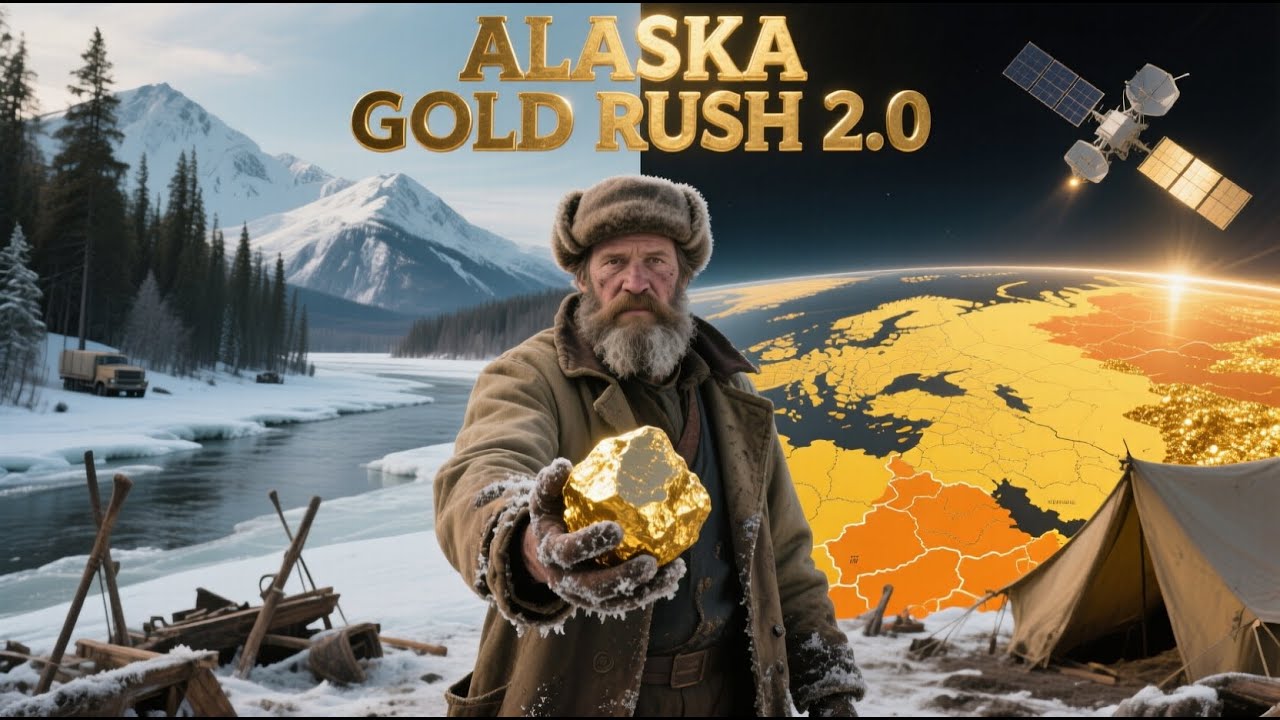
Satellites Spark a New Alaska Gold Rush
The Science Behind Volcanic Gold Formation: Processes, Fluids, and Global Hotspots
Volcanic gold’s story begins with subduction: the sinking of one tectonic plate beneath another. This continuous earth movement creates volcanic arcs, melting rock and releasing hydrothermal fluids deep in the crust. These hot, metal-laden fluids rise quickly, exploiting fractures, fissures, and faults carved out by earthquakes and volcanic eruptions. Upon cooling, gold and associated minerals precipitate inside the rock, forming often spectacularly rich veins and systems.
Key Geological Characteristics:
- Host Rocks: Volcanic gold deposits are embedded in andesites, rhyolites, and basalts—volcanic rocks typically formed from explosive eruptions or lava flow sequences.
- Associated Minerals: Pyrite and other sulfide minerals typically accompany gold, which presents challenges for later environmental management (notably, the risk of acid mine drainage).
- Ore Types: Epithermal and mesothermal systems predominate. These systems are primary—created in place, not physically weathered or transported like placer gold. The ore grades can be highly variable, which influences mining methods and technologies.
Global Hotspots in 2026
- Indonesia & Papua New Guinea (Pacific Ring of Fire): Home to several of the world’s largest volcanic gold mines.
- Chile, Peru, and Western Americas: Host major mining belts with large, complex volcanic deposits.
- British Columbia (Canada): Ongoing discoveries of near-surface epithermal gold–silver systems.
- Africa: Tanzania, Kenya, Mauritania—all seeing new exploration and increased sustainable mining due to advanced mapping and satellite technologies.
- Guyana, South America: Active gold rush volvo spirit as AI and satellite mapping drive new discoveries in Oko and other belts.
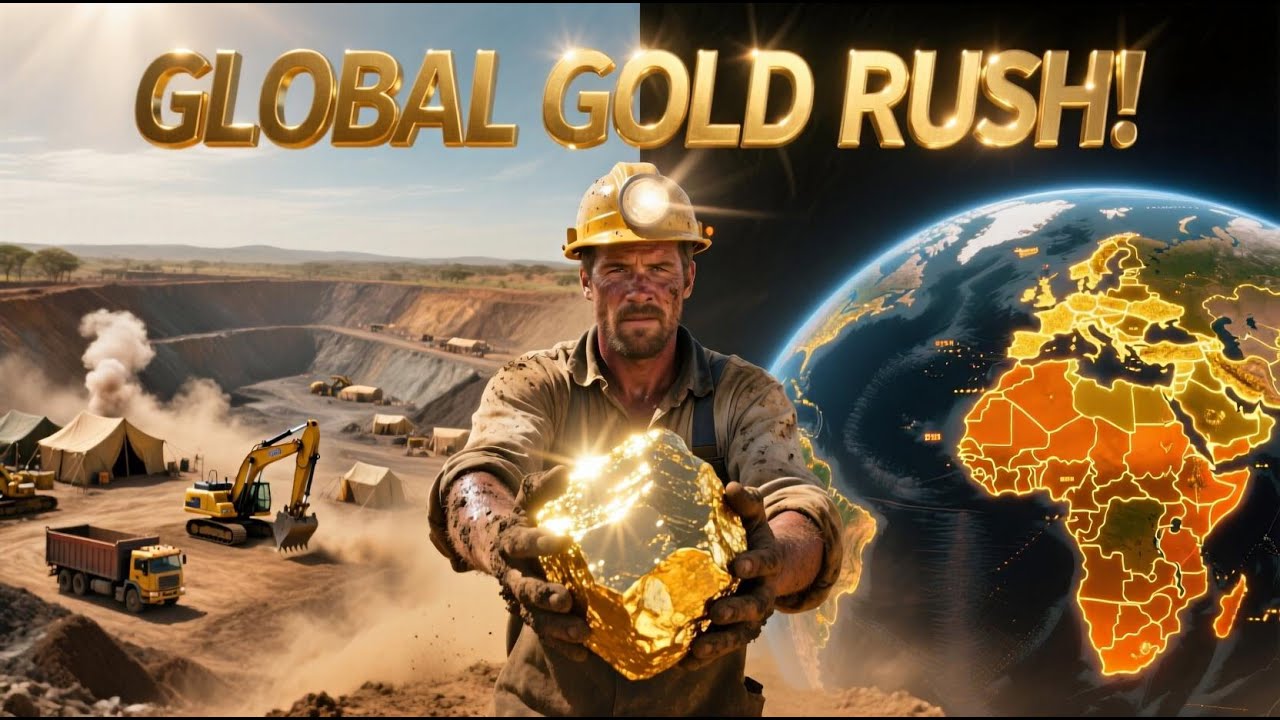
Modern Gold Rush: Inside the Global Race for Gold
“In 2025, over 40% of new gold reserves will be accessed using advanced volcanic deposit mapping innovations.”
Volcanic Gold Mines: Extraction Techniques, Challenges, and Solutions for 2025–2026
Extracting volcanic gold is both challenging and rewarding. What makes volcanic gold extraction unique is the combination of:
- Complex Ore Mineralogy: The gold is primary, embedded deeply within volcanic rocks alongside variable amounts of sulfide minerals.
- Highly Variable Grades: The gold concentration can shift dramatically over short distances, requiring detailed, real-time ore mapping and selective mining.
- Environmental Management: Because many volcanic gold ores contain sulfides, they pose significant environmental risks if not carefully controlled (notably, acid mine drainage).
Core Extraction Techniques
- Open-Pit Mining: Used for near-surface, large-scale volcanic gold deposits. Bulldozers, excavators, and autonomous trucks commonly extract ore from vast, stepped pits.
- Underground Mining: Applied when deposits extend deeper. Modern technologies—like automated drilling, AI-based mapping, and real-time remote monitoring—enhance efficiency and worker safety.
- Selective Ore Extraction: To maintain profitability, geological mapping, AI-based ore grade prediction, and drone-based volumetric surveys are now industry-standard.
Key Challenges in a Volcanic Context
- Variable Ore Grades: Makes consistent production challenging; demands continuous adaptability in mining processes.
- Managing Sulfides and Water: Sulfide-rich ores can generate acid mine drainage if exposed to water and oxygen. Modern mines emphasize secure waste rock storage, water treatment, and re-vegetation—often with the help of carbon footprinting tools for environmental compliance.
- Worker Safety and Efficiency: Volcanic terrains can be unstable due to historic eruptions and seismic activity. Automation, remote equipment, and digital safety monitoring have become essential.
Modern technologies—especially in fleet and resource management—allow careful, efficient deployment of mining equipment, reducing operational costs and environmental risks.
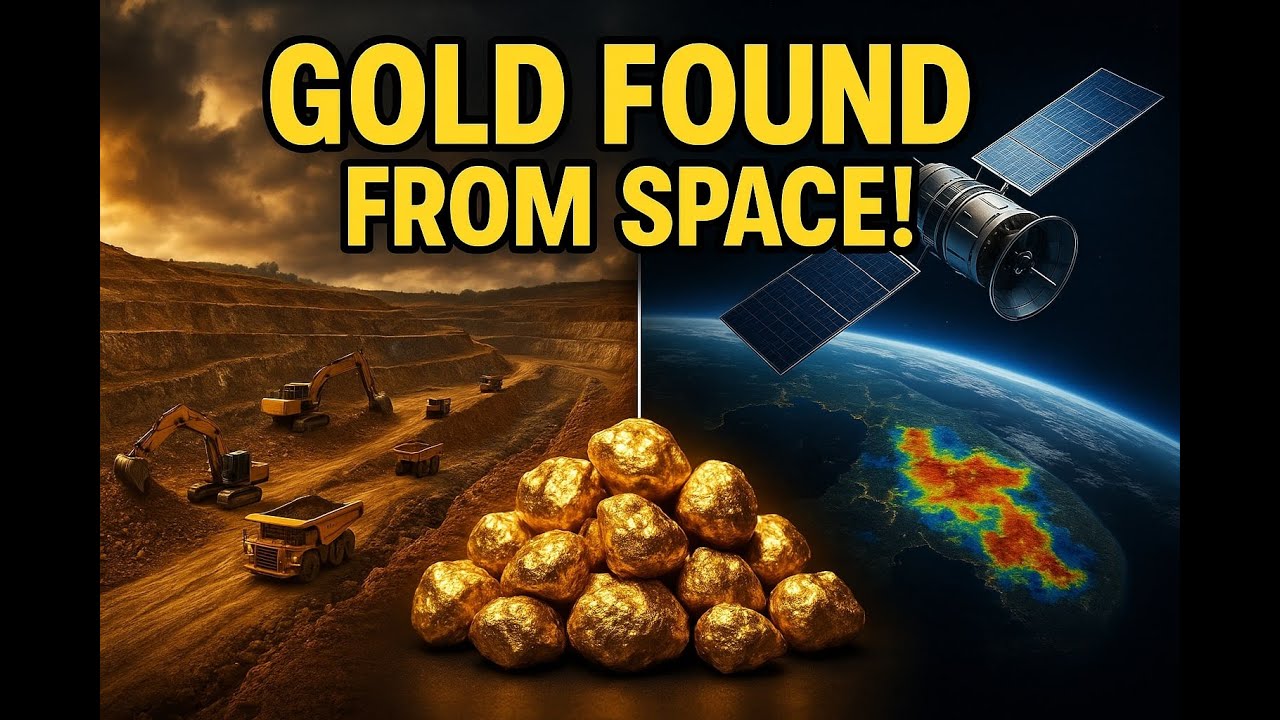
How Gold is Extracted from Mines | Full Guide
How Modern Technologies Transform Volcanic Gold Mining in 2025–2026
The volcanic gold mining sector in 2026 is unrecognizable compared to even a decade prior, thanks to a wave of technological advances that increase gold recovery, minimize risk, and promote sustainable development. Key transformative technologies include:
1. Satellite-Based Remote Sensing & AI Analysis
- Satellites now deliver high-resolution, multi-spectral data—enabling us to map mineral signatures, hydrothermal alterations, vegetation health, and structural changes over time.
- AI-driven advisory systems (such as those available via Farmonaut’s Jeevn AI Advisory) analyze these datasets to optimize exploration, operational planning, and environmental management in volcanic gold mines.
2. Drones and Automated Surveying
- Drones equipped with LIDAR and multispectral cameras perform rapid, high-accuracy topographical mapping for site selection and ore grade control.
3. Automated Drilling and Robotic Equipment
- Autonomous drills, trucks, and loaders reduce exposure risk in unstable or remote volcanic terrains—improving both efficiency and worker safety.
4. Blockchain-based Traceability and Resource Management
- Blockchain solutions, like Farmonaut’s traceability suite, underpin gold supply chain transparency. Every ounce of volcanic gold can be authenticated from mine to final market—enhancing trust and market value.
5. Real-Time Environmental Impact Monitoring
- Modern mines now employ carbon footprinting, soil health, and water quality monitoring directly from satellites—supporting compliance with global environmental standards and sustainability goals.
Example: Mauritania’s Satellite-Empowered Gold Exploration (2025–2026)
New technologies are opening previously hidden volcanic gold deposits—such as in Mauritania—using satellite mineral mapping, AI soil chemistry prediction, and digitally managed operations.
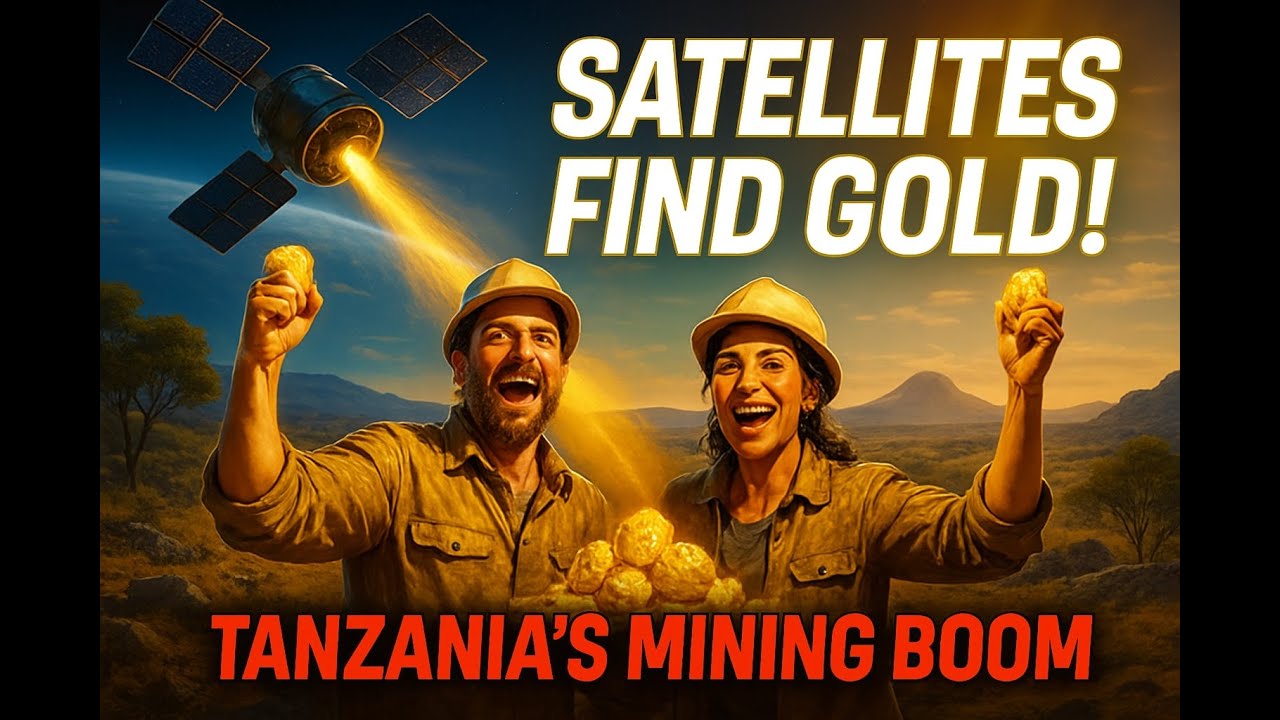
Satellites Find Gold! Farmonaut Transforms Tanzania Mining | News Report
Comparative Technology Impact Table: Mining’s Future in 2025–2026
Below is a comparative table highlighting major technological advances relevant to volcanic gold mining. The table shows how each technology impacts gold recovery, environmental responsibility, and adoption trends for 2025–2026:
| Technology Type | Estimated Gold Recovery Increase (%) | Estimated Reduction in Environmental Impact (%) | Sustainability Rating (1–5) | Projected Industry Adoption (by 2026) |
|---|---|---|---|---|
| AI-Driven Exploration (Satellite & Data Analytics) | +20–25% | +30% | 5 | Yes |
| Automated Drilling and Robotic Mining | +15–20% | +15% | 4 | Yes |
| Drones for Ore Mapping and Environmental Surveys | +5–10% | +20% | 4 | Yes |
| Remote Sensing & Real-Time Monitoring Platforms | +12–18% | +25% | 5 | Yes |
| Eco-Friendly Ore Processing (Cyanide-Free/Closed Loop) | +8–12% | +40% | 5 | Yes |
| Blockchain-Based Traceability | +3–5% | +12% | 5 | Yes |
Note: Estimated impact values are based on leading industry projections and current pilot deployments in volcanic gold mines worldwide.

Satellites Revolutionize Gold Exploration in Kenya’s Heartland
Economic Importance and Sustainable Development of Volcanic Gold (2025–2026)
The economic and strategic importance of volcanic gold continues to grow as global demand for gold—driven by electronics, green technologies, and investment—remains robust. Several factors contribute to its rising profile in 2025 and beyond:
1. Vital Supply Security
- Volcanic gold mines provide reliable, high-grade sources of gold—ensuring supply security for the electronics and renewable sectors, as well as for national reserves in many countries.
2. Infrastructure and Local Economic Development
- Major mining operations in remote volcanic arcs spur new infrastructure projects—roads, power, water, and community services—which benefit entire regions.
3. Technology-Driven Efficiency
- Integration of AI, robotics, and remote monitoring has cut costs, improved productivity, and reduced waste—making mining more sustainable and competitive.
4. Sustainability and Stakeholder Demands
- Investors, governments, and local communities increasingly require sustainable mining practices, embracing carbon tracking, waste reduction, and transparent supply chains.
5. Societal Impact: Heritage & Employment
- Mining often brings jobs, skills transfer, and prosperity to often-remote volcanic regions—while also calling for a balance with indigenous rights, land stewardship, and long-term environmental management.
As mining projects expand, stakeholders are focused on ensuring benefits are shared, impacts are managed, and sustainability remains central to the industry ethos.
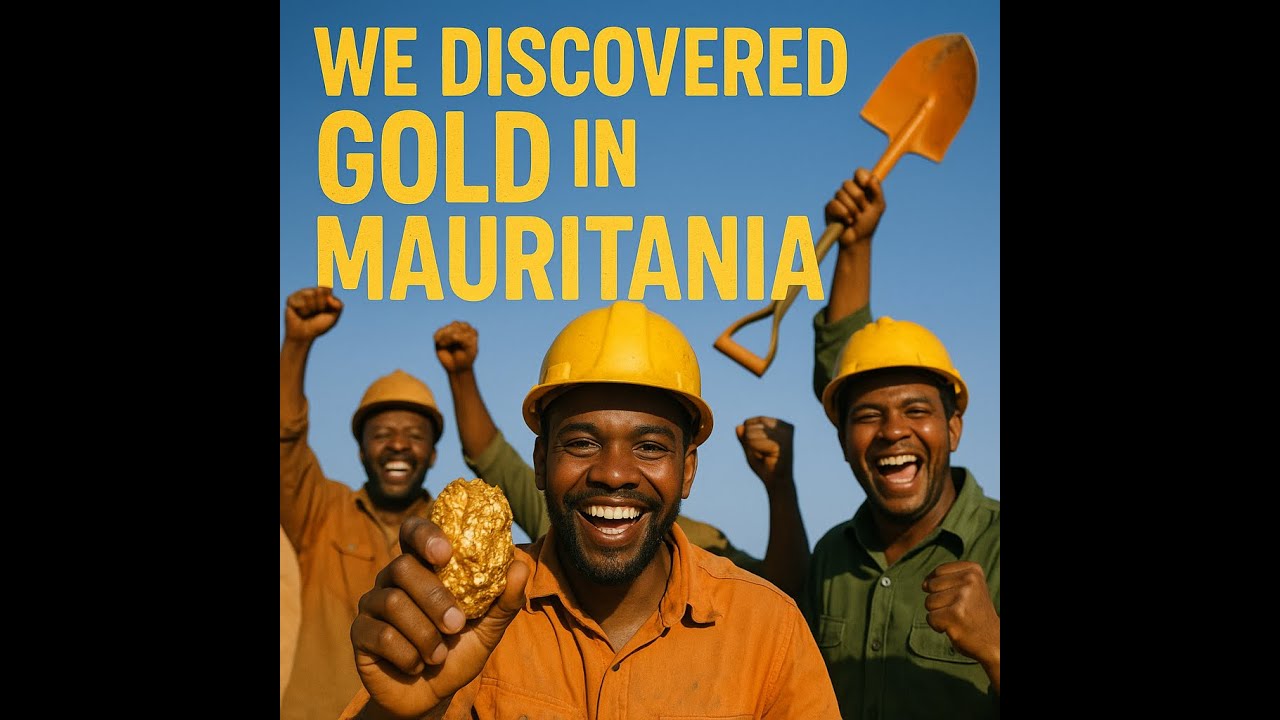
Mauritania’s Gold Rush: Uncovering Hidden Deposits with Satellite Data
Volcanic Gold and the New “Gold Rush Volvo” Wave in 2025–2026
The symbolism of the “Gold Rush” has always featured the convergence of human ambition, technological innovation, and the power of earth’s geological processes.
The present and future of volcanic gold mining—sometimes nicknamed the “Gold Rush Volvo” due to the scale, automation, and advanced vehicles in use—is defined by several themes:
- Massive Exploration Initiatives: Multiple countries are investing in detailed volcanic arc exploration (Indonesia, Philippines, Guyana, Kenya, Mauritania).
- Tech-Driven Discoveries: Using satellite AI, remote sensing, and next-gen robotics to open new sources and unlock previously hidden riches.
- Socio-Environmental Dialogue: Modern mining companies now engage directly with stakeholders, emphasizing respectful resource management and minimizing legacy impacts of rush-style mining.
- Smarter Supply Chains: With blockchain traceability, volcanic gold mines are better able to authenticate gold origin—meeting demands for ethical sourcing from investors, electronics firms, and jewelry consumers alike.

1.5 M-oz Gold Find 2025: AI Satellite Mapping & ESG Mining in Oko, Guyana
Farmonaut Tech: Precision, Sustainability, and Decision Support for Mining
At Farmonaut, we help the mining sector leverage the latest in satellite, AI, and blockchain to operate smarter, safer, and more sustainably in volcanic gold mines—unlocking hidden value while protecting our planet and its people.
- Satellite-Based Monitoring: Our platform continuously tracks mining sites for geological changes, vegetation health, and environmental impact. This enables resource managers to gain crucial data on ore zones, access, and risk—all with zero physical disruption.
- AI Advisory with Jeevn: Our Jeevn AI analyzes evolving data from multispectral satellites to deliver custom insights—from optimal ore extraction schedules to predictive alerts on geochemical anomalies.
- Blockchain Traceability: We enable gold producers to offer verifiable journeys for mined gold, bolstering trust and global compliance through blockchain traceability solutions.
- Environmental Monitoring: We provide powerful carbon footprinting analytics and real-time environmental risk tracking to support responsible mining and regulatory compliance.
- Fleet and Resource Management: Minimize logistics costs, boost safety, and optimize mining fleet performance with our fleet management tools.
- Financing and Insurance: We help financial institutions and operators gain satellite-based insights for mining loan and insurance verification, reducing fraud and streamlining access to capital.
Discover the full potential of Farmonaut’s platform—accessible anywhere, on any device, through our versatile Web, Android, and iOS apps.

Satellite Mineral Exploration 2025: AI Soil Geochemistry – BC, Canada
The Future of Volcanic Gold Mines: Trends and Outlook for 2026+
Looking ahead to 2026 and beyond, several powerful trends will define the volcanic gold mining sector:
- AI and Automation Dominate Operations: By 2026, most new volcanic gold mines will utilize AI-driven exploration, automated machinery, and digital resource management for superior yields and minimized risk.
- Sustainability is Non-Negotiable: From environmental impact monitoring to closed-loop ore processing and renewable energy integration, sustainability will be the baseline expectation.
- Global Demand Continues: Gold plays critical roles in green technology, electronics, and financial reserves. Volcanic gold will be in strategic demand for decades to come, particularly as conventional sources deplete.
- Broader Data-Driven Value Chains: The industry will move toward fully digitized, traceable, and transparent gold supply chains—leveraging blockchain, satellite audit, and traceability software.
- Stakeholders as Partners: Governments, communities, and environmental watchdogs will have growing influence, demanding respect for labor, land, and nature.
Frequently Asked Questions (FAQ)
What makes volcanic gold mines unique compared to other gold deposits?
Volcanic gold mines form in geological settings shaped by intense volcanic activity and hydrothermal fluids. Unlike placer gold, which is physically weathered and transported, volcanic gold is primary—embedded in host rock, typically associated with sulfide minerals and complex ore zones.
Why are advanced technologies critical in volcanic gold mining?
The complex mineralogy and variability of volcanic gold deposits demand detailed mapping, real-time ore grade prediction, and safe operations in hazardous terrain. Modern technologies—such as satellite imaging, AI analytics, drones, and automated equipment—ensure higher gold recoveries, lower costs, and safer, more sustainable operations.
How do volcanic gold mines impact local and global economies in 2025 and beyond?
Volcanic gold mines boost local economies via infrastructure, jobs, and training; provide vital supply for global technology and investment markets; and catalyze broader regional development. Their strategic importance is growing as new exploration and sustainable practices unlock additional resources.
How does Farmonaut support mining companies and economic stakeholders?
We provide satellite-based monitoring, AI-driven advisory, blockchain traceability, and resource management tools—enabling mining companies to plan, extract, and manage volcanic gold resources efficiently and responsibly. We also enhance transparency for stakeholders across the value chain.
What are some key environmental practices in volcanic gold mining?
Key practices include secure management of sulfide-rich waste, real-time monitoring of water and air quality, progressive land rehabilitation, carbon tracking, and the use of closed-loop, eco-friendly ore processing systems—all supported by the latest satellite and AI technologies.
Conclusion: Unlocking the Riches of Earth’s Fiery Origins
Volcanic gold mines—forged in the intense heat and dynamic geology of our planet—stand at the intersection of modern technological innovation and the age-old quest for prosperity. With sophisticated extraction methods, robust sustainability measures, and cutting-edge digital tools, the industry in 2025–2026 is set to deliver both economic and societal value.
It is our understanding and stewardship of these unique resources—from initial exploration through to responsible closure—that will define the future. By integrating satellite, AI, blockchain, and environmental monitoring into every layer of mining operations, we ensure that the riches of Earth’s fiery origins are unlocked for generations to come, benefitting both humanity and the planet.
Explore our platform, download our apps, and join the global movement for smarter, cleaner, and more prosperous volcanic gold mining!

 G.I.T.T.
 Jaunita Erss Ltd
 Almosi SARL
 SRK Consulting
 Berks Gold Limited
 Mwerezi Minerals Company Limited
 Mining SARL
 SenGold Invest SAS
 Sean Mining Limited
 NTS Group (Pty) Ltd
 Mine4Africa
 Lithspo Minerals Limited
 Tintina Mining Group
 Dalgety Minerals Pty Ltd
 Vortex Minerals Pty Ltd
