

Cameco News Release 2025: Uranium Price, Nuclear Power & The Future of Sustainable Energy
“In 2025, global uranium demand for nuclear energy is forecasted to rise by over 20% to ensure energy security.”
- Introduction: Cameco, Uranium, and the 2025 Landscape
- Cameco News Release and Market Insights
- Uranium Supply, Demand, & Price Dynamics in 2025
- Nuclear Energy Production & Global Infrastructure
- Sustainable Mining Practices & Environmental Responsibility
- Cameco’s Role in National Defence & Energy Security
- Innovation in Mining Technology & The Uranium Market Future
- Farmonaut’s Satellite-powered Solutions in Mining & Environmental Monitoring
- Comparative Data Table: Market Trends & Sustainability
- FAQs on Cameco, Uranium Mining, and Nuclear Energy
- Conclusion: 2025 and Beyond for Cameco and Nuclear Energy
Introduction: Cameco, Uranium, and the 2025 Landscape
The year 2025 marks a pivotal point in the global uranium market. As the world intensifies efforts to reduce carbon emissions and transition towards clean energy sources, nuclear power has been increasingly recognized as a vital component of a sustainable future. At the heart of this movement stands Cameco Corporation, influencing the dynamics of uranium supply, pricing, and production in a global energy transition.
With recent Cameco news releases highlighting significant developments in uranium supply and the nuclear sector, Cameco remains a pivotal player not only in fueling new nuclear reactors but also in setting industry standards for environmental responsibility, resource management, and innovative mining practices.
In this comprehensive analysis, we explore how the Cameco uranium price trajectory in 2025 aligns with evolving market demand, the role of Canadian mines like McArthur River and Cigar Lake, and how sustainable mining frameworks are shaping the sector’s future. We also examine Farmonaut’s contributions—our advanced satellite-powered technology offers actionable insights for responsible mining, carbon reporting, and environmental monitoring, supporting the broader goal of clean, secure, and balanced energy solutions.

Cameco News Release and Market Insights
Reading Between the Lines: Cameco News Release & Industry Shifts
The Cameco news release for 2025 provides essential context for stakeholders in the nuclear energy supply chain. The market is witnessing:
- A notable uplift in uranium price compared to previous years
- Rising global demand for nuclear fuel due to expanding nuclear reactors in Asia, Europe, and North America
- Strategic production decisions—Cameco has cautiously ramped up output at flagship mines like McArthur River and Cigar Lake, following years of constrained supply due to pandemic-related disruptions and production cuts
These developments underscore the importance of a strategically calibrated pricing strategy that not only reflects tightening market conditions but also ensures competitive positioning within the global market. As Cameco continues to issue news releases showcasing its commitment to sustainability and market leadership, its influence remains key in ensuring reliable uranium supply and infrastructure investment.



Uranium Supply, Demand, & Price Dynamics in 2025
Cameco Uranium Price Trajectory & Global Market Drivers
A key highlight of the Cameco news release is the rising uranium price—a trend largely attributed to tightening supply conditions, growing utilities’ interest in long-term procurement contracts, and the surge in nuclear projects worldwide. Cameco’s pricing strategy for 2025 is carefully calibrated to reflect these changing market dynamics and support ongoing investment in mining infrastructure and exploration.
Let’s break down the main dynamics driving supply, demand, and price trajectory:
- Global Uranium Demand: Forecasted to rise by over 20% in 2025 as countries intensify energy security efforts and target carbon emission reduction
- Supply Trends: After several years of pandemic-related disruptions and output cuts, Cameco is cautiously increasing output from flagship McArthur River and Cigar Lake mines in Canada. These operations now align more closely with rising demand from new and existing nuclear reactors.
- Uranium Price: Prices have stabilized at higher levels—this stability supports new investments across the supply chain, benefiting suppliers, utilities, and infrastructure providers.
- Long-term Contracts: Heightened interest in long-term procurement contracts signals utilities’ desire for predictable, stable uranium supply amid fluctuating spot prices.
- Regional Growth: New reactor projects across Asia, Europe, and North America are driving the expansion of the uranium market. The growth is strongest where clean baseload energy is prioritized alongside environmental sustainability.
Analysis: By aligning output with projected demand growth, Cameco ensures a more balanced marketplace that can absorb shocks, support long-term price stability, and maintain reliable uranium fuel delivery to power plants globally.
“Sustainable uranium mining practices could reduce environmental impact by up to 30% by 2025, boosting cleaner energy production.”

Nuclear Energy Production & Global Infrastructure
Why Nuclear Remains a Vital Clean Energy Source in 2025
The transition to nuclear energy is increasingly recognized as an essential component of the world’s clean energy mix. As countries aim to reduce reliance on fossil fuels, nuclear power’s advantages are clear:
- Low Carbon Emissions: Nuclear energy generates electricity without producing greenhouse gases, aligning with global efforts to reduce carbon emissions and environmental impact.
- Stable Baseload Power: Unlike intermittent renewables, nuclear reactors supply consistent electricity 24/7, ensuring grid stability, especially as energy demands rise in modern economies.
- Infrastructure Investment: Expansion of the nuclear sector stimulates demand for supporting industries—including mining equipment manufacturing, logistics, and grid modernization.
Strategic national investments in new nuclear power plants require confidence in uranium supply. Cameco’s stability as a uranium supplier enables governments and private investors to finance multi-decade projects, knowing reliable fuel is available.

Sustainable Mining Practices & Environmental Responsibility
How Environmental Frameworks Shape Cameco Operations
Modern uranium mining is closely linked with environmental responsibility. Cameco and other Canadian operators adhere to the most stringent regulatory frameworks, designed to protect local ecosystems and Indigenous lands. In 2025, these frameworks encompass:
- Comprehensive Reclamation: Returning disturbed land to its natural state post-mining, making it viable for forestry, agriculture, and other future uses
- Water Management: Advanced systems for capturing, treating, and recycling water, limiting contamination and ensuring water security for surrounding environments
- Community Engagement: Ongoing collaboration with local residents and Indigenous communities—integrating their knowledge and values into resource management strategies
Environmental sustainability practices in the uranium sector can reduce impact by up to 30% by 2025. This includes not just pollution control, but biodiversity preservation and climate-conscious planning.

Cameco’s Role in National Defence & Energy Security
Uranium Supply and the Dual-Use Sector: Civilian & Defence
The role of uranium in national defence continues to gain prominence in 2025. Nuclear-powered naval vessels—critical for many countries’ defence capabilities—require a steady, high-quality uranium supply. Cameco‘s reliable production and supply chain management guarantee:
- No compromise between supplying civilian energy needs and national security interests
- Support for strategic defence infrastructure—for example, nuclear-powered submarines and aircraft carriers
- Steady uranium reserves, allowing for predictable procurement planning and grid stability
Because energy security now includes both electricity generation and the operational capacity of defence assets, the reliability of suppliers like Cameco has never been more vital.

Innovation in Mining Technology & The Uranium Market Future
Beyond 2025: Cameco’s Focus on Sustainability, Efficiency, and Advanced Technologies
Forward-looking news releases from Cameco signal increased investment in innovation and sustainable practices. The focus areas are:
- Advanced Mining Efficiency: Leveraging automation, digital twin models, and AI-powered monitoring—resulting in lower operational costs and improved safety
- Secondary Uranium Sources: Exploring the recycling of spent nuclear fuel and advanced extraction methods to diversify supply and reduce waste
- Environmental Footprint Reduction: Cutting-edge water management, land reclamation, and biodiversity stewardship—implementing best practices across all flagship operations
- Circular Economy Integration: Pursuing closed-loop strategies across the minerals sector, ensuring resource value is maximized while minimizing negative environmental outcomes
These strategic efforts align with global sustainability goals for 2026 and beyond, renewing the sector’s commitment to environmental stewardship as part of the “nuclear renaissance.”

Farmonaut’s Satellite-powered Solutions in Mining & Environmental Monitoring
Leveraging Satellite Tech for Sustainability, Traceability, and Carbon Tracking
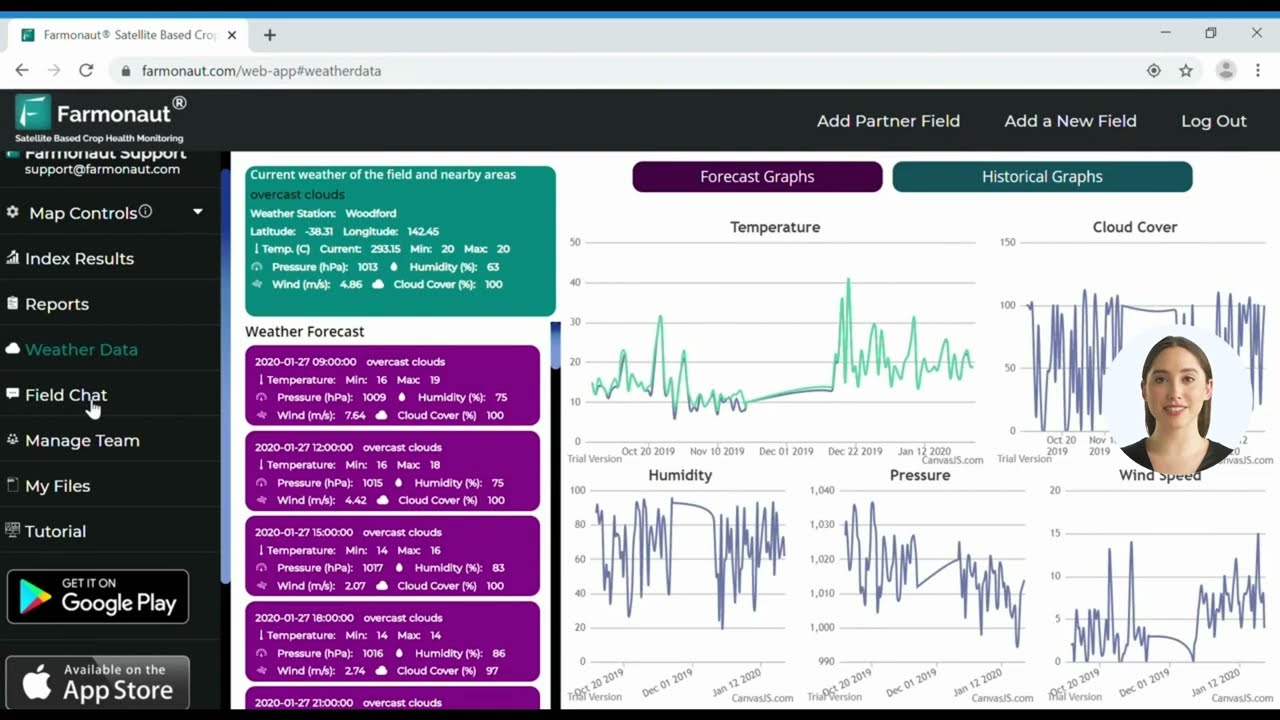
At Farmonaut, we provide satellite-driven insights that directly support the sustainable management of mining and agricultural operations. Our technologies empower industries and governments to make data-backed decisions, measure environmental impact, and achieve regulatory compliance.
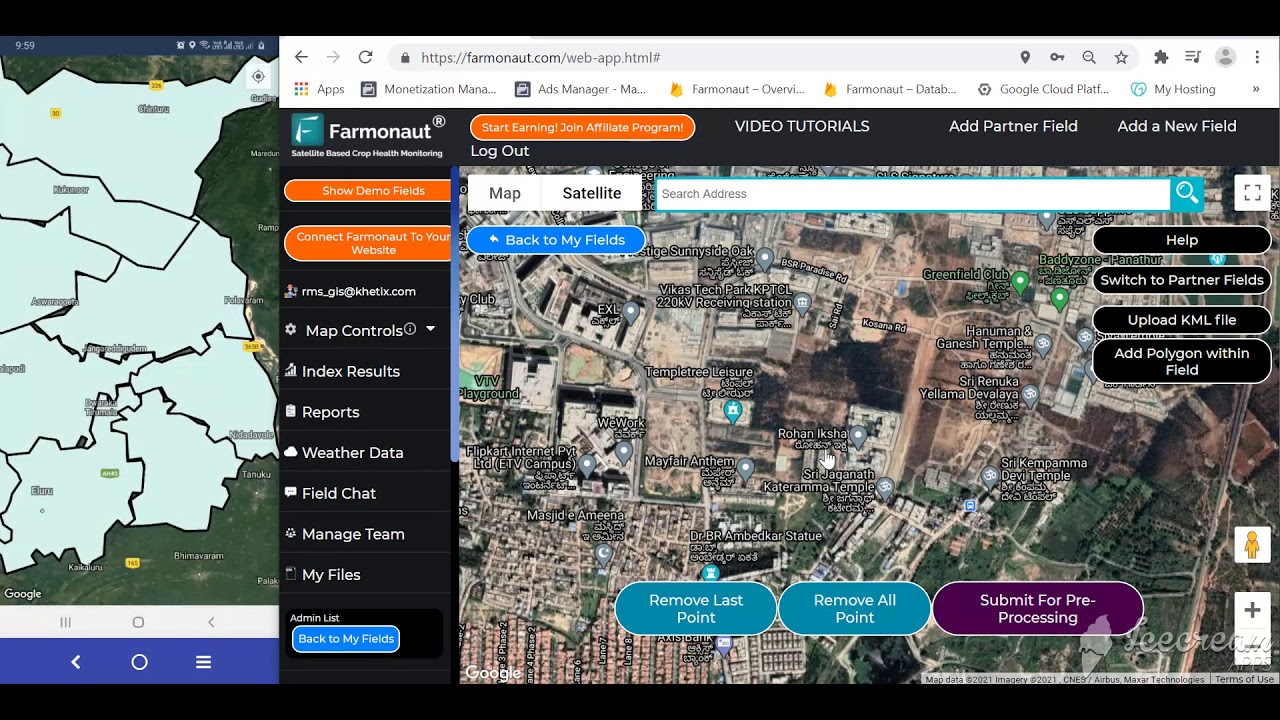
- Satellite-Based Monitoring: Our platform harnesses multispectral imagery to track the health of mining sites, detect changes in land use, and identify anomalies. These capabilities are essential for resource management and compliance in mines operating under stringent regulatory frameworks.
- AI & Blockchain for Traceability: By integrating AI-driven advisories and blockchain verification, we bring transparency and security to the mineral supply chain. Read more about our Product Traceability solutions for mining & agriculture →
- Carbon Footprinting: Our carbon reporting solutions enable mining companies to track, reduce, and report emissions, supporting environmental responsibility goals and attracting ESG-driven investment. Explore Carbon Footprinting Services →
- Fleet Management Solutions: Farmonaut helps mining and infrastructure heavy fleets optimize logistics, reduce waste, and stay compliant with safety guidelines. View Fleet Management Tools →
- API & Integration: Developers and businesses can integrate satellite monitoring and environmental data directly into their workflows with our open Farmonaut Satellite API. For detailed documentation, check the API Developer Docs.
Our underlying mission is to democratize access to advanced monitoring and environmental reporting, empowering users across mining, agriculture, infrastructure, and defence to drive sustainability and operational efficiency.
Comparative Data Table: Market Trends & Sustainability
How Uranium, Pricing, and Sustainability Compare Year-by-Year
| Year | Global Uranium Production (Tonnes, est.) | Uranium Price (USD/lb, est.) | % from Sustainable Sources (est.) | Nuclear Reactors Worldwide (est.) | Estimated CO₂ Reduction (Million Tonnes) |
|---|---|---|---|---|---|
| 2023 | 49,500 | $50 | 55% | 445 | 2,400 |
| 2024 | 54,000 | $58 | 62% | 458 | 2,590 |
| 2025 (Est.) | 59,000 | $68 | 74% | 471 | 2,810 |
Interpretation: The data illustrates a significant upward trend in uranium production, Cameco uranium price, and the adoption of sustainable mining practices. Estimates show over 70% of output will be sourced sustainably by 2025, with a corresponding increase in worldwide nuclear reactors and CO₂ reductions—reflecting uranium’s growing role in the global transition to clean power.
Farmonaut Subscription Plans
For users seeking affordable access to premium satellite-powered monitoring in agriculture, mining, infrastructure, and defence, our subscription packages allow scalable use for individual operators, enterprises, and government institutions.
FAQs on Cameco, Uranium Mining, and Nuclear Energy
What is the significance of Cameco’s news release on uranium supply and nuclear power?
The Cameco news release signals strategic adjustments in uranium production and pricing. It reflects the company’s response to global trends—ensuring sufficient supply aligns with increasing demand from new and existing nuclear projects. The release also highlights Cameco’s ongoing commitment to sustainable mining, carbon reduction, and environmental stewardship.
Why is uranium price rising in 2025?
The 2025 uranium price uplift is largely attributed to tightening supply conditions after years of disruption, heightened long-term procurement by utilities, and a significant increase in nuclear reactor projects across Asia, Europe, and North America.
How do sustainable mining practices benefit the uranium market?
Sustainable mining reduces the environmental impact, improves stakeholder trust, and aligns uranium operations with global ESG and carbon reduction targets. Stringent regulatory frameworks ensure that mining sites near sensitive areas (forests, Indigenous lands) are managed responsibly, and reclamation returns productive land to society post-mining.
How does nuclear power ensure energy security?
Nuclear power delivers reliable, stable, and low-carbon baseload energy, reducing dependence on polluting or imported fossil fuels. Uranium suppliers like Cameco guarantee secure fuel delivery for both civil electricity generation and national defence assets such as nuclear-powered naval vessels.
What is Farmonaut’s role in mining and resource management?
At Farmonaut, we enable mining, agricultural, and infrastructure sectors to leverage satellite and AI-driven insights for resource management, compliance, and operational efficiency. Our platform empowers users to optimize productivity, minimize environmental impact, implement blockchain-based traceability, and monitor carbon emissions—all while ensuring scalable, affordable solutions.
Conclusion: 2025 and Beyond for Cameco and Nuclear Energy
The Cameco news release for 2025 encapsulates the evolving reality of the global uranium market: rising demand for nuclear energy, upward price trajectory, and robust supply from responsible mine operators. Cameco’s strategic management of production and supply remains vital as countries intensify efforts to reduce emissions while ensuring national energy and defence security.
With an increasing emphasis on sustainable mining practices, environmental frameworks, and innovation, uranium’s role as a clean energy driver is now deeply entrenched in the global transition to sustainability. Farmonaut’s state-of-the-art satellite monitoring, carbon reporting, and traceability technologies offer indispensable tools for industries and agencies alike to thrive in this new data-driven, environmentally responsible era.
Looking forward to 2026 and beyond, continued strategic investment—supported by data, technology, and strong regulatory stewardship—will be key to ensuring a resilient, transparent, and balanced future for uranium supply, nuclear power, and global energy security.
Discussion
Questions, corrections or field experience? Share them below. First-time comments are reviewed before they appear, and your email is never published.
No comments yet. Be the first to add a question or your experience.

 Almosi SARL
 SRK Consulting
 Berks Gold Limited
 Mwerezi Minerals Company Limited
 Mining SARL
 SenGold Invest SAS
 Sean Mining Limited
 NTS Group (Pty) Ltd
 Mine4Africa
 Lithspo Minerals Limited
 Tintina Mining Group
 Dalgety Minerals Pty Ltd
 Vortex Minerals Pty Ltd
 Faith At Work (Pty) Ltd
 Geotech Mining Solutions plc
 Licence holder · Nigeria · Gold + lithium










