

Environmental Impact of Copper Mining in 2025: Challenges and Sustainable Pathways
“Global copper mining could degrade over 1,000 square kilometers of land by 2025 without sustainability practices.”
- Introduction: Copper Mining, Coal Environmental Impact 2025 & Why 2025 Matters
- Copper Mining Effects on Environment in 2025: Land, Water, Air & Resource Challenges
- Key Environmental Challenges of Copper Mining
- Quantitative Analysis: Comparative Impact and Solution Table (2025)
- Sustainable Pathways: Technological & Regulatory Solutions for Green Development
- Farmonaut’s Advanced Satellite-Driven Mining Solutions
- Copper Mining Effects on Environment: Regional & Localized Focus
- Global Green Energy Transition, Copper Demand, and Essential Pathways
- Frequently Asked Questions (FAQ)
- Conclusion
Introduction: Copper Mining, Coal Environmental Impact 2025 & Why 2025 Matters
Copper remains an essential metal, a cornerstone of industrial development and infrastructure globally. Used in everything from electrical wiring to renewable energy systems, its importance is only amplified in the era of expanding digital economies and the green energy transition. However, massive demand surges projected for 2025 bring the copper mining effects on environment and the coal environmental impact 2025 into sharp focus.
This article explores the multifaceted environmental and sustainability challenges copper mining poses today. We highlight land degradation, water risks, pollution via dust, greenhouse emissions, toxic tailings, and the urgent need for resource management innovations. Discover how advanced technologies, sustainable regulatory approaches, and community engagement are vital public and industry pathways for 2025 and beyond.
Copper Mining Effects on Environment in 2025: Land, Water, Air & Resource Challenges
The impact of copper mining on the environment is now more critical than ever. In 2025, copper extraction processes — whether open-pit or underground — continue to disrupt vast areas of land, leading to loss of vegetation, severe degradation of habitat, and a decline in local biodiversity.
- Land Degradation: Ongoing expansions, especially in ecologically sensitive regions like the Amazon Basin and parts of Africa, continue to exacerbate deforestation and soil erosion.
- Water Consumption: Copper mining requires substantial volumes of water for ore processing, dust suppression, and slurry transport. This stresses hydrological cycles in increasingly water-scarce regions, detrimentally affecting agriculture and drinking water supplies downstream.
- Pollution: Mining operations release heavy metals, toxic chemicals like sulfuric acid, and generate acid mine drainage. Local water bodies are at risk of contamination that can decimate aquatic life and impact human health.
- Air Pollution & Greenhouse Gas Emissions: Dust and sulfur dioxide emissions from mining operations compromise air quality, while reliance on fossil fuels for energy during processing emits large quantities of carbon dioxide and methane.
- Waste Management: Tailings containing residual metals and chemicals pose ongoing risks for local communities and ecosystems, sometimes leading to catastrophic pollution events.
As we approach 2025, the world faces mounting challenges in balancing the development and aspirations of the digital age with stringent resource management and the need to mitigate the environmental impacts of essential metal extraction.

“Copper mining operations risk polluting up to 4 billion cubic meters of water by 2025 if mitigation isn’t implemented.”
Key Environmental Challenges of Copper Mining
1. Land Degradation and Habitat Loss
Copper extraction typically involves large-scale open-pit or underground mining. These processes disrupt vast areas, removal of vegetation, and topsoil. The direct effects include:
- Severe habitat loss: Threatening biodiversity, flora and fauna are impacted.
- Soil erosion: Ongoing expansions in places like the Amazon Basin and parts of Africa exacerbate soil instability and sedimentation in rivers.
- Deforestation: Especially critical in ecologically sensitive areas. This degradation impacts not just the environment but also indigenous and rural communities dependent on local ecosystems.
2. Water Consumption and Contamination
Copper mining is water-intensive. The process requires enormous volumes of water for ore processing, dust suppression, and slurry transport. Key impacts:
- Stresses on hydrological cycles in increasingly scarce regions.
- Detrimentally affecting agriculture and drinking water supplies downstream.
- Release of heavy metals (like lead, arsenic), toxic chemicals, and sulfuric acid, leading to acid mine drainage—contaminated bodies of water result in loss of aquatic life and threaten human health.
According to 2025 projections, global copper mining could risk polluting up to 4 billion cubic meters of water if sustainable management is not enforced.
3. Air Pollution & Greenhouse Gas Emissions
Mining and refining stages emit dust, sulfur dioxide, and other particulate matter into the air, reducing local air quality and posing respiratory risks. Further, energy-intensive processing contributes significant greenhouse emissions (carbon dioxide, methane), especially at sites still reliant on fossil fuels despite growing renewable energy integration.
- GHG Emissions: Persistent dependence on fossil fuels by many mining operations increases the carbon imprint of copper production even as the industry promises a green transition.
- Health risks: Elevated particulate and SO2 levels are associated with increased cases of asthma and other respiratory illnesses in local communities.
4. Waste Management: Tailings and Toxic Byproducts
Copper mining generates millions of tonnes of tailings — mining waste filled with residual metals and chemicals. When not properly stored or managed, tailings dams pose ongoing risks for leaching, pollution, and even catastrophic failure.
- Tailings leaks: Leach toxic substances into soils and waterways, threatening entire local food webs.
- Legacy pollution: Abandoned sites continue to cause degradation and health issues for decades after mines close.

Quantitative Analysis: Comparative Impact and Solution Table (2025)
A concise, data-driven comparison clarifies the copper mining effects on environment in 2025. Examine key impact metrics, estimated data, associated risks, and targeted sustainable solutions sculpting global green development and resource management this decade.
| Environmental Impact | Estimated 2025 Data | Key Risks | Sustainable Solutions |
|---|---|---|---|
| Land Degradation & Habitat Loss | 1,000+ km2 degraded (20%+ increase since 2020) | Biodiversity loss, erosion, deforestation | Precision mining, ecological restoration, real-time land monitoring via satellite large-scale management tools |
| Water Usage & Contamination | 4Bn m3 water at risk (30%+ increase since 2020) | Aquatic life loss, human health, crop failure, acid drainage | Water recycling, tailings dry stacking, real-time water quality satellites, stricter chemical regulation |
| Air Pollution & GHG Emissions | 20-30 Mt CO2 eq/yr; SO2 and dust up by 18% since 2020 | Respiratory disease, climate impact, local air quality loss | Solar/wind energy integration, emissions tracking (carbon footprint monitoring), electrified mining fleets |
| Tailings & Toxic Waste | >70Mt tailings/year; legacy sites >3000 globally | Soil/water contamination, catastrophic dam failures, chronic ecosystem risks | Dry stacking, satellite monitoring of tailings, blockchain-based waste traceability |
| Resource Inefficiency (Low Recycling) | <20% global copper recycled; slow growth from 2020 | Resource depletion, excess extraction impacts | Urban and e-waste mining, advanced recycling, supply chain tracking |

Sustainable Pathways: Technological & Regulatory Solutions for Green Development
Technological Innovations Reshaping Copper Mining
- Bioleaching: Harnessing bacteria to extract copper from ore, greatly reducing chemicals and water usage.
- Dry Stacking of Tailings: Replaces hazardous wet tailings dams, slashing contamination risks.
- Water Recycling: Closed-loop processing systems reduce new water consumption and lower contamination risks.
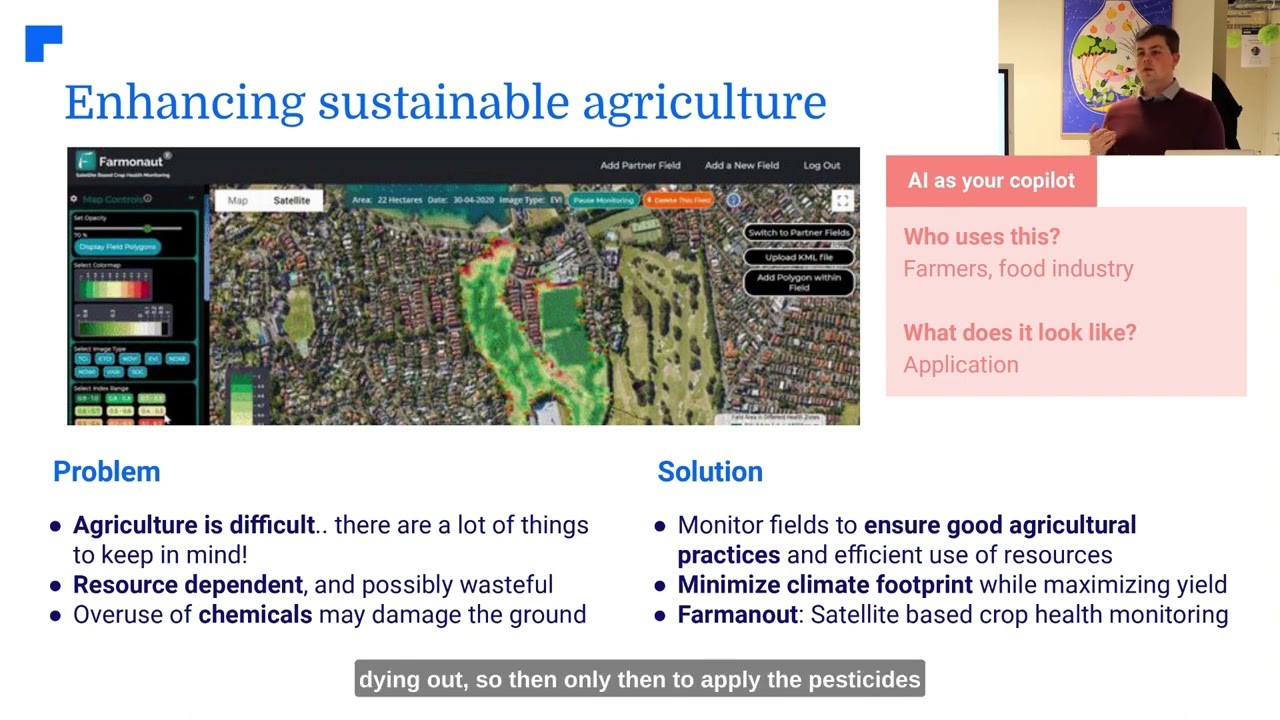
- Automation & Remote Sensing: AI, drones, and satellites monitor resource use, mine progress, and area degradation in near real-time, minimizing impact and maximizing safety.
Renewable Energy Integration in Mining Operations
- Solar & Wind Power: New mining sites in 2025 increasingly power operations via on-site renewables, reducing carbon dioxide and SO2 output.
- Hybrid Off-Grid Mining: Combining small-scale solar, wind, and battery storage to reduce diesel generator use, aligning with carbon neutrality goals.
Circular Economy & Advanced Recycling
- Urban Mining: Techniques for extracting copper from e-waste and old infrastructure are scaling up, helping reduce the burden on new mines.
- Supply Chain Traceability: Blockchain-enabled tracking for origin authentication, pollution minimization, and best-practices adoption. (Learn more about Farmonaut’s traceability tools)
Strengthening Regulation, Community Involvement, and Policy
- Tighter Environmental Policies: Legal mandates for environmental impact assessment, emissions reporting, and post-mining ecosystem restoration.
- Transparent Reporting: Stakeholders — including governments, investors, and communities — now demand actionable emissions and resource management data. (Read about Farmonaut’s carbon footprint management solutions)
- Community & Indigenous Engagement: Collaborations with local voices ensure developments respect cultural heritage, reduce risks, and provide socioeconomic benefits.
Farmonaut does not directly operate mines or regulatory frameworks, but as a satellite technology platform we enable real-time monitoring, resource management, traceability, and environmental reporting for mining stakeholders. (See: Fleet & resource management details).
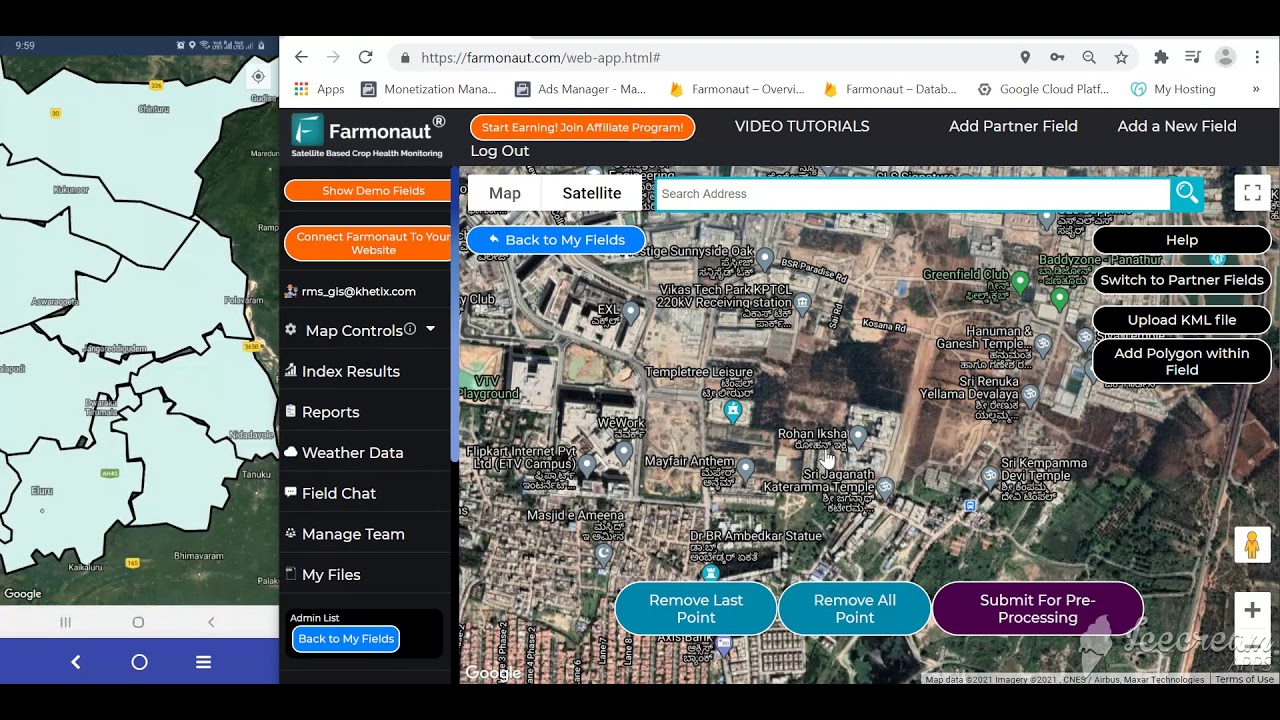
Farmonaut’s Satellite-Based Mining Insights:
- Our tools utilize multispectral satellite images for continuous land degradation and tailings monitoring.
- AI-driven analytics (such as the Jeevn AI advisory system) support mining operations with real-time environmental impact data and efficiency recommendations.
- Blockchain-based traceability enables secure reporting and regulatory compliance for resource sourcing and waste management.
- Satellite-based fleet and resource management (details at Fleet Management) improves operational productivity and reduces unnecessary fuel consumption—integral to environmental stewardship in mining.
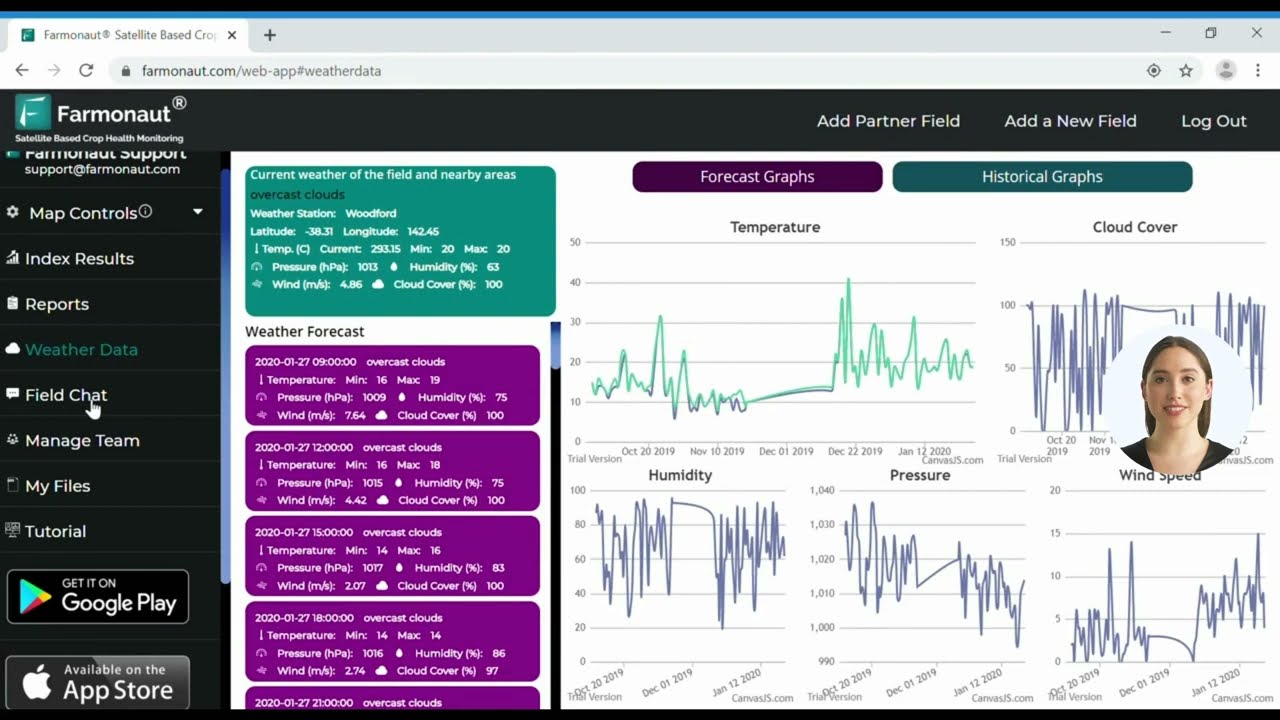
- Farmonaut’s platform is available via Web, Android, and iOS for accessible, mobile-friendly operations.



For businesses and developers wanting to integrate advanced mining and environmental data into their own platforms, check out the Farmonaut API and the API Developer Documentation.
Farmonaut Subscription Plans
Get scalable, real-time satellite insights for environmental and mining operations:
Copper Mining Effects on Environment: Regional & Localized Focus
The environmental impact of copper mining is not uniform. Ecologically sensitive areas—such as the Amazon Basin or parts of Africa—face the highest risks due to ongoing expansions and sensitive local ecosystems. Land degradation and loss often intersect with indigenous communities and rural populations who are directly dependent on these ecosystems for their livelihoods, agriculture, and culture.
- Amazon Basin: Copper mining expansion risks rainforest deforestation, soil erosion, and waterways contamination, affecting fish and agriculture far downstream.
- Africa: Mining in sensitive areas can exacerbate water scarcity, crop stress, and food insecurity, with climate change intensifying pressure in already stressed regions.
- Global North & Urbanized Regions: New techniques like urban mining and e-waste recycling are increasingly supplementing copper supply, slightly reducing the local impact of extraction but raising new waste-management challenges.
These challenges demand precise monitoring, localized solutions, and ongoing engagement between mining companies, governments, and at-risk communities.

Global Green Energy Transition, Copper Demand, and Essential Pathways
The global energy transition is rapidly increasing demand for copper. This essential metal is integral to building renewable energy infrastructure—including solar panels, wind turbines, energy storage, and electric vehicles. While providing vital support for global decarbonization, the industry must ensure the pathways toward this green future do not cause irreversible environmental damage.
- Electric Vehicles (EVs): Require 4x the copper content per unit compared to fossil-fuel cars, as do inductive charging stations and local grid upgrades.
- Grid Expansion: Power transition efforts demand vast new copper wiring for transmission and distribution, further increasing extraction pressure.
- Renewable Installations: Wind and solar capacity build-outs are cornerstones of national energy plans in 2025 and beyond, with each MW requiring up to 5-6 tonnes of copper.
To meet this challenge, the world’s best-performing copper producers are now tracking carbon footprint per tonne, adopting sustainable infrastructure, advancing tailings management, and leveraging satellite-driven systems for real-time impact monitoring (large-scale operational management).
Emphasis on circular economy principles—maximizing recycling, urban mining, and minimizing new land disturbance—is now prioritized at both the policy and corporate levels globally.

Where post-mining land reclamation is required, satellite-based monitoring solutions like ours help oversee soil rehabilitation and crop plantation forest advisory. (Read more about Farmonaut plantation and forest advisory services)
Frequently Asked Questions (FAQ)
Q1: What are the main environmental impacts of copper mining in 2025?
The primary effects include land degradation and habitat loss, water consumption and contamination, air pollution (dust, SO2, carbon emissions), and hazardous tailings management. These continue to threaten biodiversity, aquatic life, and human health, especially in ecologically sensitive areas like the Amazon Basin and Africa.
Q2: How serious is water pollution from copper mining?
It is highly significant: copper mining operations risk polluting up to 4 billion cubic meters of water by 2025 in the absence of comprehensive mitigation and real-time monitoring. Toxins from acid mine drainage can decimate local aquatic ecosystems and make water unsafe for agriculture and drinking.
Q3: What are some sustainable solutions for mitigating copper mining’s environmental impact?
Key solutions include bioleaching, closed-loop water recycling, dry tailings stacking, renewable energy integration into mine operations, blockchain-based supply chain traceability, and rigorous environmental regulation. Satellite and AI technologies—like those offered by Farmonaut—play a critical role in real-time monitoring and data-driven resource management.
Q4: What role do digital technologies play in copper mining sustainability?
Digital platforms use satellite imagery and AI analytics to track environmental parameters (emissions, land use, water quality) and drive intelligent decision making. This is key for operational transparency, regulatory compliance, and optimizing resources to reduce environmental and carbon footprints.
Q5: What is Farmonaut’s role in sustainable mining?
We at Farmonaut provide satellite-based solutions for real-time monitoring, AI-based advisory for resource management, blockchain-based traceability for supply chains, and carbon footprint monitoring. We help businesses, communities, and governments adopt sustainable mining and agricultural practices while maximizing operational efficiency and transparency.
Conclusion
Copper remains essential for the world’s industrial and digital development, yet copper mining effects on environment in 2025 demand urgent, coordinated action. Large-scale land degradation, water consumption and pollution, hazardous emissions, and tailings pose critical risks — particularly in ecologically sensitive areas and communities dependent on local ecosystems.
Through a multi-pronged approach — spanning new technologies like AI, satellite monitoring, renewable energy adoption, and robust regulation — the global copper industry can mitigate its footprint while delivering benefits needed for green energy transition and infrastructure expansion.
Farmonaut supports this transition by offering cost-effective satellite tools for monitoring, advisory, traceability, and environmental management — empowering users worldwide to develop more sustainable, transparent, and data-driven operations.
As 2025 approaches — and global demand surges for clean energy and electronic infrastructure — the opportunity for a truly sustainable pathway for copper mining and allied sectors has never been more urgent or achievable.

 Omsri International FZE
 G.I.T.T.
 Jaunita Erss Ltd
 Almosi SARL
 SRK Consulting
 Berks Gold Limited
 Mwerezi Minerals Company Limited
 Mining SARL
 SenGold Invest SAS
 Sean Mining Limited
 NTS Group (Pty) Ltd
 Mine4Africa
 Lithspo Minerals Limited
 Tintina Mining Group
 Dalgety Minerals Pty Ltd
