

Environmental Regulations and Compliance in Copper Mining: A Beginner’s Guide (2025)
“Over 90% of copper mines must implement stricter water management regulations by 2025 for environmental compliance.”
Summary: Environmental Regulations and Compliance in Copper Mining (2025)
Environmental Regulations and Compliance in Copper Mining: A Beginner’s Guide (2025)
Copper mining remains the cornerstone of industrial development, essential for electrical, renewable energy, and infrastructure growth worldwide. However, the industry faces significant environmental challenges—from water and air pollution to hazardous waste—necessitating rigorous regulations and compliance frameworks. This Beginner’s Guide outlines the key environmental aspects, national and international regulations, best practices for 2025 and beyond, and the role of innovative solutions such as real-time satellite monitoring. Understanding these regulatory requirements is critical for companies, stakeholders, and anyone seeking to navigate copper mining safely, sustainably, and ethically.
Introduction
Copper is at the heart of modern technology, powering everything from global electrical infrastructure to innovative renewable energy technologies. As copper remains a cornerstone of industrial development and powering everything from electric vehicles to wind turbines, it fuels global economic growth. However, the environmental footprint of copper extraction poses significant challenges, from habitat loss to water and air pollution.
These impacts make robust environmental regulations and compliance standards not only crucial but central to sustainable operations in the mining sector. This guide provides a comprehensive overview of the key aspects, challenges, national and international regulatory frameworks, and the adoption of leading best practices that copper mining companies must follow in 2025 and beyond.
Whether you are a beginner, a stakeholder, or an expert, this Environmental Regulations and Compliance in Copper Mining: Beginners Guide is your roadmap to compliance, sustainability, and responsible mining.



The Importance of Environmental Regulations in Copper Mining
Environmental regulations form the backbone of responsible mineral extraction by:
- Protecting ecosystems and human health by mitigating pollution and environmental risks;
- Ensuring copper mining companies adhere to national laws, international frameworks, and best practices for sustainability;
- Avoiding legal penalties and maintaining the social license to operate through compliance and transparency;
- Enhancing corporate responsibility profiles and meeting rising stakeholder expectations;
- Supporting sustainable economic development in copper-rich regions.
Mining activities can create severe environmental impacts, including habitat destruction, soil erosion, toxic emissions, and waste mismanagement. Effective regulations serve to mitigate these impacts and ensure that the sector operates sustainably—balancing economic benefits with ecosystem conservation and community well-being.

Key Environmental Challenges in Copper Mining
To understand the regulatory landscape, it’s important to examine the common challenges facing copper mining:
1. Water Management (Regulations & Compliance)
- Water use and contamination: Copper mining commonly involves large volumes of water for ore processing and dust suppression. Improper discharge of effluents containing heavy metals and acids can contaminate nearby water bodies, posing risks to biodiversity and local communities.
- Effluent standards: Tightened environmental regulations now demand lower toxicity, acid, and metal loads in discharged waters, with limits on parameters like pH, copper, and total suspended solids.
- Water recycling: Efficient water management systems and water reuse are critical for regulatory compliance.

2. Waste Management (Tailings & Toxic Materials)
- Tailings and waste rock: Mining waste can contain toxic substances—such as arsenic, mercury, and sulfuric acid—that must be carefully contained and treated.
- Tailings dam safety: Structural failures or leakage can lead to catastrophic disasters.
- Compliance standards: Leading regulations now require safer storage (e.g., dry stacking), secondary containment, and continuous monitoring to prevent failures.
3. Air Quality (Pollution & Greenhouse Gas Emissions)
- Air pollution from dust and emissions: Copper mining activities generate dust and airborne pollutants—lead, particulate matter (PM), sulfur oxides, and other hazardous gases.
- Greenhouse gas emissions: Fuel and electricity consumption in extraction/processing lead to significant carbon emissions.
- Stricter standards: Global regulations in 2025 enforce particulate emission limits (30-50 mg/m³) and significant GHG reductions.

4. Land Disturbance, Biodiversity Loss & Social Impacts
- Habitat destruction: Building new mines often requires clearing forest or sensitive landscapes, directly leading to loss of flora and fauna and fragmentation of ecosystems.
- Soil erosion and contamination: Exposed soils can erode into local water systems, carrying metals and toxic substances.
- Social and community risks: Displacement, health impacts, changes in local livelihoods, and loss of ecosystem services all raise stakeholder expectations for strong regulations and reporting.
“Air emissions from copper mining are projected to be reduced by 30% via new global standards by 2025.”
Principal Environmental Regulations, Standards, and Frameworks in Copper Mining (2025+)
As of 2025, copper mining companies must navigate a landscape shaped by evolving national laws and rigorous international frameworks. These regulations span water, air quality, waste, and broader sustainability reporting requirements.
Here, we outline the key frameworks and standards governing environmental management in copper mining, emphasizing notable regional practices.
National Environmental Laws and Standards
-
USA: Clean Water Act, Clean Air Act, Resource Conservation and Recovery Act (RCRA), Mine Safety and Health Administration (MSHA)
Focuses on limiting toxic effluents, mine dust, tailings, and soil contamination. -
Canada: Metal Mining Effluent Regulations (MMER), Canadian Environmental Protection Act (CEPA)
Includes water quality and effluent standards, mandatory EIAs. -
Chile: Environmental Framework Law
Centers on effluent discharge limits, emission reporting, and local community engagement. -
European Union: EU Environmental Directives, Industrial Emissions Directive, Water Framework Directive
Enforces integrated pollution prevention and strict discharge limits. -
Australia: Environment Protection and Biodiversity Conservation Act
Adds biodiversity conservation and progressive mine closure planning.
Regardless of jurisdiction, EIA (Environmental Impact Assessment) and mine closure plans are now mandatory for new and existing copper mining operations.
International Guidelines & Industry Benchmarks
- IFC Performance Standards: International Finance Corporation standards around environmental and social risks in mining, including water, air, hazardous waste, and biodiversity conservation.
- ICMM (International Council on Mining and Metals) Guidelines: Industry-wide best practices for sustainable mining operations—air, water, tailings, closure plans, and stakeholder engagement.
- ISO 14001 (Environmental Management Systems): Sets out standards for organizing and reporting environmental compliance and continuous improvement.
- Carbon Emissions Regulations (Paris Agreement, Net Zero Commitments): Requires greenhouse gas emission reductions, energy efficiency, and adoption of renewable energy sources.
Relevant documentation and guidelines:
- Environmental Impact Assessments (EIAs)
- Mine closure and reclamation plans
- Incident and spill reporting systems
- Annual sustainability and product traceability reports
? Tip: With the advent of satellite-based carbon footprinting, mining companies can now better monitor emissions and support carbon reduction goals.
Comparative Compliance Matrix Table (2025+)
| Framework / Standard | Water Management | Air Quality | Waste Management | Sustainability Reporting |
|---|---|---|---|---|
| EPA (US) | Discharge limit: < 10 mg/L total copper; Water reuse target: 25% by 2025 | PM10 ≤ 30 mg/m³; SO2 ≤ 20 μg/m³ | Tailings storage factor of safety ≥ 1.5; Comprehensive treatment/prevention plans | Annual report, mandatory GHG inventory, closure updates |
| EU Environmental Directives | Water reduction: 20% by 2025; Strict nitrate and heavy metals thresholds |
NOx emissions ≤ 100 mg/Nm³; Dust abatement requirement | Mandatory dry stacking for new projects; Continuous monitoring | Quarterly sustainability disclosures; Stakeholder engagement required |
| ISO 14001 | Continuous improvement in usage and discharge; Risk-based monitoring plans | Ongoing emissions auditing; Air quality management plan | Documented waste minimization & recycling programs | Regular environmental management reviews; Annual progress reports |
| IFC Standards | Zero liquid discharge (ZLD) encouraged; Effluent toxicity within project-specific limits |
GHG reduction target: 30% by 2025; Continuous pollutant monitoring |
Integrated hazardous and non-hazardous waste management | Comprehensive E&S impact assessment; Ongoing stakeholder reporting |
| 2025+ Best Practices | Aim for ≥ 30% water recycling on site; Continuous, IoT-based quality monitoring; Rapid response to leaks |
< 20 mg/m³ dust via automation & enclosures; Carbon-neutral mine goals |
Dry stacking, backup containment systems, Transparent incident reporting |
Real-time sustainability dashboards; Annual assurance audits; Use AI for reporting accuracy |
*All thresholds are indicative of 2025 international compliance trends; actual requirements may vary by project or region.

Compliance Strategies for Copper Mining Companies: Meeting 2025 Standards
Achieving and maintaining compliance in copper mining requires holistic management systems, cutting-edge monitoring, and a commitment to continuous improvement. Here are core strategies for 2025 and beyond:
Comprehensive Environmental Impact Assessment (EIA)
- Conduct rigorous, transparent EIAs at every project phase—including regular updates.
- Include baseline studies on water, air, soils, and biodiversity.
- Engage communities and stakeholders in the EIA process for buy-in and better risk management.
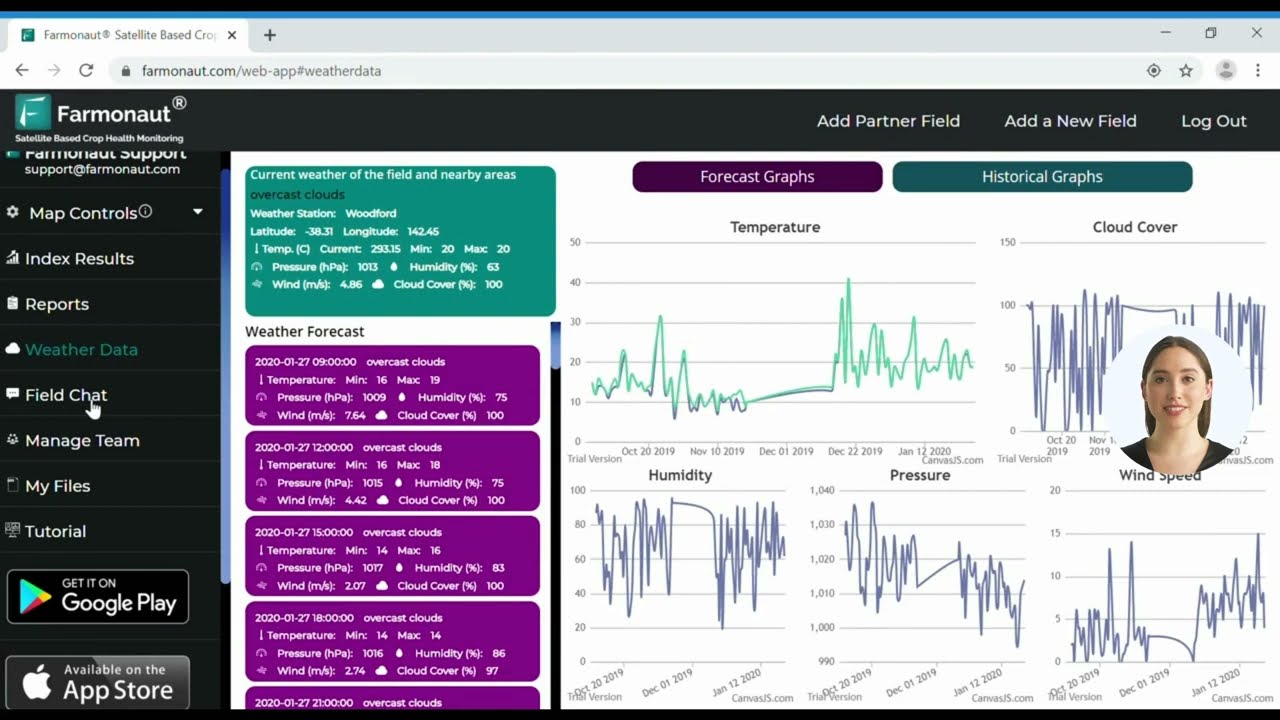
Farmonaut provides real-time satellite-based monitoring to facilitate these assessments, offering data-driven insights for regulatory submissions.
Water and Waste Management Systems
- Advanced effluent treatment: Deploy multi-stage filtration, reverse osmosis, and bio-remediation for contaminated waters.
- Recycle/reuse process water: Target at least a 30% reduction in fresh water use compared to 2020 baselines.
- Tailings safety: Implement dry-stacking and double-liner systems to minimize leakage and dam failures.
- Consider satellite-driven resource and fleet management to oversee onsite logistics and safety.

Air Pollution Controls
- Dust suppression: Use water sprays, fogging systems, and surface binding agents during ore processing.
- Enclosed conveyors & material handling: Reduce the spread of particulate matter.
- Continuous air quality monitoring: Measure PM, NOx, SOx, and GHGs for each mining operation.
- Emission reduction strategies: Deploy electrified equipment, renewable energy integration, and carbon capture techniques.
Satellite-based emission tracking using Farmonaut’s carbon footprinting solution helps companies monitor and reduce their greenhouse gas emissions for sustainability targets.

Biodiversity and Land Conservation Plans
- Habitat rehabilitation: Restore mined-out lands with native vegetation and create biodiversity offsets.
- Conservation buffers: Establish protected zones around sensitive habitats and water bodies.
- Engage local communities in restoration and long-term conservation projects.
Farmonaut’s satellite and AI-based monitoring tools support real-time tracking of changes in vegetative cover and ecosystem health—critical for compliance documentation.
Monitoring, Reporting, and Transparency
- Continuous monitoring: Use IoT sensors, satellite tracking, and predictive analytics for environmental quality and incident response.
- Transparent reporting: Share compliance results publicly to build trust and meet stakeholder expectations.
- Blockchain traceability: Adopt systems like Farmonaut’s traceability solutions for authentic, verifiable sustainability claims.
Technology Adoption & Digital Solutions
- Satellite-based monitoring: Track land, water, and emissions with high-frequency, multi-spectral imagery.
- AI-driven analysis: Automate EIA, leak, and emissions detection for enhanced compliance and efficiency.
- Blockchain & remote reporting: Securely document and audit environmental actions.
Innovation & Satellite Technology for Environmental Compliance
In 2025 and beyond, digital innovation is revolutionizing environmental compliance. As a leader in satellite-based solutions, we at Farmonaut help copper mining companies leverage advanced technology for sustainability and regulatory adherence:
- Real-time satellite monitoring: Gain up-to-date environmental data on land, water, air, and reclamation progress remotely.
- AI-based advisory: Our Jeevn AI system interprets satellite data, providing actionable strategies for improving compliance and resource efficiency.
- Blockchain-based traceability: Build transparent supply chains, from extraction to end-use, supporting regulatory and consumer expectations.
- Environmental impact tracking: Carbon footprint analytics, soil quality assessments, and ecosystem health indicators support responsible decision-making.
- Resource and fleet management: Optimize logistics and operations for lower emissions, increased safety, and cost effectiveness.
Our solutions are accessible by web, Android, and iOS, ensuring inclusive and scalable adoption for operations of any size or region.
The Path Forward: Compliance and Sustainability in 2025 & Beyond
Environmental regulations in copper mining will become progressively more stringent as governments and society demand greater action on climate, water scarcity, ecosystem protection, and transparency. Regulatory frameworks will continue to evolve, placing stronger emphasis on lifecycle impacts, full-chain reporting, and adaptive management practices.
- Companies that integrate environmental compliance and carbon footprint management into their corporate governance will not only reduce risks but also gain competitive and reputational advantages.
- Stakeholders and financial institutions increasingly use tools like satellite-based verification for loans/insurance—reducing fraud and increasing access to green capital.
- Satellite and AI-driven platforms will be indispensable in meeting reporting and monitoring obligations with accuracy and cost transparency.
- Greater integration of renewable energy, closed-loop systems, and biodiversity offsets will define industry best practices.

FAQ: Environmental Regulations and Compliance in Copper Mining
1. What are the most important environmental regulations affecting copper mining in 2025?
The most critical regulations for copper mining companies include Clean Water and Air Acts, Metal Mining Effluent Regulations, EU Environmental Directives, ISO 14001, and international guidelines like IFC Performance Standards and ICMM best practice benchmarks. Collectively, these regulations address water management, air quality, waste and tailings containment, biodiversity conservation, and carbon emission limits.
2. How is compliance with environmental standards monitored?
Compliance is monitored through a combination of on-site inspections, laboratory testing, remote sensing (satellite and IoT), public disclosure, and increasingly, real-time digital reporting to authorities and stakeholders. Platforms like Farmonaut’s satellite-based monitoring system can greatly enhance oversight and reporting accuracy.
3. Why is water management so vital in copper mining?
Copper extraction and processing require large quantities of water. Ineffective water management can lead to contamination from heavy metal or acidic effluents, impacting biodiversity and communities downstream. Modern regulations mandate tight use, recycling, and treatment controls.
4. What are tailings and why do they pose environmental risks?
Tailings are the finely ground waste materials left after copper ore is processed. They can contain toxic substances such as arsenic, lead, and acids. Without proper containment and treatment, tailings dams can fail, causing severe land, water, and community disasters.
5. How do companies reduce their carbon emissions in copper mining?
By adopting energy-efficient processes, integrating renewable technologies, electrifying equipment, and leveraging satellite-based carbon footprint monitoring, companies can significantly reduce their greenhouse gas emissions and support global climate goals.
6. What are Environmental Impact Assessments (EIAs), and why are they required?
EIAs examine the potential environmental and social impacts of mining projects before they proceed. These assessments are mandatory under most national laws and international frameworks, ensuring that mining activities are planned and managed responsibly from the outset.
7. How can digital tools help copper mines stay compliant?
Satellite-based monitoring, AI-driven analytics, and blockchain traceability support real-time environmental quality checks, help generate sustainability reports, and strengthen regulatory adherence with auditable evidence.
Conclusion
Environmental Regulations and Compliance in Copper Mining: Beginners Guide—as of 2025—shows that environmental responsibility is not just an obligation, but an opportunity for copper mining companies to enhance efficiency, reputation, and long-term viability. By adhering to key regulatory frameworks, implementing best practices, and embracing innovative monitoring technologies, the industry can continue to supply the world’s need for copper while safeguarding the health of our planet’s ecosystems and communities.
Access to digital tools, like those provided by Farmonaut, make compliance more achievable, data-driven, and transparent than ever before. With the right strategy, copper mining can be both a cornerstone of industrial development and a responsible steward of the environment—powering everything a sustainable future requires.
Farmonaut Subscription Options
Ready to enhance your mining operations’ environmental compliance? Explore Farmonaut’s flexible subscription packages, including satellite-based monitoring, AI advisory, traceability, and resource management tools—all designed to help you maintain compliance and reduce risks in 2025 and beyond.

 Mulopwe Metals Mining Ltd
 Tintina Mining Group
 Dalgety Minerals Pty Ltd
 Vortex Minerals Pty Ltd
 Faith At Work (Pty) Ltd
 Geotech Mining Solutions plc
 Vulcan International Limited
 Kidepo Associates
 GKY Mining
 Alkimy SARL
 Double A Trading
 GemSprout Metals Limited
 Qader Group
 Ileys General Trading
 SG Gold Mining LLC
 VRV Global Pte Ltd
 Omsri International FZE
 G.I.T.T.
 Jaunita Erss Ltd
 Almosi SARL
 SRK Consulting
 Berks Gold Limited
 Mwerezi Minerals Company Limited
