

Copper Mining Locations: 7 Environmental Implications 2025
“Over 70% of global copper in 2025 will be mined from just seven key locations, impacting diverse ecosystems worldwide.”
Summary: Copper Mining Locations and Environmental Implications in 2025
Copper remains one of the world’s most essential metals, underpinning critical industries such as electronics, construction, and the renewable energy sector. As the demand for copper continues to rise, fueled by the global acceleration towards electric technologies, the distribution and activity at major copper mining locations have never been more under scrutiny. This informative article explores the leading global locations for copper mining in 2025, examines the significant environmental implications of mining, and highlights the transformative practices and innovative technologies shaping a more sustainable future for the industry.
Our perspective is grounded in urgent sustainability and environmental priorities—balancing crucial resource extraction with responsible stewardship and green growth. We consider both the risks and solutions, helping businesses, policymakers, and communities understand both the local and global stakes involved.
Introduction: Why Copper Remains Essential in 2025
Copper is foundational to the world’s energy and technological transformation. Electrification, renewable power generation, smart grids, and energy storage all rely on copper’s unparalleled electrical conductivity. As of 2025, this critical metal is a keystone of growth in numerous industries, extending well beyond traditional uses to underpin the digital and green economies.
Key copper mining locations are thus directly linked to global ambitions for a more sustainable future. However, increasing output from these locations is paired with environmental risks: land disturbance, water usage and contamination, air and carbon emissions, and the impact of heavy metals on local ecosystems. Navigating the implications of expanding copper mining is no longer optional—it’s an environmental imperative.
Global Copper Mining Locations in 2025: Distribution, Output, and Emerging Prospects
The global distribution of copper reserves and extraction is heavily concentrated in select regions that combine geological advantages (notably, porphyry deposits that are economically viable to exploit) with established mining infrastructure and regulatory frameworks.
- Chile (home to Escondida and Chuquicamata): Worlds largest producer, accounting for >25% of world output. Mining is concentrated in the northern Atacama Desert, where the Escondida and Chuquicamata mines alone represent a substantial share of global copper production.
- Peru (Mines like Cerro Verde, Antamina): Consistently ranks as the world’s second-largest copper producer after Chile. Mining is focused in the Andes, exploiting porphyry and skarn deposits.
- United States (Notably Arizona and Southwest): The copper-rich “Copper Triangle” in Arizona is the nation’s center for significant copper mining operations.
- Democratic Republic of Congo & Zambia (Central Africa): Together, they produce a significant portion of the world’s copper, with a concentration on high-grade sediment-hosted ore.
- Australia & Canada (Major Mining Regions): Both nations leverage substantial reserves, advanced technology, and increasingly sustainable practices.
- China: Driven also by massive domestic demand, China’s aggressive mining and import policies reinforce its central role in the global copper market.
Exploration efforts are increasingly directed towards underexplored territories in Central Asia, emerging prospects in Greenland, and the controversial realm of deep-sea mining. Although these new prospects are not yet leading contributors, their implications for both supply and the environmental landscape remain critical in 2025.

Comparative Environmental Impact Table: Major Global Copper Mining Locations, 2025
| Location | Est. Annual Copper Output (2025, Metric Tons) | Water Usage (Million m³) | Carbon Emissions (Metric Tons CO₂) | Land Disturbance (km²) | Adoption of Sustainable Practices | Ongoing Environmental Rehabilitation Initiatives |
|---|---|---|---|---|---|---|
| Chile | ~5,800,000 | 600–800 | ~34,000,000 | 280–320 | Medium-High | Yes |
| Peru | ~2,400,000 | 300–450 | ~15,000,000 | 110–140 | Medium | Yes |
| China | ~1,900,000 | 250–380 | ~19,000,000 | 98–130 | Low-Medium | No |
| USA (Arizona & SW) | ~1,200,000 | 160–250 | ~8,000,000 | 55–75 | High | Yes |
| DRC | ~1,800,000 | 140–210 | ~10,500,000 | 68–90 | Low | No |
| Zambia | ~900,000 | 100–160 | ~5,700,000 | 41–60 | Low-Medium | No |
| Australia | ~950,000 | 100–145 | ~6,000,000 | 48–62 | High | Yes |
| Canada | ~600,000 | 73–110 | ~3,000,000 | 29–38 | High | Yes |
Estimates as of 2025, reflecting increased reporting transparency and adoption of sustainable practices—yet wide disparities in water, emissions, and environmental stewardship among leading regions.

“Sustainable mining could reduce copper-related carbon emissions by 40% in leading operations by 2025.”
7 Environmental Implications of Copper Mining in 2025
With demand for copper increasingly driven by accelerating electrification and green ambitions, the environmental implications of mining must be carefully managed. In 2025, the copper industry faces seven critical implications connected to sustainability, resource management, and ecological stewardship.
1. Land Degradation and Habitat Loss
Copper mining, especially open-pit methods, leads to substantial land disturbance:
- Mining excavation disrupts ecosystems, causes habitat destruction, and results in the loss of biodiversity.
- Sensitive areas, such as the Andes—rich in endemic species—face permanent landscape transformation.
- In Africa (e.g., DRC, Zambia), similar patterns of disturbance affect tropical and subtropical environments.
This creates a pressing need for responsible land management and ongoing environmental rehabilitation—goals increasingly tracked and supported by carbon footprint monitoring solutions to guide companies and governments in managing cumulative impacts.
2. Water Usage and Contamination
Copper processing demands significant water resources:
- High water usage for crushing, grinding, leaching, and dust suppression places intense pressure on local supplies—especially in arid regions like northern Chile and Australia.
- Improper handling leads to acid mine drainage: highly acidic water containing dissolved heavy metals that can permanently impair rivers, groundwater, and aquatic life.
- Contamination is a crucial concern in regions with weak regulations and lax oversight.
Comprehensive monitoring and resource traceability systems are needed to protect water sources and public health.

3. Air Pollution
Copper mining and ore processing result in air pollution:
- The extraction and smelting phases emit significant particulate matter, including dust from blasting and haulage.
- Sulfur dioxide emissions can contribute to acid rain and respiratory issues, especially prior to the adoption of modern emission controls.
- While advanced technologies have reduced emissions in developed nations, developing locations still face considerable air quality concerns.
Stricter regulations and environmental compliance monitoring are vital for public and ecological health.
4. Energy Consumption and Carbon Emissions
Copper mining remains energy-intensive due to the scale from ore to refined metal:
- Diesel-powered equipment, electricity for mills and refineries, and fossil-fuel-based smelting processes create an extensive carbon footprint.
- In 2025, top-ranked companies are pushing towards renewable energy integration—solar, wind, and hydro—to offset their emissions and improve environmental performance.
- Progress is tracked using real-time carbon tracking and reporting platforms (more info here).
Reducing the carbon footprint is no longer just corporate responsibility—it’s fast becoming an investor and regulatory requirement.
5. Waste Generation and Tailings Management
Copper mining generates vast volumes of waste:
- Tailing dams—massive embankments storing mining byproducts—pose ongoing risks of leaks, contamination, and catastrophic failure.
- The management of tailings, often containing toxins like arsenic and mercury, demands stringent regulations and 24/7 monitoring.
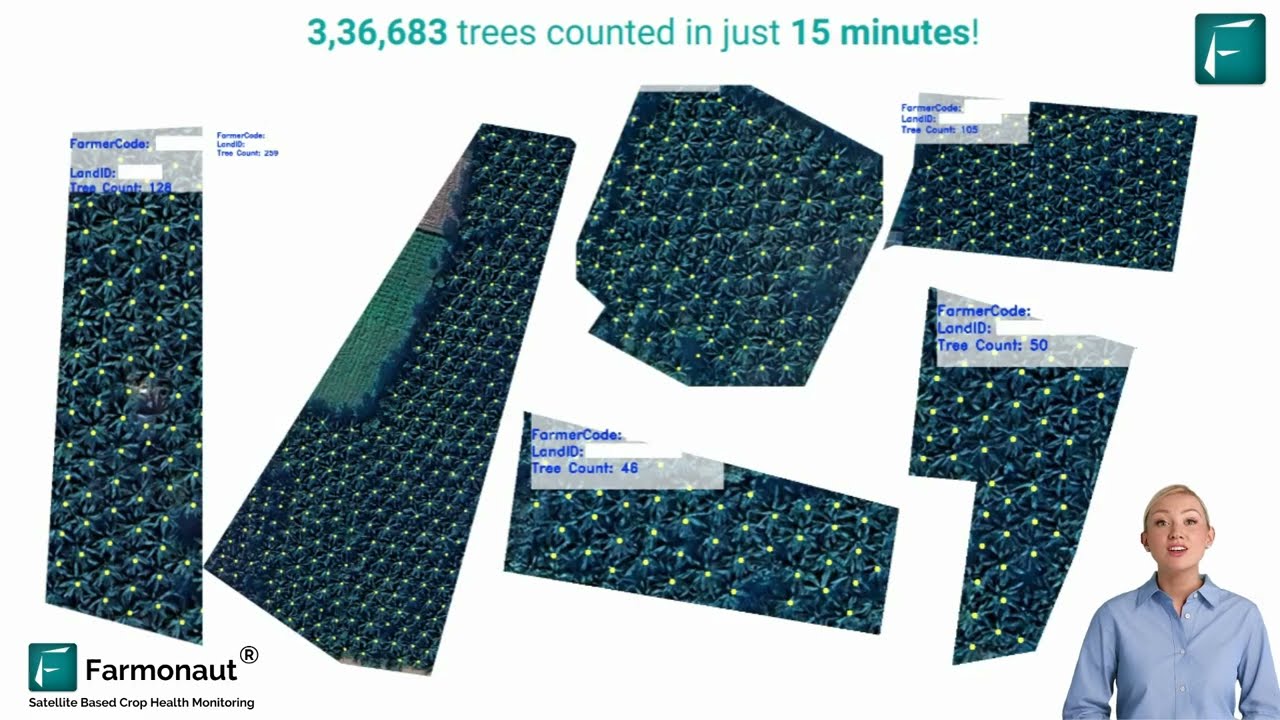
- Innovative solutions include satellite-driven surveillance and early-warning analytics for leak detection, as offered by advanced monitoring APIs.
Disposal and rehabilitation practices are becoming focal points of both regulatory scrutiny and sustainability branding in the mining sector.
6. Community and Social Impacts
The proximity of copper mines to towns and indigenous territories brings complex community concerns:
- Potential displacement, economic dependency, and disruptions to livelihoods and cultural traditions are real risks.
- Leading mining companies are increasingly partnering with local stakeholders to ensure social license to operate and meaningful participatory planning.
- Transparency, grievance mechanisms, and respect for indigenous rights are becoming best practice under international regulations frameworks.
Modern traceability and satellite-driven community engagement platforms provide data-driven supports for oversight and dispute resolution.

7. Regulatory Compliance and Environmental Stewardship
In 2025, mining companies face increasing scrutiny:
- Global reporting standards and transparent ESG (Environmental, Social, and Governance) criteria are shaping new benchmarks for copper mining operations.
- Non-compliance can result in costly delays, fines, or even shutdowns—reinforcing the centrality of responsible practices and up-to-date reporting systems.
- Satellite-based monitoring (API & Dev Docs) is an emerging game-changer for real-time regulatory compliance in complex or remote mining regions.



Explore Farmonaut’s Web, Android, or iOS App for real-time environmental, operational, and sustainability insights across copper mining locations worldwide—optimized for accessibility, affordability, and large-scale resource management.

Sustainable Practices & Technological Innovations in Copper Mining (2025)
The industry is at a crossroads—while copper remains indispensable for the global green transition, the environmental implications of mining are nudging the sector towards unprecedented innovation. As of 2025, several trends and best practices are driving the sector forward:
Circular Economy: Increasing Copper Recycling
- Secondary supply from electronic waste (urban mining) is increasingly prioritized, reducing pressure on primary extraction and land disturbance.
- Recycling supports “closing the loop,” minimizing both resource extraction and environmental impacts.
- Some regions (Canada, EU, and USA) boast recycling rates of up to 45% of the copper supply chain.
In-situ Leaching and Responsible Extraction Technologies
- In-situ leaching—a process extracting copper directly from the ore body via chemical solutions—minimizes surface disturbance and tailings generation.
- This method, however, is only suitable for certain ore types and requires rigorous monitoring to prevent groundwater contamination.
- Emerging “green chemistry” for ore processing is reducing reliance on cyanide and other high-risk chemicals.
Enhanced Environmental Monitoring and Data-Driven Compliance
- Satellite-based monitoring, AI-driven analytics, and drones enable continuous assessment and early detection of environmental risks across vast sites.
- Blockchain-enabled tracking supports end-to-end transparency in mineral provenance and regulatory reporting (see how traceability works).
- Community engagement platforms ensure that local voices shape project development and ongoing stewardship.

Energy Transition and Renewable Integration
- Major mining locations are rapidly replacing fossil-derived electricity with solar and wind farms—especially in sun-rich regions like Chile and Australia.
- Some mines are moving towards carbon neutrality by 2030–2040, integrating renewable power and green hydrogen initiatives.
- Waste heat recovery, energy-efficient equipment, and electric or hydrogen-fueled haul trucks further reduce carbon emissions.
Platforms providing integrated carbon tracking—such as Farmonaut’s Carbon Footprinting solutions—are becoming essential for evidence-based sustainability progress reporting.
AI, Satellite, and Blockchain Technology for Mining Optimization
- Machine learning algorithms now analyze geospatial data, geological patterns, and ore quality to optimize exploration and reduce unnecessary land and water use.
- Blockchain-based traceability creates verifiable mineral supply chains, reducing fraud and boosting consumer confidence in “green copper” initiatives.
- Automated satellite-based asset tracking enables cost-efficient, remote oversight of fleets, equipment, and supply chains. For large business or government operations, see Fleet Management tools.
Community and Indigenous Rights in Mining Regions
- Participation in decision-making is widely recognized as an essential component of responsible mining in 2025.
- Companies must meet both national and international standards, including the UNDRIP (United Nations Declaration on the Rights of Indigenous Peoples), to ensure informed consent and long-term community benefit.
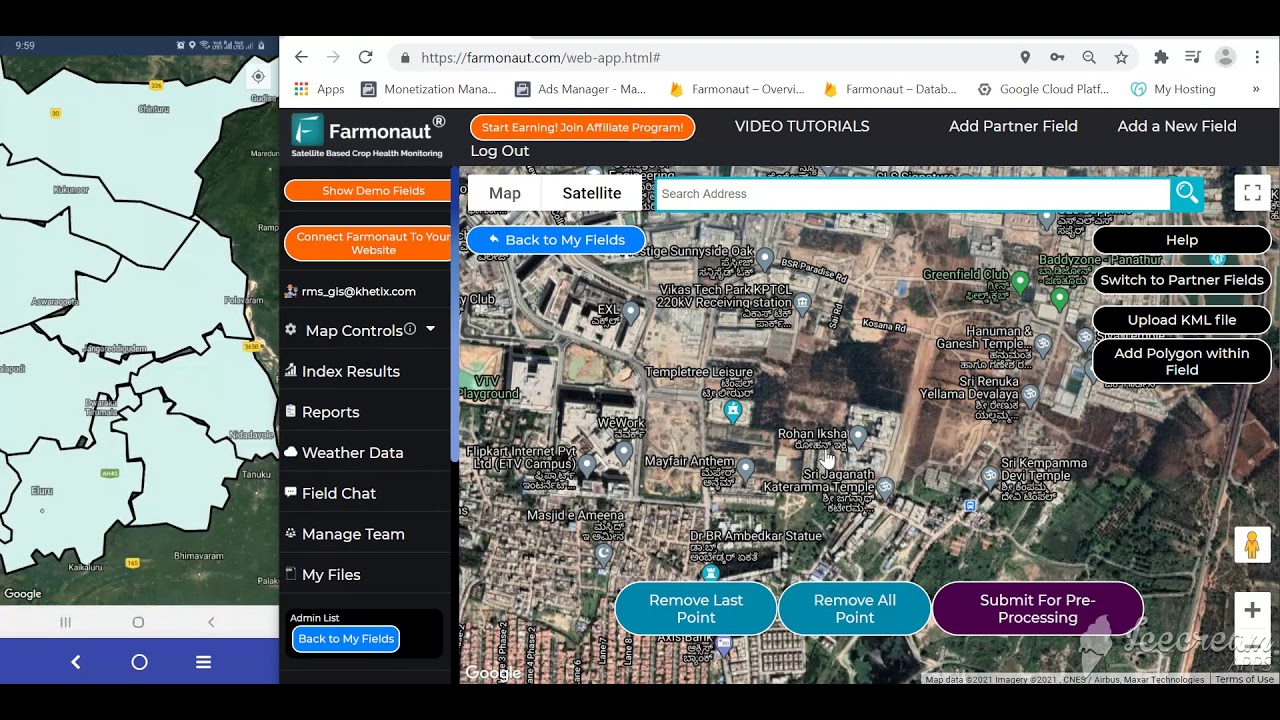
- Satellite monitoring enables better transparency and shared access to environmental data as projects develop (see how large-scale environmental management is coordinated).
Landscape Rehabilitation for Long-Term Ecosystem Health
- Progressive rehabilitation—restoring land during active mining and after closure—is an emerging priority for reducing cumulative impacts.
- Species reintroduction, native revegetation, and soil stabilization now complement traditional tailings containment.
- Remote sensing and AI-powered platforms now allow for real-time progress monitoring of rehabilitation effectiveness and compliance—central to securing ongoing environmental permits.
Explore how satellite monitoring and environmental data integration work at the code and operations level with Farmonaut’s API Developer Documentation.
Farmonaut’s Satellite-Driven Solutions for Responsible Mining
At Farmonaut, our mission is to democratize access to precision environmental monitoring and resource management. We believe technical innovation is essential for sustainable mining and for meeting increasingly stringent global regulations around environmental compliance and community accountability.
- Satellite-Based Monitoring: Our platform delivers high-resolution, multispectral data for continuous assessment of copper mining locations, tracking changes to land cover, water distribution, and vegetation health, even in the most remote regions.
- AI Advisory: Farmonaut’s Jeevn AI helps operators make real-time, data-driven decisions for resource extraction, logistics, environmental protection, and regulatory reporting.
- Blockchain Traceability: End-to-end tracking and anti-fraud technologies bolster transparency across mining, processing, and copper supply chains worldwide.
- Fleet and Resource Management: Scalable tools for tracking vehicles and equipment, enhancing both operational efficiency and environmental safeguards across large concessions.
- Environmental Impact Tracking: Customizable dashboards for carbon footprinting, emissions analysis, and compliance with global and local regulations.
- Access to Financing: Our real-time data supports banks, insurers, and mining companies—for instance, through satellite-based loan and insurance validation (learn more about satellite insurance and financing validation).
Our subscription platform is designed for governments, businesses, and mining operators—enabling scalable services, accessible through web, Android, and iOS apps, as well as robust API integrations for businesses and developers globally.
Choose from self-serve subscriptions for individuals to large-scale packages for businesses and governments— Farmonaut empowers sustainable mining through affordable, actionable technology.
Discover more about advisory services for plantation, reforestation, and environmental compliance solutions.
Frequently Asked Questions: Copper Mining Locations and Environmental Implications 2025
Which country is the largest copper producer in 2025?
Chile remains the world’s largest copper producer, accounting for over 25% of global copper output. The Chilean Atacama Desert is home to colossal mining complexes such as Escondida and Chuquicamata, which together shape the structure of the global supply chain.
What are the main environmental implications of copper mining?
Key environmental implications of mining copper include land degradation and habitat loss, water usage and contamination, air pollution, energy consumption (leading to high carbon emissions), waste generation (e.g., tailings), and community impacts. These implications vary significantly by region, operational scale, and compliance with environmental regulations.
How is copper mining becoming more sustainable in 2025?
Sustainability is increasingly centered on circular economy strategies (boosting copper recycling), renewable energy use, advanced satellite and AI monitoring, traceability, responsible water management, and ecological rehabilitation. These practices reduce both the carbon and environmental footprint, while ensuring compliance and social license to operate.
Which new technologies are most transformative for mining sustainability?
Breakthroughs include AI-powered resource analytics, blockchain-based mineral traceability, remote sensing for continuous site oversight, and fleet management for reduced emissions and costs. For example, Farmonaut’s carbon footprint tracking and API-based monitoring platforms support both compliance and reporting.
How can communities near mining locations safeguard their interests?
Community engagement, inclusion in planning and monitoring, access to transparent environmental data, and clear frameworks for consent and compensation are crucial. Satellite and blockchain technologies can provide independent, verifiable information to empower both local stakeholders and regulators.
Where can I access reliable real-time monitoring data?
Platforms like Farmonaut offer affordable satellite-based monitoring through mobile, web, and API channels—helping businesses, governments, and communities manage resources and environmental impacts in real-time.
Conclusion: Responsible Extraction for a Sustainable Future
Copper remains a bedrock resource for technological growth and the global transition to renewable energy, electric vehicles, and advanced electronics. However, the environmental implications of increasing output from key copper mining locations are challenging us to rethink industry practices.
By embedding rigorous environmental standards, leveraging emerging technologies, and prioritizing community and ecosystem health, the mining sector can mitigate its footprint while meeting accelerating global demand. Using real-time, satellite-driven data and advanced analytics—like those we provide at Farmonaut—stakeholders can make more responsible decisions for people and planet, ensuring copper’s benefits for generations to come.
With the right stewardship and innovation, copper mining can evolve from a source of risk to a model of sustainable economic growth and environmental care in 2025 and beyond.

 Kidepo Associates
 GKY Mining
 Alkimy SARL
 Double A Trading
 GemSprout Metals Limited
 Qader Group
 Ileys General Trading
 SG Gold Mining LLC
 VRV Global Pte Ltd
 Omsri International FZE
 G.I.T.T.
 Jaunita Erss Ltd
 Almosi SARL
 SRK Consulting
 Berks Gold Limited
 Mwerezi Minerals Company Limited
 Mining SARL
 SenGold Invest SAS
 Sean Mining Limited
